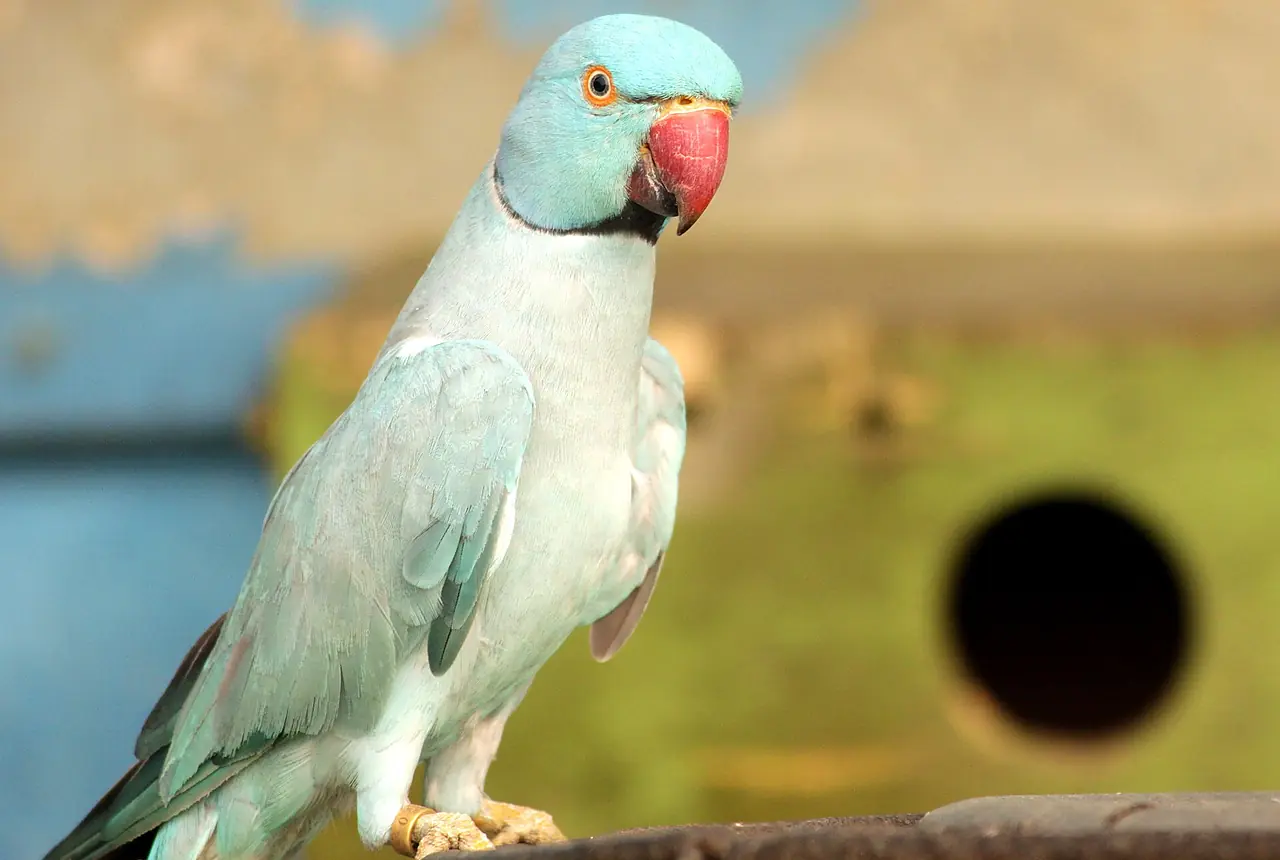
Indian Ringnecks are long-tailed, athletic parakeets with clear calls, strong flight, and an independent social style. Speech can be impressive, but it never guarantees easy handling or a quiet home. They suit people who enjoy daily training and respect a bird that may choose nearby company over cuddling.
Provide tail clearance, safe flight, chew work, and several training stations so movement never depends on chasing or grabbing.
Lifespan
20-30 years
Noise
Clear calls and talking can be part of the appeal and the challenge
Daily social time
Independent, intelligent, and best with respectful training
Space
Needs space, chew work, training stations, and patient social practice
Handling style
Choice-based training is the difference-maker
Experience
Better for prepared homes that can support flight space, independent behavior, and species-specific care
The honest fit
Could this bird fit your life?
The match may work if…
A good Indian Ringneck home likes a bird with voice, speed, curiosity, and personal space. Plan for daily training, flight-safe movement, and patient handling through young-adult testing stages.
You are comfortable with the bird's normal sound, movement, and daily social rhythm.
You have room for the recommended enclosure, safe movement, and a practical cleaning area.
Think twice if…
The room cannot fit a roomy small-bar cage, safe placement, and a cleaning routine you can actually repeat.
The food routine would likely become seed-only, treat-led, or inconsistent instead of pellets, greens, and measured seed.
The household expects instant cuddles instead of patient, choice-based trust.
The daily rhythm
A normal day with Indian Ringnecks
Indian Ringnecks thrive on flight, chewing, independent exploration, and consistent training that never forces touch. Their daily contact can be social and engaging without requiring the bird to enjoy cuddling or prolonged handling.
The surprise with indian ringnecks is independence. A ringneck may talk, fly to you, and still prefer not to be grabbed or petted like a cuddly parrot.
Indian Ring-Necked Parakeet refers to Psittacula krameri manillensis, a long-tailed parakeet also called an Indian Ringneck.
Adult males commonly develop the familiar neck ring, while females and immature birds do not show the same marking.
Home and movement
Use a roomy cage, safe flight area, chew work, and a few training stations so the bird can move with purpose instead of pacing or avoiding hands.
Food and daily care
Build meals around a nutritionally balanced parrot diet and suitable vegetables, with fruit, seeds, nuts, and table foods kept measured. Use tiny favorite pieces for training so rich extras do not displace ordinary food.
Indian Ringnecks spread fresh food and shredded toy pieces along long flight and climbing routes. Use washable stations and unscented cleaning, with no smoke, sprays, candles, perfume, or overheated nonstick cookware in the room.
Social life, sound and handling
Indian Ringnecks whistle, chatter, call sharply, and may learn speech, with wide individual variation. Listen to an adult before adoption and protect steady sleep; teaching words does not replace ordinary parakeet calls.
Choice-based training is the difference-maker. Reward approaching, stepping up, stationing, and calm returns to the cage instead of chasing a bird that is using flight to say no.
Careful, not fearful
Health and safety considerations
Sudden changes in appetite, breathing, posture, droppings, weight or usual voice deserve a call to an avian veterinarian.
Before adoption
Before you bring one home
Ask about age, hand confidence, flight history, and whether the bird has gone through an adolescent hands-off stage. Meet the adult bird if possible.
Confirm what species the bird is and ask for any available health and history records.
Ask what the bird currently eats, how it uses its enclosure, and how it responds to handling.
Measure the enclosure location, doorway route, and safe out-of-cage area before committing.
Confirm an avian veterinarian is accessible before the bird comes home.