Updated
Bird guides
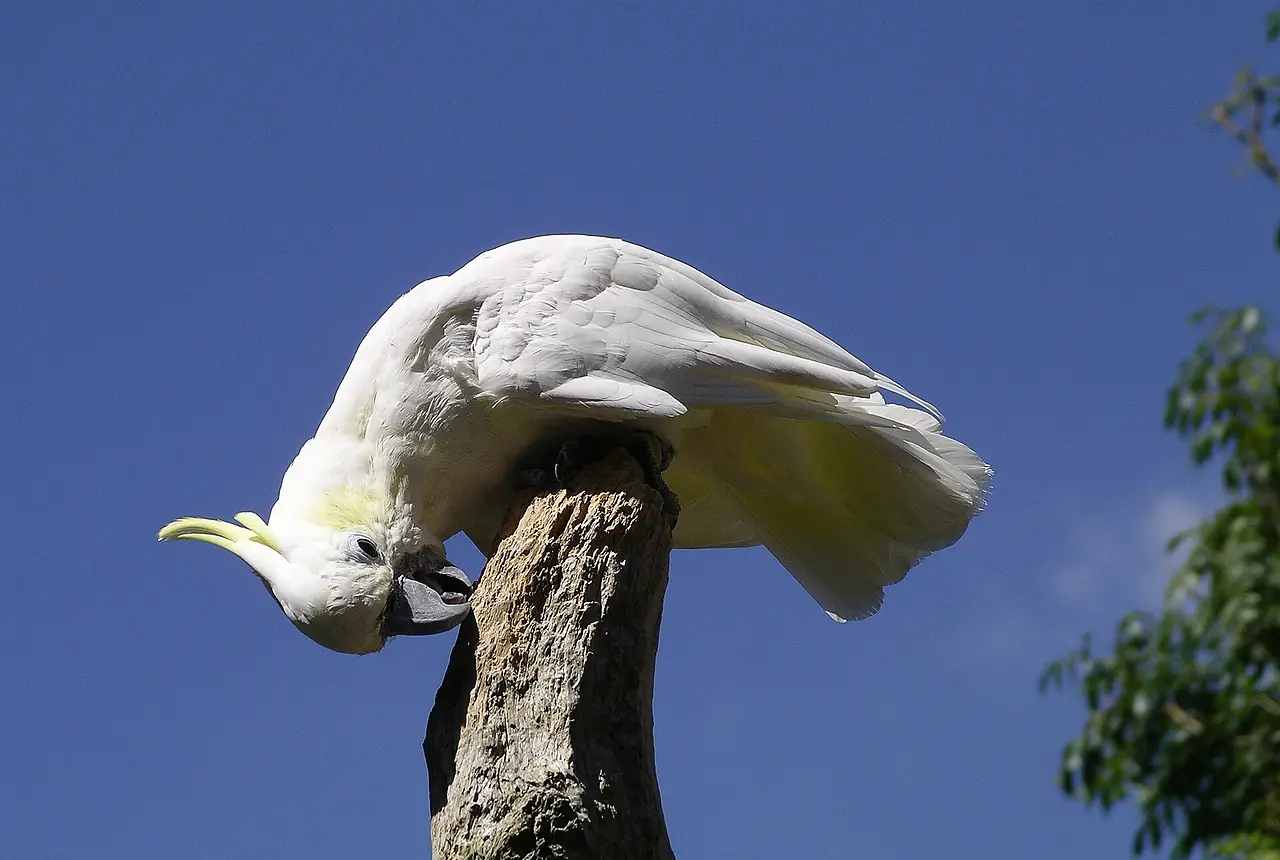
Lesser Sulphur-crested Cockatoos Care Guide
Lesser Sulphur-crested Cockatoos are loud, intelligent cockatoos with major social, dust, and enrichment needs.
Lesser sulphurs fit experienced cockatoo homes that can provide structure without creating a clingy bird.
Noise level
Very loud calls are normal, especially when the routine, sleep, or attention is off.
Daily social time
Cockatoos need a lot of connection, but too much clingy attention can create harder behavior later.
Handling style
Affection is wonderful, but cuddling needs limits or the bird can become demanding and hard to redirect.
Space needs
Large housing and dust-aware placement are part of normal care.
Diet complexity
Treat control matters. Many cockatoos need measured meals and weight checks.
Mess level
Dust, food waste, and toy debris need air-aware cleaning.
Enrichment needs
Needs enrichment that builds independence; nonstop cuddling is not a healthy plan.
Setup cost
Budget for large housing, dust-aware cleaning, chew replacements, and specialist care.
First-time fit
Better for prepared homes that can support flight space, independent behavior, and species-specific care.
Great fit for
- Lesser sulphurs fit experienced cockatoo homes that can provide structure without creating a clingy bird.
- Because sound varies by species and individual, hear the exact bird before adoption and make sure its calls, activity, space, and care routine fit the home.
- Plan for a very large setup, safe placement, and a cleaning routine you can repeat on ordinary weeks.
Think twice if
- The home cannot tolerate powerful calls, expensive gear, destructive chewing, daily training, and decades of care.
- The routine would likely rely on snacks and handling pressure instead of training, enrichment, balanced food, and mood awareness.
- The household expects instant cuddles instead of patient, choice-based trust.
01
A workable day with Lesser Sulphur-crested Cockatoos
Plan each day with lesser sulphur-crested cockatoos around food prep, cage cleanup, safe movement, enrichment, and a calm read of the bird's mood. Keep the social plan realistic: deep commitment, enrichment, clear daily rules, and experienced handling. If that routine feels hard to repeat during a normal busy week, pause before adopting lesser sulphur-crested cockatoos.
02
What people underestimate about Lesser Sulphur-crested Cockatoos
The surprise with lesser sulphur-crested cockatoos is volume and neediness. A smaller cockatoo is still a serious cockatoo.
03
Housing that works for Lesser Sulphur-crested Cockatoos
Use strong housing, heavy chew toys, foraging, bathing, and a predictable out-of-cage routine.
04
Food routine for Lesser Sulphur-crested Cockatoos
Use a balanced cockatoo diet with vegetables, greens, controlled fruit, and weight monitoring.
05
Living with the voice and sleep rhythm
Plan for very loud calls and a steady sleep schedule. Apartment fit is usually poor.
06
Trust, company, and handling
Reward calm independence and cooperative handling. Avoid constant petting that fuels hormonal behavior.
07
Cleaning without compromising the air
Expect powder down, chewed debris, and food mess. Good ventilation and regular cleaning matter.
08
Hands, dishes, and shared spaces
Treat cleanup as normal household hygiene, not as a scare. Wash hands after handling liners, droppings, bowls, perches, toys, or cleaning tools. Do not clean cages, bowls, perches, or bird equipment in the kitchen sink or on food-prep surfaces; use a separate cleanup area and keep bird supplies away from human food.
09
Learn the normal Lesser Sulphur-crested Cockatoos baseline
Watch feathers, skin, feet, weight, beak, droppings, and stress-related plucking.
10
Questions to ask before bringing one home
Ask about source, age, health records, screaming, biting, feather history, diet, and daily routine.