Updated
Bird guides
Little Lorikeets Care Guide
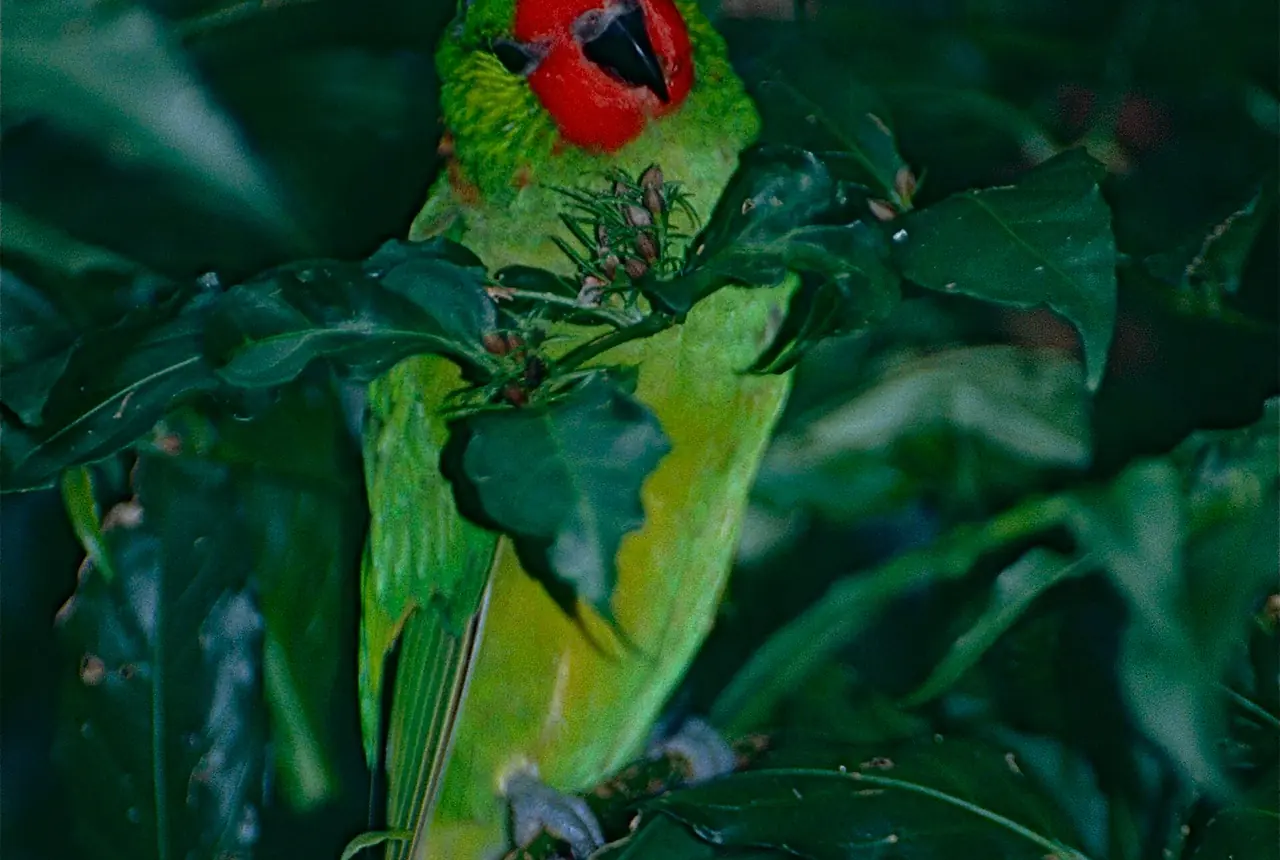
Little Lorikeets are tiny, active nectar-feeders that need secure housing and owners who understand small-bird risk.
Little lorikeets fit experienced keepers who can provide flight, hygiene, and careful observation.
Noise level
Active birds with sharp calls and lots of motion. The daily routine is lively.
Daily social time
Expect daily interaction plus cleanup. These are active birds, not low-effort cage pets.
Handling style
Fast movement and messy feeding make gentle routines important.
Space needs
Plan washable surfaces, easy dish access, and room for active movement.
Diet complexity
Nectar-style diets spoil fast, so dish hygiene is part of feeding.
Mess level
Wet droppings and sticky food make cleaning a major daily job.
Enrichment needs
Active movement, bathing, foraging, and food-safe cleanup all matter every day.
Setup cost
Special diet, washable setup, frequent cleaning supplies, and vet care make costs high.
First-time fit
Best for experienced keepers with the right space, legal source, diet hygiene, and avian-vet support.
Great fit for
- Little lorikeets fit experienced keepers who can provide flight, hygiene, and careful observation.
- Lory and lorikeet calls can be lively, but diet hygiene, wet droppings, washable space, sourcing, and avian-vet support are the bigger filters.
- Plan for a washable active setup, safe placement, and a cleaning routine you can repeat on ordinary weeks.
Think twice if
- The home cannot handle washable housing, sticky mess, wet droppings, safe placement, and repeatable cleaning.
- Busy days would make nectar hygiene, sticky surfaces, wet droppings, and frequent dish washing unrealistic.
- The household expects instant cuddles instead of patient, choice-based trust.
01
A workable day with Little Lorikeets
Plan each day with little lorikeets around food prep, cage cleanup, safe movement, enrichment, and a calm read of the bird's mood. Keep the social plan realistic: little lorikeets are interactive and intelligent, with a care routine shaped by nectar-style feeding and mess. If that routine feels hard to repeat during a normal busy week, pause before adopting little lorikeets.
02
What people underestimate about Little Lorikeets
The surprise with little lorikeets is how quickly small birds can get into trouble if diet or hygiene slips.
03
Housing that works for Little Lorikeets
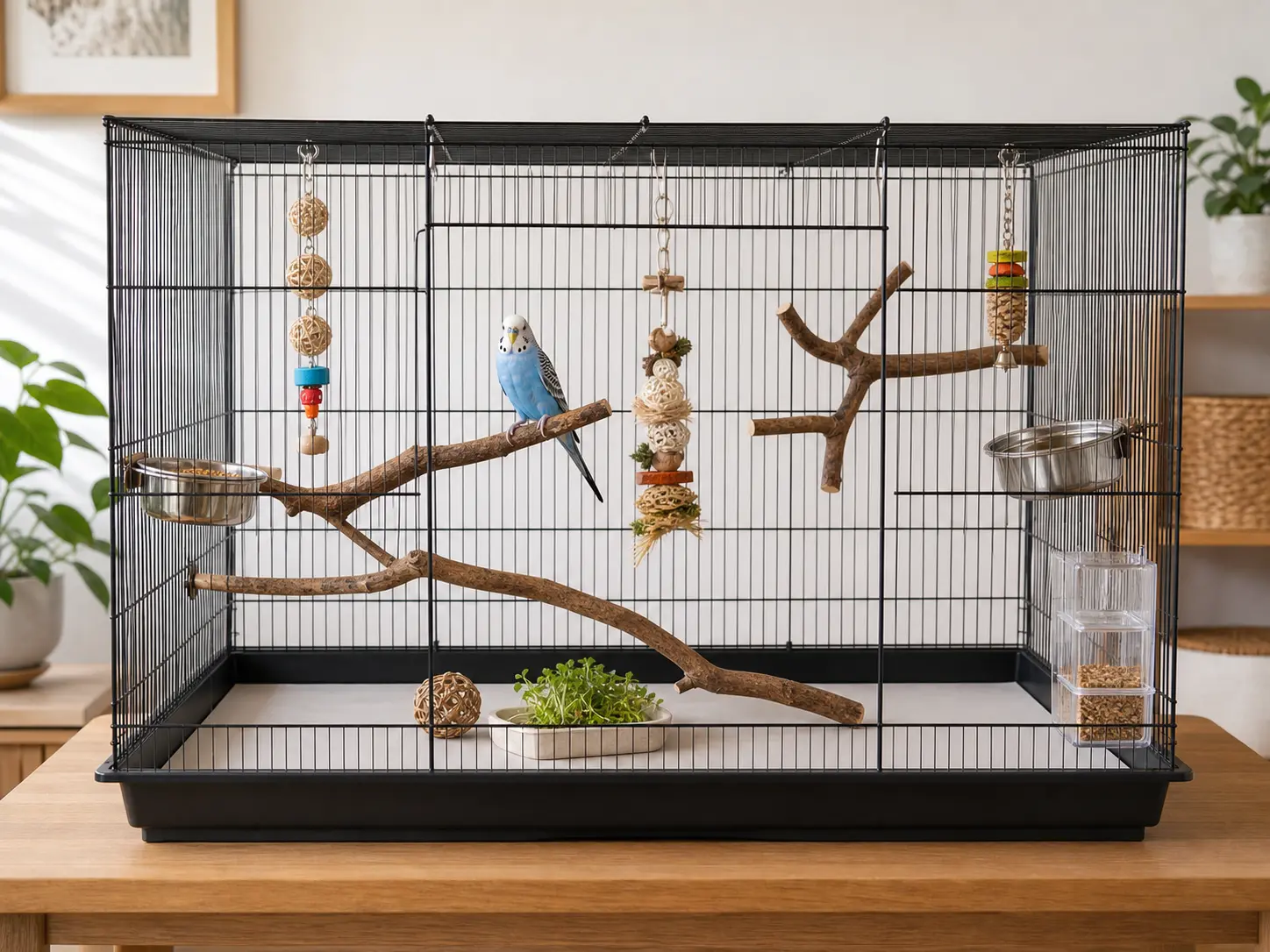
Use secure, washable housing with safe bar spacing, bathing, flight room, and low-stress placement.
04
Food routine for Little Lorikeets
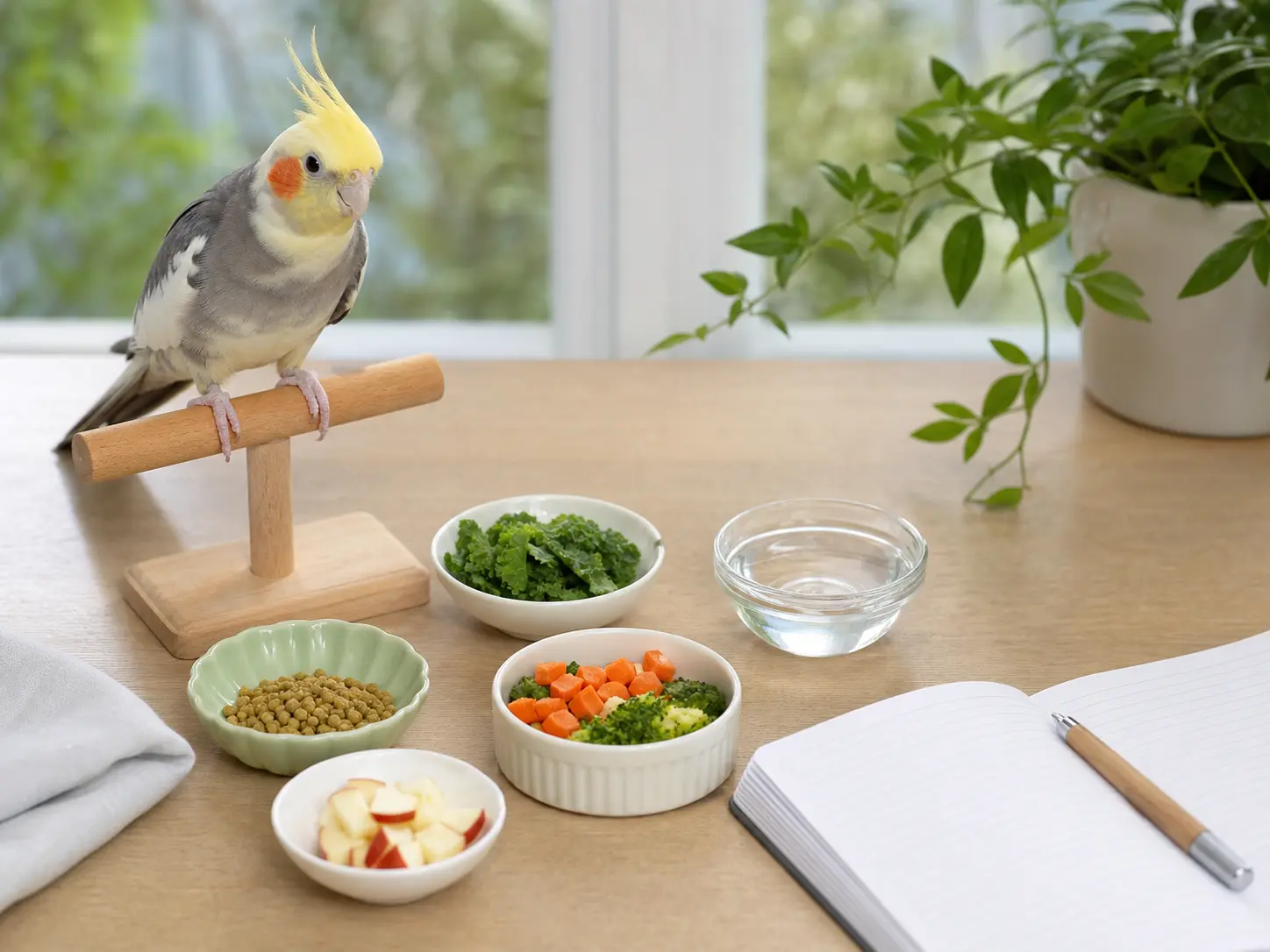
Feed a proper nectar diet with fresh foods and clean dishes. Keep spoilage prevention strict.
05
Living with the voice and sleep rhythm
Expect soft active calls and protect steady rest.
06
Trust, company, and handling
Keep handling gentle. Many little lorikeets are best appreciated through careful observation.
07
Cleaning without compromising the air
Plan for nectar mess, wet droppings, and frequent dish washing.
08
Hands, dishes, and shared spaces
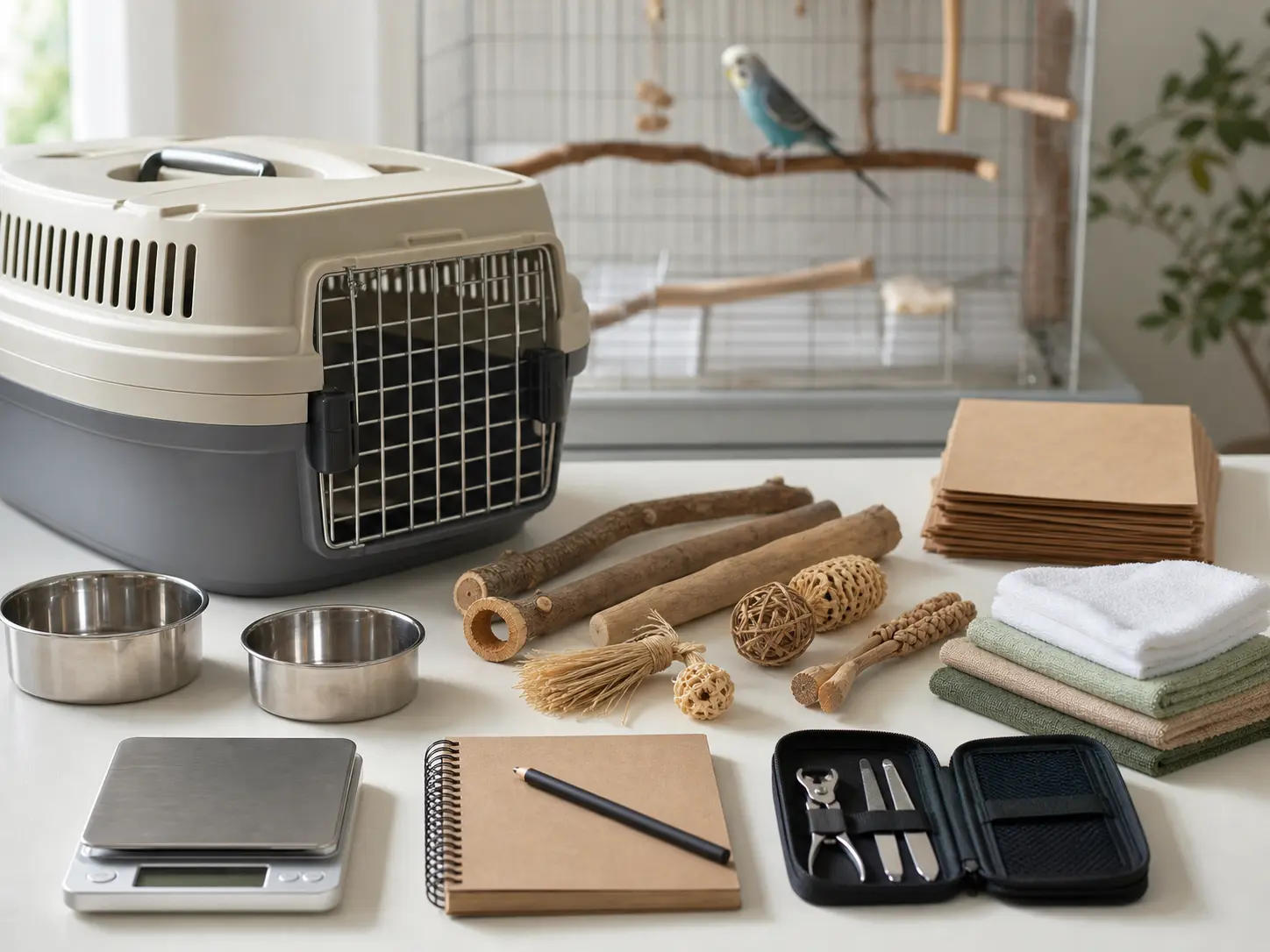
Treat cleanup as normal household hygiene, not as a scare. Wash hands after handling liners, droppings, bowls, perches, toys, or cleaning tools. Do not clean cages, bowls, perches, or bird equipment in the kitchen sink or on food-prep surfaces; use a separate cleanup area and keep bird supplies away from human food.
09
Learn the normal Little Lorikeets baseline
Watch weight, droppings, hydration, feather quality, and flock dynamics.
10
Questions to ask before bringing one home
Ask about source, diet, age, flock history, handling comfort, and current daily cleaning routine.