Updated
Bird guides
Noble Macaws Care Guide
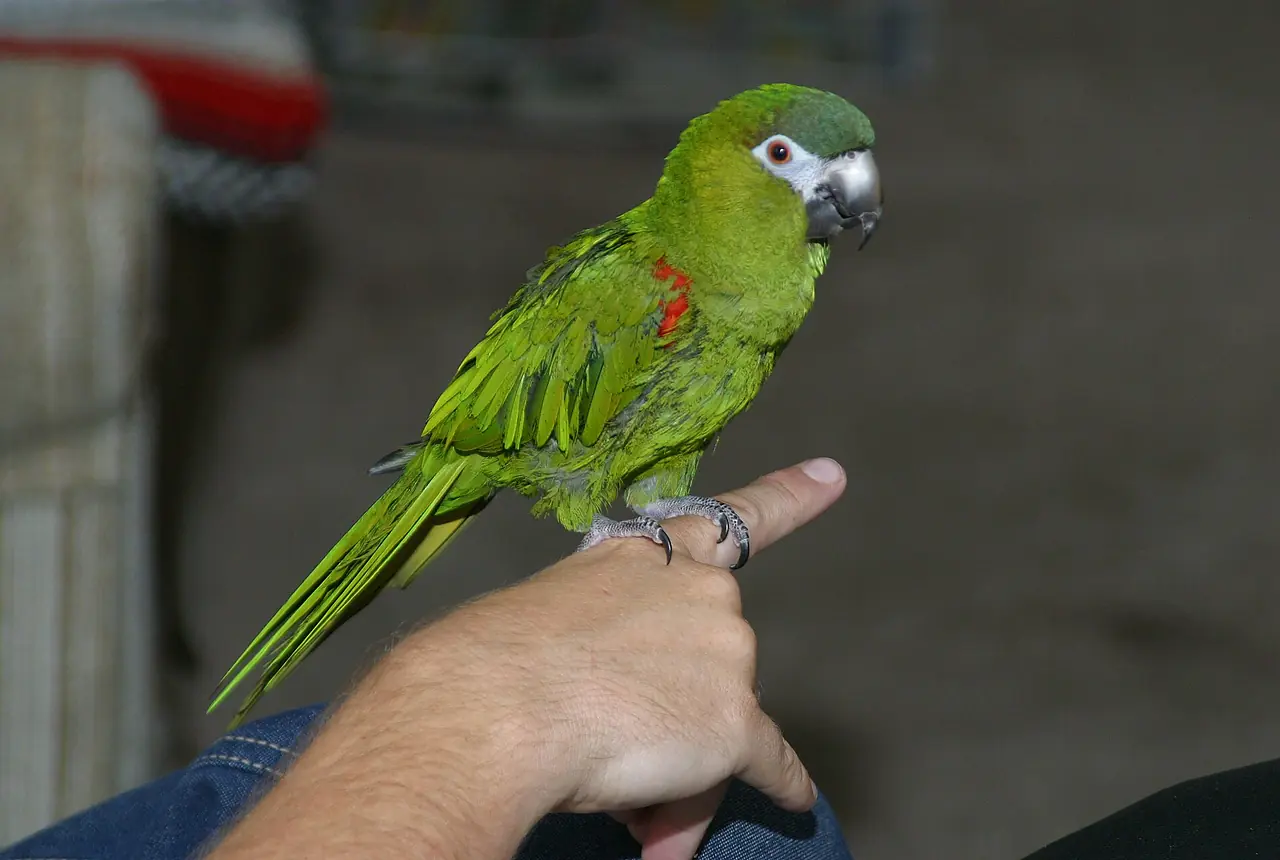
Noble Macaws are small macaws, but they still need serious chewing outlets, training, noise planning, and a long-term home.
Noble macaws fit parrot owners who want macaw personality in a smaller body and are ready for daily structure.
Noise level
Macaw calls are huge. Plan for the sound before you plan for the cage.
Daily social time
Macaws are big, physical social birds. Handling and play need skill, space, and clear routines.
Handling style
Handling a macaw is not casual. Size, beak strength, and excitement all matter.
Space needs
Everything is big: cage, stand, carrier, perches, toys, and chew space.
Diet complexity
Some macaws need more dietary fat, but that does not mean unlimited nuts.
Mess level
Big beaks make big cleanup. Toy chunks and food waste are normal.
Enrichment needs
Big beaks need big safe chew material, play stands, foraging, and supervised movement.
Setup cost
Macaws are high-cost birds: huge housing, strong gear, large toys, and specialist care.
First-time fit
Expert-level size, cost, sound, strength, and lifespan.
Great fit for
- Noble macaws fit parrot owners who want macaw personality in a smaller body and are ready for daily structure.
- Macaw calls are huge, and the household needs to accept that before adoption.
- Plan for a very large setup, safe placement, and a cleaning routine you can repeat on ordinary weeks.
Think twice if
- The home cannot tolerate powerful calls, expensive gear, destructive chewing, daily training, and decades of care.
- The routine would likely rely on snacks and handling pressure instead of training, enrichment, balanced food, and mood awareness.
- The household expects instant cuddles instead of patient, choice-based trust.
01
A workable day with Noble Macaws
Plan each day with noble macaws around food prep, cage cleanup, safe movement, enrichment, and a calm read of the bird's mood. Keep the social plan realistic: large, intelligent, physical parrots need skilled handling and steady routines. If that routine feels hard to repeat during a normal busy week, pause before adopting noble macaws.
02
What people underestimate about Noble Macaws
The surprise with noble macaws is the beak. Small macaw does not mean soft chewing or effortless handling.
03
Housing that works for Noble Macaws
Use a sturdy cage, heavy chew materials, varied perches, bathing, and supervised out-of-cage time.
04
Food routine for Noble Macaws
Feed a balanced mini-macaw diet with vegetables, greens, suitable fats, and careful treat control.
05
Living with the voice and sleep rhythm
Plan for sharp macaw calls and a consistent sleep schedule. Noise checks matter before purchase.
06
Trust, company, and handling
Teach step-up, stationing, and gentle beak manners early. Keep shoulder time controlled.
07
Cleaning without compromising the air
Use unscented cleaning routines, paper liners, washable food areas, and regular dish changes so appetite, droppings, dust, and chewing are easy to monitor. Keep the air around the bird simple: no smoke, aerosols, candles, heavy perfume, overheated nonstick pans, or strong cleaners.
08
Hands, dishes, and shared spaces
Treat cleanup as normal household hygiene, not as a scare. Wash hands after handling liners, droppings, bowls, perches, toys, or cleaning tools. Do not clean cages, bowls, perches, or bird equipment in the kitchen sink or on food-prep surfaces; use a separate cleanup area and keep bird supplies away from human food.
09
Learn the normal Noble Macaws baseline
Watch weight, feather condition, beak wear, feet, and stress-related behavior. Keep unsafe woods, metals, and cords away.
10
Questions to ask before bringing one home
Ask about age, diet, handling, screaming, biting history, health records, and whether the bird accepts multiple caregivers.