Updated
Bird guides
Pale-headed Rosellas Care Guide
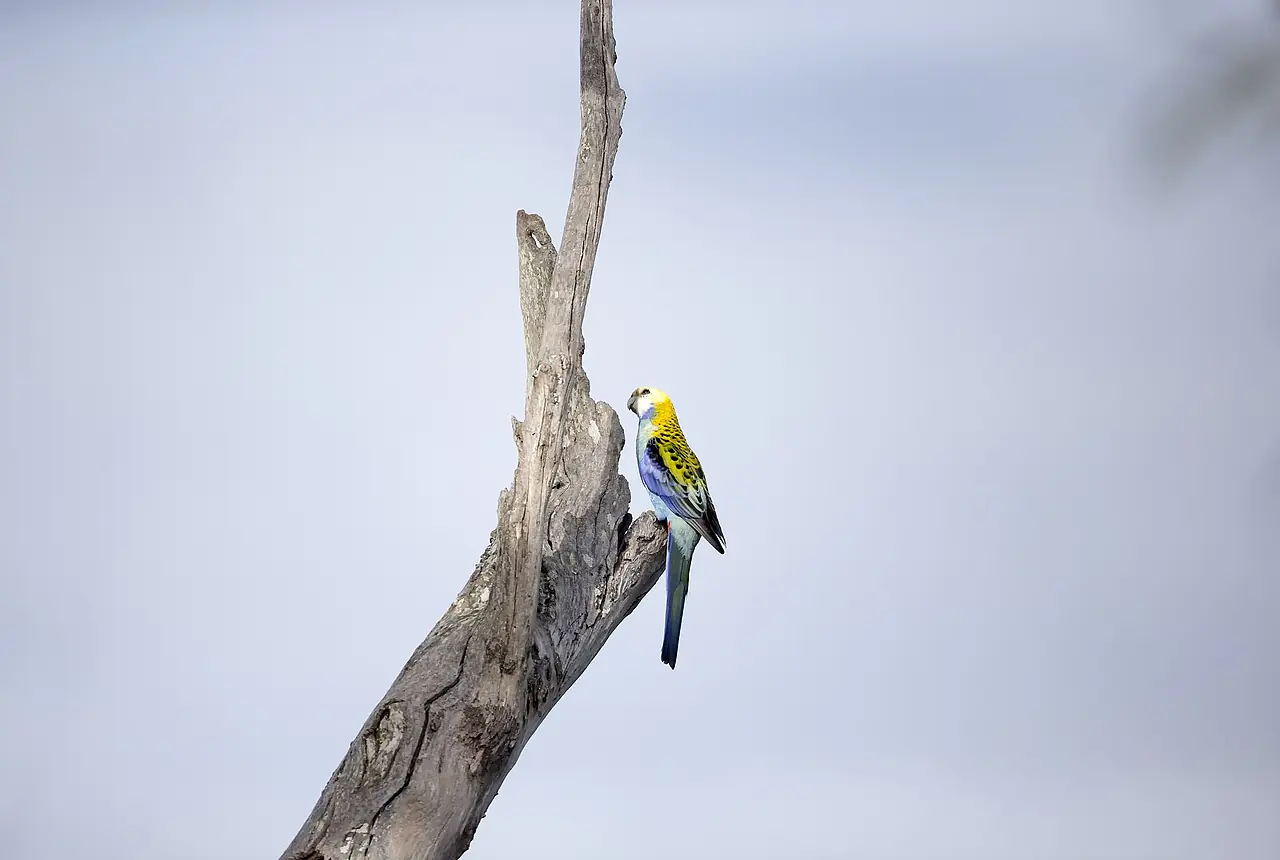
Pale-headed Rosellas are attractive aviary-style parrots that need flight space, calm care, and careful companion choices.
Pale-heads fit keepers who enjoy watching independent birds and can provide a roomy setup and steady routine.
Noise level
Expect daily chatter, flock calls, and excited noise. Small does not mean silent.
Daily social time
Plan on daily attention, short training, or compatible bird company so they are not left bored.
Handling style
Plan for observation-first or practical handling; do not choose this bird for cuddling.
Space needs
Small-bar spacing, safe flight time, and smart cage placement matter.
Diet complexity
Seed should not be the whole diet. Build a steady routine around pellets, greens, and vegetables.
Mess level
Expect seed hulls, feathers, chewed toys, and quick daily wipe-downs.
Enrichment needs
Rotate simple toys, foraging, flight time, and training so the bird has a job.
Setup cost
The bird may be inexpensive; the right cage, vet fund, toys, food, and scale are not.
First-time fit
Better for prepared homes that can support flight space, independent behavior, and species-specific care.
Great fit for
- Pale-heads fit keepers who enjoy watching independent birds and can provide a roomy setup and steady routine.
- Because sound varies by species and individual, hear the exact bird before adoption and make sure its calls, activity, space, and care routine fit the home.
- Plan for a roomy small-bar cage, safe placement, and a cleaning routine you can repeat on ordinary weeks.
Think twice if
- The setup cannot provide roomy housing, safe flight, and calm handling expectations.
- The food routine would likely become seed-only, treat-led, or inconsistent instead of pellets, greens, and measured seed.
- The home wants a cuddly small parrot more than an independent bird with real flight needs.
01
A workable day with Pale-headed Rosellas
Keep the ordinary day with pale-headed rosellas simple: fresh food and water, cage-floor cleanup, safe movement, and a quick health scan. Plan for daily interaction, safe flight or movement, and respectful training. If that routine feels hard to repeat during a normal busy week, pause before adopting pale-headed rosellas.
02
What people underestimate about Pale-headed Rosellas
The surprise with pale-headed rosellas is that rosella beauty does not guarantee a tame companion. Handling depends heavily on history.
03
Housing that works for Pale-headed Rosellas
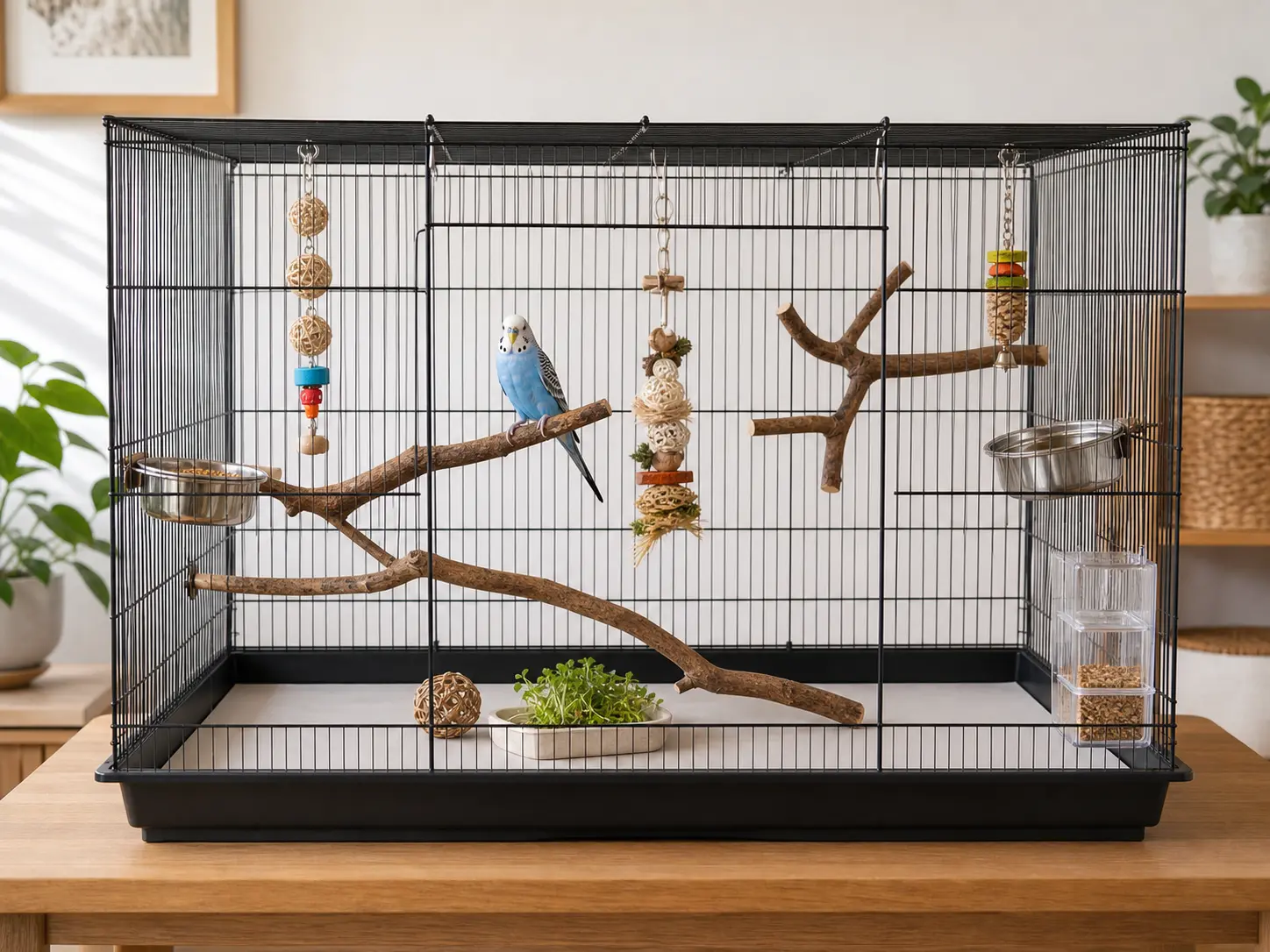
Use horizontal room, tail clearance, bathing, safe perches, and a quiet location that does not keep the bird startled.
04
Food routine for Pale-headed Rosellas
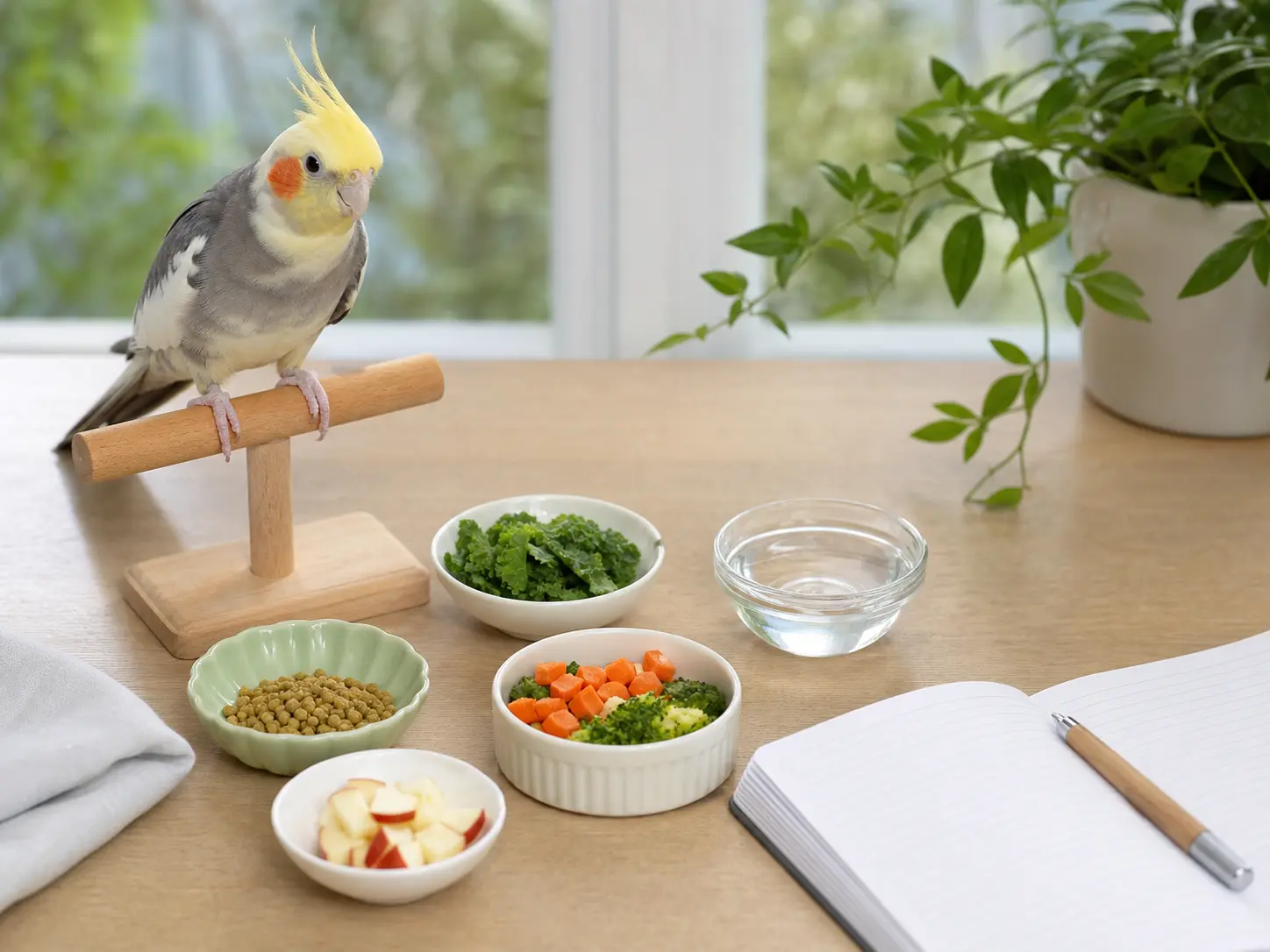
Pellets or a species-appropriate base diet, vegetables, greens, measured seed, and limited fruit. Keep fresh water, measured portions, and slow changes so appetite, droppings, and weight are easy to read.
05
Living with the voice and sleep rhythm
Typical sound: Usually active and vocal, with calls that still matter in shared walls. Many birds are most active in the morning and evening. If those normal sounds would be a problem, decide that before adoption; do not count on training the voice away.
06
Trust, company, and handling
Let the bird choose closeness. Short, food-rewarded training works better than reaching in.
07
Cleaning without compromising the air
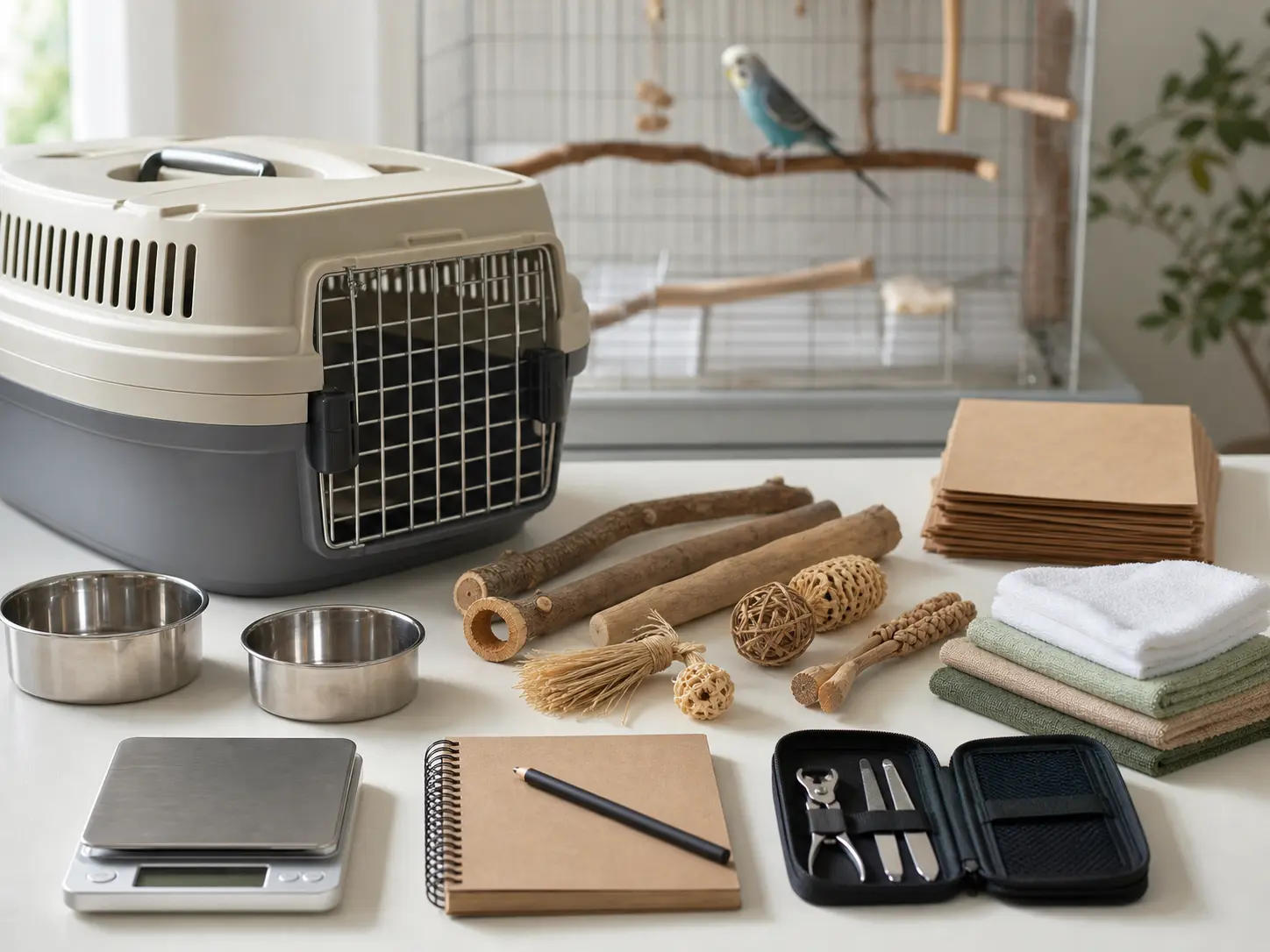
Use unscented cleaning routines, paper liners, washable food areas, and regular dish changes so appetite, droppings, dust, and chewing are easy to monitor. Keep the air around the bird simple: no smoke, aerosols, candles, heavy perfume, overheated nonstick pans, or strong cleaners.
08
Hands, dishes, and shared spaces
Treat cleanup as normal household hygiene, not as a scare. Wash hands after handling liners, droppings, bowls, perches, toys, or cleaning tools. Do not clean cages, bowls, perches, or bird equipment in the kitchen sink or on food-prep surfaces; use a separate cleanup area and keep bird supplies away from human food.
09
Learn the normal Pale-headed Rosellas baseline
Learn what normal looks like for the bird: weight, appetite, droppings, breathing, posture, feathers, voice, and energy. Birds can hide illness well, so call an avian vet quickly for not eating, tail-bobbing breathing, bleeding, a bird that cannot stay upright, egg trouble, or a sudden quiet mood.
10
Questions to ask before bringing one home
Ask about source, age, pair status, diet, and whether the bird is hand-comfortable or aviary-raised.