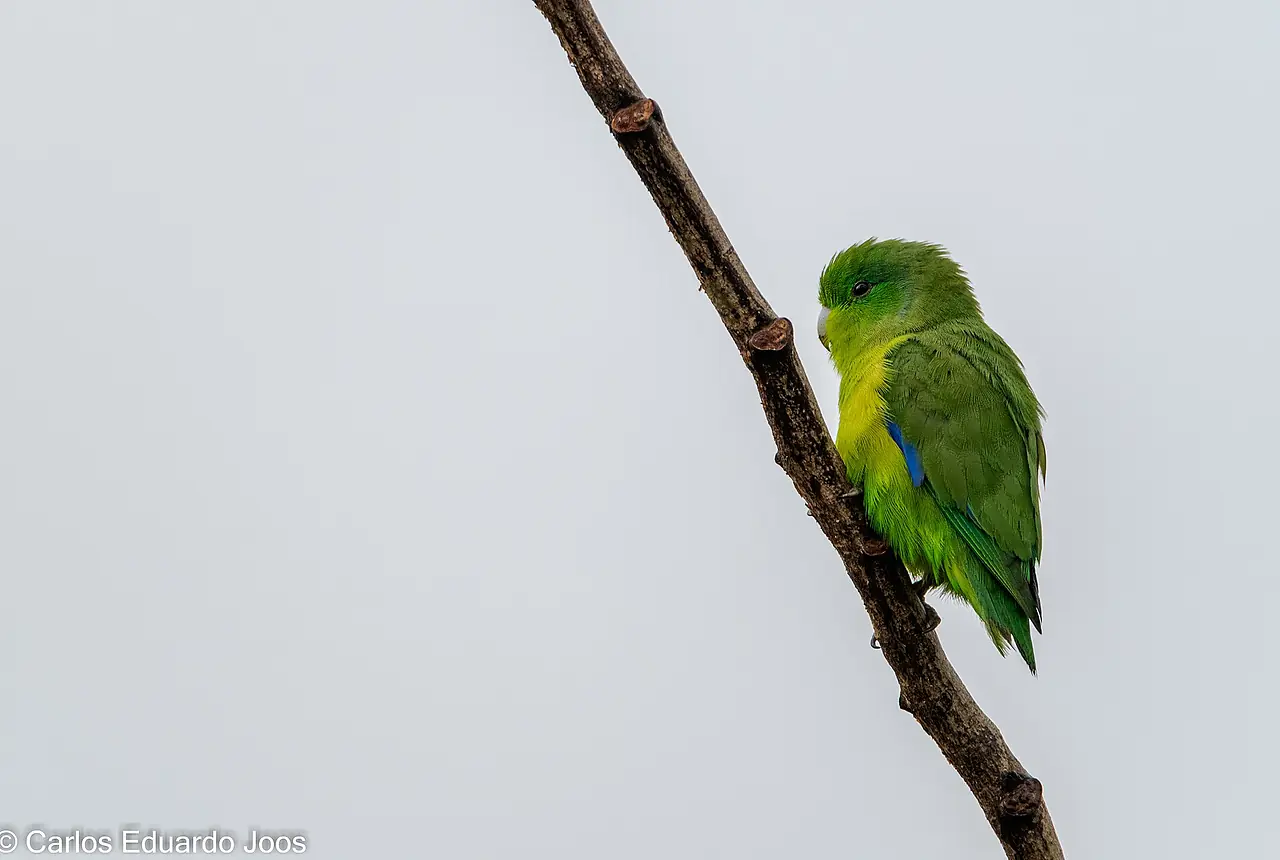
Parrotlets are several species of very small New World parrots, with Pacific and Green-rumped Parrotlets most often kept as companions. Their tiny bodies conceal assertive behavior and a surprisingly strong bite. They suit attentive homes that can offer wide small-bar housing, training, and safe separation from larger animals.
Choose the exact species and individual rather than expecting every parrotlet to share the same voice, temperament, or social needs.
Lifespan
15-20 years
Noise
Usually smaller voice than conures, but still vocal and opinionated
Daily social time
Tiny parrots with strong opinions; handling should be slow, kind, and consistent
Space
Needs small-bar spacing, escape-safe doors, toys, and safe flight practice
Handling style
Keep sessions short and successful
Experience
Possible for first-time owners who prepare the cage, diet, and daily attention first
The honest fit
Could this bird fit your life?
The match may work if…
Parrotlets fit homes that like bold small birds but can move with patience. They need small-bar housing, gentle hands, measured treats, and a routine that prevents a tiny bird from running the whole room.
You are comfortable with the bird's normal sound, movement, and daily social rhythm.
You have room for the recommended enclosure, safe movement, and a practical cleaning area.
Think twice if…
The room cannot fit a roomy small-bar cage, safe placement, and a cleaning routine you can actually repeat.
The food routine would likely become seed-only, treat-led, or inconsistent instead of pellets, greens, and measured seed.
The household expects instant cuddles instead of patient, choice-based trust.
The daily rhythm
A normal day with Parrotlets
Parrotlets combine a tiny body with bold territorial behavior and a strong appetite for climbing, chewing, and training. Keep sessions short, respect the cage boundary, and avoid assuming that small size makes conflict between birds harmless.
The surprise with parrotlets is attitude. A parrotlet may be smaller than a budgie, but many act like much larger parrots when they want space, food, or a favorite person.
Parrotlet describes several Forpus species; Pacific and Green-rumped Parrotlets are the most common companions.
A Pacific Parrotlet is usually bolder than its size suggests, while the group label cannot predict every individual's temperament.
Home and movement
Use narrow bar spacing, secure doors, a simple cage layout, and safe flight practice in a controlled room. Watch gaps behind furniture and doorways because a tiny bird disappears quickly.
Food and daily care
Build meals around a nutritionally balanced small-parrot diet with suitable vegetables and measured seed or fruit. Cut pieces to a usable size, introduce changes slowly, and track body weight because a tiny bird leaves little room for missed appetite changes.
Parrotlets move through tiny gaps and drop hulls, fresh food, and shredded material around a wide cage. Use plain liners and unscented cleaning, with no smoke, sprays, candles, perfume, or overheated nonstick cookware in the room.
Social life, sound and handling
Parrotlets usually produce chirps, contact calls, and occasional learned sounds rather than large-parrot volume. Their small voice can still be frequent, and talking is never guaranteed; keep nights dark and predictable.
Keep sessions short and successful. Invite the bird closer, reward calm contact, and avoid pushing when the bird is clearly saying no.
Careful, not fearful
Health and safety considerations
Sudden changes in appetite, breathing, posture, droppings, weight or usual voice deserve a call to an avian veterinarian.
Before adoption
Before you bring one home
Ask whether the parrotlet has lived alone, with a mate, or near other birds. Pair choices, hand confidence, and cage habits can change the first month at home.
Confirm what species the bird is and ask for any available health and history records.
Ask what the bird currently eats, how it uses its enclosure, and how it responds to handling.
Measure the enclosure location, doorway route, and safe out-of-cage area before committing.
Confirm an avian veterinarian is accessible before the bird comes home.