Updated
Bird guides
Yellow-thighed Caiques Care Guide
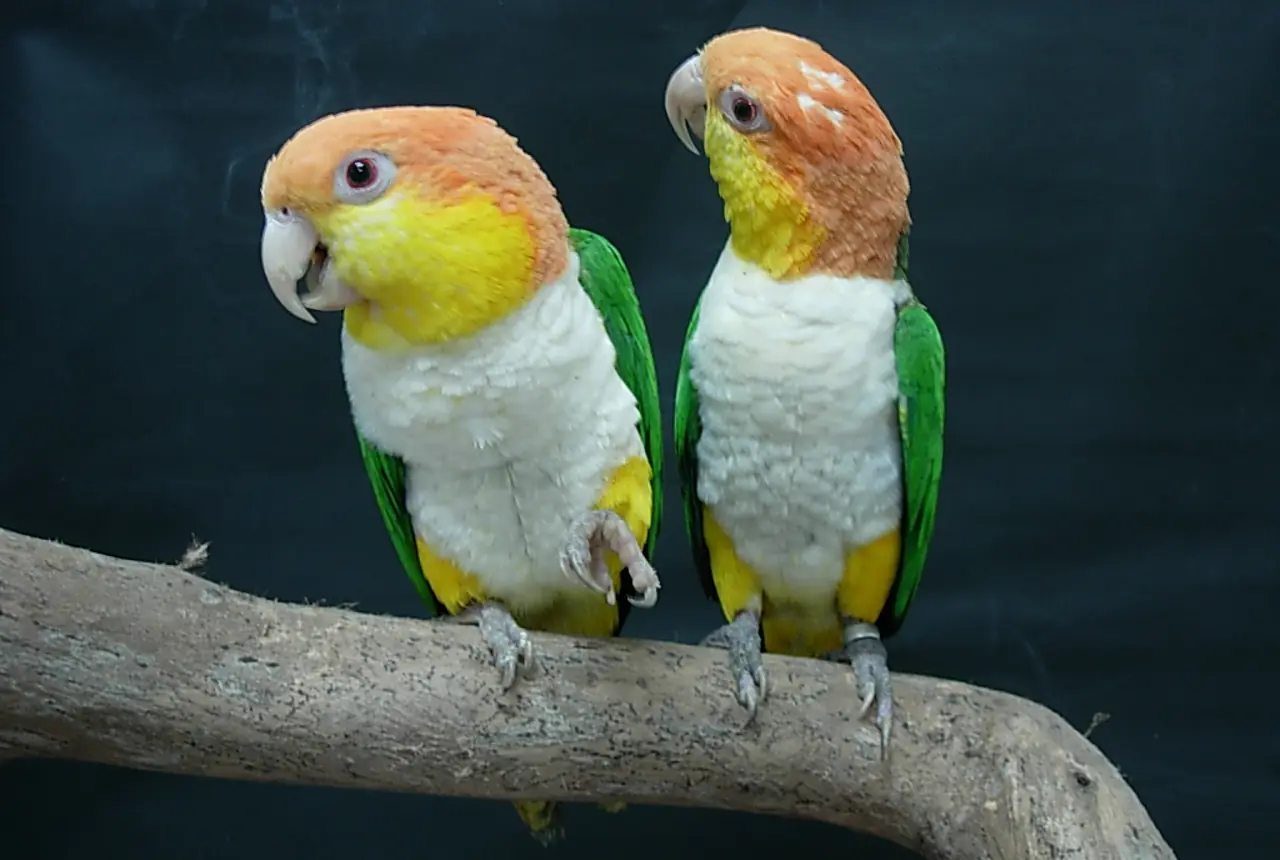
Yellow-thighed Caiques are energetic parrots that need daily play, training, and firm but kind boundaries.
Yellow-thighed caiques fit active homes that can provide supervised play without letting rough behavior take over.
Noise level
Playful energy can get loud fast. Expect bursts of noise, not quiet background company.
Daily social time
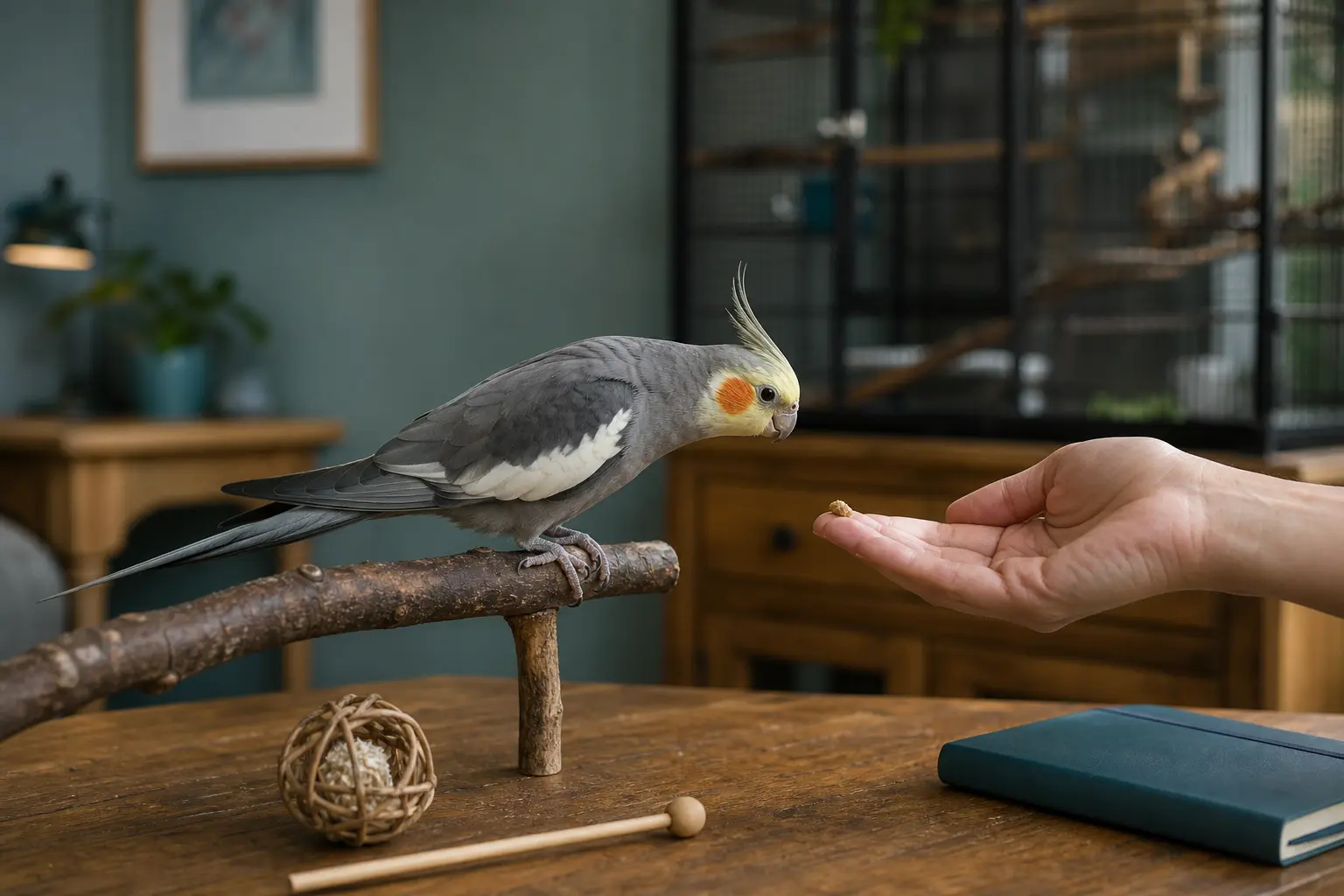
They need guided play. Without structure, funny energy can turn into rough habits.
Handling style
Set play rules early. Rough play is much harder to undo later.
Space needs
Needs room for active play, not just a cage that fits the bird.
Diet complexity
Use treats for training, but do not let them replace real meals.
Mess level
Active play can spread food, toys, and droppings quickly.
Enrichment needs
High-energy play needs structure, toy rotation, and clear rules before rough habits start.
Setup cost
Costs rise with toy turnover, sturdy housing, training supplies, and active-bird cleanup.
First-time fit
Best for experienced parrot homes that enjoy high-energy birds.
Great fit for
- Yellow-thighed caiques fit active homes that can provide supervised play without letting rough behavior take over.
- The household should be comfortable with lively sound and movement during normal mornings, evenings, and busy days.
- Plan for a strong activity setup, safe placement, and a cleaning routine you can repeat on ordinary weeks.
Think twice if
- The room cannot fit a strong activity setup, safe placement, and a cleaning routine you can actually repeat.
- The food routine would likely become seed-only, treat-led, or inconsistent instead of measured treats.
- The household expects instant cuddles instead of patient, choice-based trust.
01
A workable day with Yellow-thighed Caiques
Keep the ordinary day with yellow-thighed caiques simple: fresh food and water, cage-floor cleanup, safe movement, and a quick health scan. Keep the social plan realistic: busy, physical parrots need guided play and clear rules before play gets rough. If that routine feels hard to repeat during a normal busy week, pause before adopting yellow-thighed caiques.
02
What people underestimate about Yellow-thighed Caiques
The surprise with yellow-thighed caiques is the intensity of play. Caiques can go from hilarious to too much very quickly.
03
Housing that works for Yellow-thighed Caiques
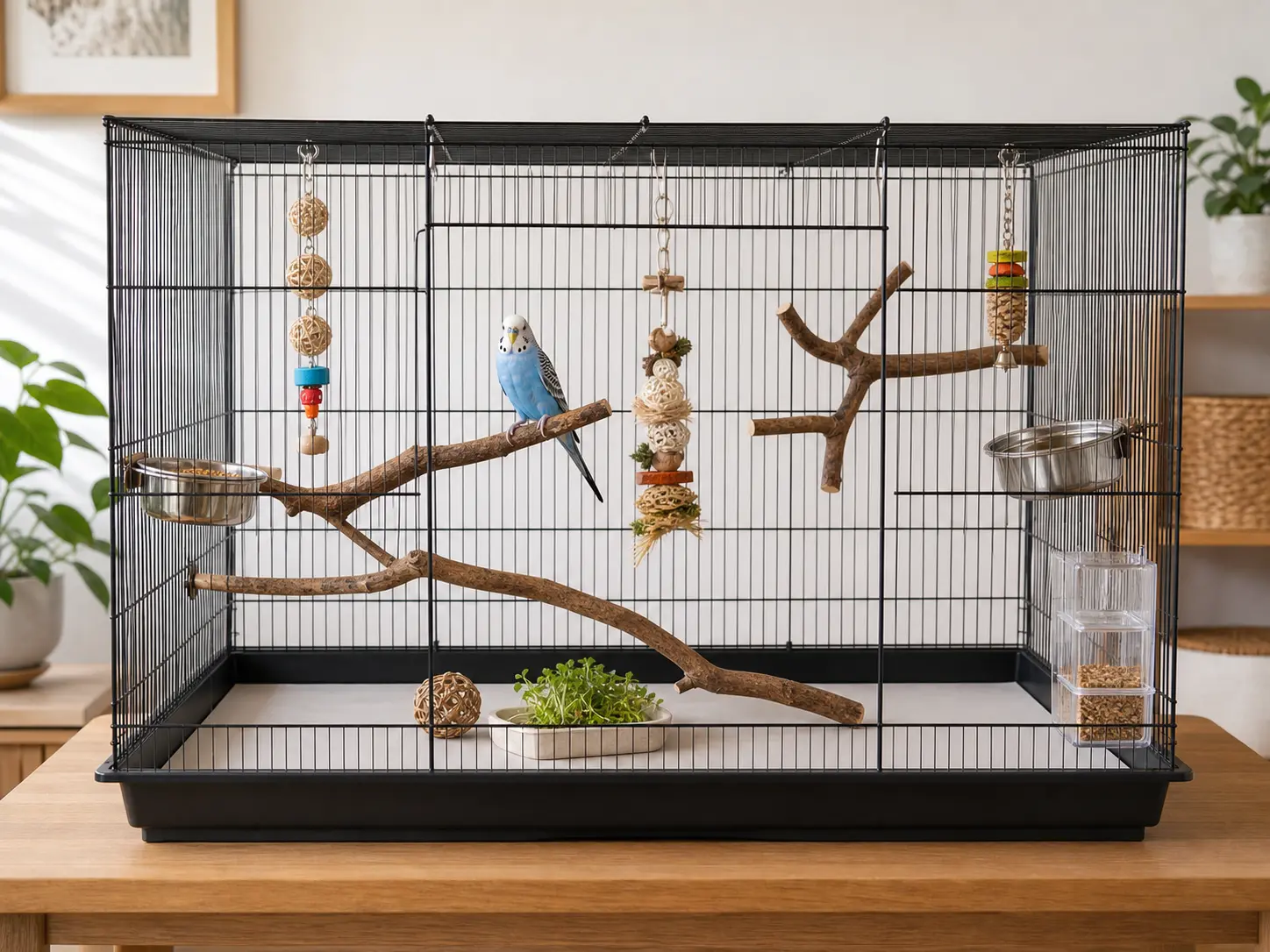
Use a sturdy cage, climbing routes, toys that can be destroyed, bathing, and a safe play area.
04
Food routine for Yellow-thighed Caiques
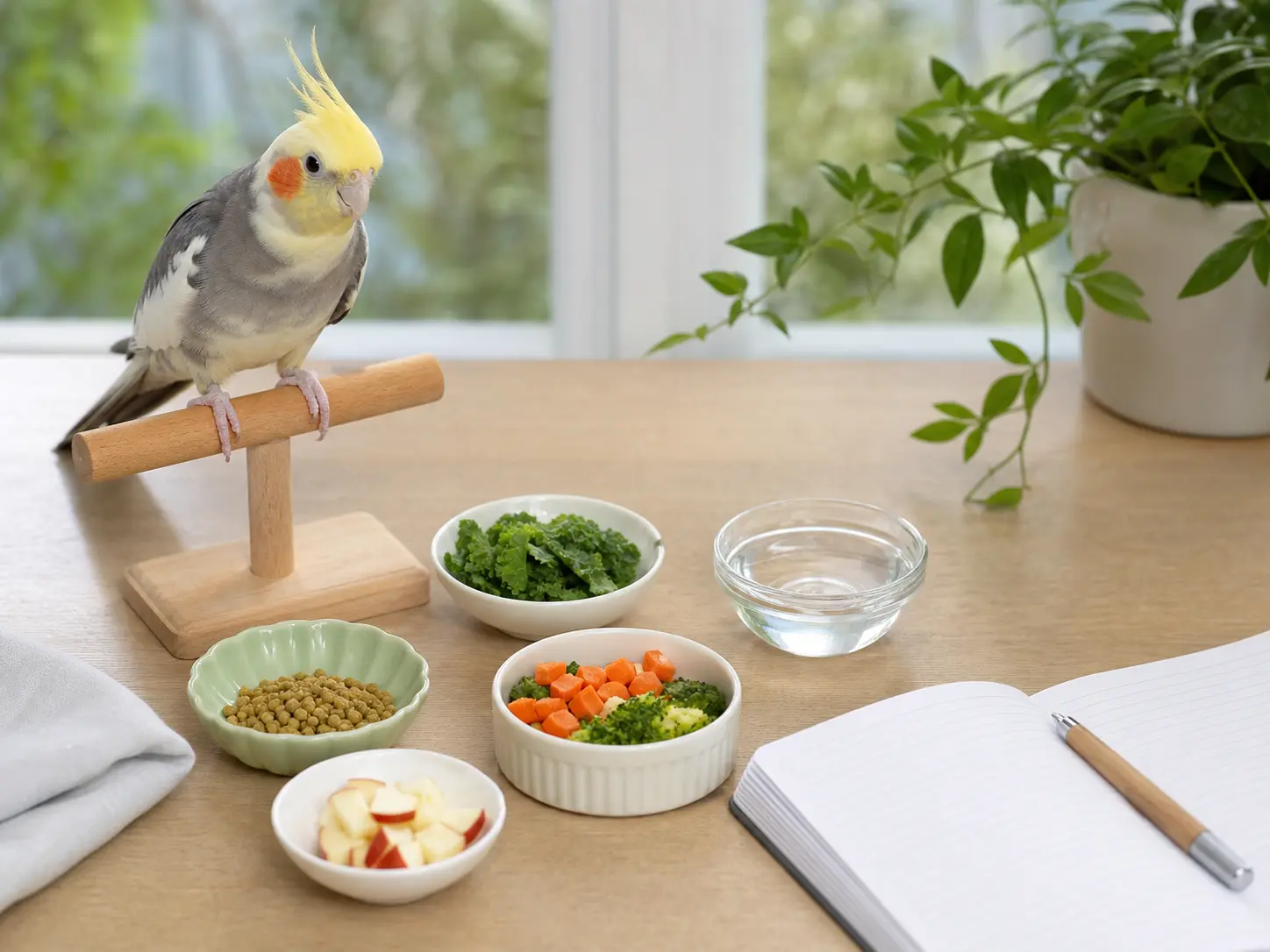
Feed a balanced caique diet with vegetables, greens, limited fruit, and treats saved for training.
05
Living with the voice and sleep rhythm
Expect bursts of sound and activity. Overtired caiques can become bitey or frantic.
06
Trust, company, and handling
Train step-up, step-down, stationing, and gentle play. Avoid wrestling that teaches hard biting.
07
Cleaning without compromising the air
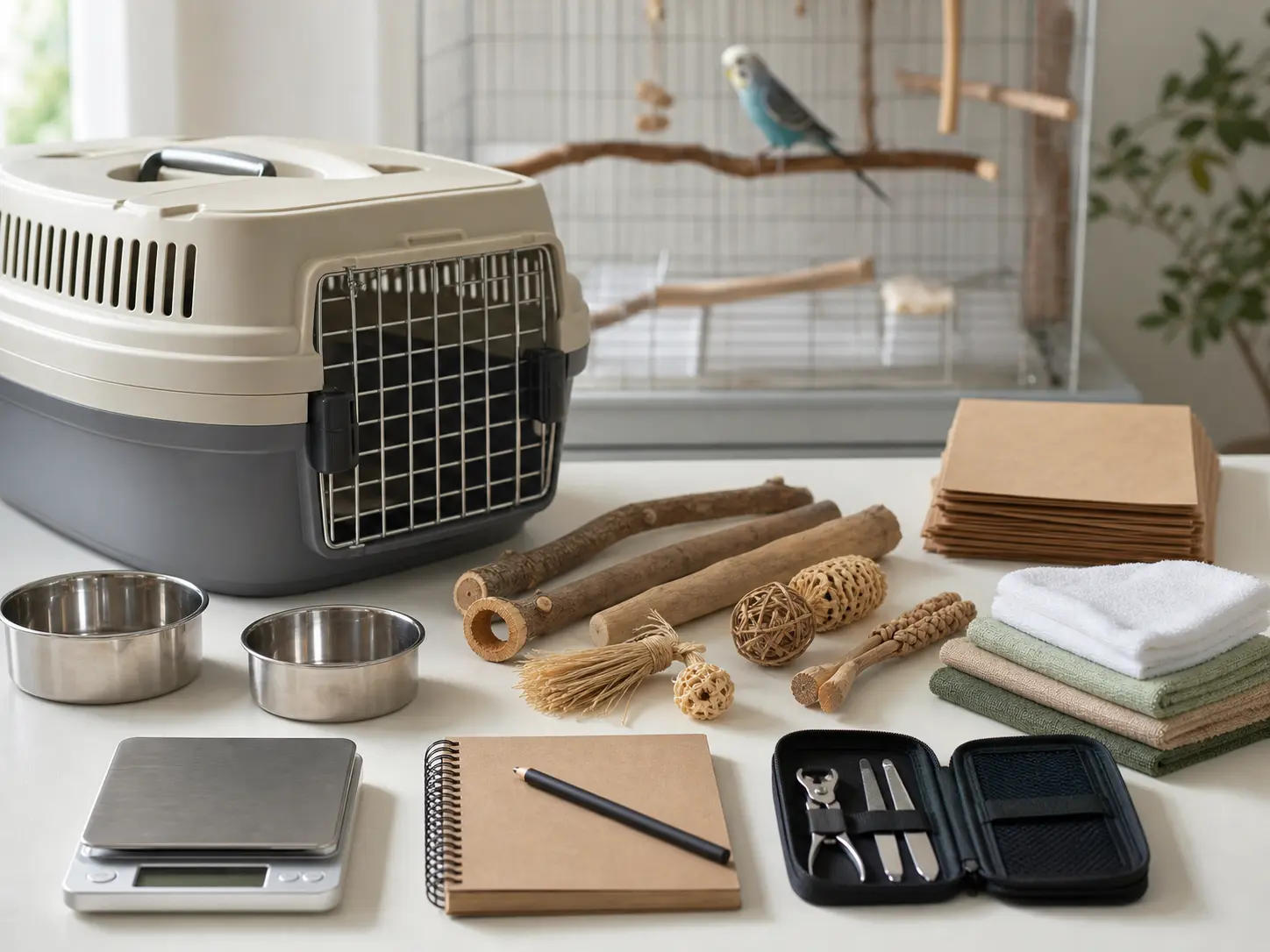
Use unscented cleaning routines, paper liners, washable food areas, and regular dish changes so appetite, droppings, dust, and chewing are easy to monitor. Keep the air around the bird simple: no smoke, aerosols, candles, heavy perfume, overheated nonstick pans, or strong cleaners.
08
Hands, dishes, and shared spaces
Treat cleanup as normal household hygiene, not as a scare. Wash hands after handling liners, droppings, bowls, perches, toys, or cleaning tools. Do not clean cages, bowls, perches, or bird equipment in the kitchen sink or on food-prep surfaces; use a separate cleanup area and keep bird supplies away from human food.
09
Learn the normal Yellow-thighed Caiques baseline
Watch weight, droppings, feather condition, feet, and injuries from rough play or unsafe climbing.
10
Questions to ask before bringing one home
Ask about age, diet, handling, bite history, out-of-cage routine, and whether the bird is comfortable calming down.