Updated
Cat food safety
Can Cats Eat Mint? Tiny Fresh Leaf Only
Fresh leaf only
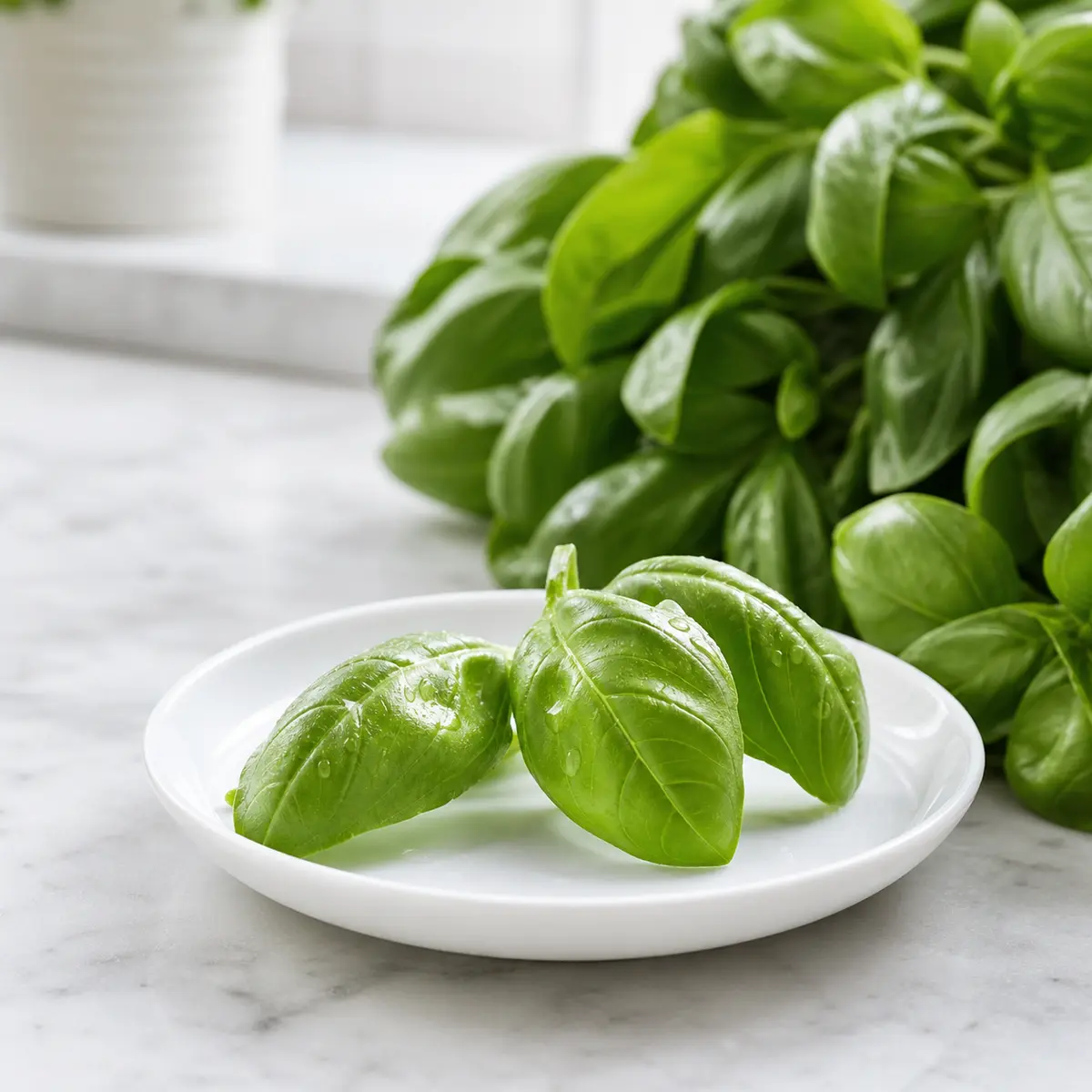
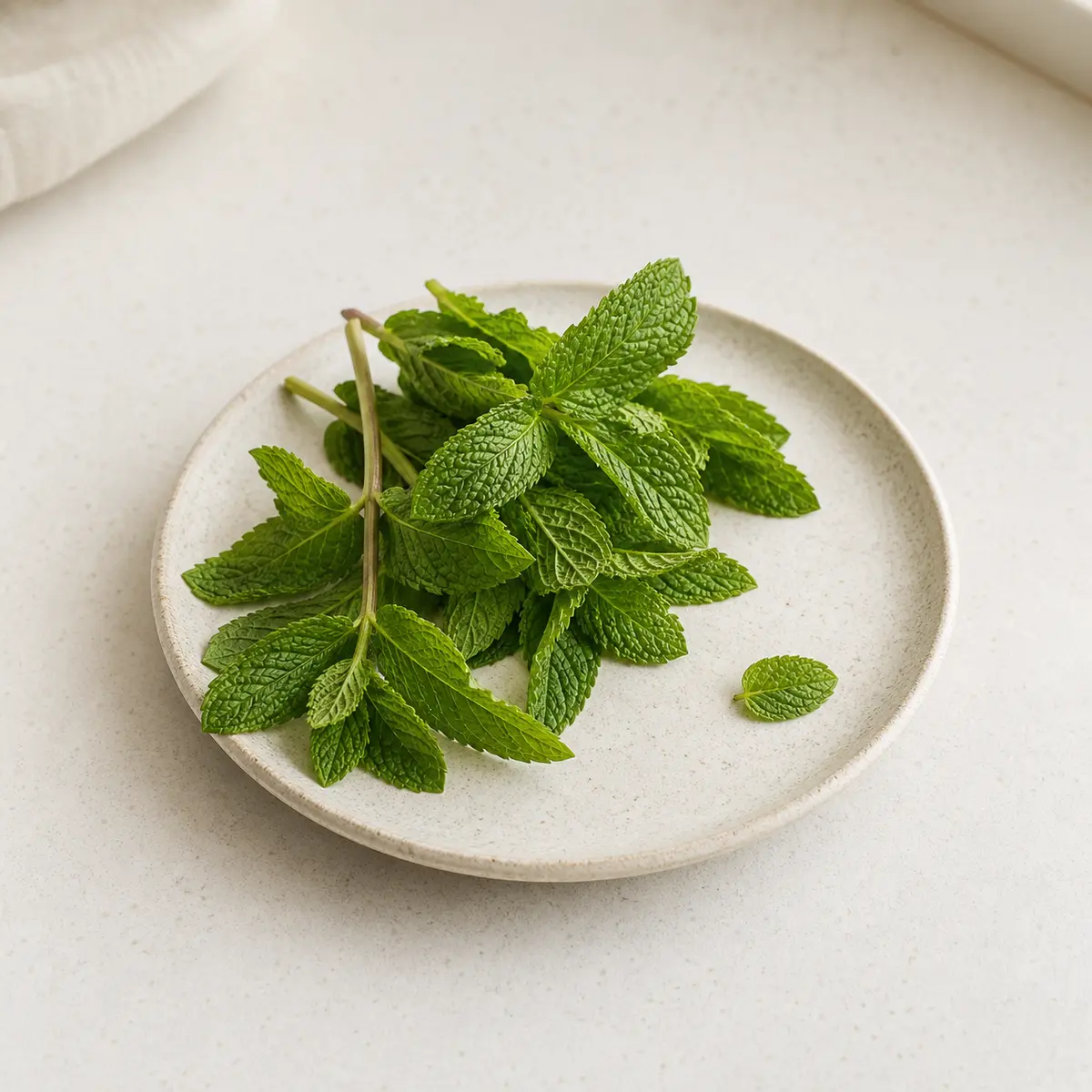
A tiny fresh mint leaf is usually low risk, but mint is not useful for cats.
 Mint
MintAsk your vet
Call your veterinarian if your cat ate mint oil, medicated gum, toothpaste, a large amount of mint, or symptoms start.
Fresh is different from concentrated
A garden leaf is not the same risk as mint oil, extract, gum, candy, or toothpaste.
No reason to push it
Cats do not need mint. If your cat is not interested, that is the best outcome.
How to offer it
- Use only a clean fresh mint leaf with no oil, extract, sugar, chocolate, xylitol, or toothpaste ingredients.
- Tear off a tiny piece so it is easy to swallow, then return to normal complete cat food.
Avoid
- Mint oil, essential oil diffusers, extracts, candy, gum, toothpaste, cocktails, desserts, and dried herb blends.
- Mint for kittens, cats with digestive disease, prescription diets, or poor appetite unless your veterinarian says it fits.
Watch
- Vomiting, diarrhea, drooling, pawing at the mouth, coughing, refusing food, or behavior that feels wrong.
Portion
One tiny fresh leaf or less is enough. Skip mint entirely if your cat has a sensitive stomach.
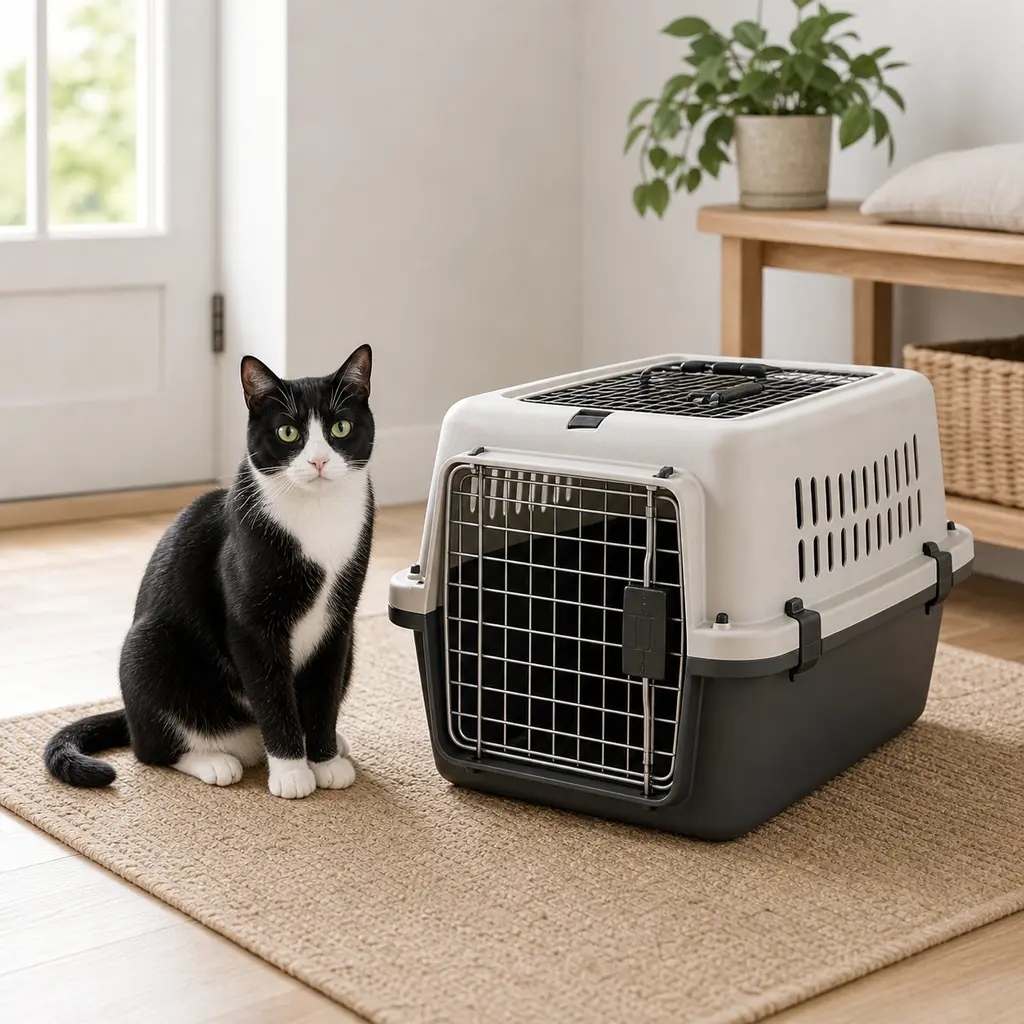
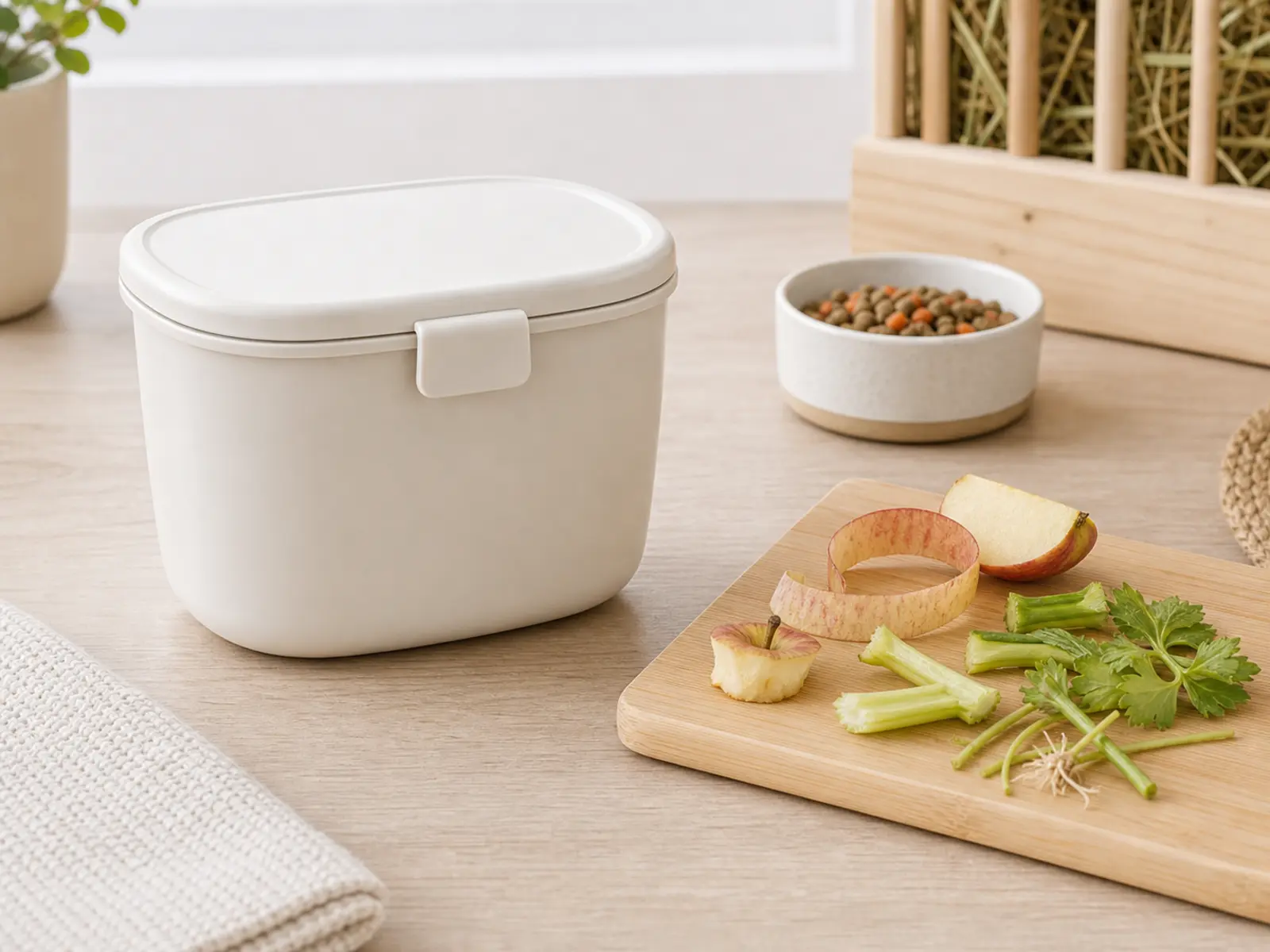
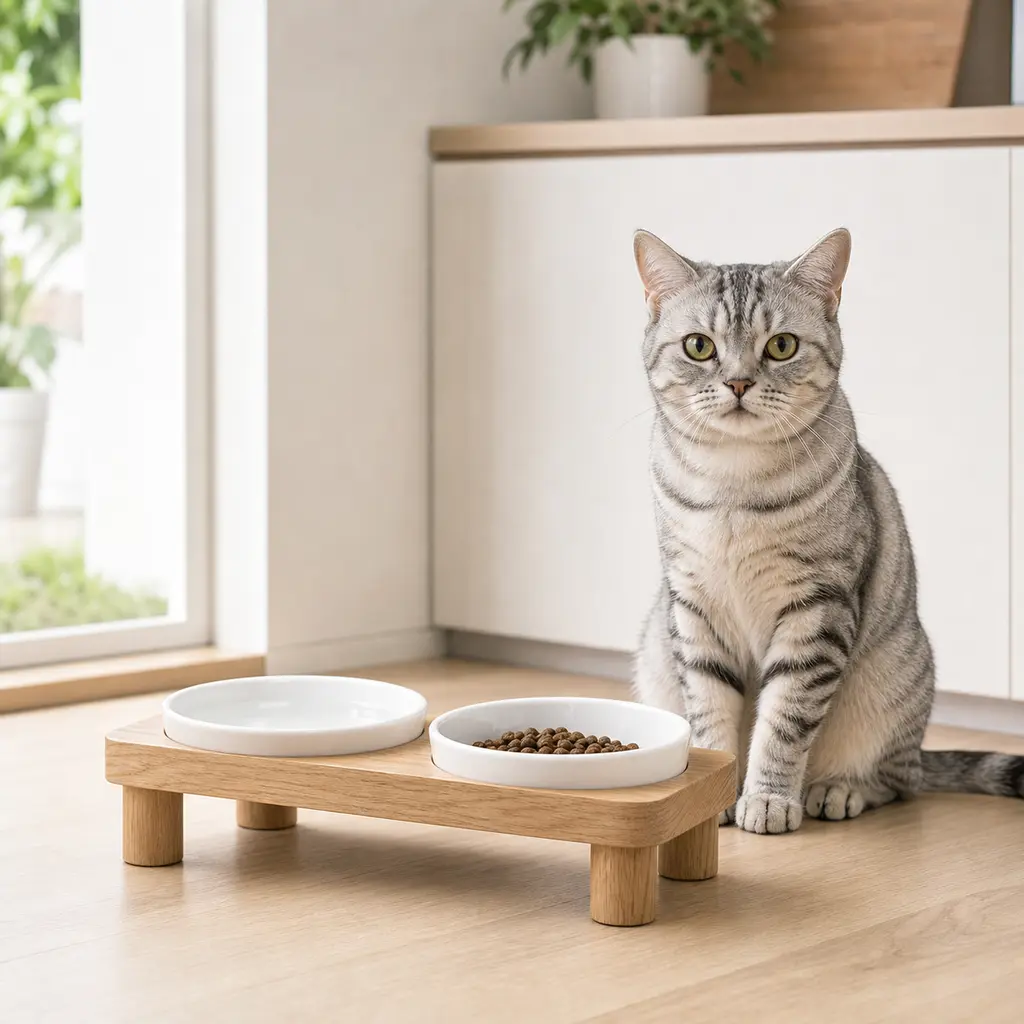
Helpful food-safety supplies
Optional tools for measuring, storing, serving, and cleaning up tiny portions safely.
Affiliate links: Furball Cove may earn from qualifying purchases at no extra cost to you.