Updated
Rabbit food check
Can Rabbits Eat Banana? Yes—Make It One Tiny Coin
Yes—but only one tiny ripe coin
Yes—but ripe banana is a very sweet fruit treat, not an everyday rabbit food. Peel the fruit, cut one tiny plain coin, and put the rest away before opening the pen. Keep unlimited grass hay and fresh water in their usual places.
 Banana
Yes—but banana belongs in the tiny-treat lane
House Rabbit Society lists banana among high-glycemic fruits that should be occasional treats. One thin ripe coin is enough to share the flavor with an adult rabbit. The rest of the curved yellow fruit stays in the kitchen while hay remains open all day.
Cut the serving before the pen opens
Soft banana is easy to pinch into an undefined lump, and an eager rabbit can make a second piece feel harmless. Use the cutting board, slice one recognizable coin, set it on the saucer, and cover the exposed fruit before floor time starts.
The peel does not make the portion bigger
Fresh washed banana peel is an optional scrap with its own preparation questions; it is not permission to serve peel plus a full fruit chunk. For the simple flesh serving on this page, keep the yellow skin outside the pen and offer one plain coin.
A sweet appetite can hide a real problem
A rabbit may accept banana while refusing the longer chewing work of hay. Do not let one enthusiastic bite settle the question. Check the hay pile and litter box, and call a rabbit-savvy veterinarian promptly if ordinary eating or droppings have slowed.
Keep the curved yellow fruit on the far tray
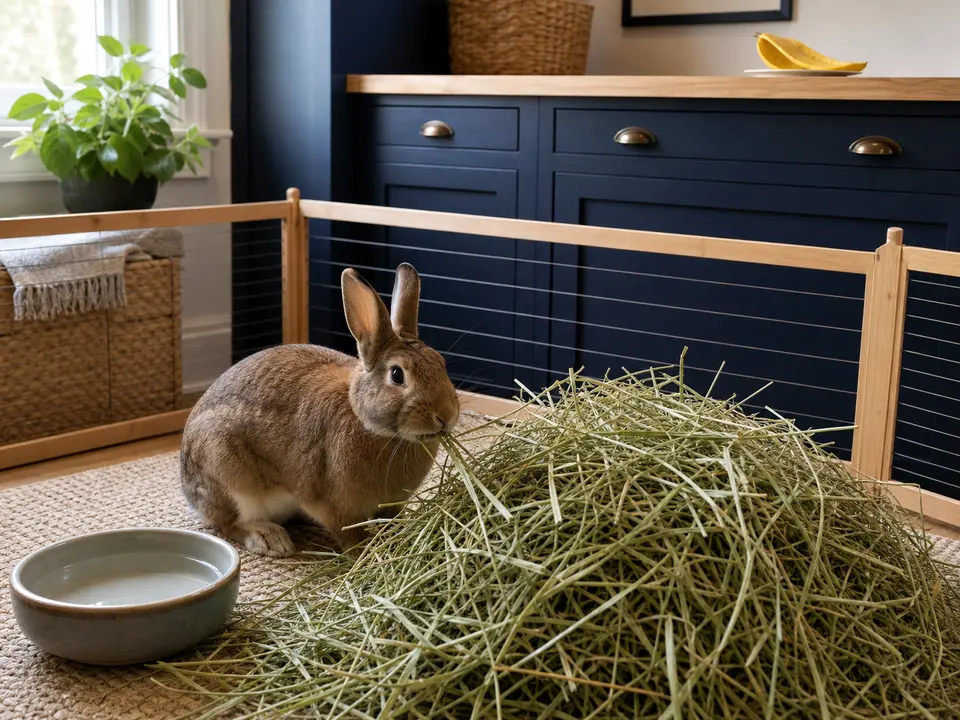
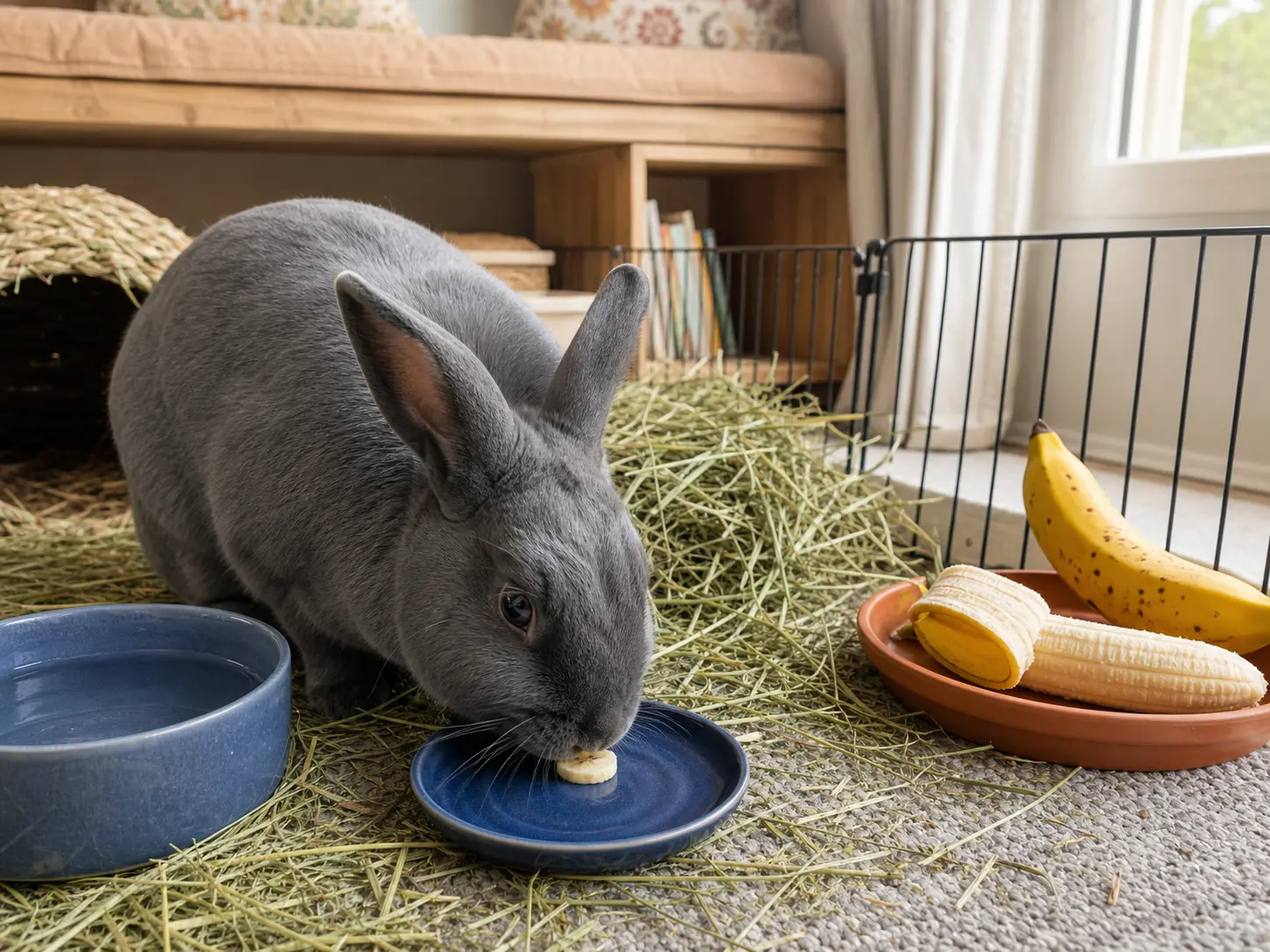
The burnt-orange tray holds one freckled yellow banana and one partly peeled fruit beyond the exercise pen. The blue-gray American waits beside meadow hay while a sound ripe banana moves to the clean counter.
Peel only enough to expose one cut
At the kitchen counter, pull back one strip of yellow skin and check the creamy flesh beneath it. A few brown freckles outside are ordinary. Leaking fruit, fuzzy growth, black mush, or a fermented smell sends the banana to the closed scrap bin; wipe the board before rabbit floor time.
Set one coin on the cobalt saucer
Slice one thin round piece and place it beside hay and water with no peel attached. Cover the exposed banana and move the tray away before the rabbit can turn your return to the counter into a refill.
Watch the meadow-hay pile afterward
The empty blue saucer only says the banana was popular. Later, look for meadow stems pulled from the pile and familiar round droppings in the litter box. Slower eating or output, uneaten cecotropes, diarrhea, hunching, or pain needs prompt rabbit-savvy veterinary advice.
Serve
- Choose a ripe yellow banana with sound flesh. Brown freckles are normal; leaking liquid, fuzzy growth, a fermented smell, or black mush under split skin is not.
- Peel back enough skin to expose a clean section of pale fruit. Keep the loose peel beyond the exercise pen; banana peel has its own guide and does not enlarge this serving.
- Cut one thin coin on a clean board and inspect the soft flesh. A normal ripe piece should look creamy and moist, not translucent, slimy, or sour-smelling.
- Place the single plain coin on the saucer, then cover the remaining banana before smoothie, cereal, yogurt, bread batter, honey, or peanut butter reaches the counter.
Avoid
- A whole banana, large chunk, bowl of coins, repeated refills, or fruit offered every day because the rabbit begs.
- Counting the peel and flesh as one larger serving. This page covers the ripe inner fruit; the optional peel question stays separate.
- Banana chips, dried banana, purée, smoothie, baby food, yogurt mix, bread, cake, cereal topping, or fruit carrying peanut butter, honey, sugar, syrup, or flavoring.
- Using banana again and again to prove that a rabbit with a poor appetite will still eat something sweet. Call a rabbit-savvy veterinarian promptly when hay intake or droppings fall.
- A moldy, fermented, leaking, slimy, chemically treated, or unidentified piece.
Watch
- The tiny banana coin disappearing while the rabbit continues ordinary visits to the hay pile
- Normal posture, movement, water use, and interest in familiar food
- The rabbit's usual separate round droppings after a first banana tasting
- Reduced eating or droppings, uneaten cecotropes, soft stool, diarrhea, belly pressing, hunching, tooth grinding, weakness, or unusual quietness; stop fruit and contact a rabbit-savvy veterinarian promptly
Portion
House Rabbit Society treats banana as a high-glycemic fruit and recommends only small occasional treats. One thin coin is an easy household limit for this page; it is not a daily target. Count other fruit offered that day, and skip banana when a rabbit's weight or digestive plan says fruit is out.
Cut one banana coin, then make the rest disappear from view
These prep tools help define one thin serving, keep the peel separate, cover exposed fruit, and clean the sticky board before a tiny treat turns into several soft pieces.
Affiliate links: Furball Cove may earn from qualifying purchases at no extra cost to you.
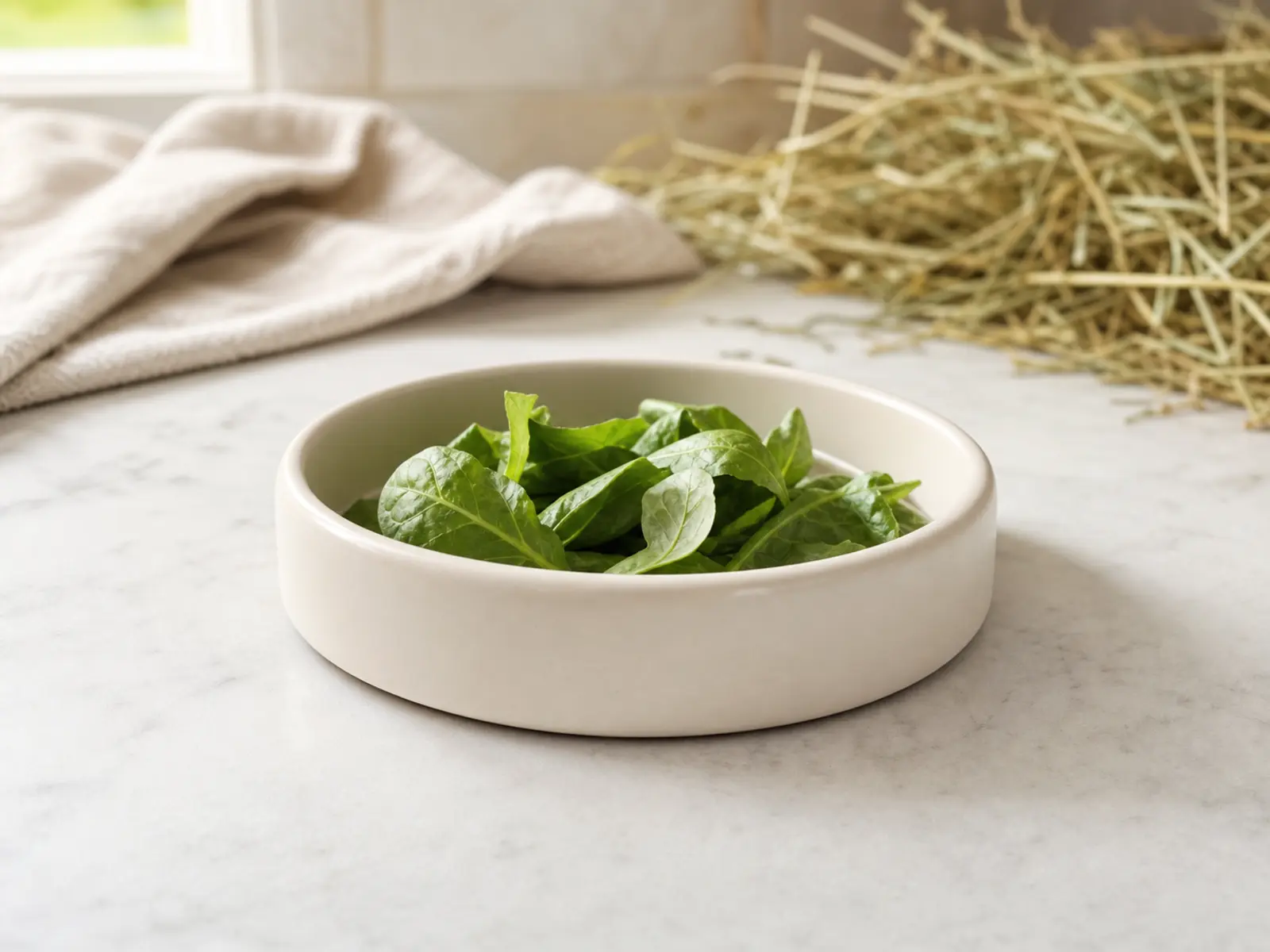
Ceramic food dish
Place the single plain coin on a low washable saucer with no peel, pellets, yogurt, honey, or peanut butter underneath.
Shop ceramic food dish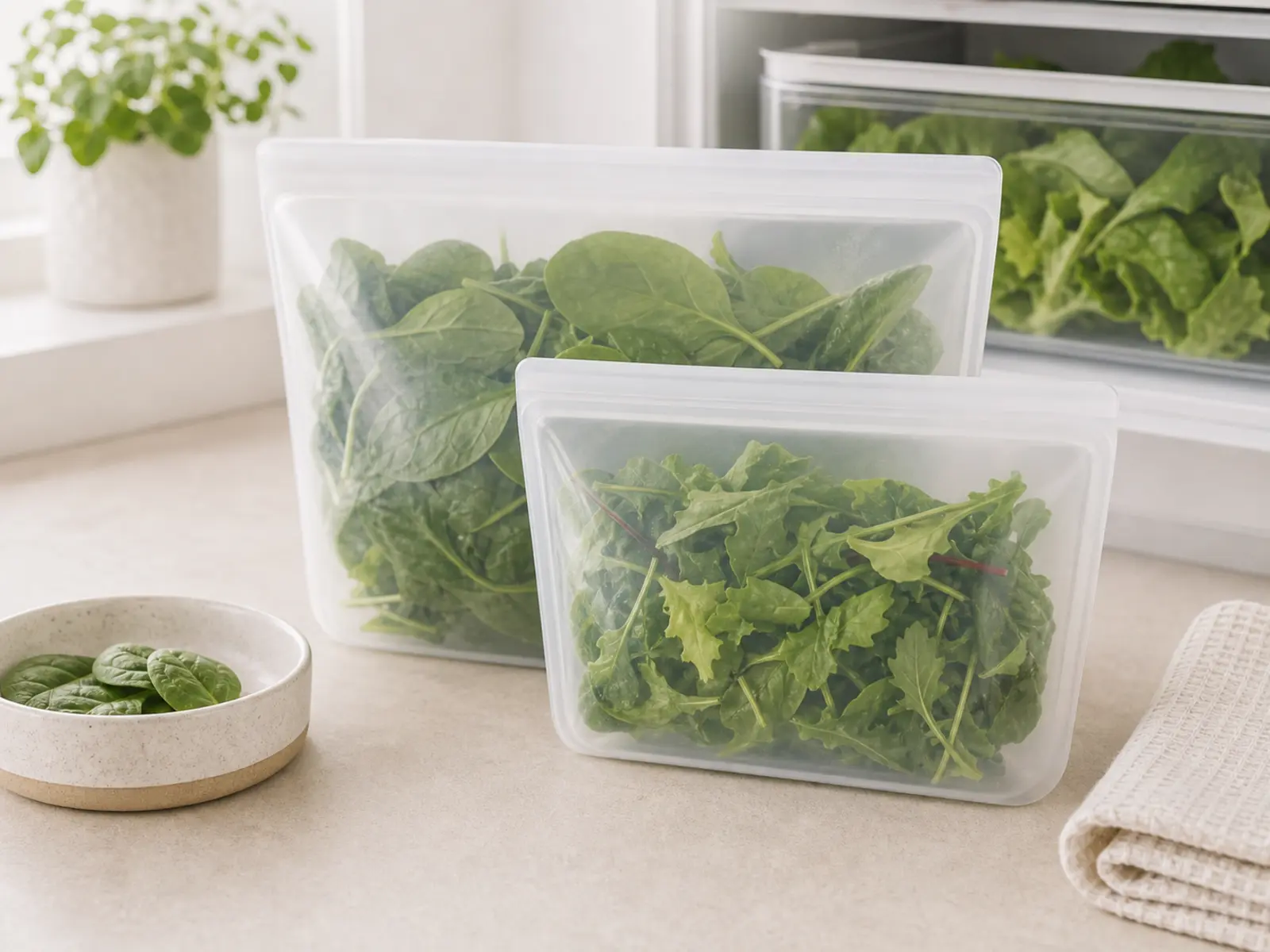
Produce storage bags
Cover the exposed banana before returning it to the kitchen so the soft cut face and opened time remain obvious.
Shop produce storage bags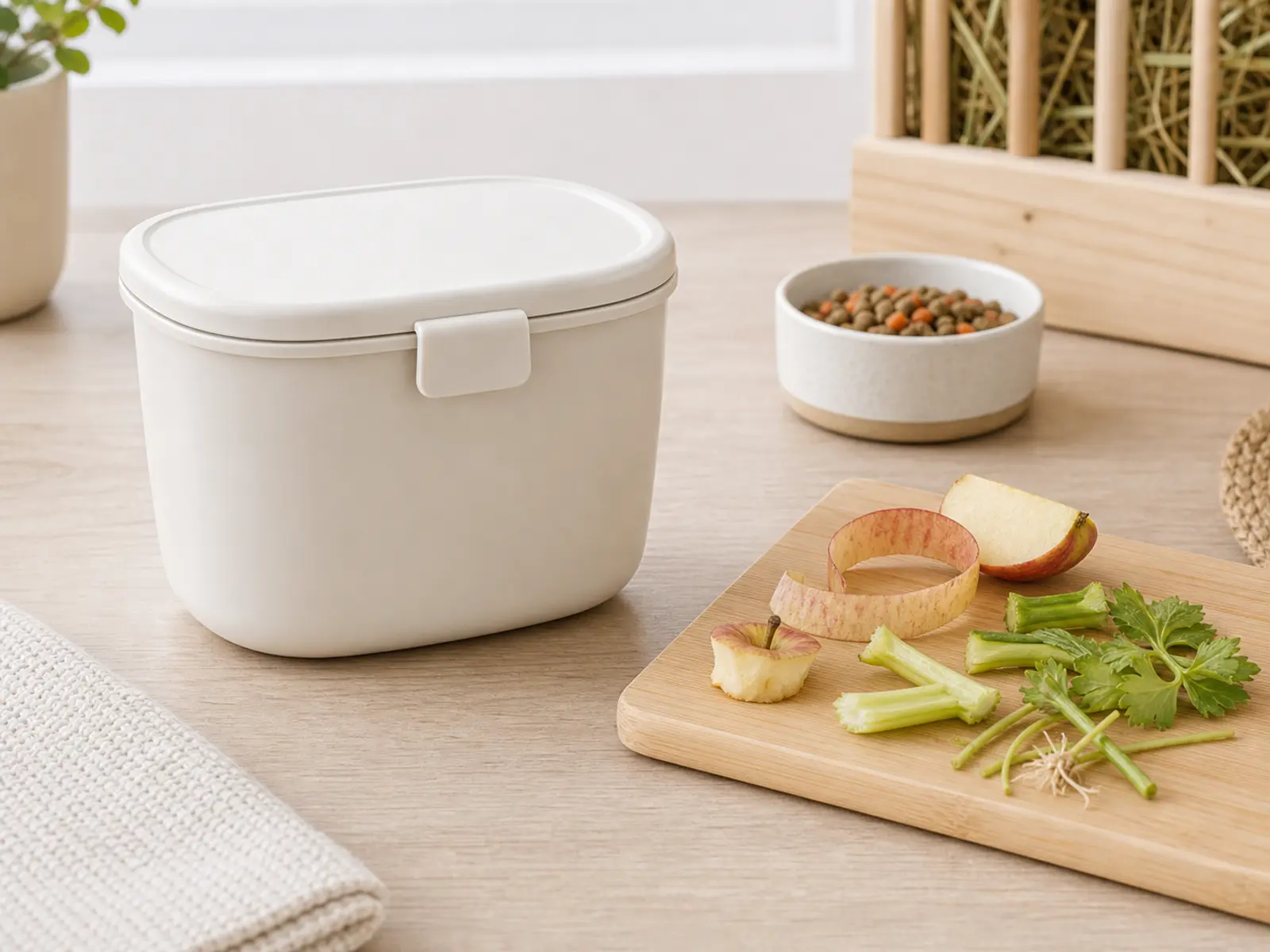
Lidded scrap bin
Close spoiled fruit, loose peel, sticky paper, and recipe scraps away from a rabbit checking the floor after snack prep.
Shop lidded scrap bin