Updated
Rabbit food check
Can Rabbits Eat Endive? Yes—Name the Type
Yes—identify the endive type
Yes. Adult rabbits can eat fresh endive. Check whether you bought curly endive or frisée, broad-leaf escarole, or compact Belgian endive, then wash one plain leaf and keep the type identifiable. Rotate it with familiar greens while grass hay stays unlimited.
 Endive
Yes—endive is a rabbit-safe green
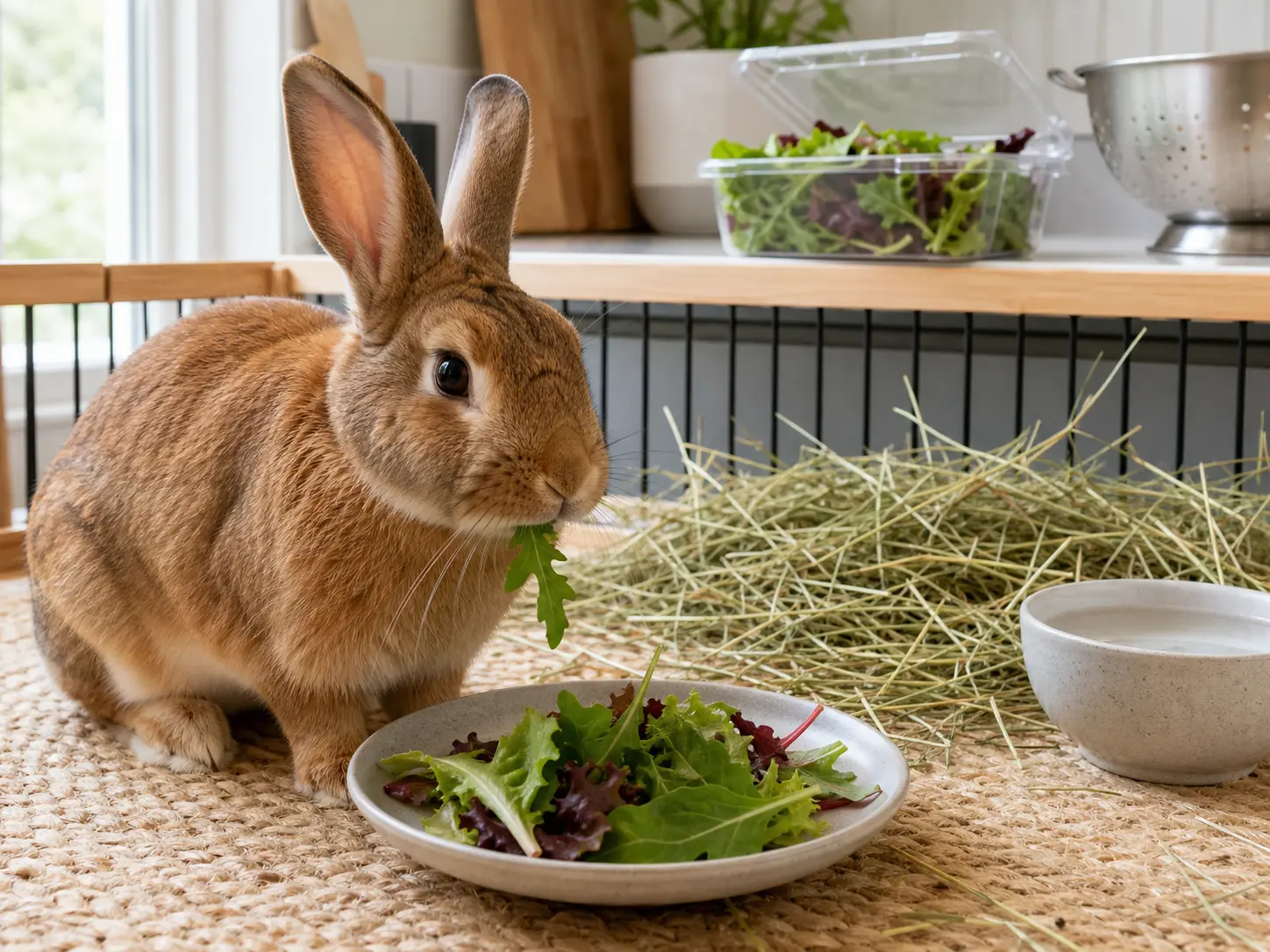
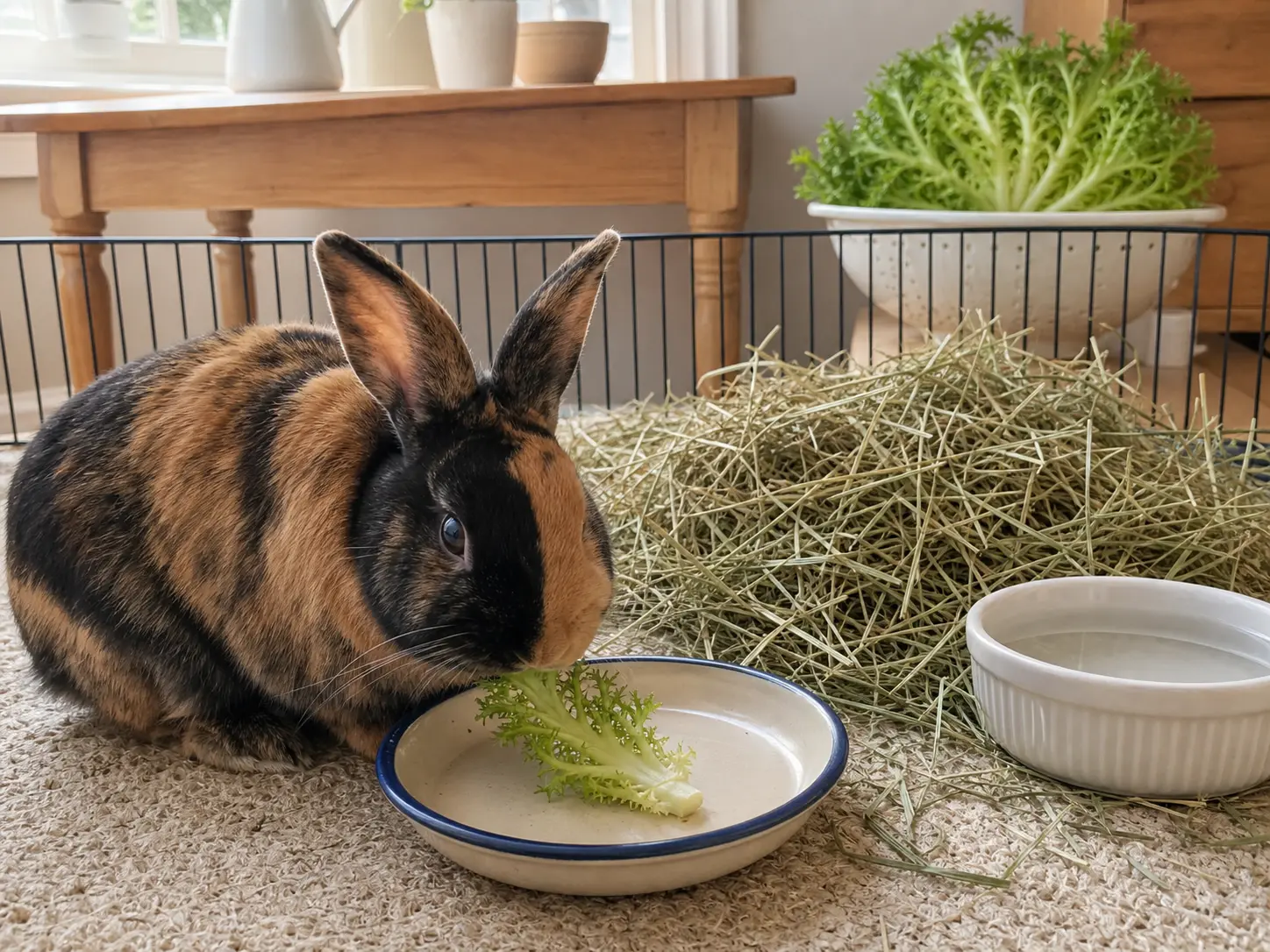
House Rabbit Society and VCA include endive among acceptable rabbit greens. The produce word covers more than one familiar shape, so the useful next step is naming the type. This page's hero shows curly endive, often sold as frisée.
Curly endive and frisée are the same type
Curly endive has narrow frilled leaves around a pale center. Frisée is the same vegetable. Pull one rabbit-sized leaf from the labeled head, not a restaurant garnish.
Escarole and Belgian endive look different
Escarole is the broader, smoother-leaved form of Cichorium endivia. Belgian endive is a tight pale head from a related chicory species. Rabbit-care sources include these greens, but the different shapes affect washing, storage, and portion visibility, so keep the produce name attached.
Bitter is a flavor, not spoilage
Fresh endive tastes bitter. Brown slime, wet collapsed folds, fuzz, and sour odor mark spoilage. The rabbit may eat the crisp leaf or walk back to hay; do not add fruit or dressing.
Read frisée before opening the head
The produce band says curly endive and frisée. Narrow green branches curl around a pale center. The Harlequin rabbit waits beside timothy hay while one named outer leaf moves from the cream colander to the sink.
Open the pale crowded base
Spread the fine branches where they meet the pale rib and rinse away grit. Brown slime, fuzz, sour odor, or wet collapsed curls send the leaf to the compost.
Serve one crisp leaf beside hay
Set the washed endive and its tender base on the cream-and-navy saucer, then return the head to the refrigerator. The rabbit gets that plain bitter leaf beside hay and water, not curls borrowed from a dressed restaurant salad.
Check the hay pile after the tasting
An empty saucer means the endive was popular. Later, look for pulled hay stems, relaxed movement, and the usual round droppings. If eating or output slows, contact the rabbit-savvy clinic promptly instead of offering a sweeter topping.
Serve
- Confirm the type from the label. Curly endive or frisée has narrow branched frills; escarole has broad open leaves; Belgian endive is a compact pale head.
- Open the head and inspect the damp base. Discard brown slime, fuzzy growth, sour-smelling pieces, collapsed yellow edges, and grit-packed damaged leaves.
- Rinse both faces under cool running water. Spread narrow curly branches or open the broad folds so soil cannot remain near the pale rib.
- Serve one clean leaf with its tender base plain. Keep dressing, oil, cheese, nuts, croutons, sauce, cooked endive, and unidentified salad leaves outside the pen.
Avoid
- A loose frilly leaf guessed to be endive after its package is gone. Lettuce, arugula, chicory, and mixed baby leaves deserve their own names.
- A spring-mix bag served without reading every ingredient, even when the label mentions frisée or endive.
- Dressed salad, restaurant garnish, cooked endive, gratin, soup, sauce, or leaves carrying oil, butter, salt, cheese, nuts, or seasoning.
- Endive extract, supplement, seed, root product, or a concentrated digestive remedy treated like one fresh leaf.
- A slimy, moldy, sour-smelling, badly wilted, gritty, or unidentified leaf.
Watch
- The endive leaf disappearing while the rabbit continues ordinary visits to the hay pile
- Normal posture, activity, water use, and interest in familiar food
- The rabbit's usual separate round droppings after the endive trial
- Reduced eating or droppings, soft stool, diarrhea, belly pressing, hunching, tooth grinding, weakness, or unusual quietness; remove the new food and contact a rabbit-savvy veterinarian promptly
Portion
For an adult already eating leafy greens, one modest endive leaf can share the usual greens allowance. If the type is new, begin with a small piece. Its natural bitterness may make the rabbit eager or indifferent, but neither response changes the need for unlimited hay and a varied plate.
Keep each endive type crisp and identifiable
These produce-prep tools help keep the endive name with the head, expose damp bases, rinse frilled leaves, and reserve one plain rabbit portion before salad prep.
Affiliate links: Furball Cove may earn from qualifying purchases at no extra cost to you.
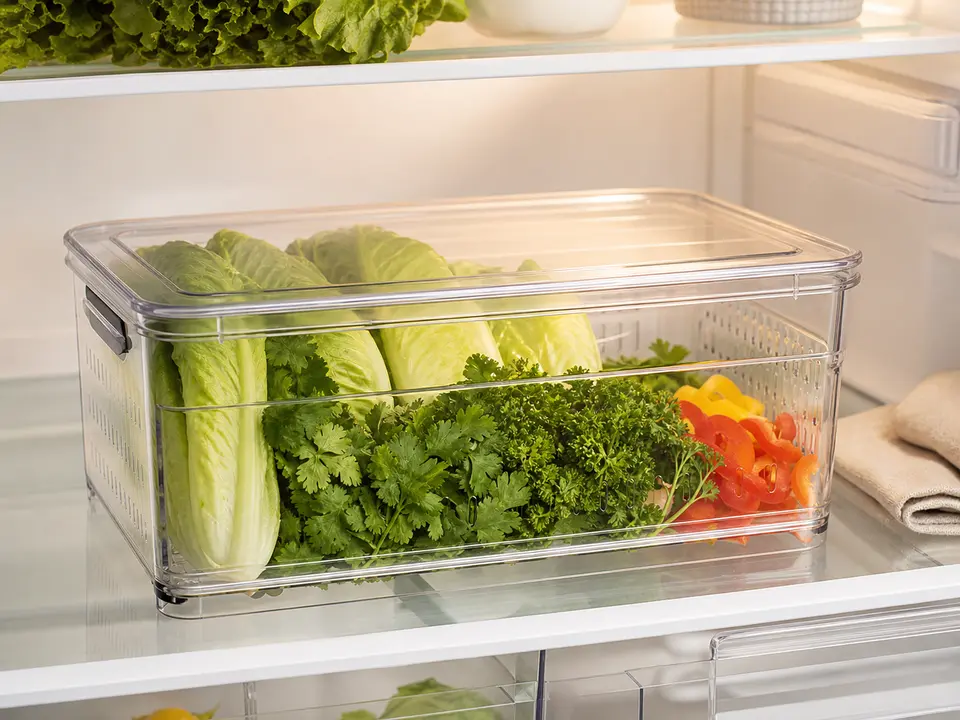
Rabbit greens bin
Give the labeled endive head a visible refrigerator space where wet folds, brown edges, and the opened date remain easy to check.
Shop rabbit greens bin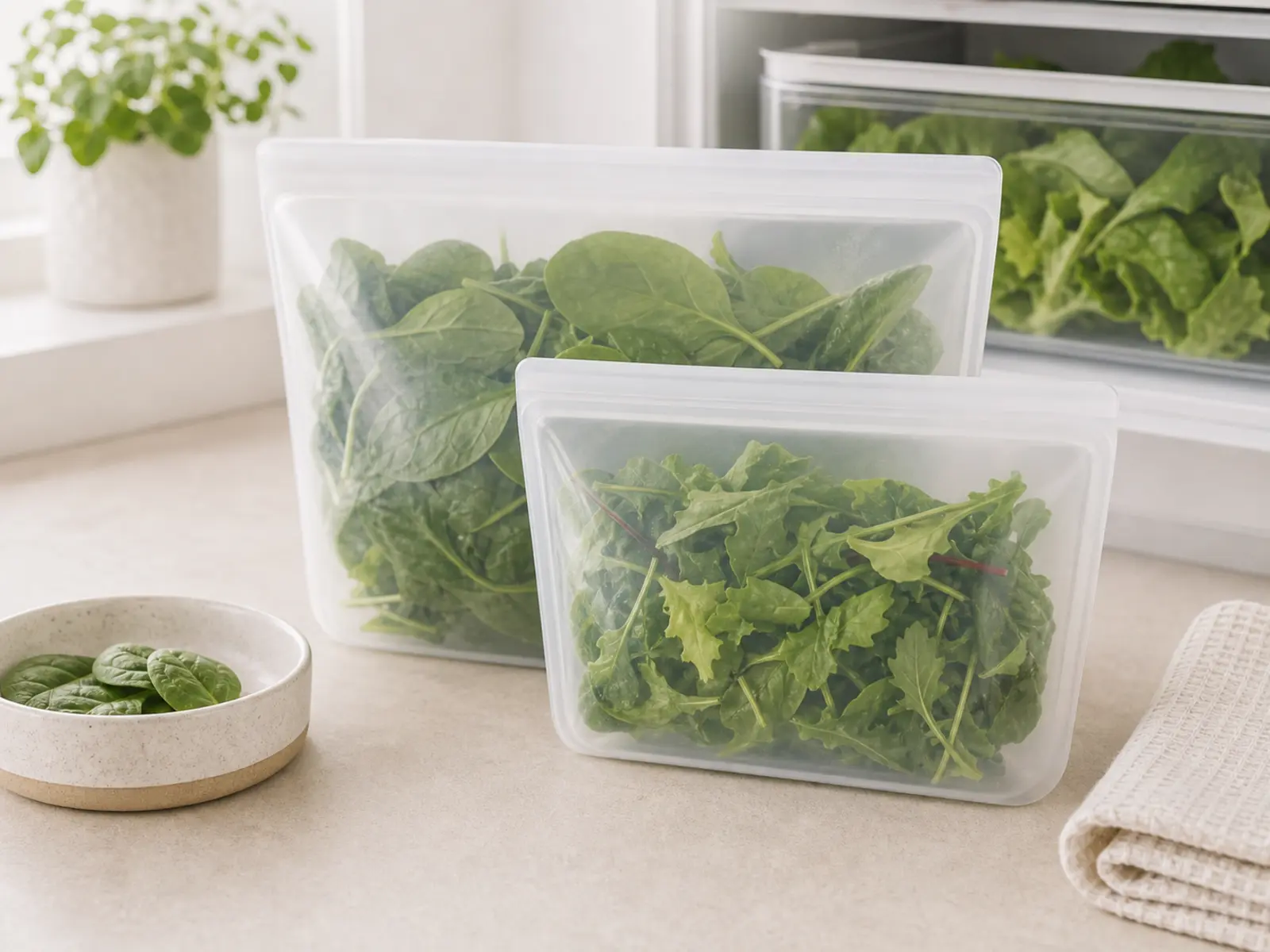
Produce storage bags
Store separated endive leaves loosely with an absorbent liner instead of crushing crisp frills into a wet sealed bundle.
Shop produce storage bags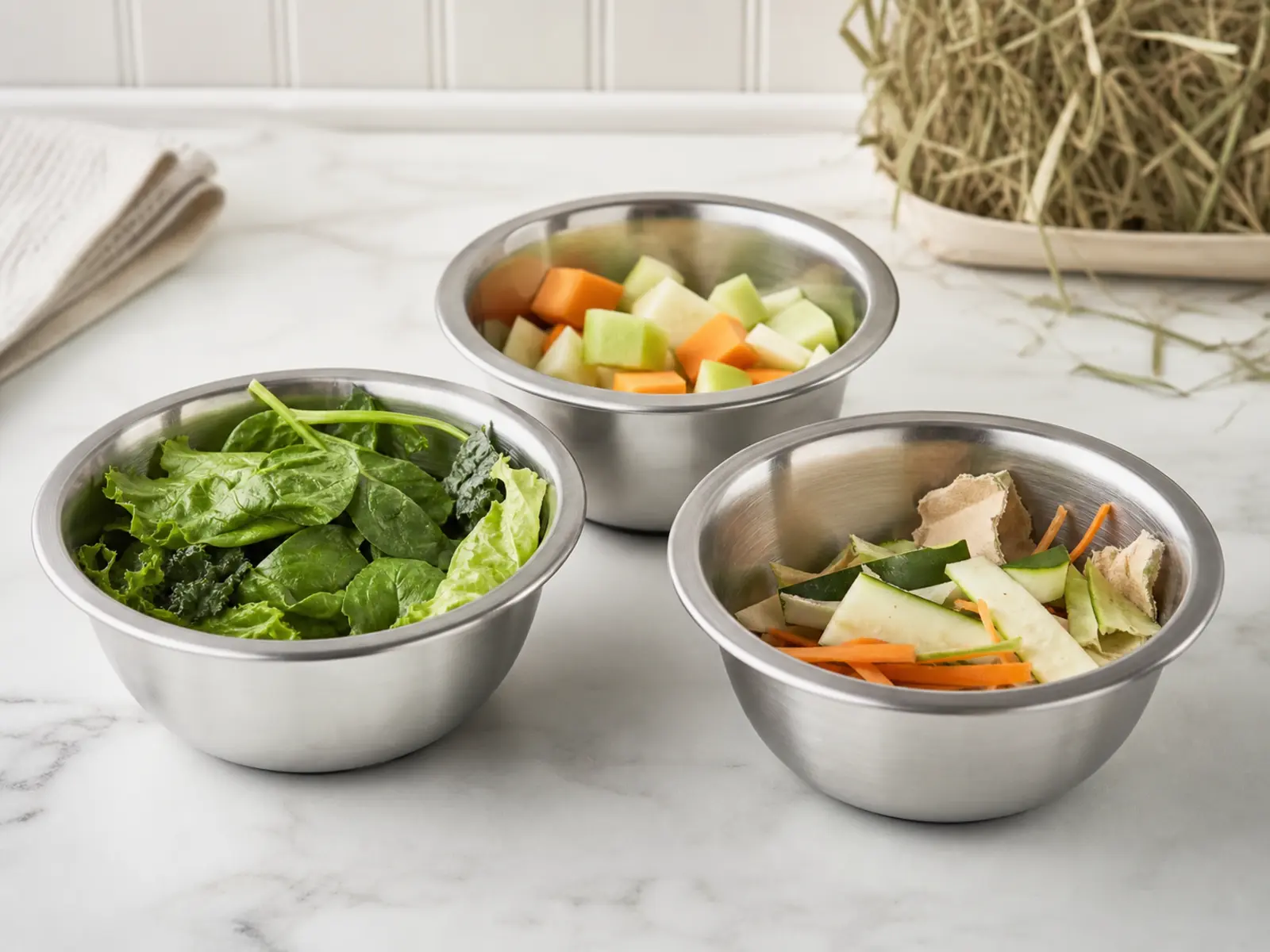
Stainless prep bowls
Reserve the rabbit's washed endive before oil, cheese, nuts, salt, sauce, or croutons reach the counter.
Shop stainless prep bowls