Updated
Rabbit food check
Can Rabbits Eat Olives? No—Skip the Jar
No—leave olives to people
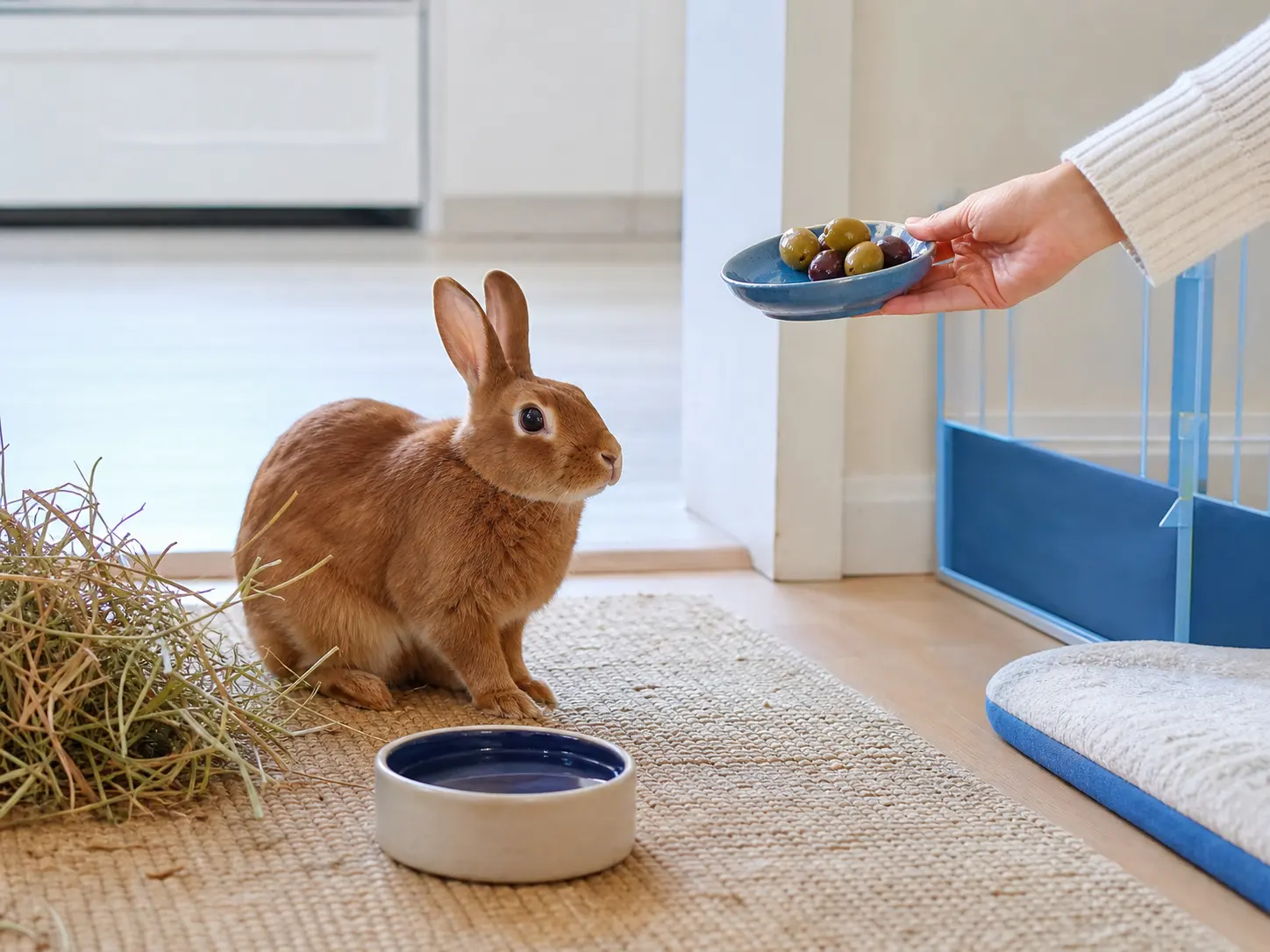
No. Keep olives, brine, pits, and cocktail picks away from rabbits. Table olives are preserved human food, not a fresh green, and stuffed or seasoned varieties may add garlic, onion, cheese, or chili. Call a rabbit-savvy veterinarian promptly if garlic or onion was eaten. For any missing olive, check the jar and the snack plate before deciding what to do.
 Olives
When to call your vet
Call a rabbit-savvy veterinarian promptly if the olive contained garlic or onion, a pit or cocktail pick may have been swallowed, or you cannot tell how much is missing. Eating less, fewer droppings, a hunched pose, belly pressing, tooth grinding, weakness, or unusual quietness also warrant a call. Keep the jar nearby.
An olive is not a fresh green
Olives reach the table after curing or brining, not after a quick wash in the colander. USDA food data reflects both the fat in the fruit and the sodium in common canned or pickled versions. That is a poor match for a rabbit diet centered on grass hay and leafy plants.
Read the jar, not the colour
Green and black olives can both come in salty liquid. The ingredient list tells you much more: look for garlic, onion, chili, cheese, oil, or another filling or marinade. If garlic or onion was eaten, call a rabbit-savvy veterinarian promptly.
Pitted does not mean rabbit-safe
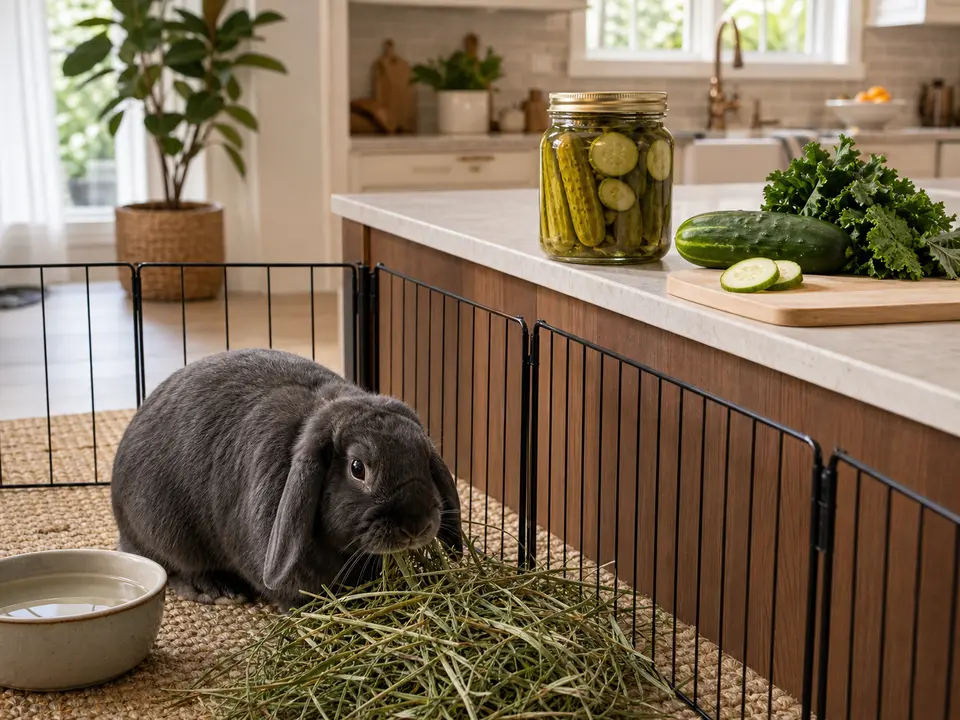
Removing the hard center gets rid of one hazard, but it does not remove the salt, fat, marinade, or filling. Rinsing only changes the surface. Put the olive back on the snack plate and give your rabbit the familiar greens waiting beside the hay rack.
If one rolls off the plate
Pick up the rest, wipe away the liquid, and see whether a pit or cocktail pick is missing too. Leave fresh hay and water where they always are. Call the clinic if the recipe is worrying, the amount is unclear, or your rabbit eats less, produces fewer droppings, sits hunched, or seems unusually quiet.
Clear the snack board before floor time
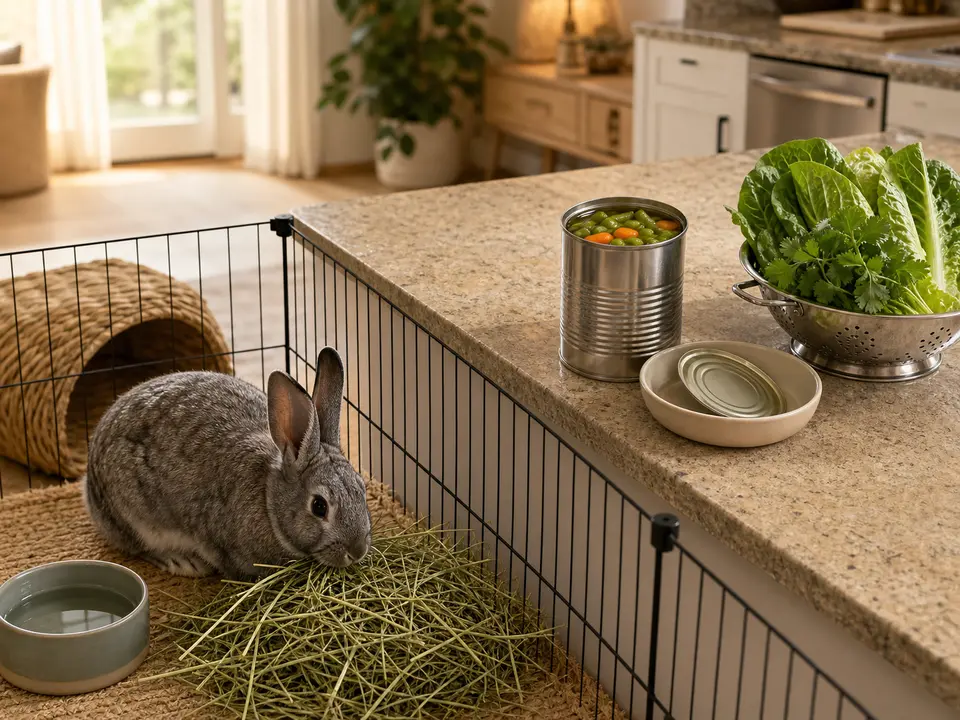
Olives usually share space with cheese, dips, crackers, and little wooden picks. Put the whole board on the kitchen counter before opening the pen; moving only the olive bowl still leaves plenty for a curious rabbit to find.
Look where a rolling olive would stop
Check under the coffee table, sofa edge, cabinets, and chairs. Pick up pits and count cocktail picks while you are there. A quick floor scan is easier than trying to remember what was on the plate after the rabbit comes out.
Set out rabbit dinner first
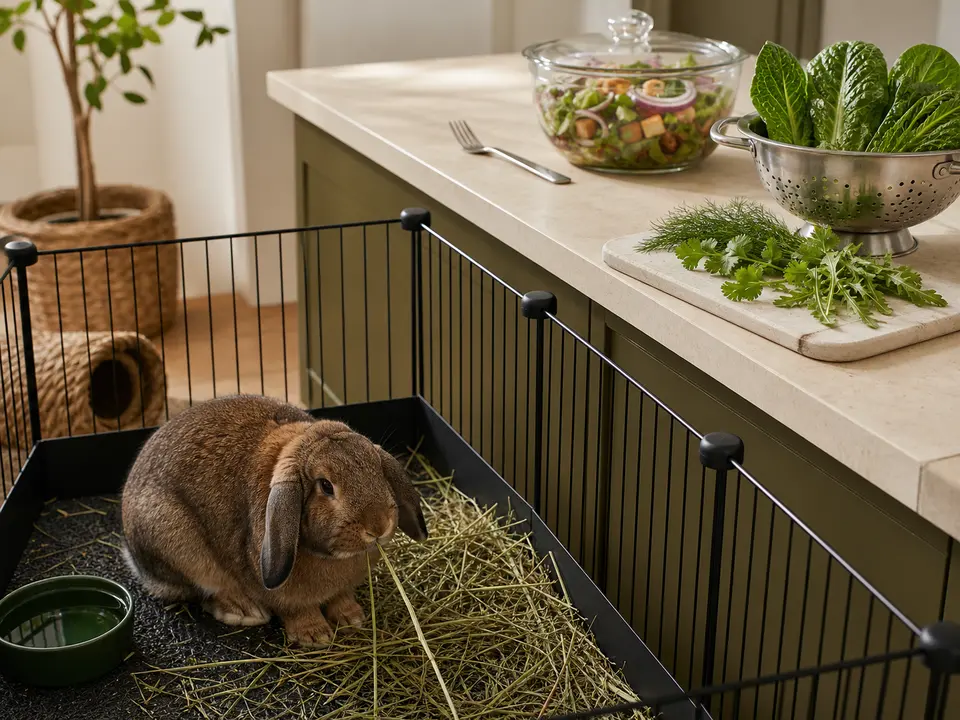
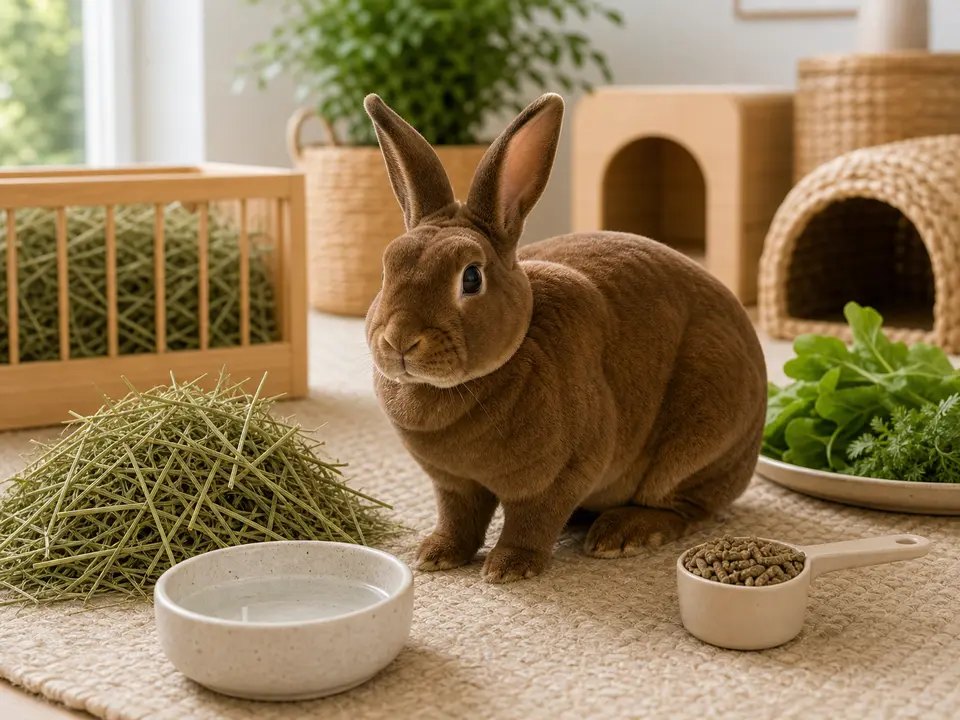
Refill the hay rack and wash the familiar greens before people sit down with appetizers. Your rabbit gets a proper meal to work on, and nobody has to improvise a treat from the coffee table.
After a stolen olive, watch the real meal
Do not keep offering fruit to prove your rabbit will eat. Look for hay being pulled from the rack and fresh round droppings in the litter box. If either slows down, or your rabbit looks uncomfortable or unusually still, phone the veterinarian and keep the olive jar beside you.
How to handle it
- Put the olive dish, open jar, pits, and cocktail picks away before the pen opens.
- If an olive is missing, check the label and the rest of the plate. Was it plain, stuffed, marinated, or served on a pick?
- Blot up brine from the counter, cabinet, or floor, then keep the rabbit away until the spot is clean and dry.
- Leave the jar on the back counter if you may need to read the ingredients to your veterinarian.
Avoid
- Green, black, Kalamata, or any other table olive, whether whole, sliced, or chopped.
- Olives stuffed or seasoned with garlic, onion, cheese, chili, herbs, or an unknown filling. Call your veterinarian promptly if garlic or onion was eaten.
- Rinsing or buying low-sodium olives and treating them like fresh rabbit greens.
- Leaving pits, toothpicks, skewers, oily napkins, or a snack board within jumping distance.
Watch
- The usual steady visits to the hay rack
- A normal appetite when the next familiar meal arrives
- The usual number and size of round droppings
- Eating less, fewer droppings, diarrhea, belly pressing, a hunched pose, tooth grinding, weakness, or unusual quietness; call a rabbit-savvy veterinarian promptly
Portion
Do not plan an olive portion. If one plain, pitted olive was stolen, remove the rest and watch the hay rack and litter box. Phone your veterinarian if your rabbit eats less, droppings become smaller or scarce, the olive was stuffed or heavily seasoned, or you cannot tell what else disappeared.
Make the olive plate easy to put away
These practical kitchen basics help contain brine and scraps, clean the floor, and keep fresh hay ready while people share appetizers.
Affiliate links: Furball Cove may earn from qualifying purchases at no extra cost to you.
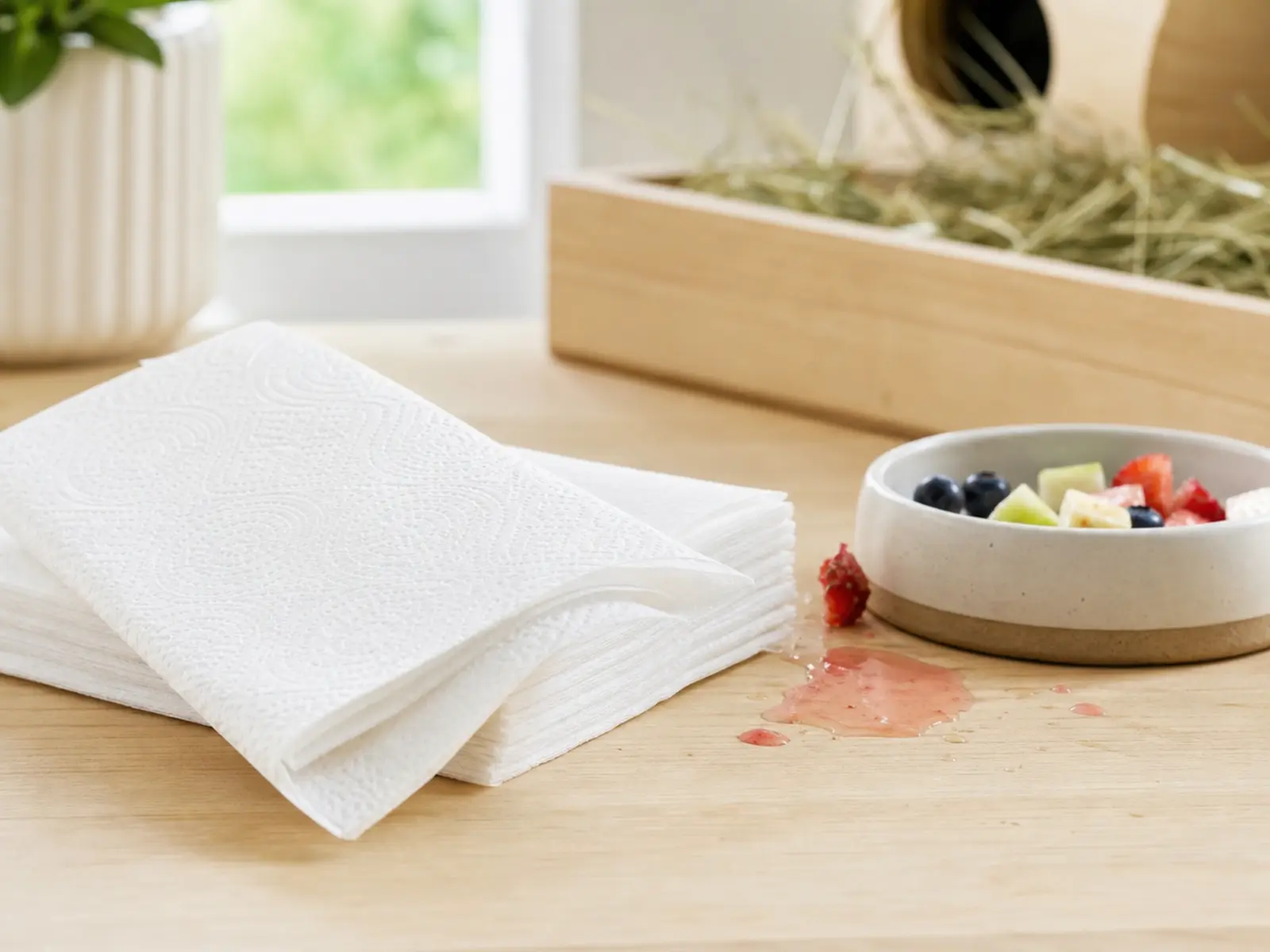
Unscented paper towels
Blot clear brine quickly so it does not run beneath a cabinet or get tracked toward the pen.
Shop unscented paper towels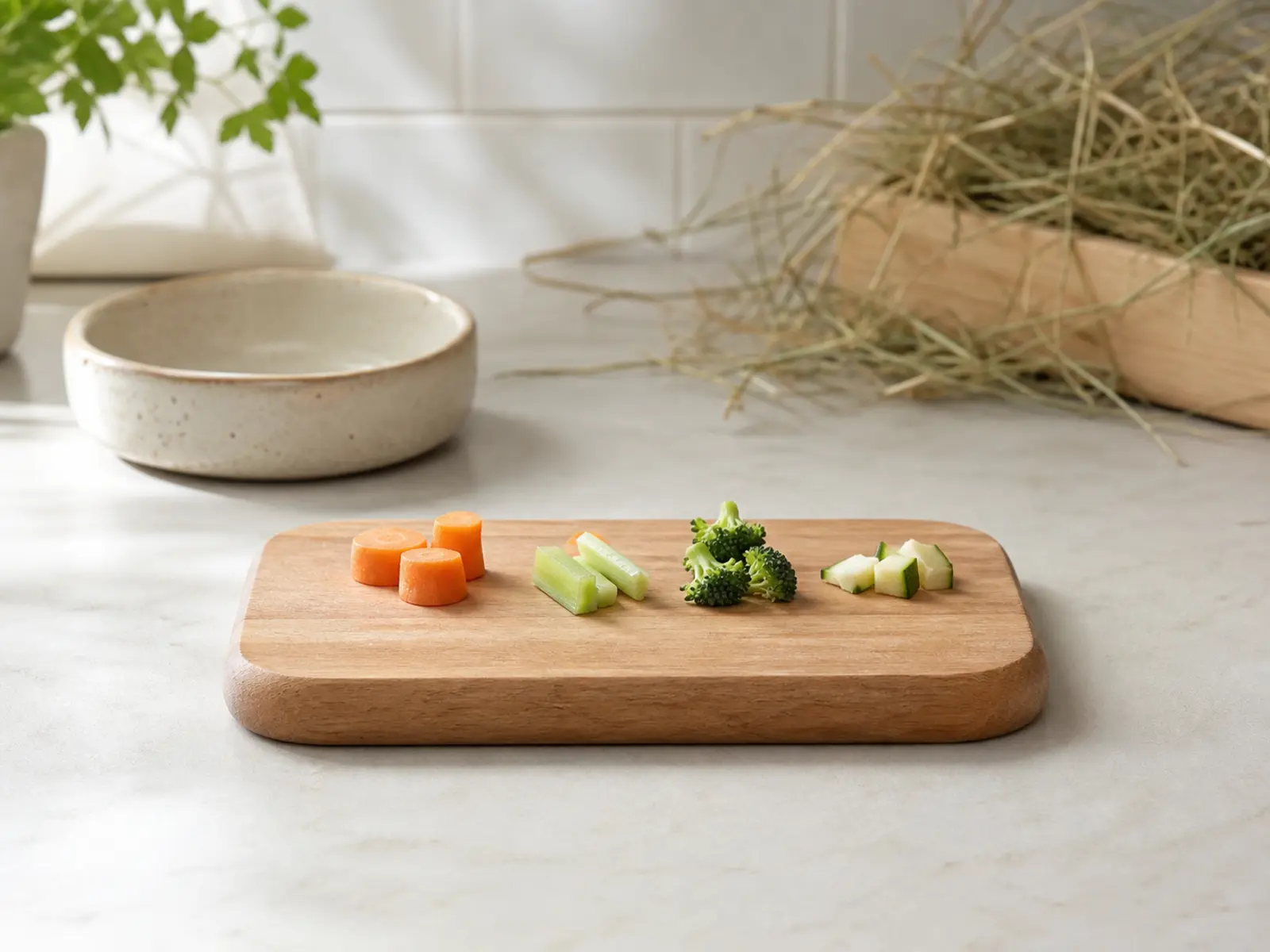
Mini cutting board
Keep one small board for the rabbit's fresh greens, separate from olives, cheese, marinades, and other appetizer ingredients.
Shop mini cutting board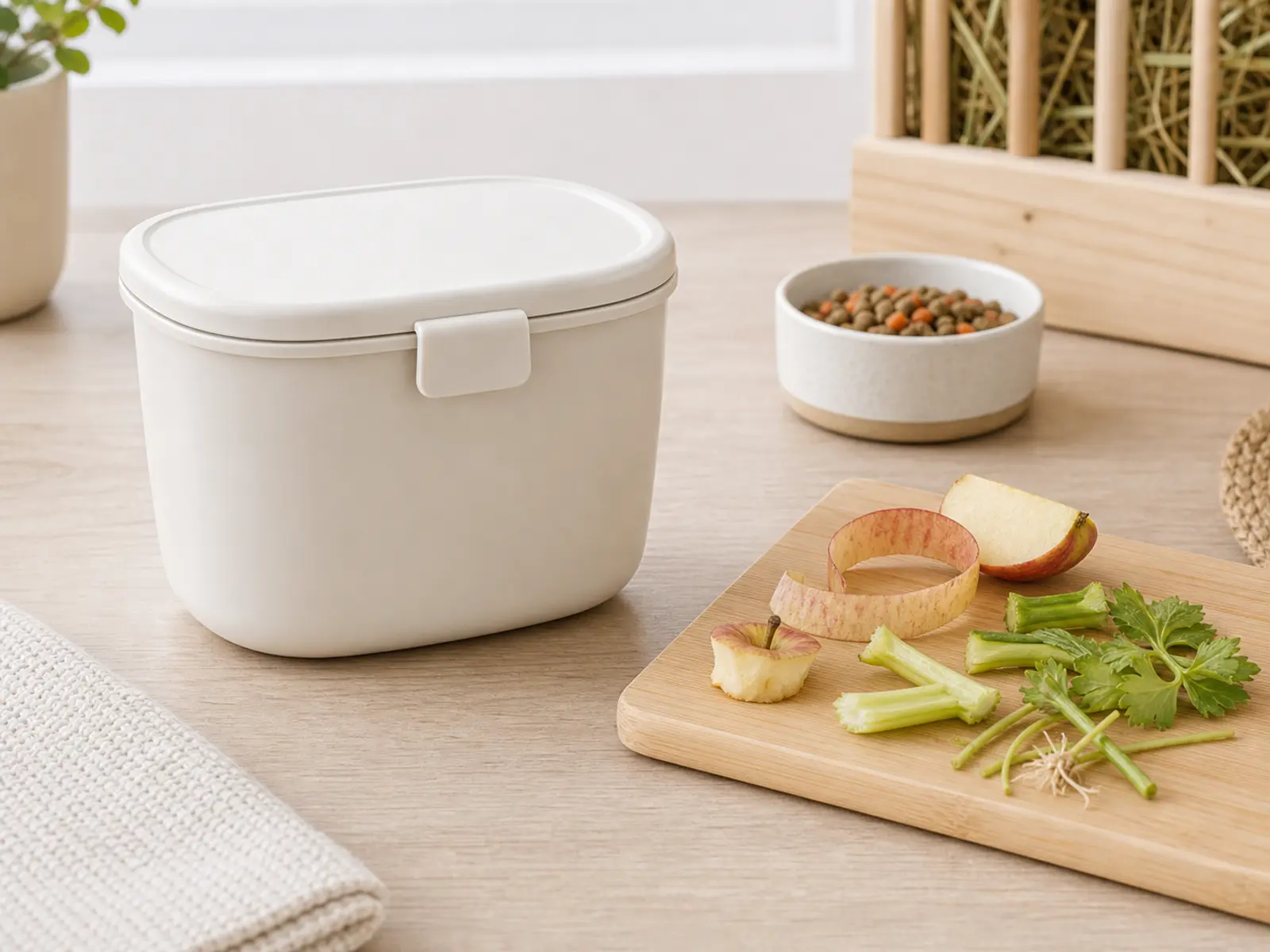
Lidded scrap bin
A covered bin keeps pits, wooden picks, used napkins, and appetizer scraps away from a rabbit searching the floor.
Shop lidded scrap bin