Updated
Rabbit food check
Can Rabbits Eat Pickles? Check the Jar, Not the Cucumber
No—the brine changes the food
No—leave pickles and pickle juice off the rabbit menu. The brine is salty and acidic, and the recipe may include sugar, garlic, onion, or other seasoning. If garlic or onion was eaten, call your veterinarian promptly with the jar in hand.
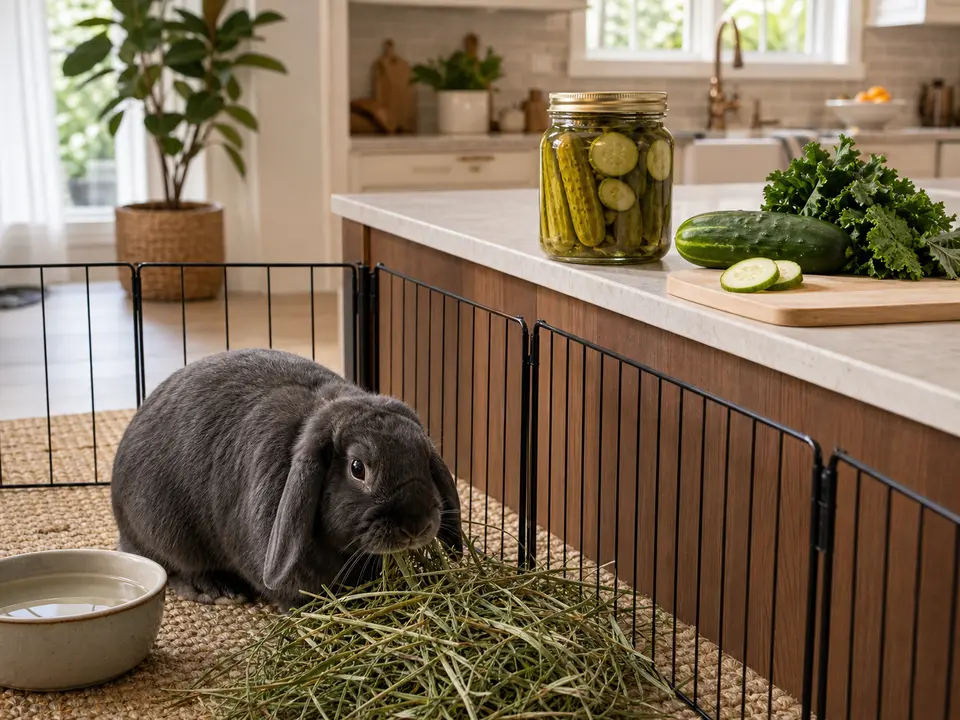 Pickles
When to call your vet
Call a rabbit-savvy veterinarian at once for onion or garlic. Ring for advice too when nobody knows the recipe or how much disappeared. Slower hay eating, fewer droppings, a hunched pose, or unusual quietness also warrant a call. Keep the jar beside the phone.
Pickles are not the same as cucumber
A pickle started as a cucumber, but then it sat in brine with vinegar, salt, and often sugar or seasoning. That makes it a different food. If plain cucumber already agrees with your rabbit, offer a small fresh piece from the whole vegetable—not one from the jar.
The recipe matters
Dill does not mean plain, and homemade does not mean mild. Sweet pickles may contain extra sugar, spicy ones may contain peppers, and many recipes use garlic or onion. Read the entire ingredient list. If your rabbit ate garlic or onion, call a rabbit-savvy veterinarian promptly.
Rinsing does not undo pickling
Rinse a spear and the sharp pickle smell is still there because brine has soaked through it. The tap only cleans the outside. The rabbit bowl gets hay and the usual greens—not that spear. If cucumber is already familiar, cut a fresh coin from the whole vegetable.
When a pickle disappears
Move the plate away from the pen, then see what is actually gone. A lick of juice, half a sandwich chip, and a whole spear are different amounts. Leave the jar in the fridge so the clinic can check the label if hay eating or litter habits change.
Put the pickle jar away before floor time
Put the lid back on and return the jar to the refrigerator before opening the pen. Wipe the wet ring under the jar too; pickle brine is easy to miss on a kitchen counter.
Clean up every splash
Brine can run down a cabinet or leave a clear patch on the floor. Blot the spill, check around the table, and pick up any relish or slices before the rabbit comes into the room.
Keep fresh cucumber separate
If raw cucumber is already part of your rabbit's diet, wash a fresh piece and serve the usual small amount. If your rabbit has never tried it, choose familiar greens instead. A pickle mishap is not a good time to introduce another new food.
Keep the jar for the vet
If a slice disappeared, keep the jar until you know your rabbit is fine. Check whether the hay bundle is being pulled apart and whether today's usual litter-box batch has arrived. An untouched pile, too few droppings, belly pressing, or unusual quietness calls for the clinic and the label.
How to handle it
- Close the jar and put it back in the refrigerator before the rabbit comes into the kitchen.
- Read the full recipe. Dill, sweet, spicy, bread-and-butter, fermented, and homemade pickles can contain very different ingredients.
- If a piece is missing, look around the floor and pen first. Then photograph the label and jot down whether it was a chip, part of a spear, or a spoonful of relish.
- Wipe up the juice and look under the table for a dropped slice or bit of relish.
Avoid
- Slices, spears, relish, brine, and pickle juice—even if the pickle has been rinsed or patted dry.
- Sweet, spicy, bread-and-butter, cocktail, sandwich, and homemade pickles with an incomplete recipe.
- If onion or garlic appears in the pickle recipe and your rabbit got a bite, phone your veterinarian now. A half-remembered homemade batch also calls for professional advice.
- Counting a pickle as cucumber. A fresh cucumber piece has not soaked up salt, acid, sugar, and seasoning.
Watch
- Your rabbit eating hay as usual
- The same eager response to the next familiar meal
- Plenty of round droppings that match this rabbit's usual size
- Reduced eating or droppings, diarrhea, a swollen or painful-looking belly, hunching, tooth grinding, weakness, or unusual quietness; call a rabbit-savvy veterinarian promptly
Portion
Do not offer a pickle or its juice. When a small piece disappears, take the rest away and read the label. Call your veterinarian promptly for onion, garlic, a heavily seasoned or unknown recipe, a larger amount, or any change in eating, droppings, posture, or energy.
Keep pickle spills away from the rabbit area
A few simple kitchen supplies make it easier to clean up brine, keep scraps covered, and prepare fresh rabbit food on a clean surface.
Affiliate links: Furball Cove may earn from qualifying purchases at no extra cost to you.
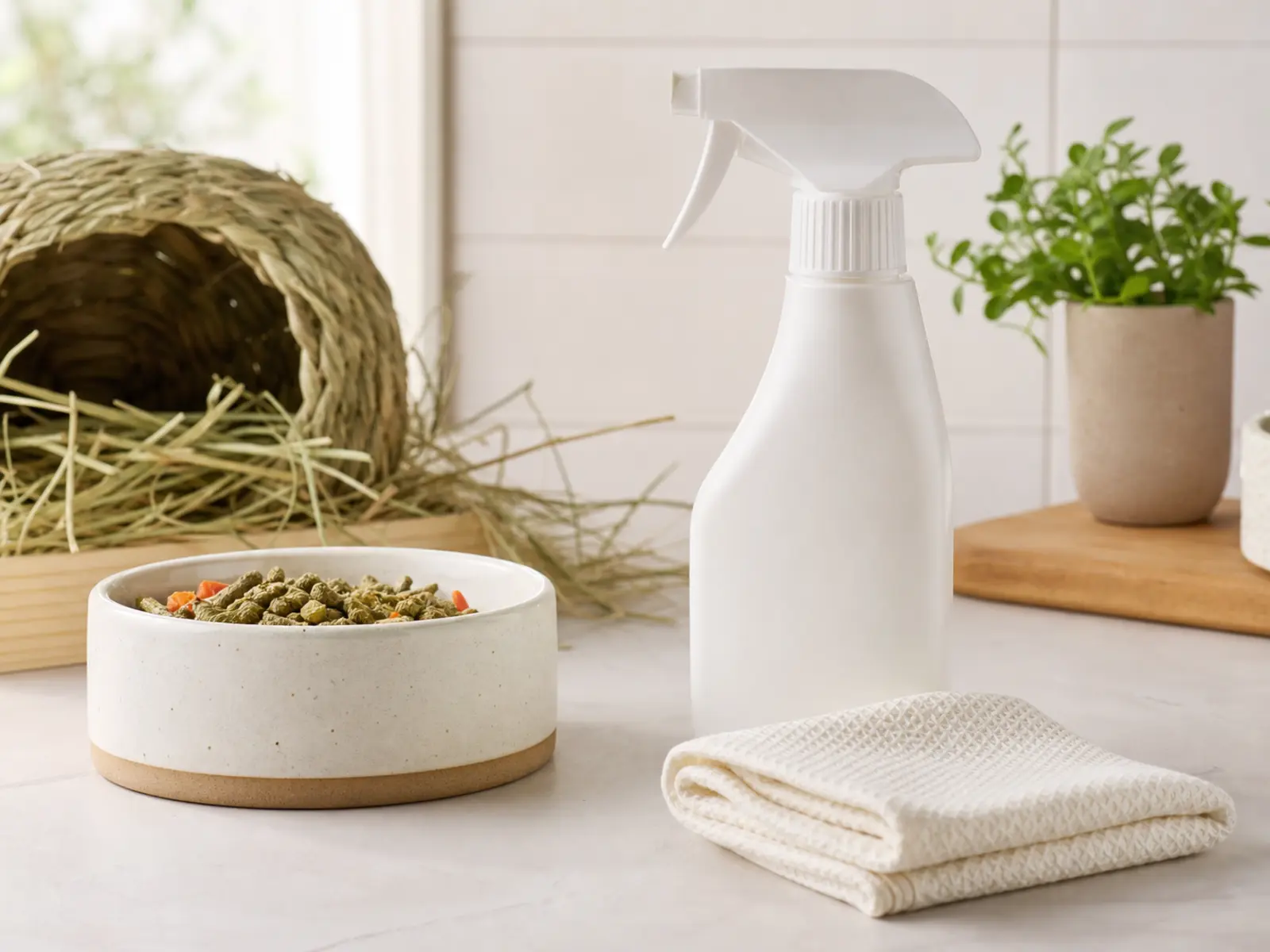
Pet-safe cleaner
Keep an unscented cleaner nearby for brine that reaches the floor. Move the rabbit away, clean the spot, and let it dry before floor time.
Shop pet-safe cleaner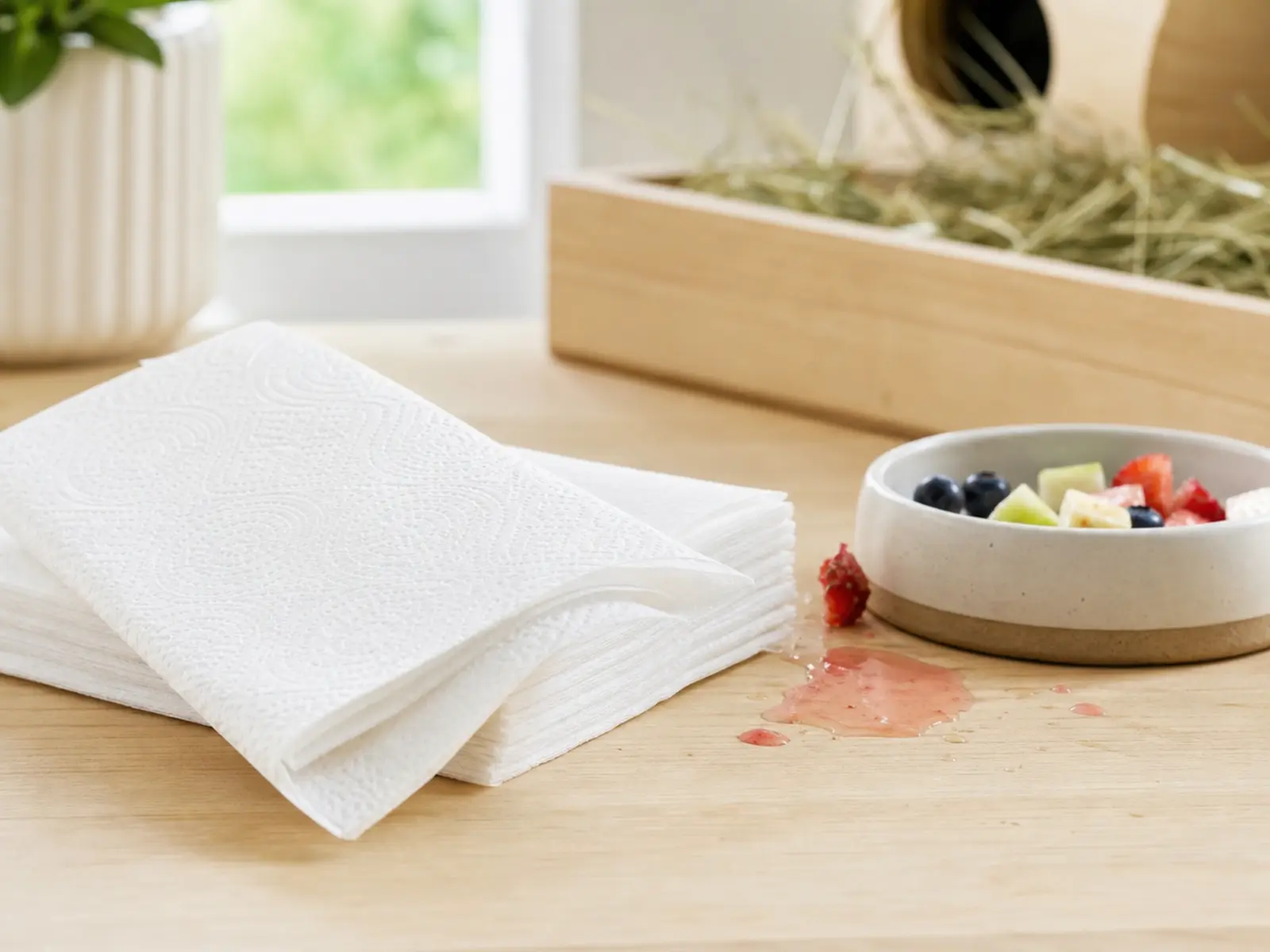
Unscented paper towels
Plain paper towels are handy for blotting clear pickle juice before it runs under a cabinet or gets tracked toward the pen.
Shop unscented paper towels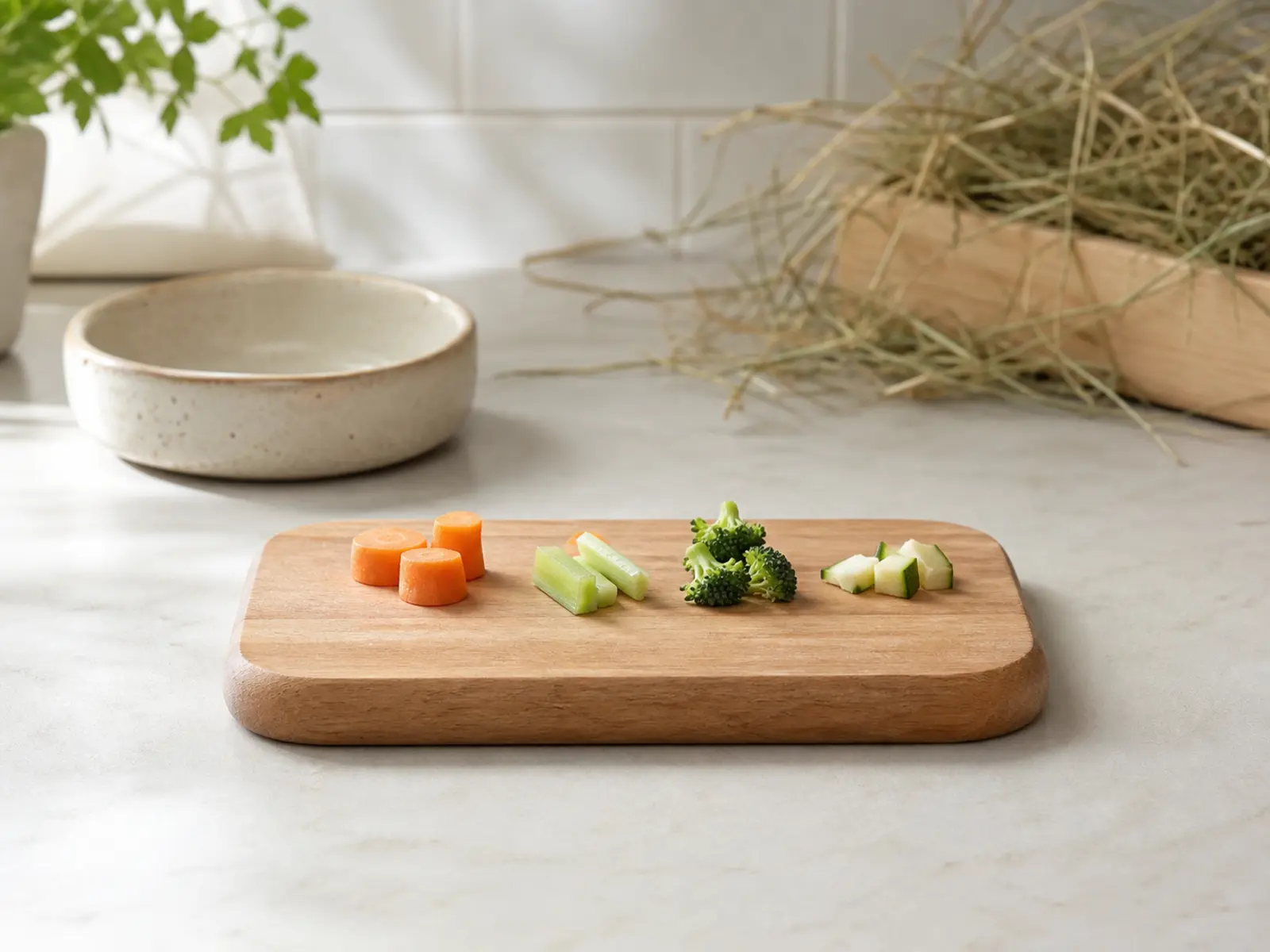
Mini cutting board
Reserve one compact board for fresh cucumber or greens, well away from pickles, sandwiches, and their crumbs.
Shop mini cutting board