Updated
Rabbit food check
Can Rabbits Eat Squash? Yes—Name the Variety First
Yes—name the edible variety first
Yes. Adult rabbits can eat a small fresh raw flesh piece from an identified edible summer or winter squash. Name the variety, wash the outside, remove the stem, hard rind, strings, and seed cavity for a simple serving, and keep the piece modest beside unlimited grass hay.
 Squash
Yes—edible summer and winter squash can fit
House Rabbit Society lists named summer and winter squashes among rabbit-safe non-leafy vegetables, and VCA includes squash among acceptable choices. One small raw flesh piece can join an adult rabbit's varied vegetables. Keep the hay rack full.
Squash is a family name, not a portion
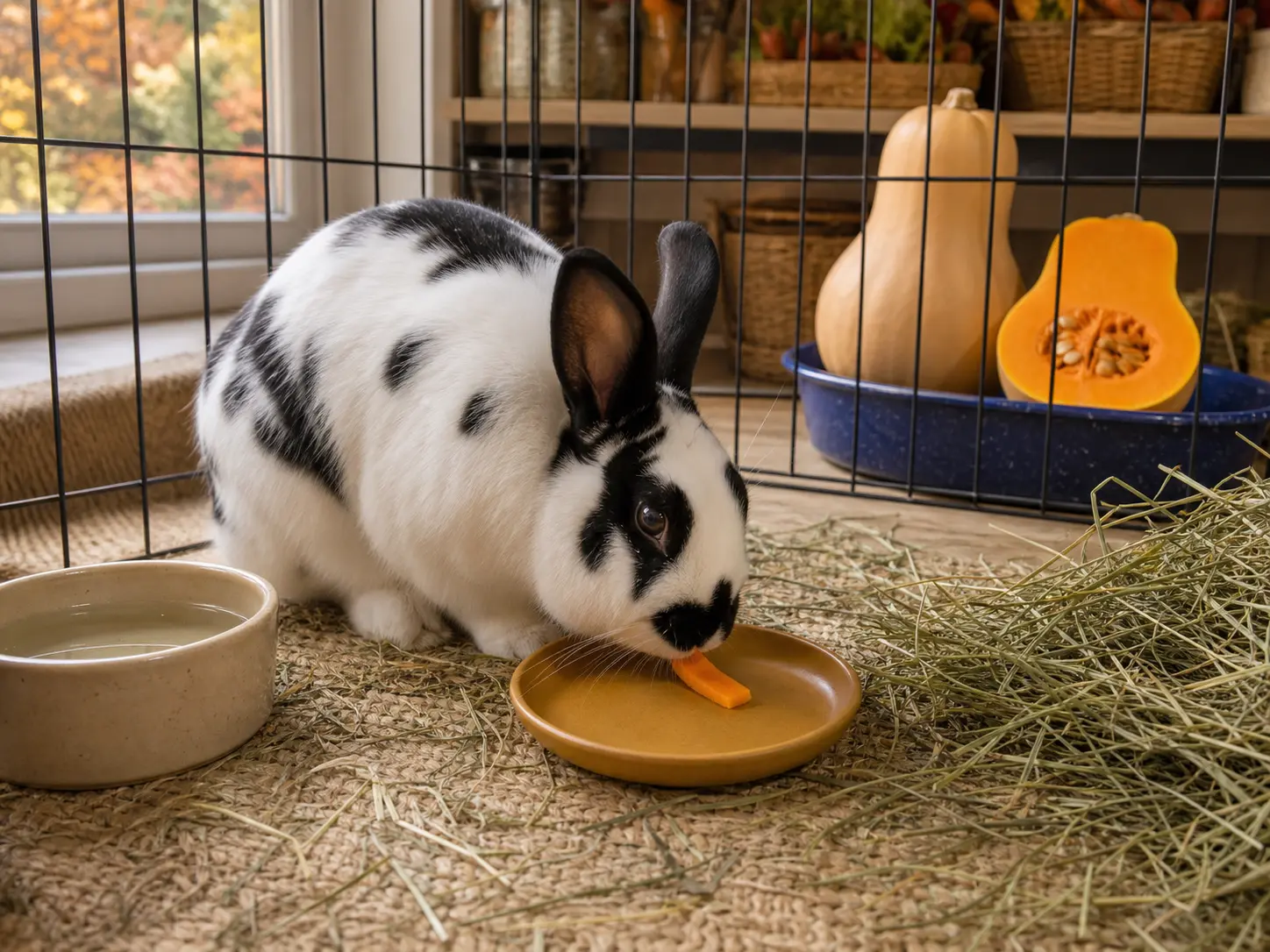
Zucchini, yellow summer squash, acorn, butternut, and pumpkin do not look or cut the same. Read the produce sign before reaching for the knife. The intact pear-shaped butternut on the pantry tray gives the orange sliver on this page a clear identity.
The seed cavity stays in the kitchen
Cut away the stem and hard rind, then scoop the strings and flat seeds from a winter squash. That is a simple way to produce one clean raw flesh sliver. It does not turn every excluded part into an emergency; it keeps this serving easy to recognize and portion.
Decorative or bitter squash is not a guess
Keep the produce label and intact edible squash on the kitchen counter until the rabbit piece is cut. Skip ornamental gourds and unidentified volunteer fruits. If a marrow or courgette smells or tastes sharply bitter during normal prep, RWAF advises discarding it before anything reaches the pen.
Read butternut on the produce sign
The tan squash has a long solid neck and rounded bulb, and its cut half shows orange flesh around a small seed cavity. The black-and-white Checkered Giant waits beside timothy hay while the named squash moves from the cobalt tray to the counter.
Open the bulb on a stable board
Wash the outer skin. Steady the squash on a heavy board, then use a kitchen knife sized for the fruit. Remove the stem and hard rind. Scoop strings and flat seeds into the scrap bowl; slime, mold, sour odor, or a wet black patch stops the prep.
Trim one raw orange sliver
Cut one small thin piece from the sound orange flesh and place it on the ochre saucer beside hay and water. Cover and chill the rest before butter, stock, oil, sugar, salt, or a roasting tray enters the plan.
Watch the hay pile, not the empty saucer
Finishing the butternut sliver only shows interest in squash. Later, check the rabbit's hay rack and litter box for pulled timothy stems and familiar round droppings. Slower eating or output, diarrhea, hunching, or a painful posture needs prompt rabbit-savvy veterinary advice.
Serve
- Name the edible squash from its label, produce sign, or seed record. Do not use the broad word squash to approve an unidentified decorative gourd.
- Inspect the whole fruit and cut surface. Discard squash with slime, fuzzy growth, sour odor, collapsing flesh, a wet black cavity, or an unusually sharp bitter smell.
- Wash the outside before the knife crosses it. On a stable board, remove the stem and hard outer rind, then scrape away strings and the seed cavity for this simple flesh-only serving.
- Cut one small thin raw piece from sound flesh and serve it plain. Refrigerate the rest before roasting, mashing, baking, buttering, oiling, salting, or seasoning begins.
Avoid
- An ornamental gourd, porch decoration, mystery volunteer fruit, or unlabeled market squash assumed edible because it resembles a familiar variety.
- Any marrow or courgette that smells or tastes sharply bitter during normal human kitchen prep. RWAF warns about bitter cucurbitacins; discard the whole fruit.
- Hard rind, woody stem, stringy seed cavity, loose seeds, or a thick raw chunk. This page uses one thin piece of the named edible flesh.
- Squash soup, pie, mash, casserole, roasted cubes, restaurant sides, or flesh carrying butter, cream, stock, oil, sugar, salt, sauce, spice, or seasoning.
- A slimy, moldy, sour-smelling, badly bruised, collapsing, chemically treated, unusually bitter, or unidentified piece.
Watch
- The small squash sliver disappearing while the rabbit continues ordinary visits to the hay pile
- Normal posture, movement, water use, and interest in familiar food
- The rabbit's usual separate round droppings after a first squash tasting
- Reduced eating or droppings, soft stool, diarrhea, belly pressing, hunching, tooth grinding, weakness, or unusual quietness; remove squash and contact a rabbit-savvy veterinarian promptly
Portion
House Rabbit Society places summer and winter squash in the sugarier non-leafy vegetable group. One small thin flesh piece is enough to add variety for an adult rabbit. A whole wedge, bowl of cubes, or repeated refill crowds out the leafy vegetables and unlimited grass hay that should matter more.
Turn one named squash into one clear rabbit-sized sliver
These produce-prep tools help steady the whole squash, separate rind and seed cavity from edible flesh, and reserve one small raw piece before the rest reaches a cooked recipe.
Affiliate links: Furball Cove may earn from qualifying purchases at no extra cost to you.
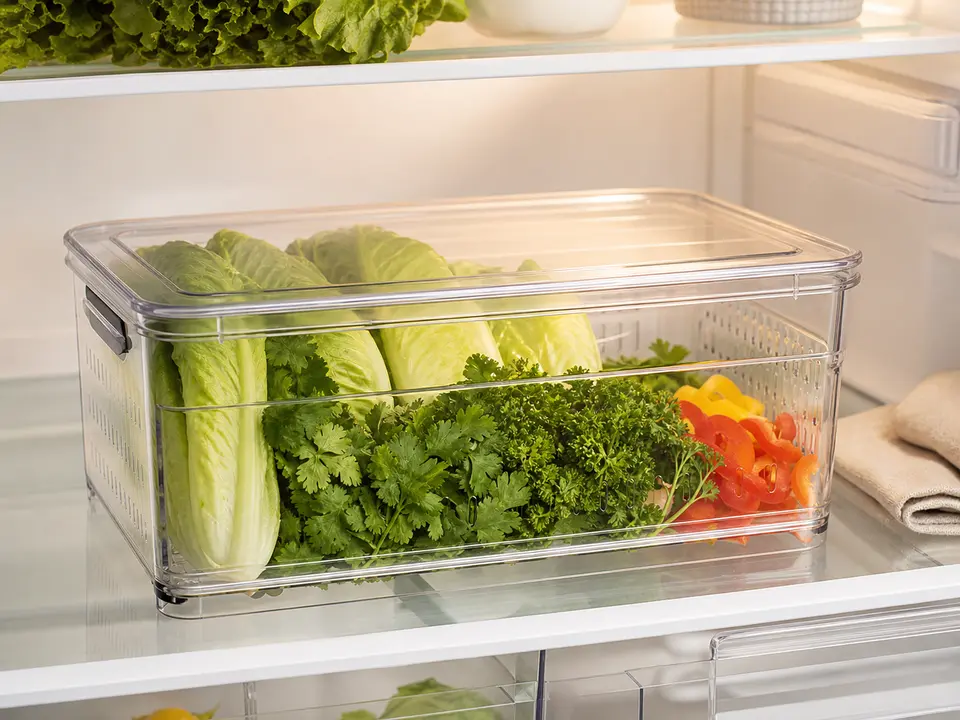
Rabbit greens bin
Give the identified edible squash a visible storage place where a soft wall, damp patch, damaged stem, or opened date remains easy to check.
Shop rabbit greens bin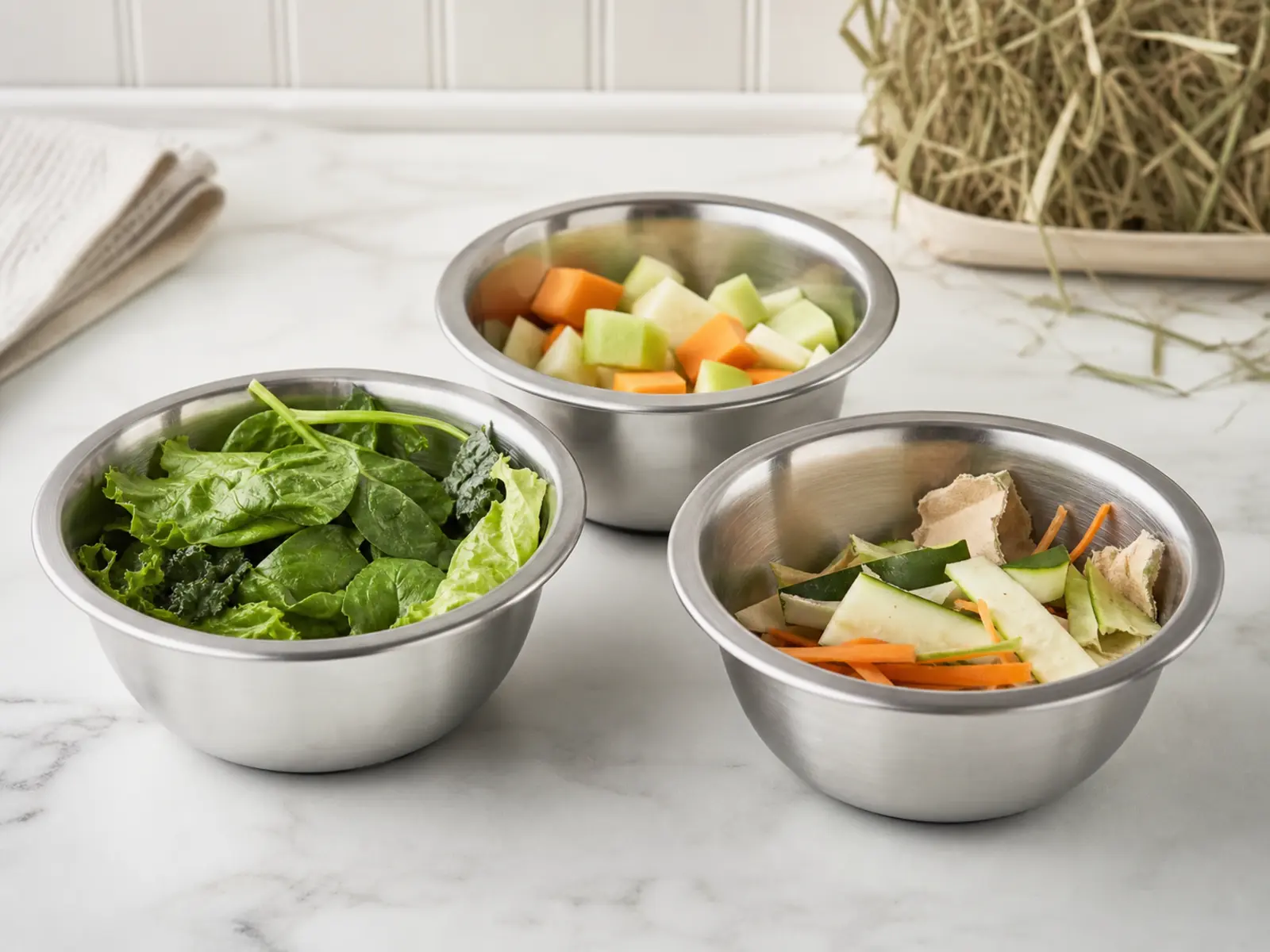
Stainless prep bowls
Keep stem, rind, strings, and flat seeds in the scrap bowl while the rabbit's single raw flesh piece stays plainly separate.
Shop stainless prep bowls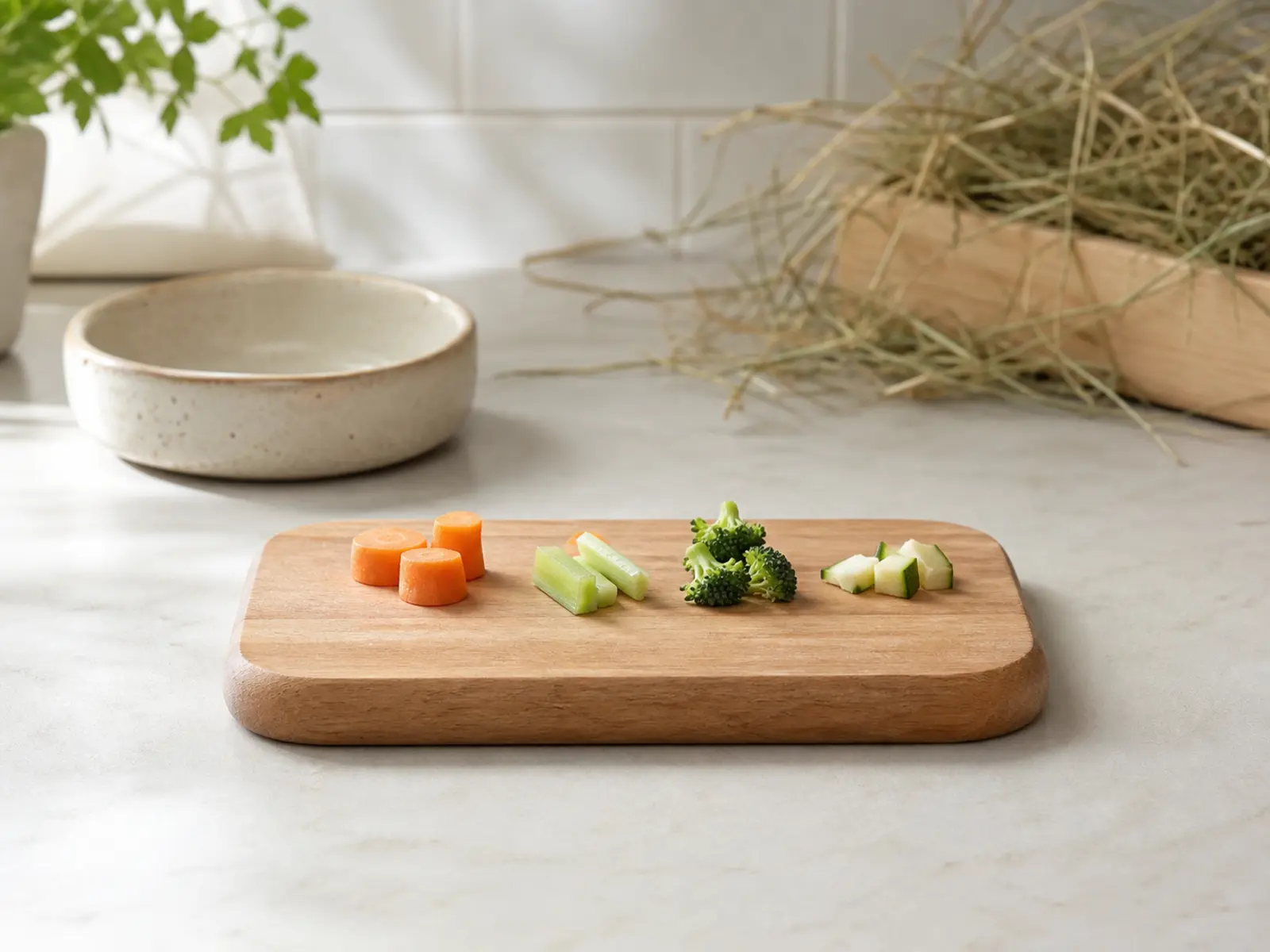
Mini cutting board
Use a stable compact surface for a small named squash and stop after one thin flesh sliver instead of building a bowl of orange cubes.
Shop mini cutting board