Check the food first
A new bag, old can, refrigerator smell, cold wet food, or slightly different texture can make a familiar food seem wrong.
Updated
Food refusal
A sudden food refusal can be about freshness, texture, temperature, stress, nausea, mouth pain, or a change in the food itself.
Do not turn the meal into a standoff. Check the obvious food and setup issues, keep one familiar option available, and call your veterinarian if appetite drops or refusal repeats.
A new bag, old can, refrigerator smell, cold wet food, or slightly different texture can make a familiar food seem wrong.
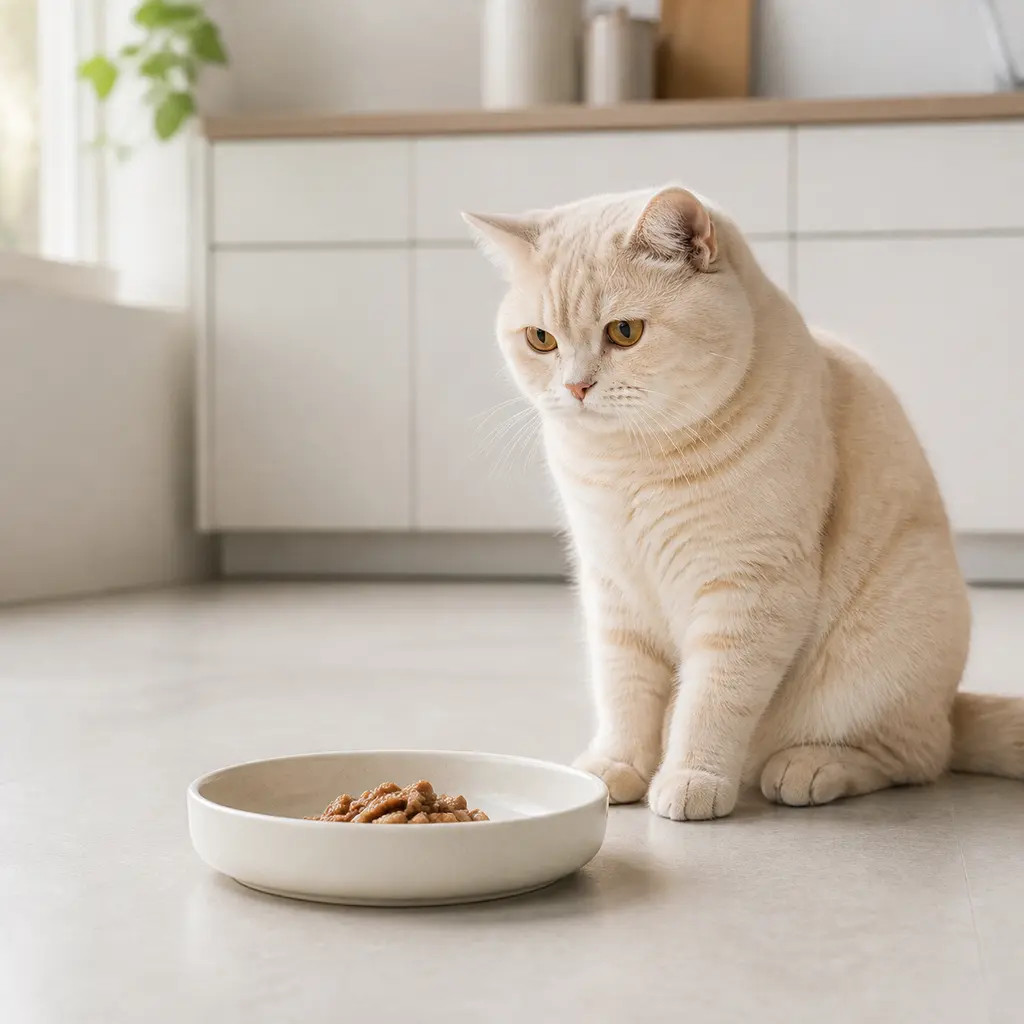
Try a clean shallow dish, a small fresh portion, or a slightly warmer wet-food serving. Do not open five new foods at once.

A cat who skips one flavor but eats normally is different from a cat who approaches food and cannot eat.
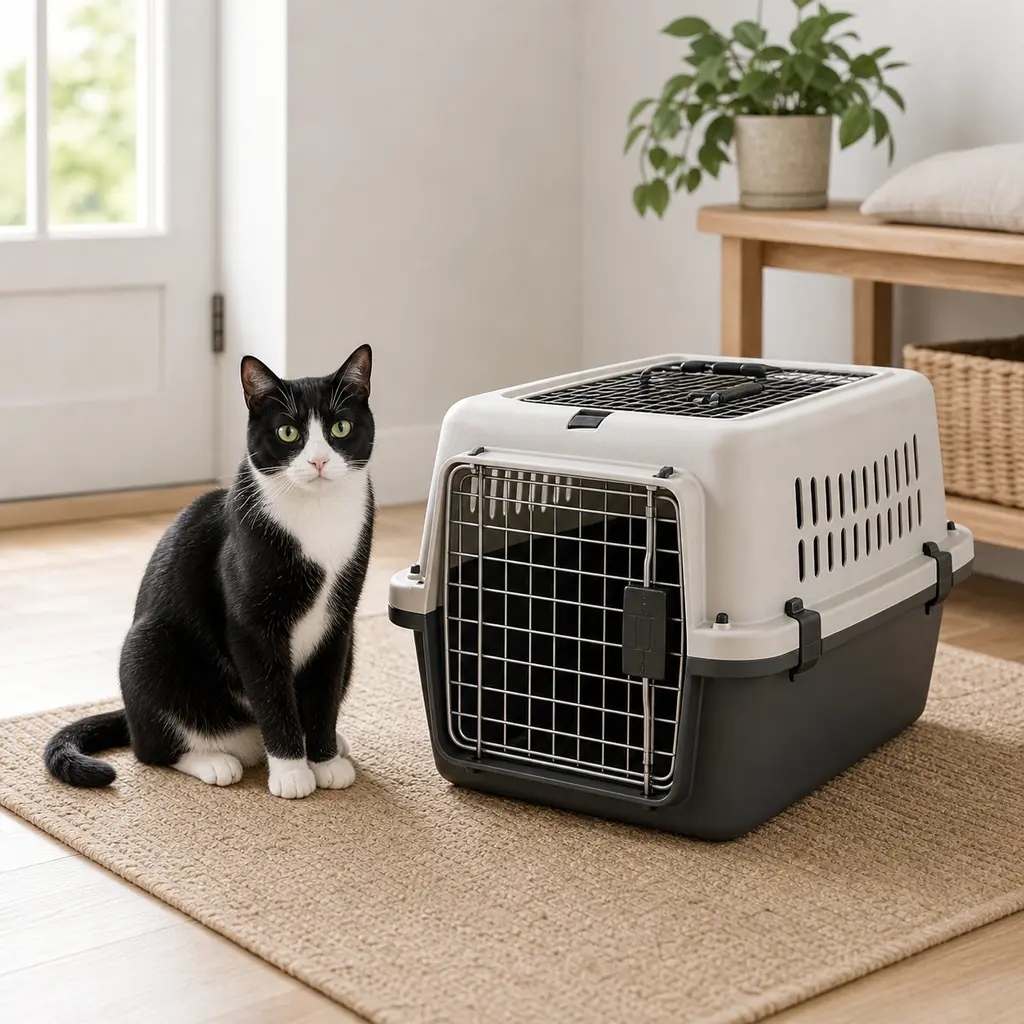
Repeated refusal, vomiting, drooling, hiding, weight loss, mouth pain, or low energy should move the question to your veterinarian.
Use tools that make freshness, bowl comfort, and appetite notes easier to control.
Affiliate links: Furball Cove may earn from qualifying purchases at no extra cost to you.
Freshness, texture, temperature, stress, nausea, mouth pain, or a formula change can all make a familiar food seem wrong.
Call if appetite is reduced, refusal repeats, or you see vomiting, drooling, hiding, weight loss, pain, weakness, or a sudden behavior change.