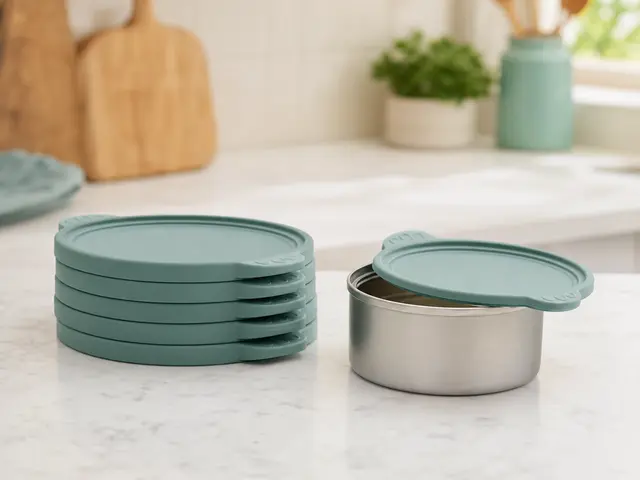
Start with texture and temperature
Pate, shreds, chunks, gravy, and chilled leftovers can all feel like different foods. Test one small change at a time.
Updated
Wet food refusal
A cat who refuses wet food may dislike the texture, smell, temperature, bowl, or change itself.
Do not turn wet food into a standoff. Keep the dry food routine stable, offer tiny low-pressure trials, and call your veterinarian if appetite drops or illness signs appear.
Pate, shreds, chunks, gravy, and chilled leftovers can all feel like different foods. Test one small change at a time.
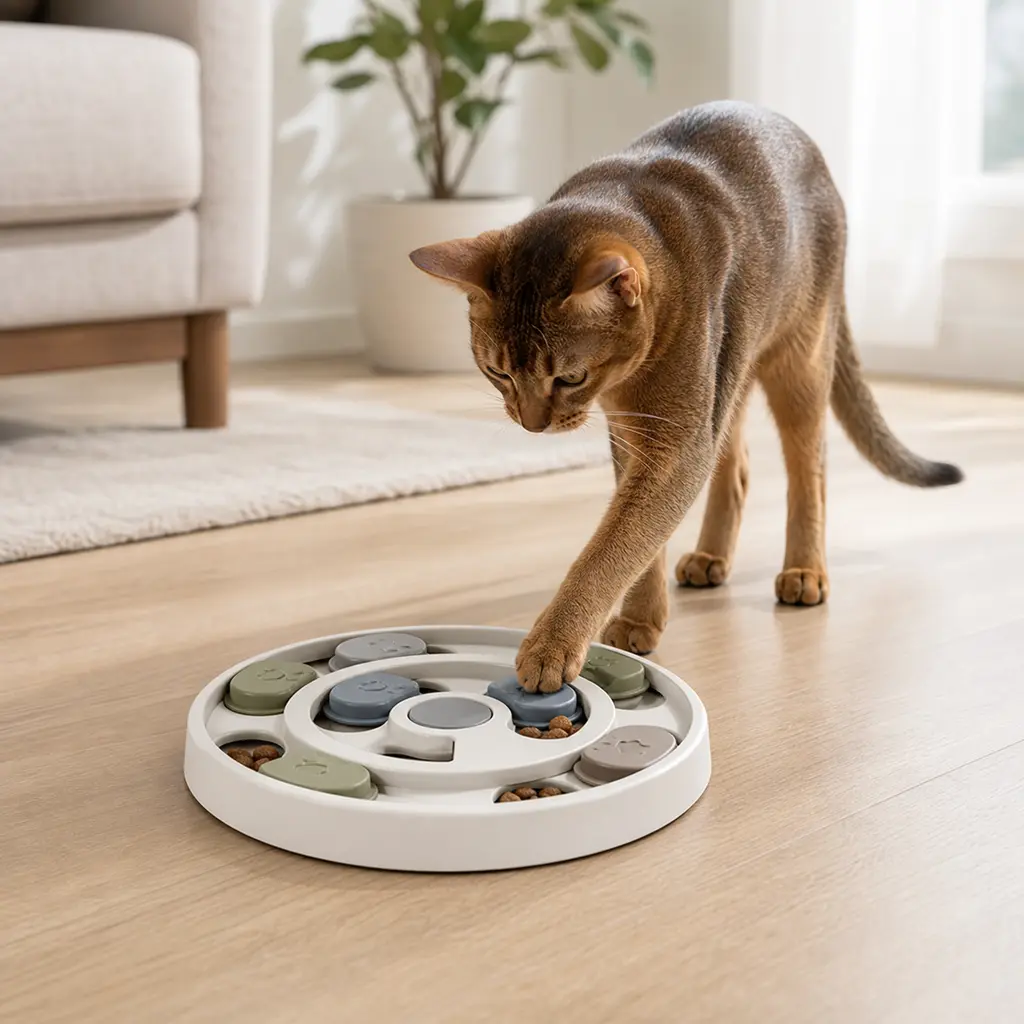
If your cat reliably eats dry food, do not remove it suddenly just to pressure a switch to wet food. Appetite matters more than winning the format argument.
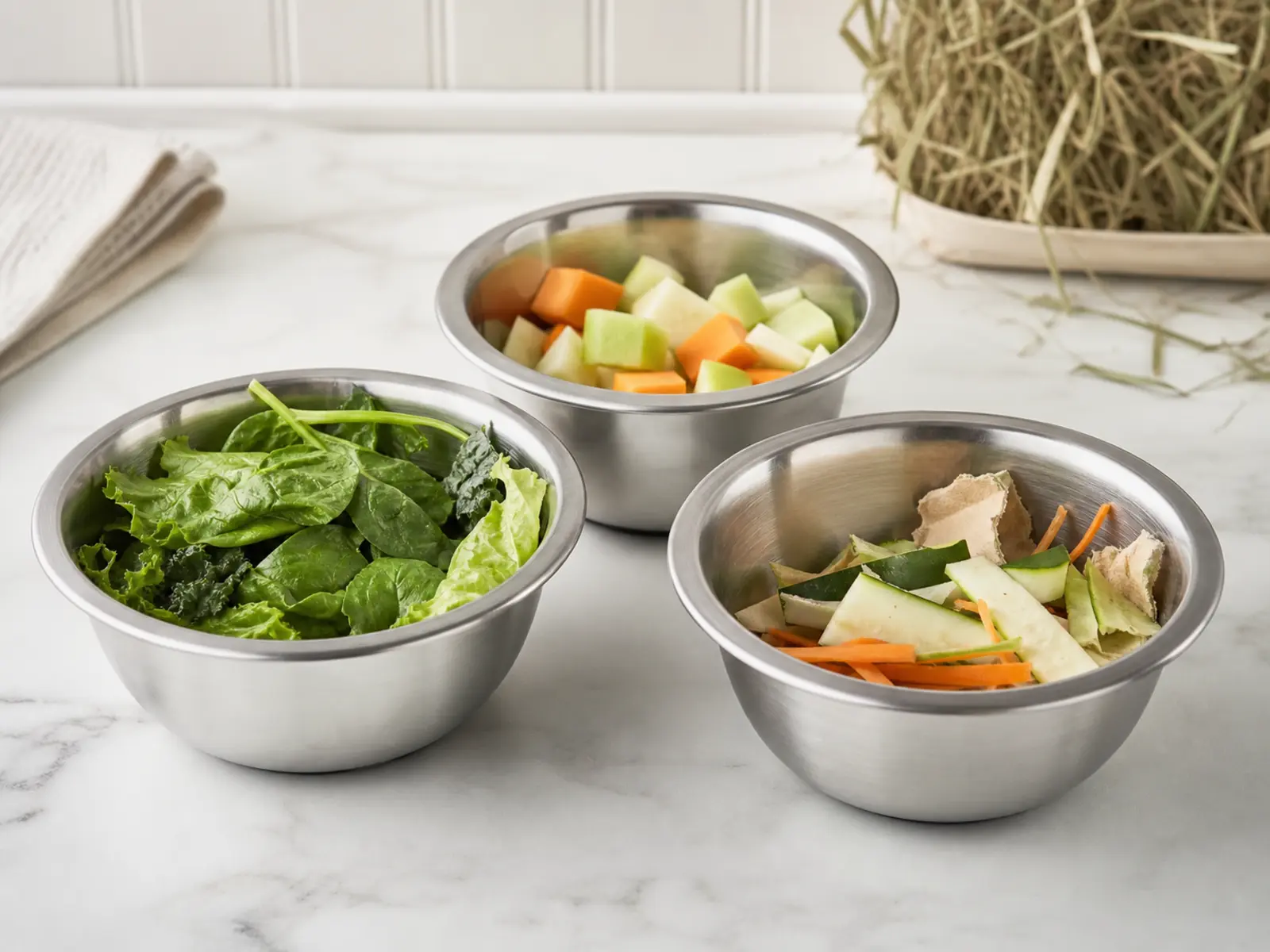
Offer a teaspoon-size trial beside the familiar food, not mixed into everything at once. Let curiosity build without pressure.
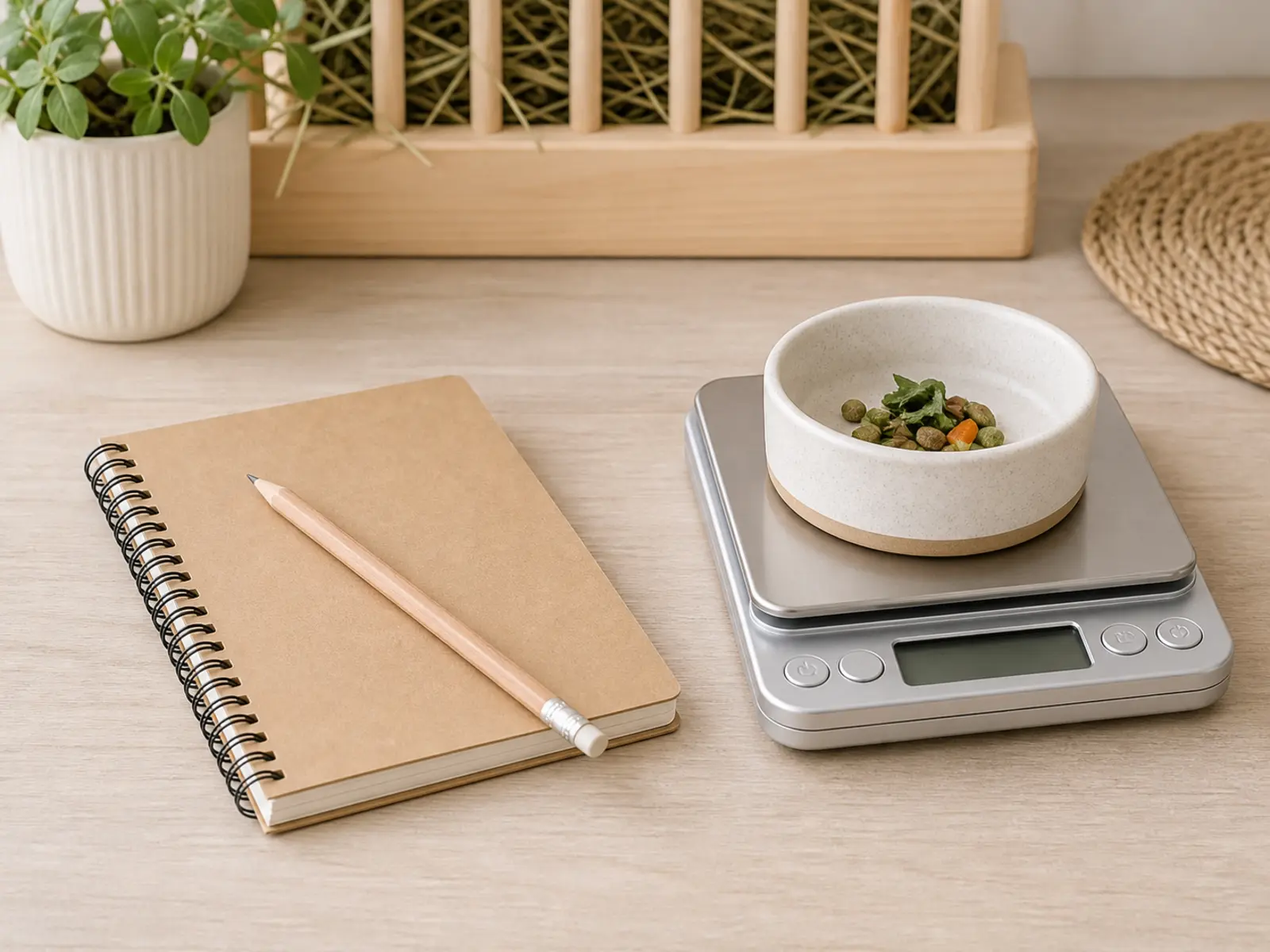
Drooling, lip licking, vomiting, hiding, weight loss, or refusing familiar food should move the question to your veterinarian.
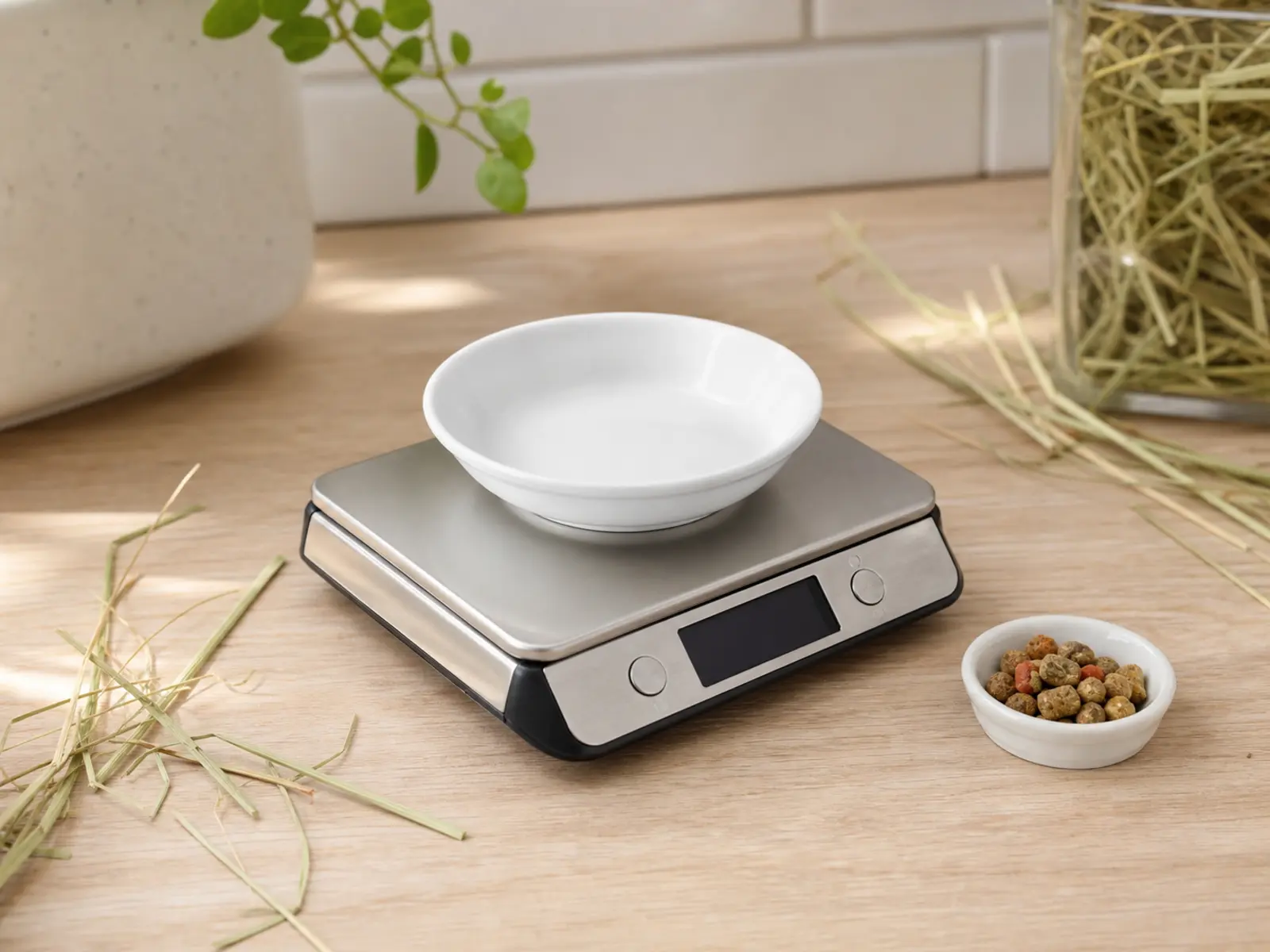
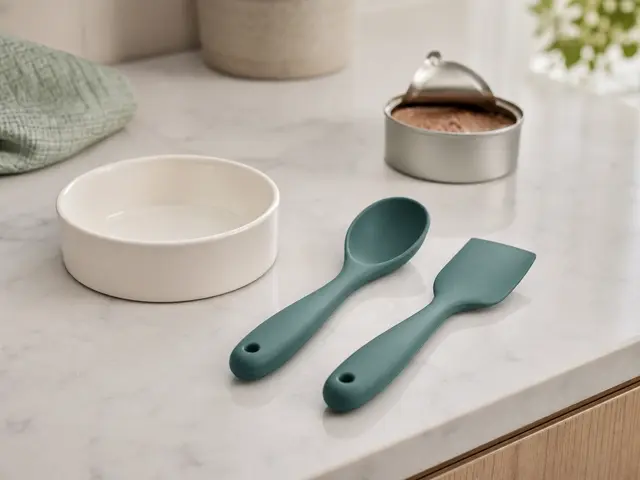
Use tools that keep wet-food trials small, clean, and easy to compare.
Affiliate links: Furball Cove may earn from qualifying purchases at no extra cost to you.
Do not remove reliable food suddenly. Use tiny wet-food trials and keep appetite safe, especially for kittens, seniors, or cats with medical issues.
Call your veterinarian if your cat refuses familiar food, vomits, drools, hides, loses weight, seems painful, or eats much less than normal.