

Updated
Next-stage puppy training
Puppy Adolescence Plan
Adolescence is the stretch where your dog looks more grown but still needs structure, rewards, sleep, and safe choices.
When old skills wobble, return to easier versions, pay check-ins generously, and keep freedom matched to the dog in front of you.
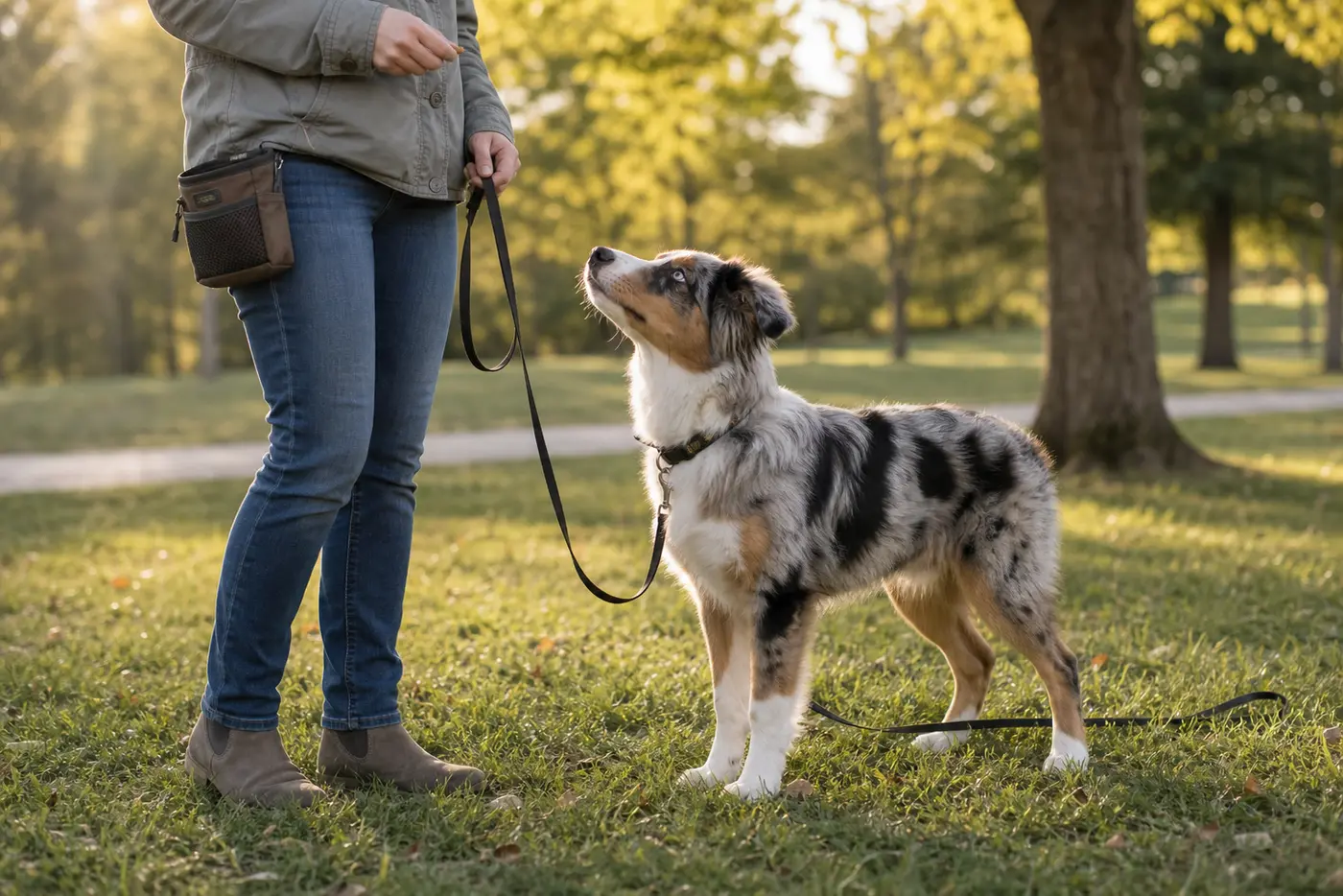
Adolescence can feel confusing because your dog may look stronger, faster, and more confident while their judgment is still catching up. Recall may fade, leash manners may wobble, and greetings may suddenly feel huge again.
That does not mean your early training was wasted. It means the same skills need easier setups, better rewards, more sleep, and safer choices while your young dog practices in a bigger world.
Great for
- Young dogs who are losing focus around people, dogs, smells, or open spaces.
- Families who need a practical plan for more strength and more opinions.
- Adolescent puppies who do well with structure but are not ready for full freedom.
Wait a bit if
- Serious biting, guarding, panic, or reactivity without a qualified trainer or vet behavior professional.
- Testing off-leash recall before it is reliable on a long line.
- Adding more exercise when your dog is already overtired, frantic, or unable to settle.
Make the lesson easy
Return to easier versions
Practice sit, recall, leash turns, and settle in places where your dog can still think. Then raise difficulty one small piece at a time.
Pay every check-in
Reward your dog for looking back, moving toward you, or choosing to stay connected outdoors. Those tiny choices matter more during adolescence.
Use the long line
A long line gives safe freedom while recall matures. It also prevents the habit of ignoring you and racing toward the best thing in the park.
Manage greetings again
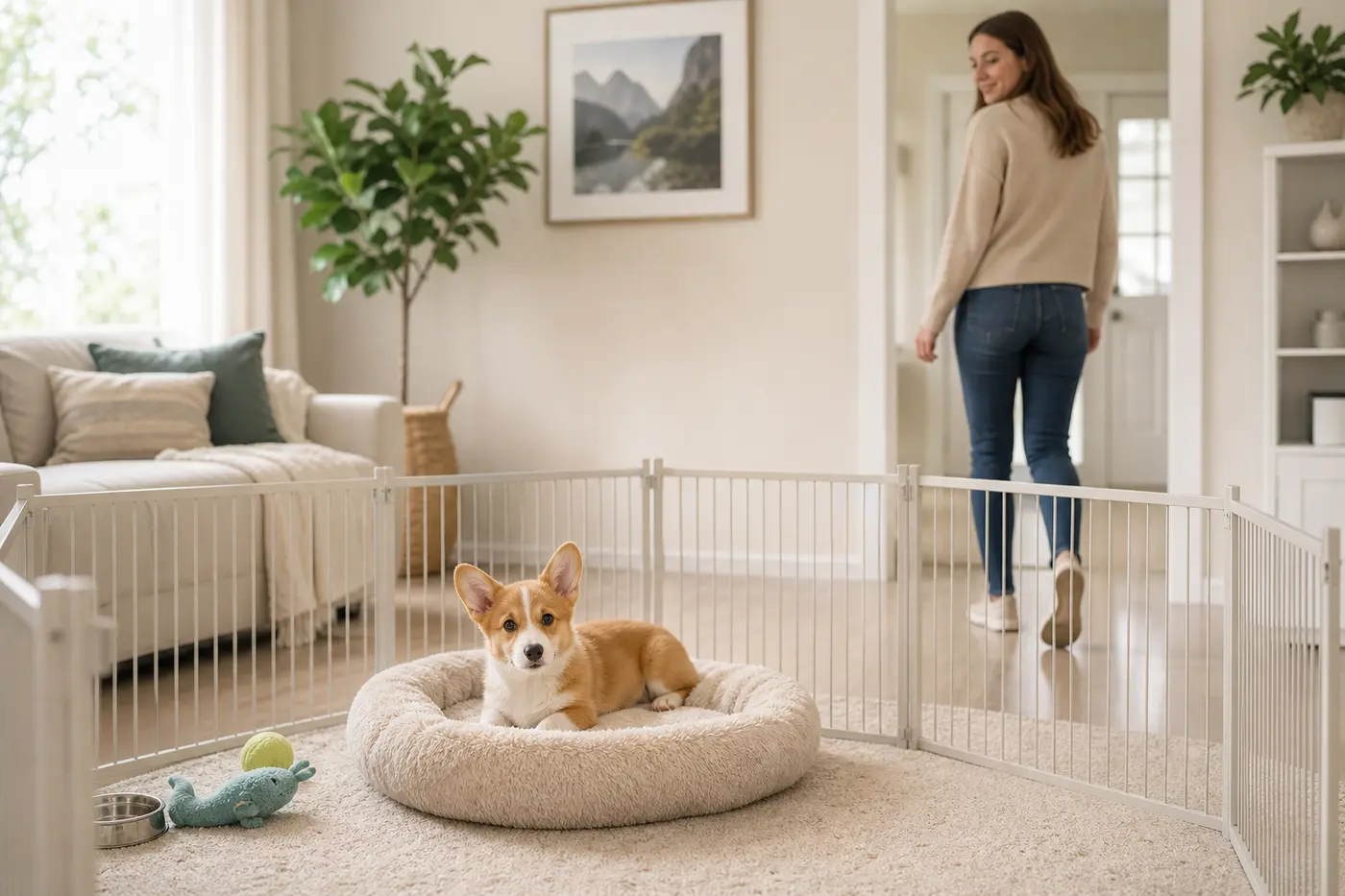
Go back to leash, gate, mat, or distance when guests, kids, or other dogs are too exciting. Teenage dogs often need puppy-level setup for adult-size bodies.
Protect sleep and recovery
More running is not always the answer. If your dog gets mouthy, scattered, or unable to settle, build in quiet time, chews, sniffing, and naps.
Review the plan weekly
Look at what got easier and what got messy. Adjust freedom, routes, rewards, and rest before small struggles become the normal routine.
Little things that help
Keep rewards generous
Teenage dogs are working around stronger distractions. Pay the behavior you want before expecting it to hold up everywhere.
Change one thing at a time
Add distance, duration, or distraction separately. If you change all three, it is hard to know why the skill fell apart.
Get help early
If fear, guarding, chasing, or conflict is escalating, work with a qualified reward-based trainer or ask your vet for a referral.
Helpful little extras
Affiliate links: Furball Cove may earn from qualifying purchases at no extra cost to you.
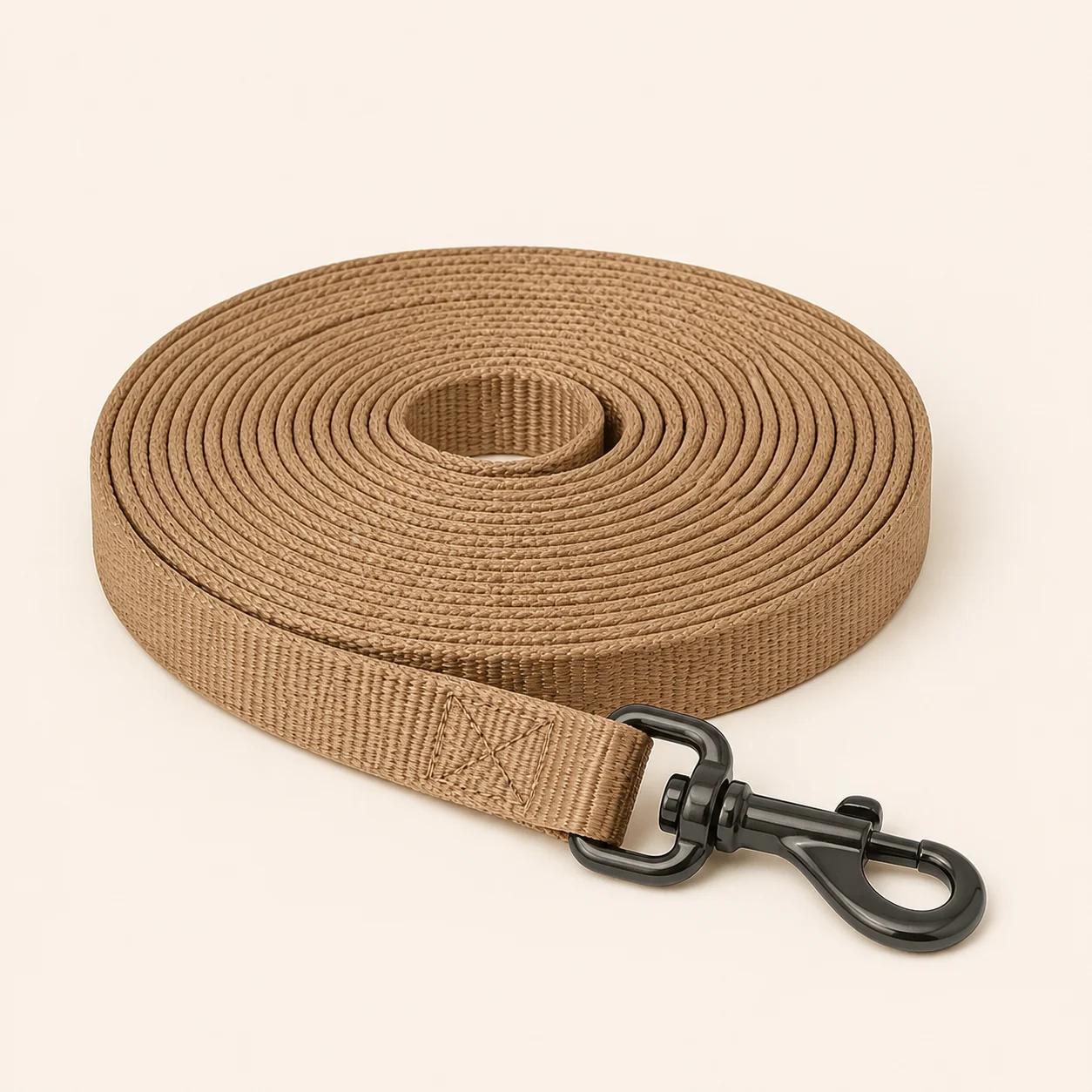
Long training line
A long line gives safe outdoor freedom while recall and impulse control are still under construction.
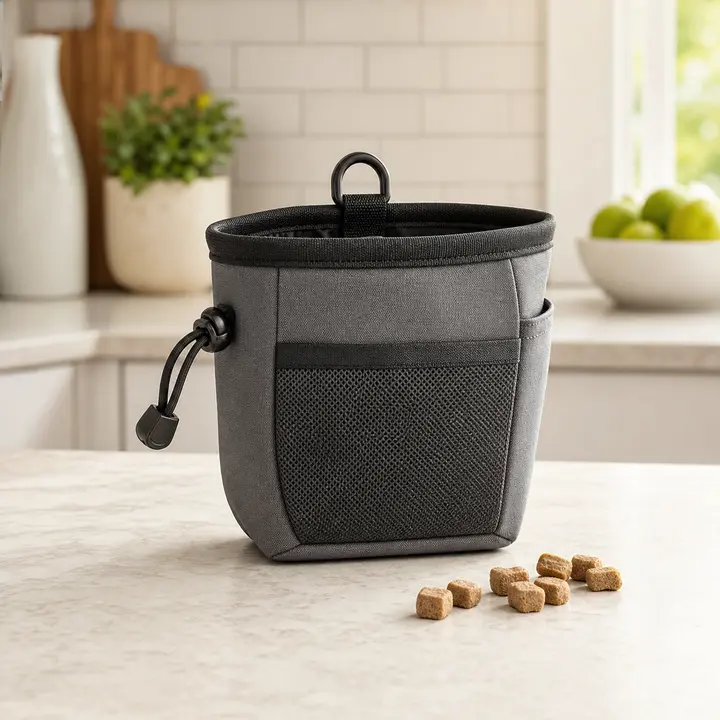
Training treat pouch
Fast reward delivery matters when your young dog chooses you over a squirrel, dog, smell, or open gate.
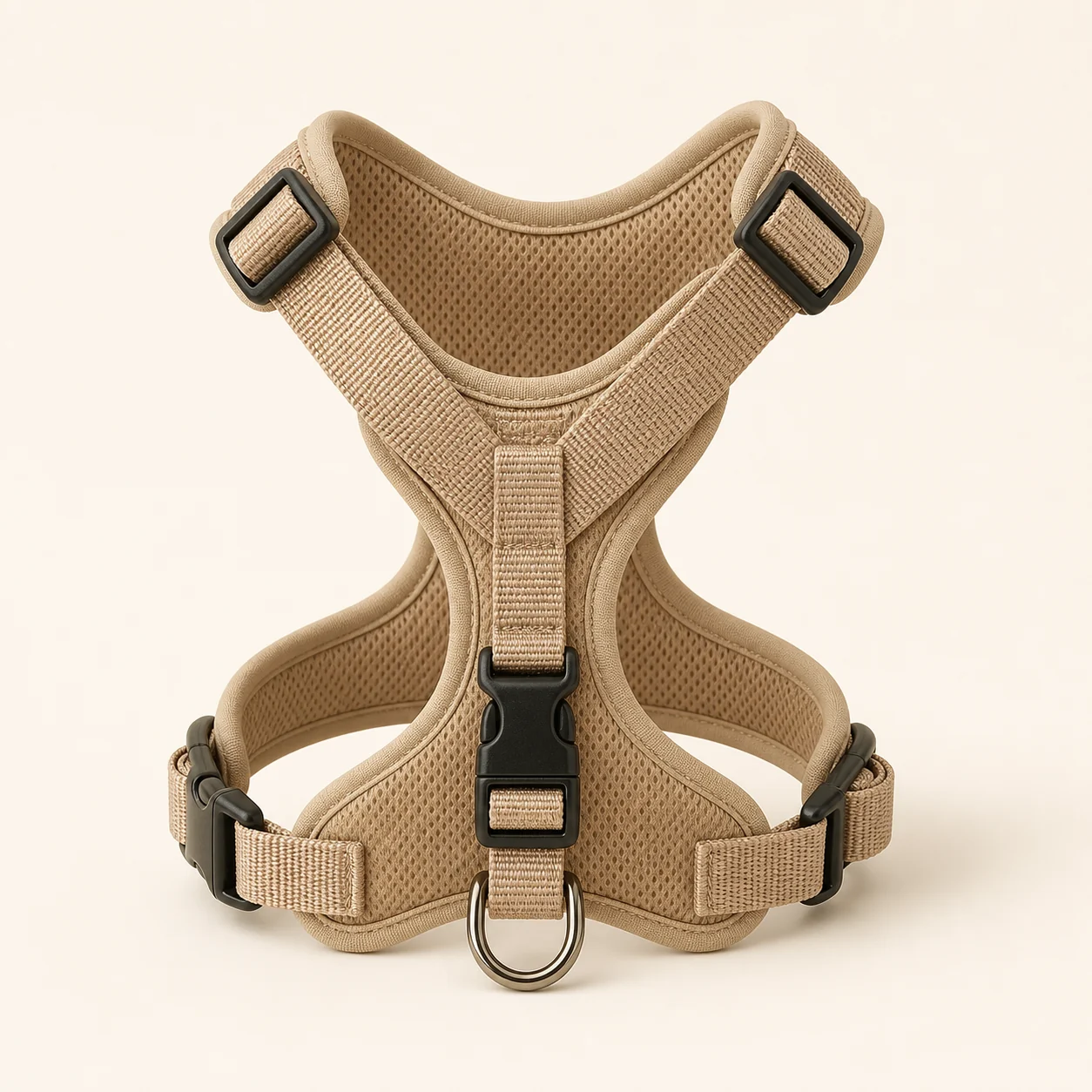
Front-clip harness
A front-clip harness can make leash practice more manageable while strength and excitement are both increasing.
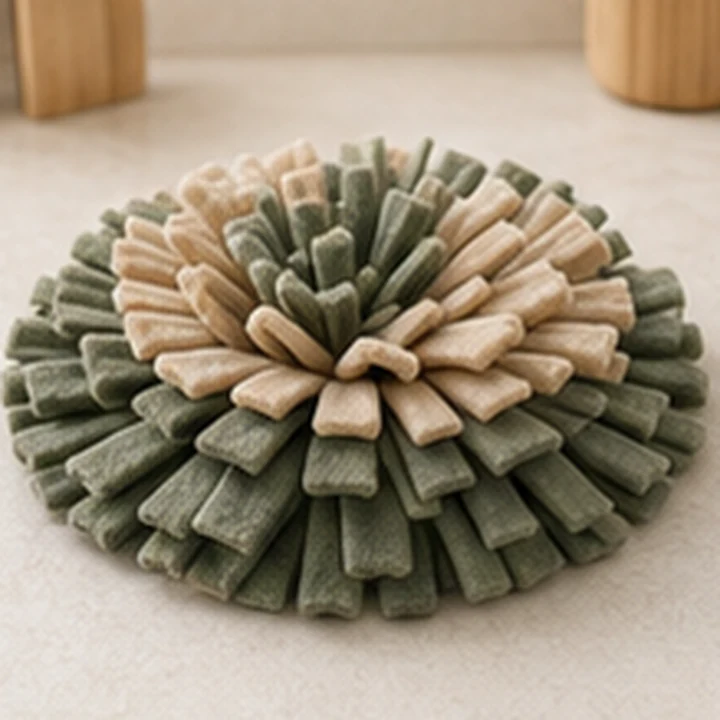
Snuffle mat
Quiet sniffing work gives a young dog a useful outlet on days when more running would only add more chaos.
Questions people ask
When does puppy adolescence start?
Many dogs show adolescent changes around six to nine months, but timing varies by size, breed, health, maturity, and the individual dog.
Did my puppy forget their training?
Usually no. The world became more interesting, so the skill needs easier practice, better rewards, and safer setup again.
How much exercise does an adolescent dog need?
It depends on the dog. Mix walks, sniffing, training, play, chewing, and rest, and ask your vet if you are unsure about safe exercise for your dog's age and body.
Try these next
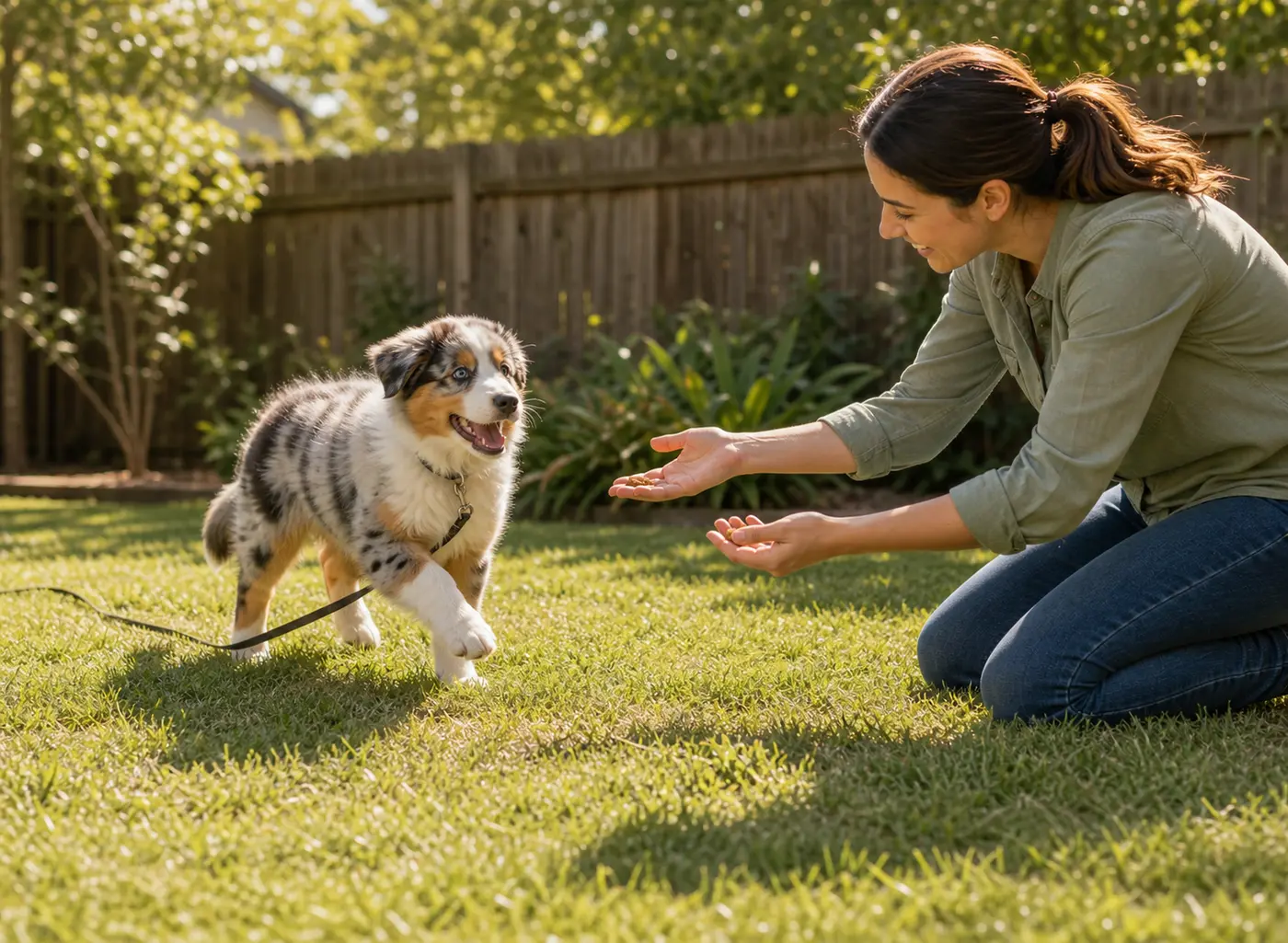
Recall Foundations
Refresh come-when-called before testing it around bigger distractions.
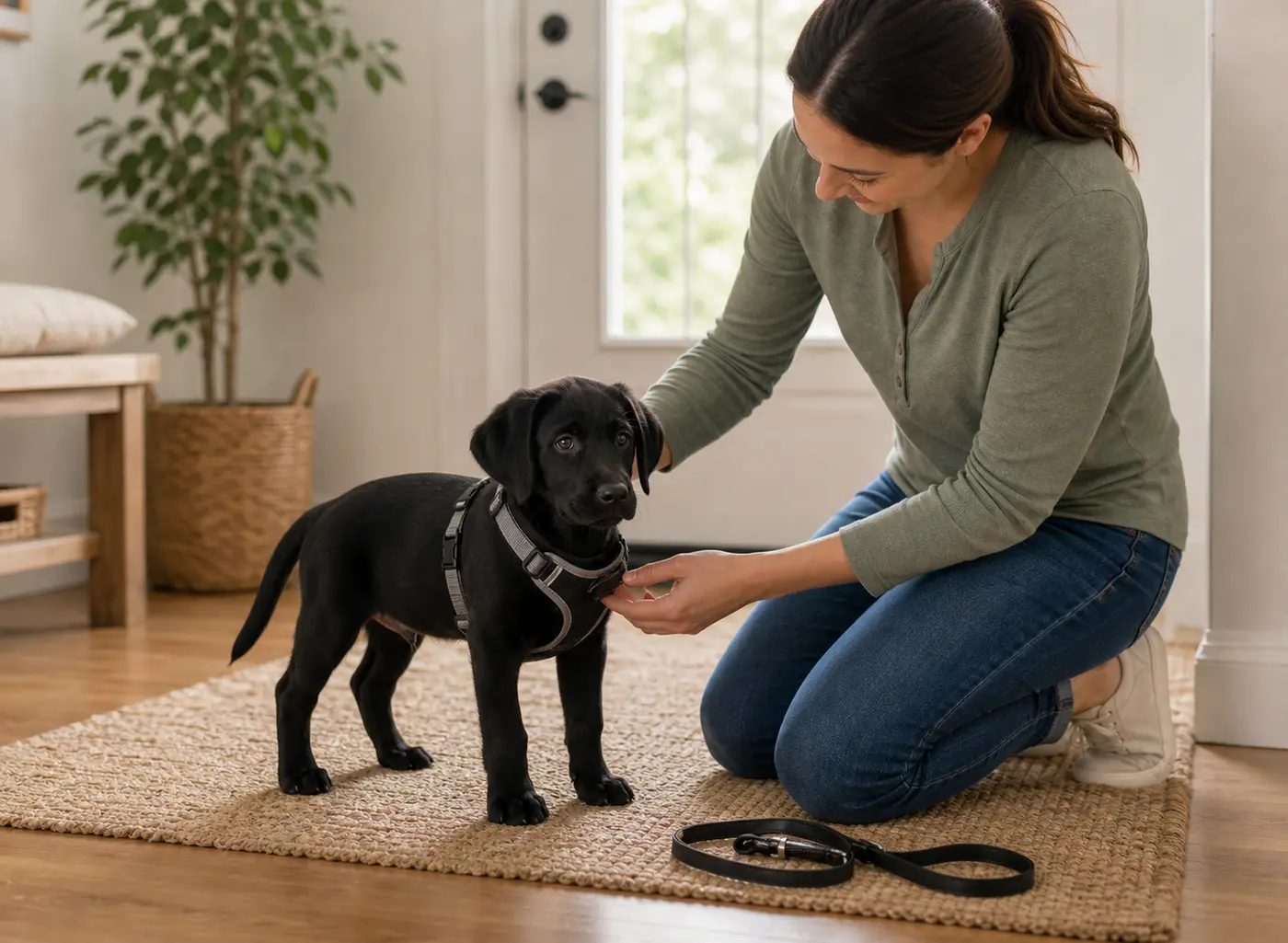
Loose Leash Basics
Rebuild walks as your young dog gets stronger.
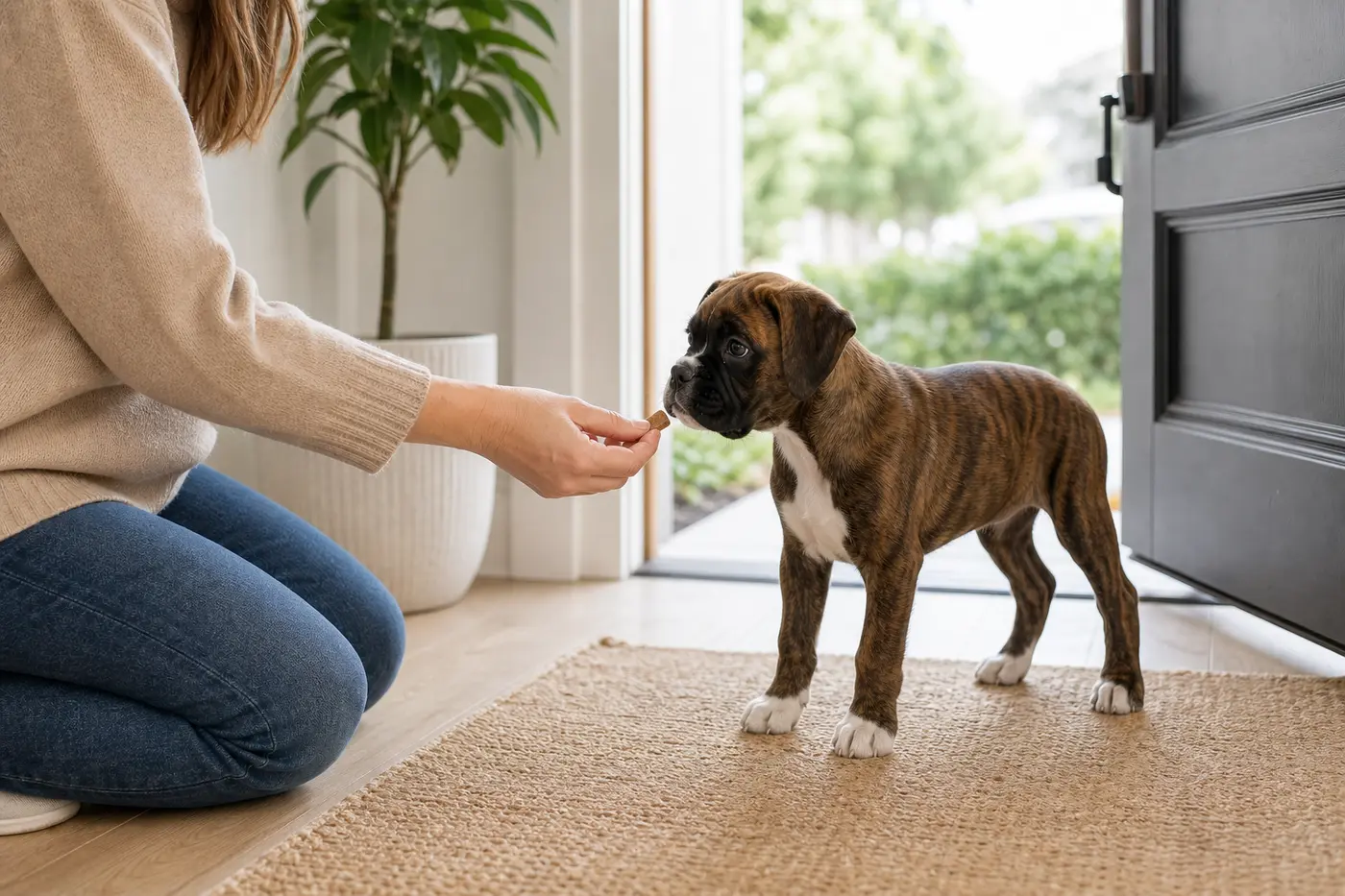
Calm Puppy Greetings
Use structure again when visitors become exciting.
Alone-Time Practice
Protect calm independence while routines and confidence change.