Updated
Puppy crate training
Step Away Seconds
Step away seconds teaches your puppy that you can leave briefly and come back before worry takes over.
This is the smallest version of alone-time training. Seconds count. You are building confidence, not proving your puppy can handle a long absence yet.
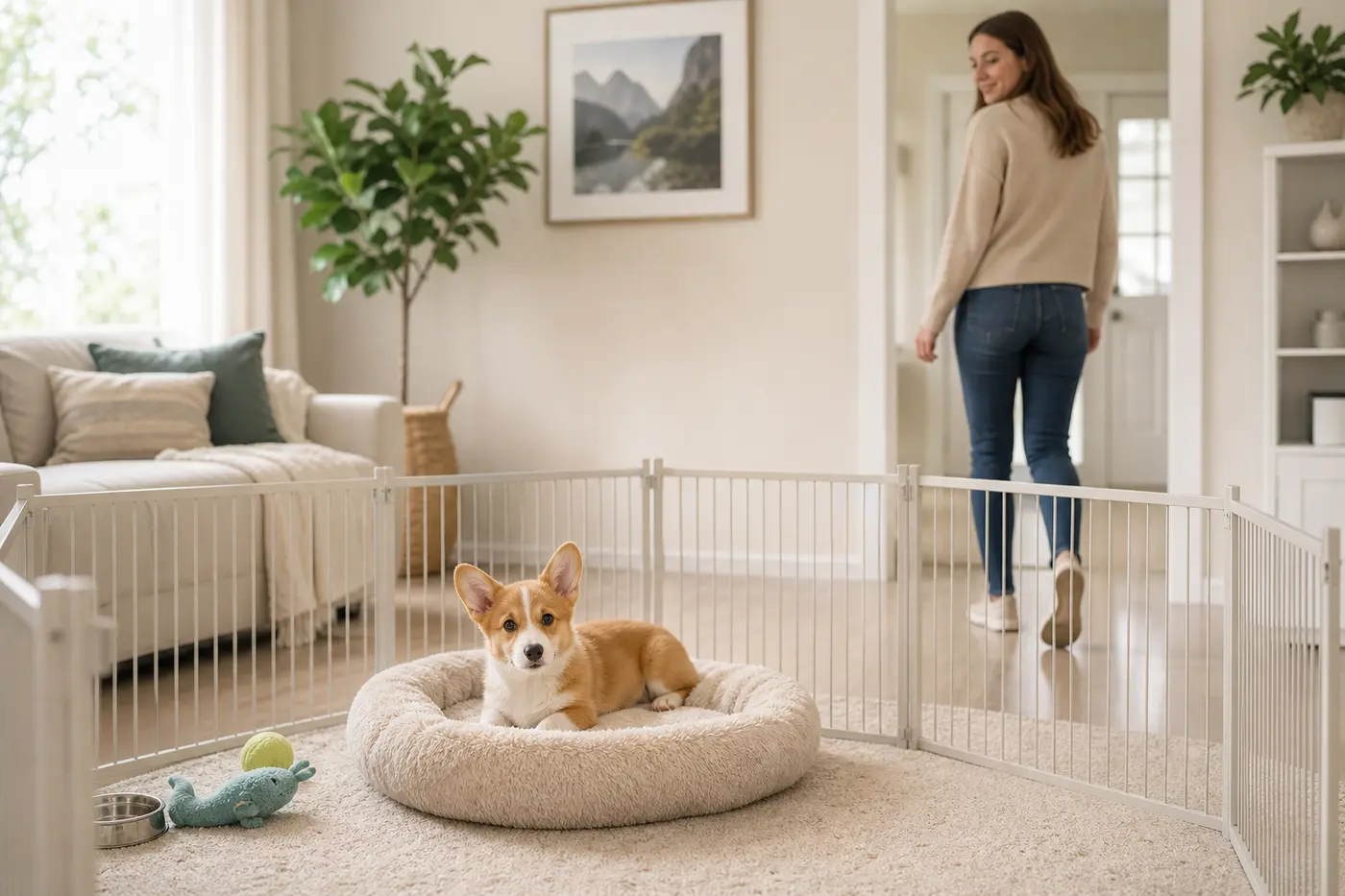
Alone-time comfort is not the same as crate comfort, but they overlap. A puppy may like the crate and still worry when you disappear.
Short repetitions keep your puppy under threshold. Returning before worry builds teaches the pattern: people leave, nothing bad happens, people come back.
Great for
- Puppies learning short separations.
- Dogs who can rest in a crate, pen, or safe puppy zone for a moment.
- Owners who can practice many tiny wins instead of one long test.
Wait a bit if
- Your puppy panics as soon as you move away.
- You need to leave for a real errand right now.
- Your puppy is not safe in the setup without supervision.
Teach the pattern clearly
Start when your puppy is sleepy
Practice after potty, gentle play, and a downshift. A wired puppy is much harder to teach.
Step one pace away
Move one step, pause for one second, then return calmly before your puppy worries.
Return without a party
Quietly drop a treat or praise softly. Big greetings can make departures feel more dramatic.
Add distance before time
Try two steps away before you try ten seconds away. Change one thing at a time.
Use a safe view first
At first your puppy may still see you. Out-of-sight work comes after visible steps feel easy.
Stop below panic
If your puppy barks hard, paws, drools, or cannot recover, shorten the next rep and get help if distress is intense.
Little things that help
Use a camera later
A camera is useful once you start stepping out of sight. It tells you what your puppy is actually doing.
Do not sneak away every time
Predictable tiny exits are less scary than disappearing while your puppy is distracted.
Pair with calm enrichment carefully
A lick mat can help some puppies, but it should not hide panic.
Helpful little extras
Affiliate links: Furball Cove may earn from qualifying purchases at no extra cost to you.
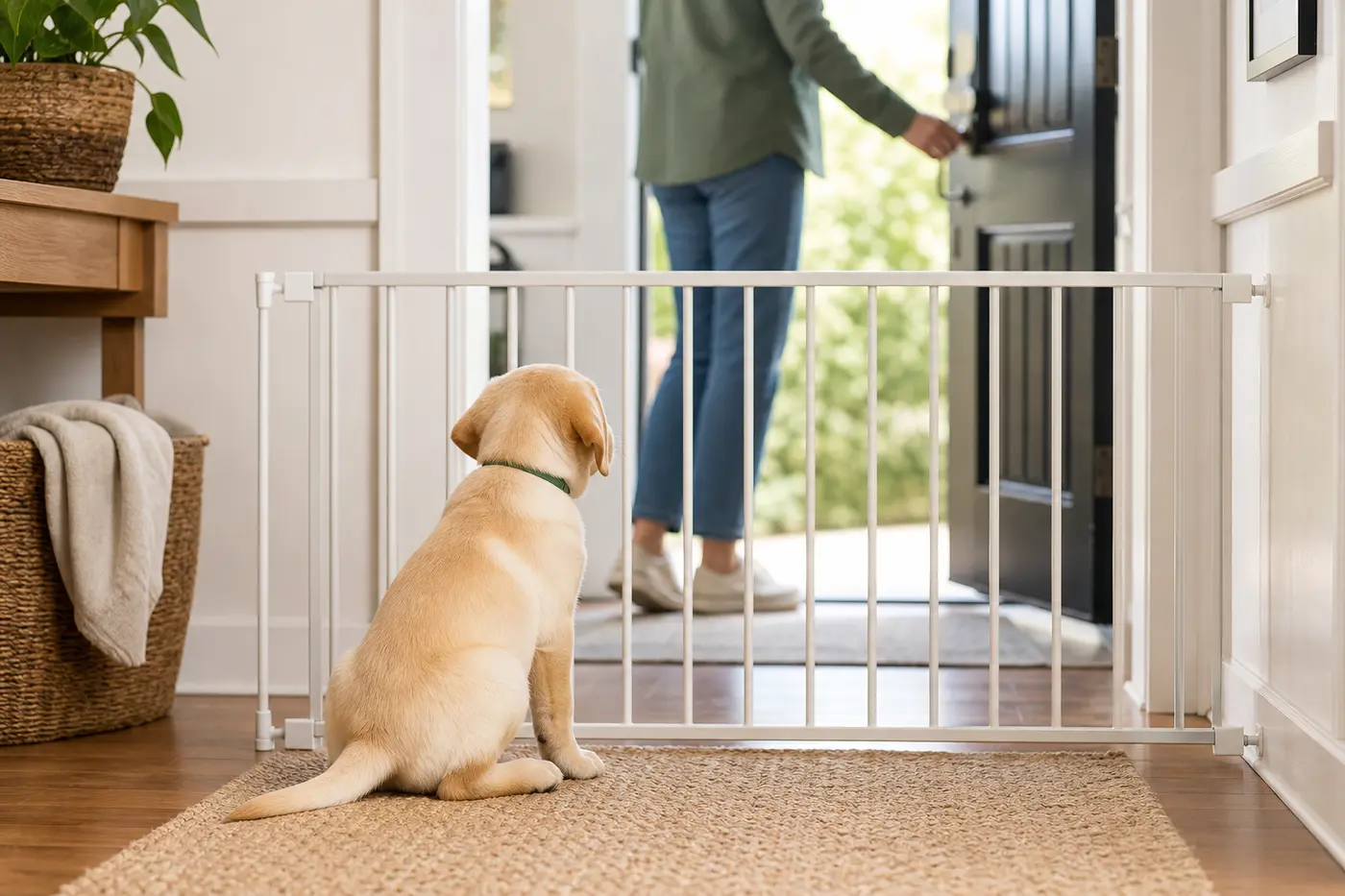
Baby gate or pen
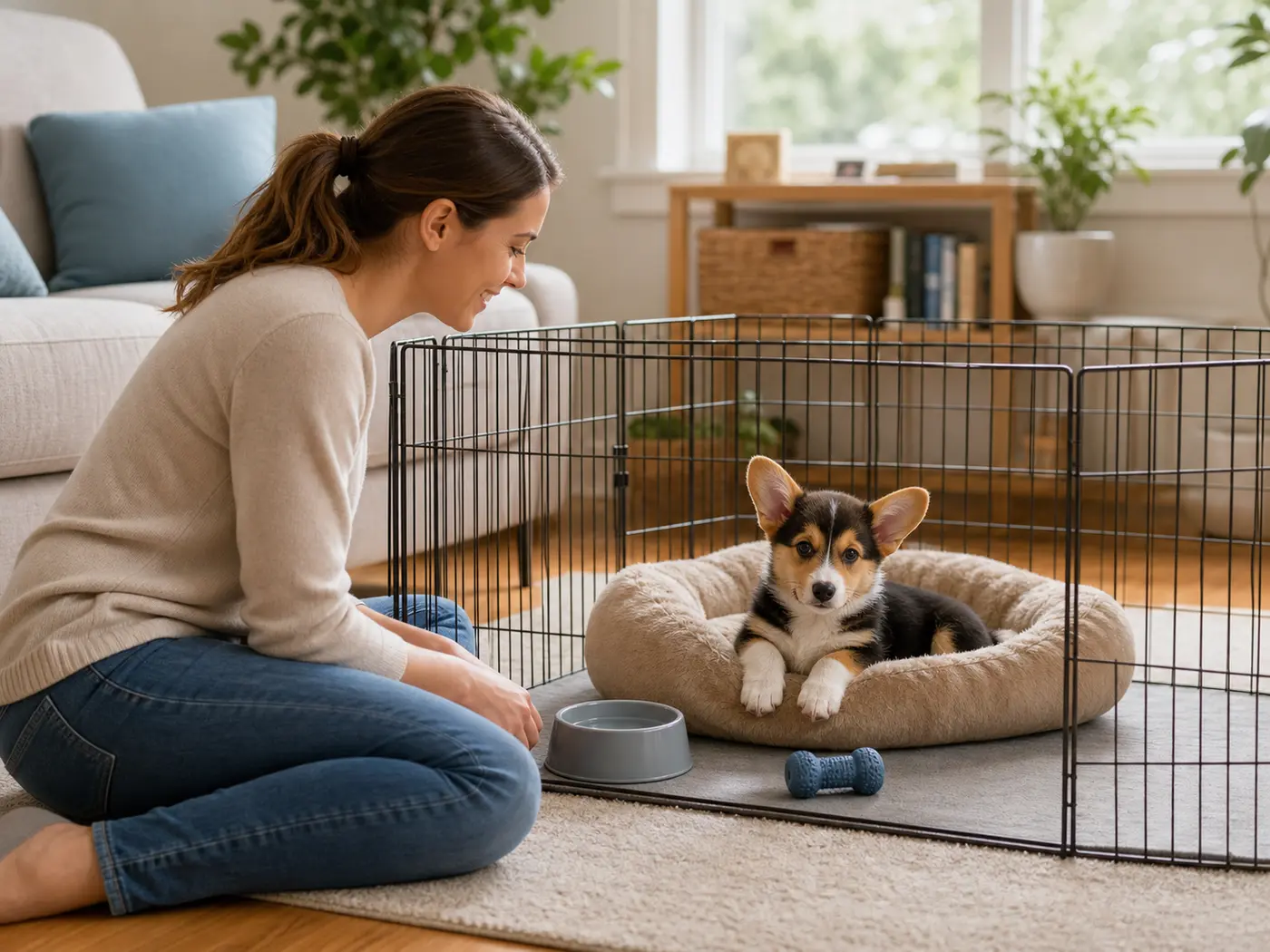
A gate or pen lets you practice tiny absences without making the crate carry every alone-time lesson at once.
Lick mat
A thin spread on a lick mat can make daytime crate practice feel slower and calmer for puppies who already tolerate it.
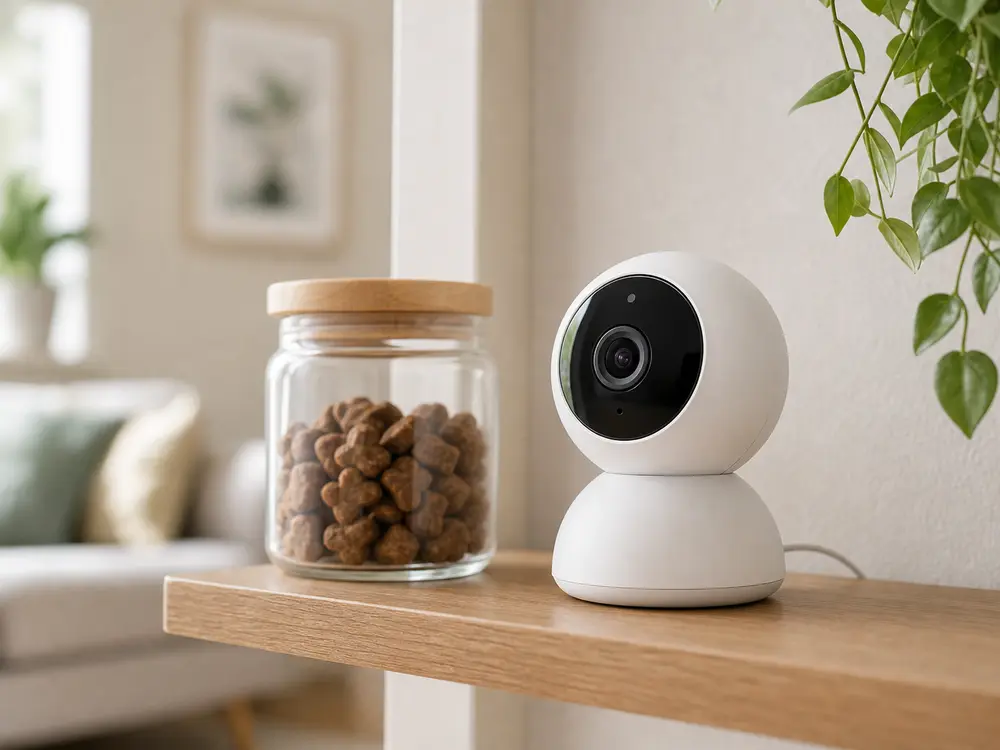
Pet camera
A camera shows whether your puppy is napping, lightly fussing, or escalating after you step away.
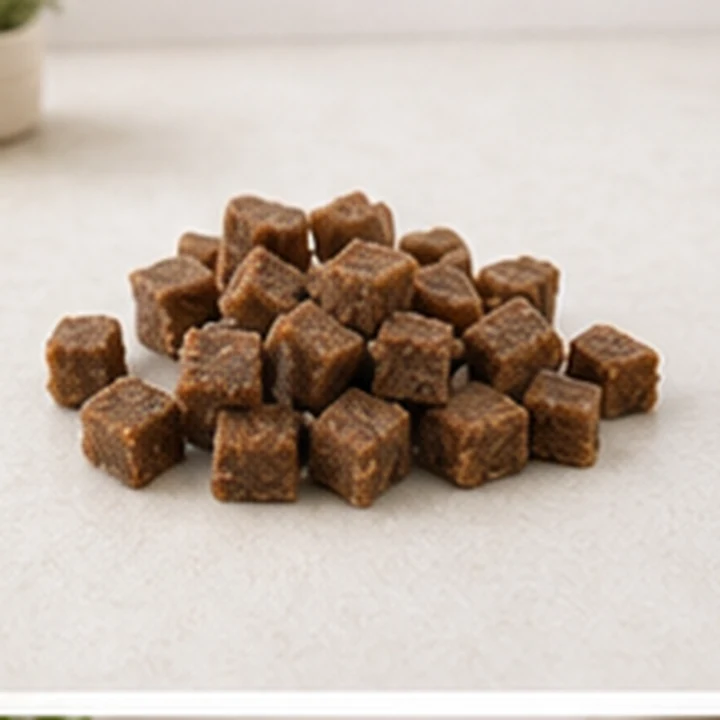
Soft puppy training treats
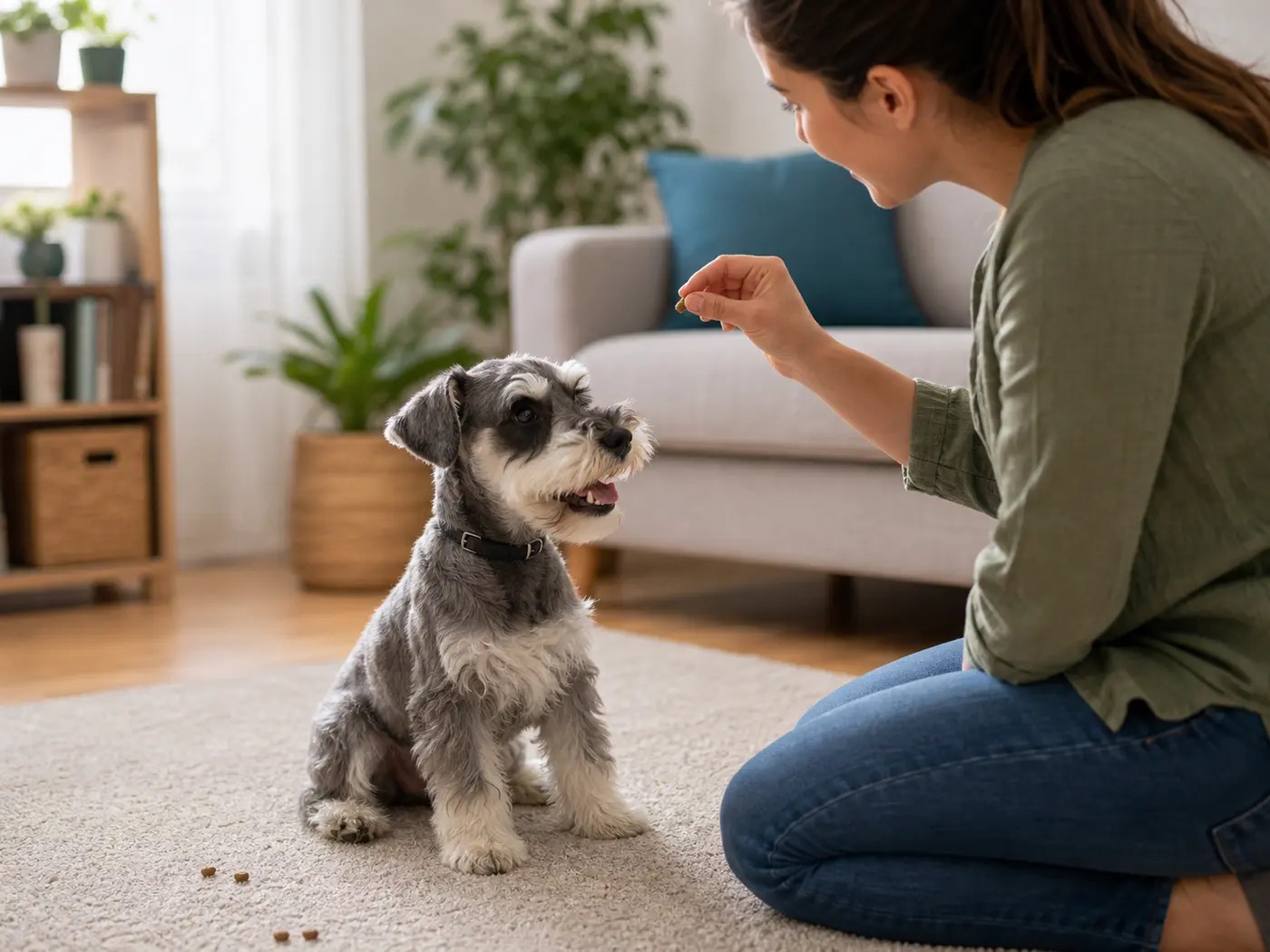
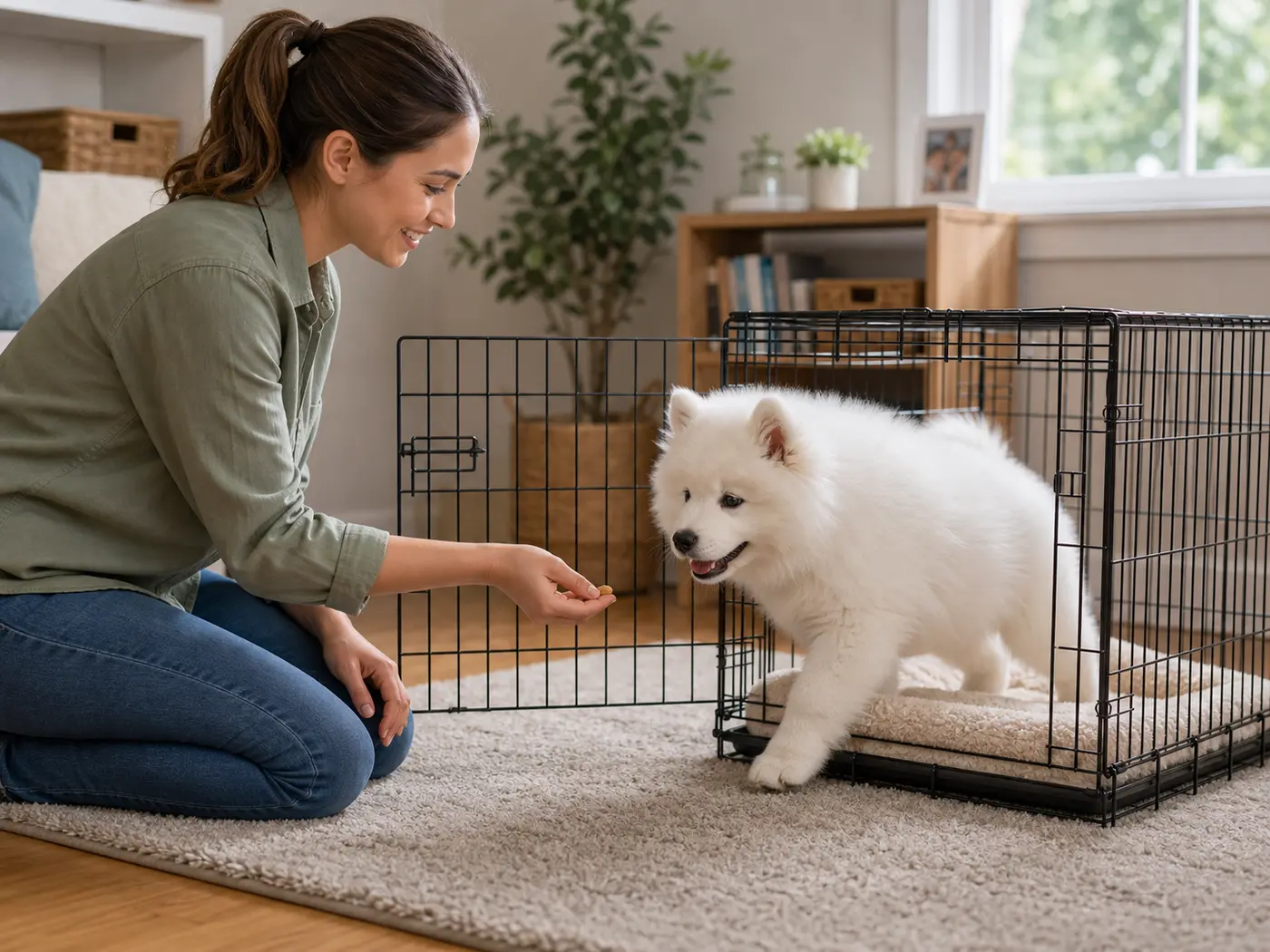
Tiny soft rewards let you pay crate entries, quiet door moments, and calm releases without turning the session into a feast.
Questions people ask
How long should I step away at first?
One or two seconds can be enough. The first goal is calm repetition.
Should I crate my puppy for this?
Use the safest calm setup your puppy already understands: crate, pen, gate, or puppy zone.
What if my puppy cries when I leave?
Make it easier. Stay visible, reduce distance, shorten time, and consider help if distress is intense.