

Updated
Puppy training
Puppy Leash Manners
Better walks start before the pulling does: comfortable gear, tiny routes, and rewards for staying connected.
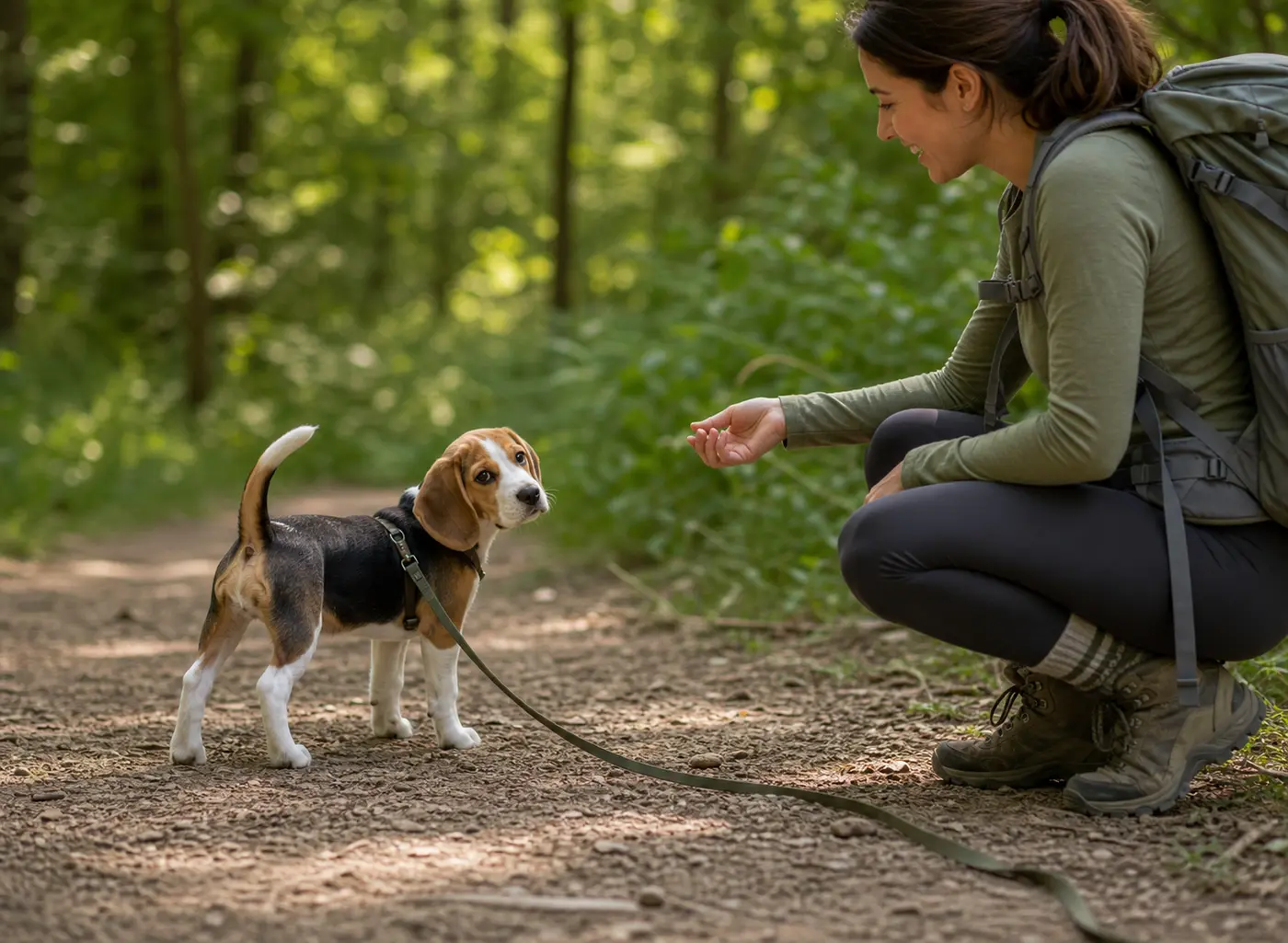
Your puppy does not need a perfect heel. They need safe gear, sniff breaks, short practice, and a reason to keep checking in with you.
Start here
Stop pulling without fighting
Make the leash boring when it is tight and rewarding when it is loose.
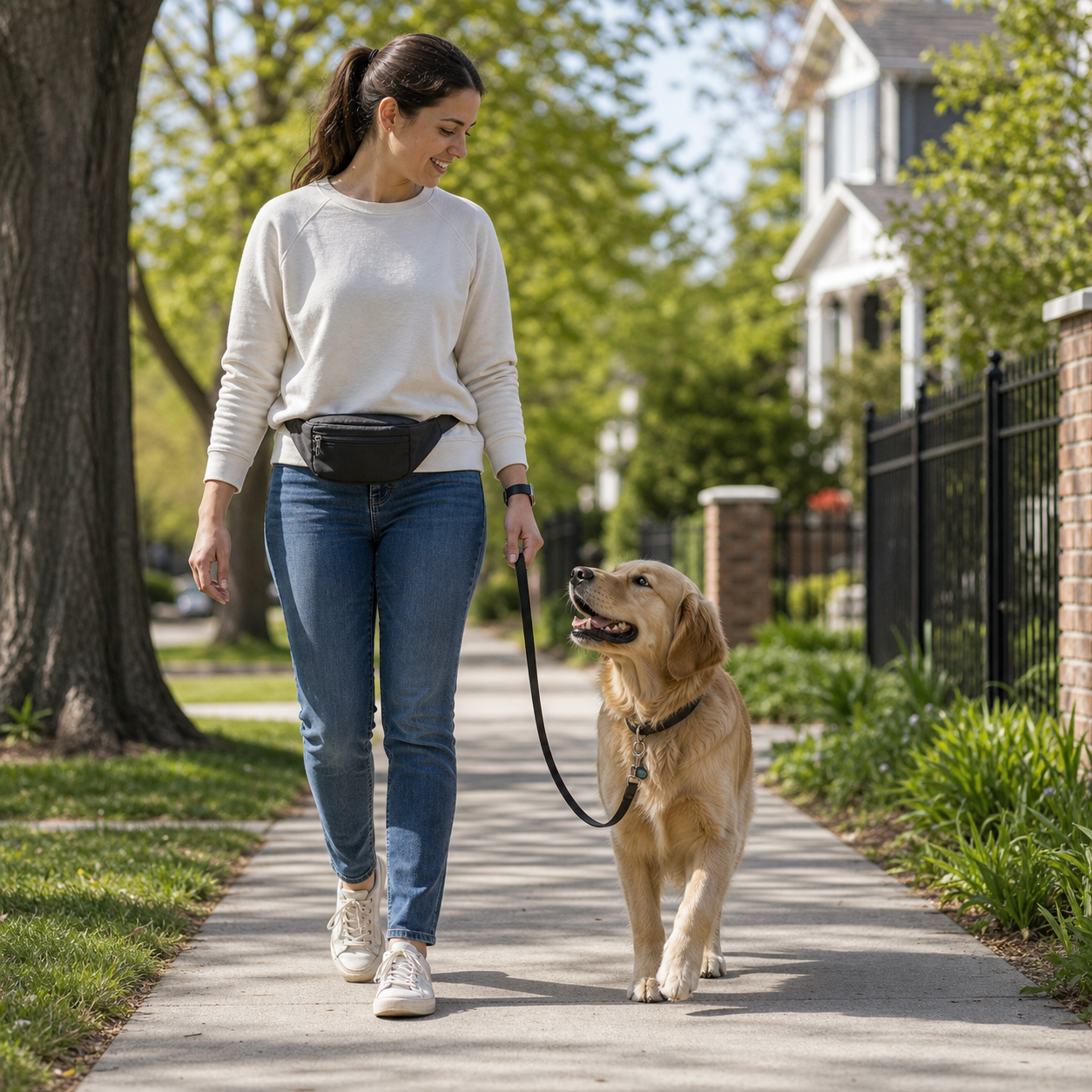
When the leash tightens, stop. Move again when your puppy turns back or softens the line.
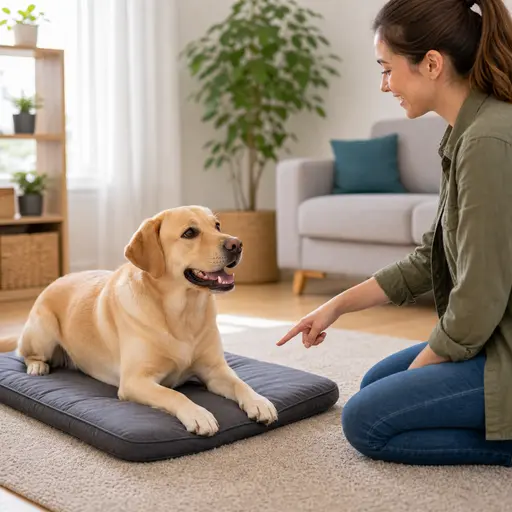
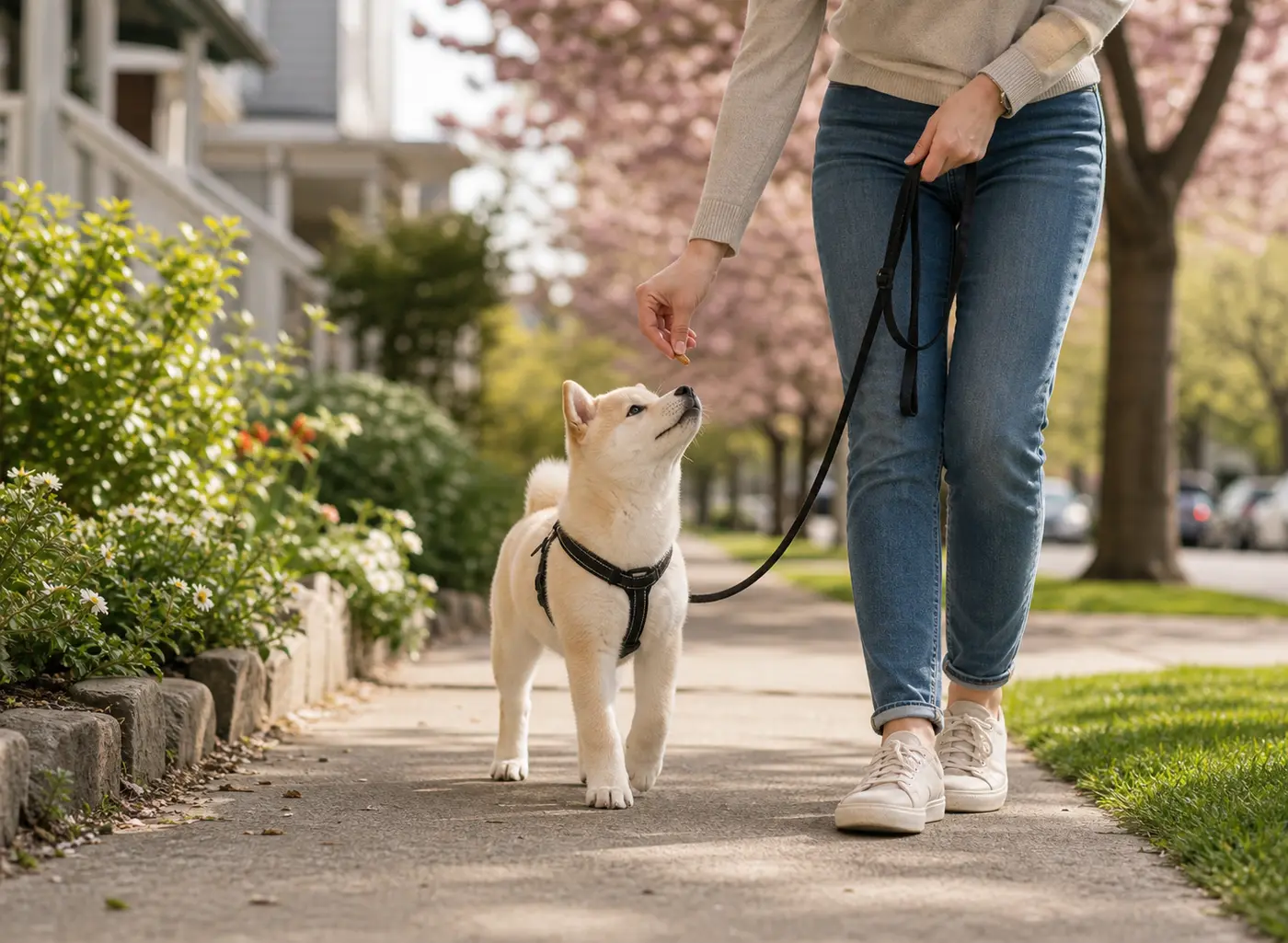
Feed near your leg often enough that staying close becomes worth choosing.
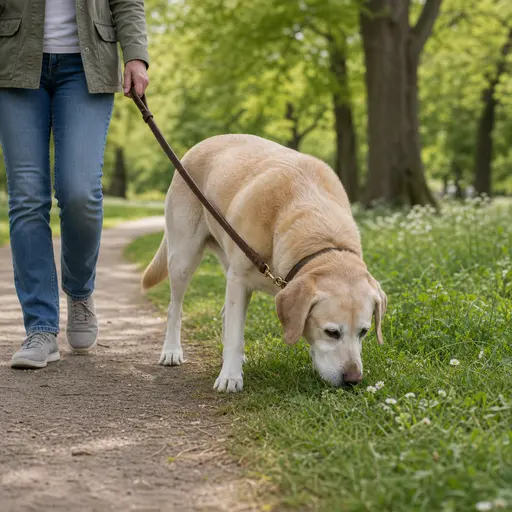
Release your puppy to sniff on purpose so the walk includes rewards that are not just food.
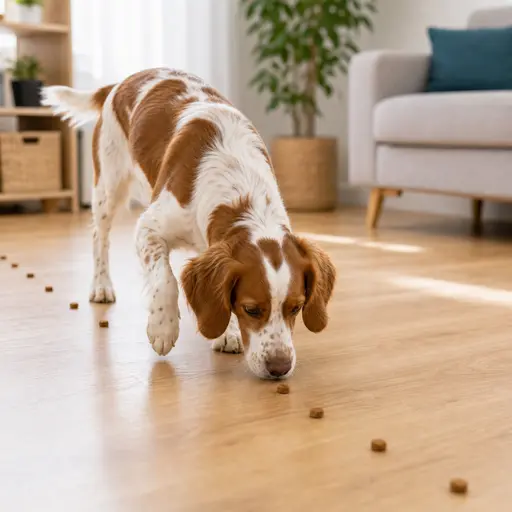
Repeat a quiet route until the pattern improves before adding harder sidewalks.
Check-ins and direction changes
A puppy who checks in is easier to guide around distractions.
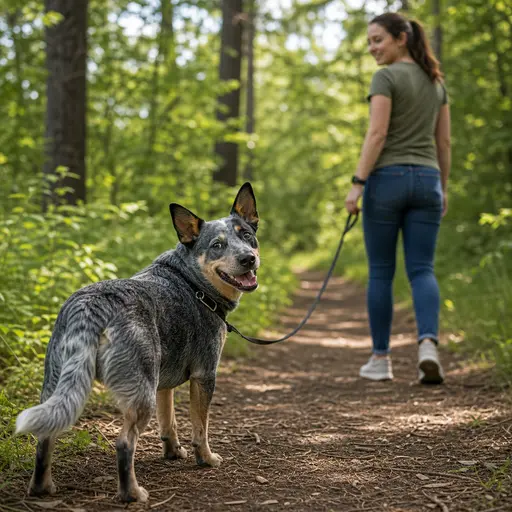
Mark and reward every voluntary glance back at you before you need to call.
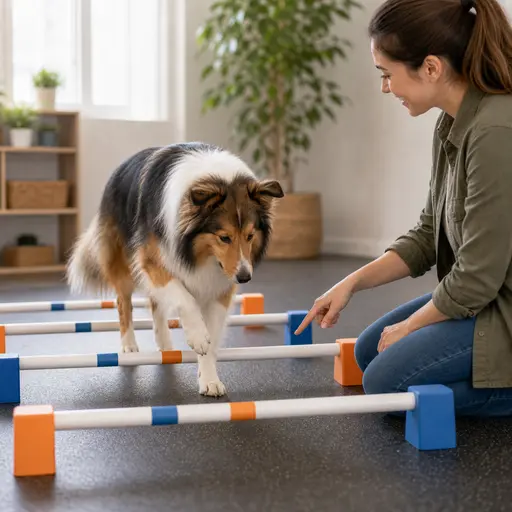
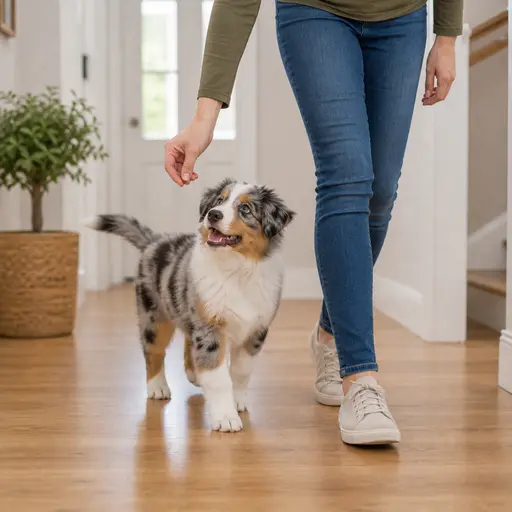
Back up, turn, and reward your puppy for moving with you.
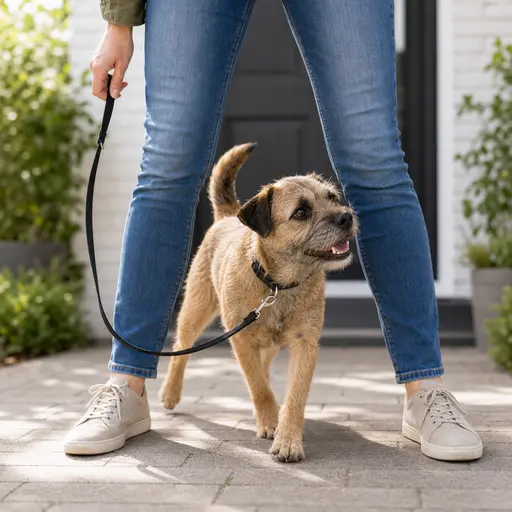
Teach side changes for narrow paths, passing dogs, and safer curb walks.
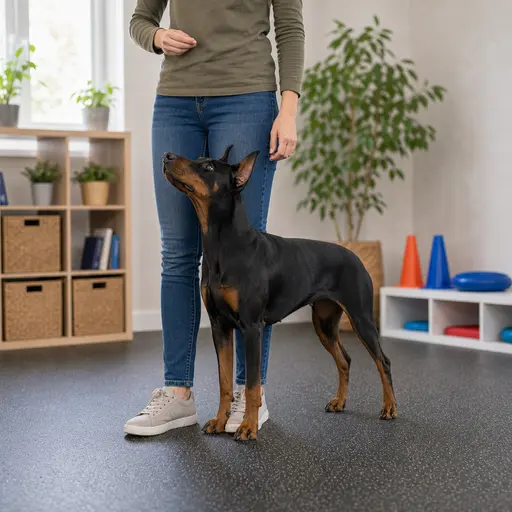
Build a clear left or right station before expecting tidy walking.
Distractions and big feelings
Distance is training. Do not wait until your puppy is already overwhelmed.
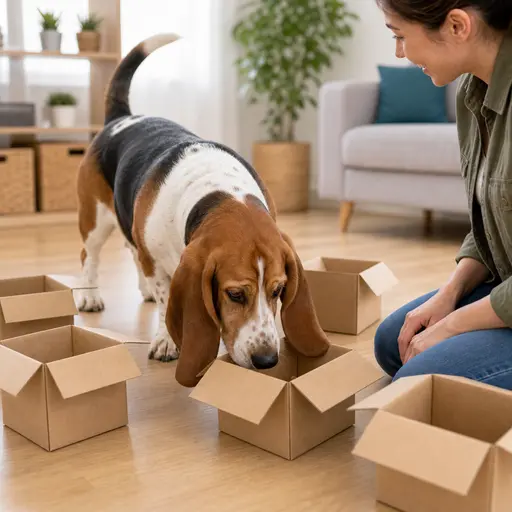
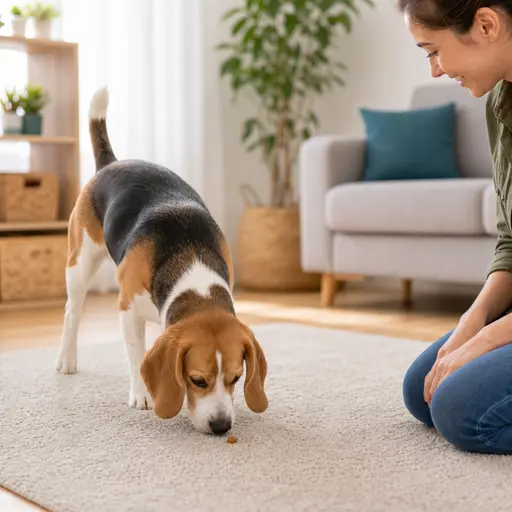
Toss a few treats into grass to interrupt staring and lower pressure.
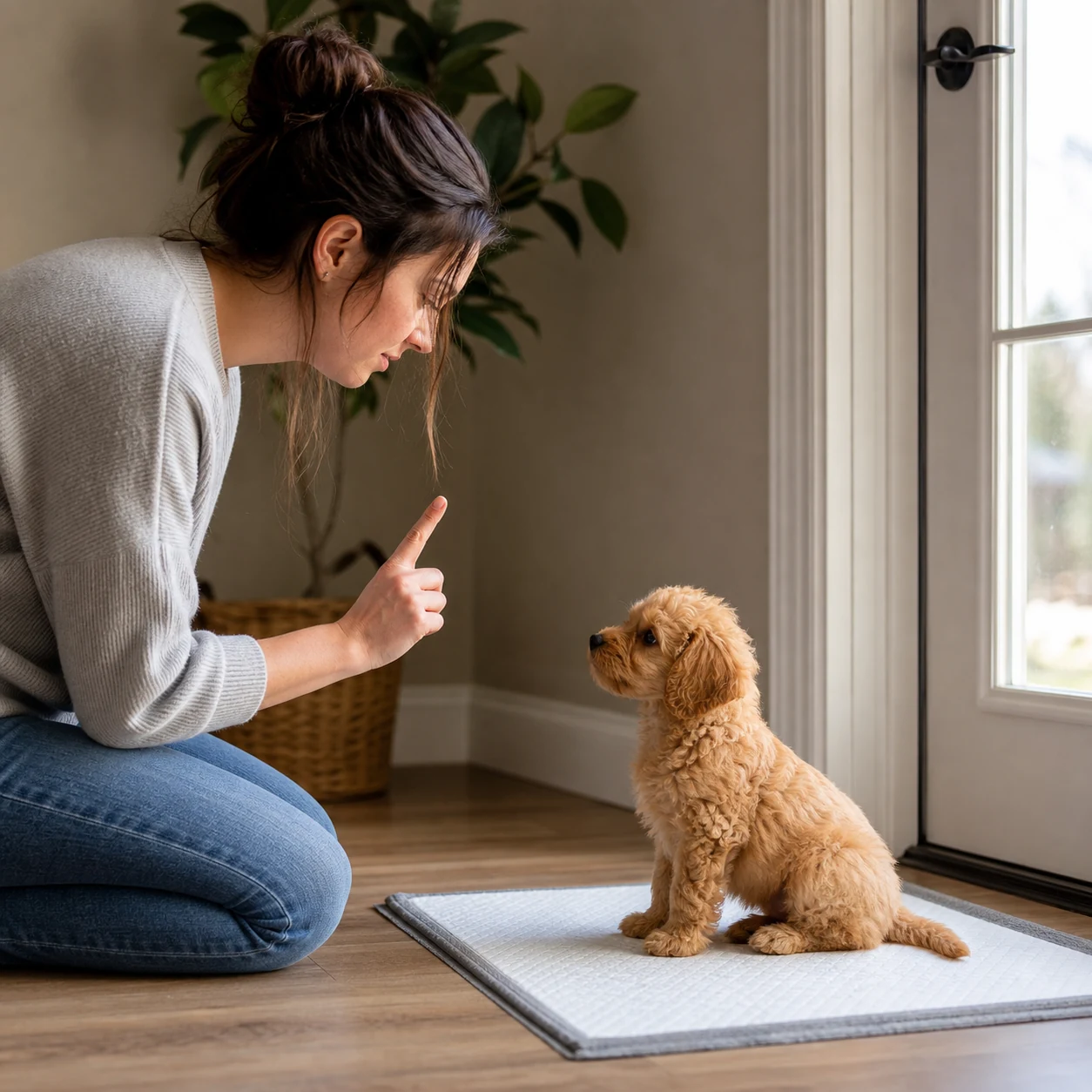
Let your puppy notice the trigger, reward, and move away before tension spikes.
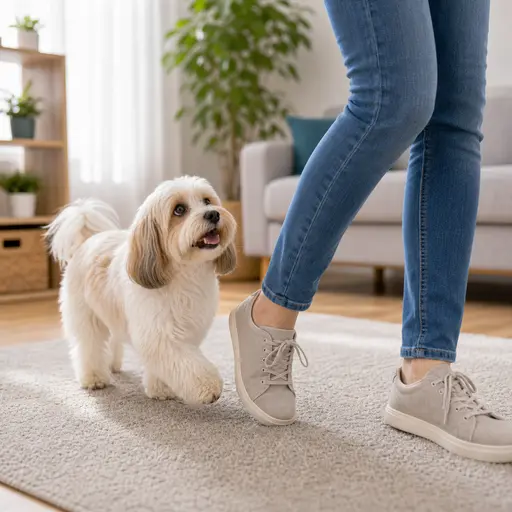
Practice cheerful turns before you need them on a crowded sidewalk.
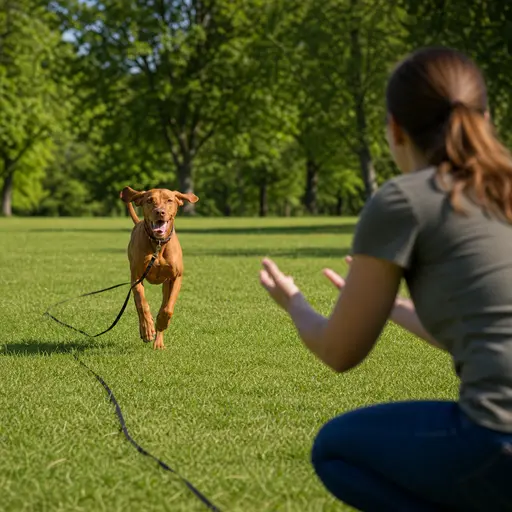
Use a quiet place, longer line, and sniff time when neighborhood walks are too hard.
Gear and walk setup
Good gear cannot train for you, but it can make practice kinder and safer.
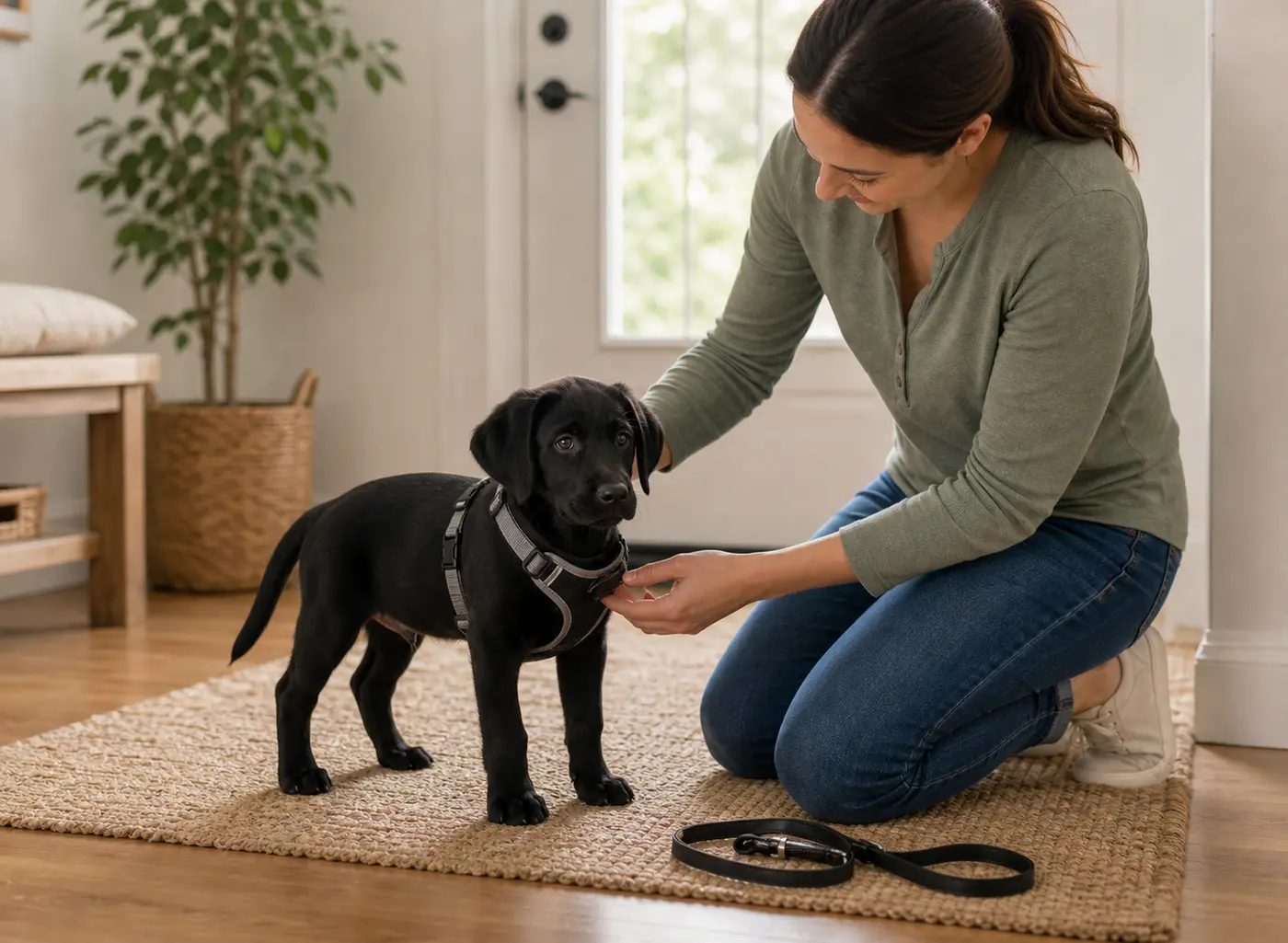
Choose a comfortable harness that does not rub or restrict normal movement.
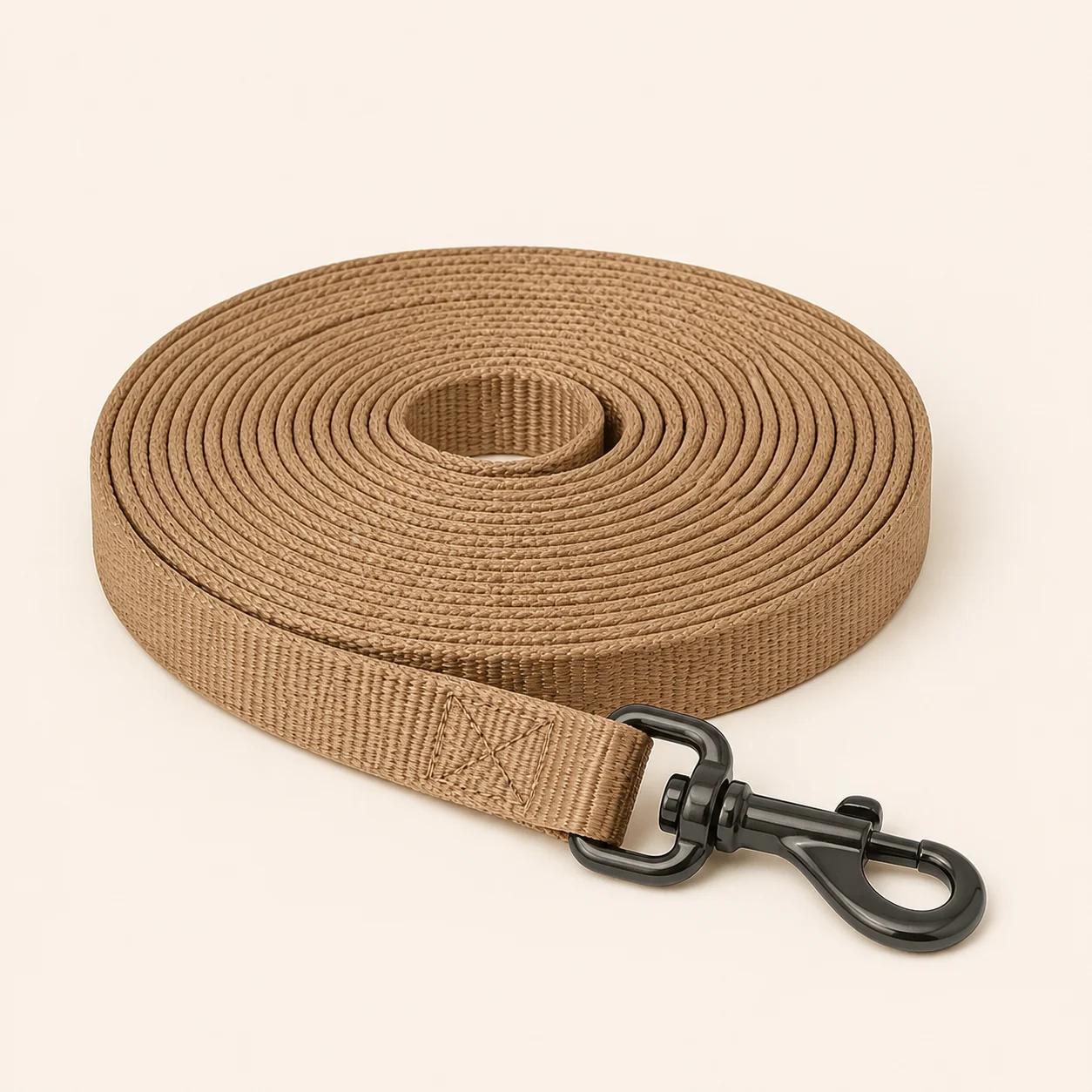
Use enough leash for natural movement without giving so much that you lose timing.
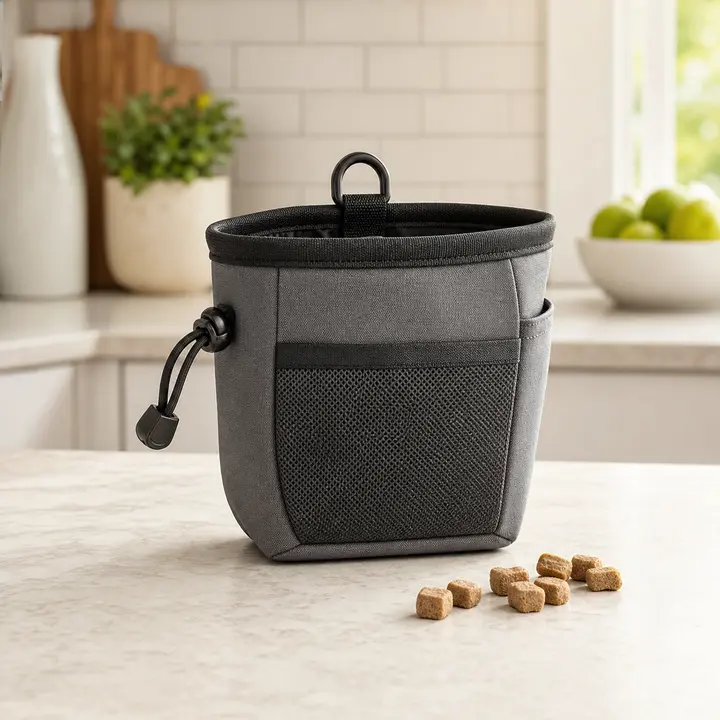
Keep rewards easy to reach so good choices are paid on time.
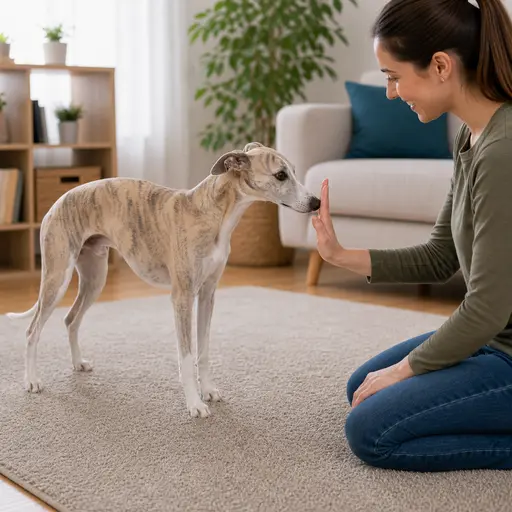
Practice two minutes of follow, check-in, and find it before leaving the driveway.