Updated
Puppy crate training
Crate Cue
A crate cue names a behavior your puppy already likes: walking into the crate calmly.
Do not use the cue to force a nervous puppy inside. Teach the word after the crate already predicts treats, meals, quiet rest, and easy exits.
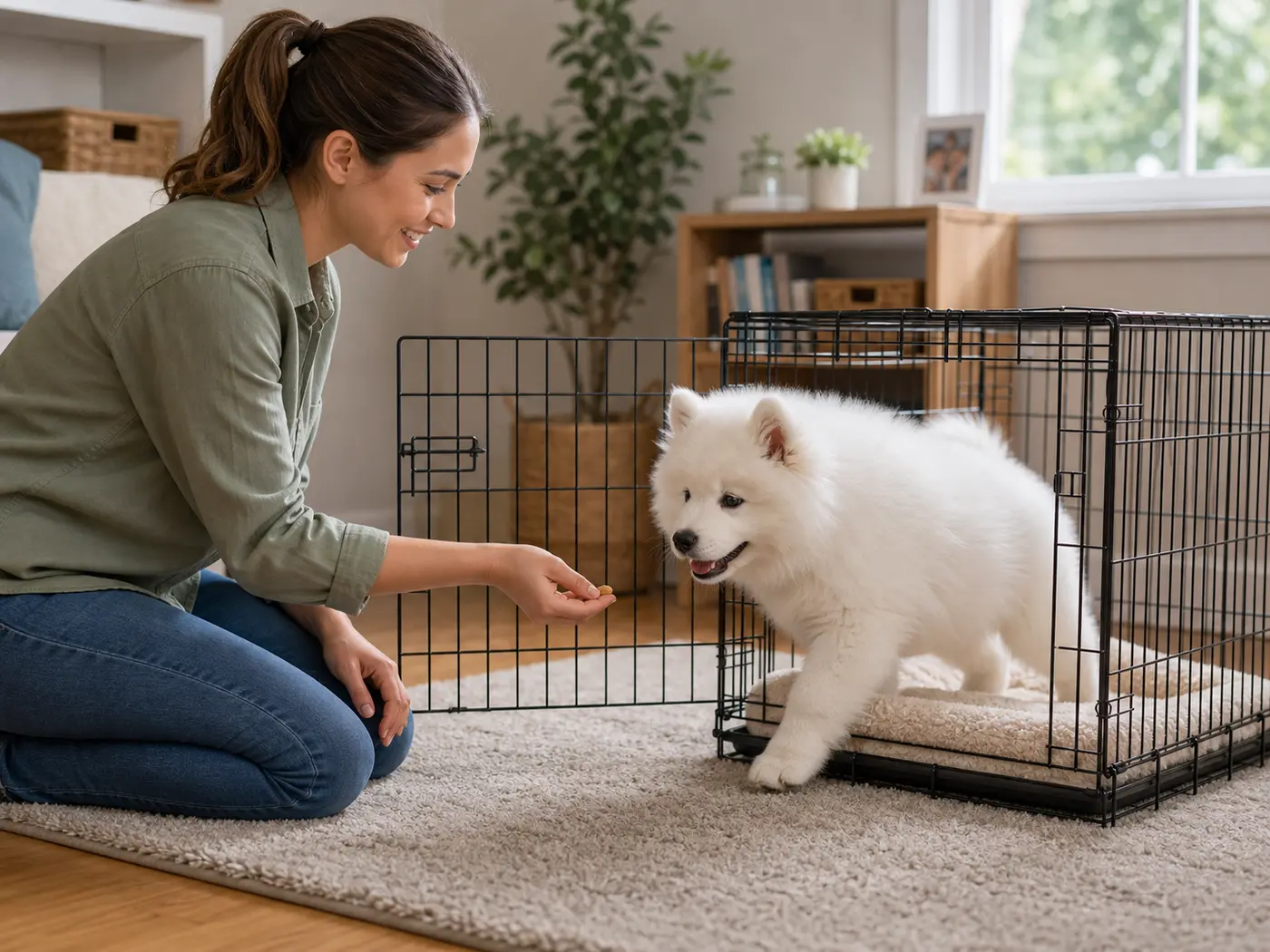
A cue works best when it labels a behavior your puppy understands. If you say kennel before the crate feels safe, the word can start to predict pressure.
Build the picture first: puppy walks in, gets paid, and comes out calmly. Then the cue becomes a helpful label, not a command shouted at the doorway.
Great for
- Puppies who already enter the crate willingly.
- Owners who want a clear bedtime or rest routine.
- Dogs learning that crate time starts with a predictable phrase.
Wait a bit if
- Your puppy braces, hides, or needs to be pushed inside.
- The cue is only used before long departures or bedtime struggles.
- The crate setup itself is not comfortable yet.
Build crate comfort
Start with silent entries
Toss a treat in and let your puppy walk inside. Repeat until the movement looks loose and easy.
Say the cue before the entry
Use one soft phrase, such as crate or bedtime, right before your puppy starts moving in.
Reward inside the crate
Feed while your puppy is still inside so the crate becomes the place where the reward happens.
Release calmly
Use a calm release word and invite your puppy out. The cue feels fairer when the exit is clear too.
Fade the tossed treat
After several easy reps, say the cue, wait for movement, then reward inside from your hand.
Use it before real naps
Add the cue to ordinary nap routines only after practice reps are smooth.
Little things that help
Keep your voice boring
A bright party voice can make some puppies pop back out. Calm and predictable is better for crate work.
Do not repeat the cue
If your puppy does not move, help with an easier setup instead of chanting the word.
Practice outside bedtime
Daytime reps are usually easier than asking for a brand-new cue when everyone is tired.
Helpful little extras
Affiliate links: Furball Cove may earn from qualifying purchases at no extra cost to you.
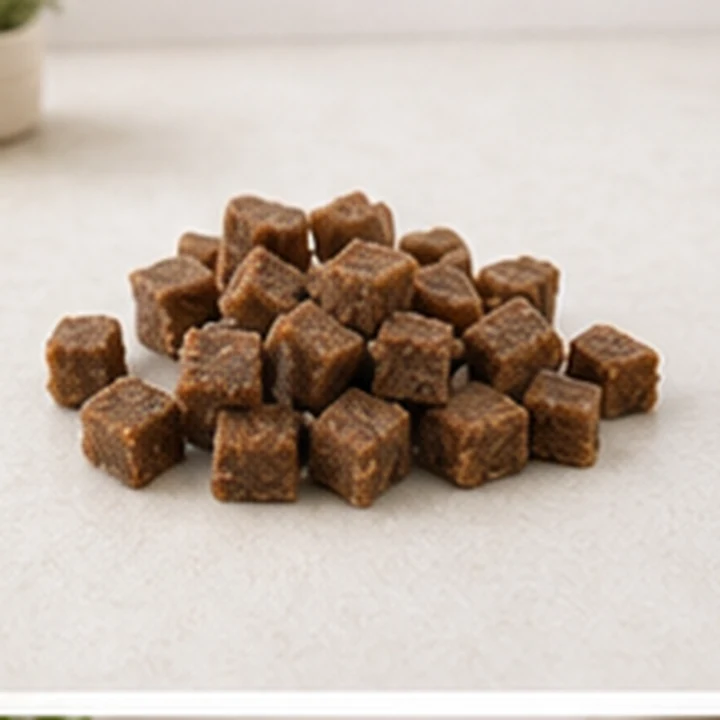
Soft puppy training treats
Tiny soft rewards let you pay crate entries, quiet door moments, and calm releases without turning the session into a feast.
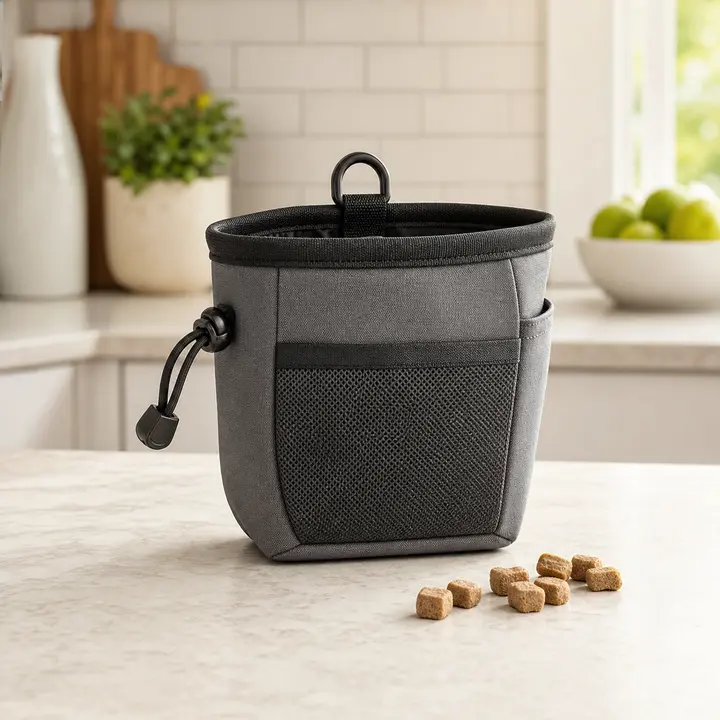
Training treat pouch
A pouch keeps rewards on you, which matters when you need to mark a one-second win at the crate door.
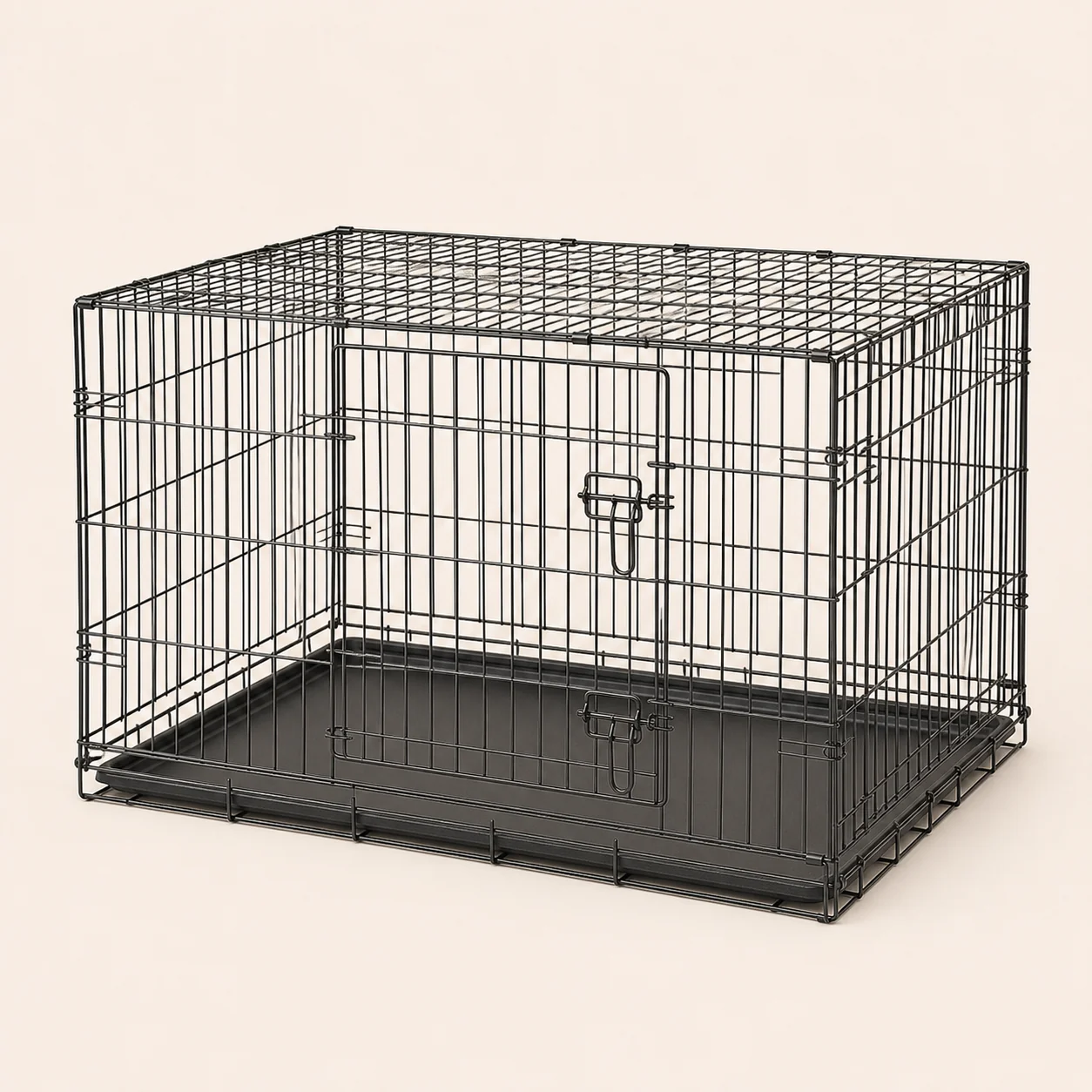
Puppy crate with divider
A divider lets the crate fit your puppy now without leaving a giant space that feels more like a playroom than a sleep spot.
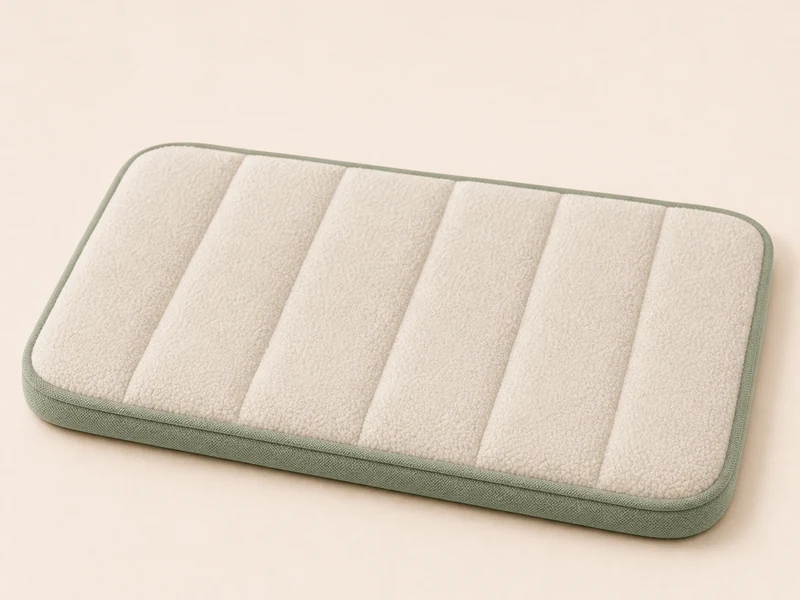
Washable dog mat
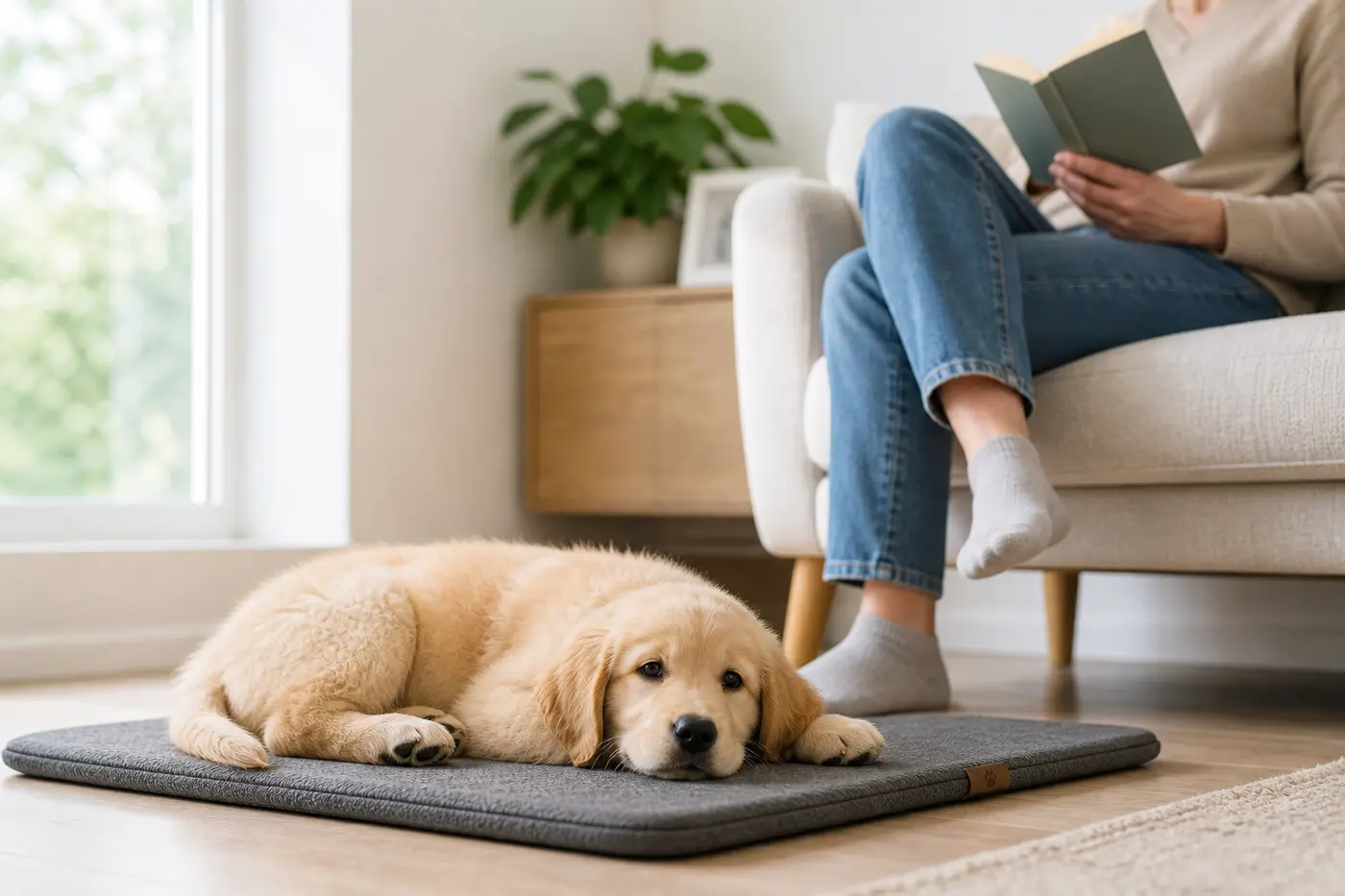
A mat near the crate gives your puppy a landing spot for door-open games, release practice, and calm resets.
Questions people ask
What word should I use?
Use any short phrase you can say consistently, such as crate, kennel, bed, or bedtime.
Can I lure my puppy in?
You can toss treats at first, but avoid using food to trap a worried puppy. Choice matters.
What if my puppy ignores the cue?
Make the setup easier. Go back to open-door treats and reward any relaxed step toward the crate.