Updated
Puppy crate training
Door Open Time
Door open time teaches your puppy that the crate is a place they can enter and leave without pressure.
Before you close the door, build a history of easy wins. Treats, meals, and quiet chews with the door open make the crate feel familiar instead of suspicious.
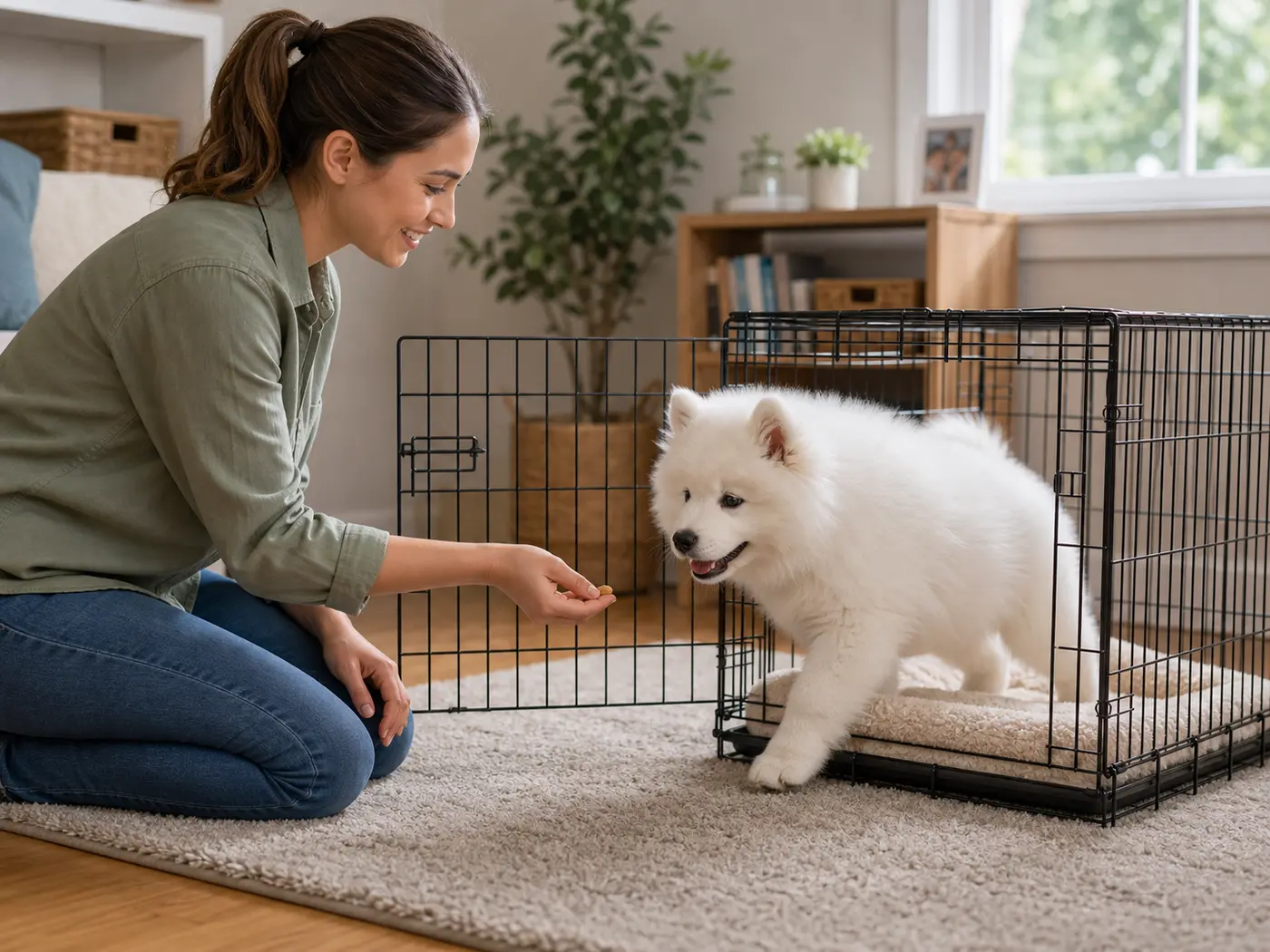
Many crate problems start when the door closes before the puppy trusts the space. Open-door practice gives the puppy a choice and lets curiosity do some of the work.
This is not a dramatic lesson. It should look almost boring: puppy goes in, gets paid, comes out, and realizes the crate is not a trap.
Great for
- Puppies who are new to a crate.
- Dogs who hesitate at the crate entrance.
- Families who want crate practice to feel kind and low pressure.
Wait a bit if
- Your puppy is too frantic to eat or investigate.
- You need immediate safe confinement; use management while you rebuild crate comfort separately.
- Your puppy guards food or chews around the crate.
Practice calm crate moments
Open the door fully
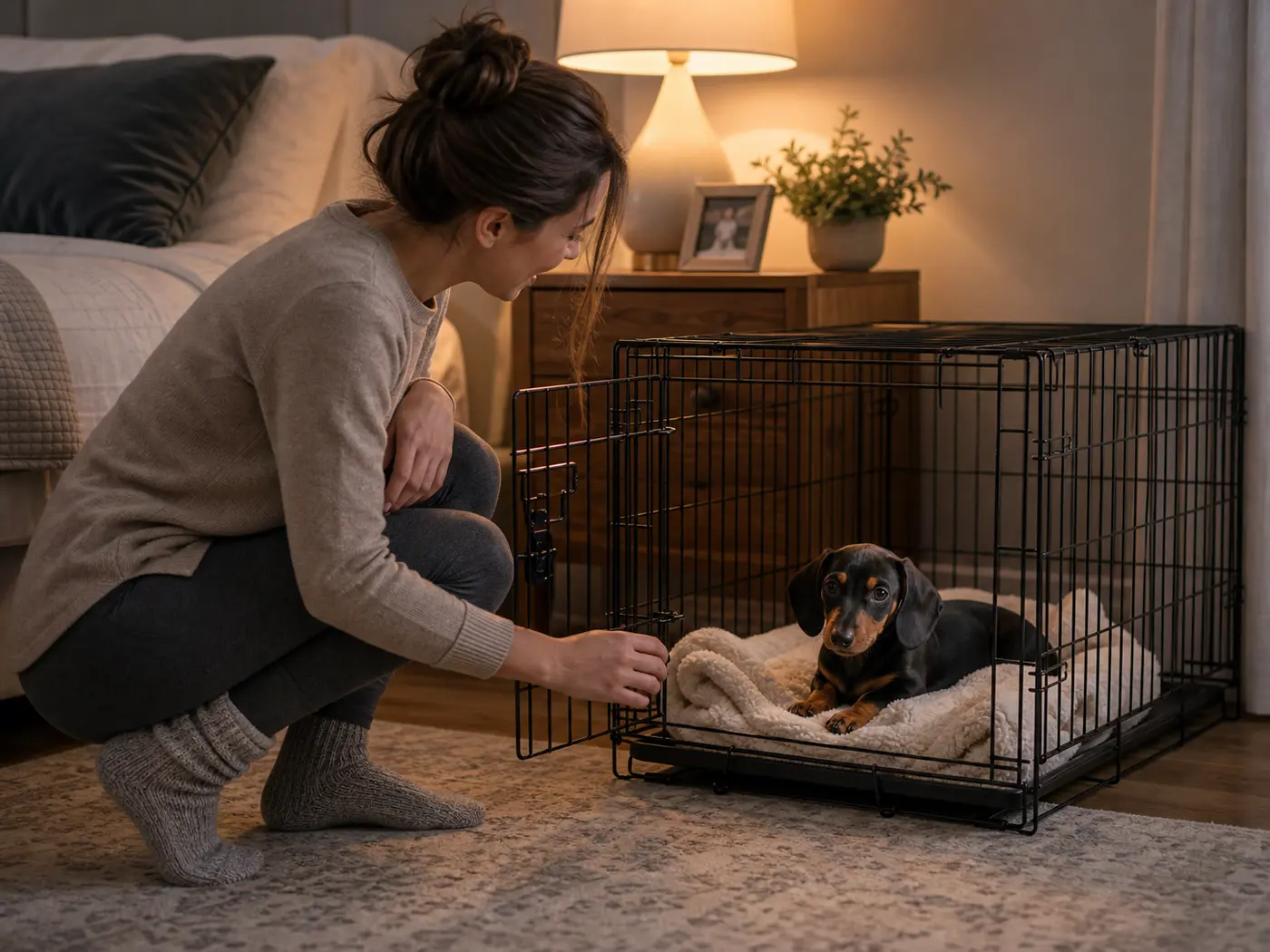
Make the entrance easy. Prop the door so it cannot swing into your puppy or make a startling noise.
Toss one treat near the entrance
Let your puppy choose to step closer. Do not push, pull, or block them inside.
Feed inside, then let them leave
Drop treats farther in only as your puppy relaxes. Let them walk out again so the crate does not feel like a trick.
Add a tiny meal or chew
When entry is easy, feed part of a meal or offer a safe supervised chew with the door still open.
Repeat during calm times
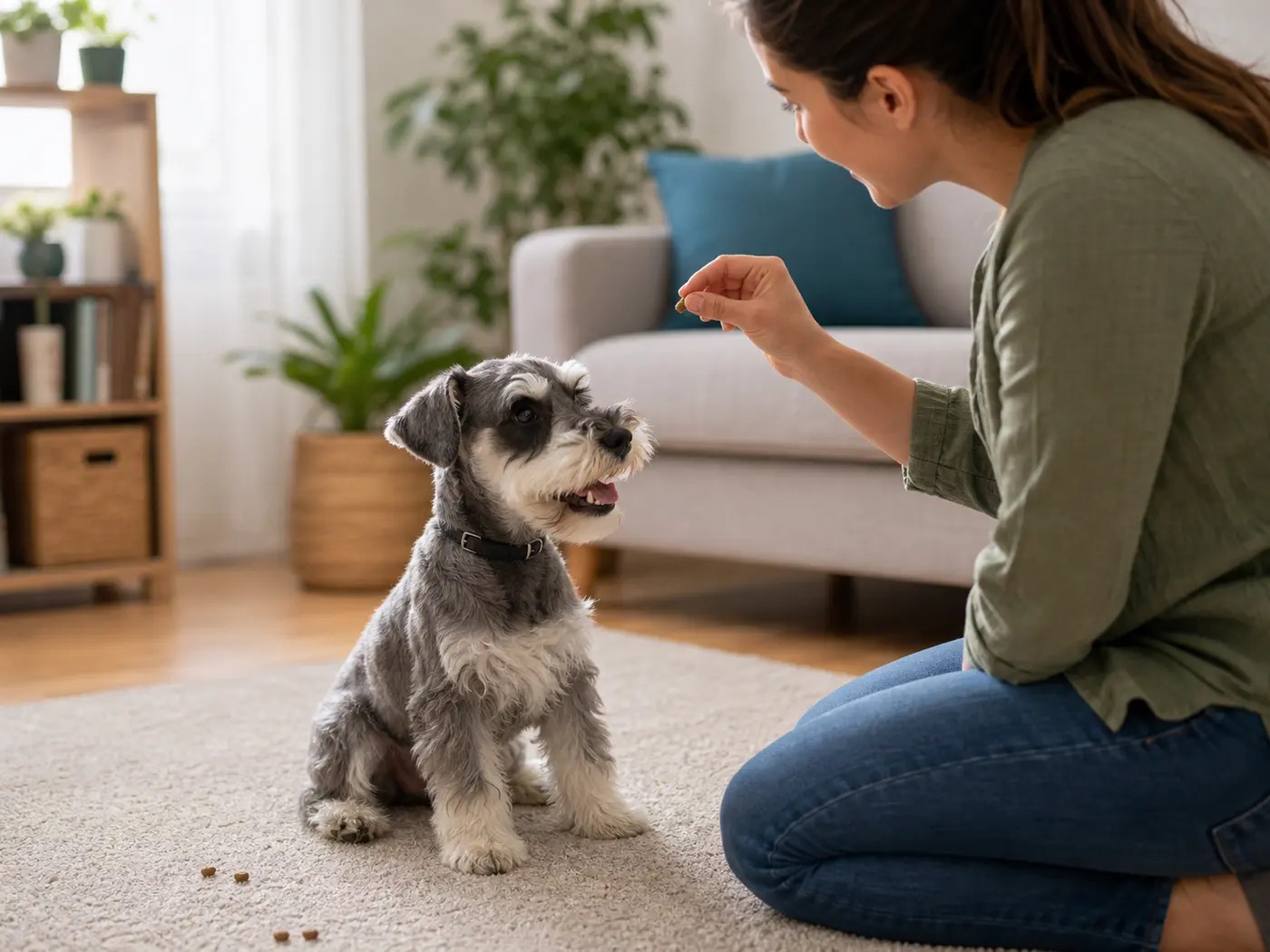
Practice after potty and light play, not when your puppy is wild, overtired, or desperate for attention.
Stop before suspicion appears
If your puppy starts stretching in nervously, backing away, or refusing food, make the next round easier.
Little things that help
Keep your hands out of the lesson
Avoid shoving treats under your puppy nose or guiding their body. Let the crate earn trust.
Use the same calm phrase
A soft phrase like crate or bedtime can start to predict rewards without demanding duration yet.
Leave the crate open between reps
When safe, an open crate in normal life helps it feel like furniture, not a special event.
Helpful little extras
Affiliate links: Furball Cove may earn from qualifying purchases at no extra cost to you.
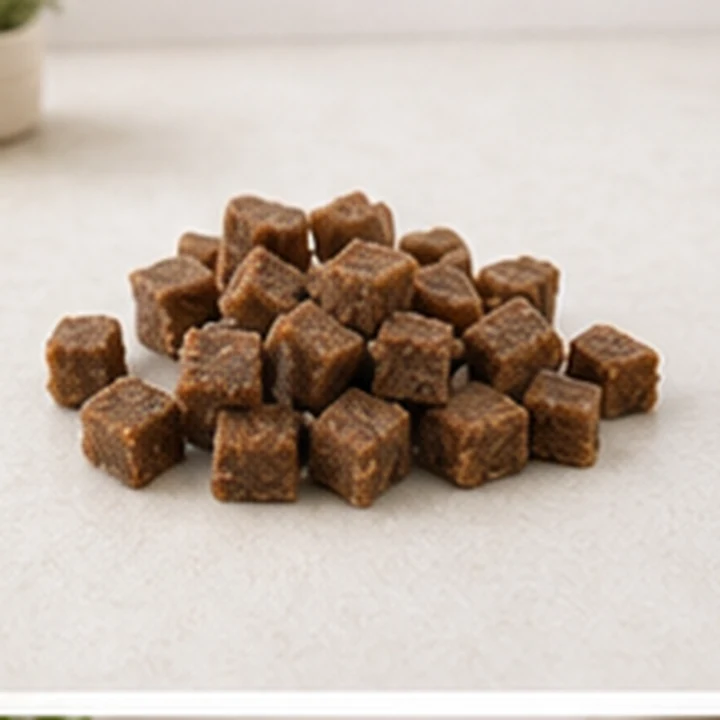
Soft puppy training treats
Tiny soft rewards let you pay crate entries, quiet door moments, and calm releases without turning the session into a feast.
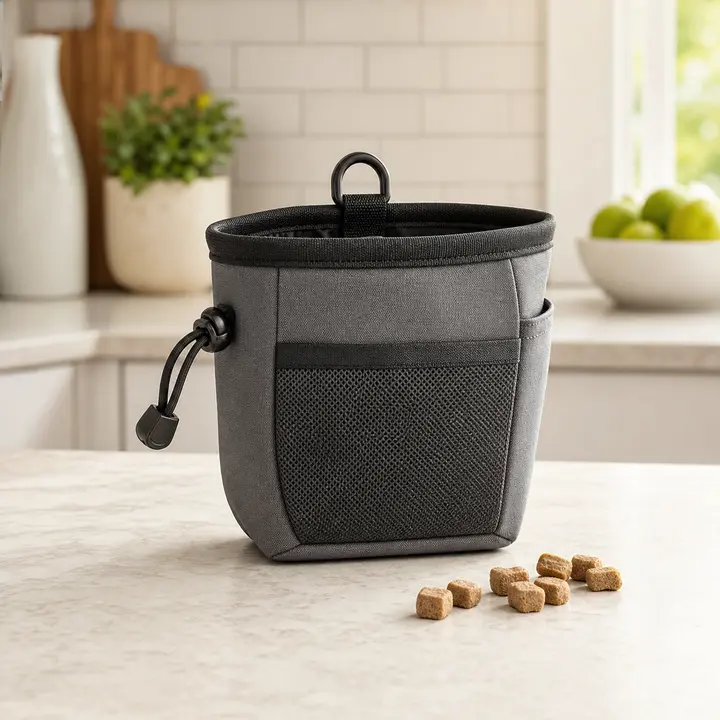
Training treat pouch
A pouch keeps rewards on you, which matters when you need to mark a one-second win at the crate door.
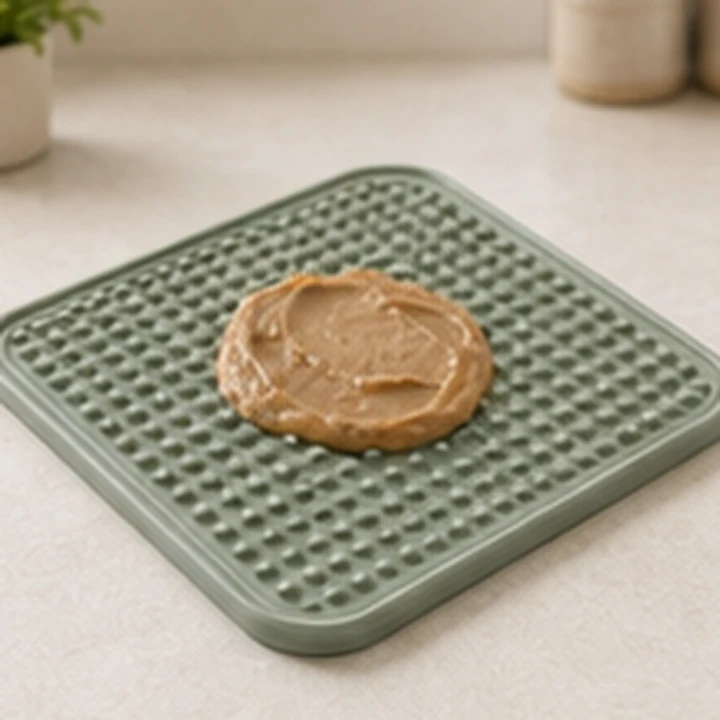
Lick mat
A thin spread on a lick mat can make daytime crate practice feel slower and calmer for puppies who already tolerate it.
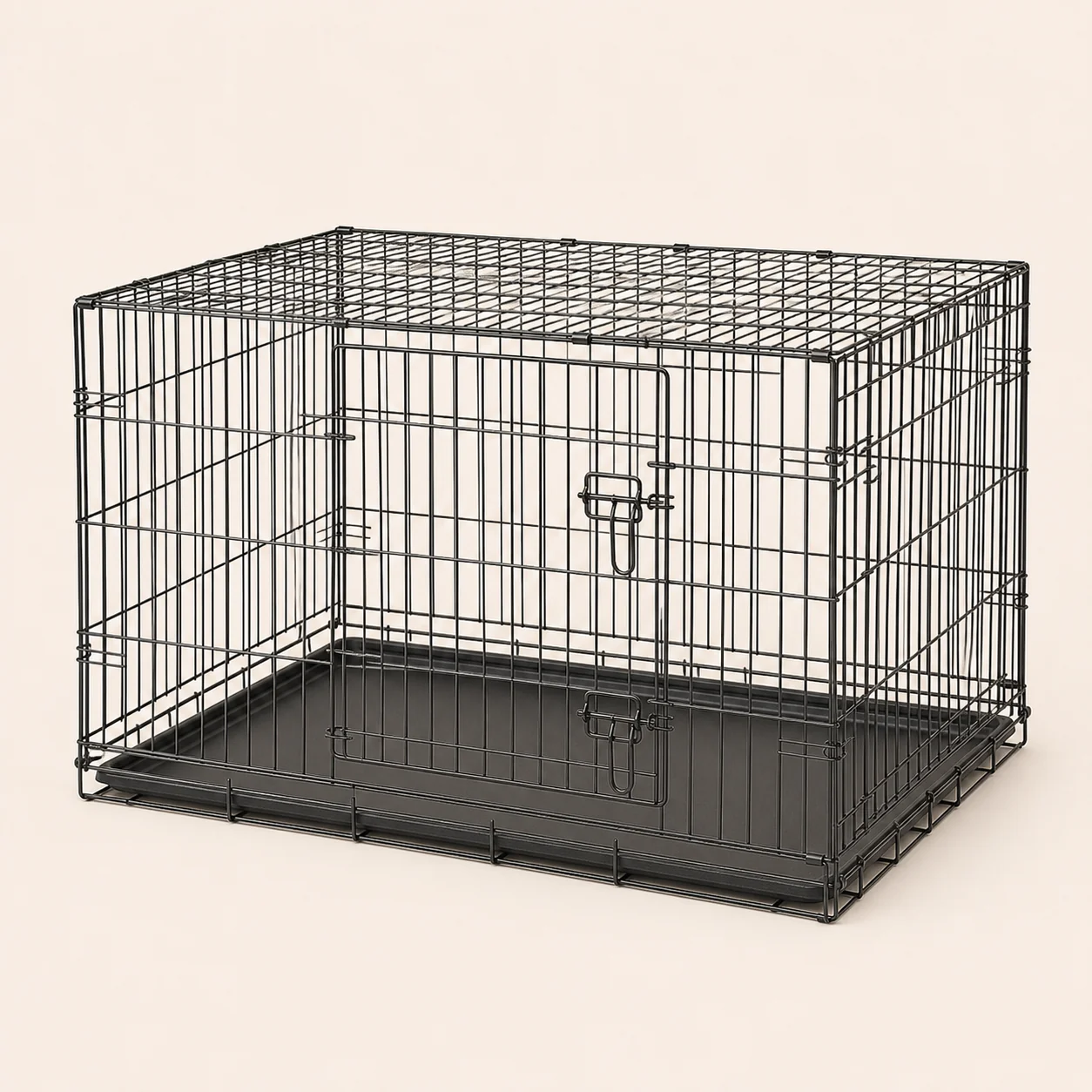
Puppy crate with divider
A divider lets the crate fit your puppy now without leaving a giant space that feels more like a playroom than a sleep spot.
Questions people ask
How long before I close the door?
Close the door only after your puppy can enter, eat, and turn around loosely with the door open.
Should I put meals in the crate?
Often yes. Meals can help if your puppy is comfortable entering and does not guard food there.
What if my puppy runs out immediately?
That is fine at first. Reward easy entries and let confidence grow before asking for longer time inside.