Updated
Puppy crate training
Release Calmly from the Crate
A calm crate release teaches your puppy that the door opening is not a race.
The exit is part of crate training. If the puppy explodes out every time, the crate starts to feel like pressure building behind a door.
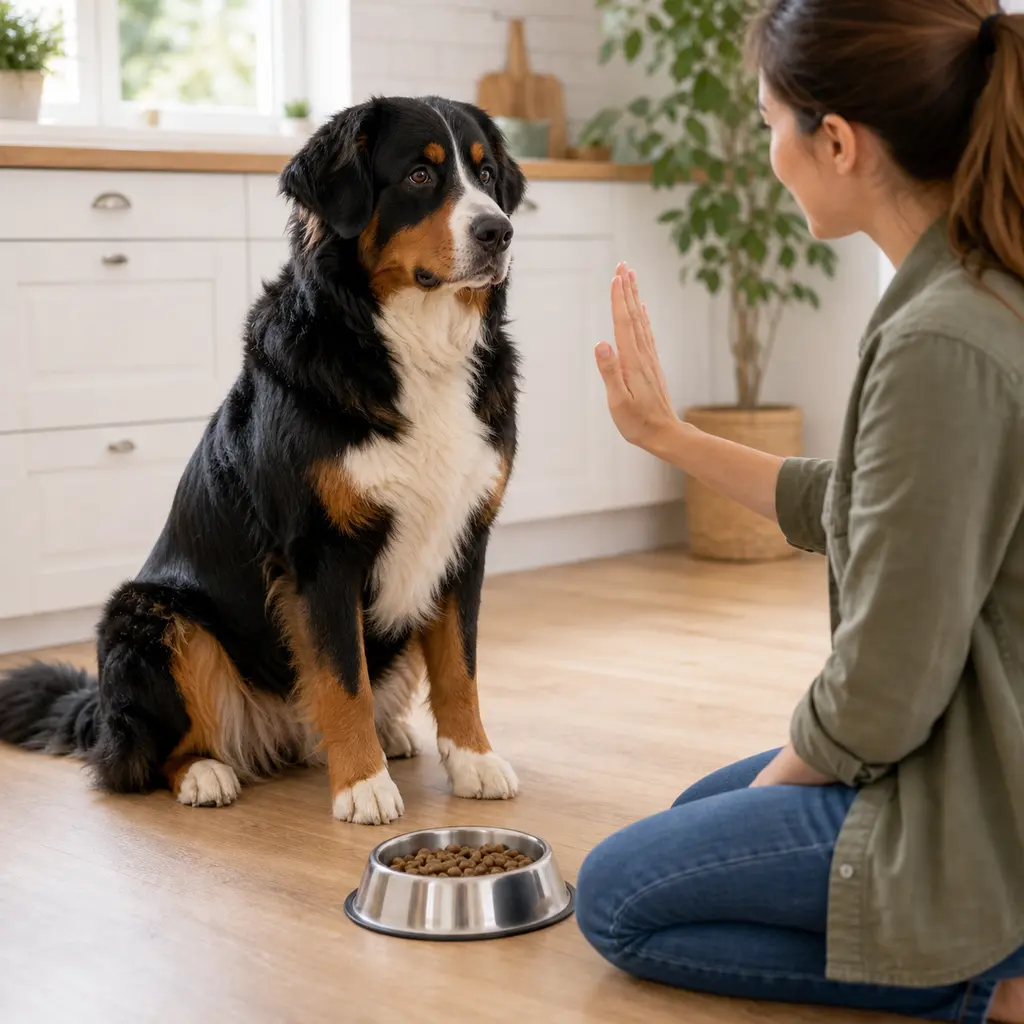
Puppies notice patterns fast. If pawing, barking, or shoving makes the door open, those behaviors can become part of the crate routine.
Calm release does not mean making a puppy wait forever. It means opening the door when their brain is available and giving them a clear word that the job is done.
Great for
- Puppies who rush out of the crate.
- Dogs learning wait, release words, or door manners.
- Homes where crate exits lead straight to potty trips, meals, or busy rooms.
Wait a bit if
- Your puppy needs an urgent potty trip; clip the leash and go without turning it into a lesson.
- Your puppy is panicking or trapped in distress.
- The crate is in a place where exiting could be unsafe without a leash or gate.
Shape the quiet routine
Prepare before opening
Have the leash, treats, or potty plan ready. Do not open the crate and then start searching for supplies.
Wait for one thinking moment
Look for four paws on the floor, a breath, or a tiny pause. Mark that moment softly.
Crack the door slowly
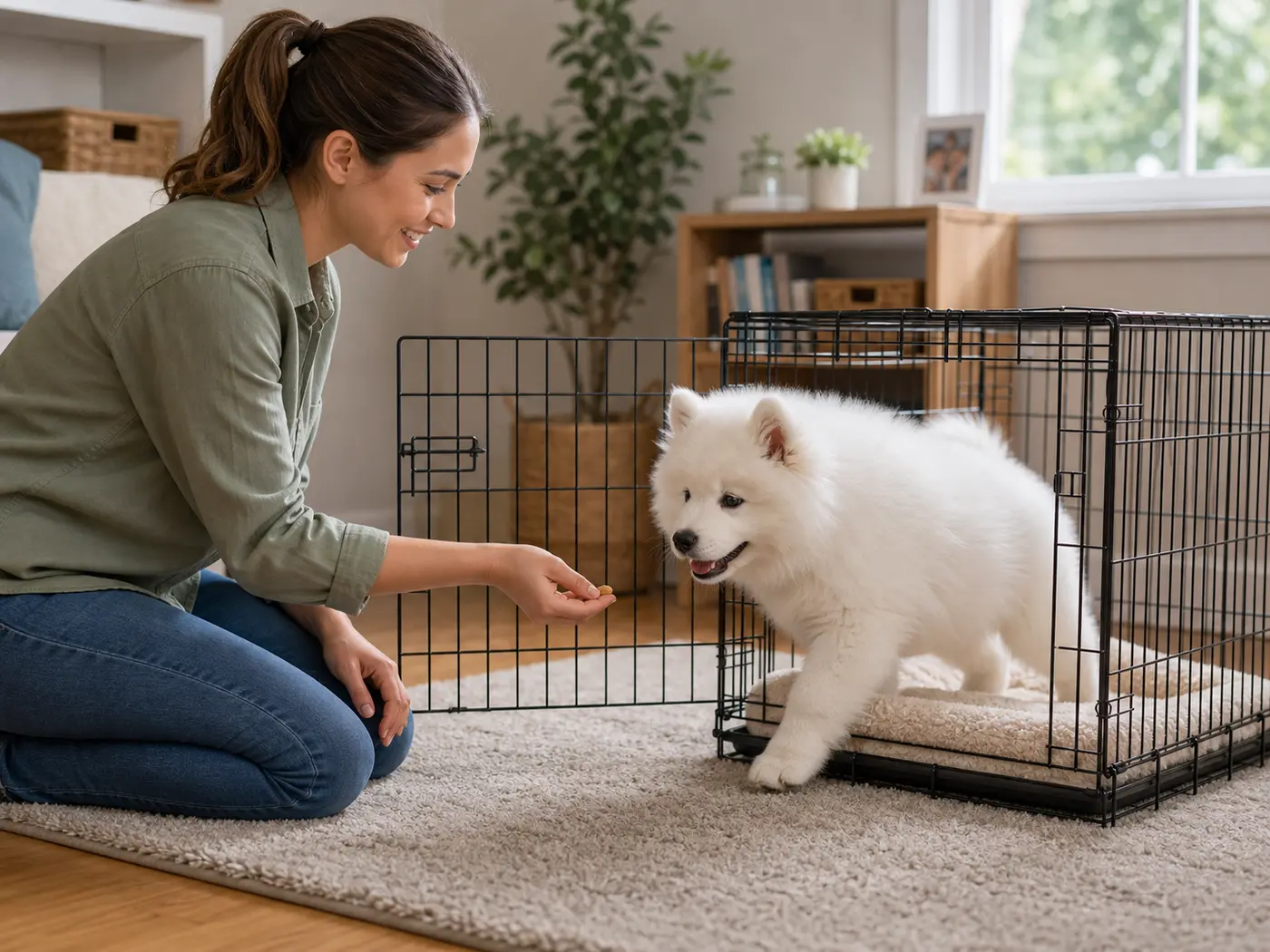
Open an inch. If your puppy shoves forward, close gently before they burst through and make the next rep easier.
Say the release word
Use one word like free or okay, then invite your puppy out. The word tells them when movement is allowed.
Move to the next job
For young puppies, the next job is often potty. Keep the path clear and boring.
Practice when stakes are low
Do a few calm releases during daytime practice, not only when your puppy is desperate to get out.
Little things that help
Do not demand a long wait
A one-second pause is enough at first. Long waits can frustrate a young puppy.
Reward inside sometimes
Feed while the puppy is still in the crate so waiting there stays valuable.
Use a leash for safety
If the crate opens near doors, stairs, or other pets, clip the leash before release.
Helpful little extras
Affiliate links: Furball Cove may earn from qualifying purchases at no extra cost to you.
Soft puppy training treats
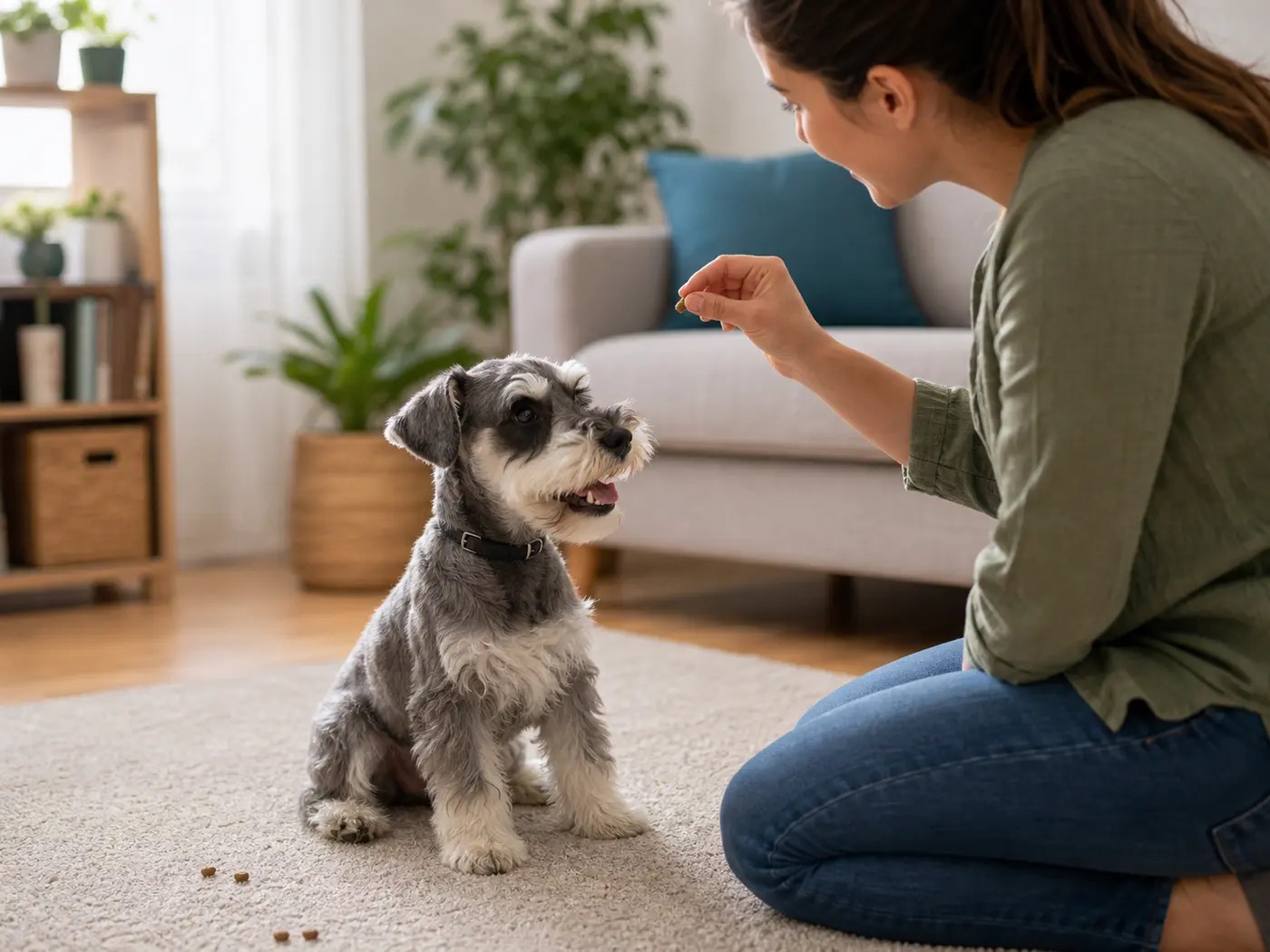
Tiny soft rewards let you pay crate entries, quiet door moments, and calm releases without turning the session into a feast.
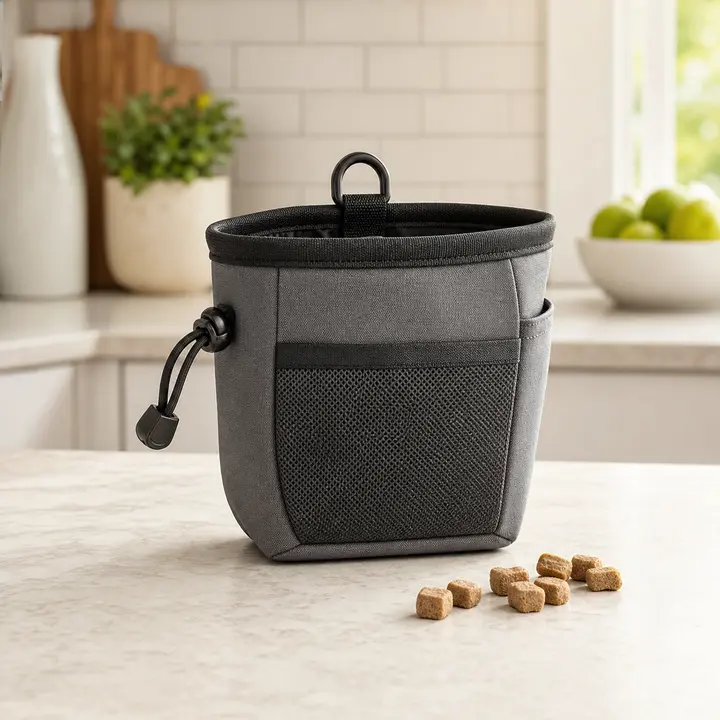
Training treat pouch
A pouch keeps rewards on you, which matters when you need to mark a one-second win at the crate door.
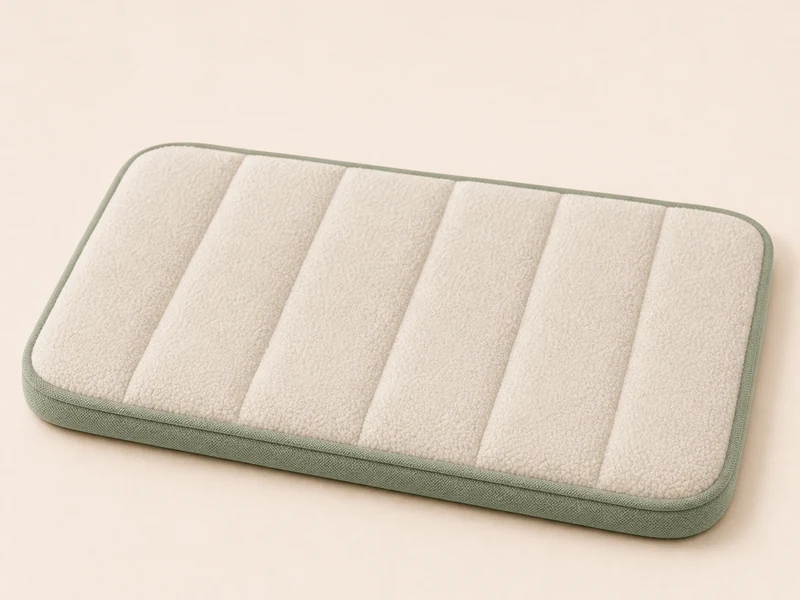
Washable dog mat
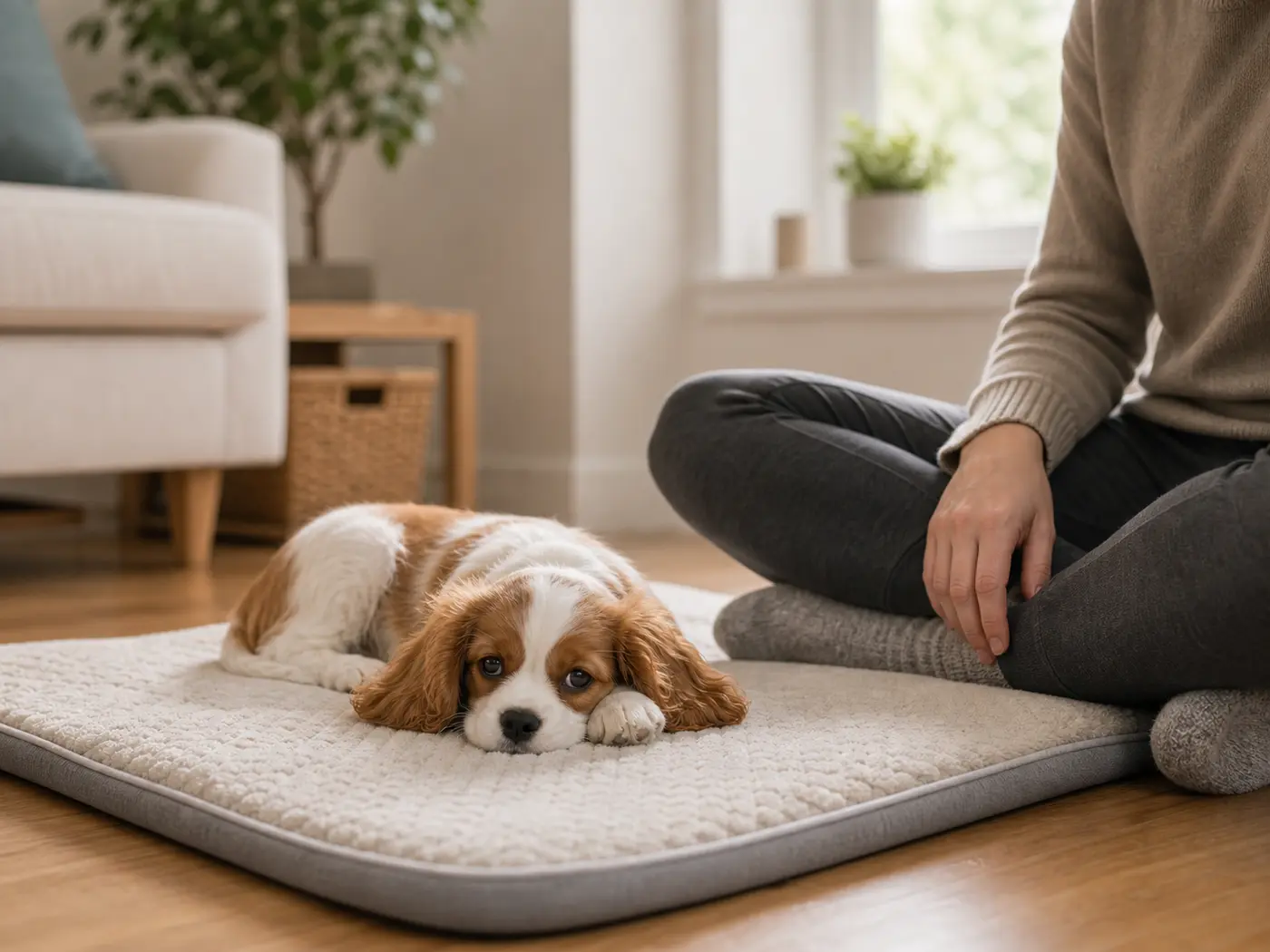
A mat near the crate gives your puppy a landing spot for door-open games, release practice, and calm resets.
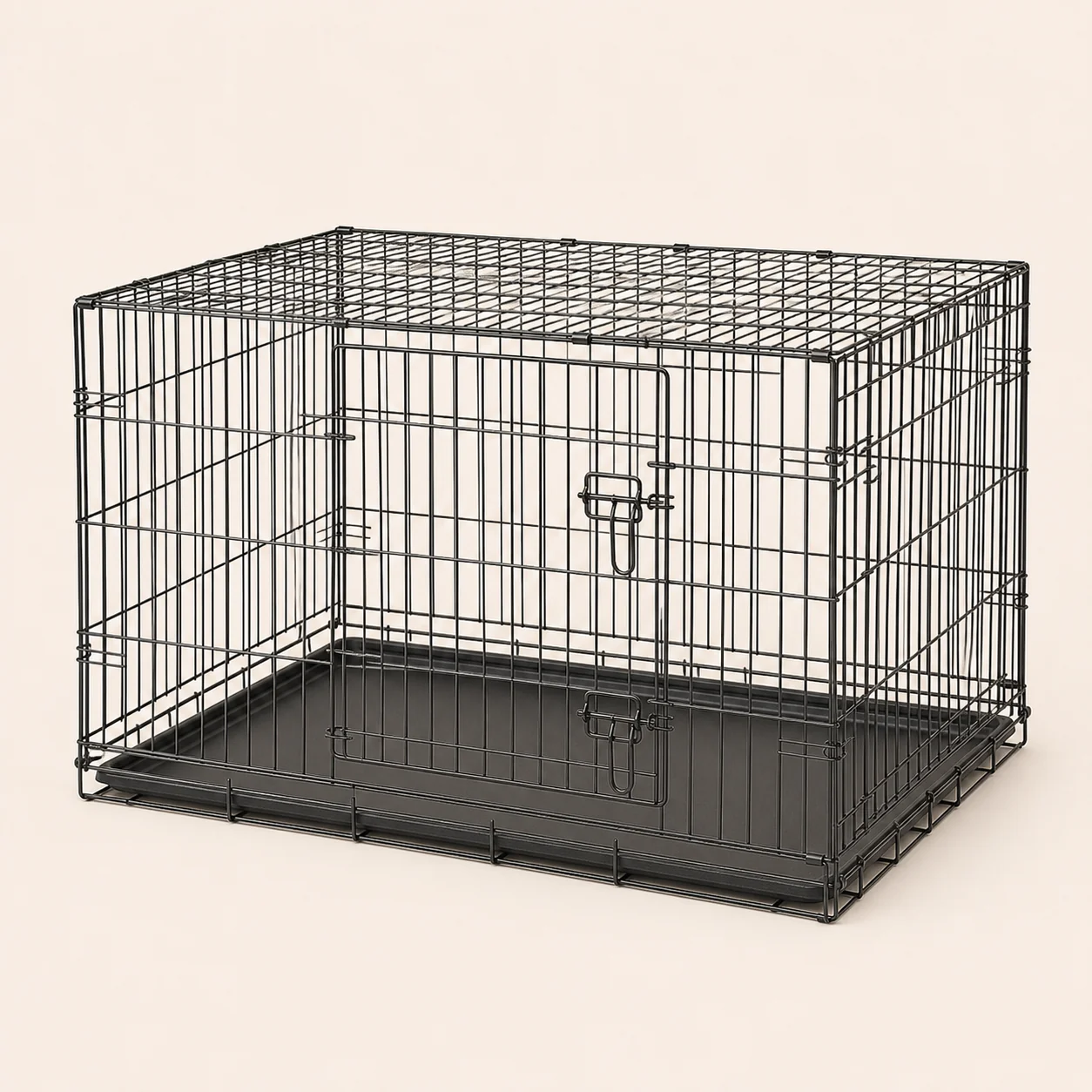
Puppy crate with divider
A divider lets the crate fit your puppy now without leaving a giant space that feels more like a playroom than a sleep spot.
Questions people ask
What release word should I use?
Pick one word your family can say consistently, such as free, okay, break, or all done.
What if my puppy bolts out?
Make the next rep easier. Open less, reward sooner, and practice after a shorter crate period.
Should I make my puppy sit before release?
Only if sit is easy and calm. The main goal is a clear pause and release, not a long obedience test.