

Updated
Dog training
Crate Training
A crate should feel like a safe little bedroom, not a test your puppy has to survive.
Build comfort in tiny pieces, use the crate for real rest, and keep exits calm. The goal is a puppy who can relax because the routine makes sense.
Start here
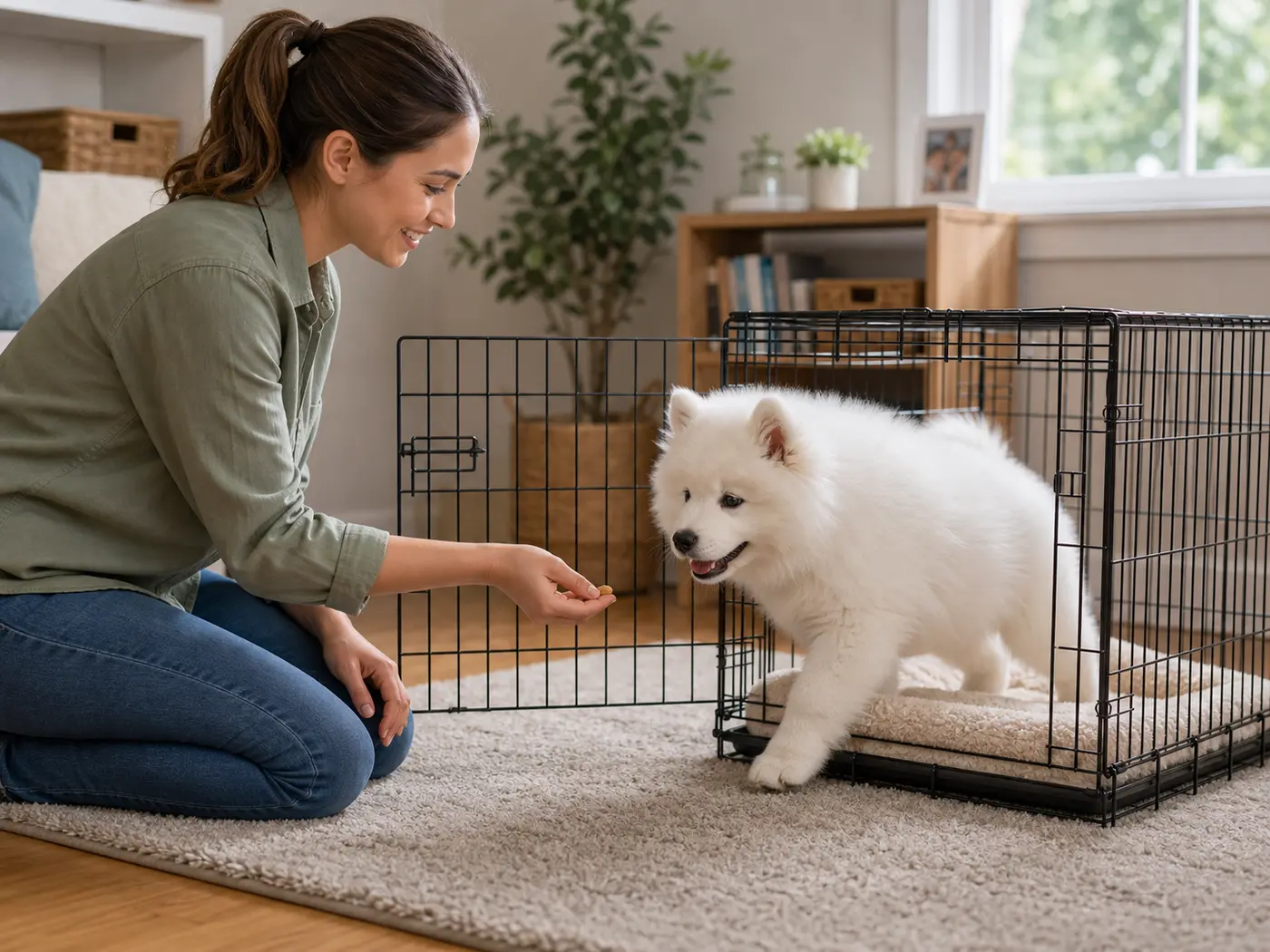 SetupRight Crate Spot
Put the crate where your puppy can rest without feeling banished.
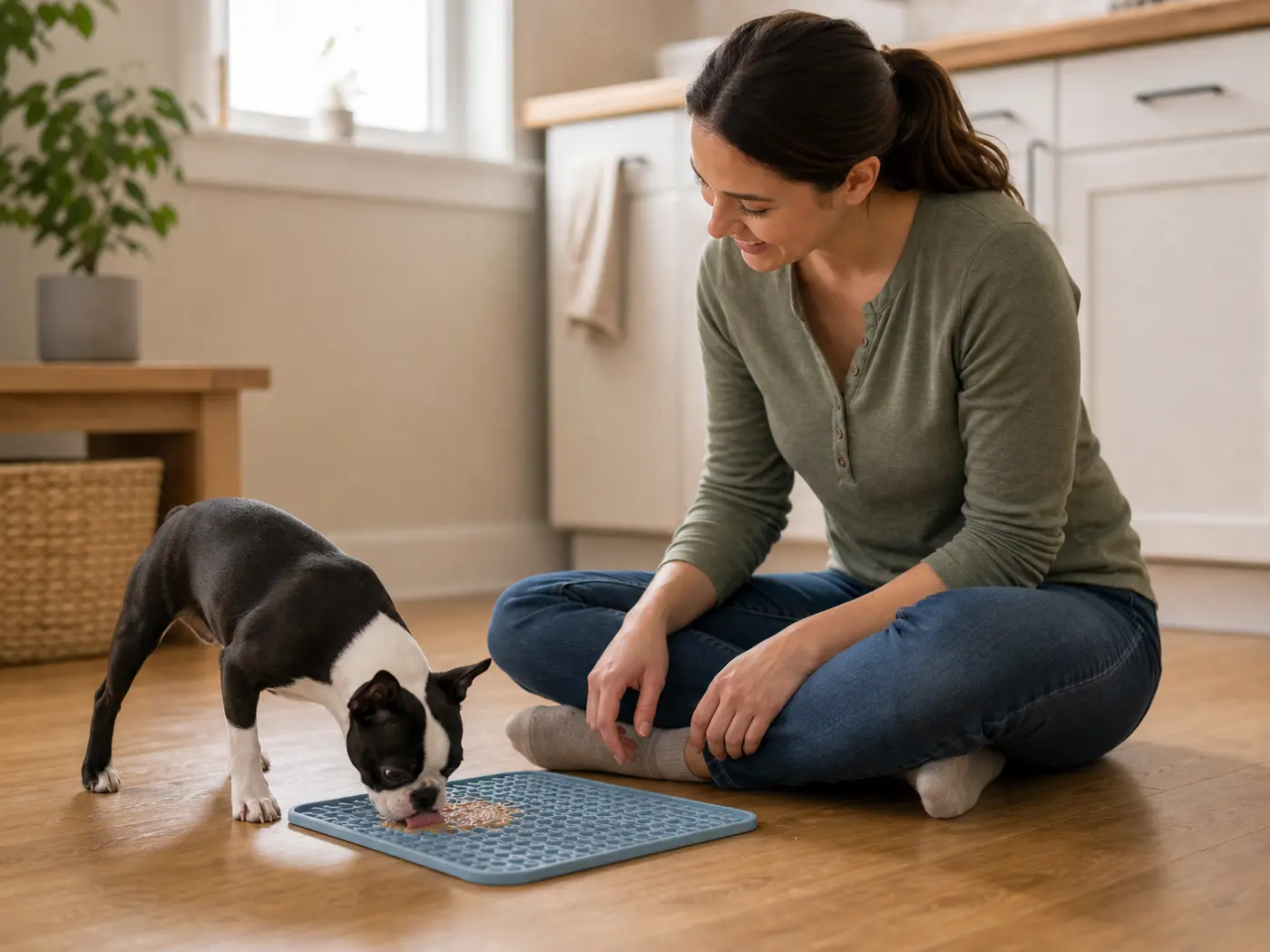 First sessionTreat In, Treat Out
Let your puppy choose the crate before you ever ask for time inside.
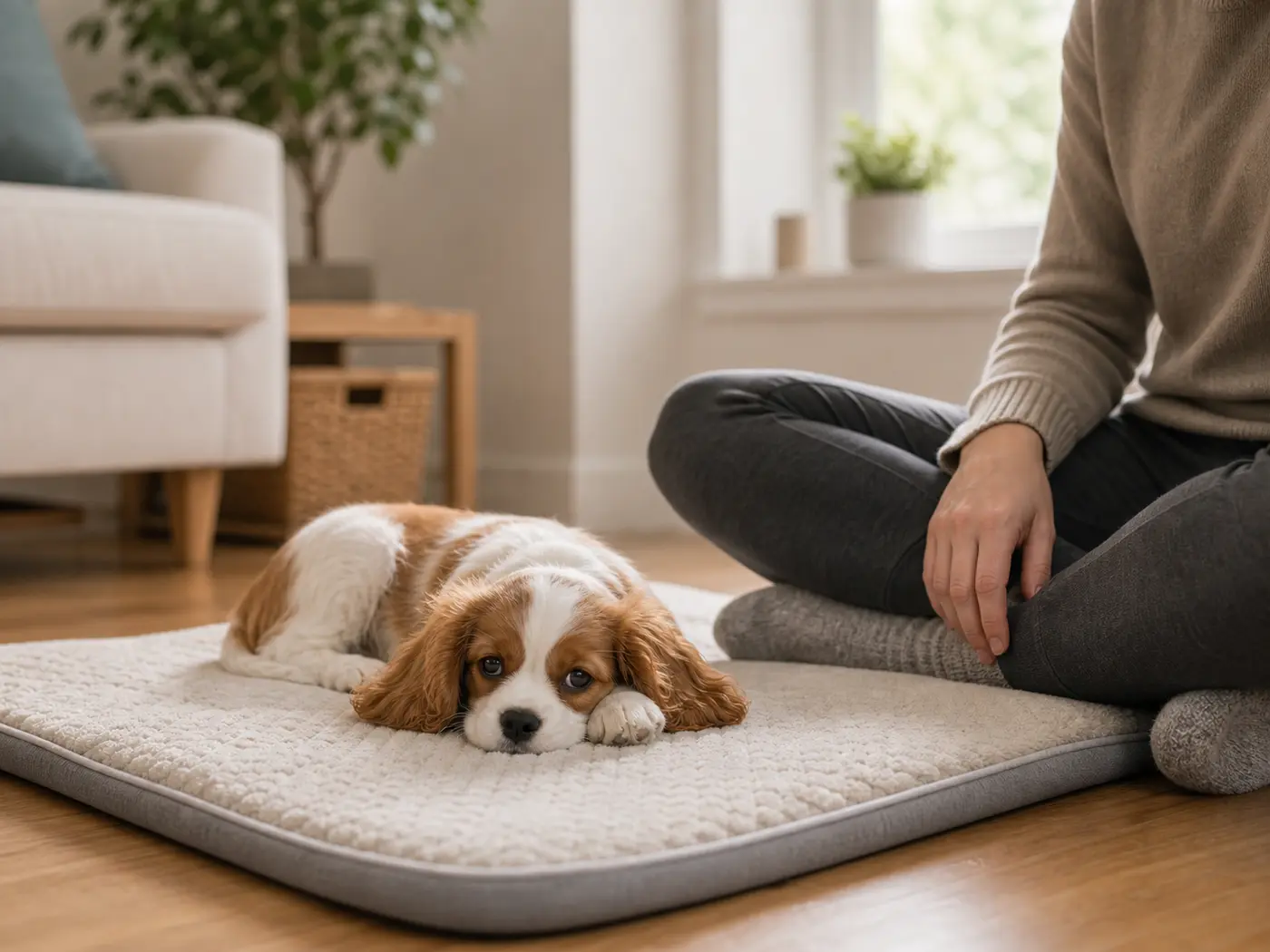 Daily rhythmNap Routine
After potty, play, and food, the crate can become the sleepy place instead of a struggle.
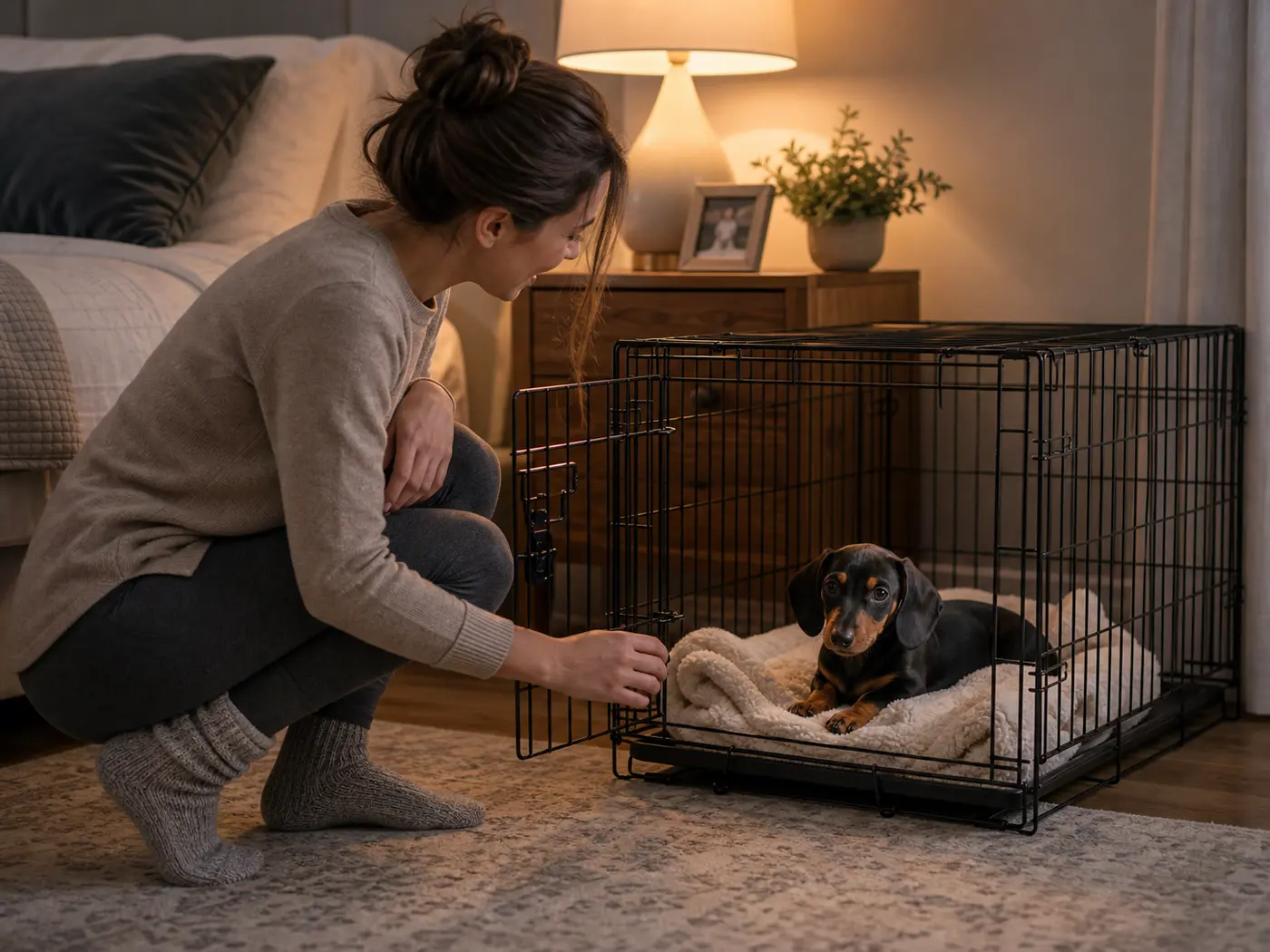 Night helpCrying Check
Know when to comfort, when to potty, and when to keep the night boring.
Crate setup
Start with a crate that fits your puppy, your room, and the job you want it to do: safe rest.
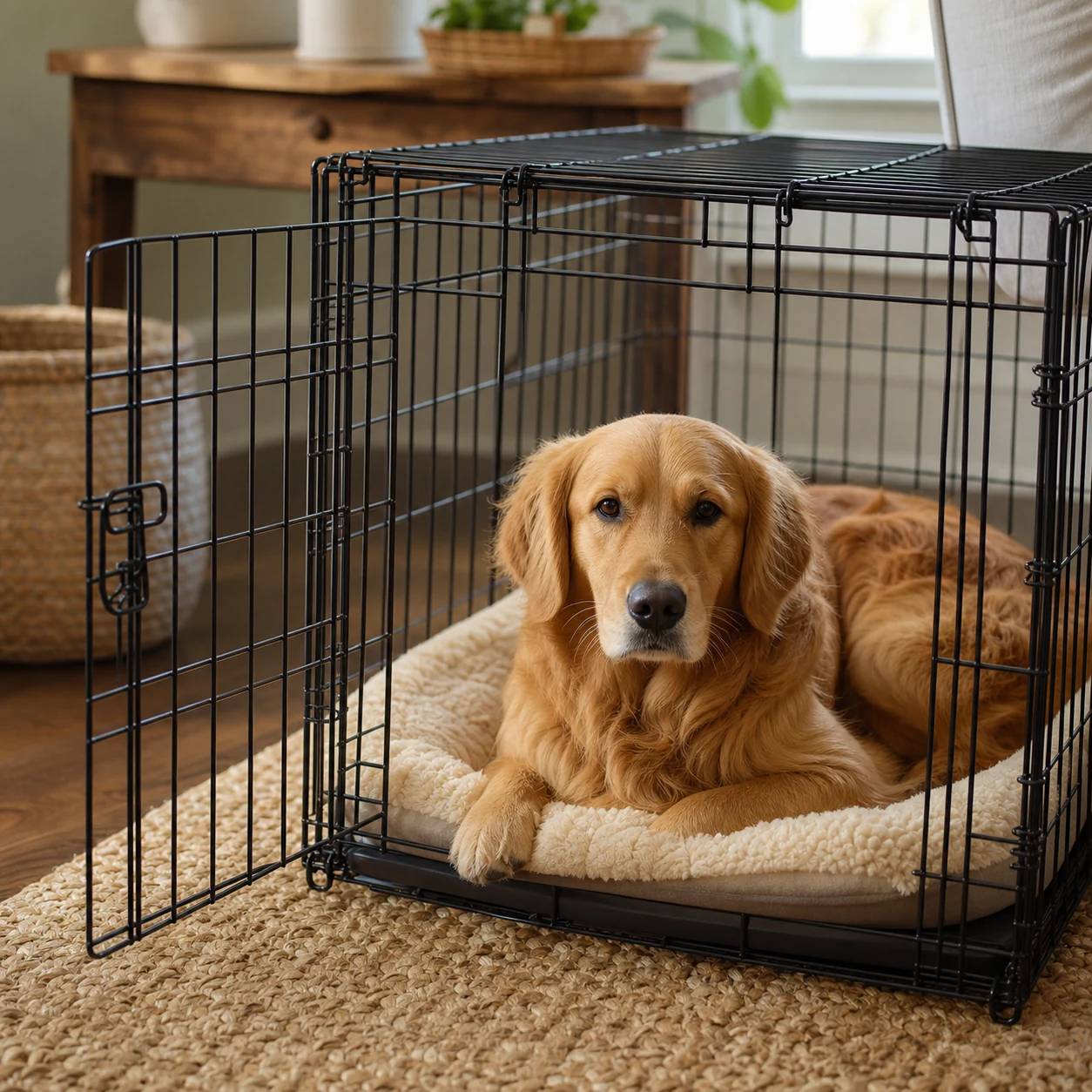
Choose a quiet corner near family life. Too much traffic keeps a puppy alert; too much isolation can make the crate feel lonely.
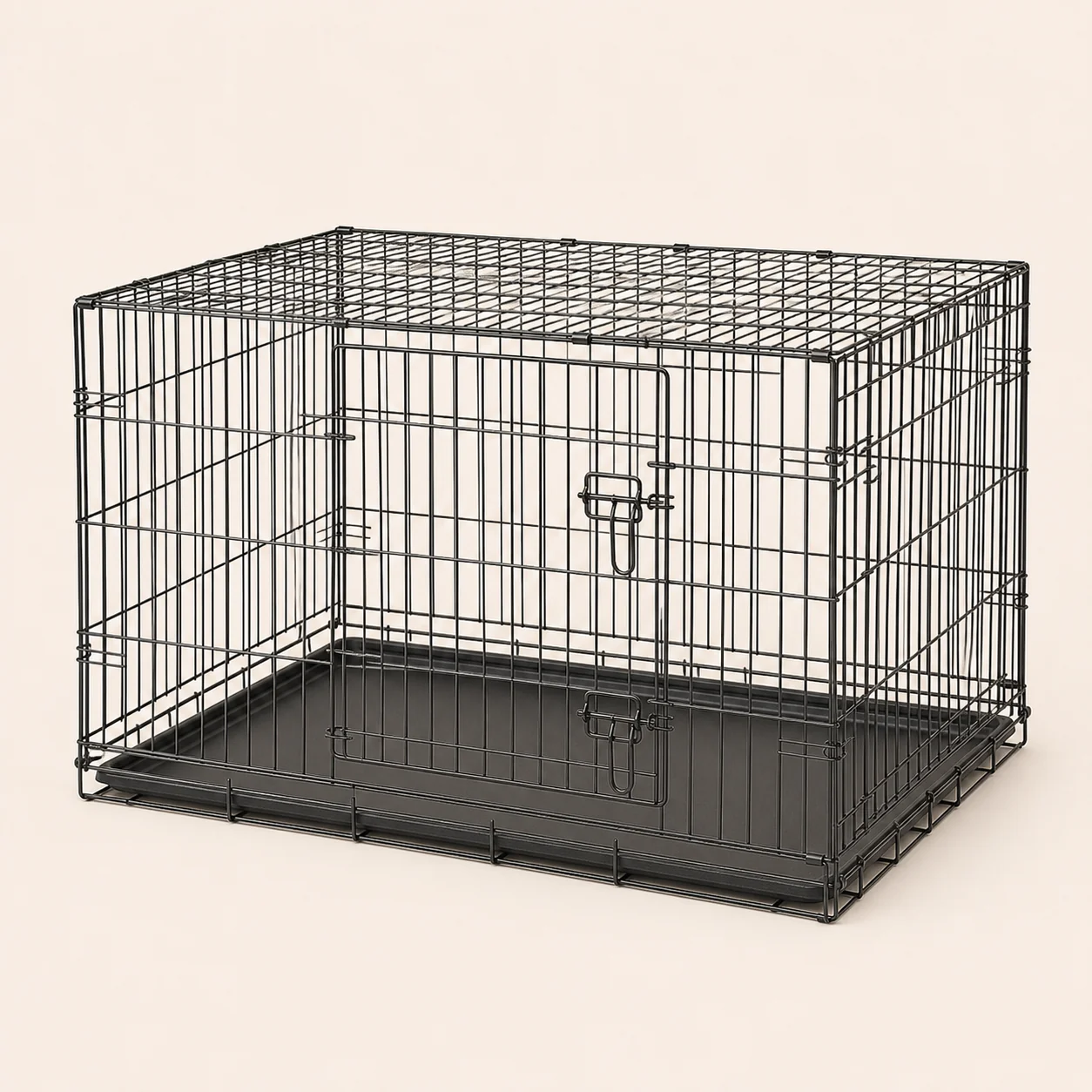
Your puppy should stand, turn, stretch, and lie down comfortably. Keep collars, loose cords, and unsafe chews out of the crate.
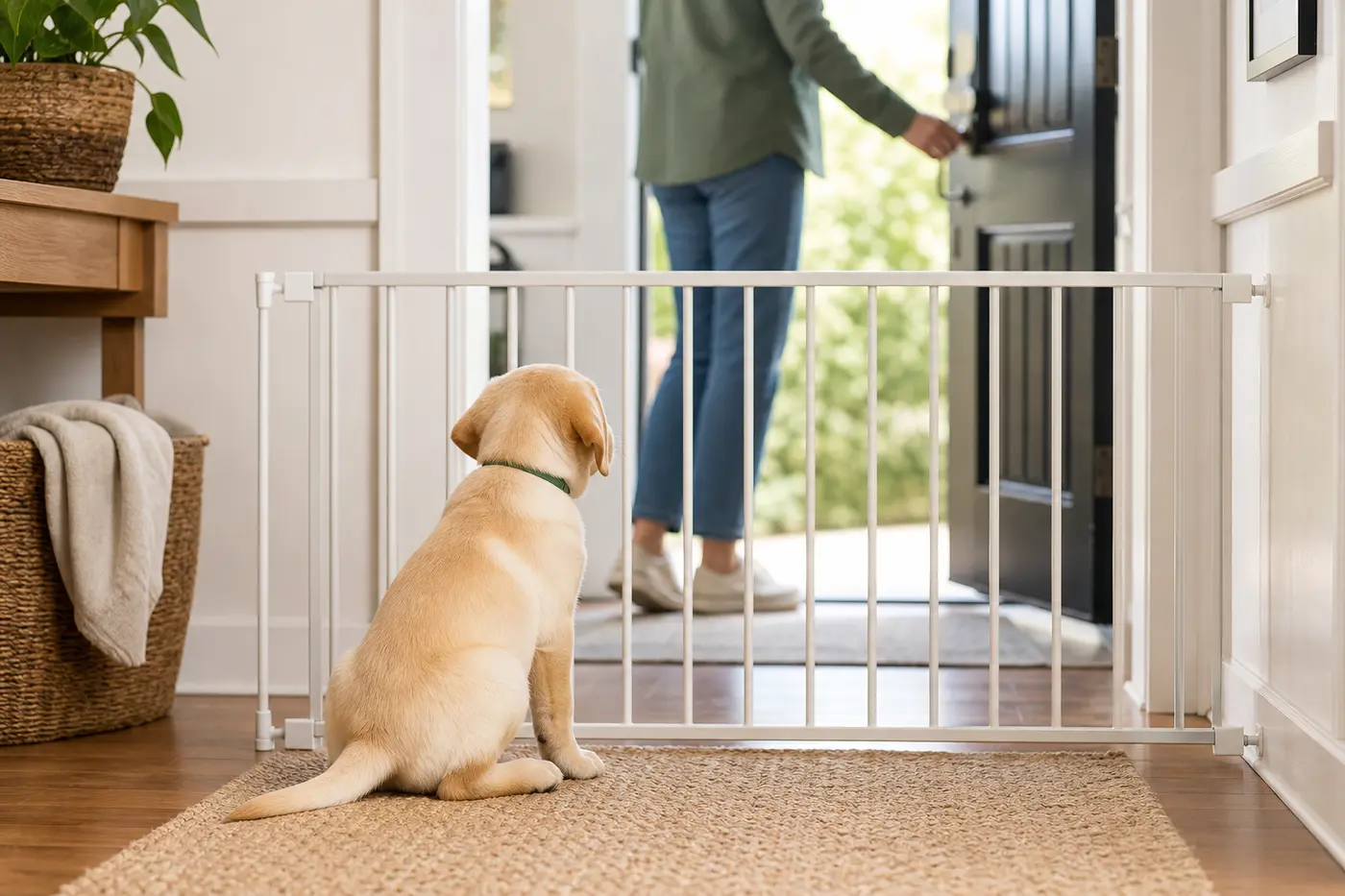
Feed a few treats, meals, or quiet chews with the door open so the crate becomes a place good things appear.
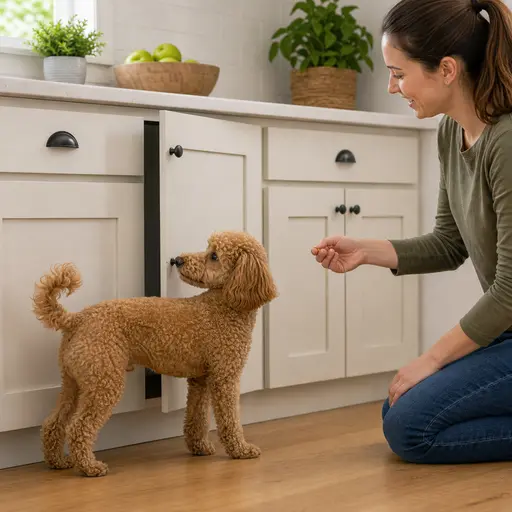
Use one soft phrase when your puppy walks in happily. The cue should predict rest and rewards, not pressure.
Build crate comfort
Short, easy repetitions beat one long session. Stop while your puppy still feels safe.
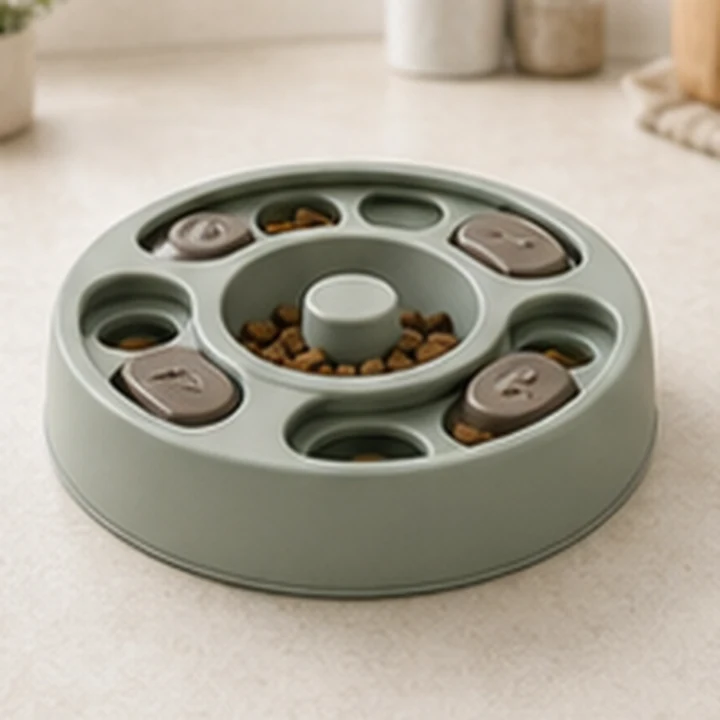
Toss a treat in, let your puppy step inside, then let them leave. Choice is what makes the first sessions work.
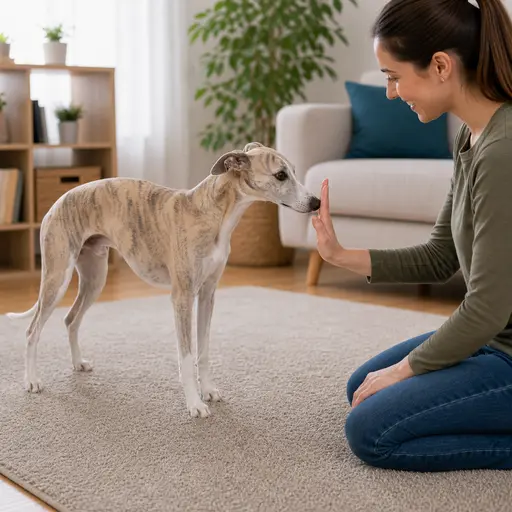
Close the door for one second, reward, and open it before worry builds. Add time only when your puppy stays loose and calm.
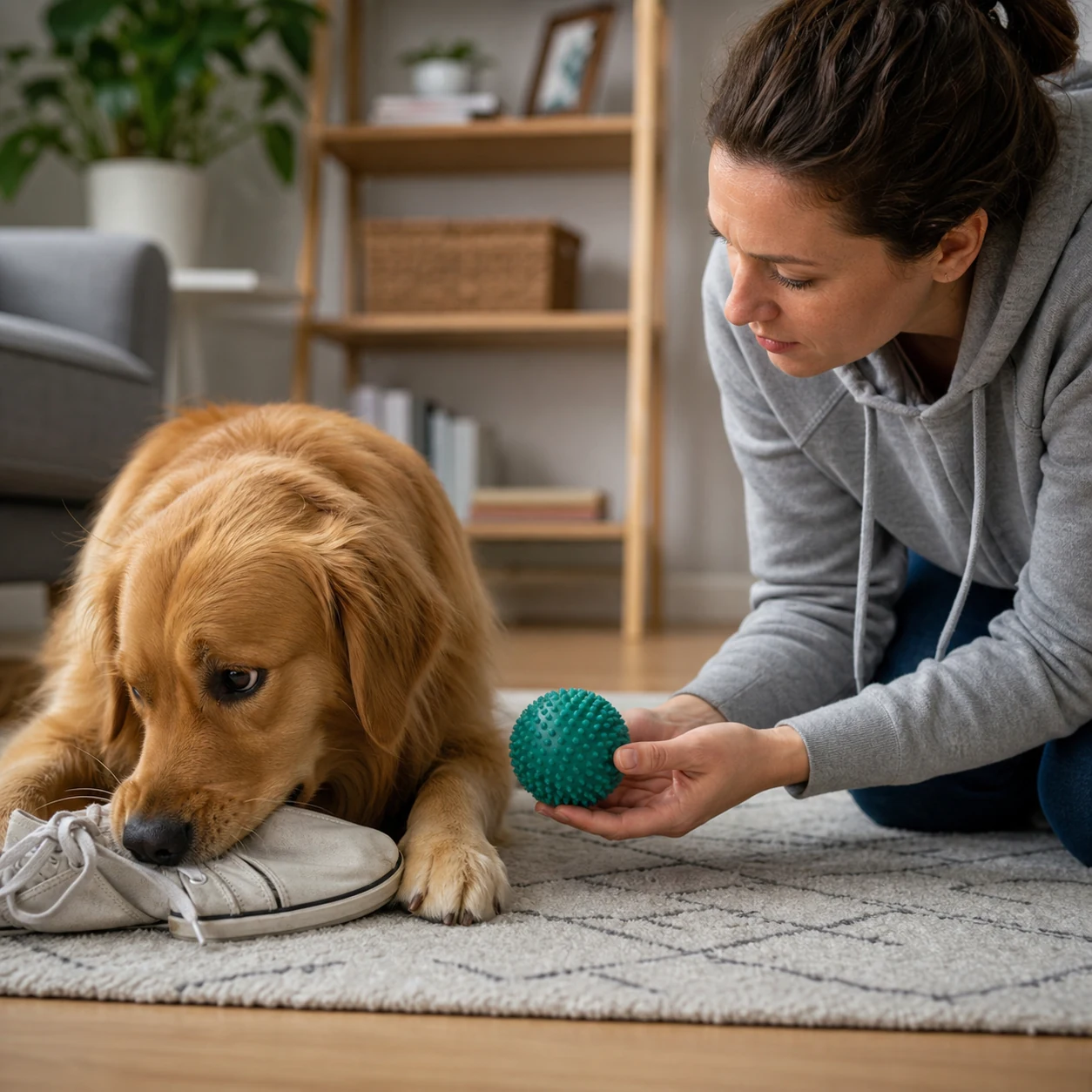
Use the crate after potty, food, play, and a tiny training win. A tired puppy with an empty bladder has the best chance to settle.

Open the door when your puppy is calm enough to think. A quiet release teaches patience without making the crate feel like a trap.
Crying and night routine
Crying can mean potty, fear, overtiredness, discomfort, or a routine that moved too fast.
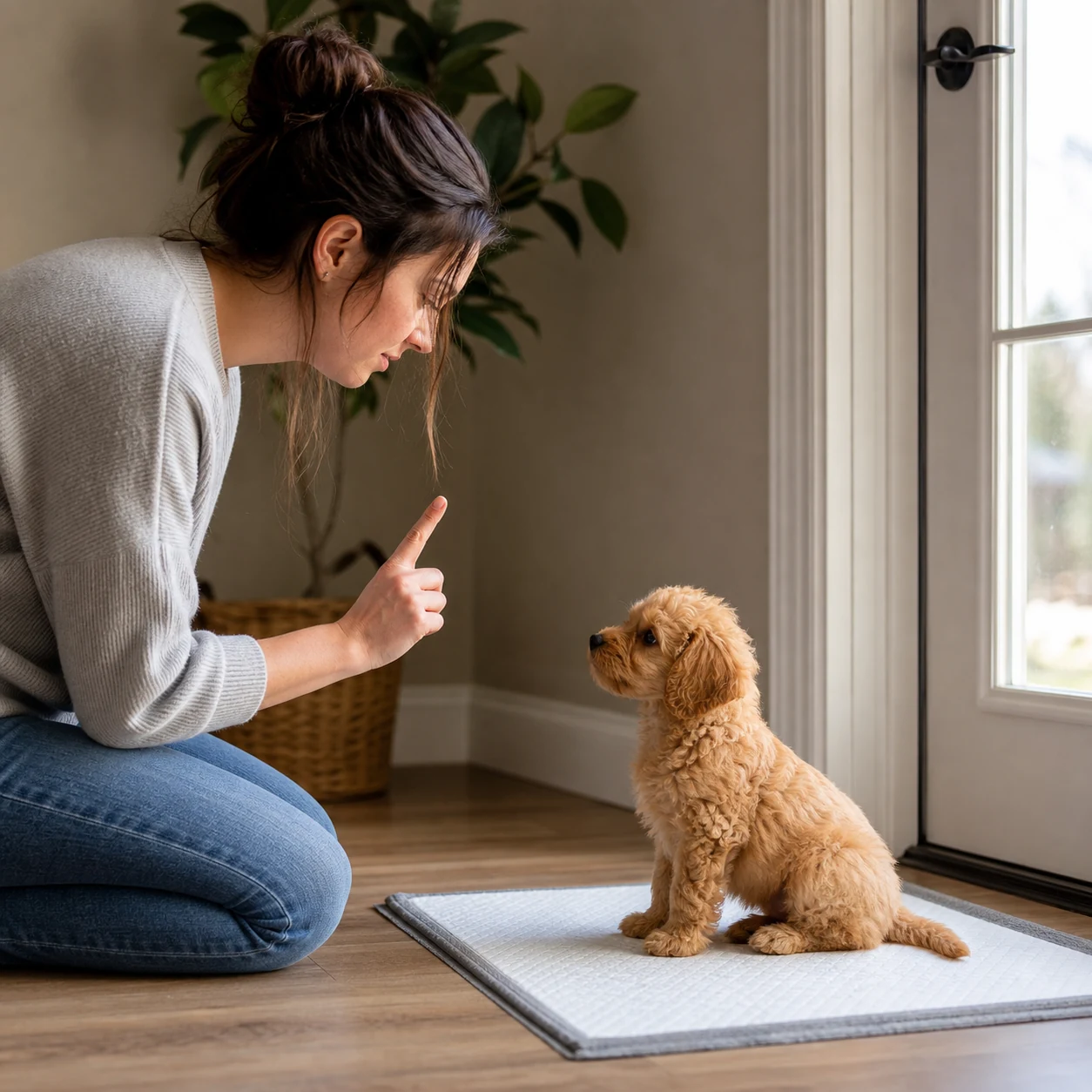
Before you decide what to do, check the basics: potty need, temperature, hunger, pain, distance from you, and how long your puppy has been trying.
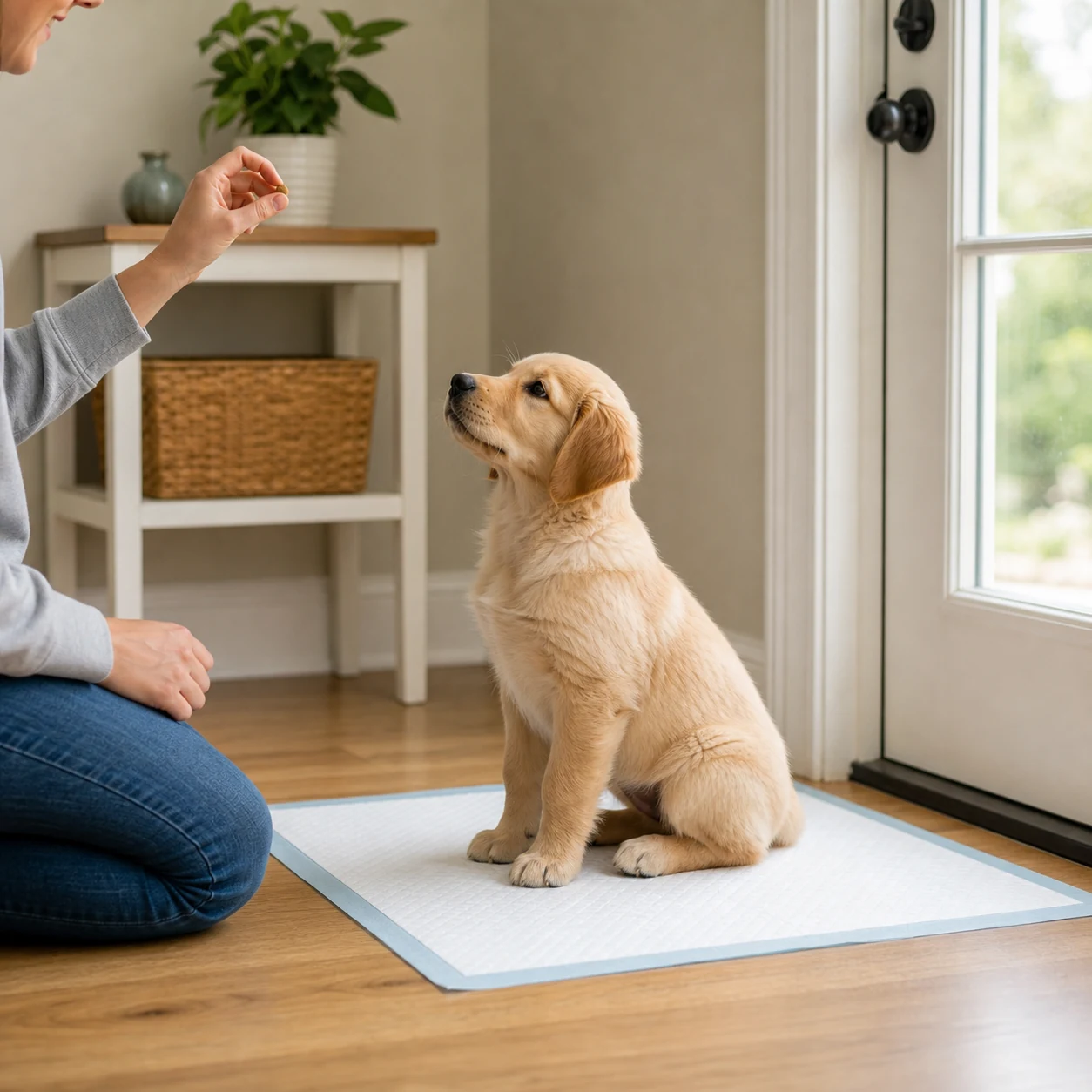
If your puppy wakes, keep the trip quiet: leash, outside, potty, soft praise, back to bed. Midnight should not become playtime.
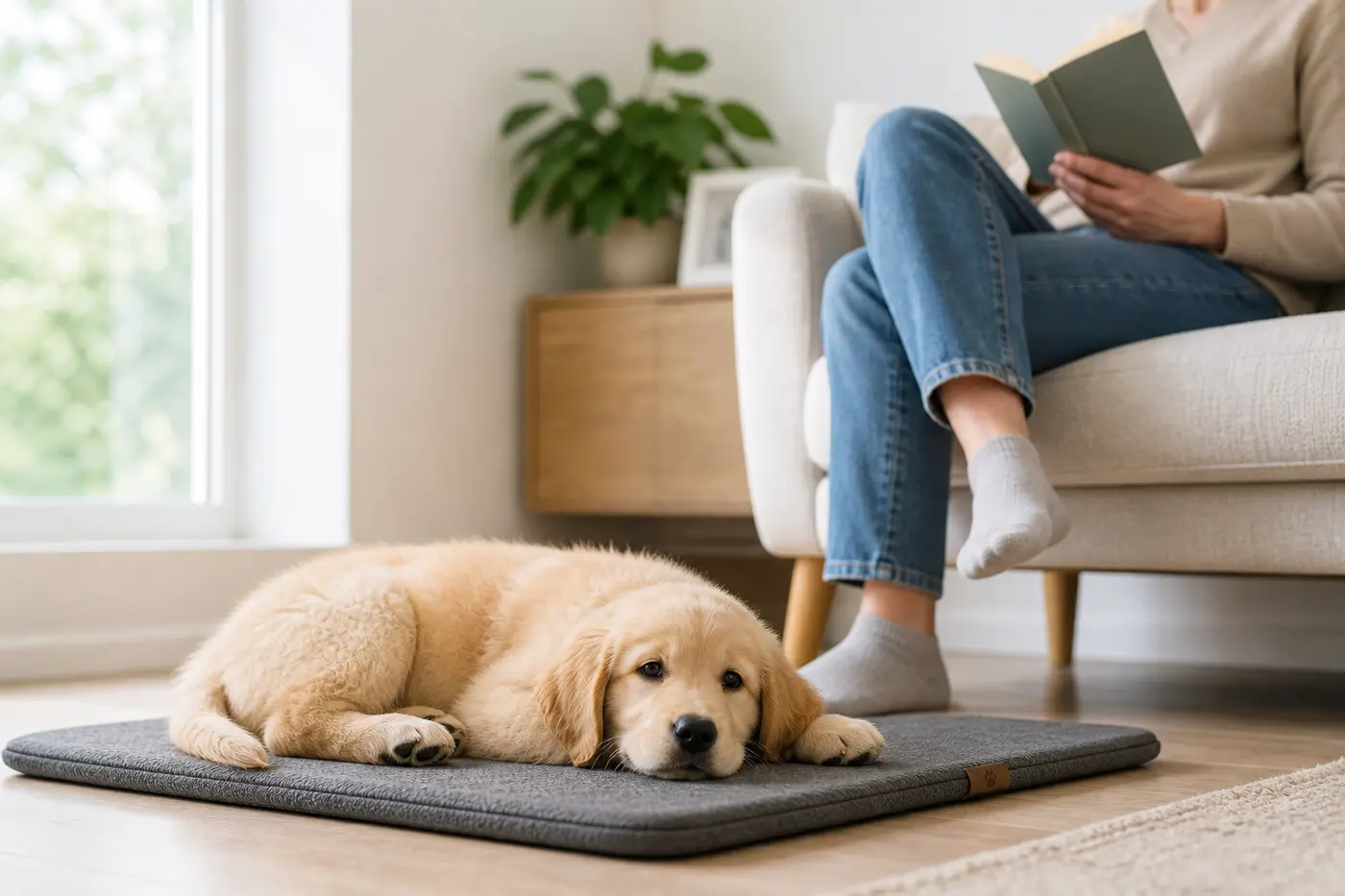
For the first nights, a crate beside your bed can help a new puppy feel safe. Independence can grow after trust and routine are stronger.
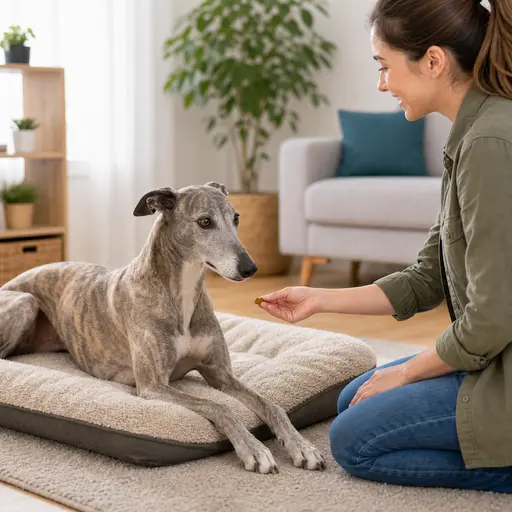
Yelling or banging on the crate adds stress and attention. If crying escalates, make the plan easier and rebuild comfort in daylight.
Alone-time practice
Crate comfort and alone-time comfort overlap, but a puppy can need help with both.
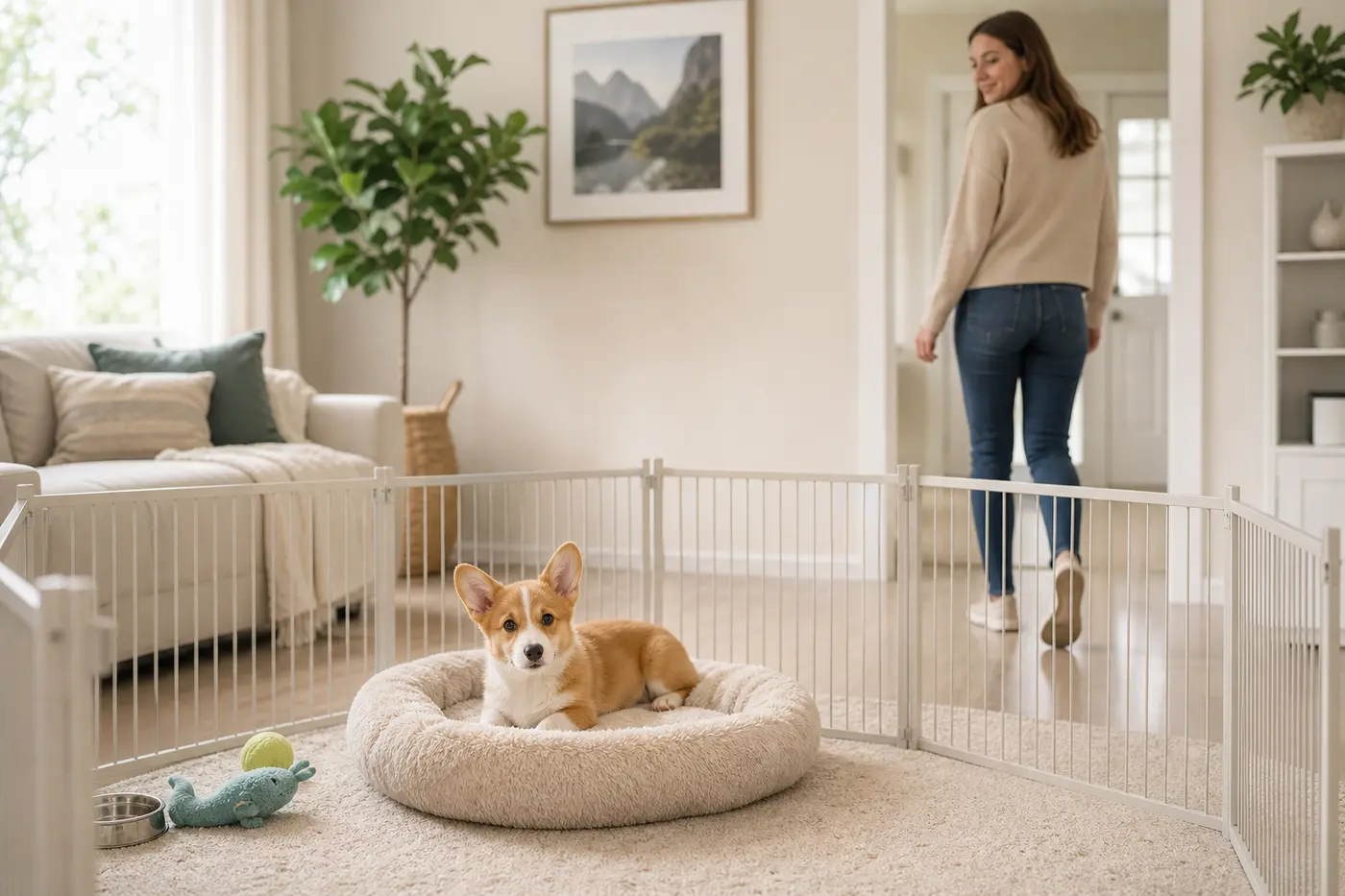
Step away for seconds, return calmly, and build time before your puppy worries. Practice when your puppy is sleepy, not frantic.
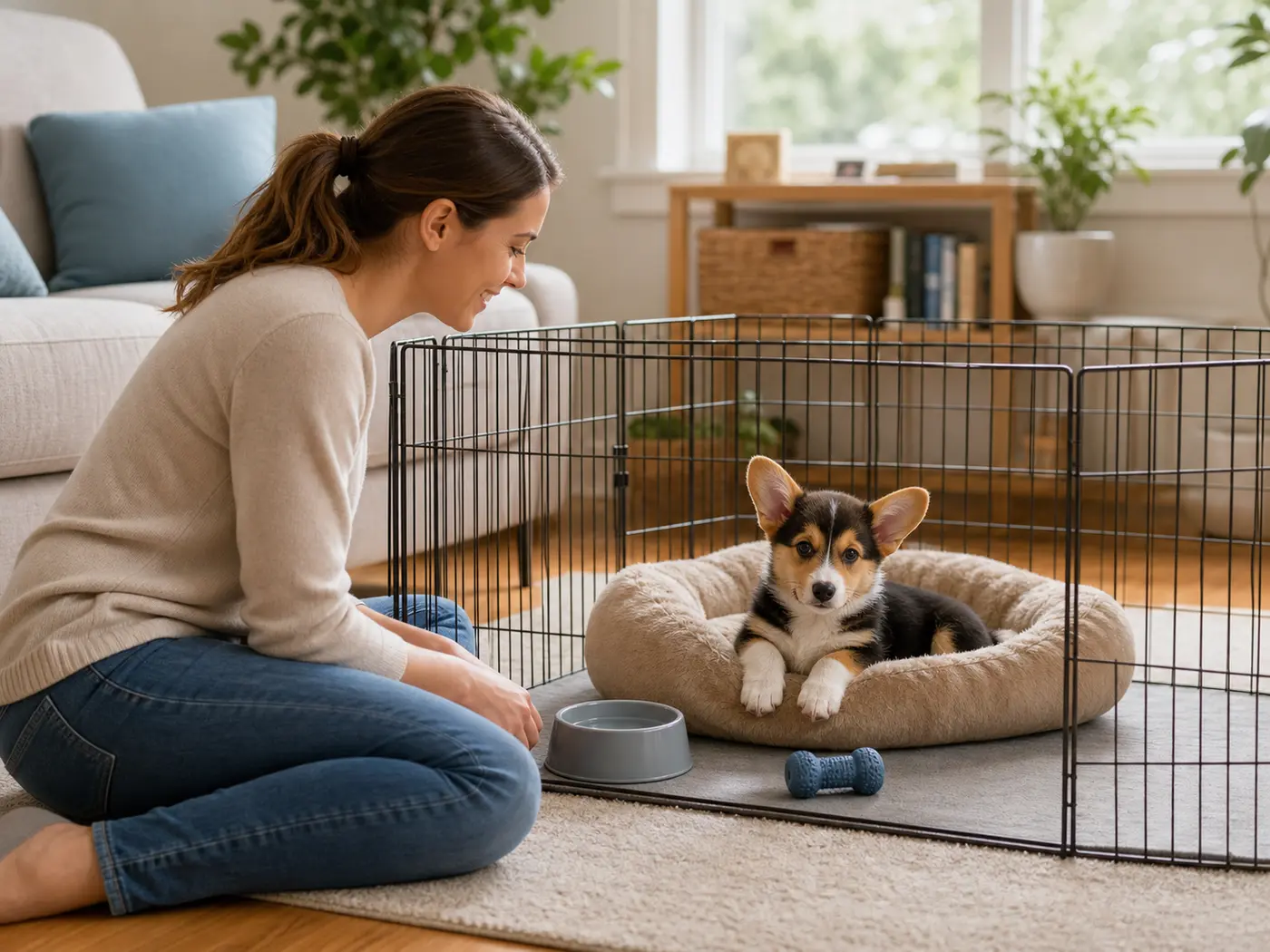
Use the same quiet pattern: potty, crate cue, safe chew, calm exit. Predictability helps your puppy understand that you come back.
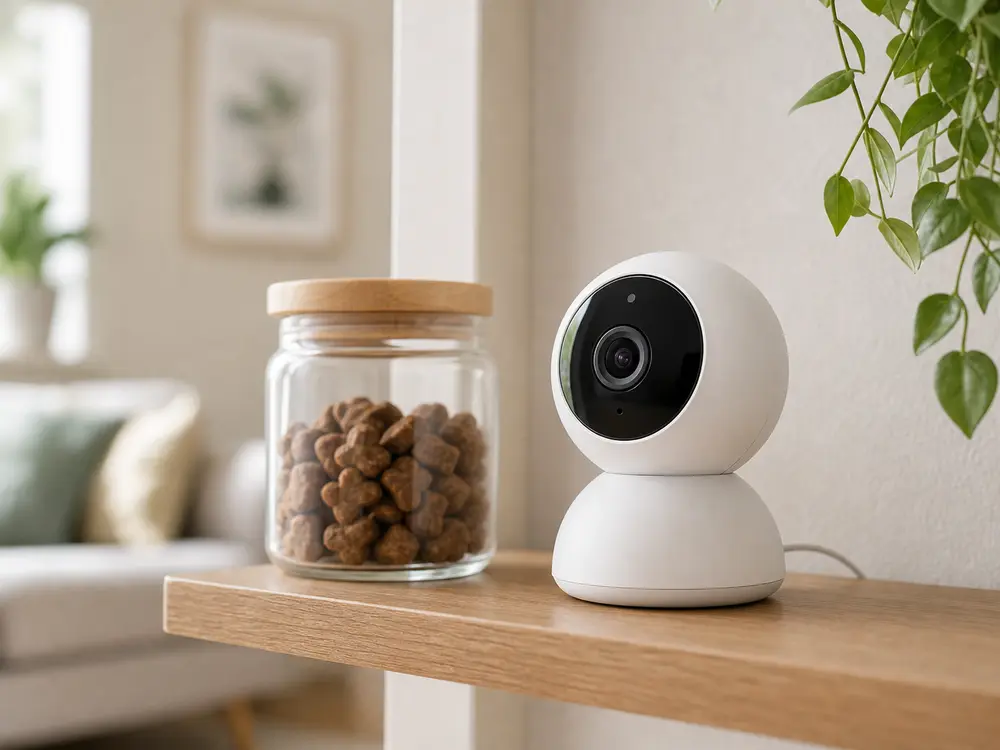
A camera can show whether your puppy is resting, lightly fussing, or escalating. Guessing from outside the door is often misleading.
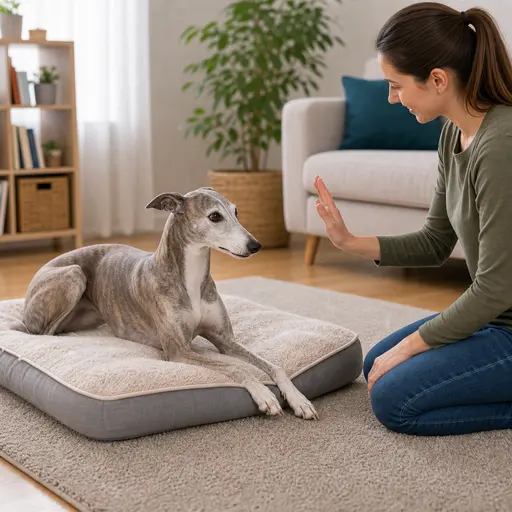
If your puppy panics, soils the crate, drools heavily, or cannot recover, stop testing long absences and get qualified help.