Updated
Puppy crate training
Puppy Crate Crying Check
A crying check helps you decide whether your puppy needs potty, comfort, easier training, or medical attention.
Crying is information, not a character flaw. The job is to read the situation calmly so you do not miss a real need or teach your puppy that panic is the only way to get help.
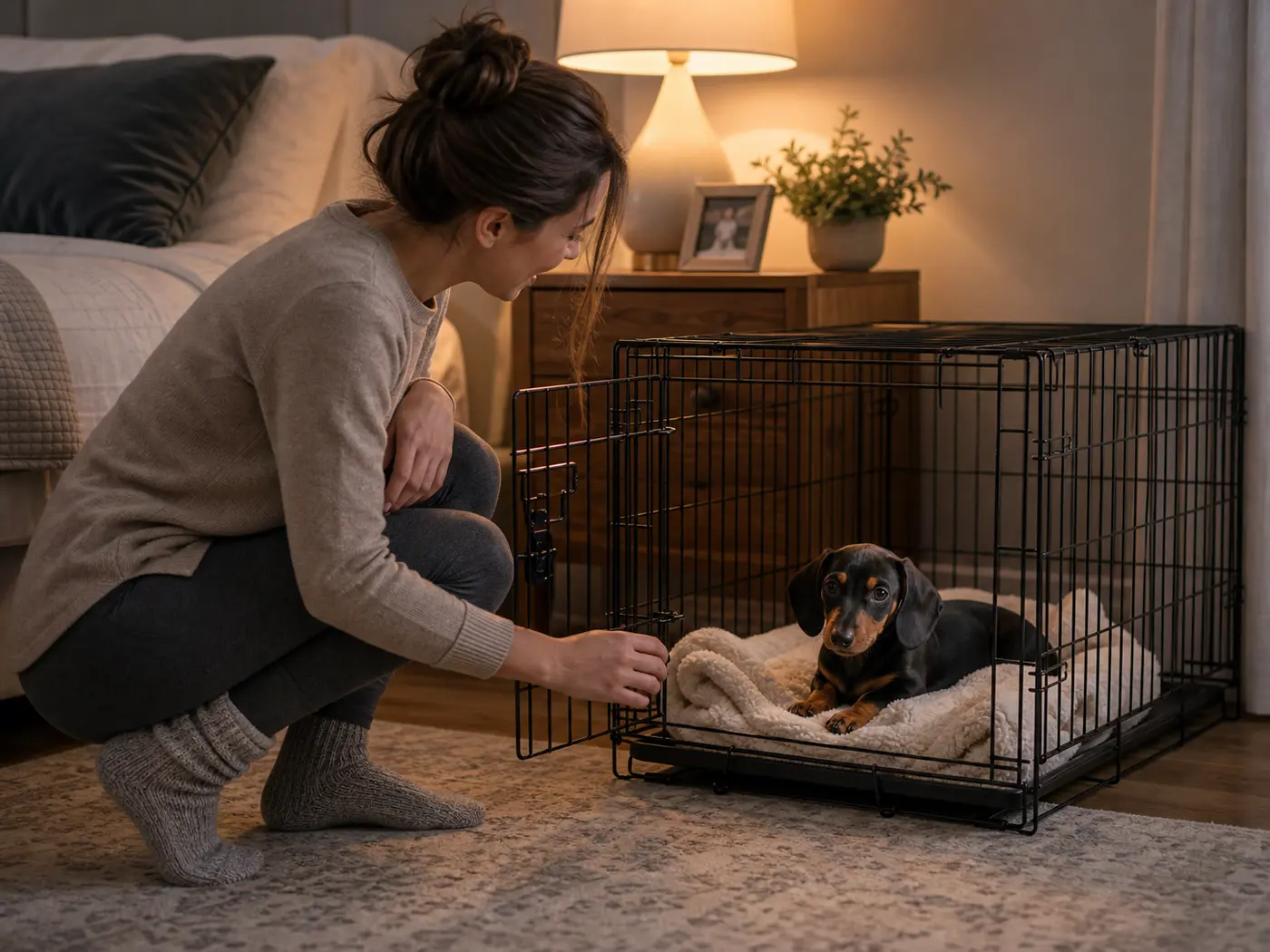
Puppies cry for different reasons: potty, fear, discomfort, hunger, heat, boredom, pain, or a routine that moved too fast. One rule cannot cover all of those.
The best plan is boring and kind. Check real needs, keep nighttime quiet, and rebuild daylight crate comfort if the crate itself is the problem.
Great for
- Puppies waking at night.
- Owners unsure whether to comfort, potty, or wait.
- Crate routines that need clearer decision-making.
Wait a bit if
- Your puppy is vomiting, has diarrhea, seems injured, collapses, or suddenly acts very unwell; call your vet.
- Your puppy is panicking, biting the crate, drooling heavily, or soiling from distress.
- The crate is being used for longer than your puppy can handle.
Practice calm crate moments
Check the clock and bladder
Young puppies need frequent potty trips. If it has been a while, assume potty before assuming stubbornness.
Check the room
Look for heat, cold, bright light, loud noise, drafts, or a crate spot that feels too far from you.
Listen to the pattern
Brief fussing that fades is different from escalating panic. Escalation means the plan needs help, not harder ignoring.
Keep potty trips boring
If you take your puppy out, use leash, potty spot, soft praise, and back to bed. Do not turn midnight into playtime.
Rebuild in daylight
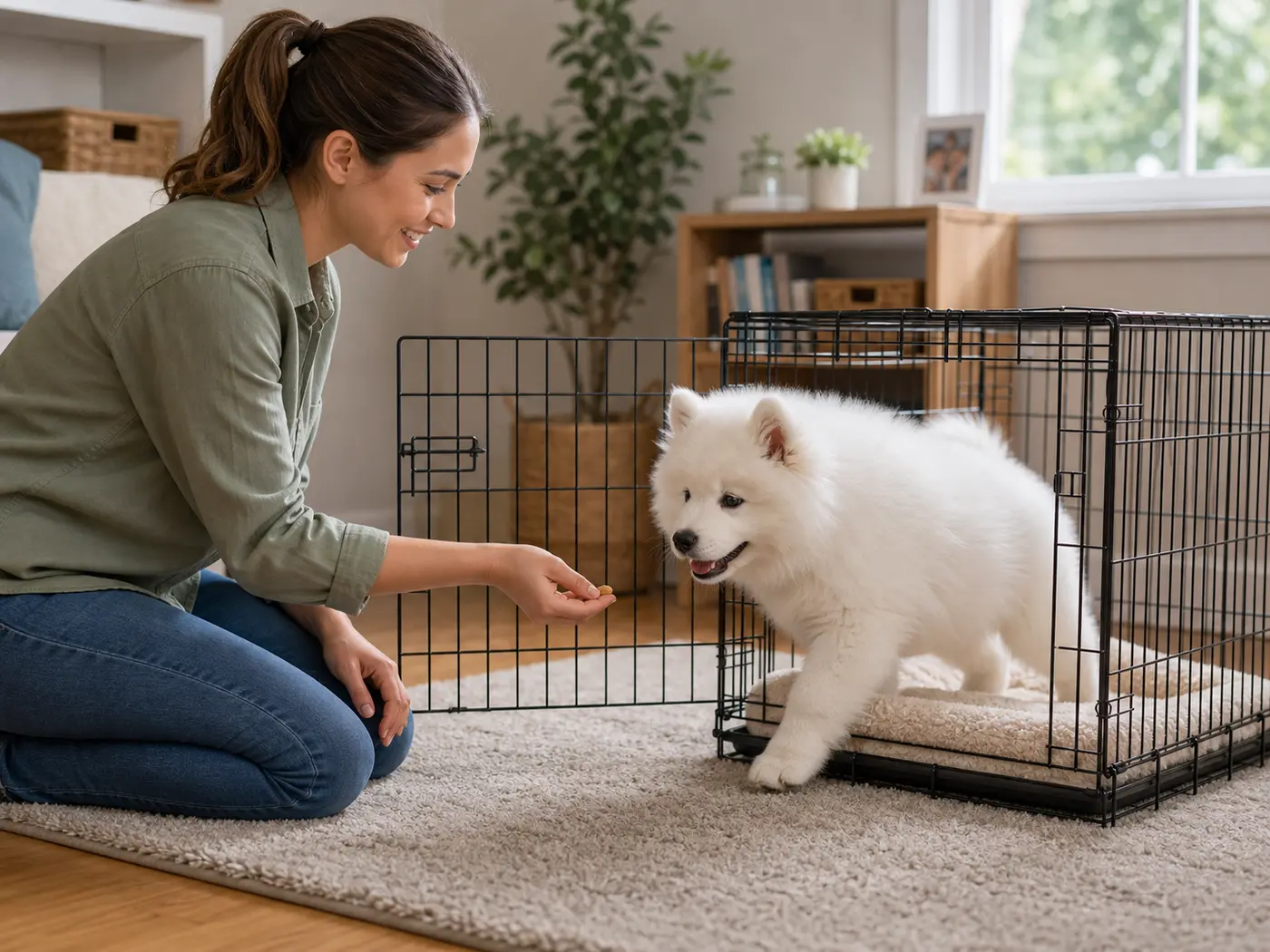
If crying happens every time, practice easier open-door and one-second door reps during the day.
Get help when distress is intense
For panic, self-injury, or severe separation distress, work with a qualified trainer or veterinary behavior professional.
Little things that help
Write down the pattern
Time, last potty, last meal, nap length, and room setup can reveal the real trigger.
Comfort is not failure
A young puppy may need reassurance. The goal is to help without making the crate exciting.
Avoid punishment
Yelling, banging the crate, or spraying water can make the crate scarier and the crying worse.
Helpful little extras
Affiliate links: Furball Cove may earn from qualifying purchases at no extra cost to you.
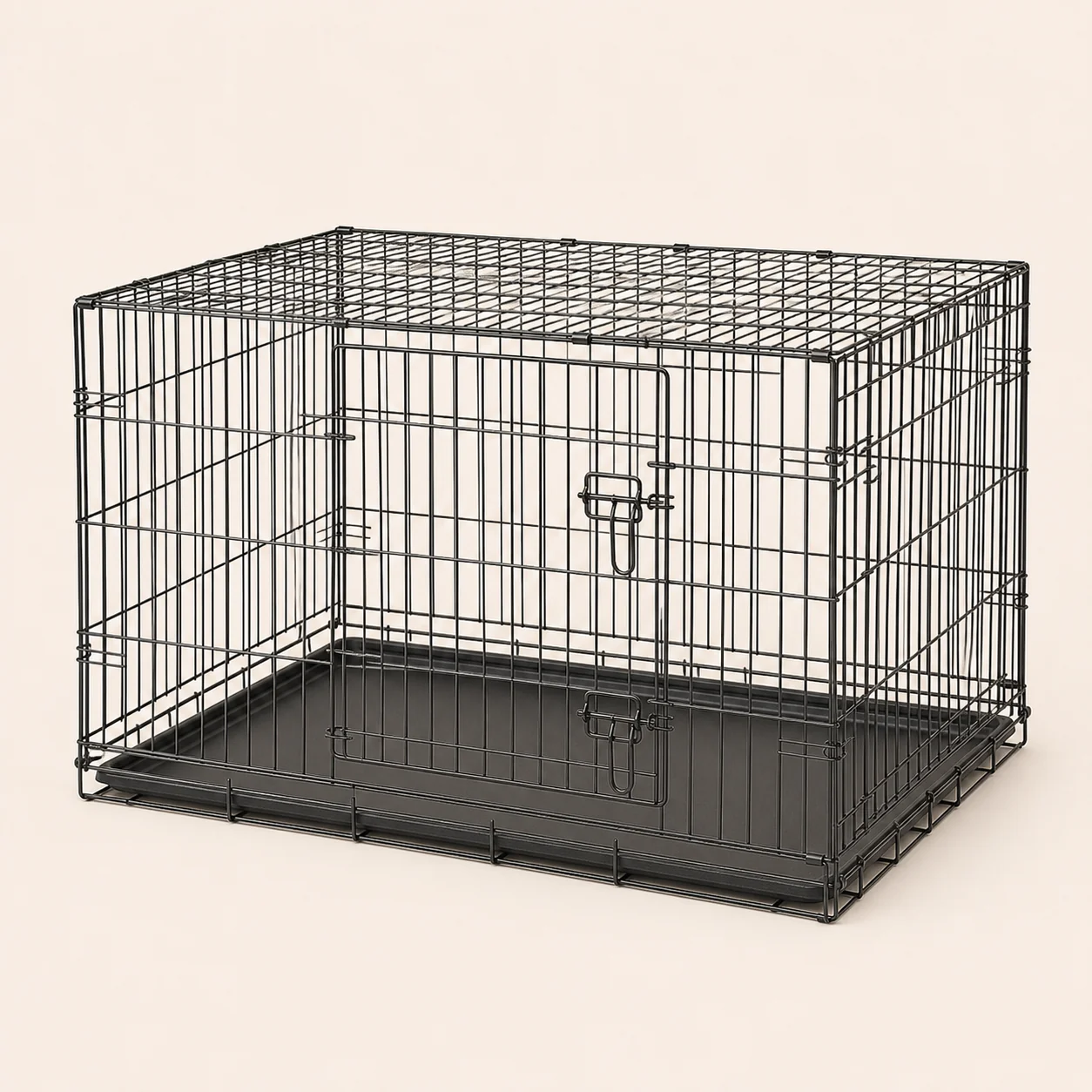
Puppy crate with divider
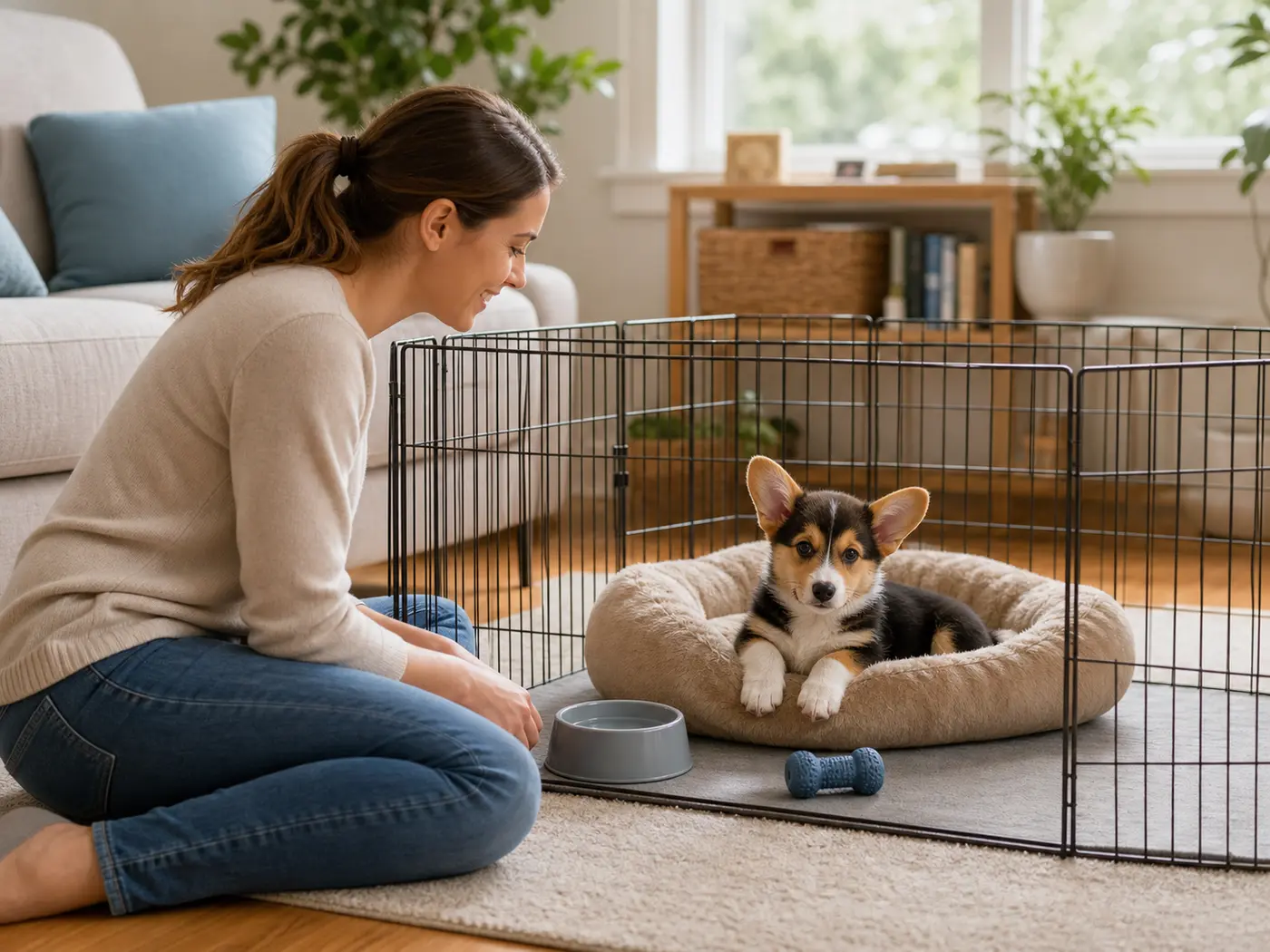
A divider lets the crate fit your puppy now without leaving a giant space that feels more like a playroom than a sleep spot.

Washable crate mat
A low-profile washable mat keeps the crate comfortable while still being easy to clean after normal puppy messes.
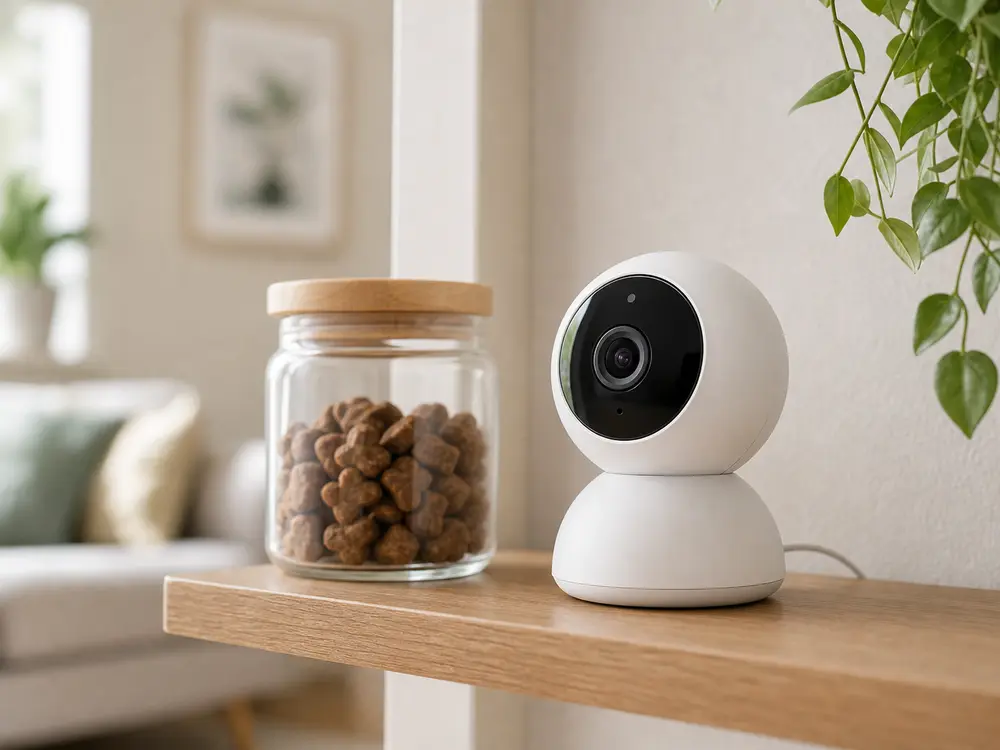
Pet camera
A camera shows whether your puppy is napping, lightly fussing, or escalating after you step away.
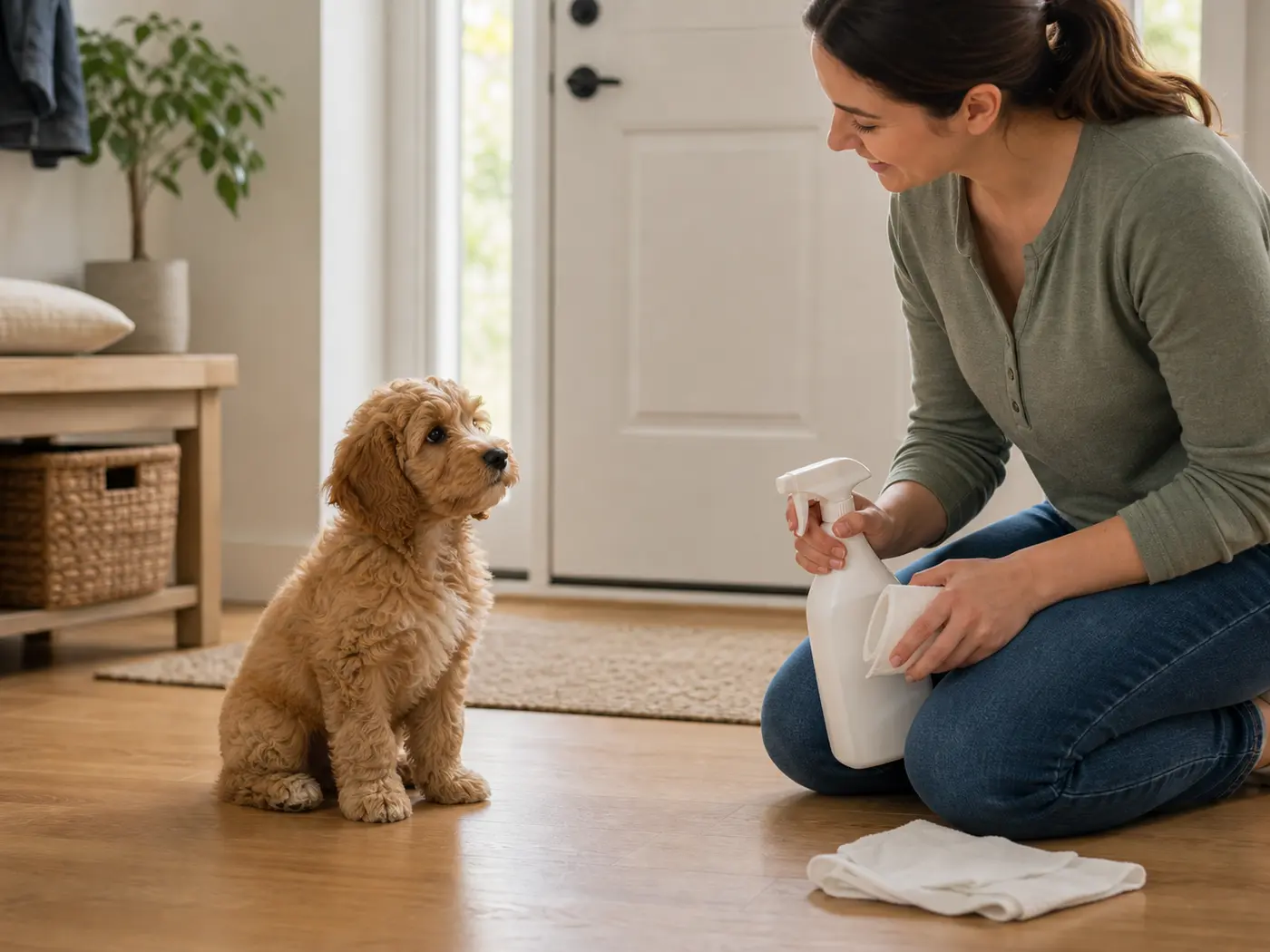
Enzyme cleaner
Useful after accidents so the crate, bedding, and nearby floor do not keep smelling like a potty spot.
Questions people ask
Should I ignore puppy crying in the crate?
Not automatically. Check potty, discomfort, fear, and whether the training moved too fast.
When should I call the vet?
Call your vet if crying comes with vomiting, diarrhea, injury signs, collapse, severe pain, or sudden unusual behavior.
What if my puppy cries every night?
Move the plan back to easier daytime comfort work, adjust the nighttime setup, and consider qualified help if distress is intense.