Updated
Puppy crate training
Do Not Punish Crate Noise
Punishing crate noise can make the crate scarier and teach your puppy to escalate instead of settle.
Crate noise is frustrating, especially when everyone is tired. Still, the answer is not to scare the puppy quiet. Change the setup, check real needs, and rebuild easier practice.
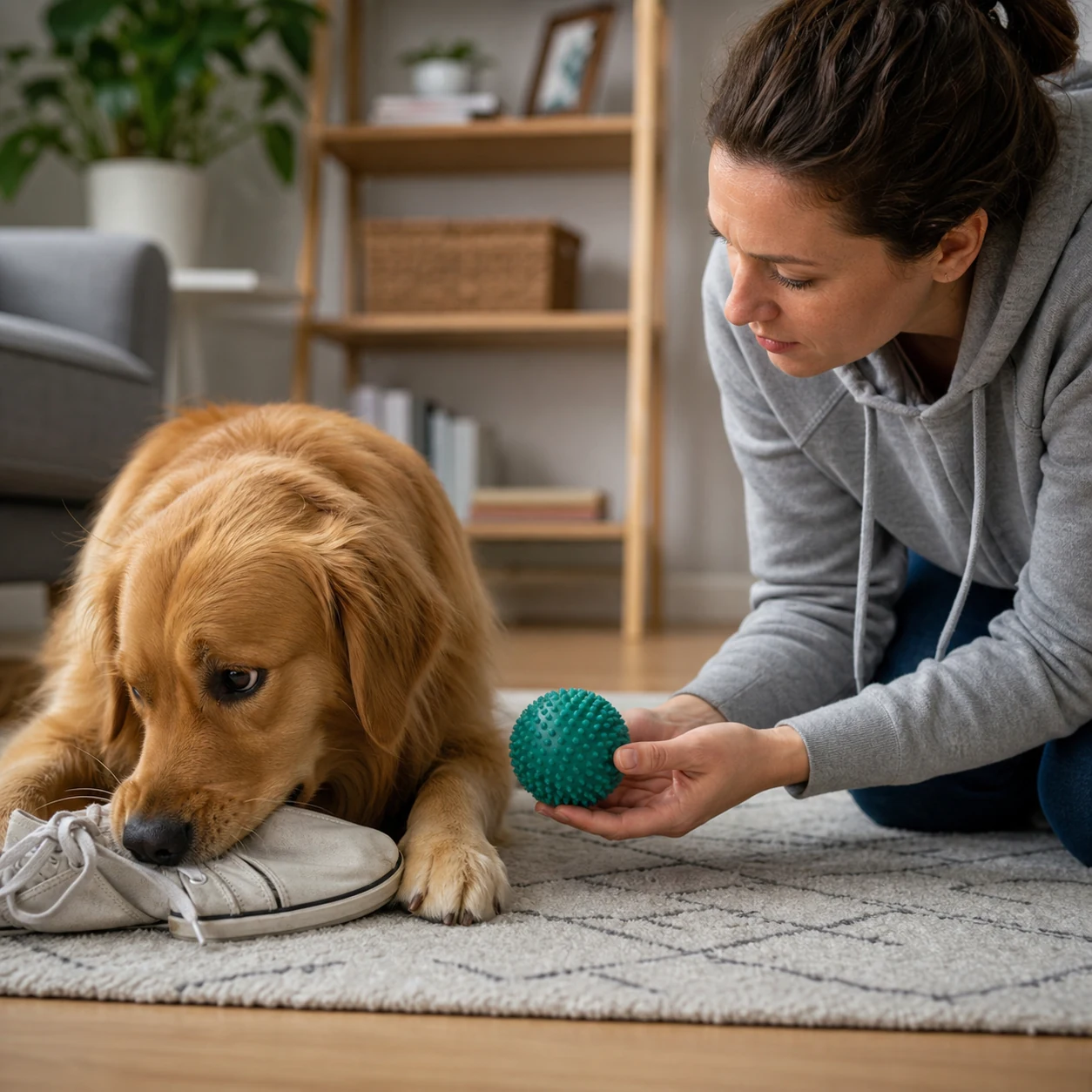
A puppy who is yelled at in the crate may get quiet for the wrong reason: fear. That can damage crate comfort and make future confinement harder.
The better question is why the noise is happening. Potty, fear, boredom, overtiredness, isolation, and too much duration all need different fixes.
Great for
- Puppies who bark, whine, or fuss during crate training.
- Owners who need a calmer troubleshooting plan.
- Families trying to keep crate training reward-based and fair.
Wait a bit if
- Your puppy is in medical distress, injured, vomiting, or having diarrhea; call your vet.
- Your puppy is panicking or trying to escape the crate.
- You need immediate safety management and cannot supervise training.
Shape the quiet routine
Pause before reacting
Take one breath and ask what the noise might mean. Potty, discomfort, and fear need help, not punishment.
Check the easy needs
Review potty timing, water, temperature, hunger, room noise, and whether the crate period was too long.
Lower the difficulty
Go back to open-door games, shorter door touches, or a closer crate spot if the current plan is too hard.
Reward quiet moments early
Catch one soft breath, a head drop, or a tiny pause before barking builds. Pay the behavior you want.
Keep exits calm
Open during a thinking moment when possible, then make the next crate session easier.
Get help for intense distress
If your puppy panics, soils from fear, drools heavily, or cannot recover, work with a qualified trainer or veterinary behavior professional.
Little things that help
Avoid scary corrections
Do not bang the crate, spray water, yell, or shake objects. Those add stress to an already hard moment.
Do not reward escalation by accident
Try to help before panic peaks. If your puppy has to scream to be heard, the plan is too hard.
Practice when rested
Daytime crate comfort work is usually more productive than fixing everything at midnight.
Helpful little extras
Affiliate links: Furball Cove may earn from qualifying purchases at no extra cost to you.
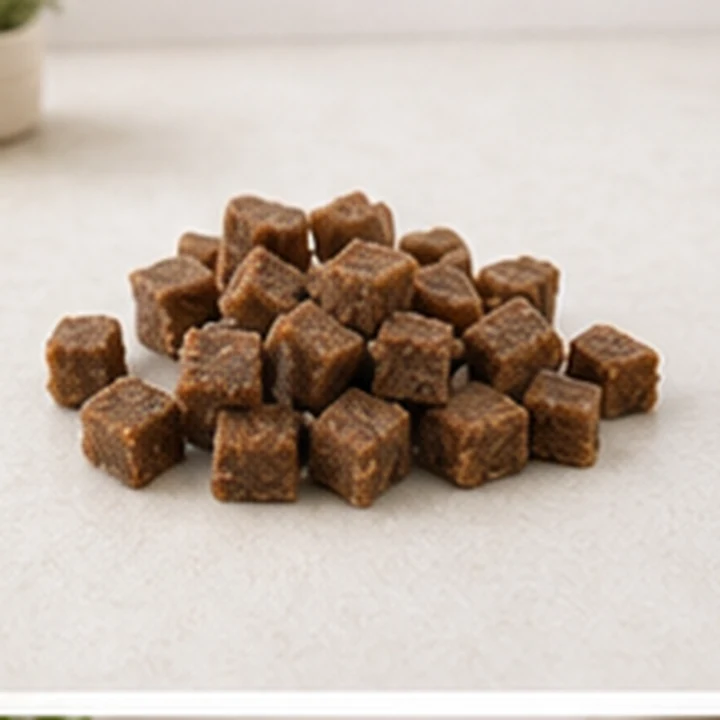
Soft puppy training treats
Tiny soft rewards let you pay crate entries, quiet door moments, and calm releases without turning the session into a feast.
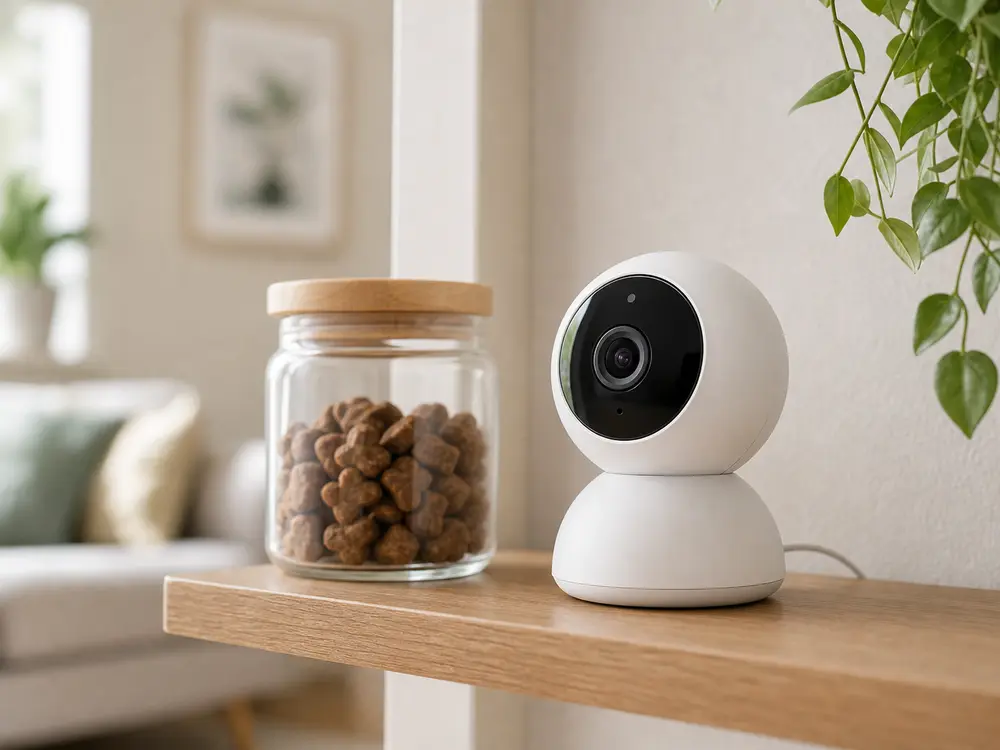
Pet camera
A camera shows whether your puppy is napping, lightly fussing, or escalating after you step away.
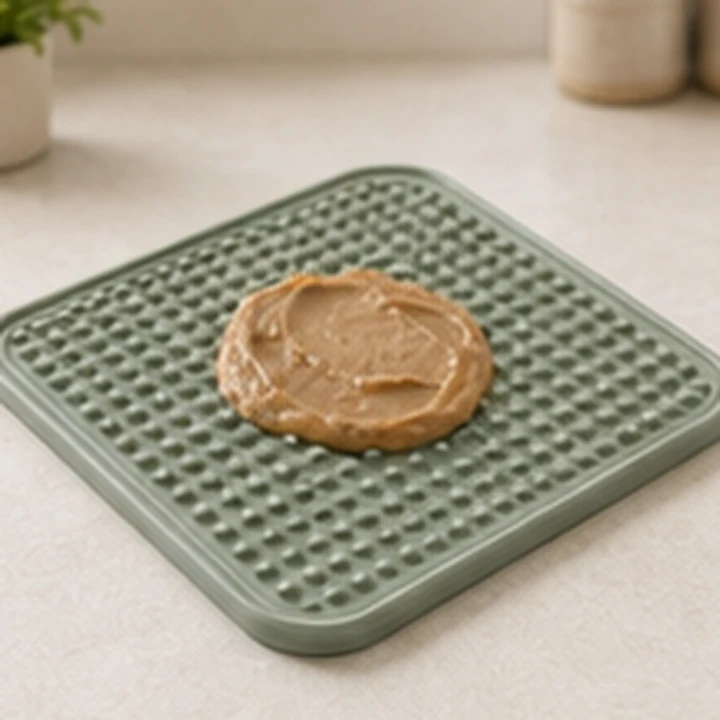
Lick mat
A thin spread on a lick mat can make daytime crate practice feel slower and calmer for puppies who already tolerate it.
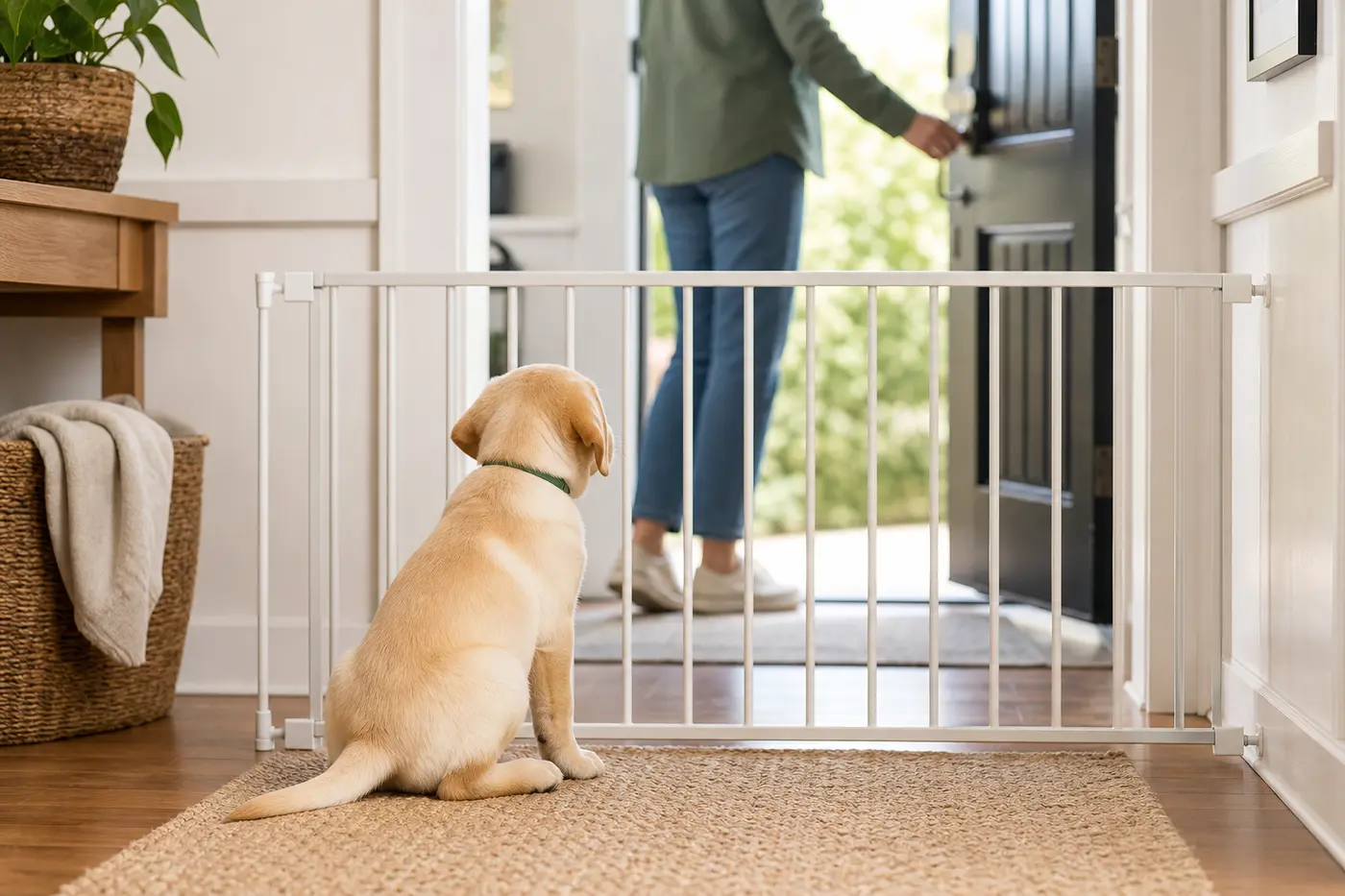
Baby gate or pen
A gate or pen lets you practice tiny absences without making the crate carry every alone-time lesson at once.
Questions people ask
Should I ignore barking in the crate?
Not as a blanket rule. First check needs and stress level, then make the next setup easier.
What should I do instead of yelling?
Lower the difficulty, reward calm moments, shorten sessions, and rebuild comfort during the day.
When is crate noise serious?
Panic, self-injury, drooling, soiling from distress, or inability to recover deserves qualified help.