Updated
Puppy crate training
Door Touches
Door touches teach your puppy that the crate door can move and reopen before worry builds.
The first goal is not time in the crate. It is trust in the door: touch, reward, open, breathe. Duration comes after that feels boring.
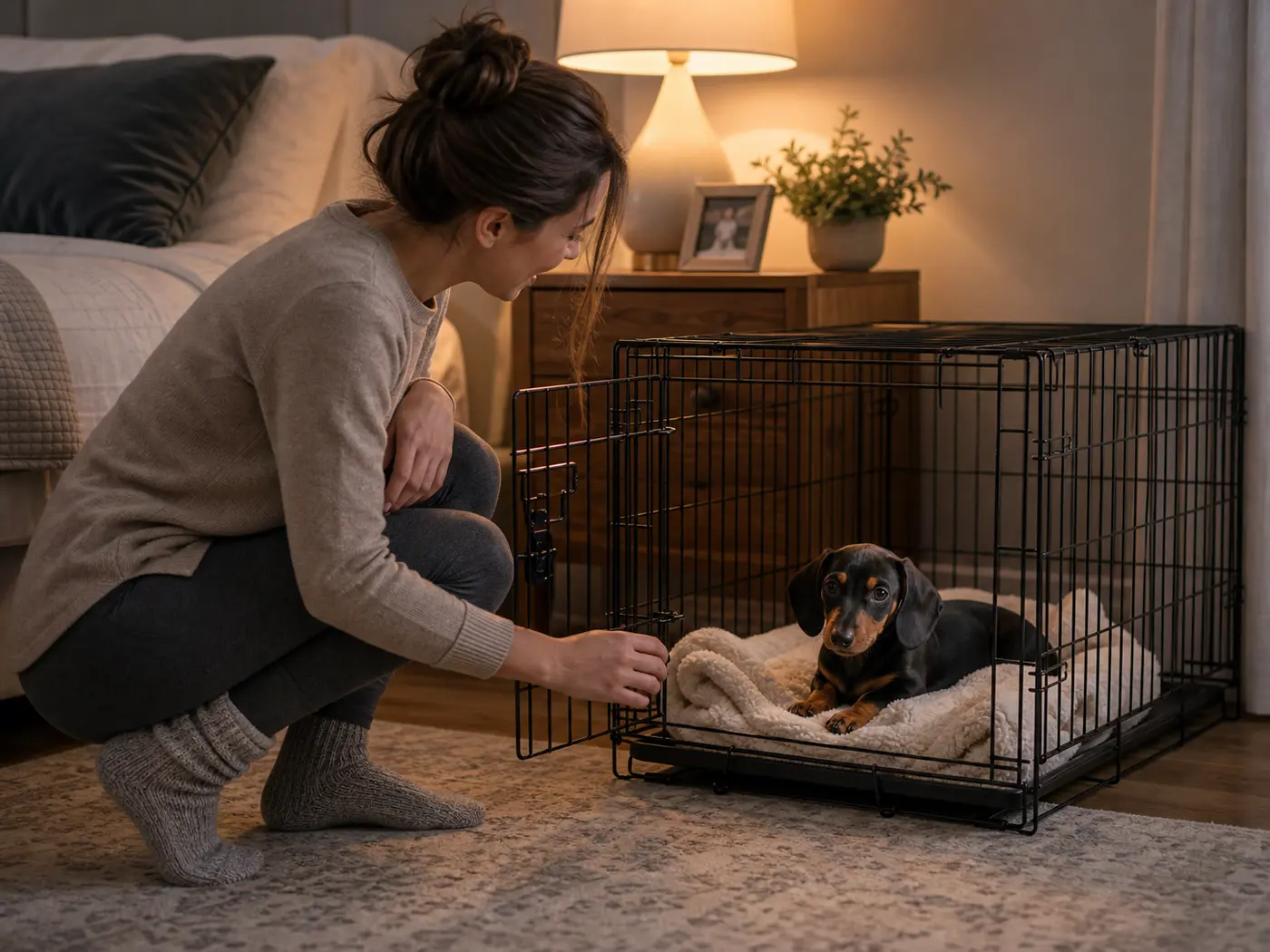
Many puppies are fine with an open crate and worried the second the door moves. That does not mean crate training failed. It means the door needs its own tiny lesson.
Keep the door work so easy that your puppy barely notices the change. You are teaching predictability, not testing endurance.
Great for
- Puppies who enter the crate willingly but worry when the door closes.
- Dogs ready to build from open-door games to short rest periods.
- Owners who can stop before whining escalates.
Wait a bit if
- Your puppy still refuses to enter the crate voluntarily.
- Your puppy is panicking, biting the bars, drooling, or soiling from distress.
- You need to leave immediately; practice door touches later when you can go slowly.
Shape the quiet routine
Start after an easy entry
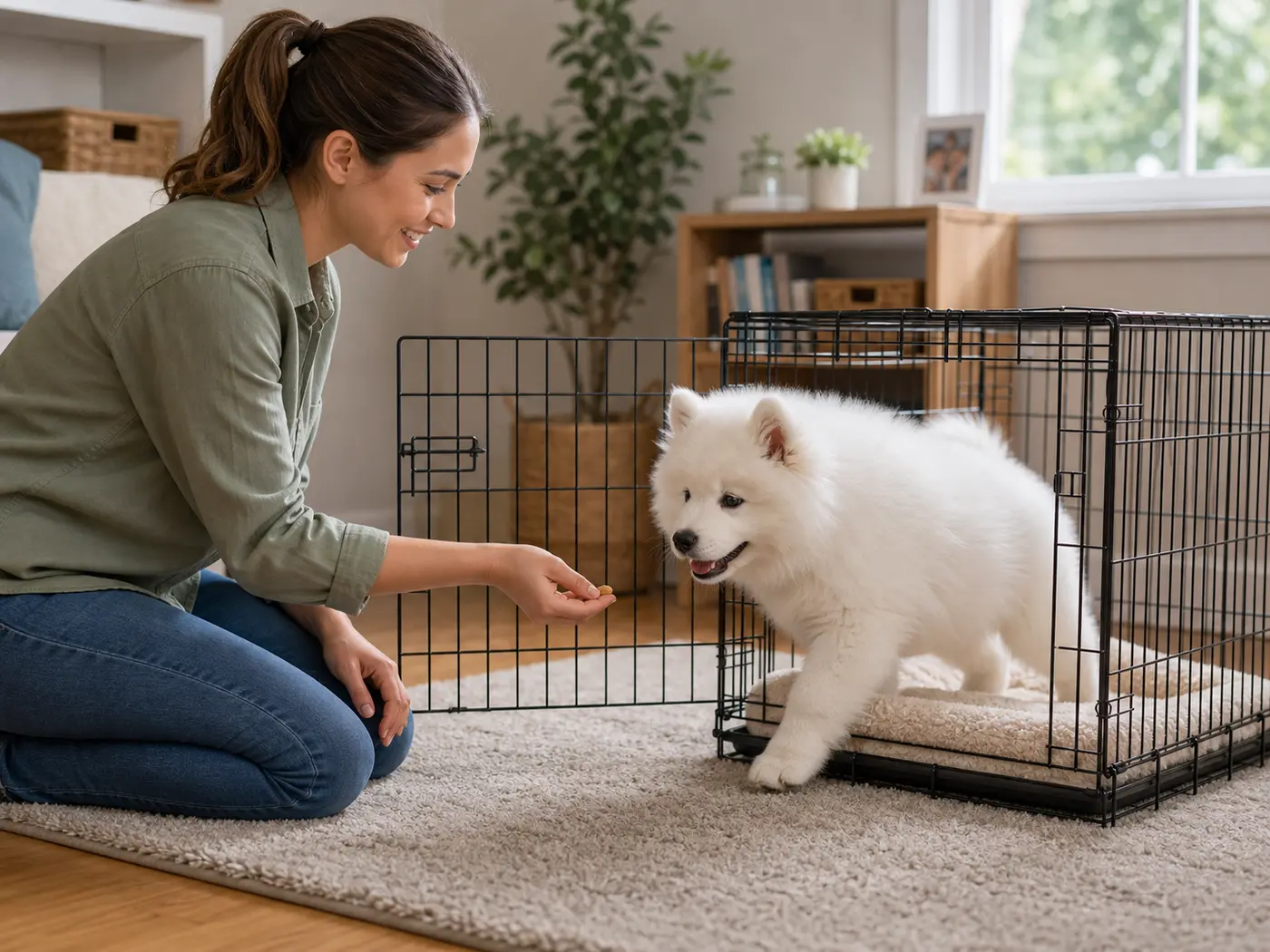
Ask for a crate entry your puppy already knows. Reward inside while the door is still open.
Touch the door, then feed
Move the door an inch, mark, feed, and open it fully again. The first rep may not close at all.
Close for one second
When door movement is boring, latch or hold the door for one calm second, feed, and open.
Release before worry
Open the door while your puppy is still loose. Waiting for crying teaches you to open after distress.
Add seconds slowly
Move from one second to two or three only after several relaxed reps. If your puppy stiffens, shorten it.
End with normal rest
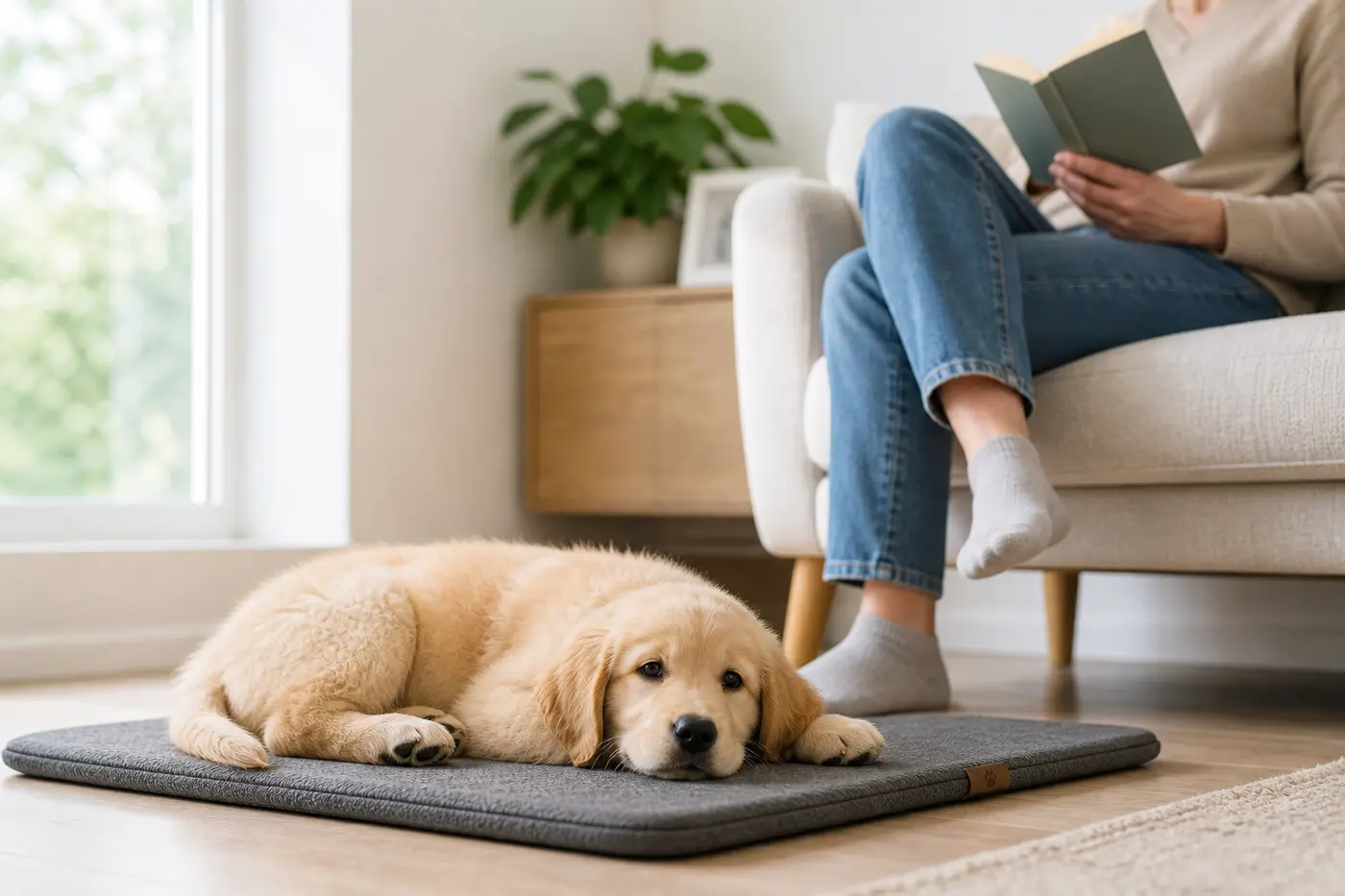
After a few clean door touches, give a potty break, a sniff, or a nap setup. Do not drill until the crate feels tense.
Little things that help
Listen for tiny stress signals
Lip licking, freezing, whale eye, or refusing food means the next rep should be easier.
Use the latch gently
A loud latch can startle puppies. Practice the sound softly and reward it.
Separate door skill from absence
Do not add leaving the room on the same day the door first closes.
Helpful little extras
Affiliate links: Furball Cove may earn from qualifying purchases at no extra cost to you.
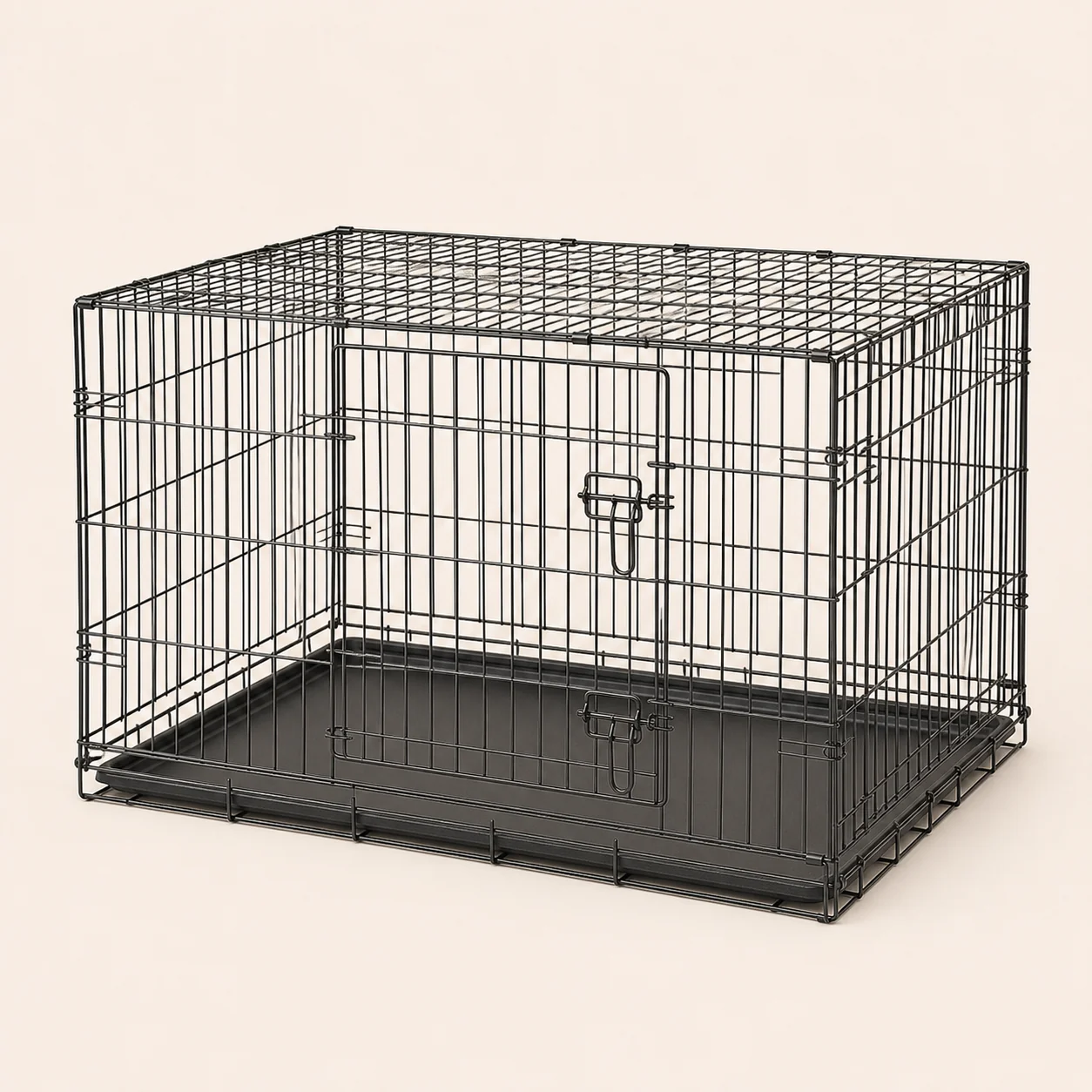
Puppy crate with divider
A divider lets the crate fit your puppy now without leaving a giant space that feels more like a playroom than a sleep spot.
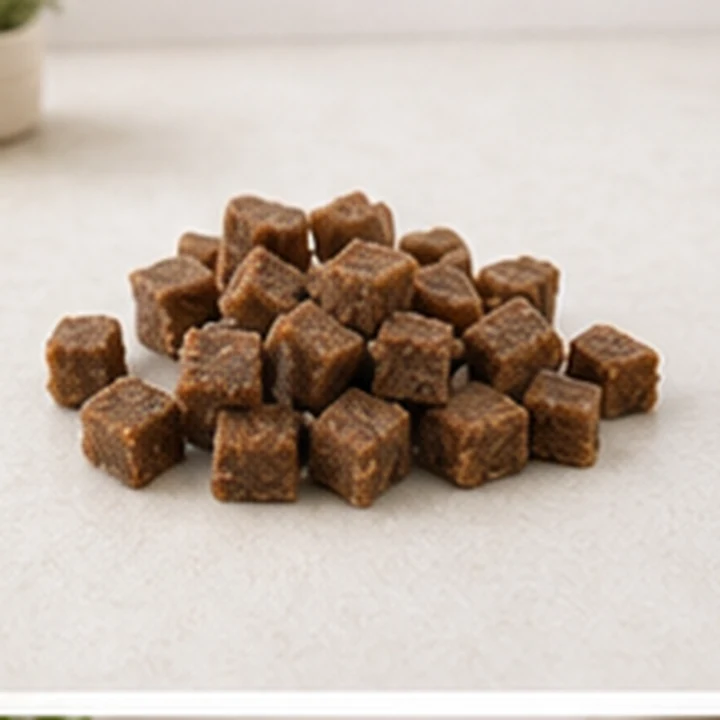
Soft puppy training treats
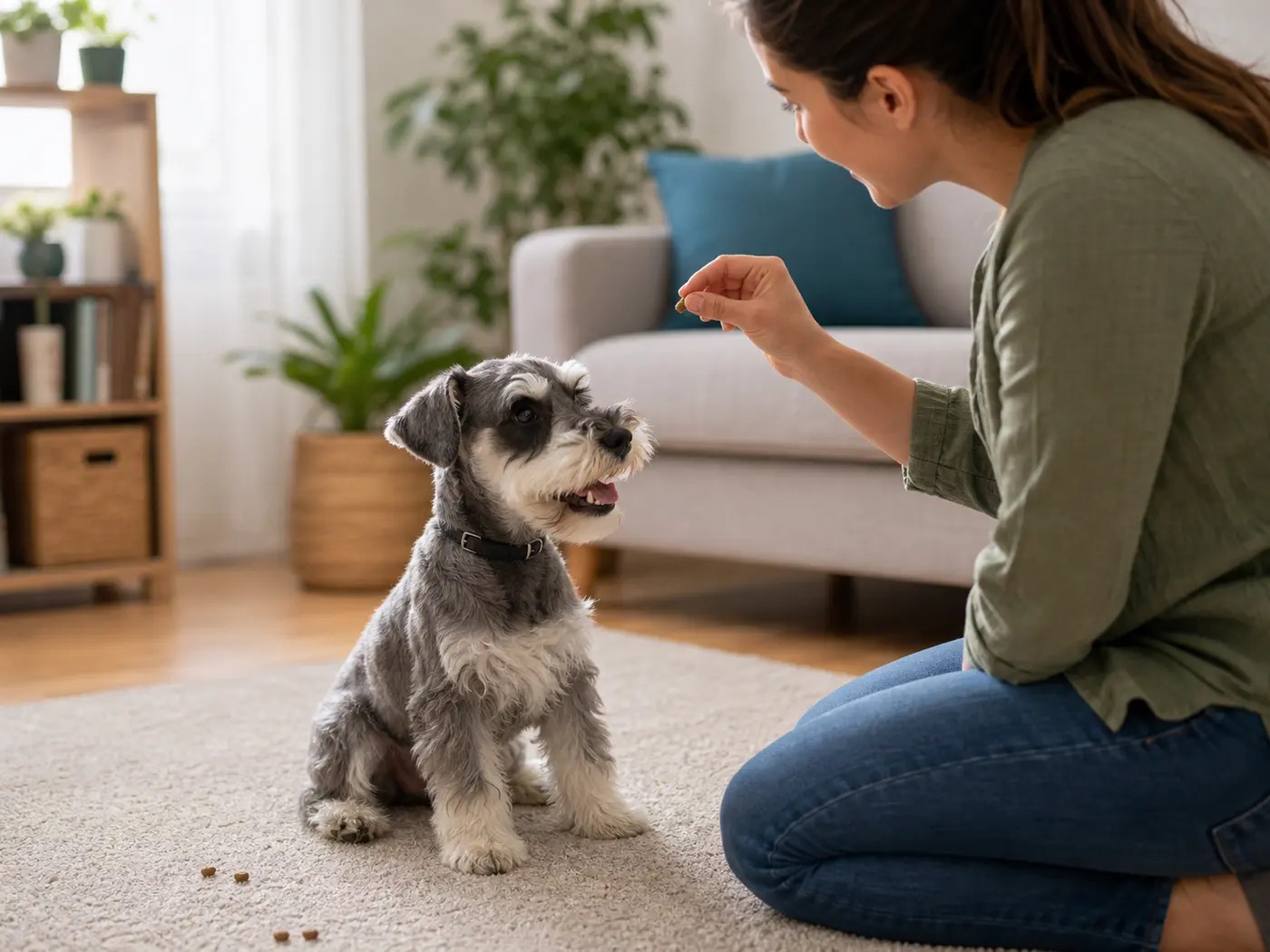
Tiny soft rewards let you pay crate entries, quiet door moments, and calm releases without turning the session into a feast.
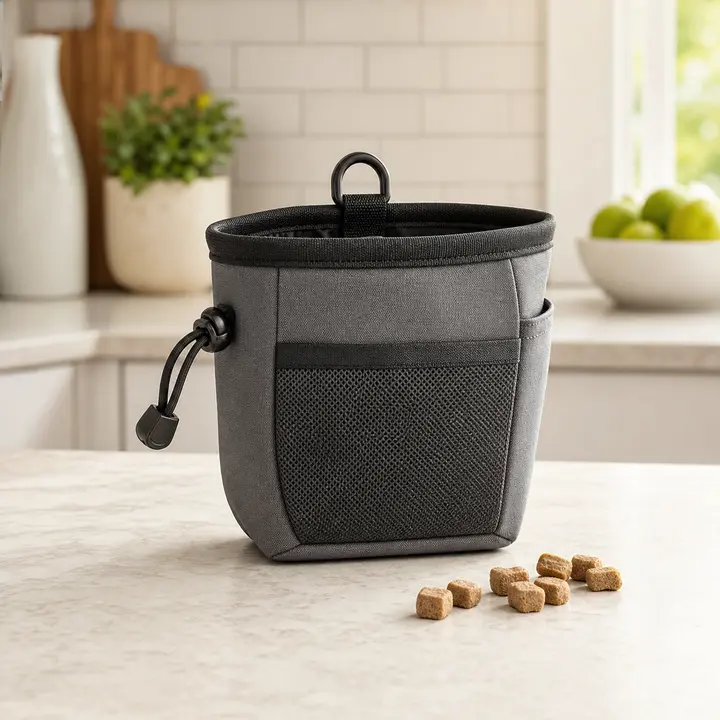
Training treat pouch
A pouch keeps rewards on you, which matters when you need to mark a one-second win at the crate door.
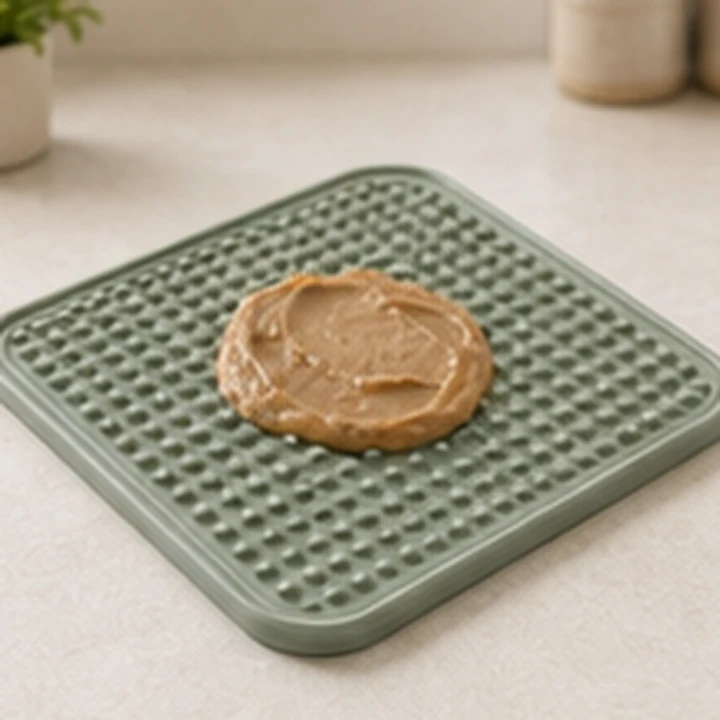
Lick mat
A thin spread on a lick mat can make daytime crate practice feel slower and calmer for puppies who already tolerate it.
Questions people ask
When can I add longer time?
When one to five seconds looks loose and boring for several sessions.
Should I ignore crying?
Do not create a pattern where your puppy has to escalate to get help. Make the next repetition easier and meet real needs like potty or comfort.
What if my puppy paws at the door?
Open before panic, reset with easier door movement, and practice after potty and gentle play.