Dog Feeding Supplies: Bowls, Storage, Scoops & Slow Feeders
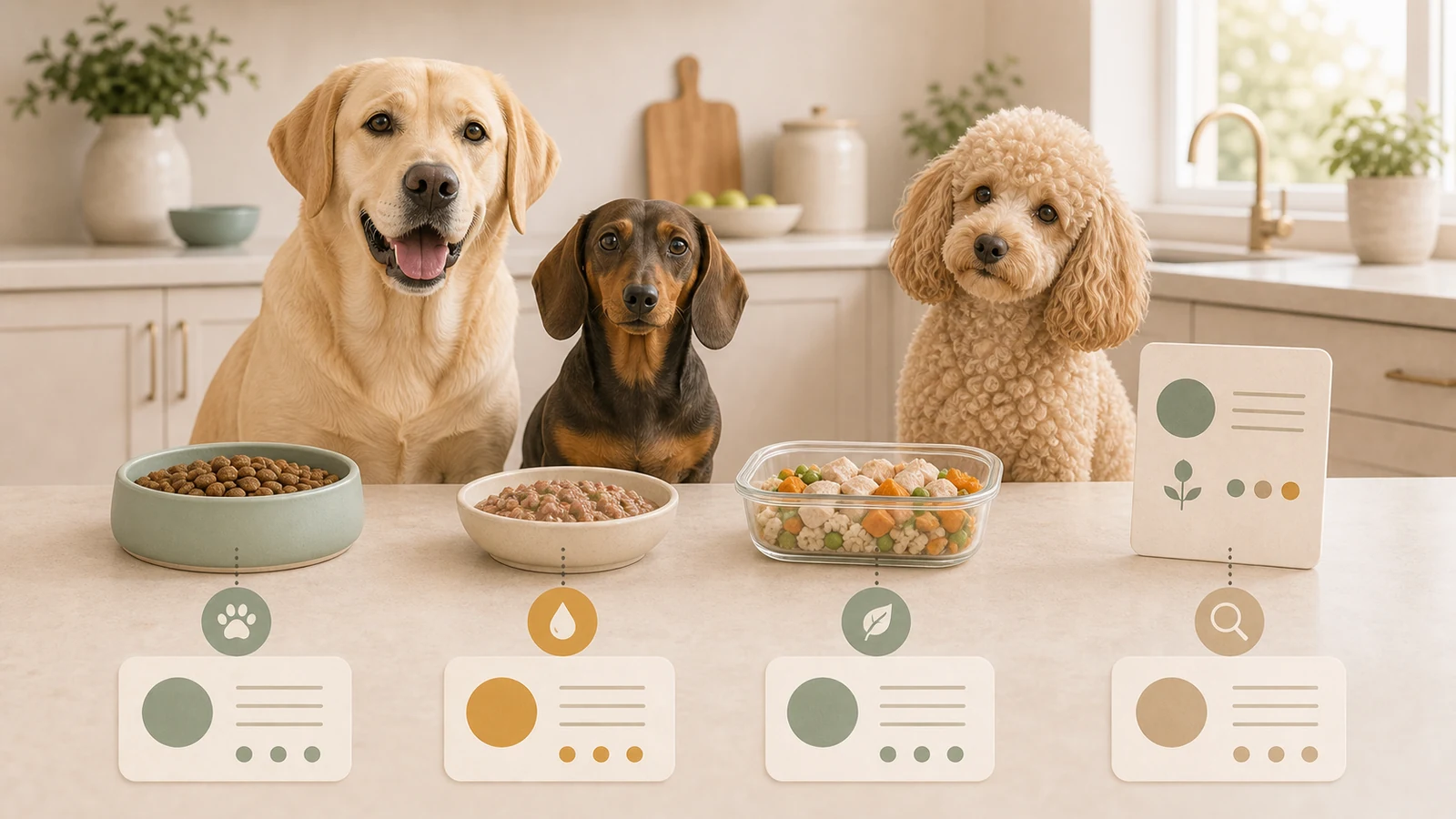
The best feeding setup is easy to wash, easy to measure, and simple enough that everyone in the house feeds the same amount the same way.
Feeding supplies should make everyday meals cleaner and more consistent. Think bowls that go in the dishwasher, food storage that seals, a scoop or scale everyone uses, and slow-feeding tools only when they match the dog.
01
Choose bowls you will actually wash
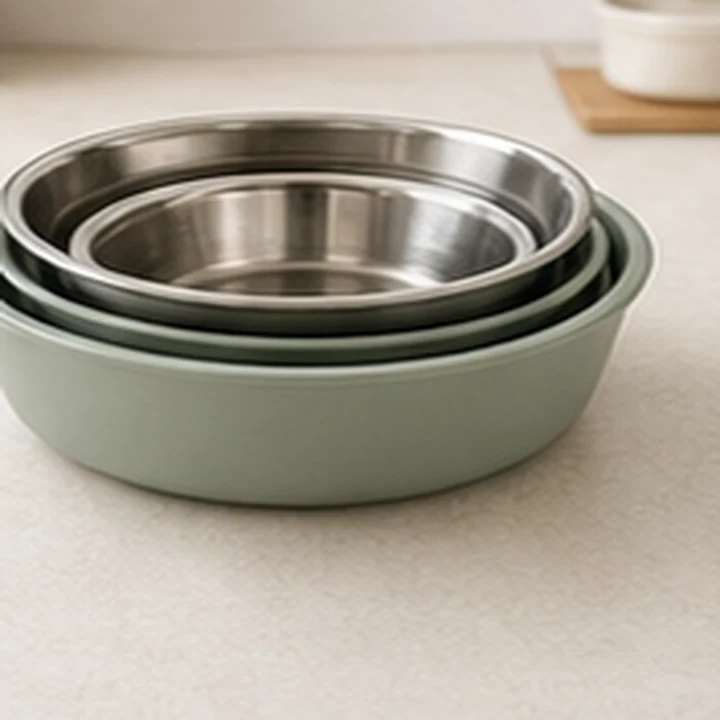
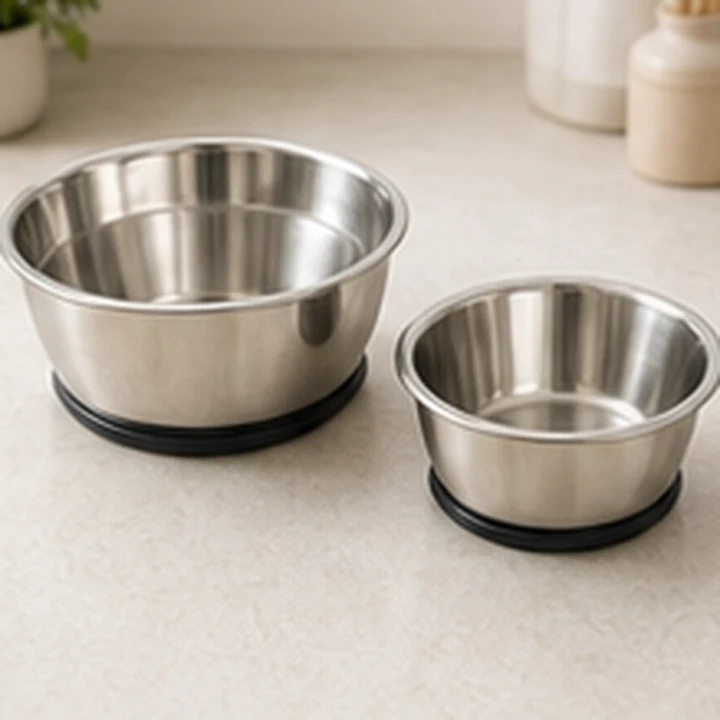
Stainless steel or other easy-clean bowls are practical for daily use. Wash food and water bowls often, especially for messy eaters, wet food, drool, or warm kitchens. A bowl that looks cute but is hard to clean usually becomes a problem by the second week.
02
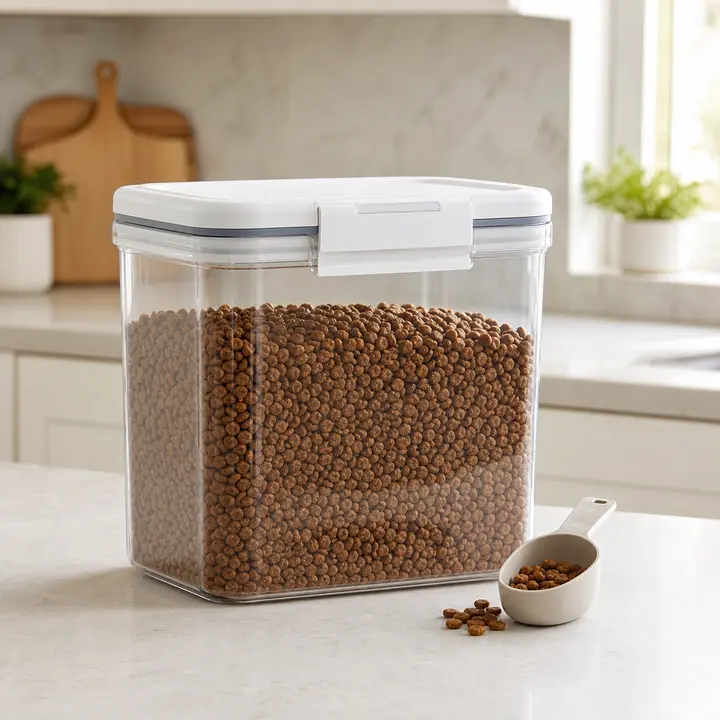
Store food like freshness matters
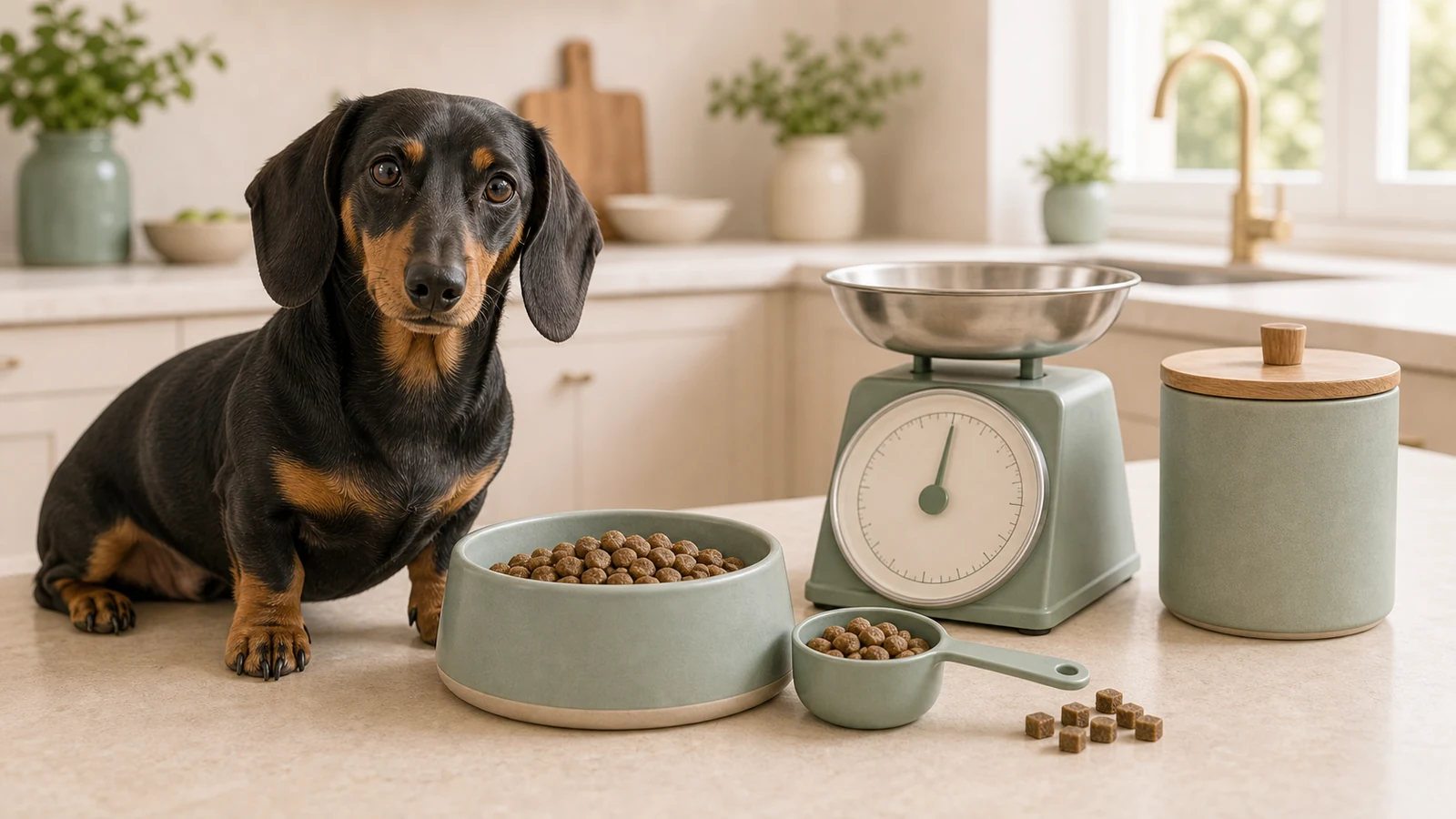
Use sealed storage, keep the original bag information if possible, and avoid pouring old food into fresh food without cleaning the container. Smell the food, watch dates, and keep the bin away from heat, humidity, and curious dogs who can open lids.
03
Measure the routine, not the guess
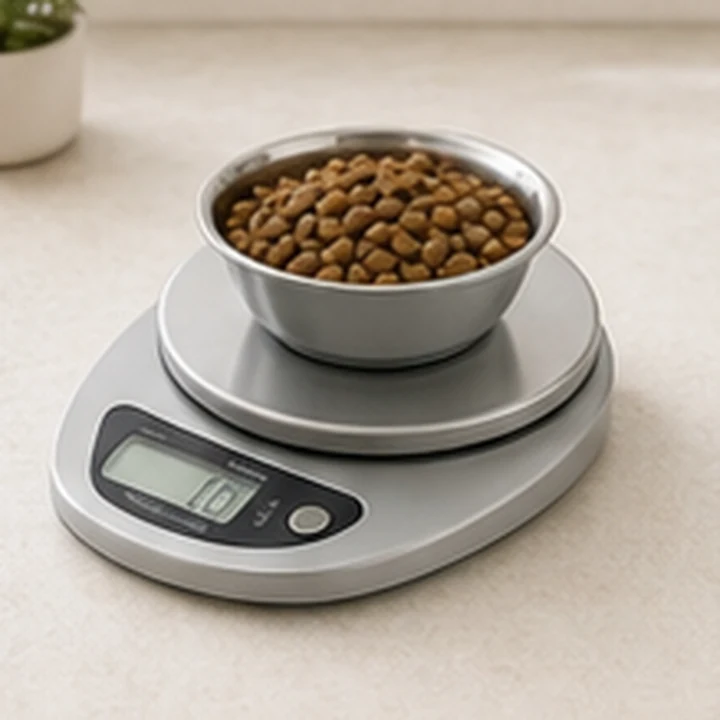
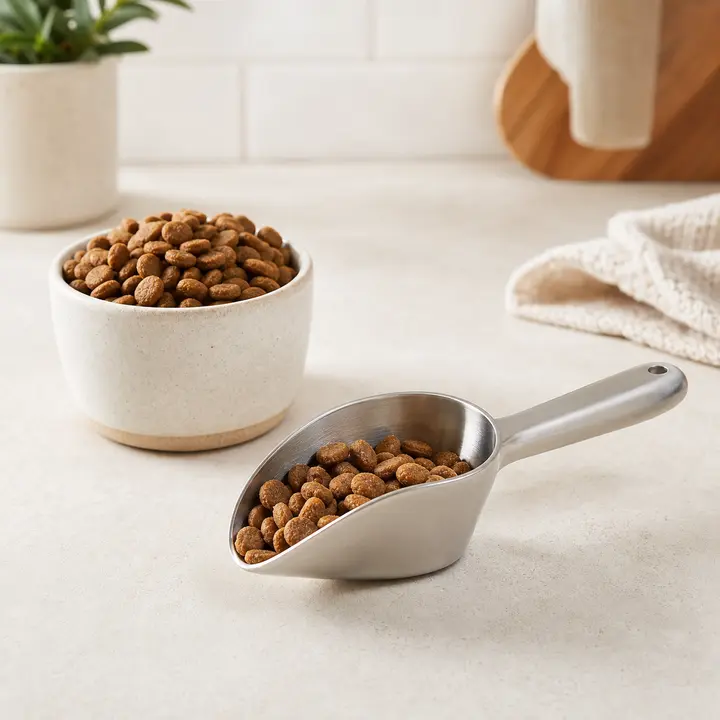
A scoop is useful only if everyone knows how full it should be. A small scale is even better for precise portions, especially for small dogs, weight plans, or food that varies by shape. If weight is changing, ask your vet what body condition and portion target make sense.
04
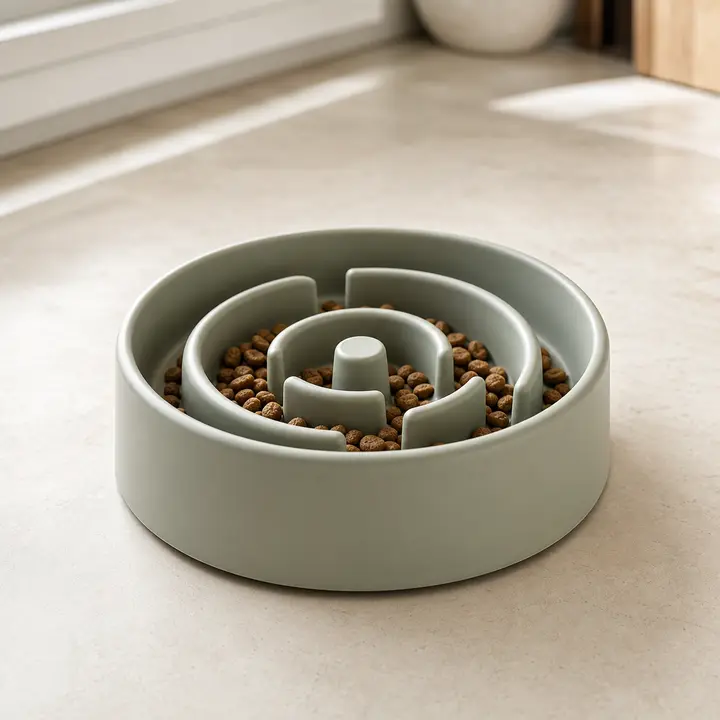
Use slow feeders for the right problem
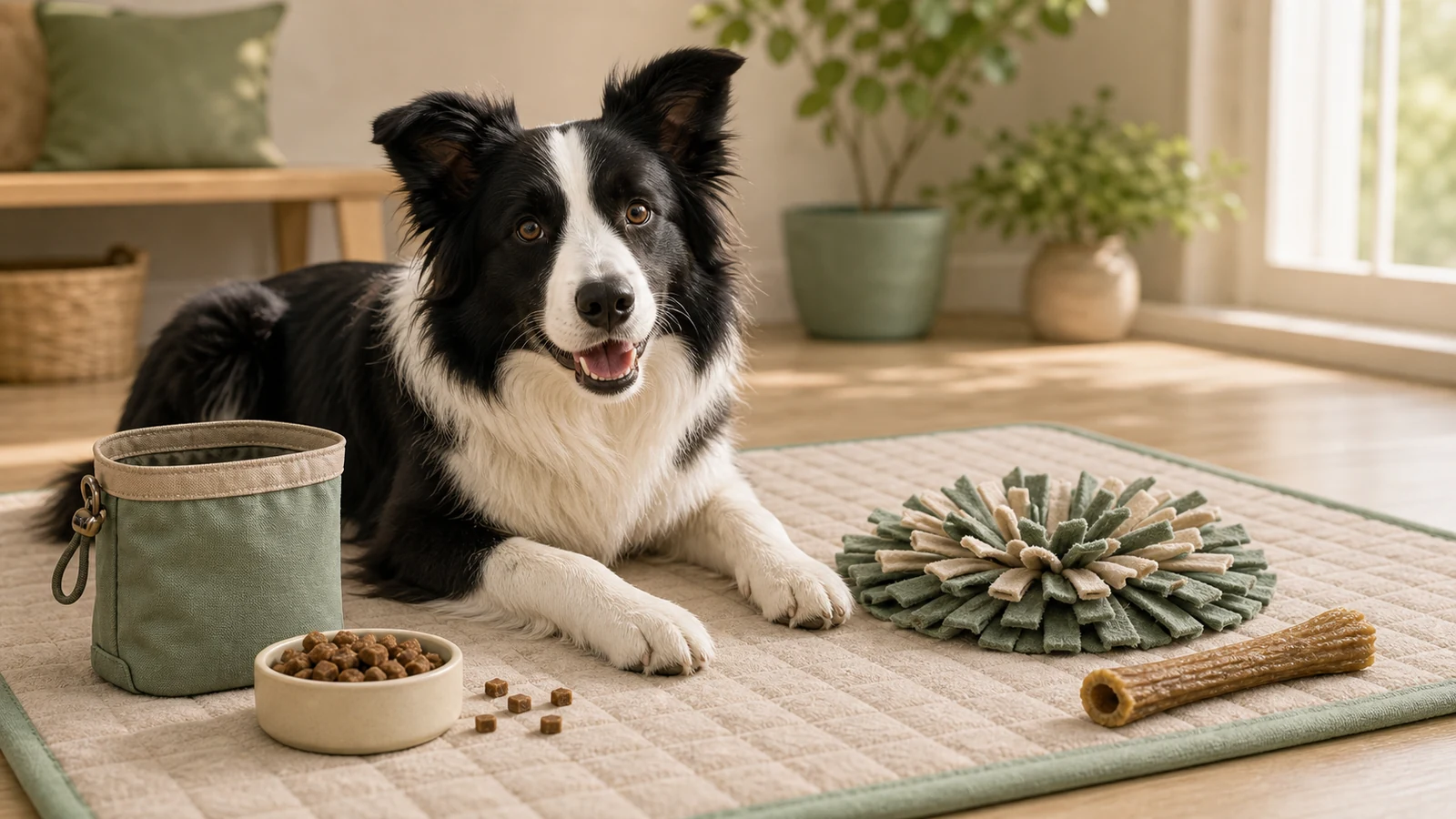
Slow feeders can stretch mealtime for dogs who gulp food, but they are not a cure-all. Choose a design your dog can use without frustration, and wash all the grooves. If eating speed comes with coughing, choking, vomiting, or bloat concerns, talk with your vet.
05
Keep the meal area clean and calm
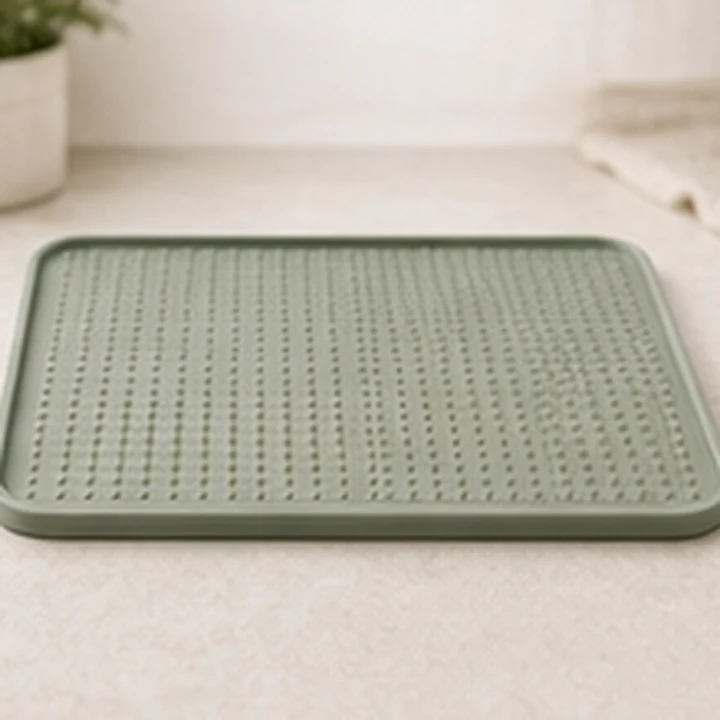
A silicone mat catches spills and keeps bowls from skating across the floor. Feed dogs separately if one guards food, crowds another dog, or steals leftovers. Resource guarding is a training and safety issue, so bring in a qualified trainer instead of testing it.
06
Make travel meals boring
Travel bowls, a small food container, and water from home can prevent the scramble of feeding from a torn bag in the car. Pack extra food for delays, keep medications separate, and call your vet before travel if your dog has appetite, vomiting, or diarrhea issues.
Quick checks
Food and water bowls are washable, stable, and the right size for your dog's muzzle.
Food is sealed, dated, and stored away from heat, humidity, pests, and dogs who raid bins.
Portions are measured the same way by every person who feeds the dog.
Next steps
Use a scale for small dogs, weight plans, or foods where scoop size leads to big swings.
Try a slow feeder only if it lowers gulping without causing frustration or skipped meals.
Ask your vet about vomiting, diarrhea, choking, weight change, appetite loss, or suspected bloat.
Feeding supplies that make meals cleaner
These tools keep meals measurable, washable, and easier to repeat the same way every day.
Affiliate links: Furball Cove may earn from qualifying purchases at no extra cost to you.