Updated
Dog food guide
Dog Treats and Chews: Keep the Fun, Count the Extras
Treats are part of the food picture. Keep them small, count them toward the day, and choose chews that fit your dog's size, chewing style, and health.
Quick answer for real life
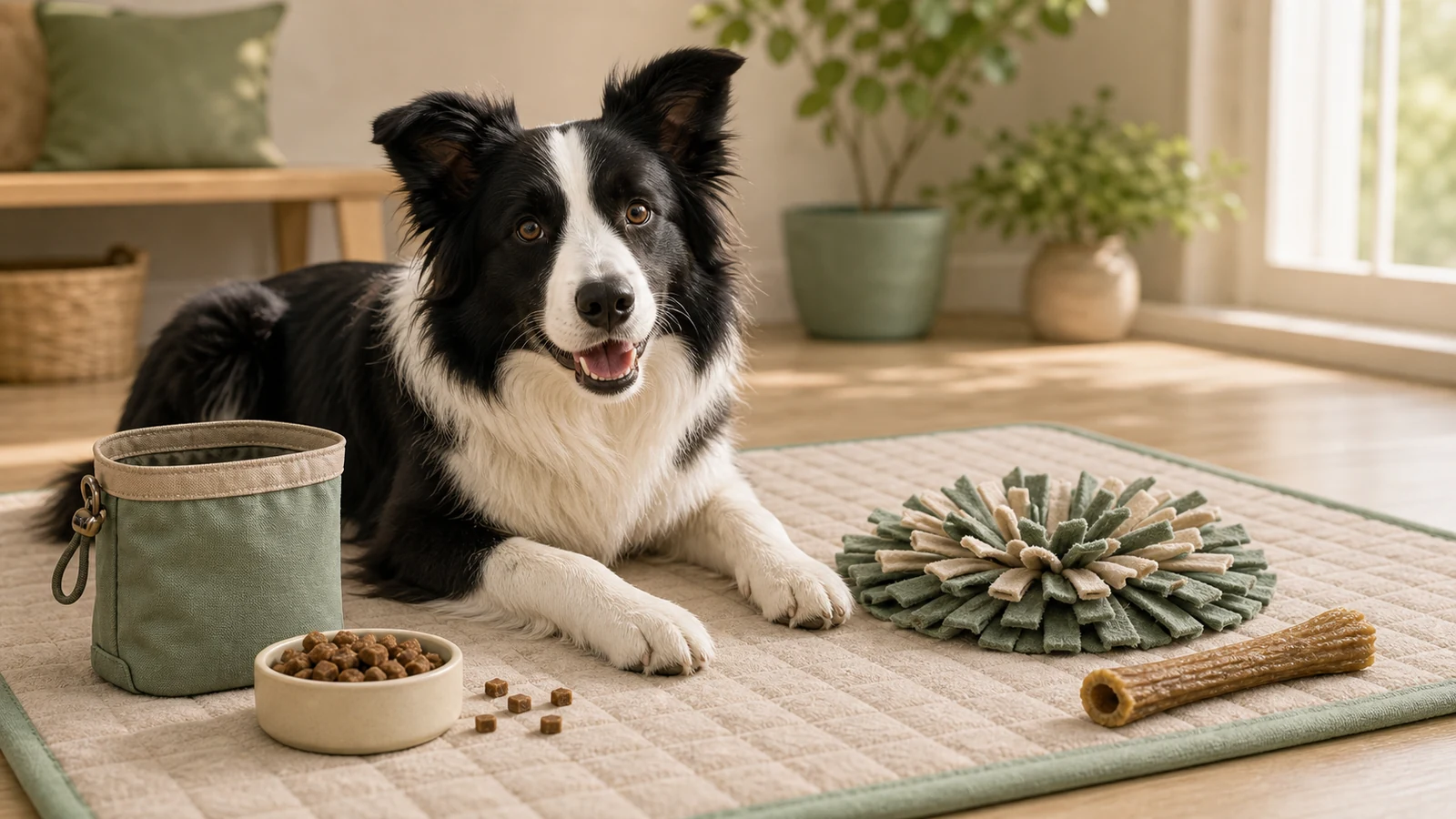
Treats are food, even when they are tiny and given with love. Chews are activities, but they can still add calories and need supervision.
Start with the normal day: training rewards on the walk, a biscuit after breakfast, a chew during your meeting, and maybe table scraps at dinner. Measure the meal, count the extras, and check whether the pattern repeats tomorrow. A common pattern is a dog who eats a normal dinner but also gets rewards from three different people. Write down the extras before you adjust the bowl.
Treat calories
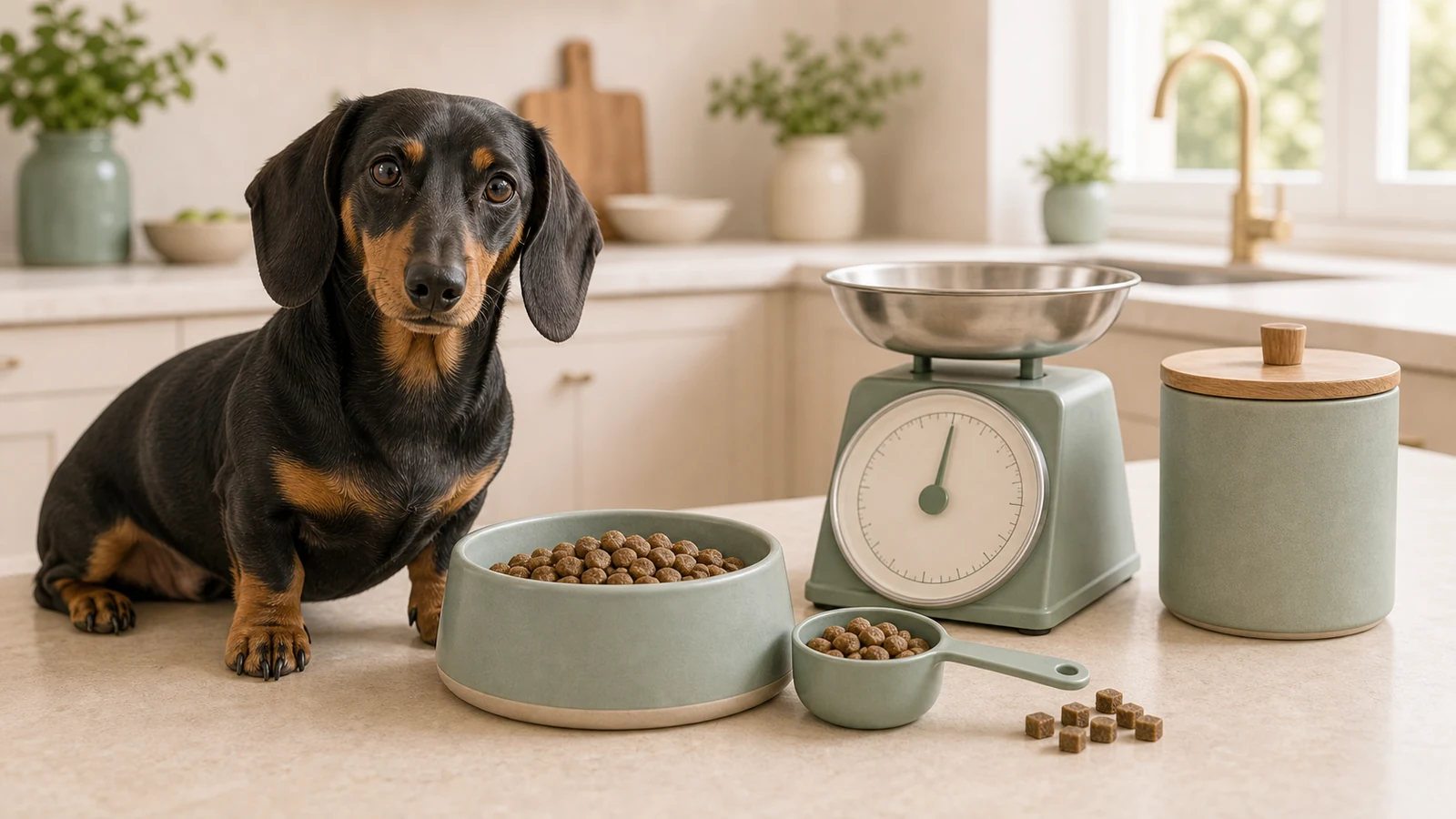
A small dog can eat a surprising amount from rewards that look harmless. A large dog can still gain weight if every walk, visitor, and crate cue comes with a full-size snack.
Try putting the day's rewards in one cup. When the cup is empty, use praise, play, sniffing time, or food from the measured meal instead of opening another bag. For example, if your dog gets a biscuit after breakfast, treats on the walk, and a chew while you work, write that down before changing dinner.
Training treats
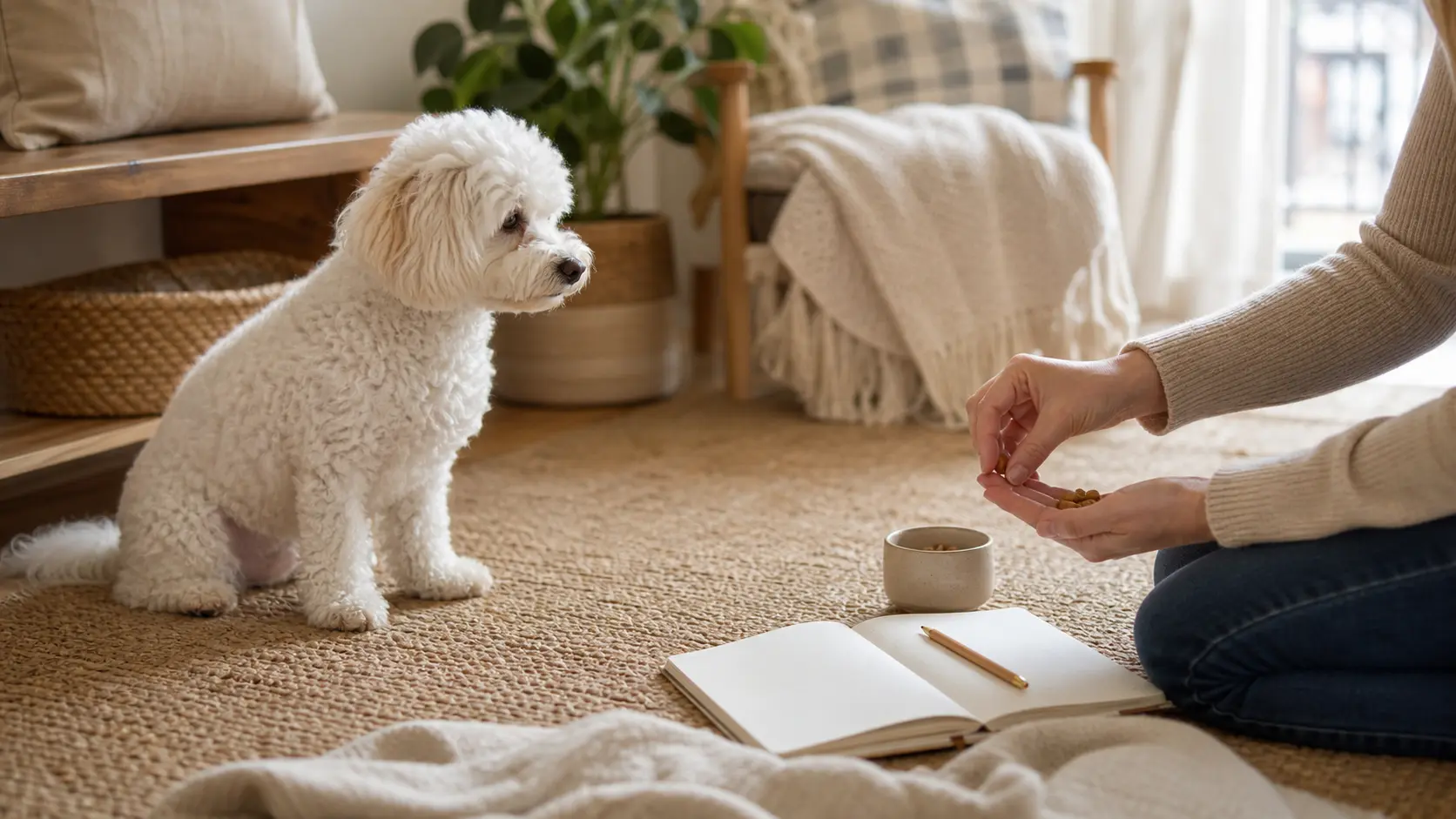
Training works better when rewards are easy to deliver quickly. Soft treats broken into tiny pieces often work better than one big biscuit that takes a long time to chew.
For a dog learning recall, leash manners, or calm greetings, keep sessions short and reward the behavior you want. If your dog gets many rewards, use part of the measured meal for practice. When your dog is learning a new skill, try ten tiny rewards instead of ten full snacks. For example, one dog may need frequent rewards for door manners, while another only needs a small bedtime biscuit. Look for the smallest reward your dog still cares about.
Chews and supervision
Chews should fit the dog in front of you: mouth size, age, dental comfort, chewing force, and history of swallowing chunks. Harder is not always safer.
Watch your dog with a new chew. Take it away when it becomes small enough to swallow, sharp, splintery, or too frustrating. If your dog guards chews, work with a qualified trainer instead of testing the problem at home. If your dog is a senior with tender teeth or a young power chewer, choose with that dog in mind. Think of one dog who nibbles calmly and another who tries to swallow the last piece whole. Some dogs need a chew taken away sooner than you expect.
Picky eaters and treats
Treats can make regular food look boring. If your dog skips breakfast but eats rewards on the walk, the issue may be the routine, not the food.
For a bright, playful dog who only refuses the bowl, try a predictable plan and stop letting snacks become the first meal. For appetite loss, vomiting, diarrhea, pain, or tired behavior, call your vet. Look for the pattern: if your dog skips breakfast but happily works for treats outside, the routine may be part of the issue. If dinner gets ignored after a snack-heavy afternoon, some dogs are telling you the extras came first. Check whether treats are coming before the meal often enough to matter.
How to use treats and chews
- Choose the job Use treats for training and chews for supervised settling or enrichment.
- Make rewards tiny Break soft treats into pieces your dog can swallow quickly.
- Count the day Include treats, chews, toppers, pill pockets, and table scraps.
- Match the chew Choose based on your dog's size, teeth, age, chewing style, and health.
- Supervise chewing Remove pieces that become small, sharp, splintery, or swallowable.
- Call your vet Ask about choking, broken teeth, swallowed chews, vomiting, diarrhea, itching, or suspected toxic foods.
When to ask your vet
Ask your veterinarian about treats and chews if your dog is a puppy, senior, overweight, has dental disease, pancreatitis risk, allergies, a sensitive stomach, or a medical diet.
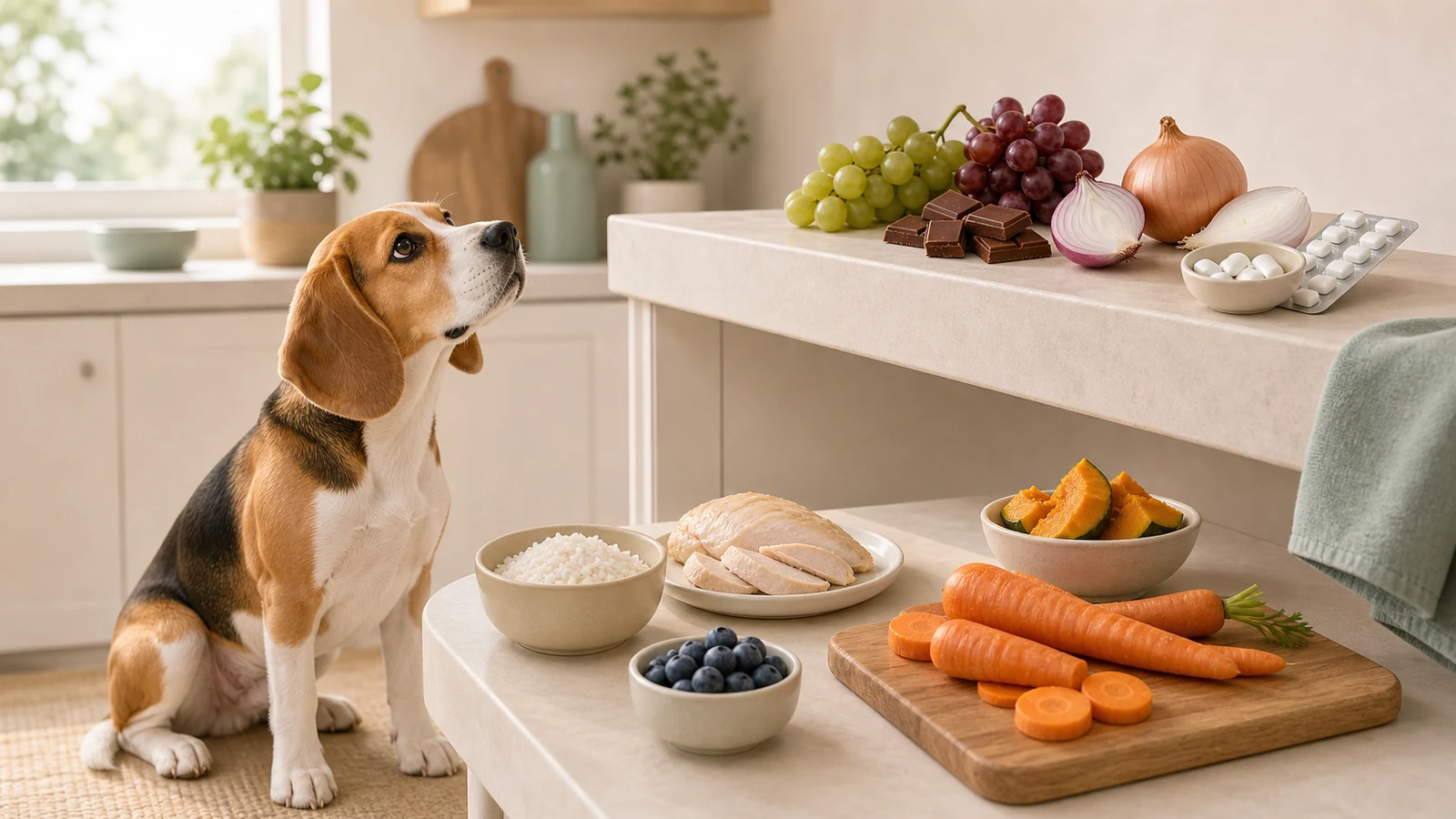
Call sooner for choking, broken teeth, swallowed chew pieces, repeated vomiting, diarrhea, blood, severe itching, weakness, or a suspected toxic food. Bring the package or a photo to your vet if you have it.
Helpful treat, chew, and enrichment supplies
Choose tools that keep rewards small, supervised, and easy to count with the day's food.
Affiliate links: Furball Cove may earn from qualifying purchases at no extra cost to you.
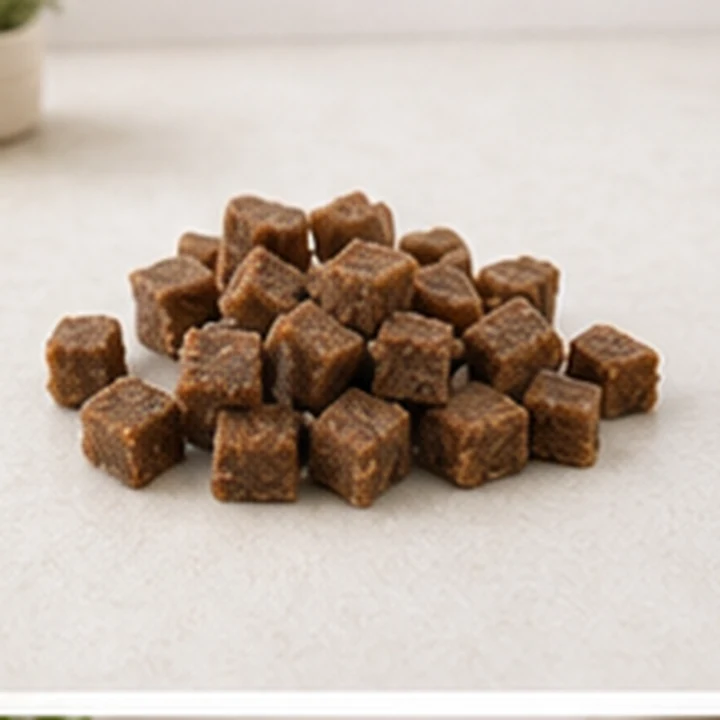
Small soft training treats
Tiny rewards are easier to use often without turning training into a second meal.
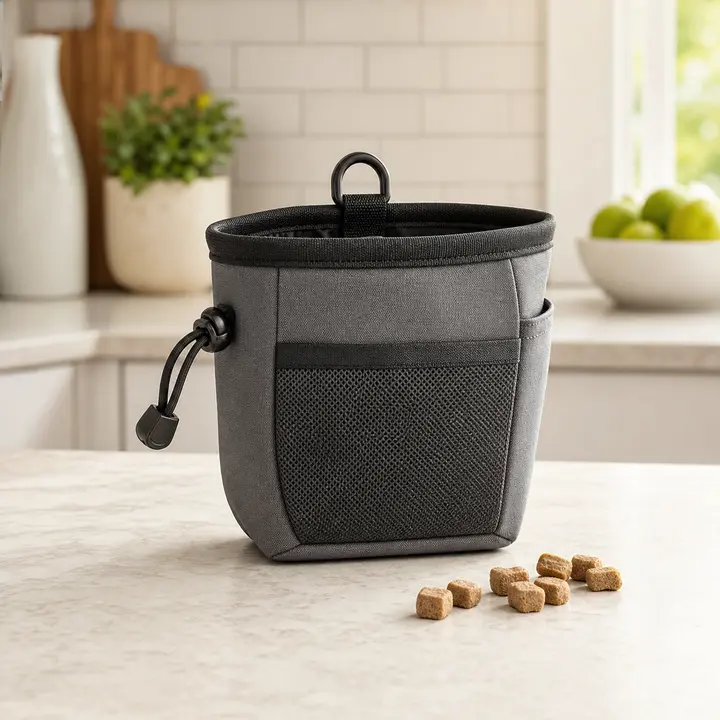
Treat pouch
Keeps a measured reward budget handy for walks, recall practice, and door manners.
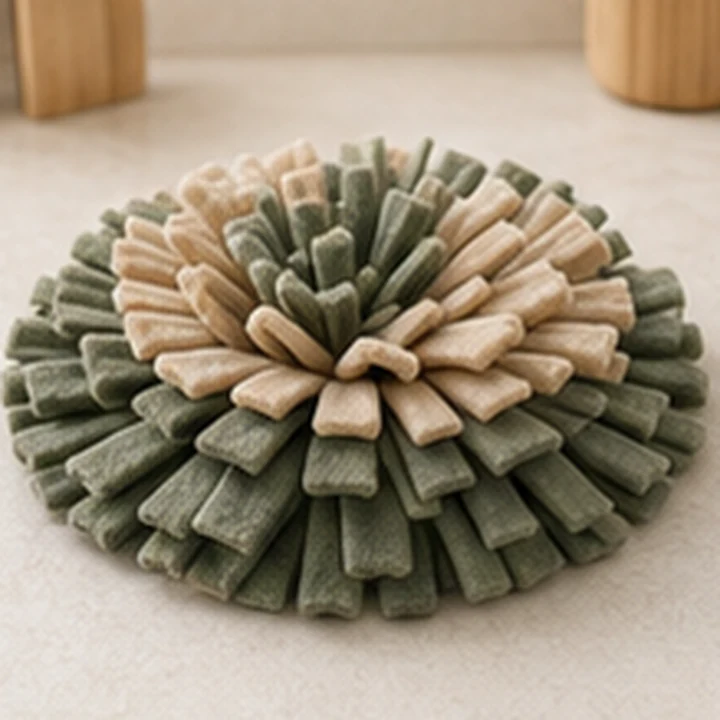
Snuffle mat
Turns part of the measured meal into sniffing enrichment instead of adding more snacks.
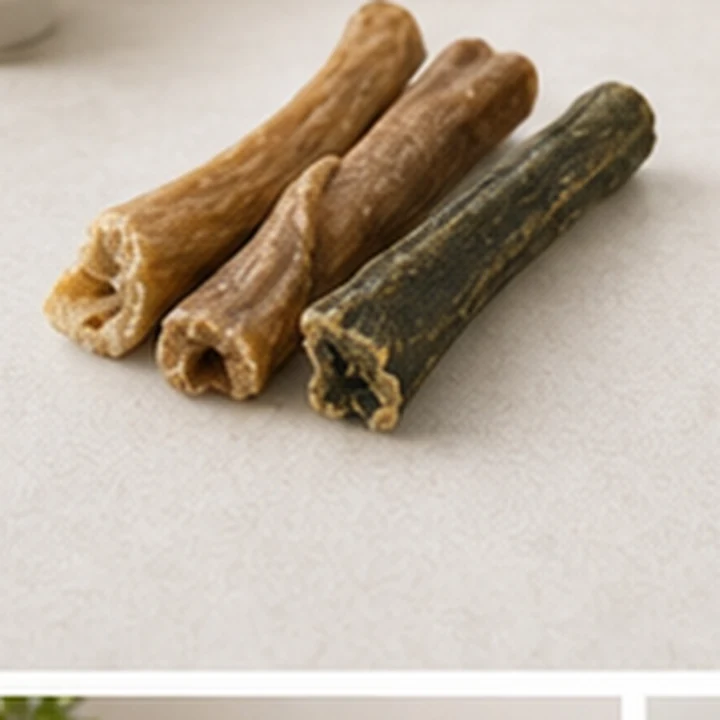
Long-lasting supervised chews
Gives your dog a quiet chewing job when the size, texture, and wear are watched closely.
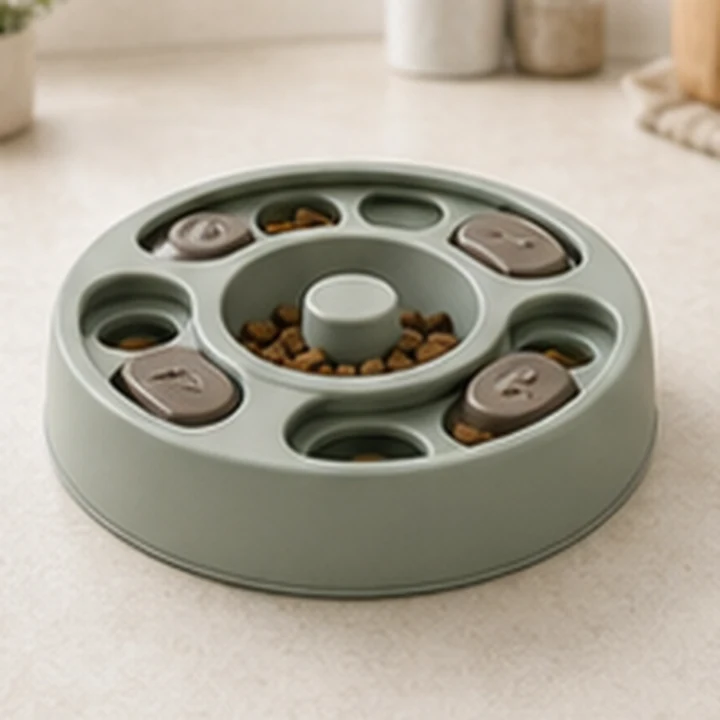
Treat-dispensing toy
Stretches a few treats into a longer activity and works well for short indoor resets.
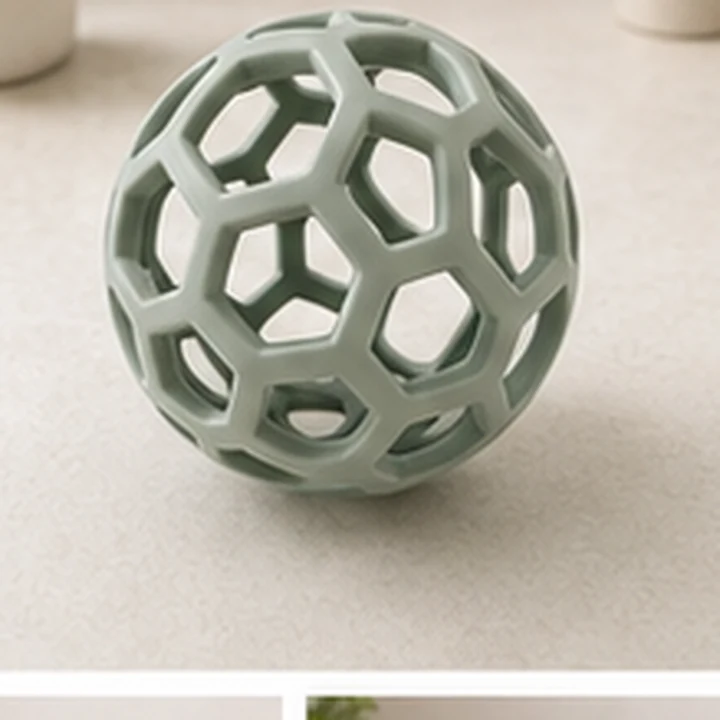
Food puzzle ball
Adds movement and problem solving when you use measured kibble or tiny rewards.
Common questions
How many treats can my dog have?
Keep extras small and count them with the day's food. Ask your veterinarian for a precise limit if your dog is a puppy, senior, overweight, or has a medical condition.
Are natural chews always safe?
No. Natural does not mean risk-free. Hard, brittle, splintery, or swallowable chews can hurt teeth or become choking and swallowing risks.
Can I use part of dinner for training?
Yes. Using some measured kibble or food from the day's portion can keep training frequent without adding as many extra calories.