Who are you feeding?
- A puppy who is still growing.
- An adult dog with steady weight.
- A senior dog whose chewing or appetite has changed.
- A large-breed puppy with careful growth food.
Updated
Dog food
Dry, wet, fresh, raw, and homemade food can all sound convincing. Start with life stage, label, calories, budget, and the kind of mealtime you can repeat on a normal week.
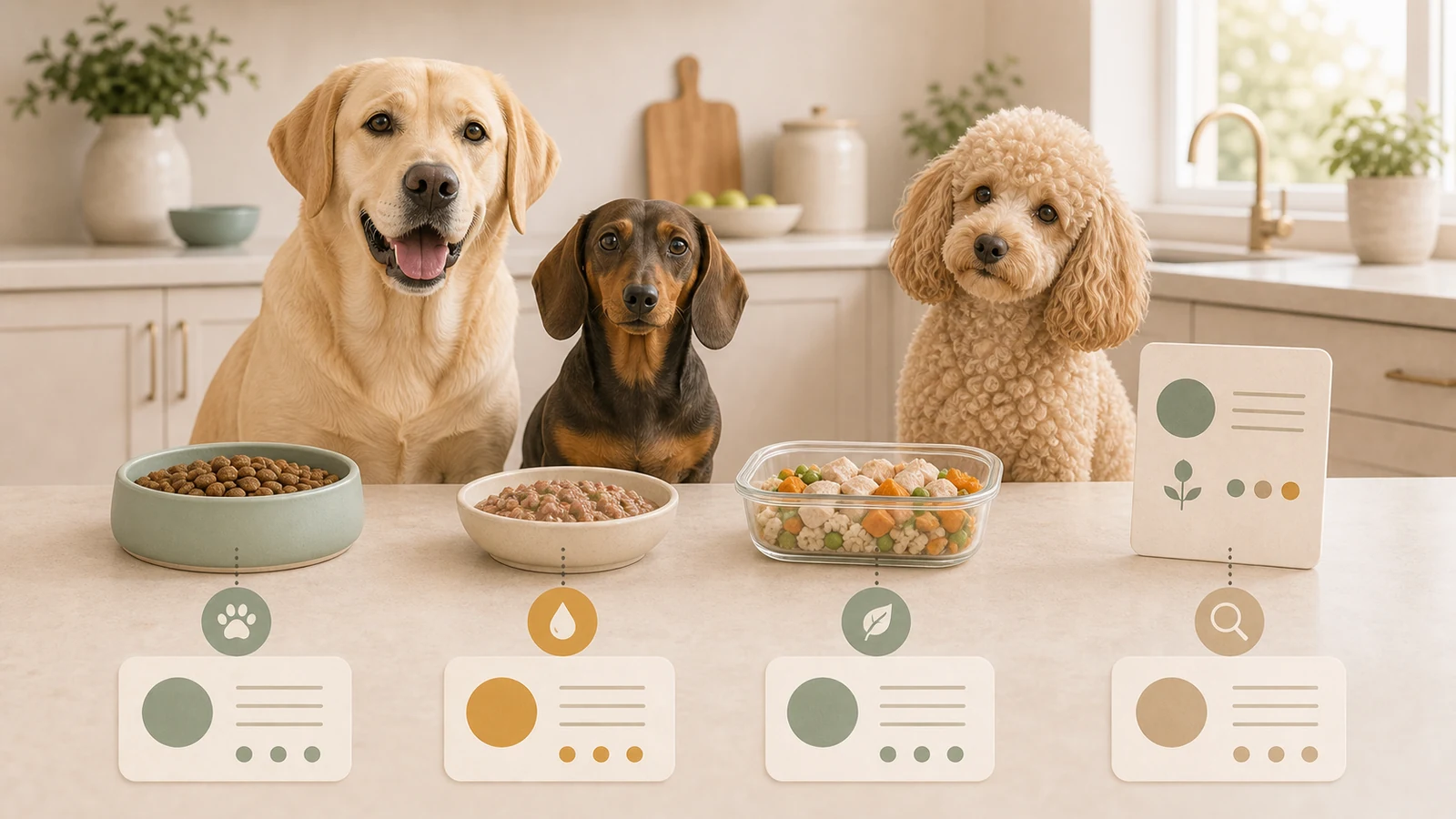
The fanciest food is not always the best food. A good choice is one your dog does well on, one you can afford, and one you can serve on a normal Tuesday without making dinner feel like a second job.
Most dogs can start with a complete dry or wet food that fits their life stage. From there, choose based on appetite, budget, storage, and how much prep you want at mealtime. Fresh, freeze-dried, dehydrated, raw, and homemade foods can work for some dogs, but they are not automatically better.
Dry food guide Wet food guide Portion guide Transition guide
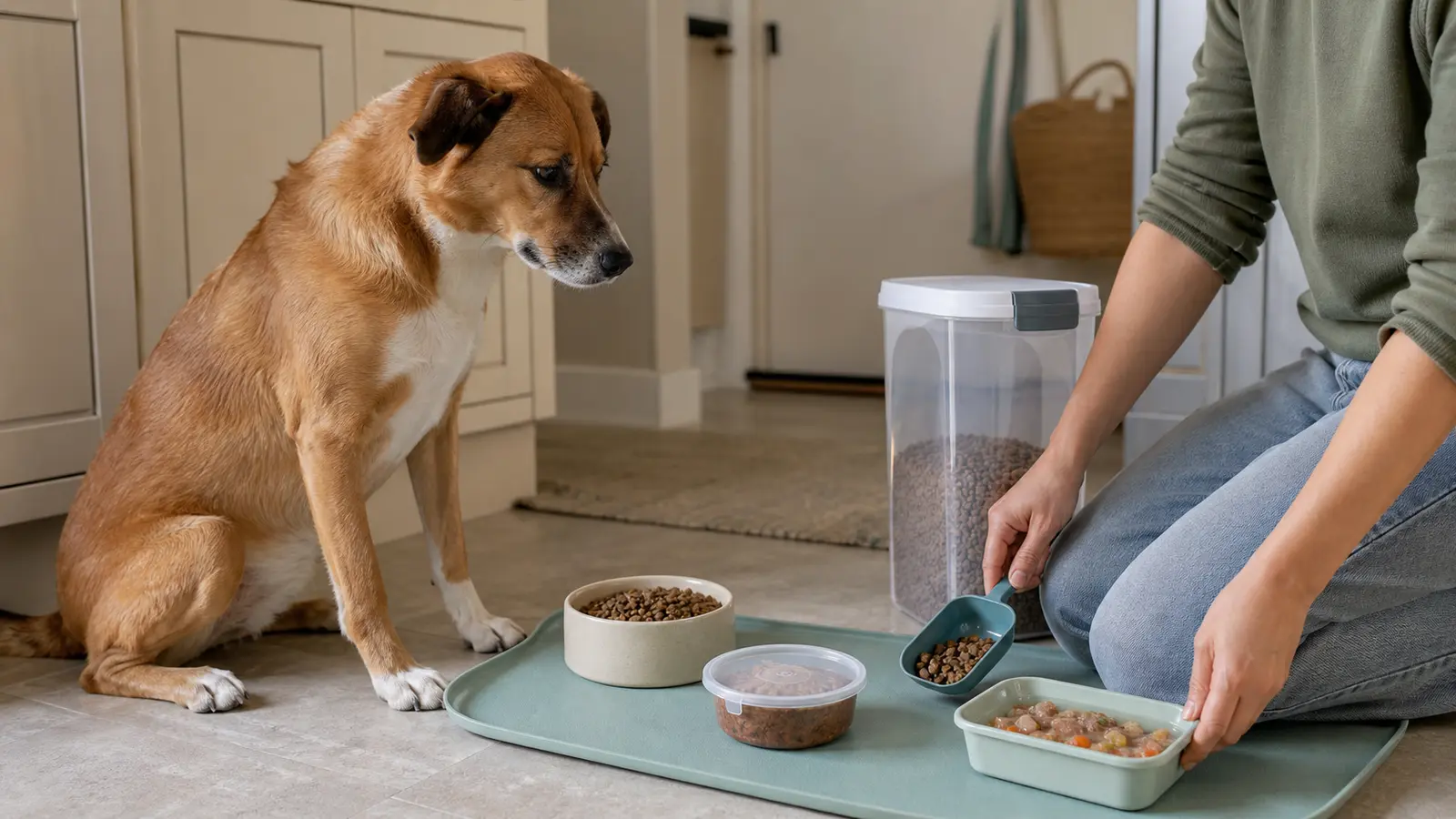
Before comparing food types, write down what a normal breakfast and dinner look like for your dog. The best first pick usually comes from age, chewing comfort, stool, appetite, storage space, and how much measuring or mixing you will do.
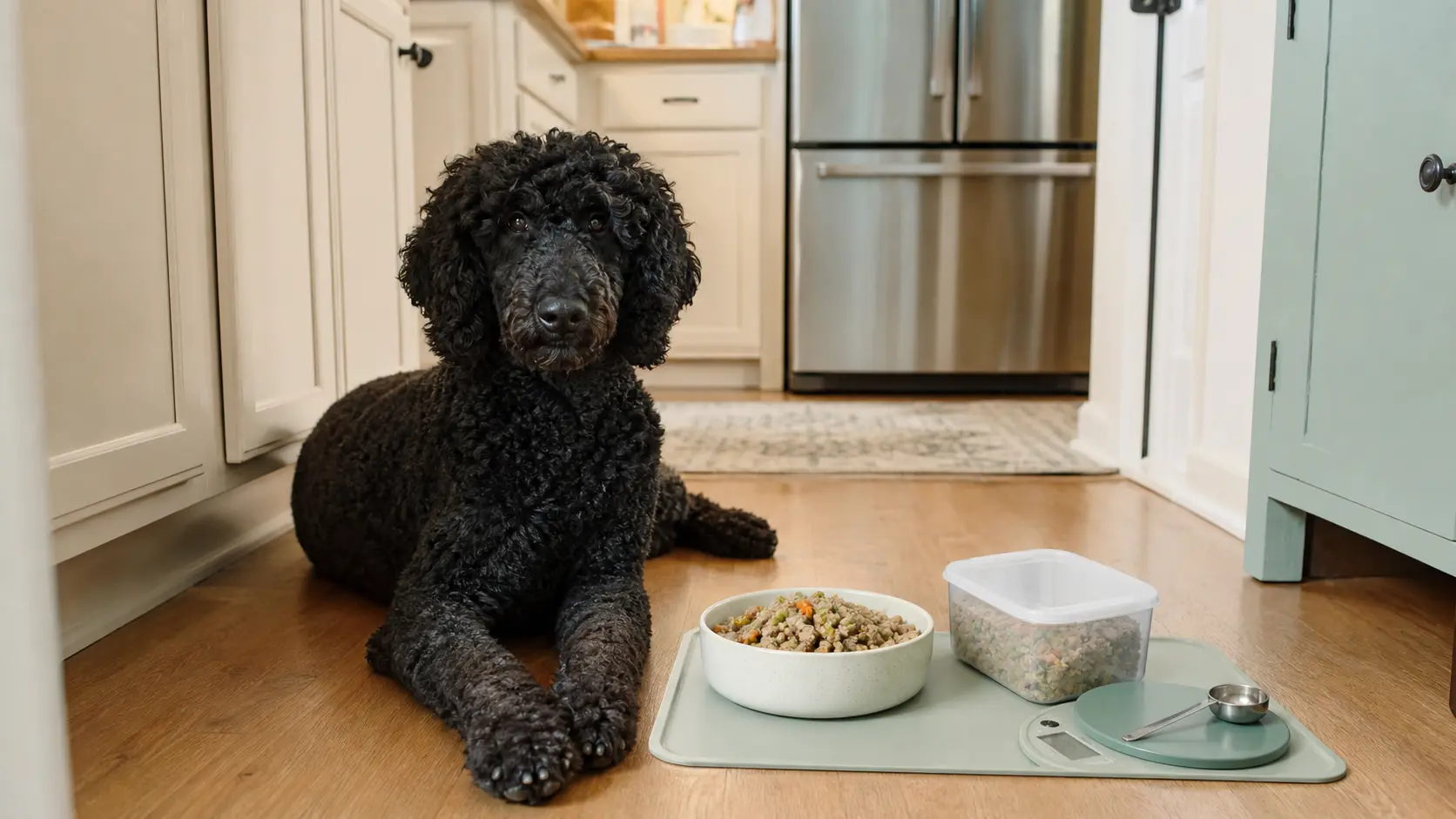
For example, a dog who gulps kibble may need measured portions and a slower bowl before a new food type. A dog who sniffs dinner and walks away may do better with wet food, warm water, or a slower switch.
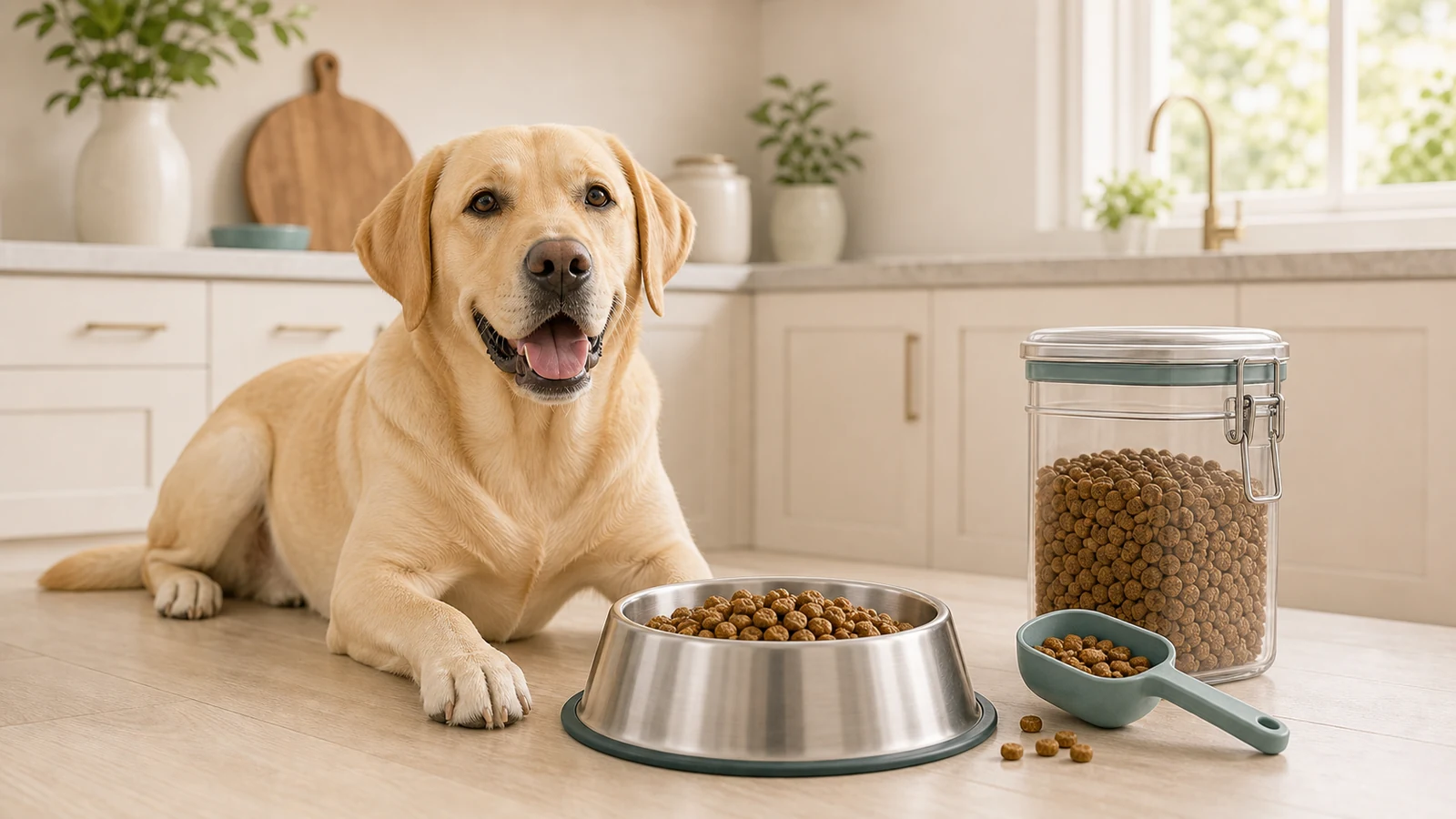
A good place to start if you want easy storage, measured meals, and food that travels well. Just watch portions. Kibble is easy to over-scoop.
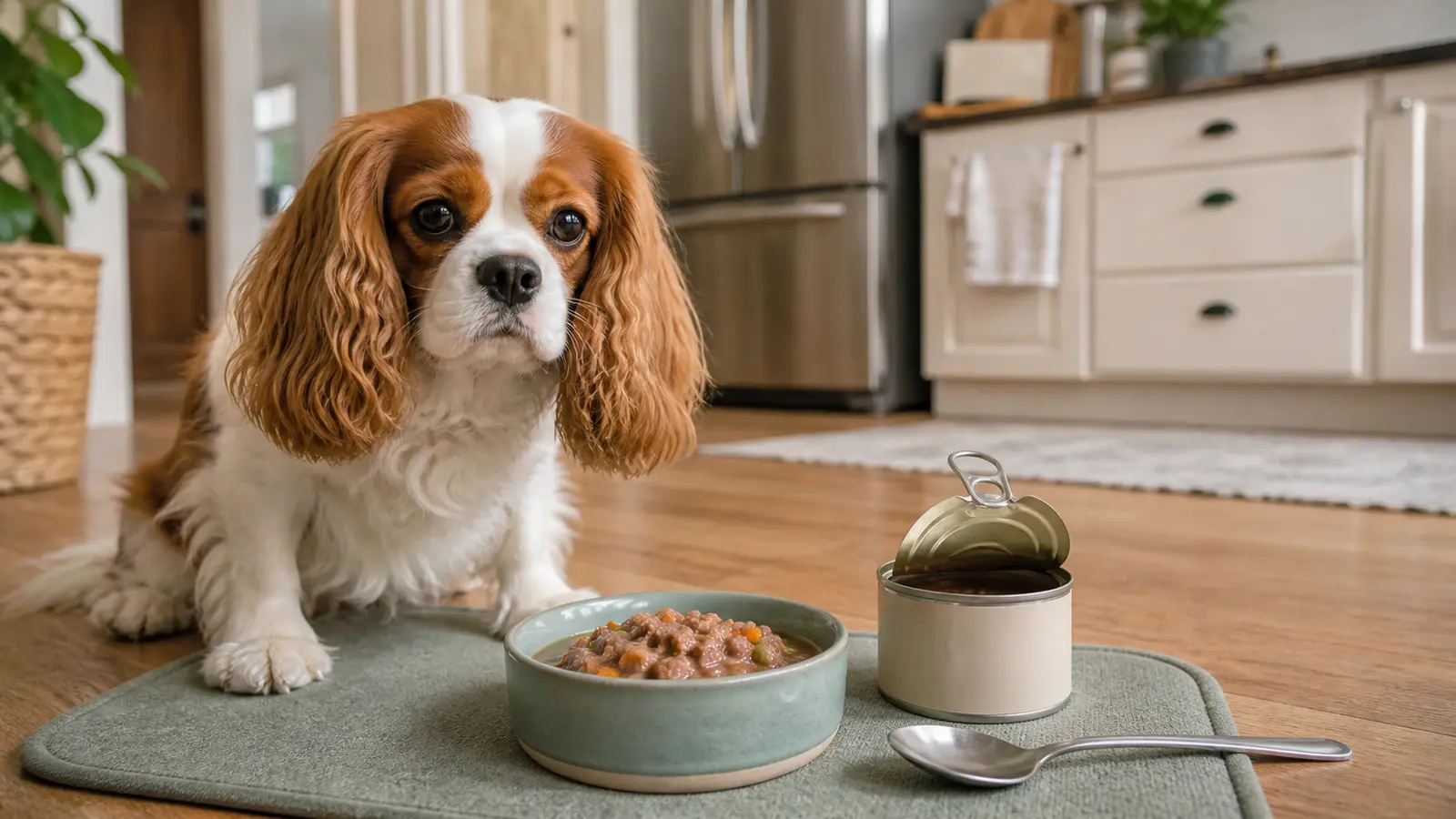
Useful for dogs who need softer texture, stronger aroma, or extra moisture with meals. It usually costs more per meal, and opened cans need covered cold storage.
Can work well if you like prepared meals and have the cold space and budget. Fresh does not automatically mean better.
Useful for travel, toppers, or lightweight meals. Follow package directions for water, handling, and calories.
Good if you are comfortable mixing food with water and waiting a bit before serving.
Not a casual upgrade. Plan on careful handling and a vet conversation, especially around puppies, seniors, children, or anyone immunocompromised.
Cooking for your dog sounds approachable, but long-term homemade diets need proper formulation. Work with your vet or a veterinary nutritionist.
Once you pick a first food type, give your dog a normal week before making another change. Measure breakfast and dinner, count treats and chews, keep the feeding spot steady, and write down stool, appetite, and any skipped meals.
After a week, you will know more than you would from one bad dinner. If your dog is bright, eating, and comfortable, you can adjust portions or texture slowly. If weight, vomiting, diarrhea, pain, or sudden appetite loss shows up, bring those notes to your vet.
| Food type | Good for | The catch | Daily work | Storage | Read more |
|---|---|---|---|---|---|
| Dry food | Simple meals, travel, storage, predictable cost. | Easy to over-scoop. | Low | Keep sealed, cool, and dry. | Dry dog food |
| Wet food | Soft meals, aroma, moisture, medication hiding. | Opened cans need covered cold storage. | Low to medium | Cover and refrigerate after opening. | Wet dog food |
| Fresh food | Prepared meals with clear portions. | Budget and cold storage space matter. | Medium | Follow chilling and freezing directions. | Fresh dog food |
| Freeze-dried food | Travel, toppers, lightweight meals. | Small portions can be calorie-dense. | Medium | Keep sealed and follow the bag. | Freeze-dried dog food |
| Dehydrated food | Shelf-stable meals you mix with water. | Give it time to soak. | Medium | Keep sealed and refrigerate leftovers. | Dehydrated dog food |
| Raw food | Only for homes ready for careful hygiene and vet help. | Raw handling, balance, bones, and family risk. | High | Use cold storage and separate raw prep. | Raw dog food |
| Homemade food | Cooking with a professionally built plan. | Internet recipes can miss key nutrients. | High | Batch cook, portion, chill, or freeze. | Homemade dog food |
How much should I feed? How do I read the label? How should I switch foods? How do I store it? Can my dog eat this? What about treats?
Dry food or wet food may be easiest because measuring, storage, and cleanup stay low-effort.
Wet food, a small topper, or a slower transition may help. Do not keep switching foods every few days.
Dry, dehydrated, or freeze-dried food may be easier if cold storage space is limited.
Dry, freeze-dried, or dehydrated food may be easier to pack and measure.
Start with a complete puppy food. Large-breed puppies need extra care.
For seniors, look at chewing comfort, appetite, weight, and whether breakfast or dinner has changed lately.
Most dogs do not need a dramatic food plan. They need food that is complete and balanced for their life stage, portions that make sense, clean storage, and a person who notices when appetite, stool, weight, or energy changes.
Some food choices are not DIY projects. Ask your vet before big changes for puppies, large-breed puppies, seniors with sudden changes, dogs already being treated for a health problem, recurring vomiting or diarrhea, weight loss, suspected allergies, raw diets, or long-term homemade food.
Sensitive stomachs Overweight dogs Raw dog food Homemade dog food
Keep the tool shelf small. These three help most when you are comparing meals, measuring portions, or keeping food fresh.
Affiliate links: Furball Cove may earn from qualifying purchases at no extra cost to you.
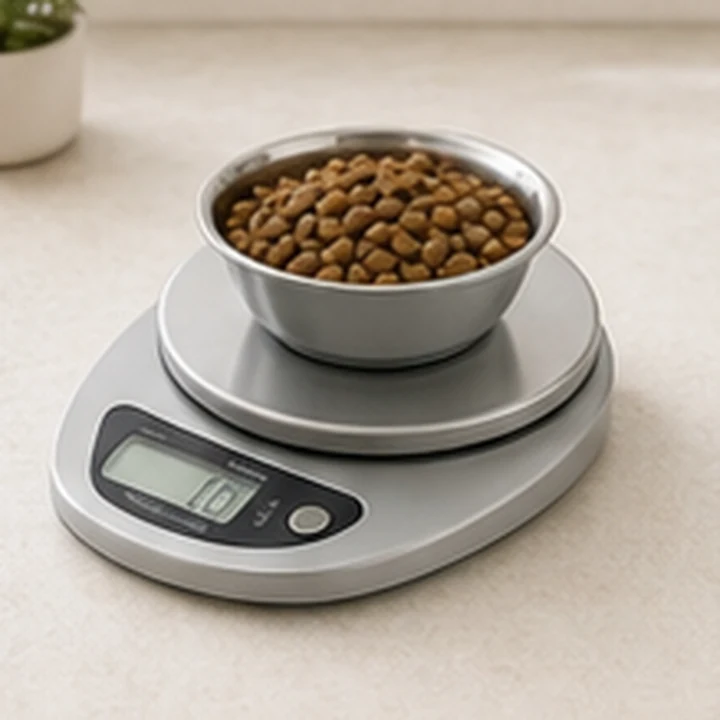
Helpful when two foods look similar but have different calories.
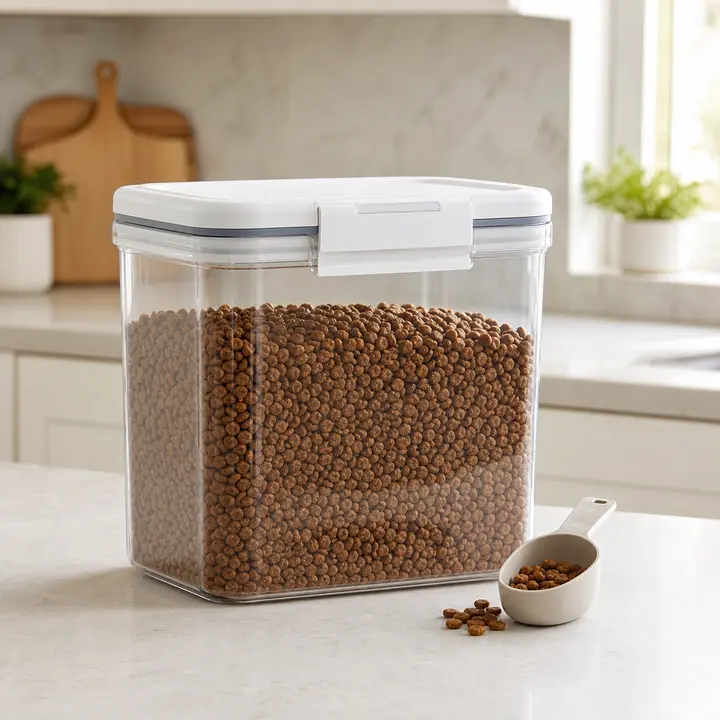
Keeps the bag sealed, cleaner, and easier to track.
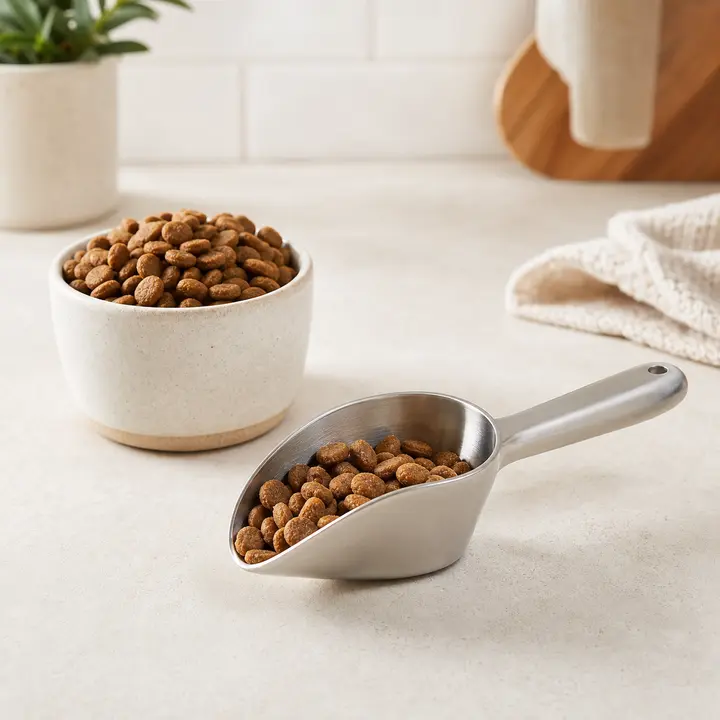
Makes everyday meals steadier than guessing by the bowl.
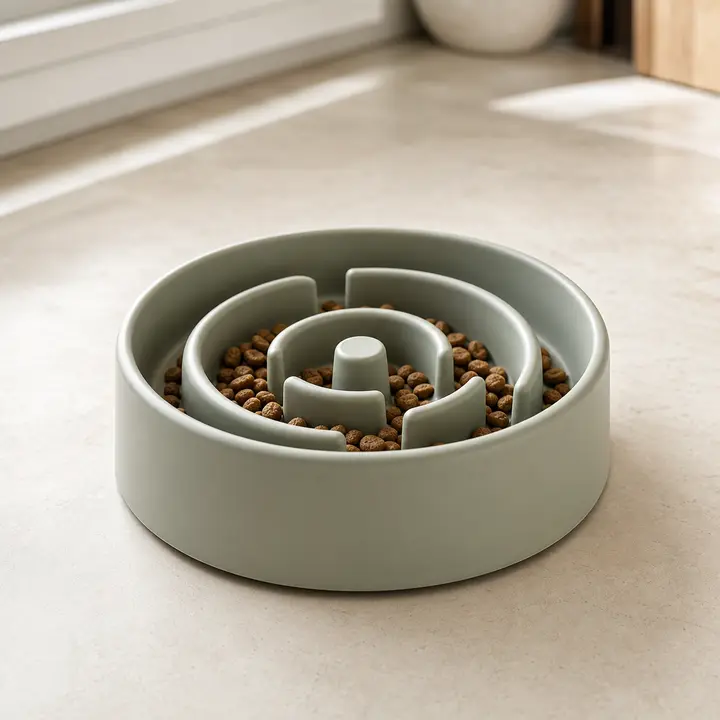
A practical add-on when the food type is fine but speed eating makes meals messy or uncomfortable.
No. A good choice is complete and balanced for the right life stage, realistic for your budget and kitchen, and something your dog can eat comfortably.
No food type is automatically better. Fresh, raw, homemade, dry, wet, freeze-dried, and dehydrated foods all need label checks, safe handling, and a routine you can repeat.
Ask your veterinarian before changing food if symptoms are sudden, severe, recurring, or tied to weight change, puppy growth, senior changes, ongoing treatment, or a prescribed diet. Bring a week of breakfast, dinner, treat, stool, and appetite notes if you have them.