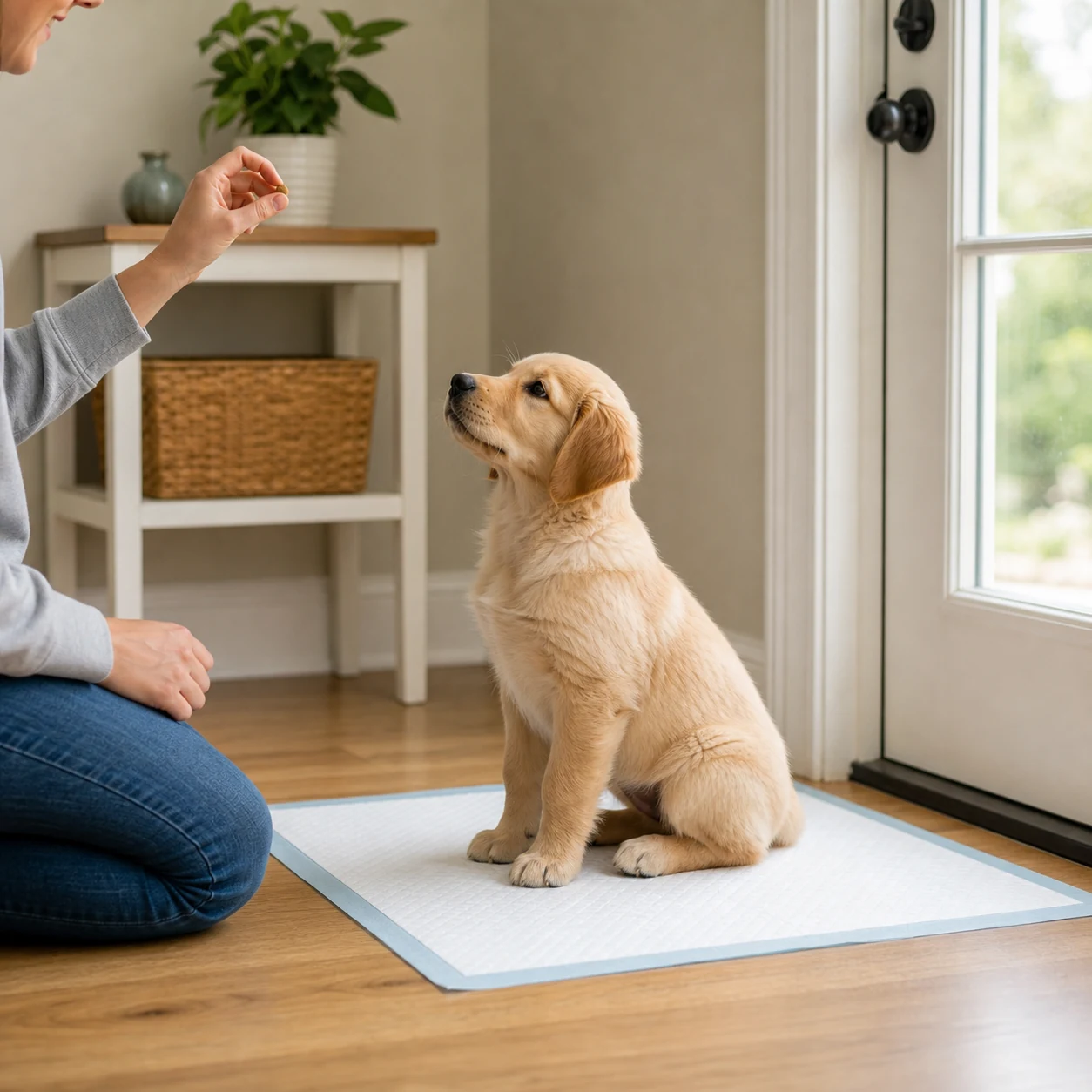
Before the puppy comes inside
Start at the potty spot before the tour, photos, or play. Wait calmly, reward any success outside, then carry or guide your puppy into the prepared area.
Updated
Puppy training
Your puppy's first 24 hours should feel safe, quiet, and easy to understand.
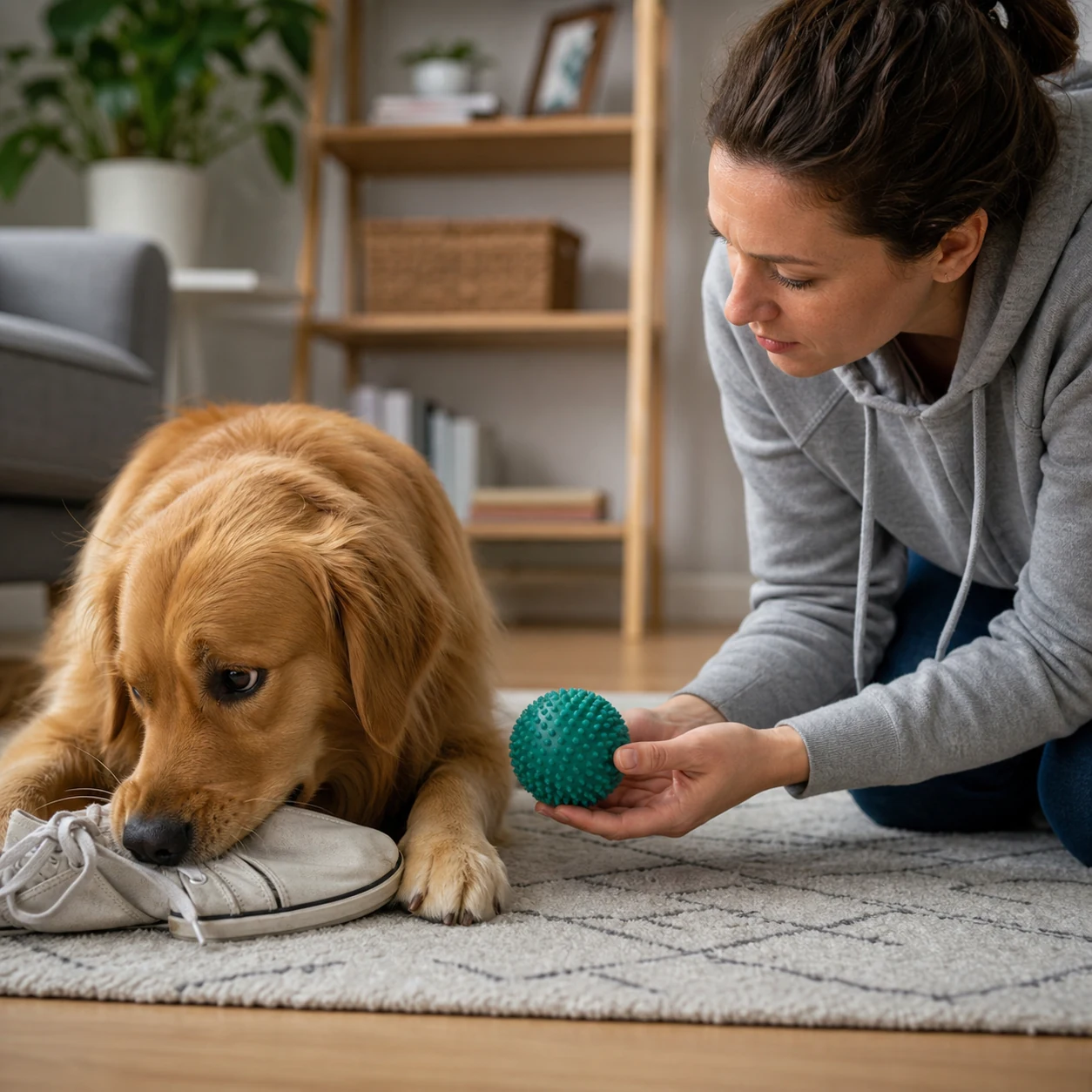
Start at the potty spot before the tour, photos, or play. Wait calmly, reward any success outside, then carry or guide your puppy into the prepared area.
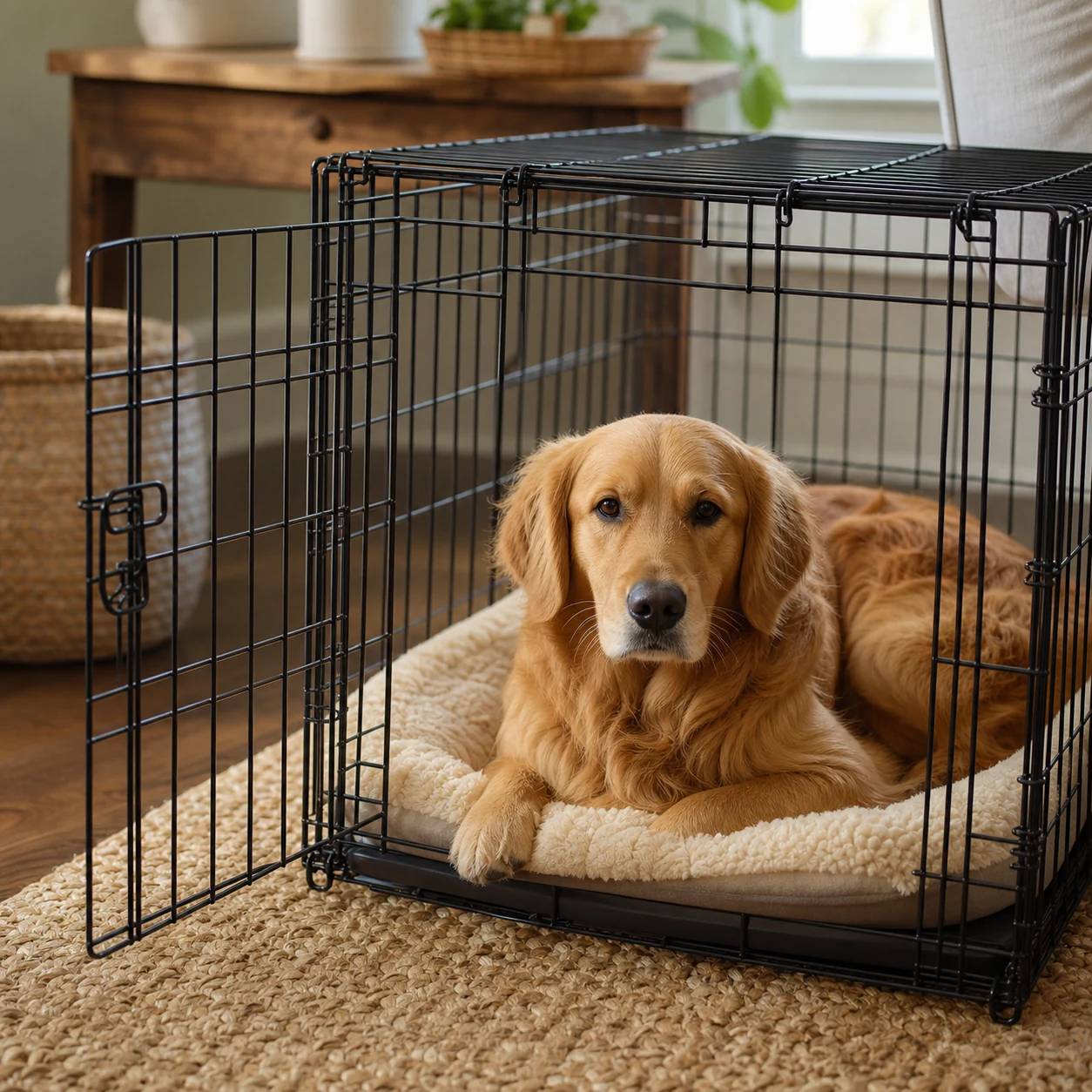
Give your puppy one small place to feel secure: a crate, pen, gate, or puppy-proofed room. Add water, a washable bed, safe chews, and a clear path to the potty door.
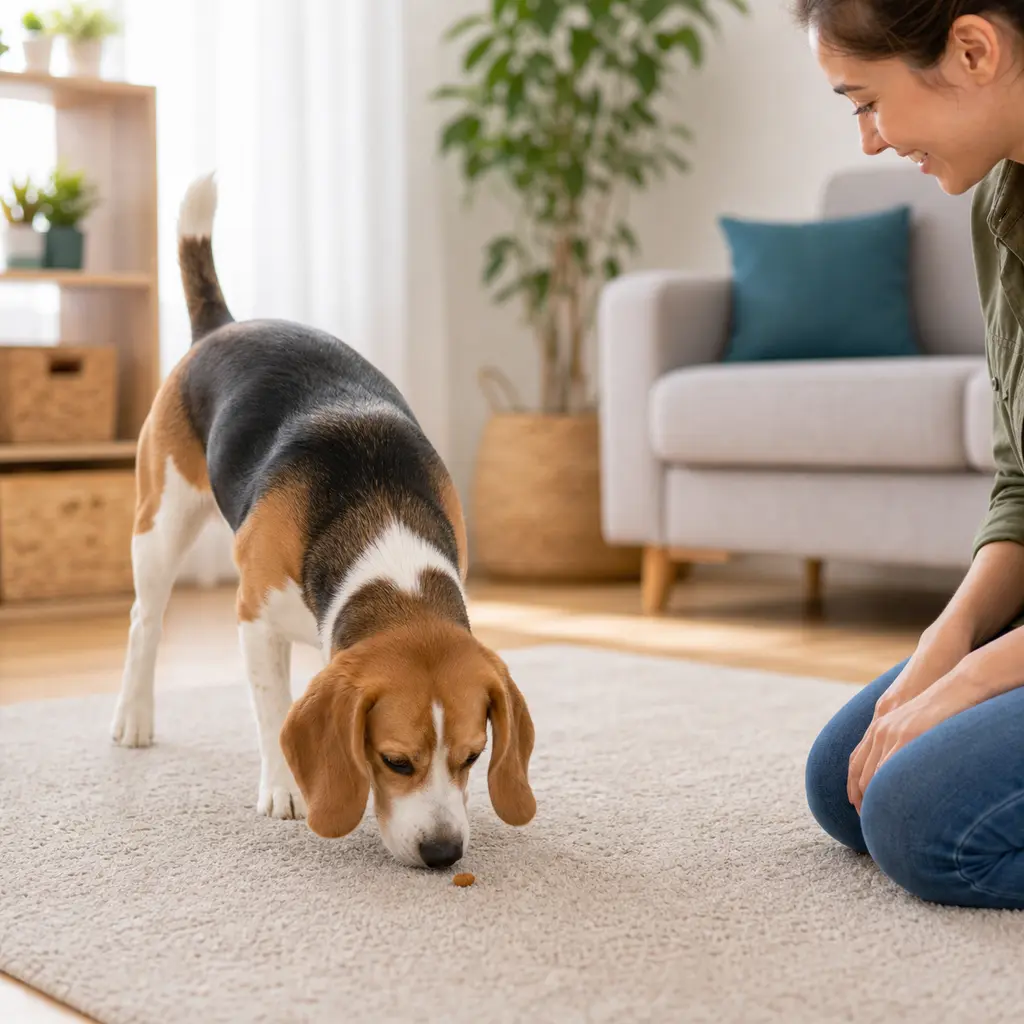
Go out after arrival, waking, meals, water, play, training, and any sudden sniffing or circling. Reward outside right away. If there is an accident, clean it gently and make the next trip sooner.
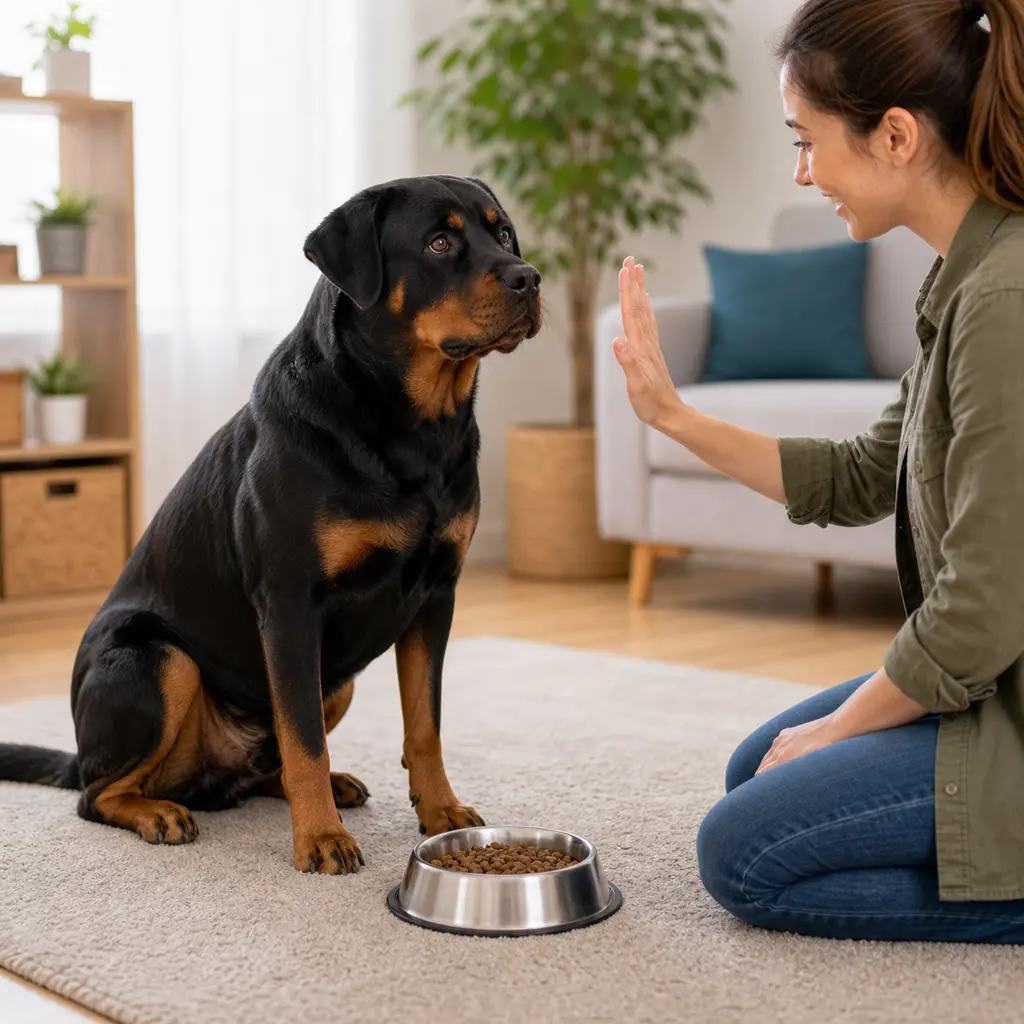
Keep food familiar unless your vet told you otherwise. Offer water regularly, then plan a potty trip soon after drinking. Predictable meals help your puppy settle.
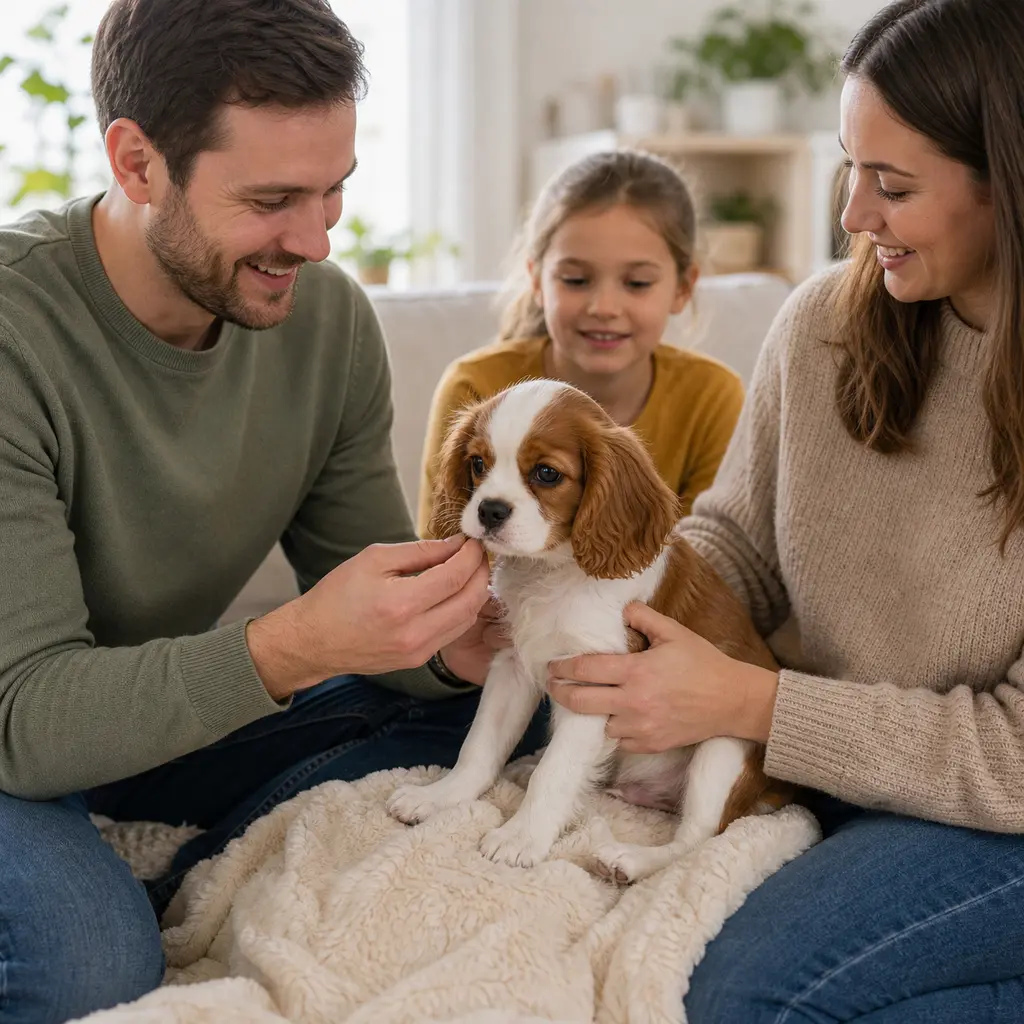
Let family meet the puppy in short, calm turns. Keep children seated, hands gentle, and voices low. If your puppy backs away, yawns, hides, or gets mouthy, give them a break.
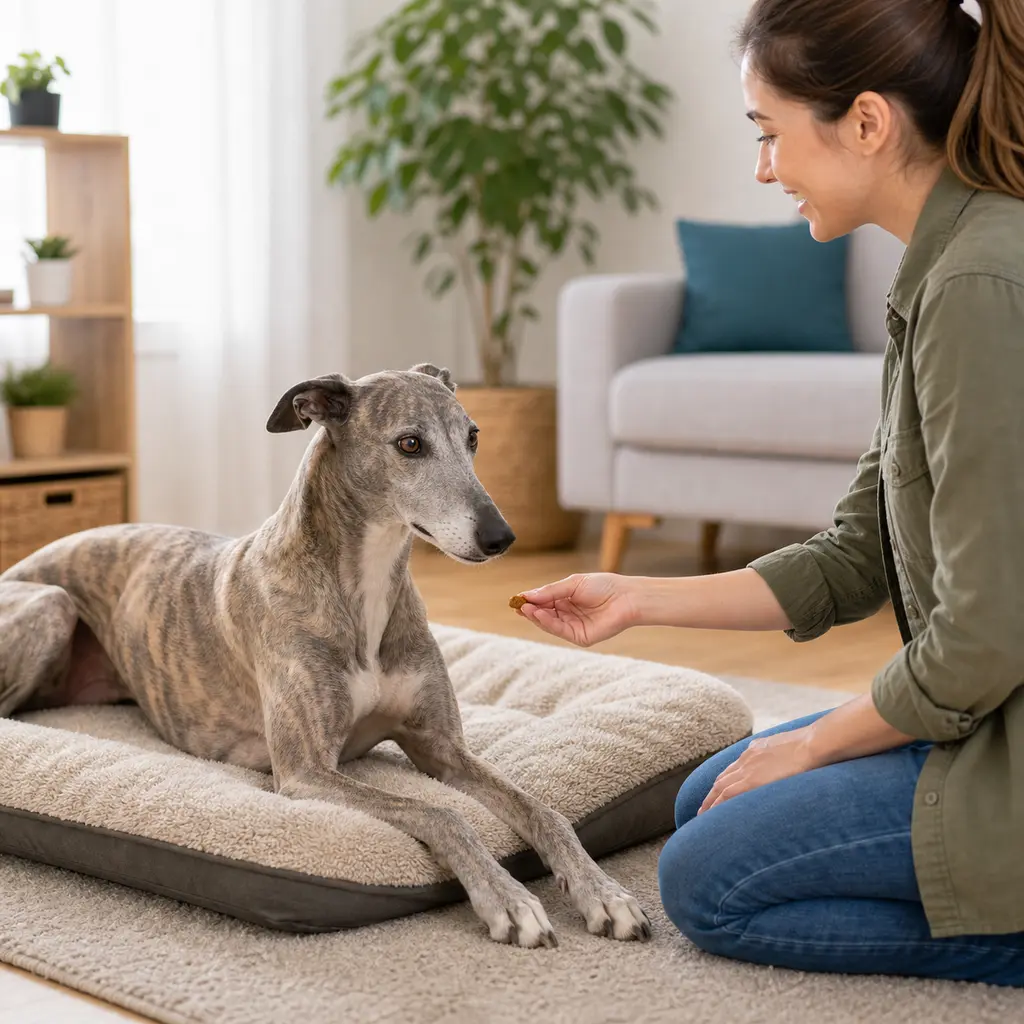
A tired puppy can look wild, bitey, or worried. After potty, food, play, or visitors, guide your puppy back to the rest area with a chew and a calm reset.
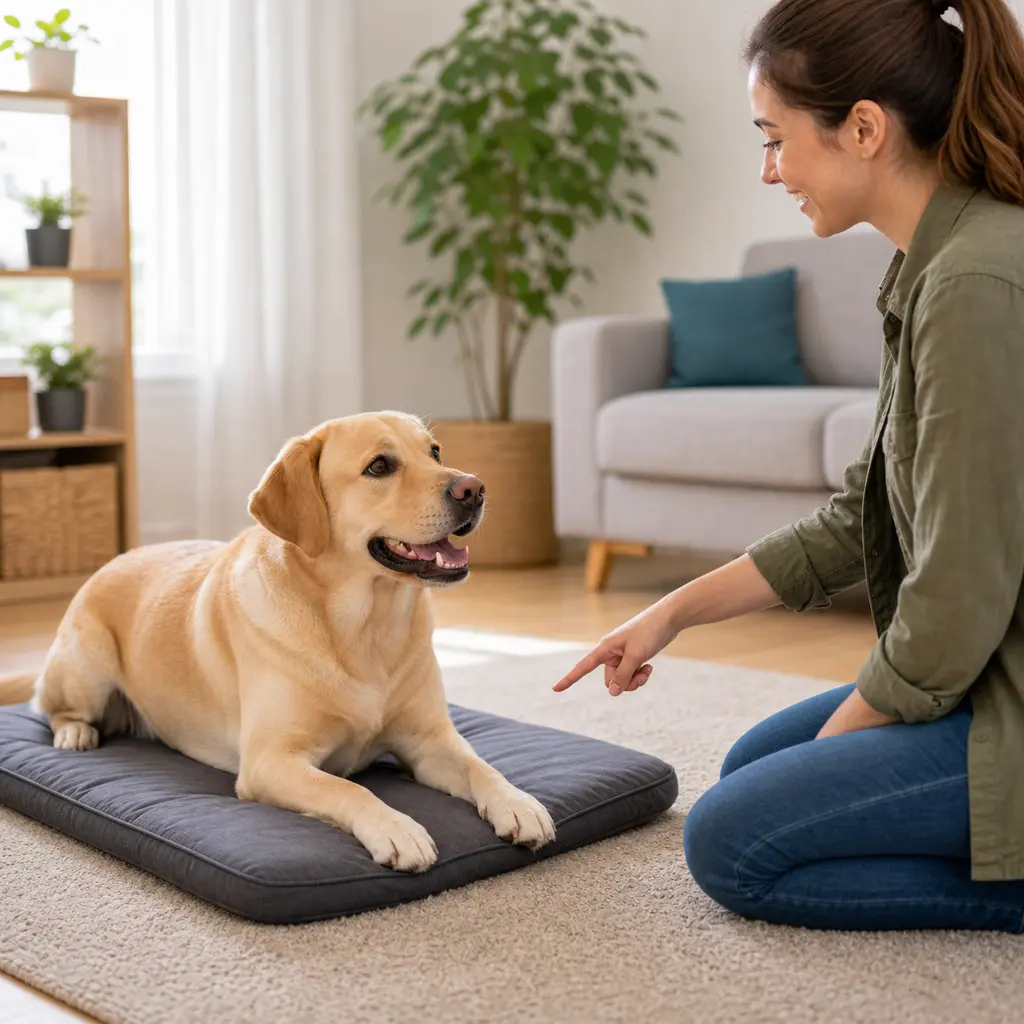
Take one last potty trip before bed. Overnight trips should be quiet and reassuring: out, potty, calm praise, and back to the sleep spot without turning the lights and excitement back on.
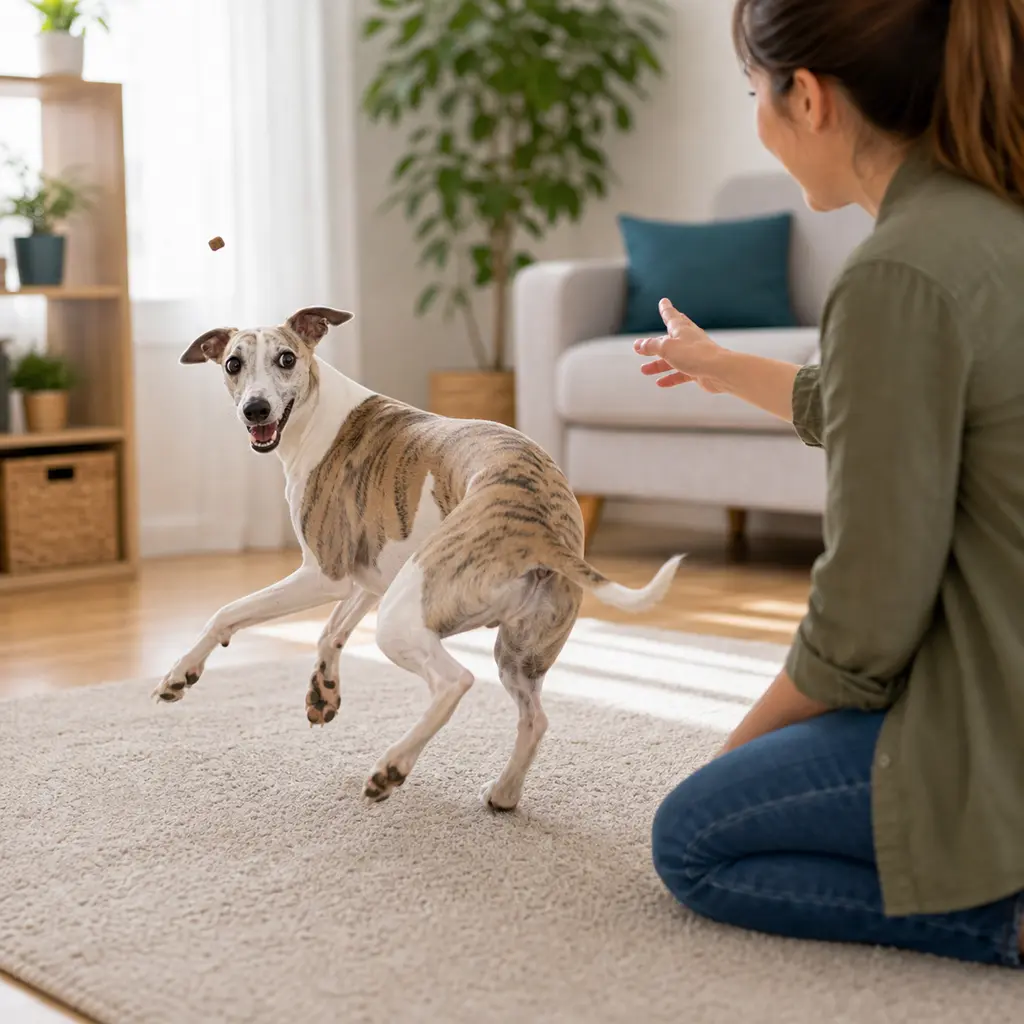
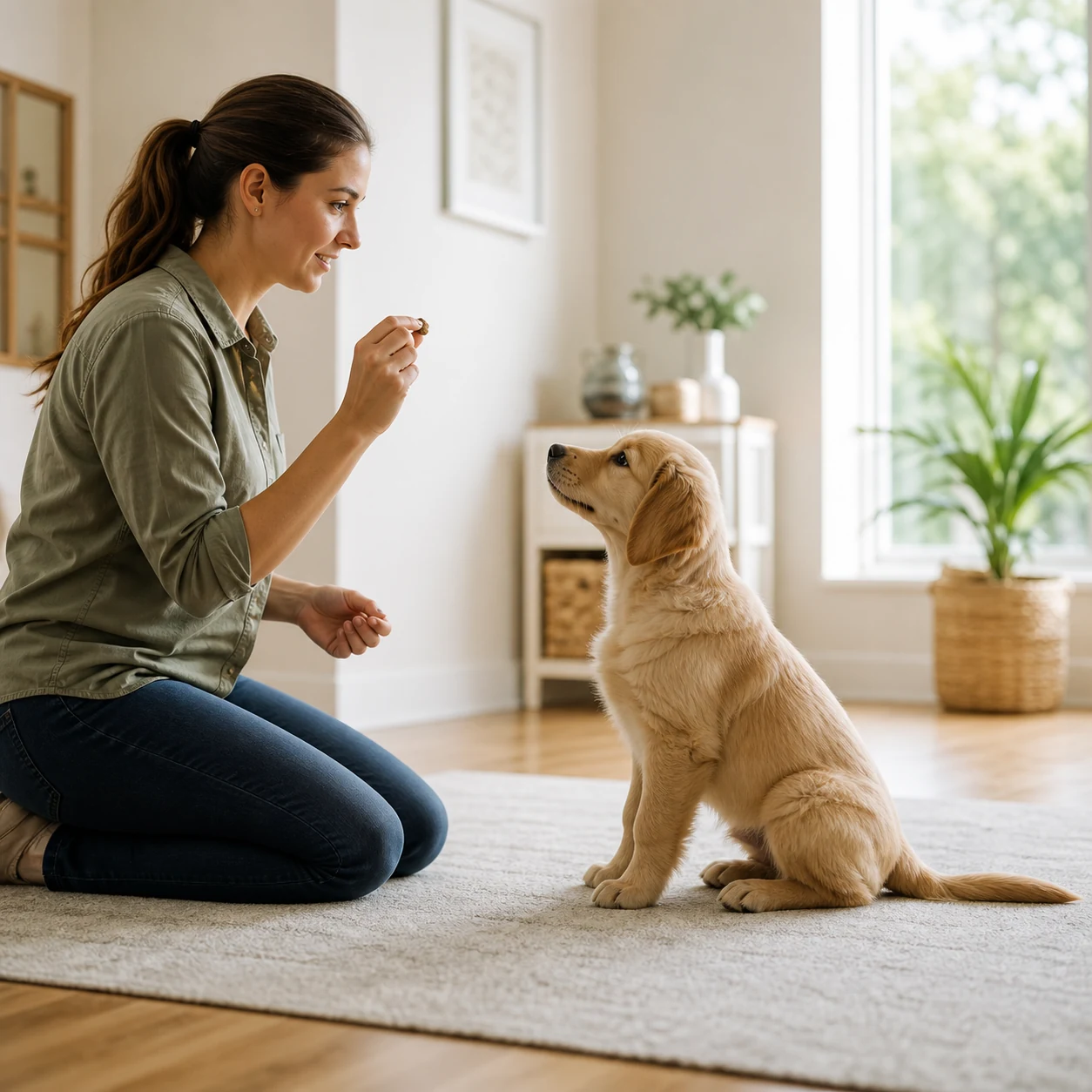
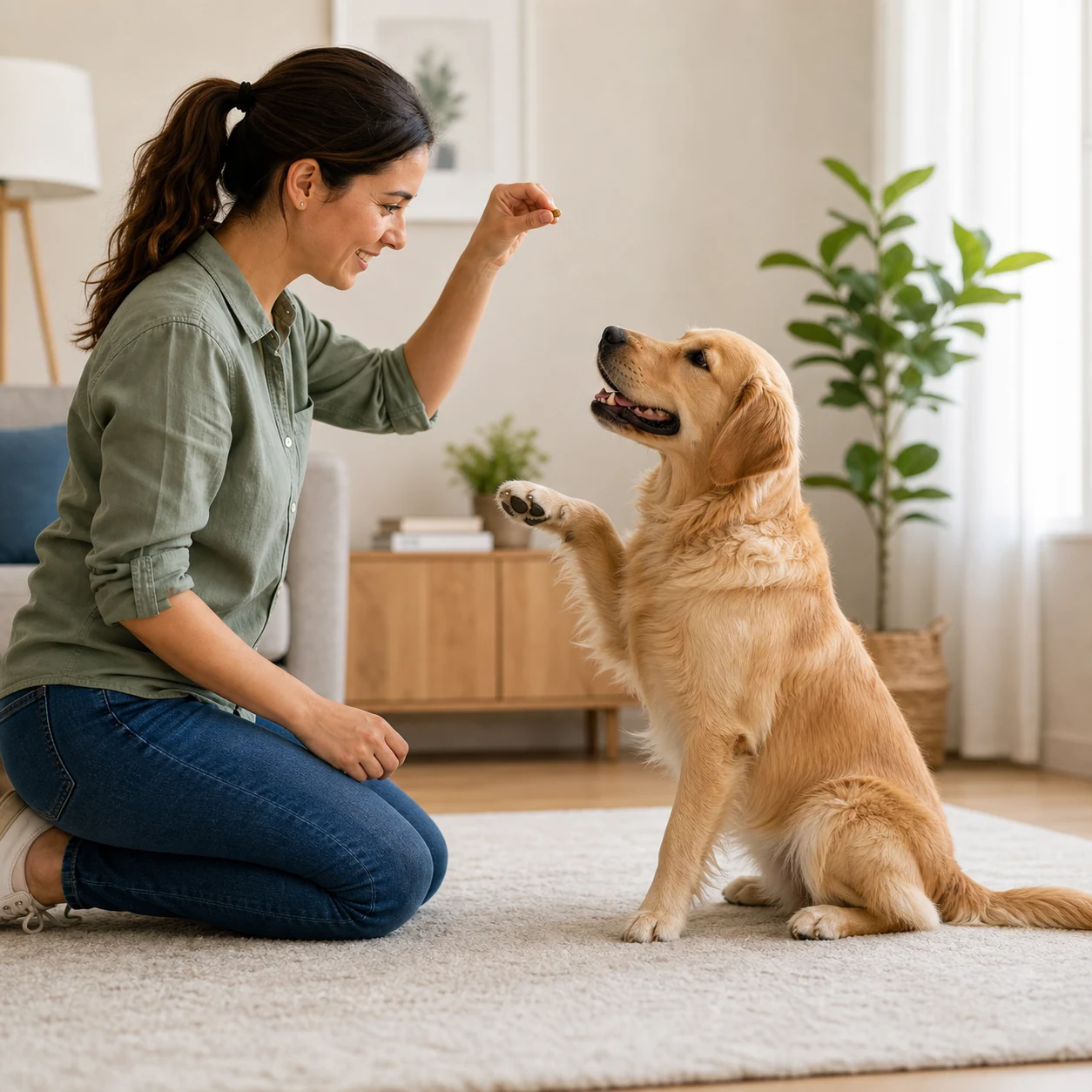
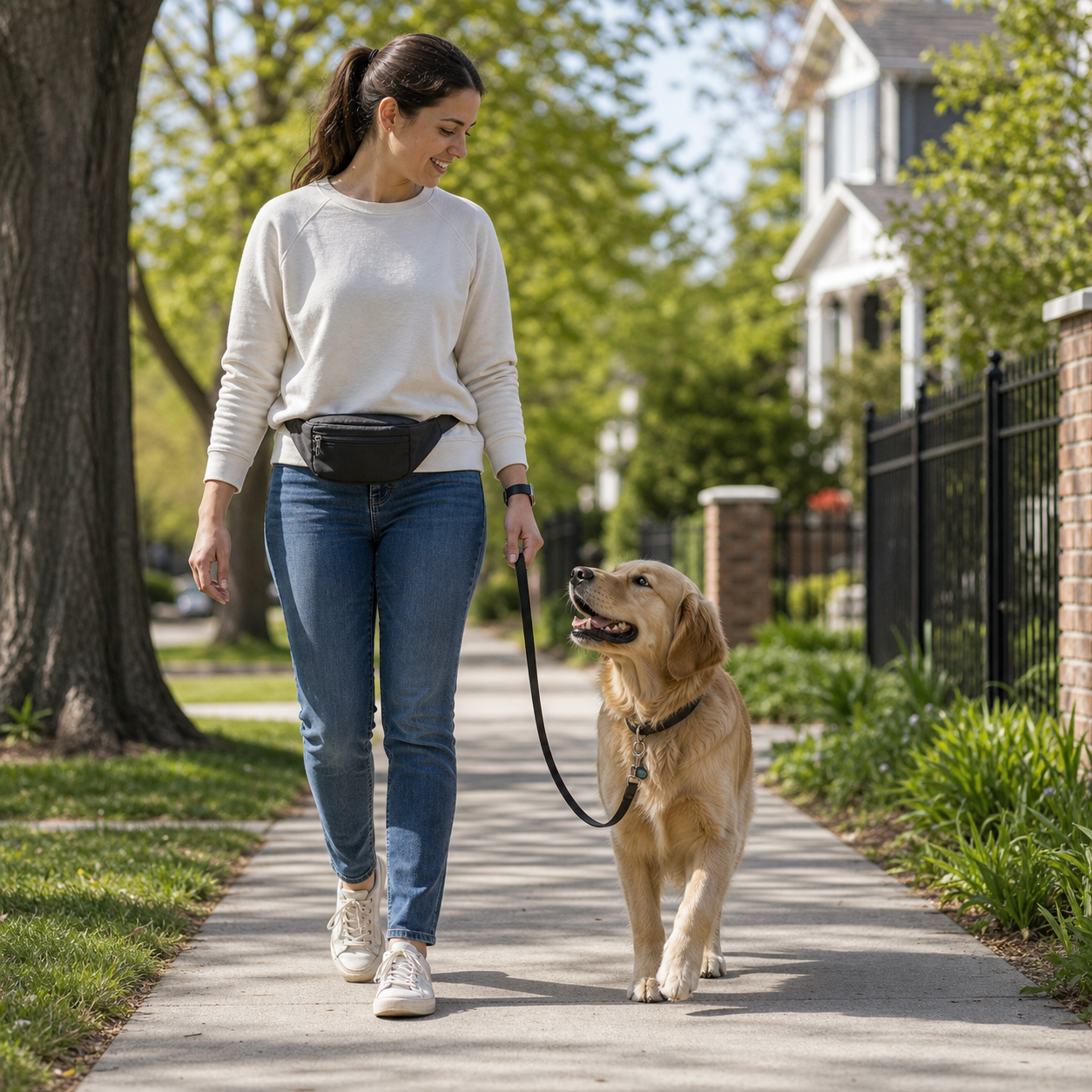
Skip long command sessions today. Reward name response, following you, pottying outside, chewing legal items, and settling. Your puppy is learning home before formal obedience.
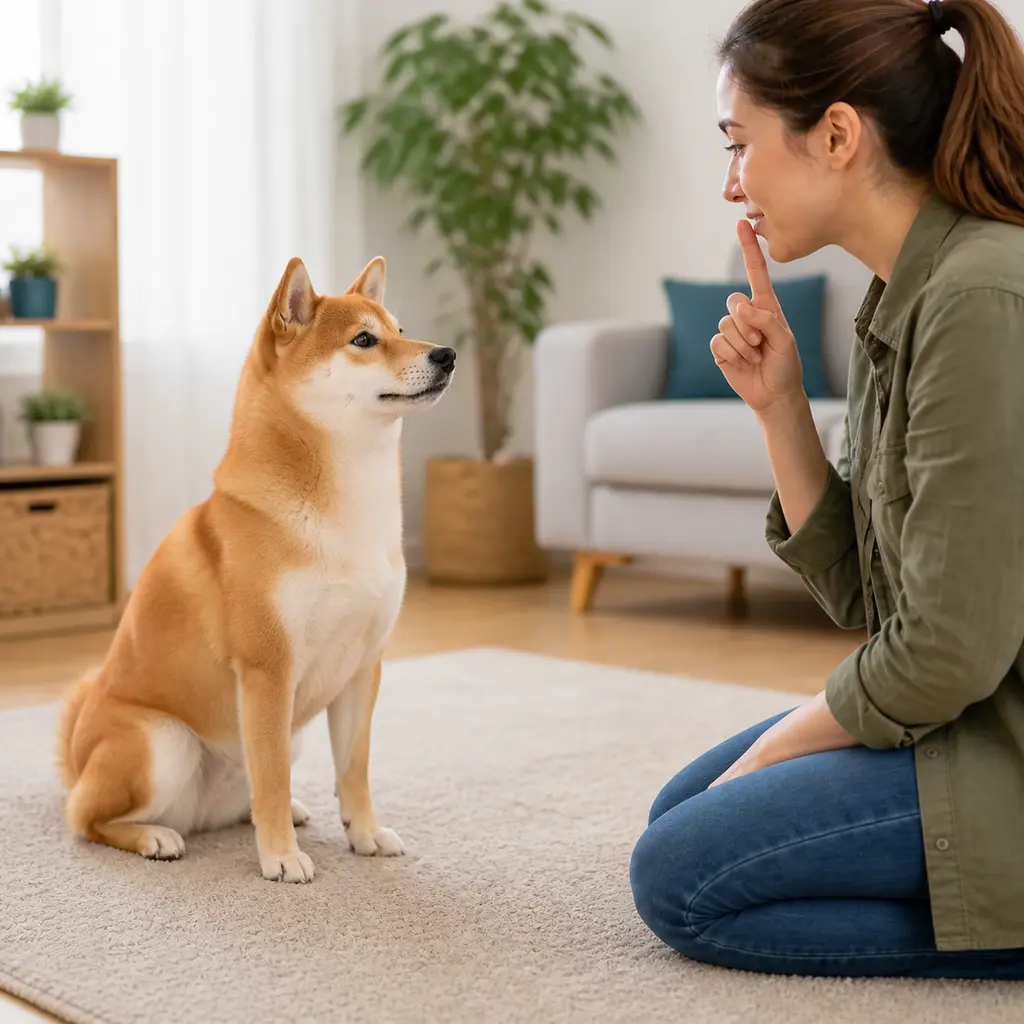
Accidents, crying, and puppy biting are communication, not defiance. Stay kind, change the setup, shorten the awake window, or make the next repetition easier.
Pick one door and one outdoor area. When everyone uses the same route, your puppy can learn the pattern with less confusion.
Choose the crate, pen, or gated room before bedtime. The sleep spot should feel safe, quiet, and close enough that you can hear potty needs.
Free roaming is easiest when someone is truly watching. If nobody can supervise, your puppy rests in the safe zone with something appropriate to chew.
Keep the rules simple: no chasing, no rough wrestling, no waking the puppy, no crowding the crate, and no scolding for accidents found later.
Affiliate links: Furball Cove may earn from qualifying purchases at no extra cost to you.
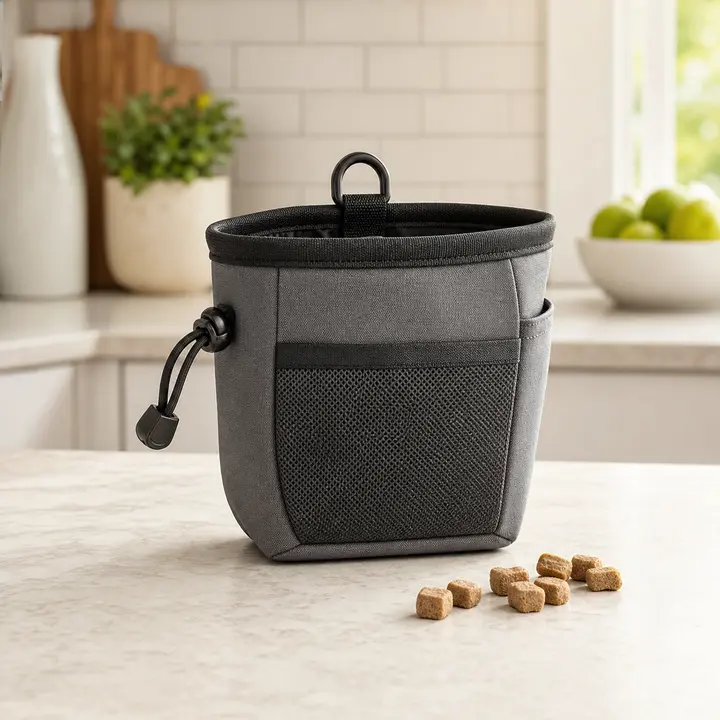
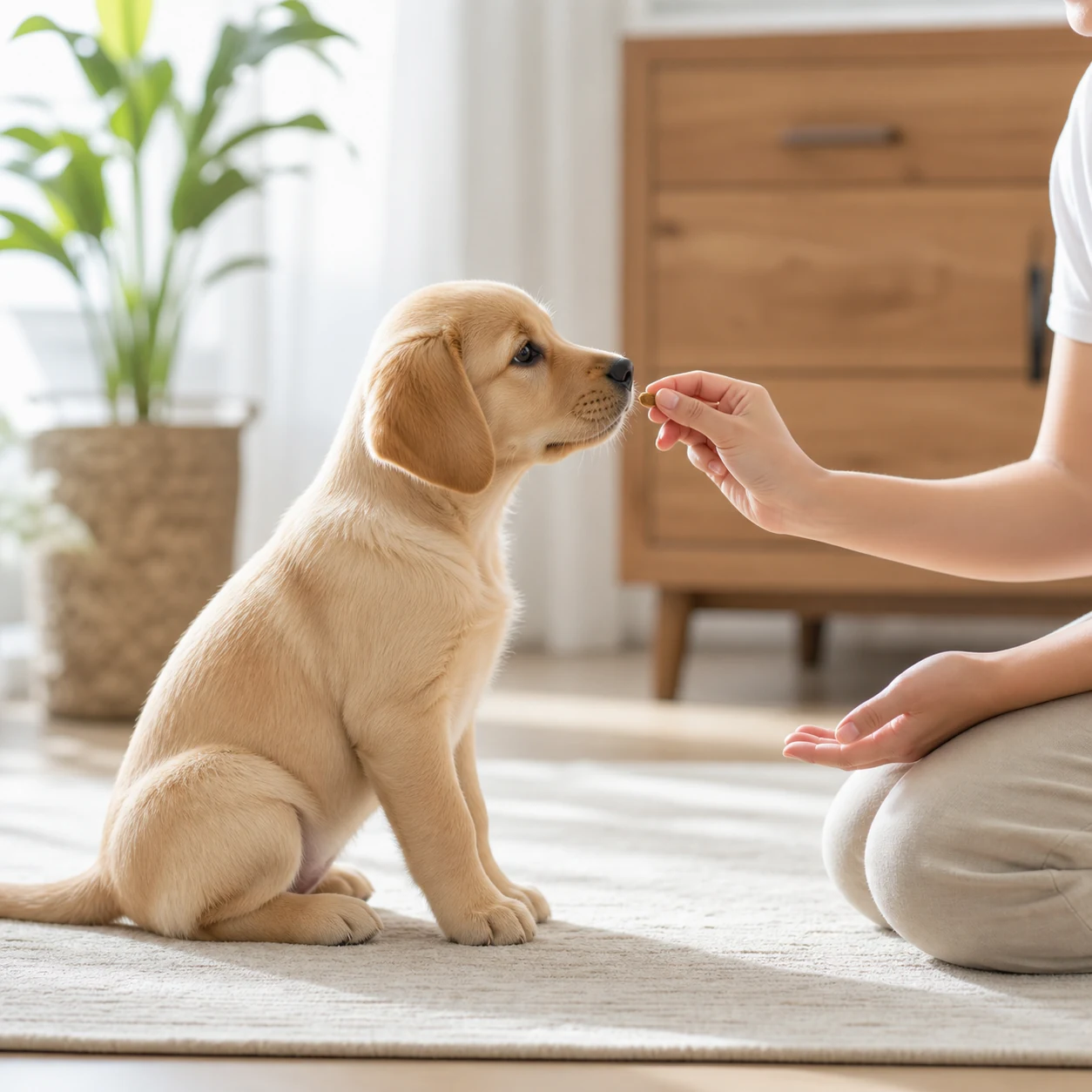
Keeps tiny rewards ready for potty success, name response, and calm choices.
Small, soft rewards let you pay good choices quickly without slowing the day down.
Useful for safe rest, overnight routine, travel, and supervised breaks when introduced calmly.
Removes accident scent so the same spot does not keep inviting repeat mistakes.
Gives the mouth a legal job during settling, crate time, and supervised quiet blocks.
Keeps meal, water, and first-day cleanup contained near the puppy's home base.
Only lightly. Name response, gentle handling, following you, potty timing, and calm settling matter more than formal commands.
Use a safe crate, pen, or bed setup close enough that you can hear distress or potty needs. The goal is rest, safety, and a quick boring potty route.
Check for potty need, discomfort, heat, cold, or fear. Help calmly, keep the trip boring, and return to the sleep spot without starting a play session.
Very little unsupervised freedom. Use short supervised exploring, then return to the crate, pen, or gated area before the puppy gets tired or starts looking for trouble.