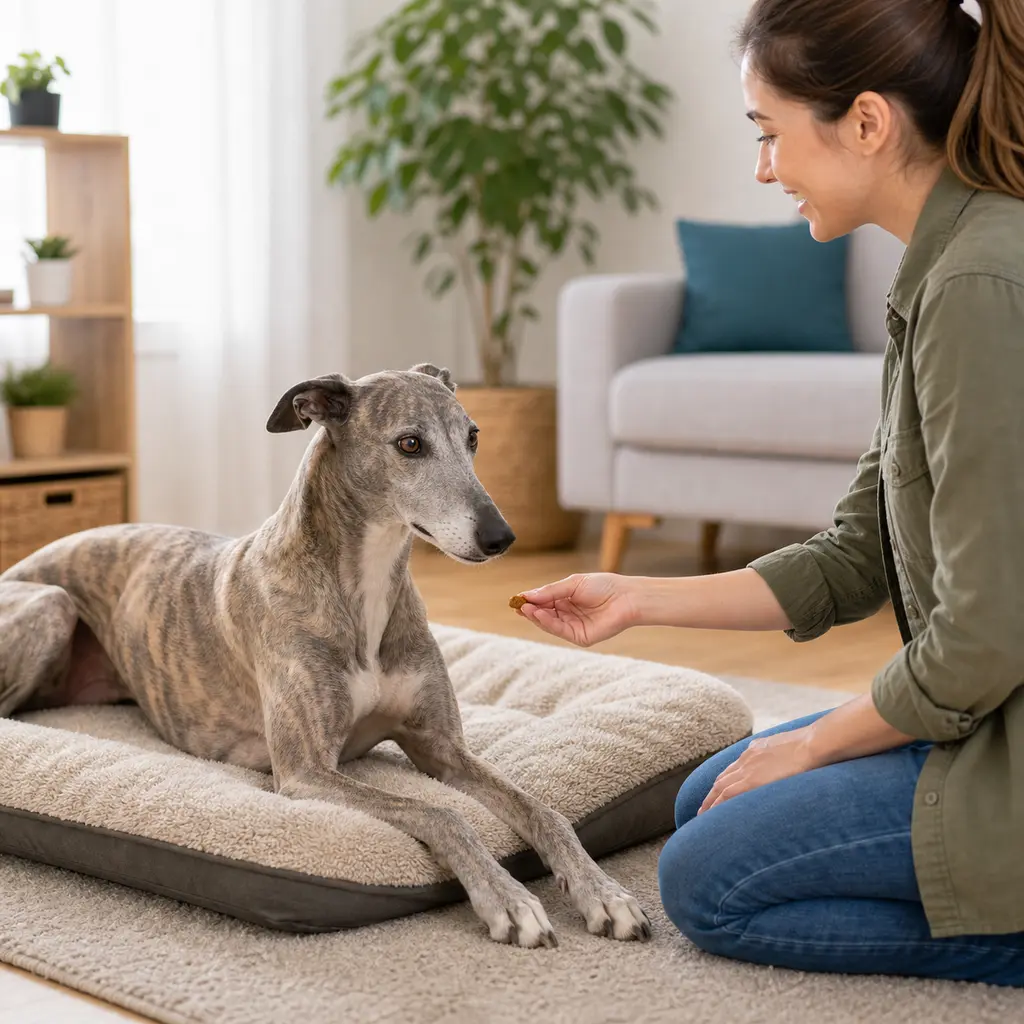
Expect more sleep than activity
Young puppies need a lot of sleep. A simple starting point is one calm rest block after every potty, meal, play session, training win, visitor greeting, or exciting new experience.
Updated
Puppy training
A good nap rhythm helps your puppy feel safe before they get overtired.
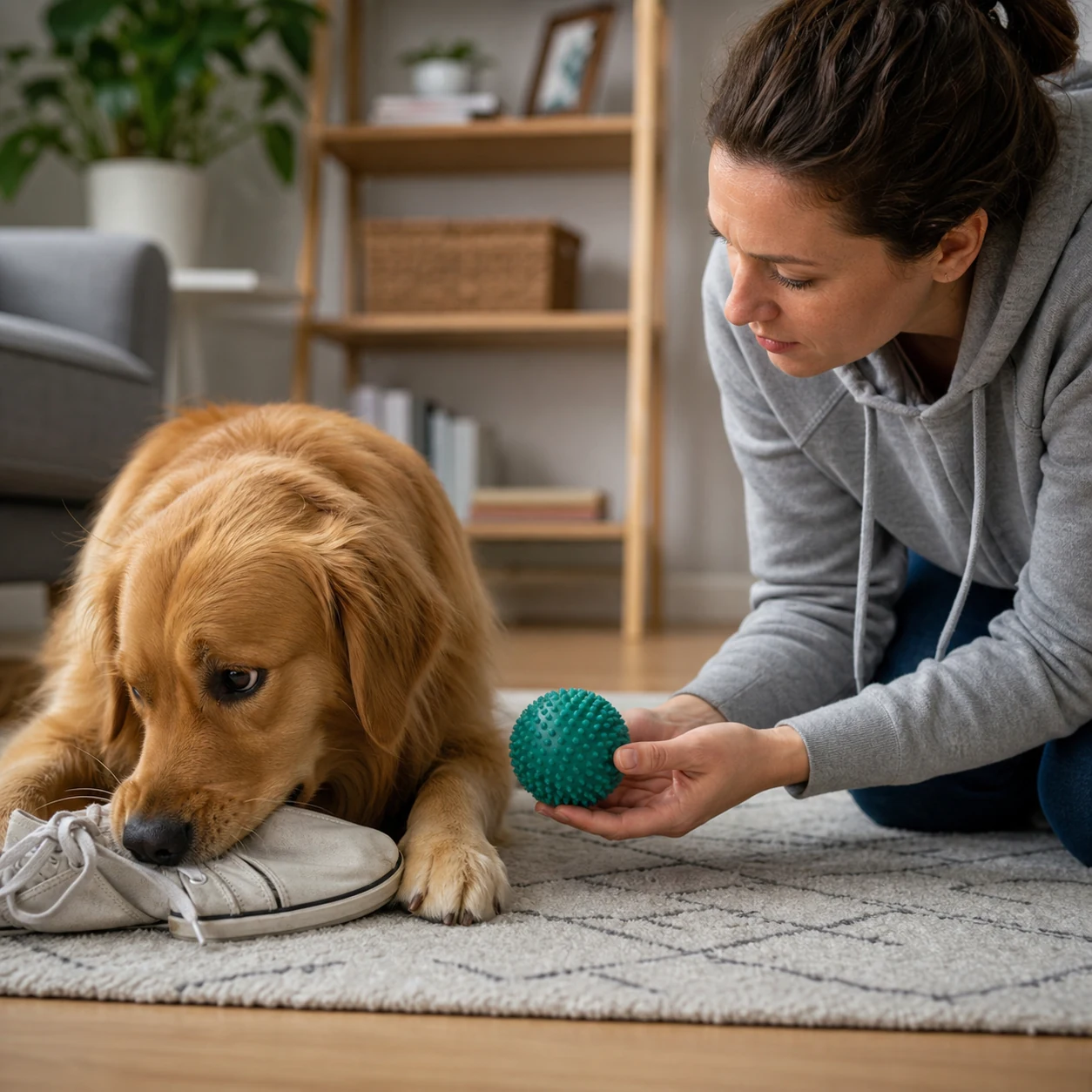
Young puppies need a lot of sleep. A simple starting point is one calm rest block after every potty, meal, play session, training win, visitor greeting, or exciting new experience.

A tired puppy may suddenly bite harder, bark more, zoom through the room, ignore treats, or seem unable to make good choices. That is usually a rest problem, not a character problem.
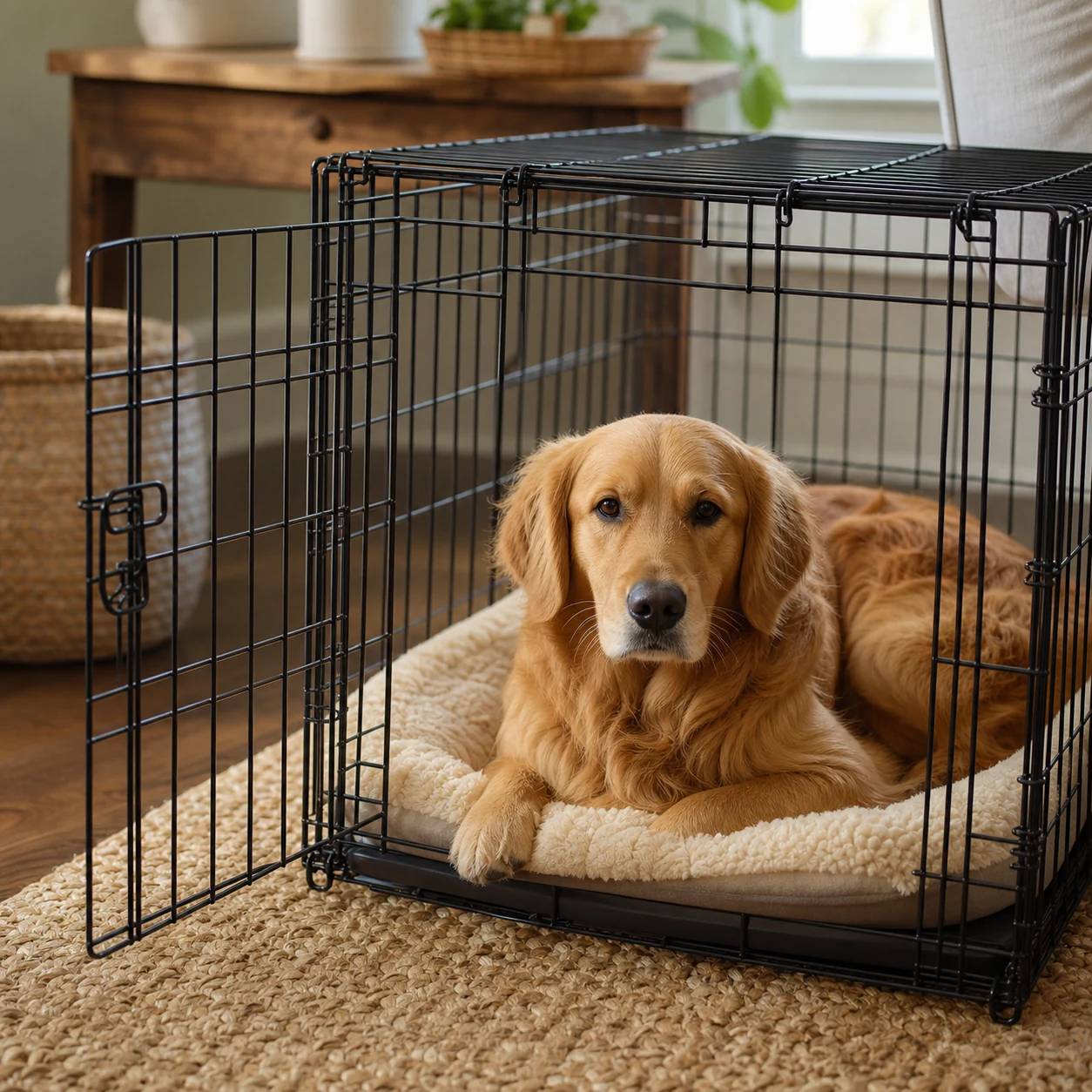
Choose a crate, pen, gated room, or quiet bed area where your puppy can truly switch off. The space should feel safe, boring, and close enough that you can notice potty needs.
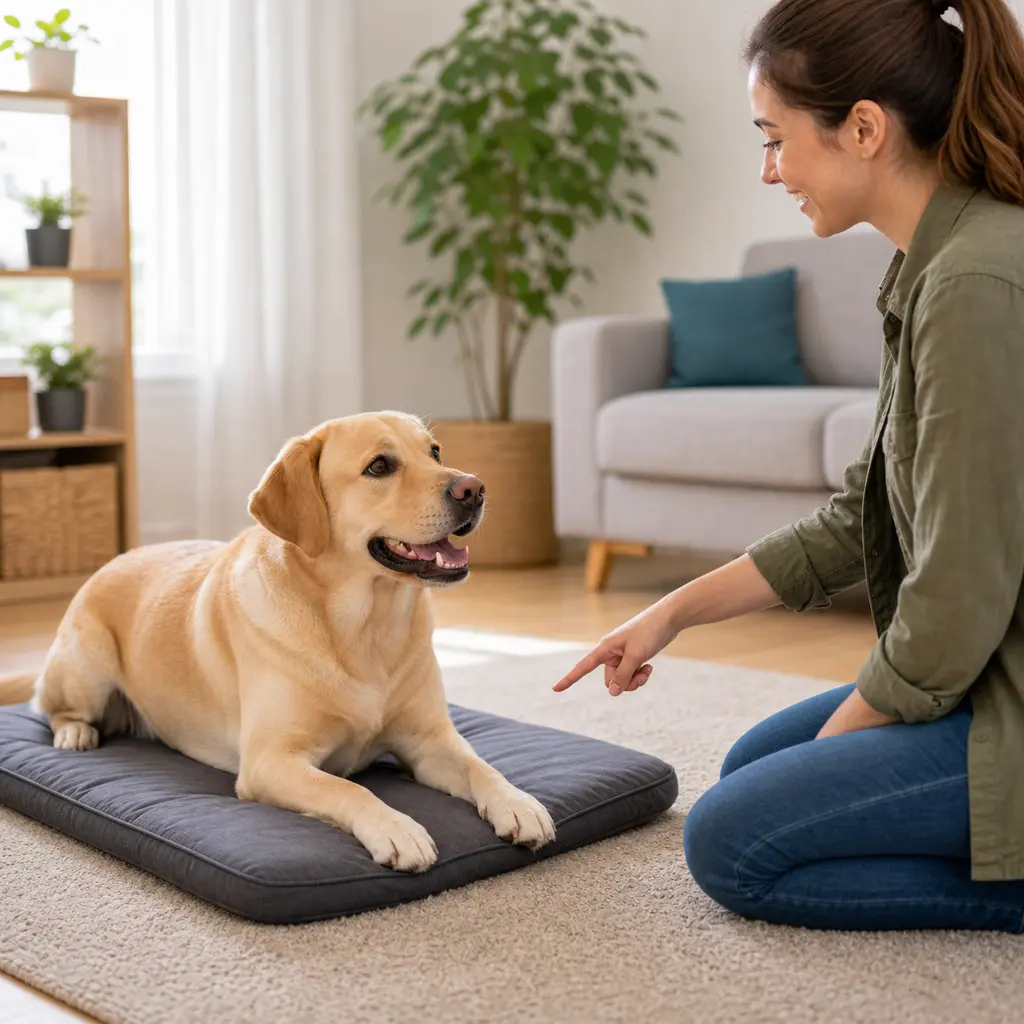
Before each nap, run the same gentle pattern: potty trip, water if needed, calm walk to the rest area, safe chew or lick mat, soft voice, then quiet.
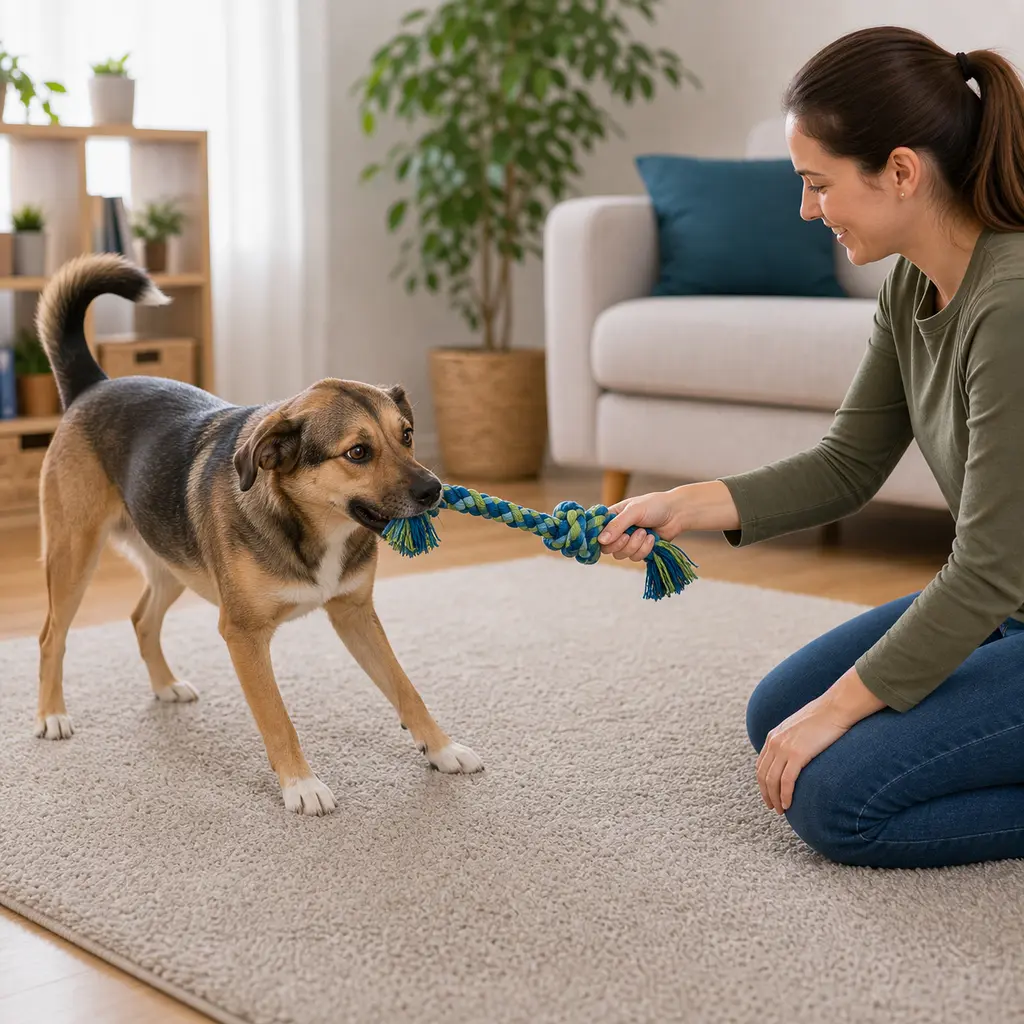
End play while your puppy can still think. If play always ends in wild biting, shorten the session, take a potty trip, and help your puppy settle before they tip over the edge.
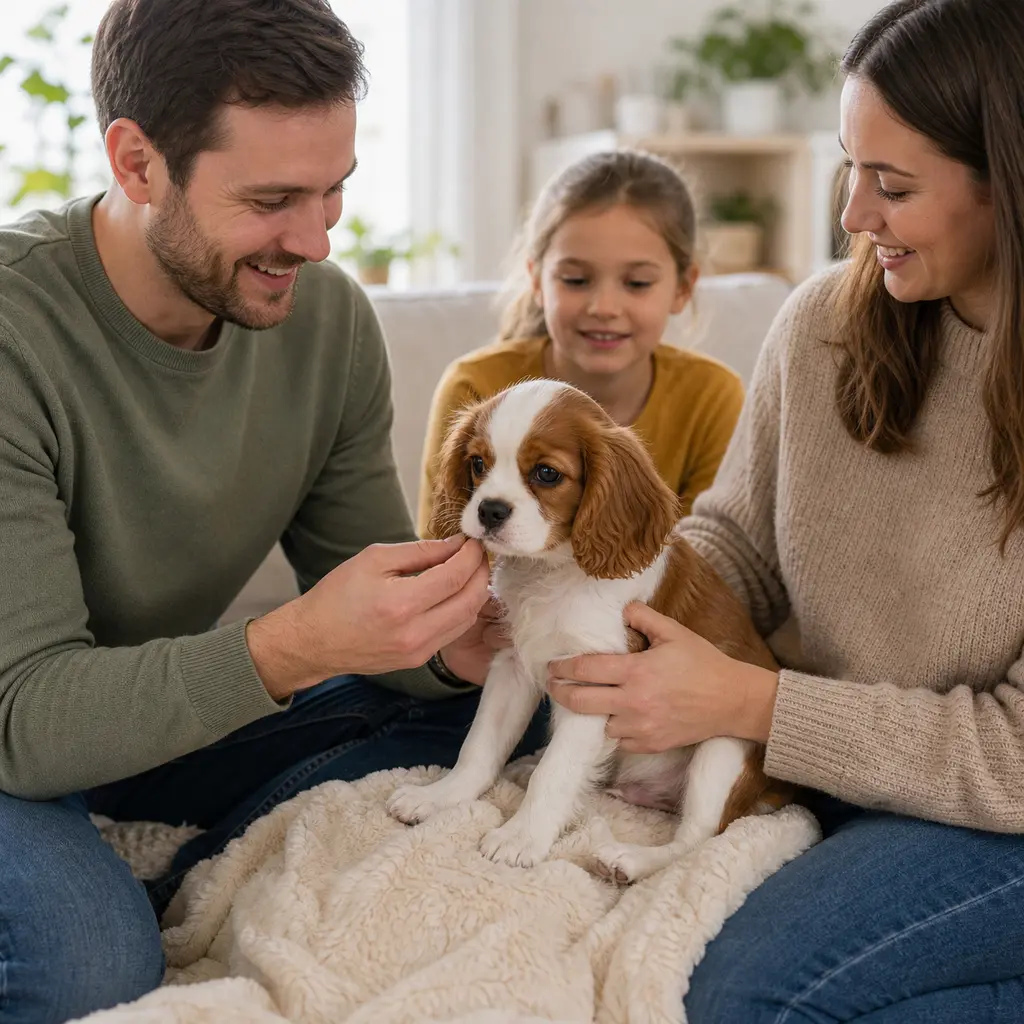
Guests, children, car rides, grooming, and new places can be joyful and exhausting. After excitement, give your puppy a quiet reset before asking for more social time.
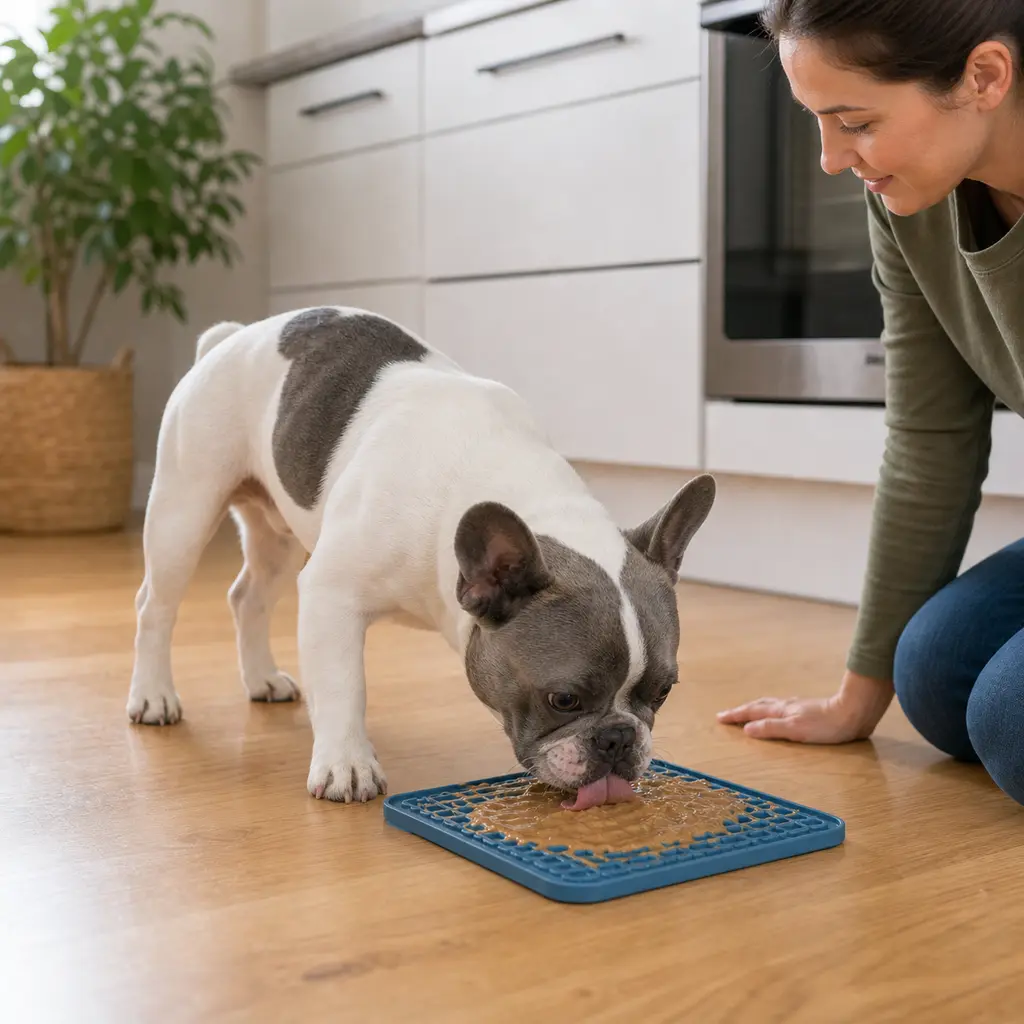
Chewing helps many puppies downshift. Use safe chews, a stuffed food toy, or a lick mat in the rest area so settling has a job, not just an empty pause.
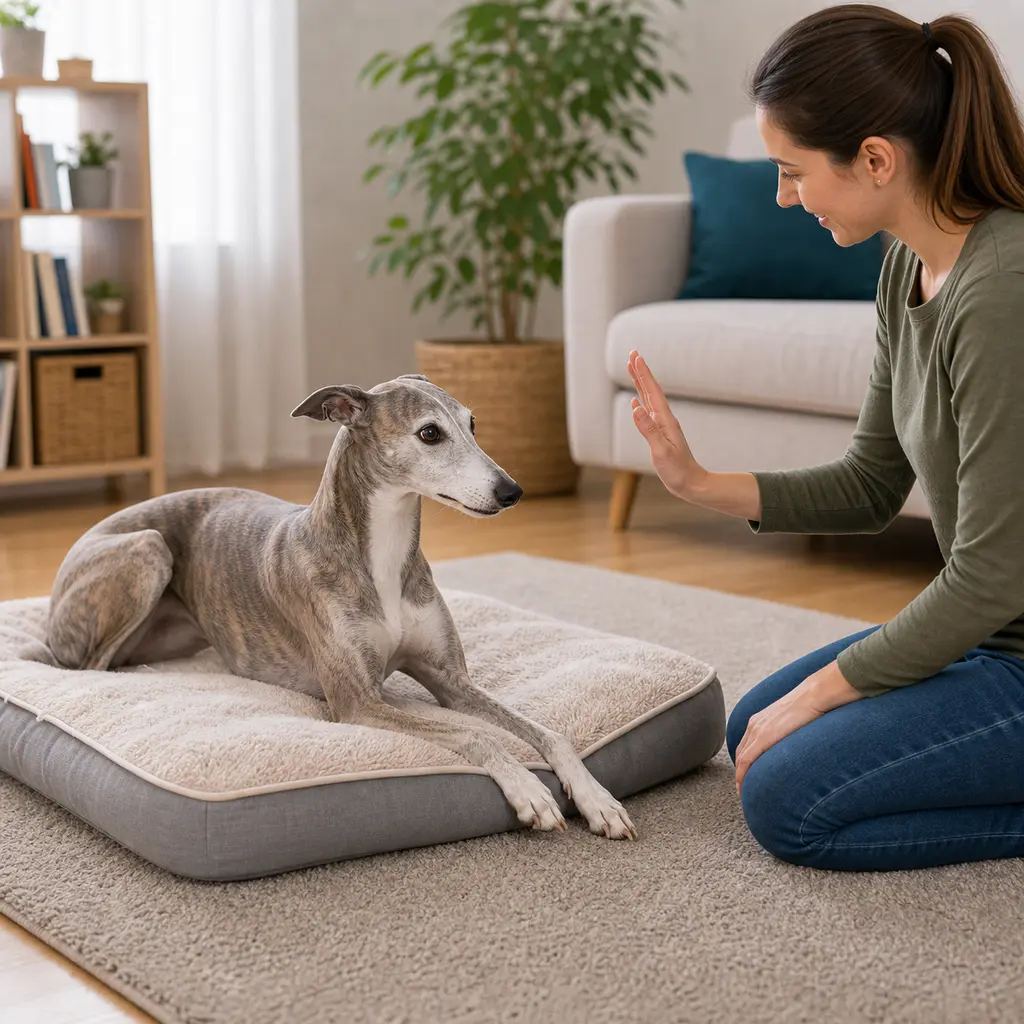
Do not keep checking, talking, or inviting the puppy back out every few minutes. Quiet support is kind; constant attention can make settling harder.
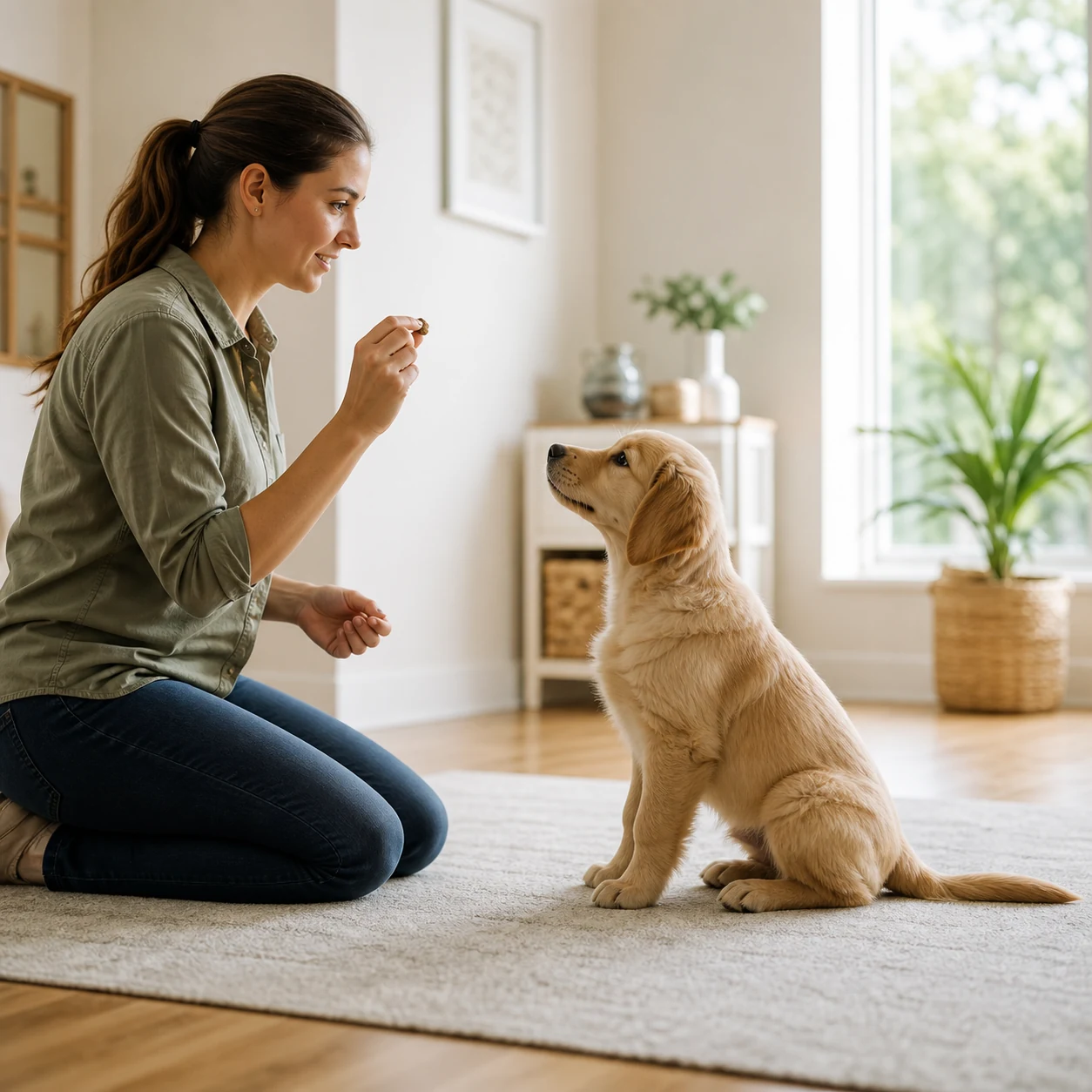
As your puppy matures, awake windows can grow. Add time in small steps, and shorten the next window if biting, barking, accidents, or frantic behavior returns.
Your puppy may be past their good-thinking window. Take a potty trip, lower the energy, and guide them toward a nap instead of wrestling through it.
A short burst can be normal. Repeated frantic laps often mean the day needs fewer events, shorter play, and a more predictable rest pattern.
Check potty need, hunger, temperature, and fear first. Then make the rest setup easier with a calmer lead-in, a safe chew, and shorter practice blocks.
The last stretch of the day often needs an earlier nap, quieter play, and fewer visitors or errands. A calmer evening starts before the chaos arrives.
Affiliate links: Furball Cove may earn from qualifying purchases at no extra cost to you.
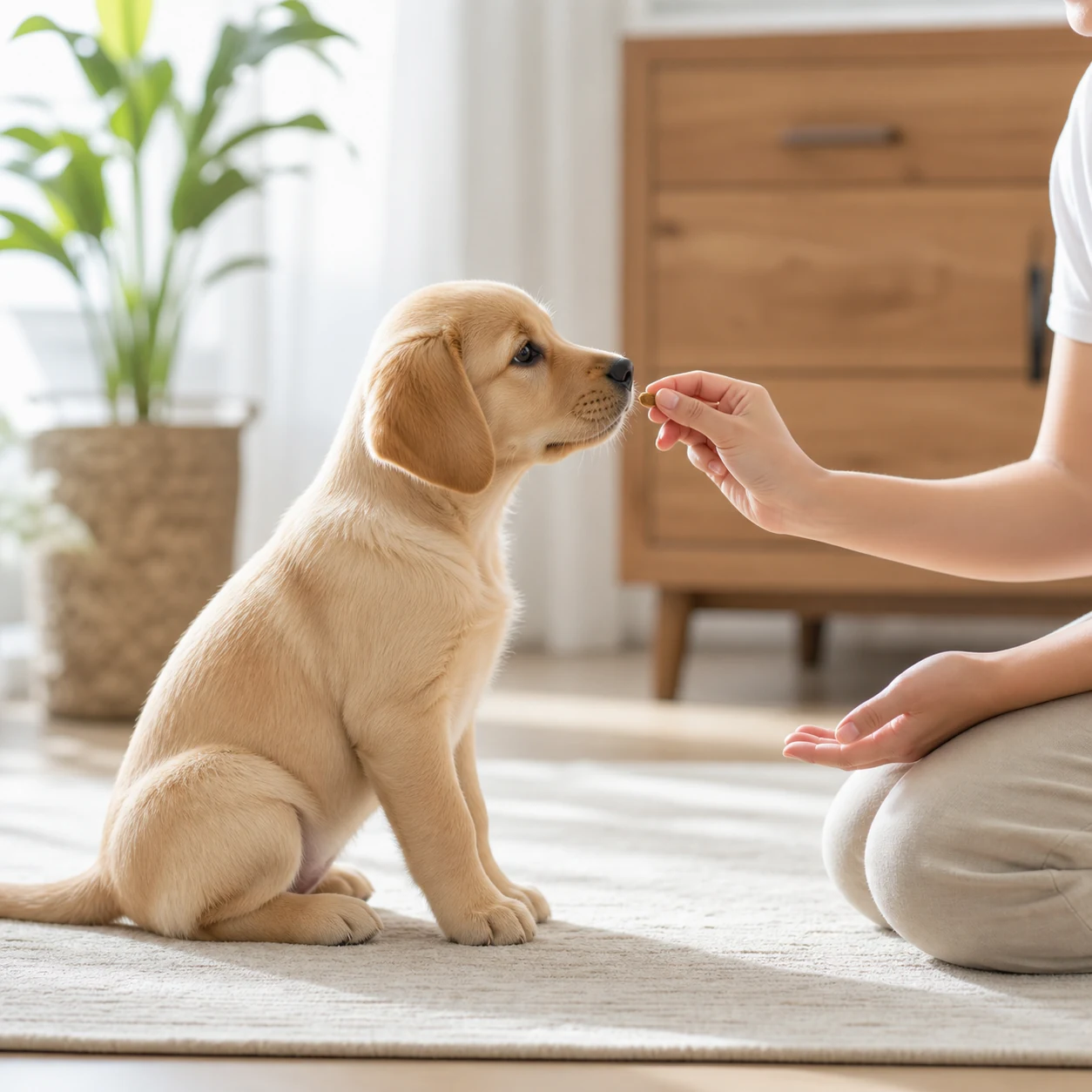
Creates a safe rest place for naps, overnight sleep, and calm breaks when introduced gently.
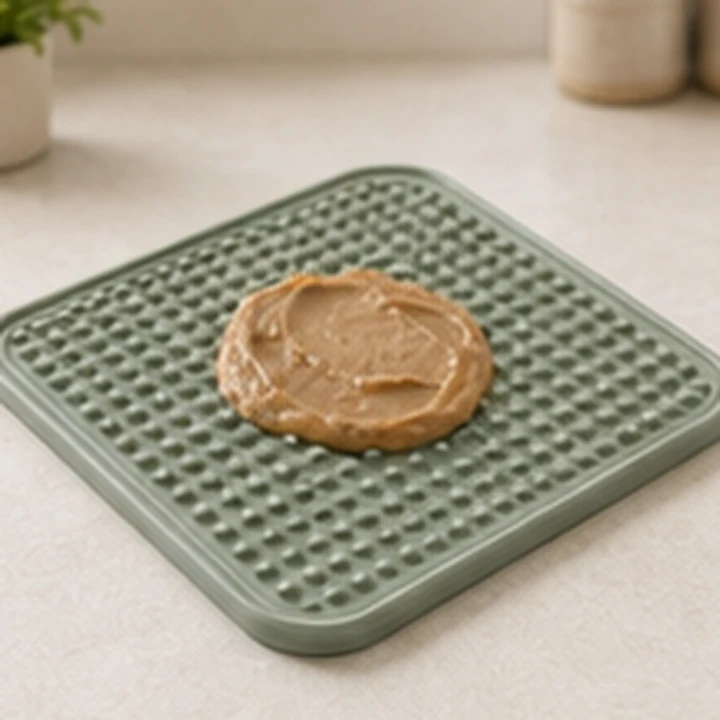
Gives your puppy a quiet settling job before a nap, especially after visitors or play.
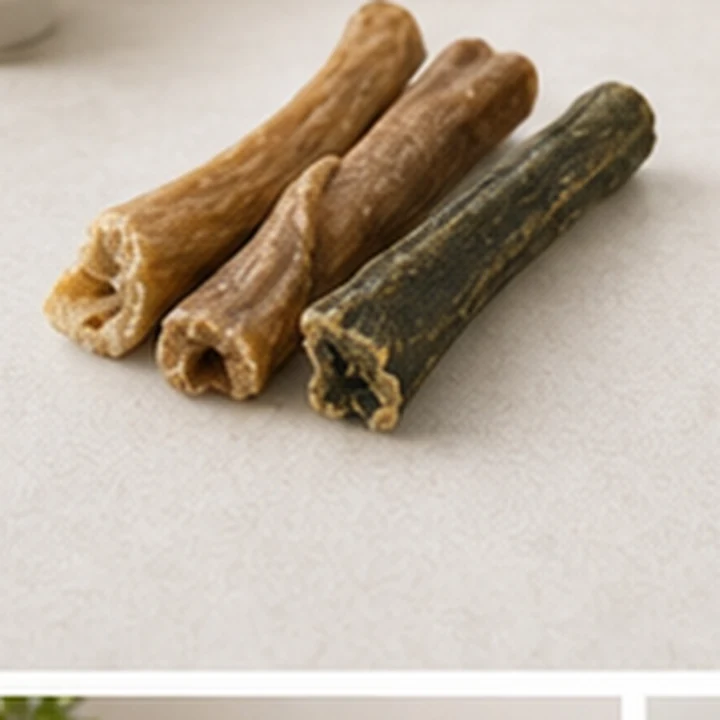
Helps busy mouths slow down during supervised rest blocks.
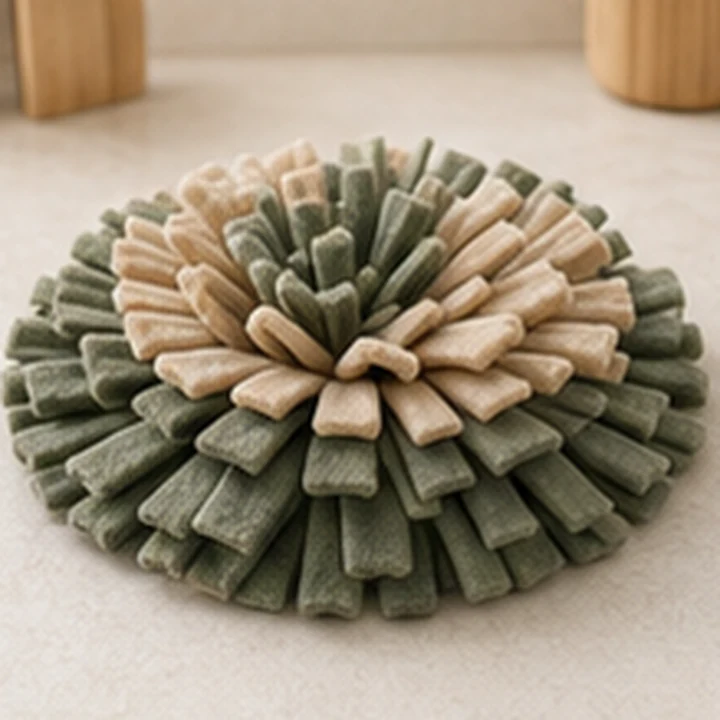
Turns a little food into calm sniffing work before your puppy settles.
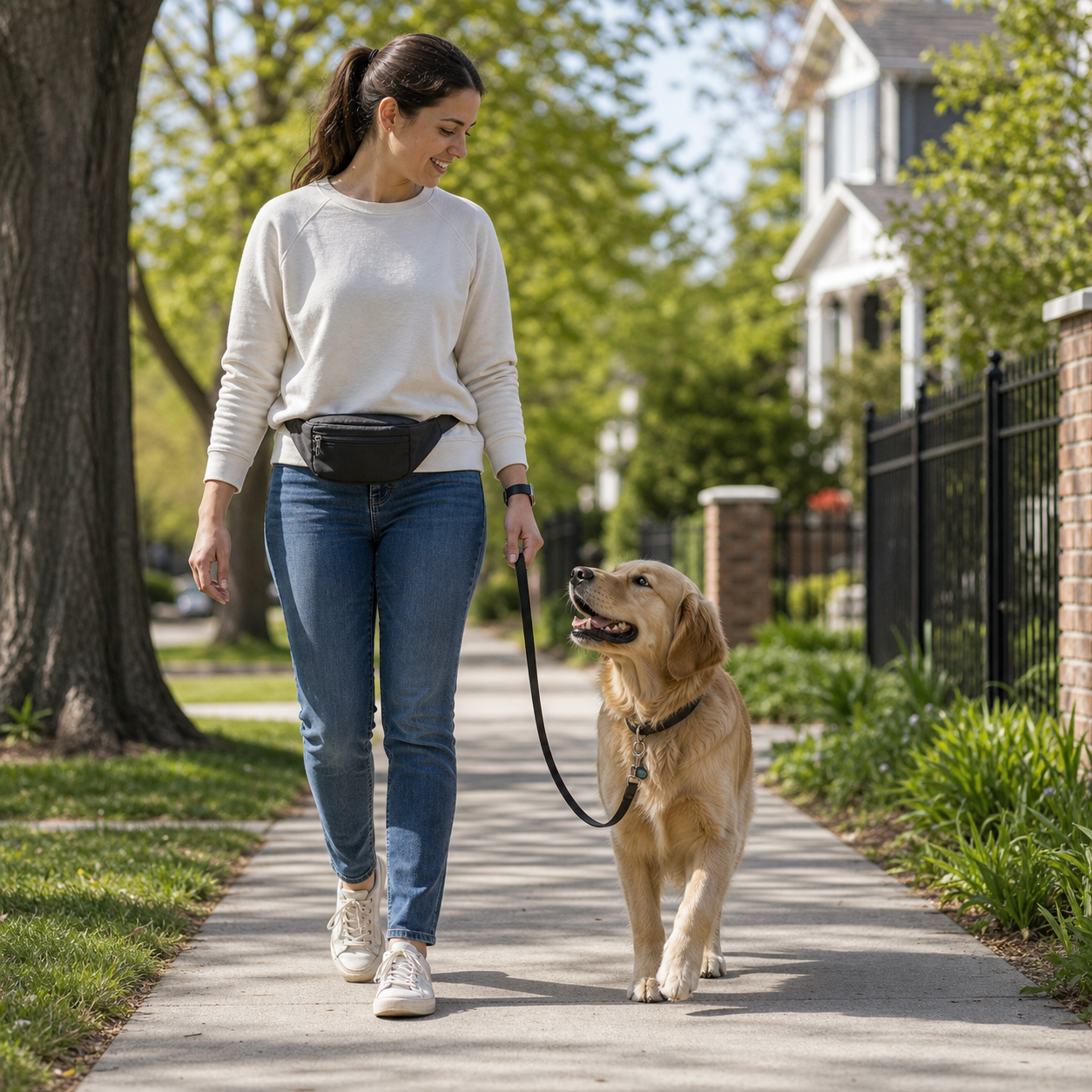
Keeps the rest zone small and predictable without separating your puppy from family life completely.
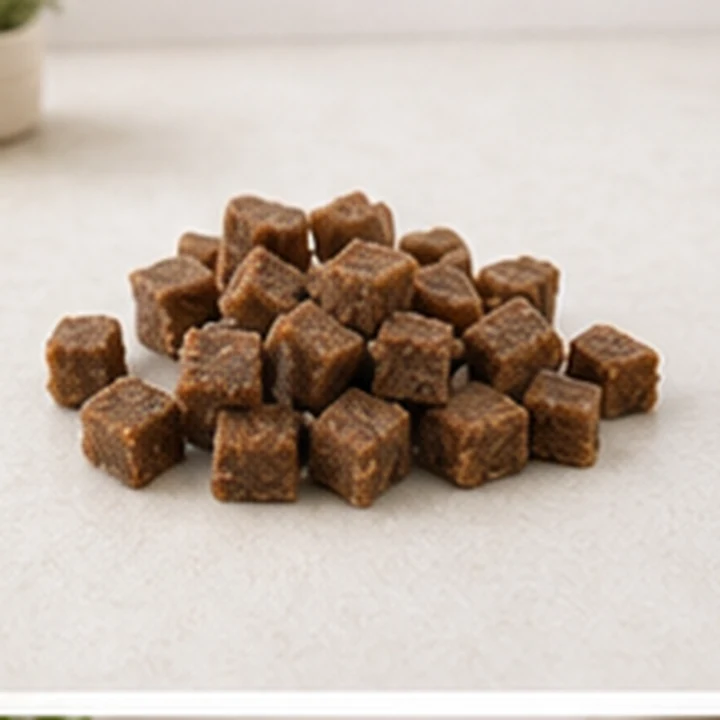
Useful for rewarding calm walks to the mat, crate, or pen before the nap begins.
Many young puppies need a nap after every active block. Instead of counting naps only, watch the rhythm: wake, potty, eat or play, potty again, then sleep.
Let your puppy sleep as long as they are comfortable and safe. Some naps are short resets, and some are deep sleep. If naps are always tiny, the room may be too busy or the puppy may need a calmer setup.
Usually, let sleep happen. Wake gently only when you need a planned potty trip, meal, medication, or a schedule adjustment that truly matters.
Check potty need, hunger, temperature, pain, and fear first. Then make the routine easier: shorter awake window, calmer lead-in, safe chew, and a rest spot close enough to feel secure.