

Updated
Dog training
Crate Training
A crate should feel predictable and safe, not like a consequence or a place where panic gets practiced.
Build comfort in small pieces, use the crate for rest, and keep exits calm.
Start here
Crate setup
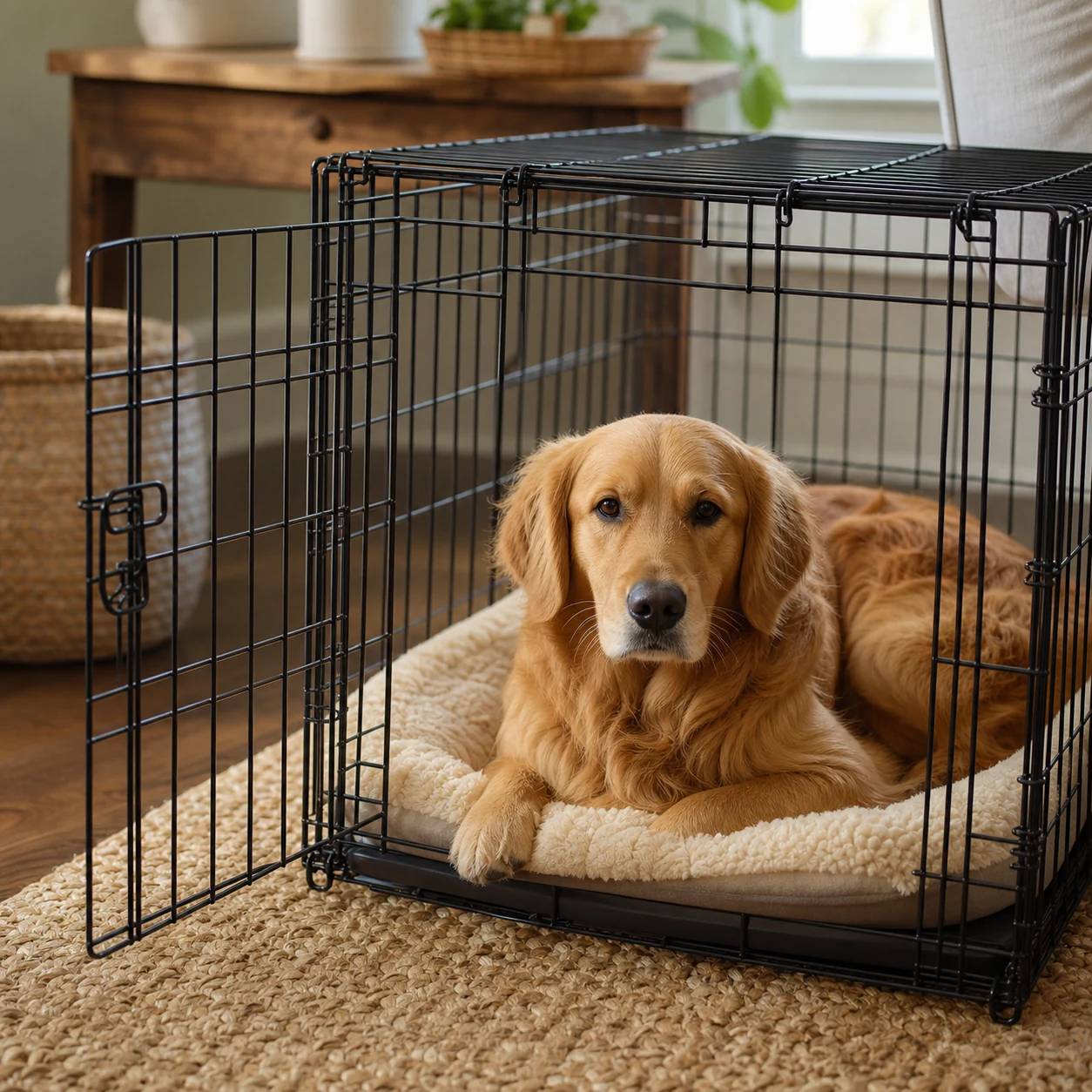
Comfort starts with the crate itself and where it lives.
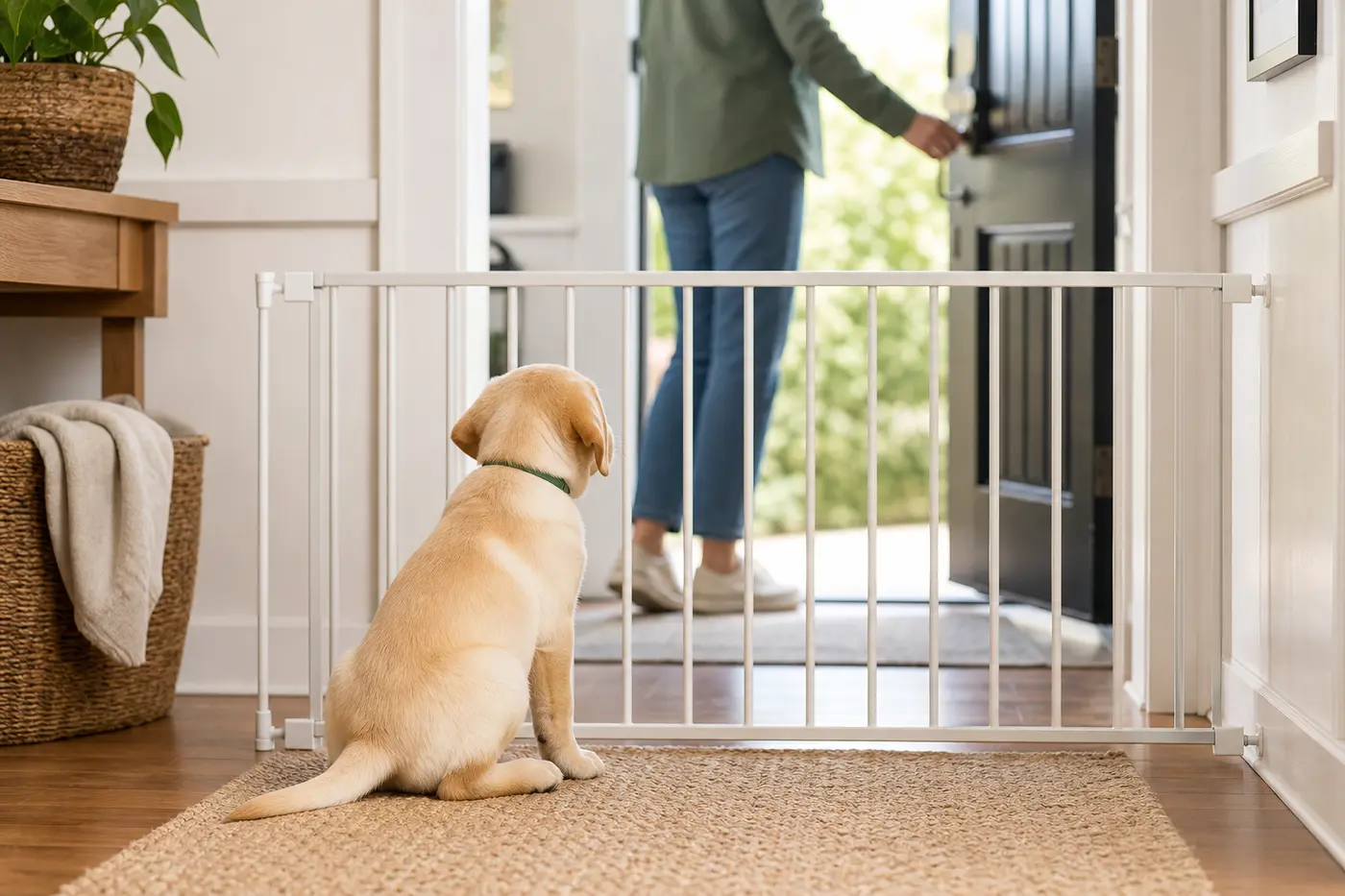
Choose a calm area near family life, not a busy hallway or isolated timeout corner.
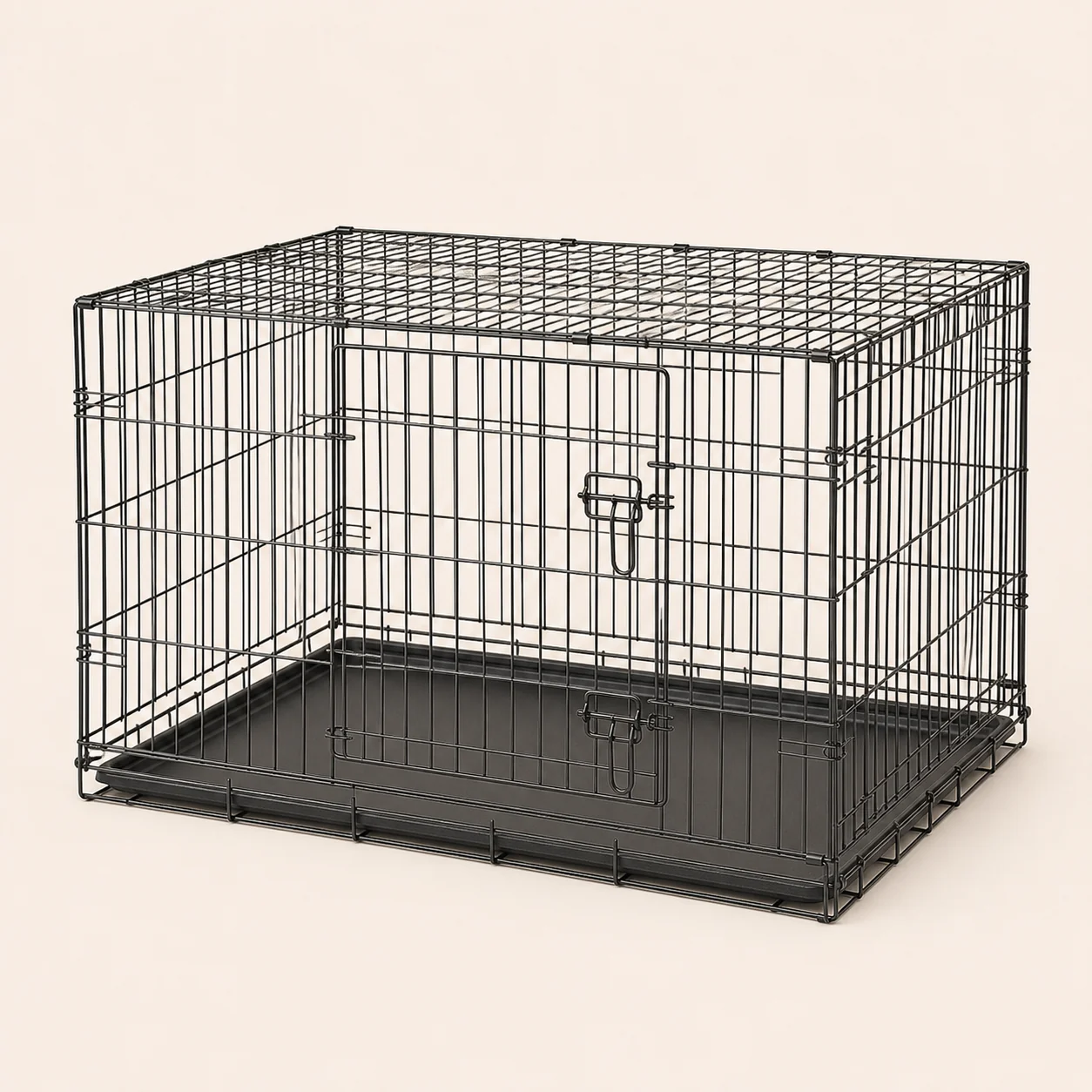
The dog should stand, turn, and lie down comfortably without loose hazards inside.
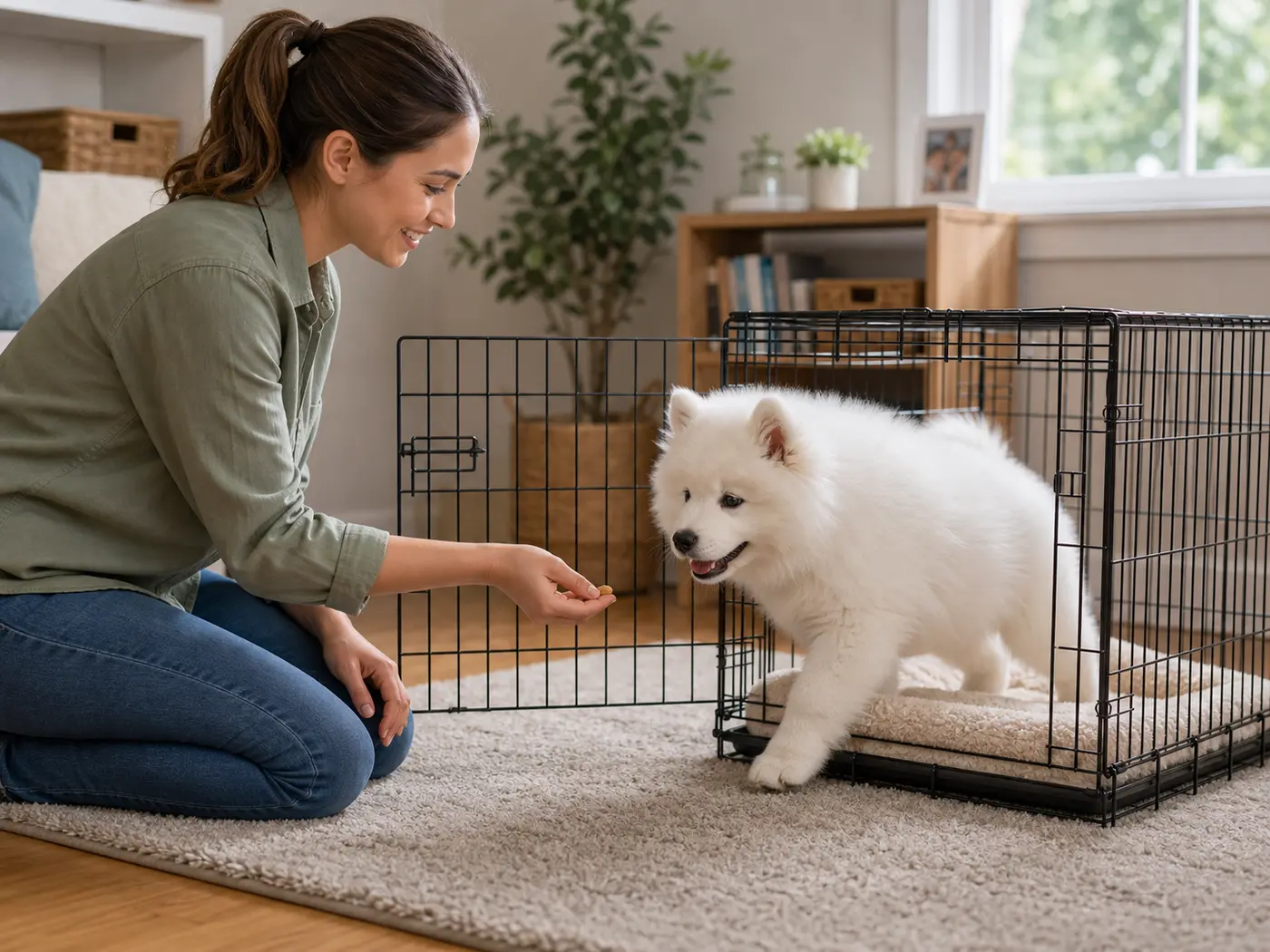
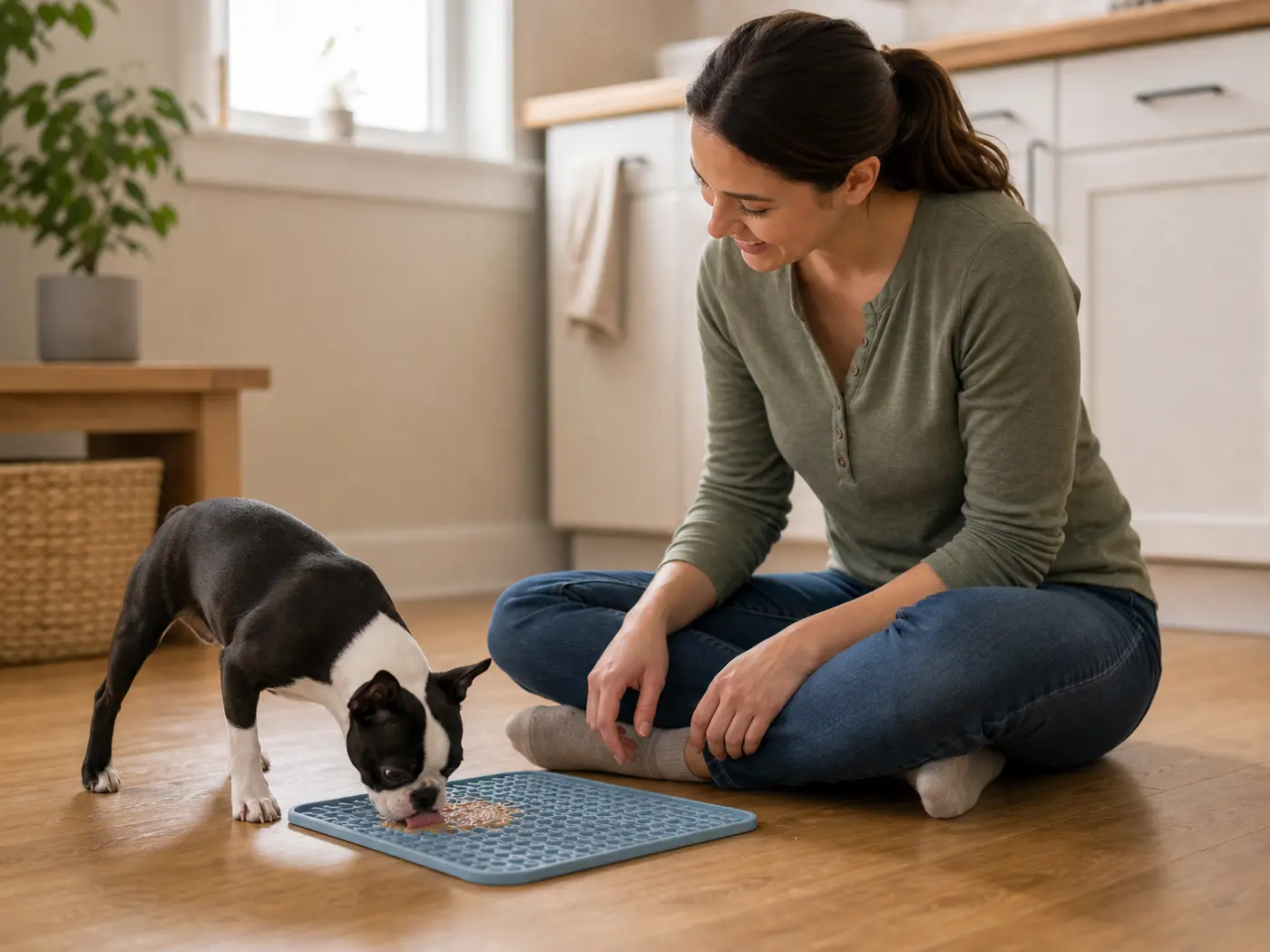
Feed treats and chews with the door open before asking for closed-door rest.
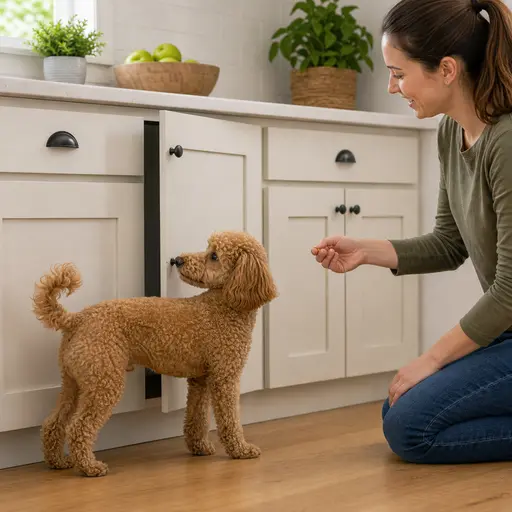
Use one calm phrase so the crate predicts rest, not drama.
Build crate comfort
Short, successful reps matter more than one long test.
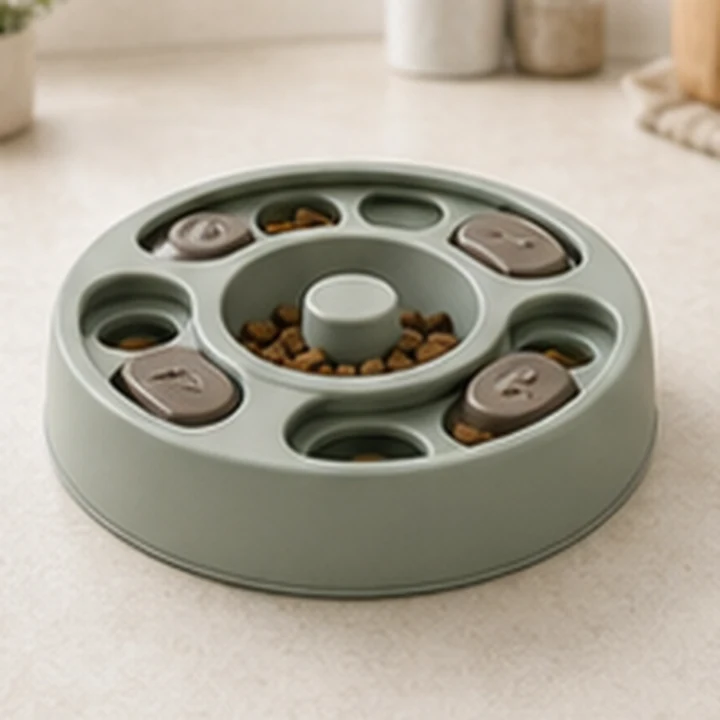
Toss a treat in, let the dog walk in, then let them leave again.
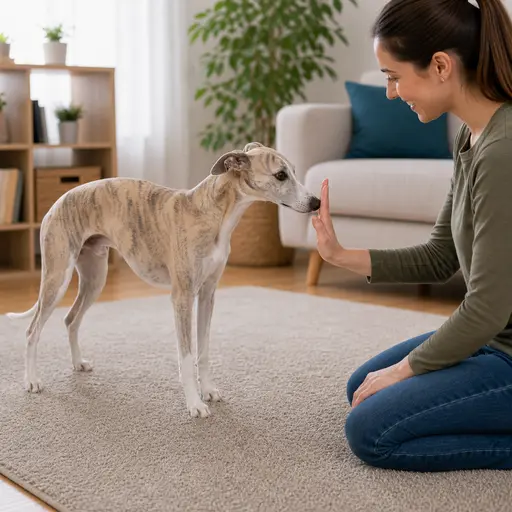
Close the door for one second, reward, then open before worry builds.
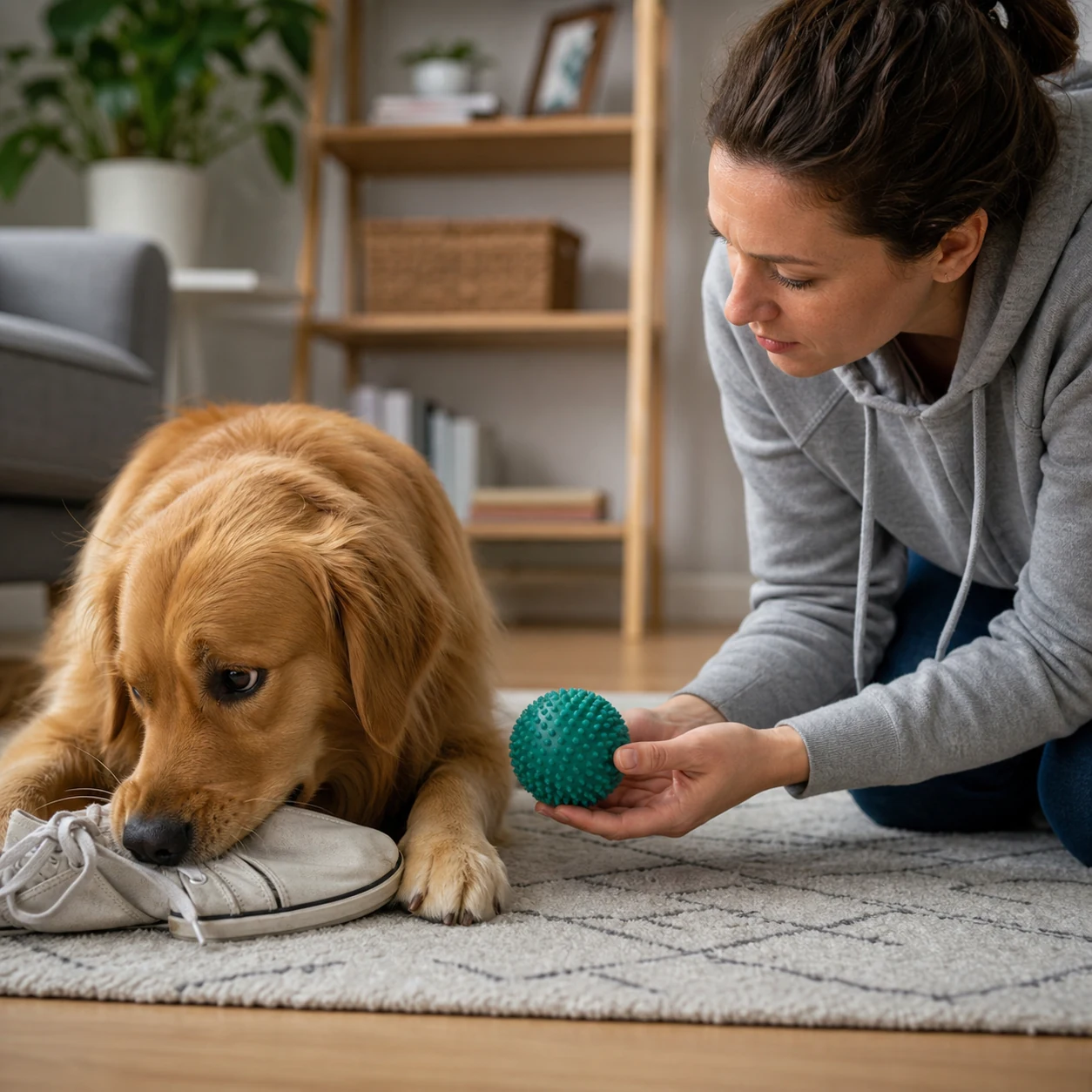
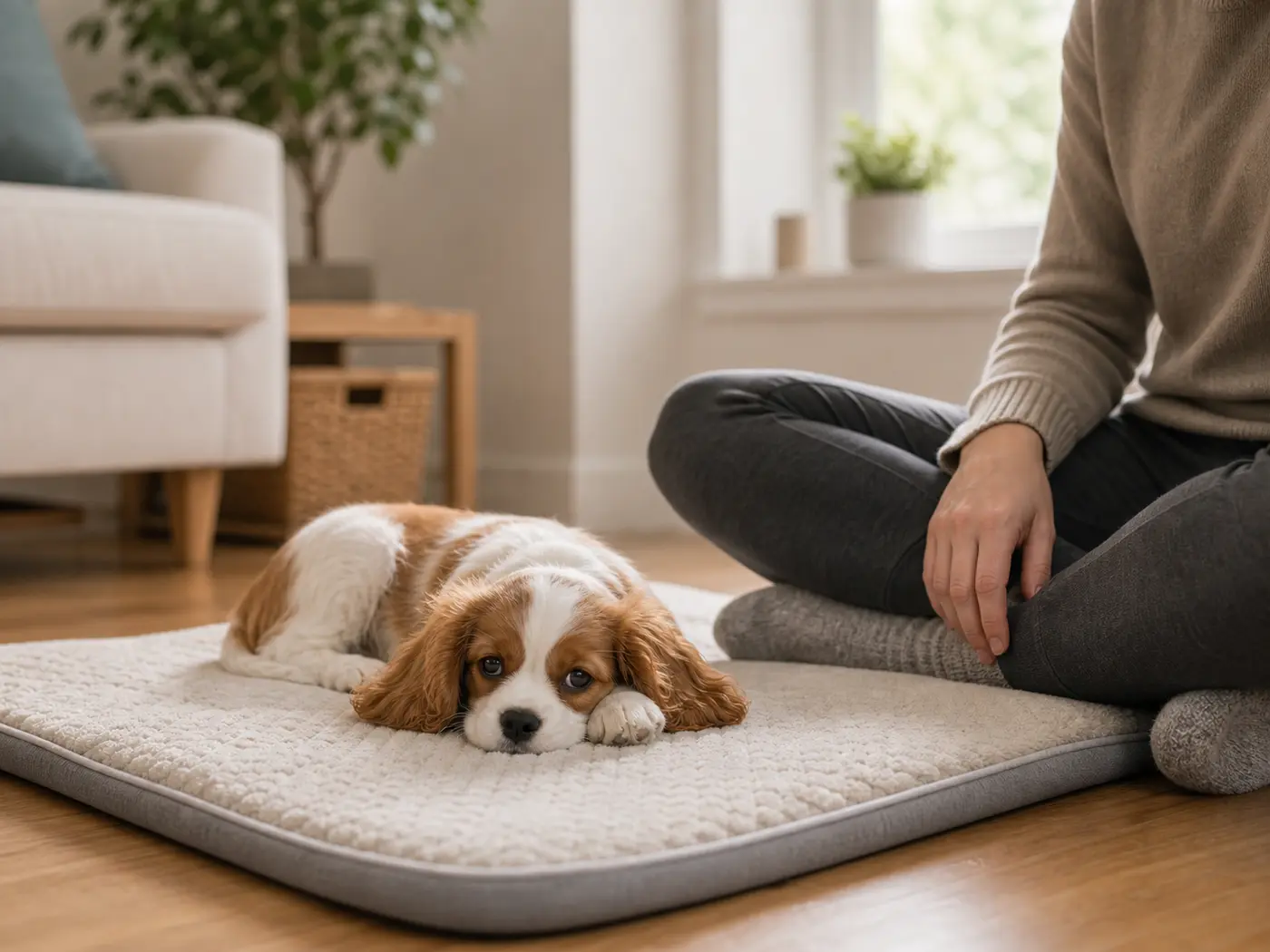
Use the crate after potty, play, food, and training when the dog is ready to sleep.
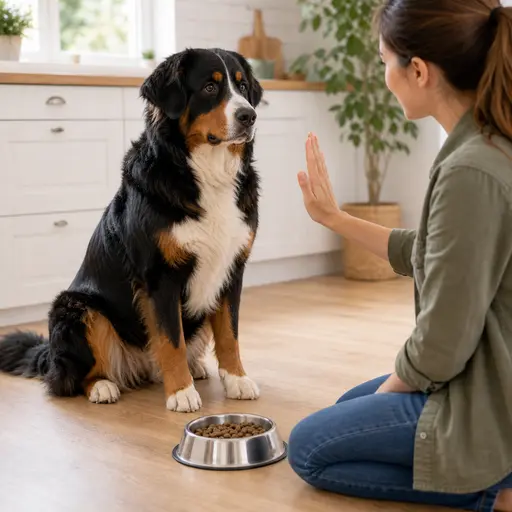
Open the door when the dog is quiet enough to think, not while they are launching out.
Crying and night routine
Crying can mean distress, potty need, overtiredness, or a routine gap.
Ask: potty need, too hot, too long, too isolated, or just protesting the boring part?
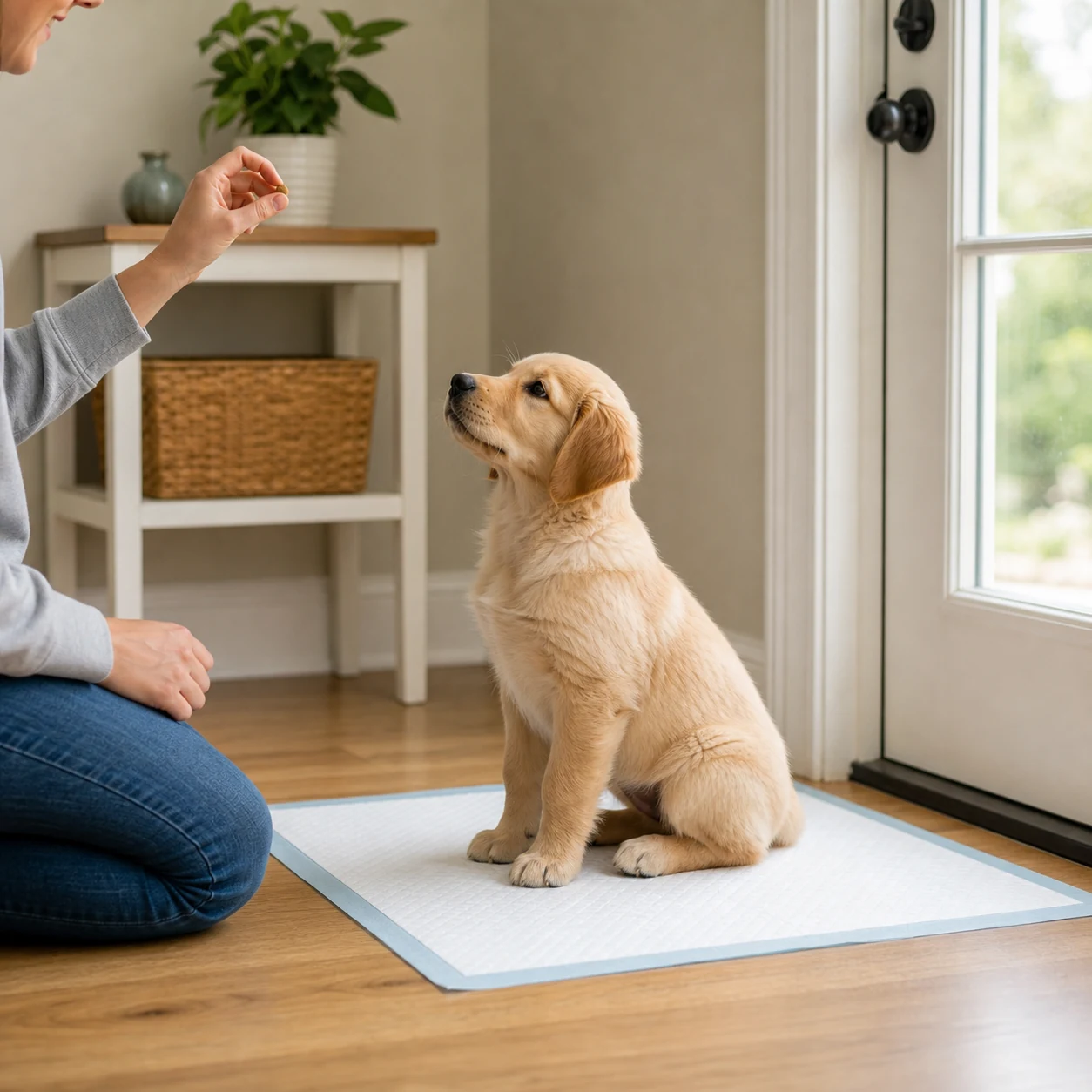
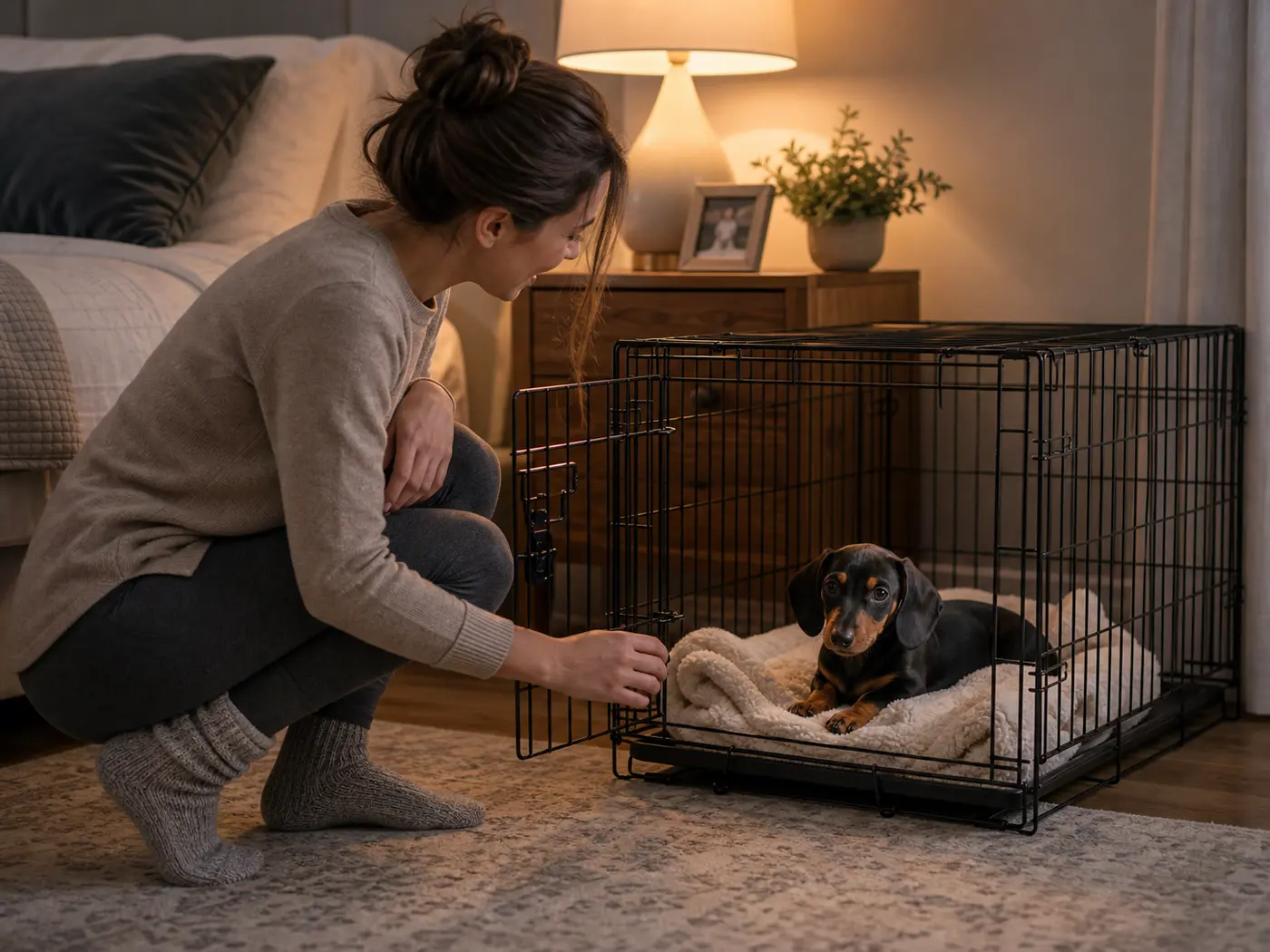
If you go out at night, keep it quiet and return to bed right away.
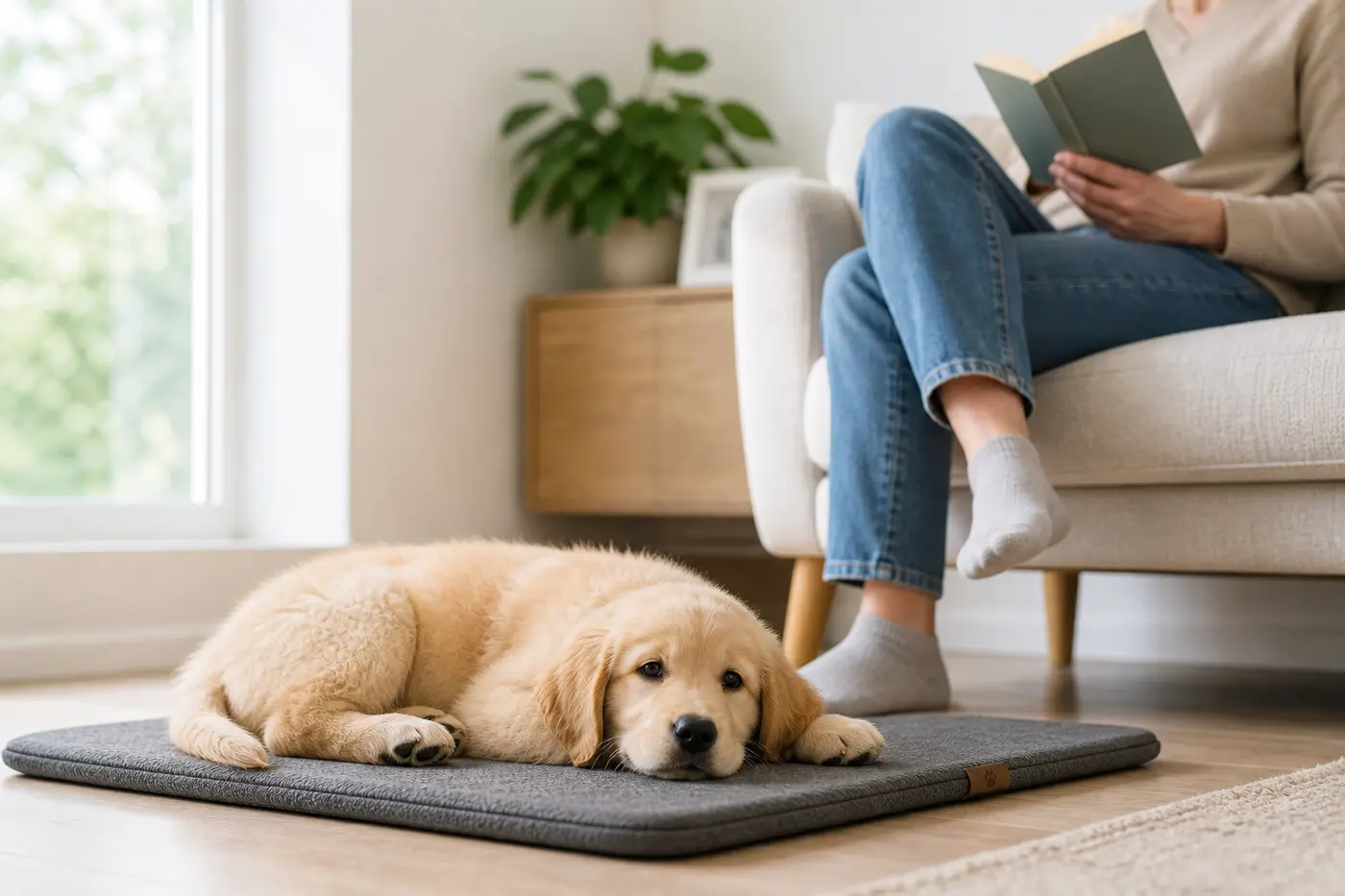
Some puppies settle faster with the crate near the bed for the first nights.
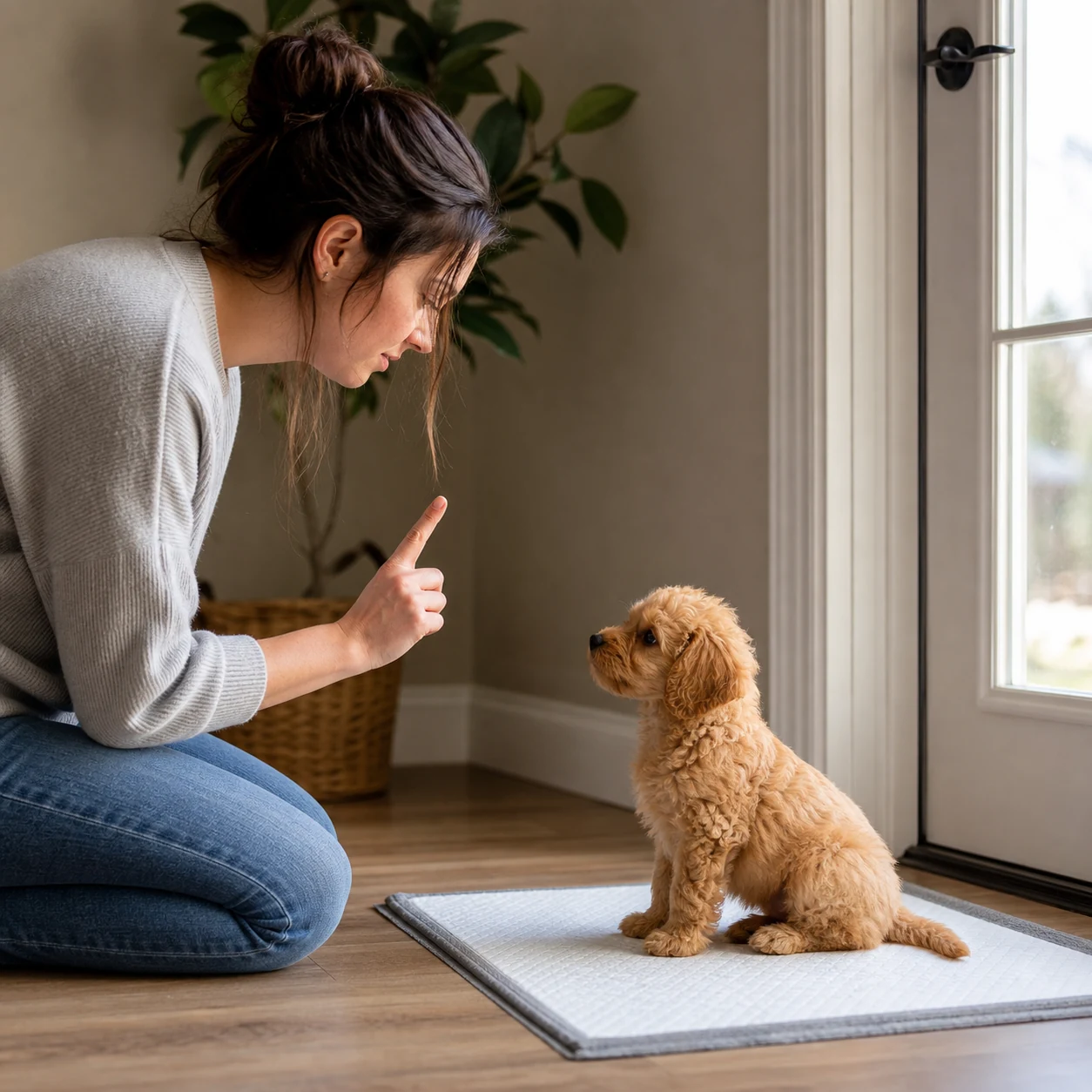
Yelling adds stress and attention. Adjust the plan instead.
Alone-time practice
Crate comfort and separation comfort overlap, but they are not identical.
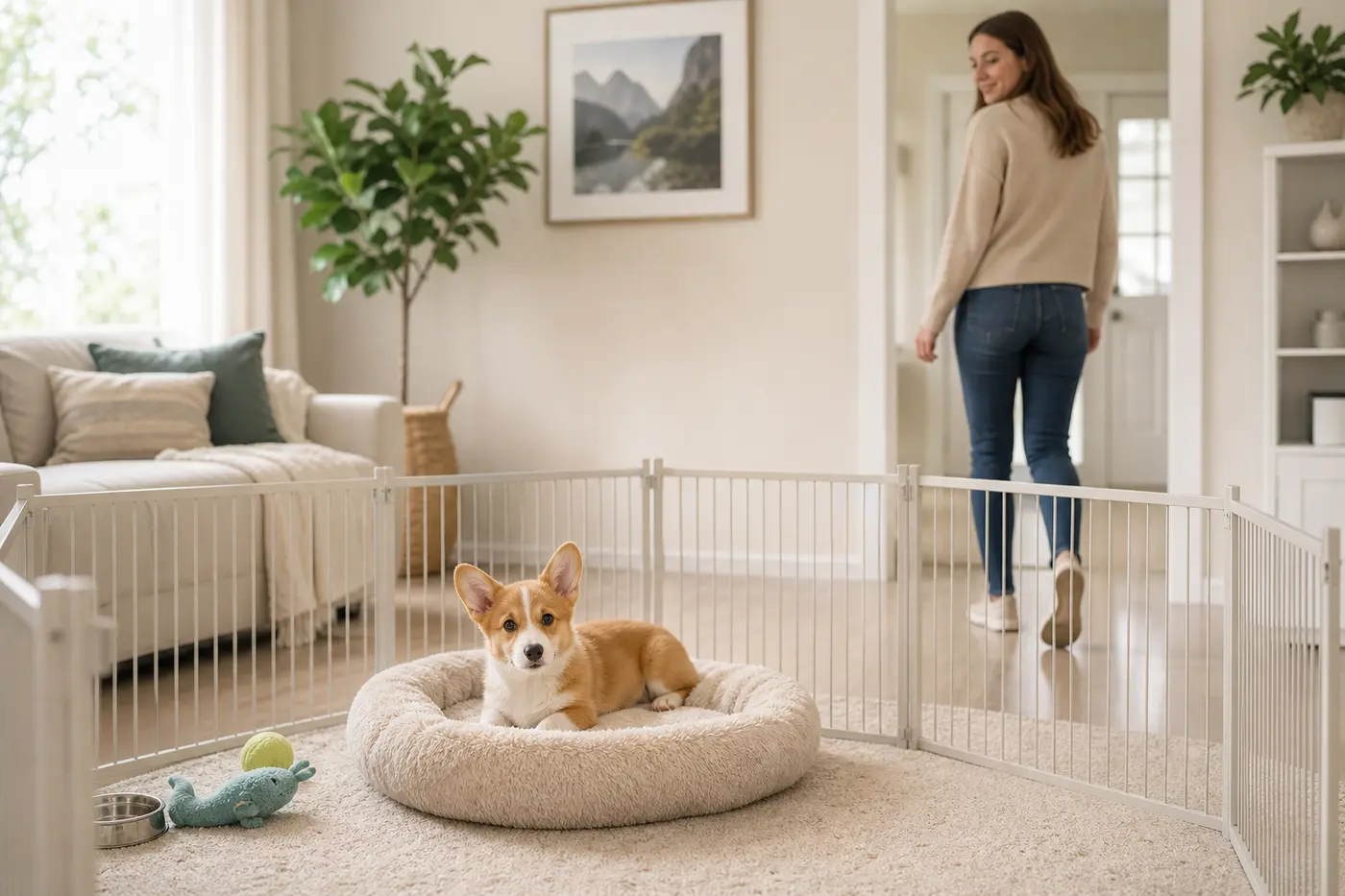
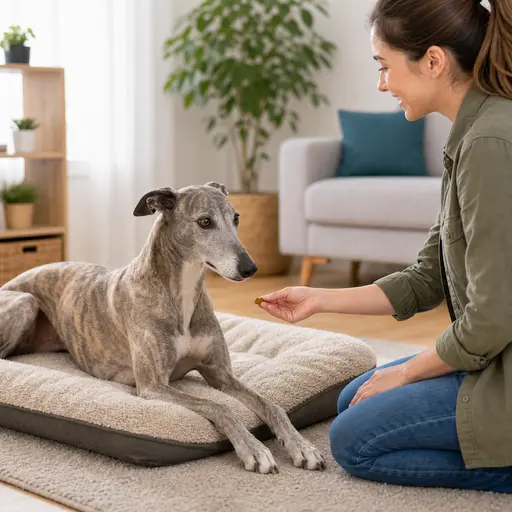
Leave for seconds, return calmly, and build time before the dog worries.
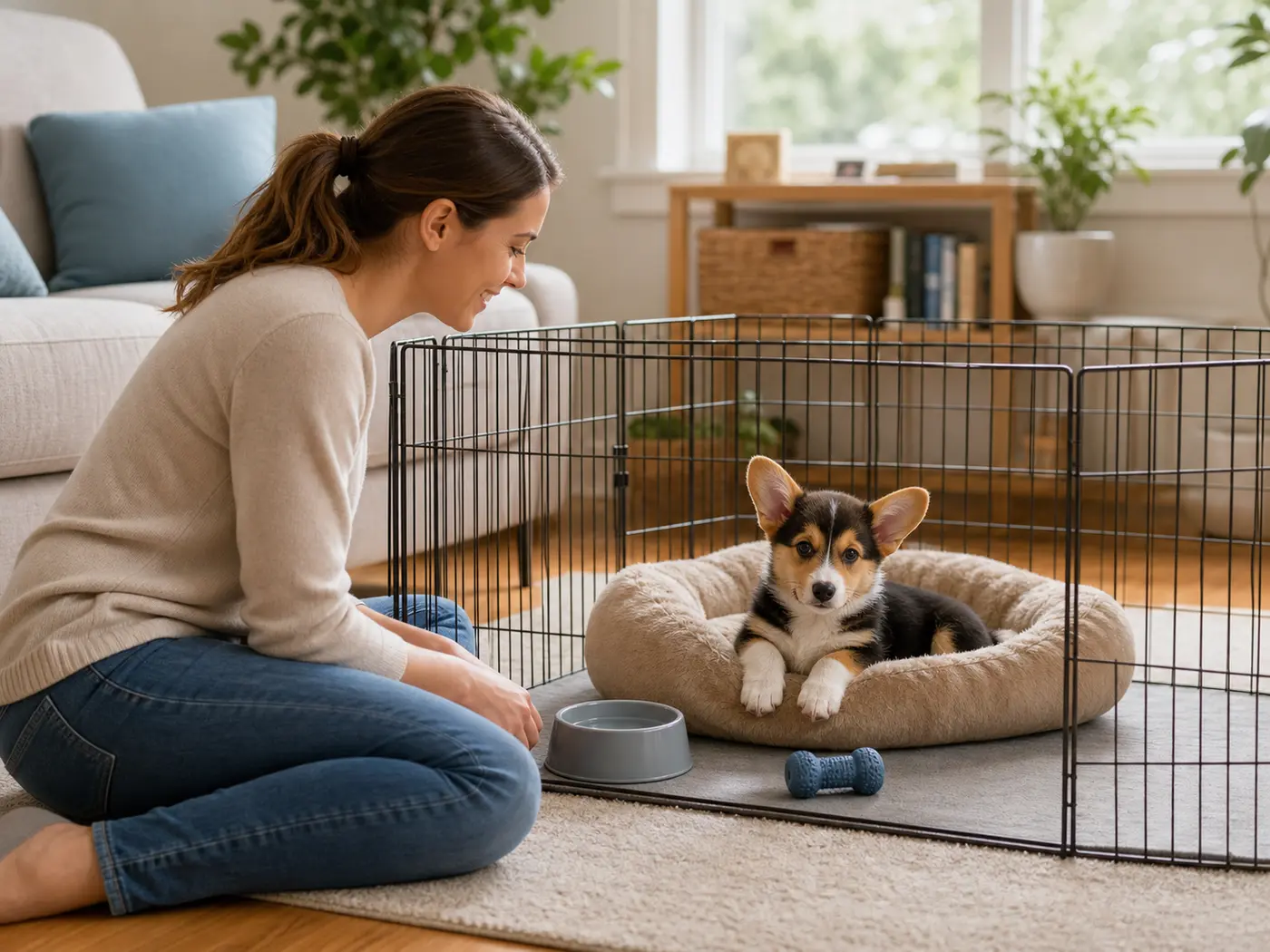
Potty, low-key crate cue, safe chew, and quiet exit.
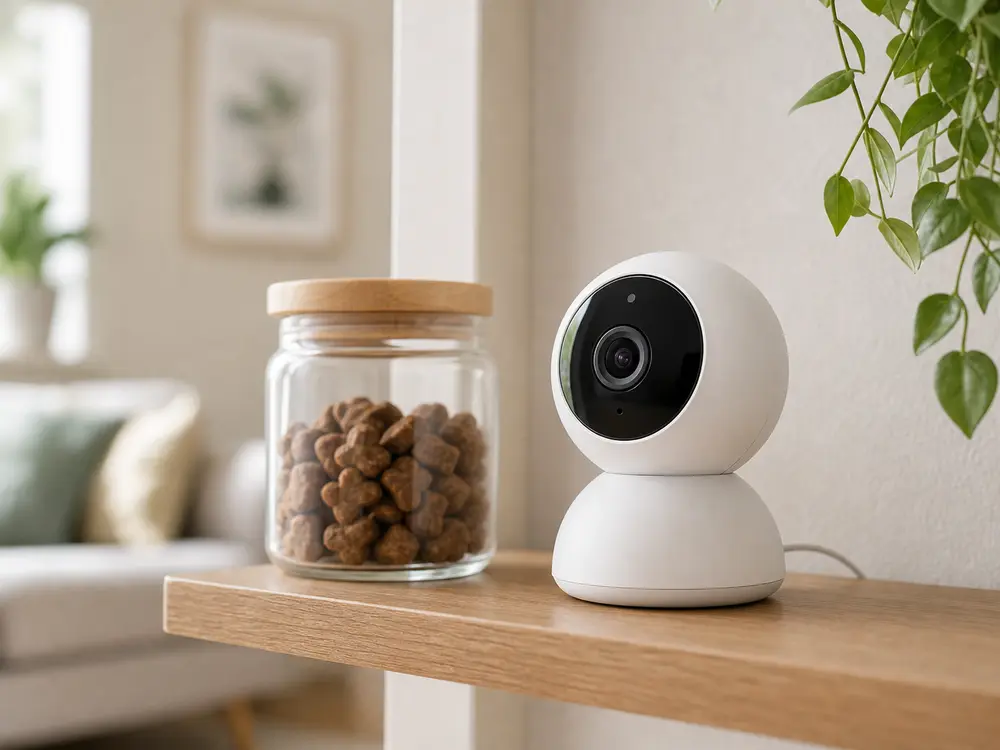
A camera helps you see whether the dog is resting or escalating.
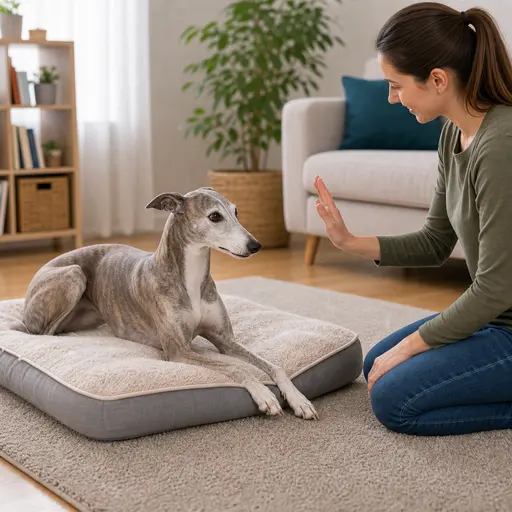
If panic starts, shorten the setup and consider qualified help.