Dog Grooming Tools: Brushes, Combs, Nails, Shampoo & Towels
Start with tools that match your dog's coat and handling comfort: the right brush, a comb, nail tool, dog-safe shampoo, towel, and simple ear or tooth-care supplies.
Grooming tools should make your dog more comfortable, not fill a drawer. Buy for the coat in front of you, the places that mat or shed, and the amount of handling your dog can manage calmly.
01
Match the brush to the coat
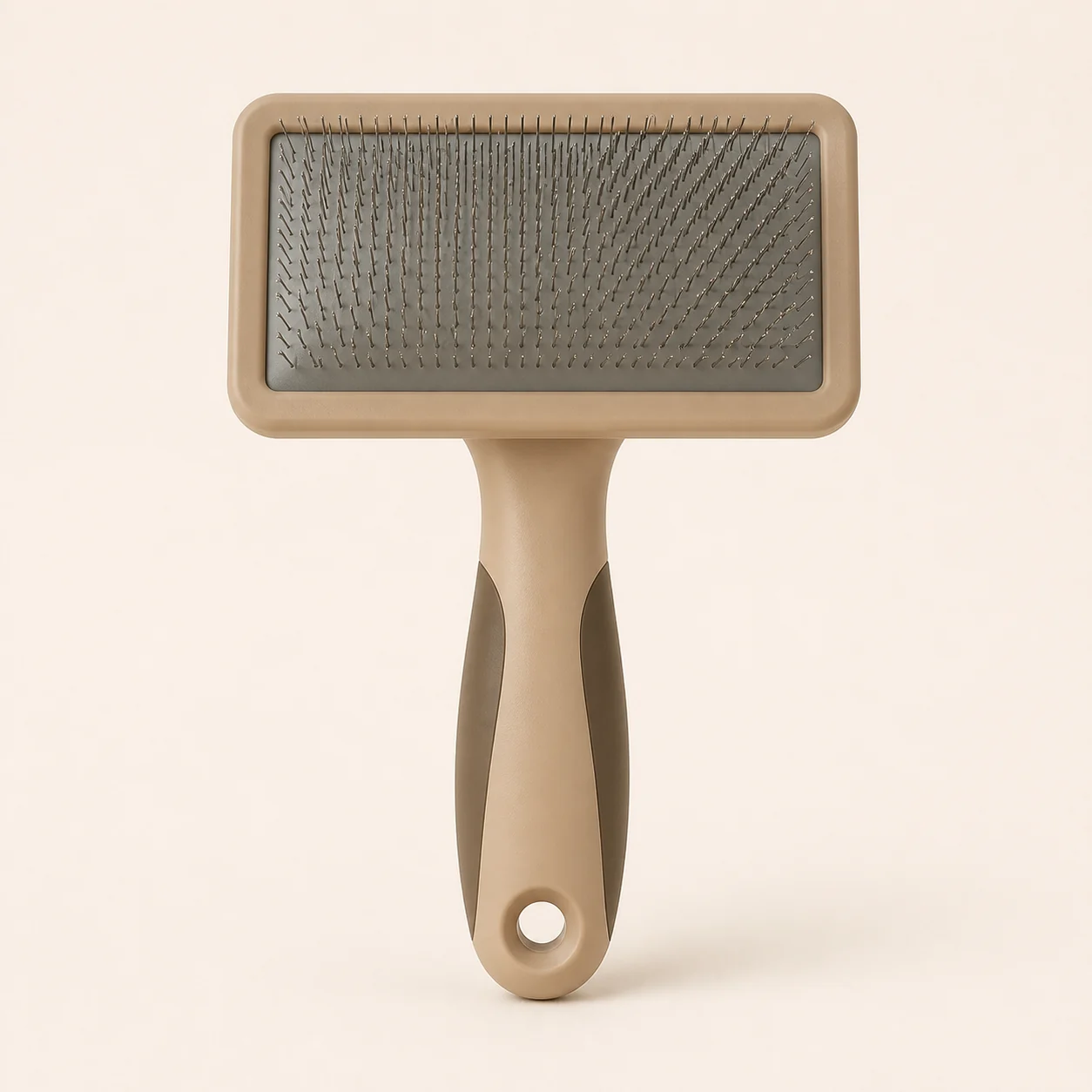
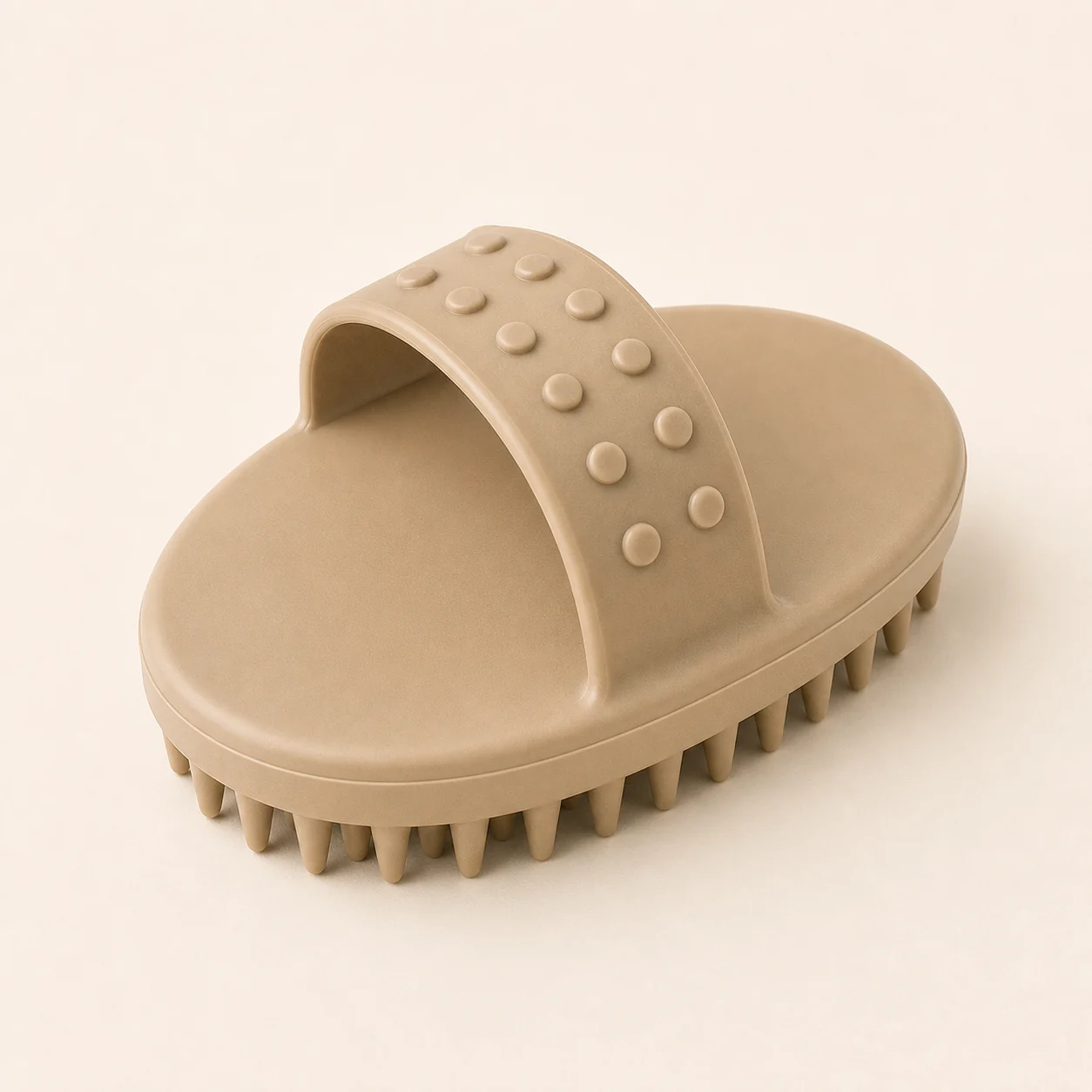
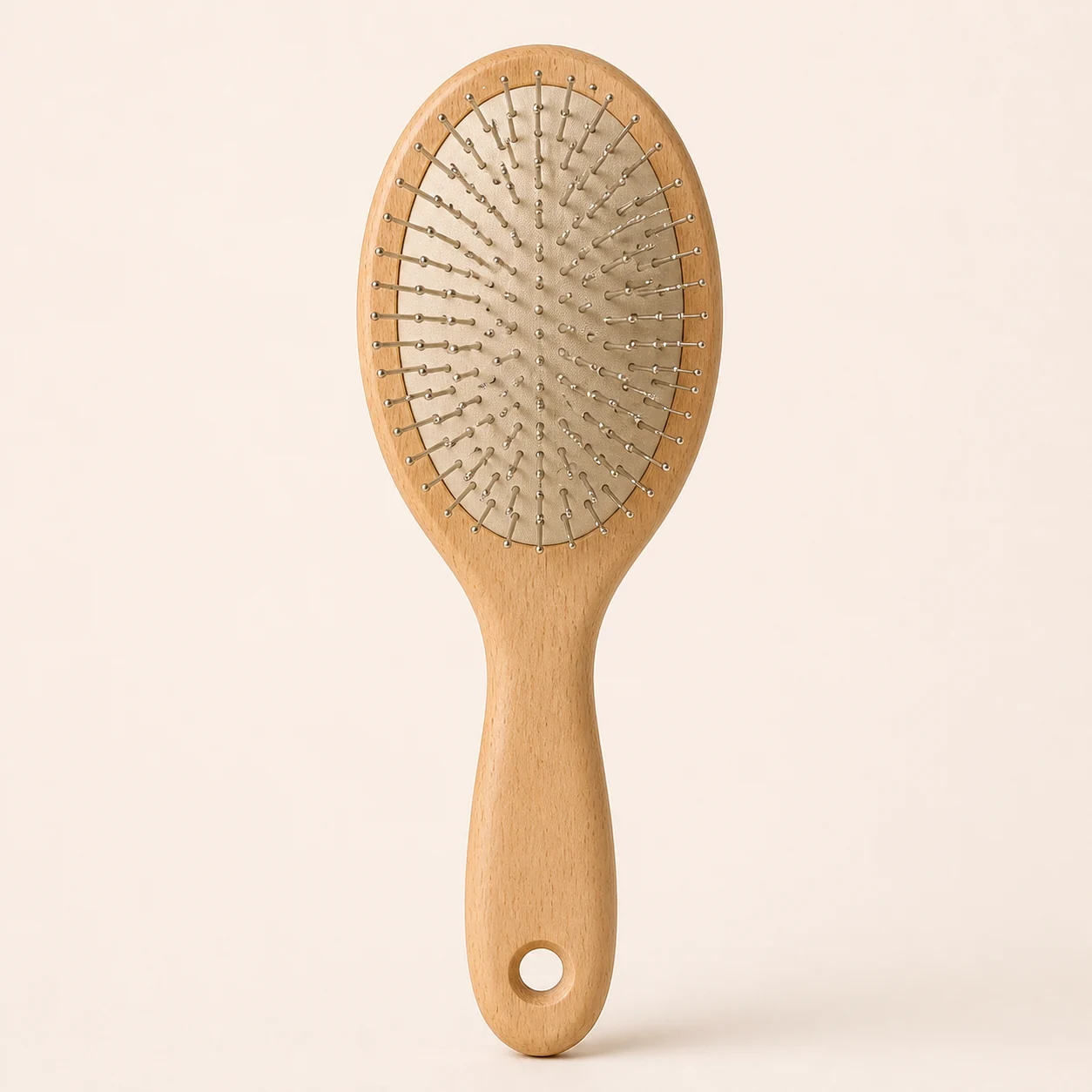
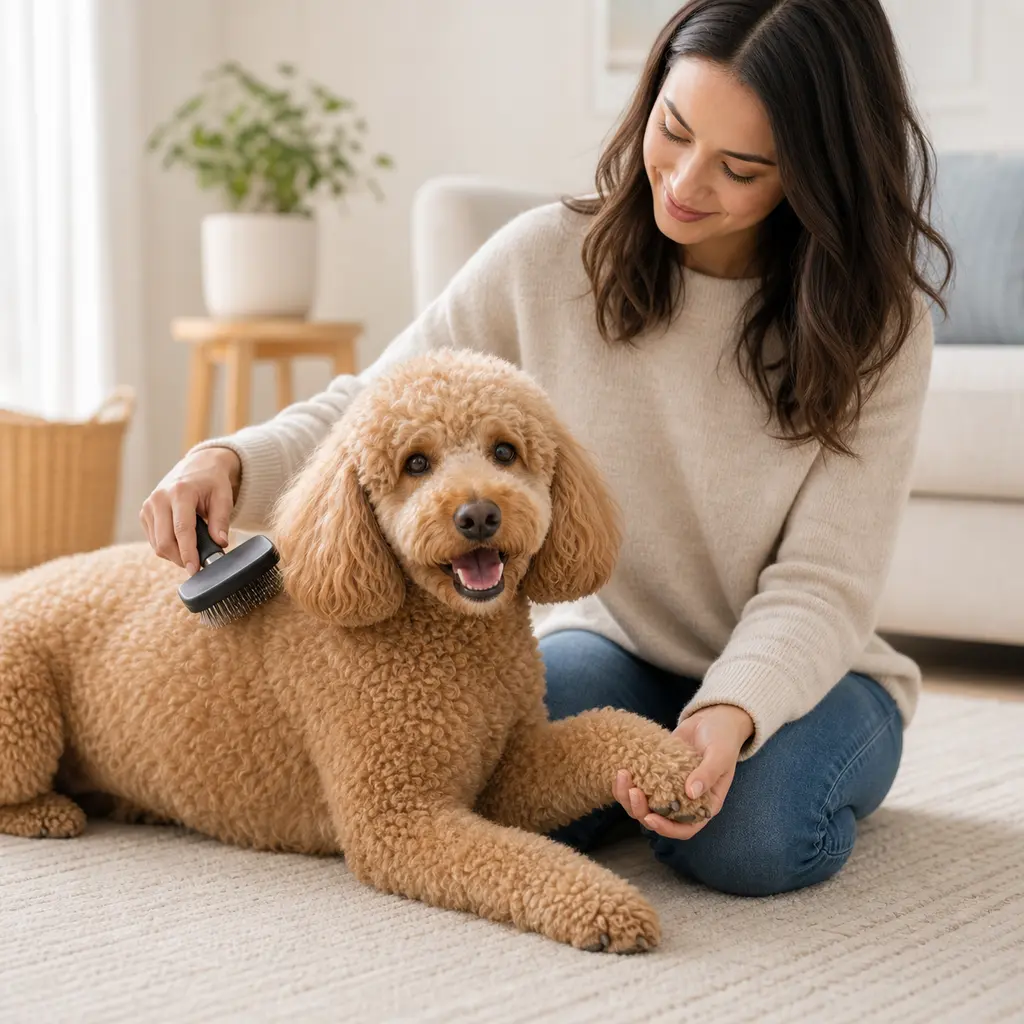
A slicker brush, curry brush, pin brush, and undercoat rake do different jobs. Look at where your dog tangles, sheds, or collects dirt. A curly-coated dog may need comb checks after brushing, while a short-coated dog may do better with a simple curry brush.
02
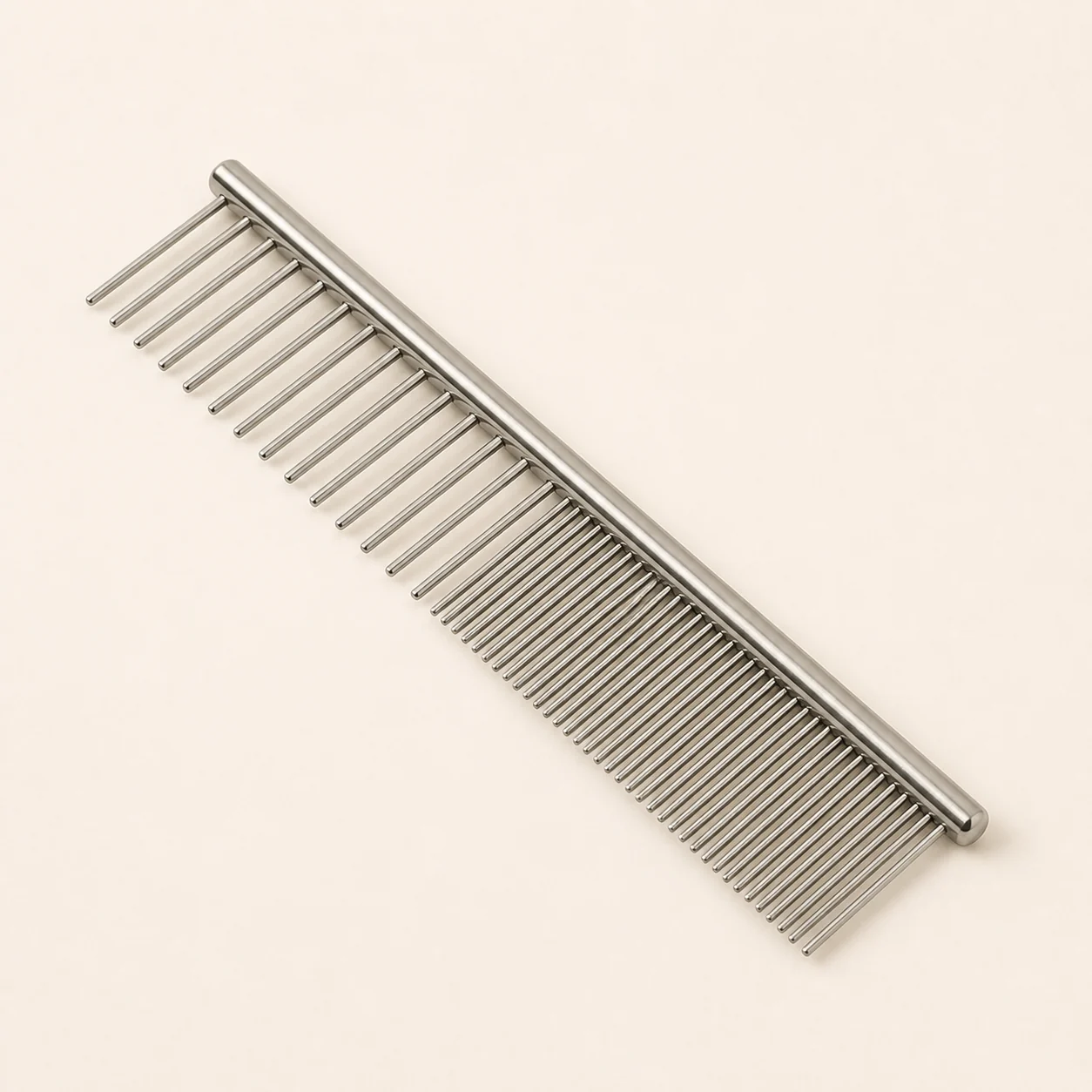
Use the comb as the honesty test
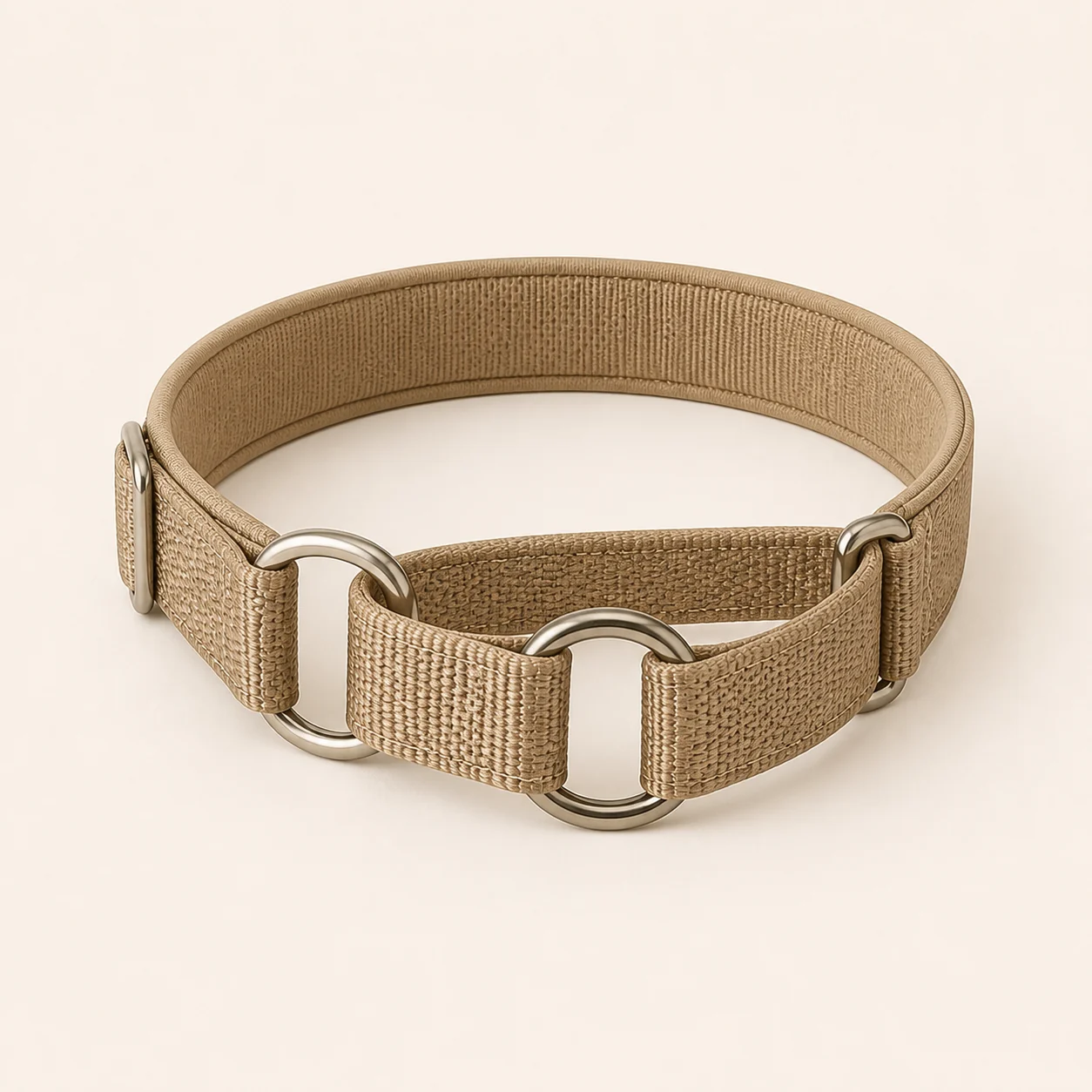
After brushing, run a steel comb through common trouble spots: behind ears, under legs, around the collar, tail feathers, and where a harness rubs. If the comb catches, do not yank. Work slowly, add detangler if appropriate, or book a groomer before mats tighten against the skin.
03
Make nail care smaller
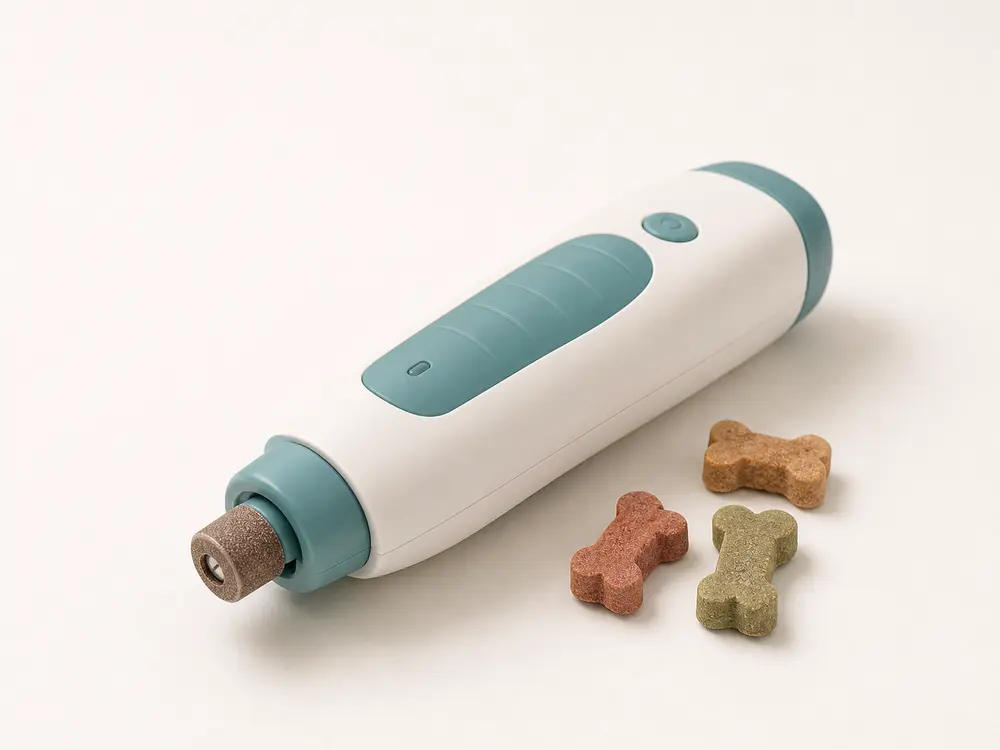
Nail clippers or a quiet grinder can both work. Start with one paw touch, one reward, and one tiny trim or grind. Stop before your dog panics. If nails are overgrown, painful, bleeding, or your dog is terrified, ask a groomer, vet, or qualified trainer for a safer plan.
04
Choose bath supplies for skin comfort
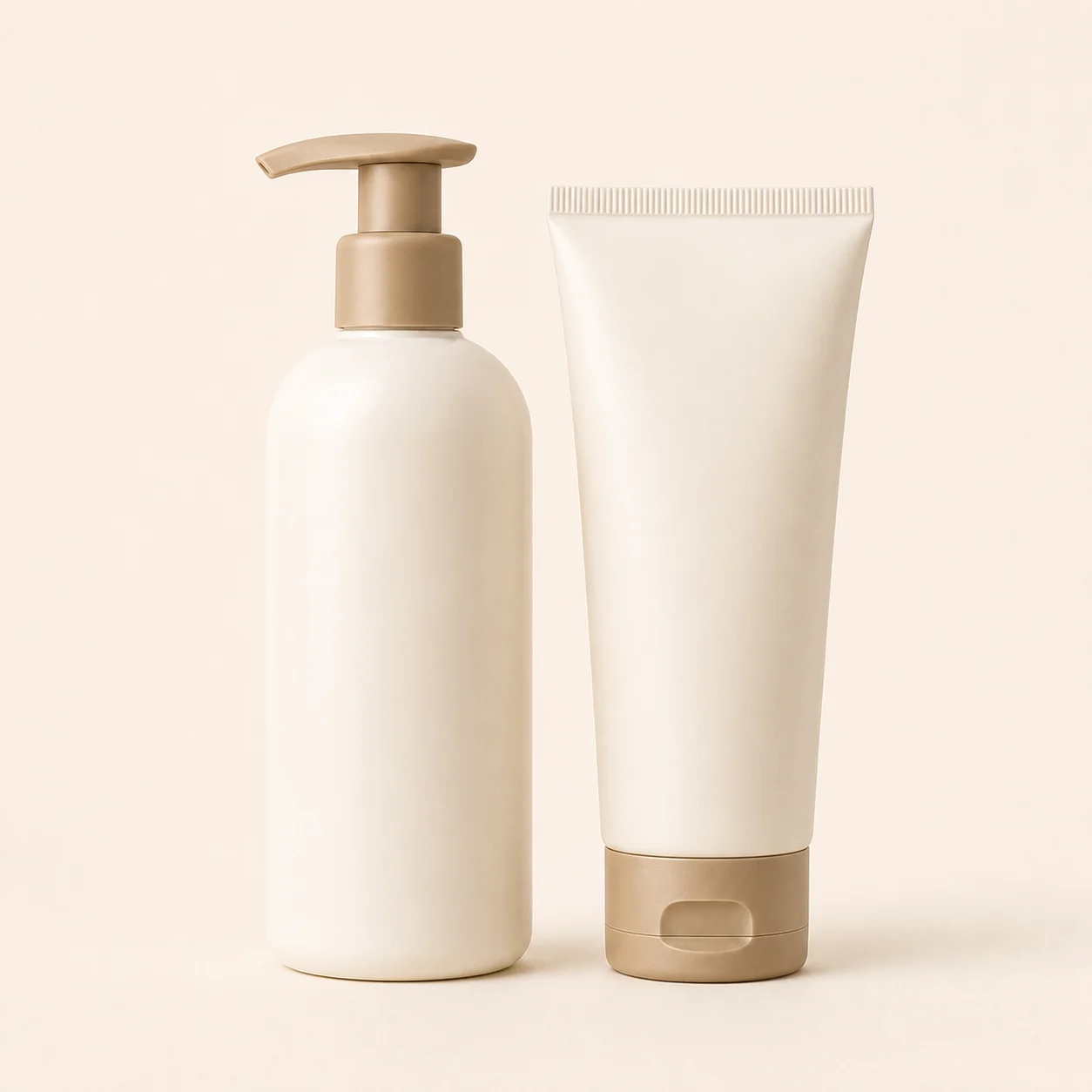
Use dog-safe shampoo, rinse thoroughly, and dry thick coats, folds, paws, and ears well. A strong odor, red skin, hair loss, heavy flakes, or repeated itching is not a shampoo problem to solve alone. Call your vet when skin keeps looking sore.
05
Keep towels and wipes simple
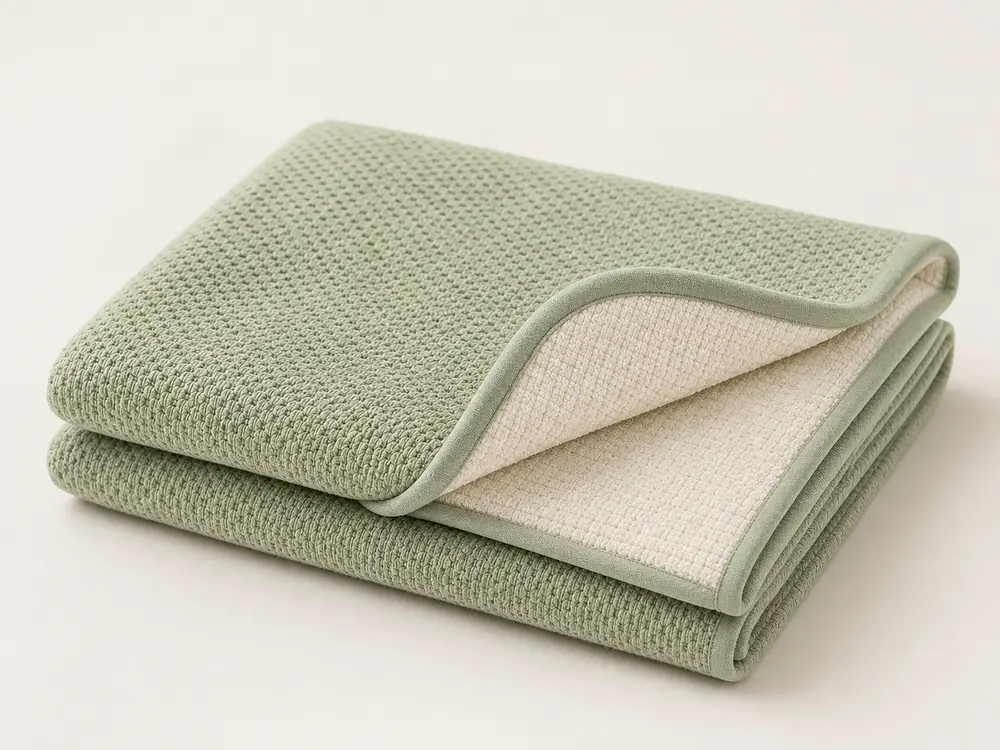
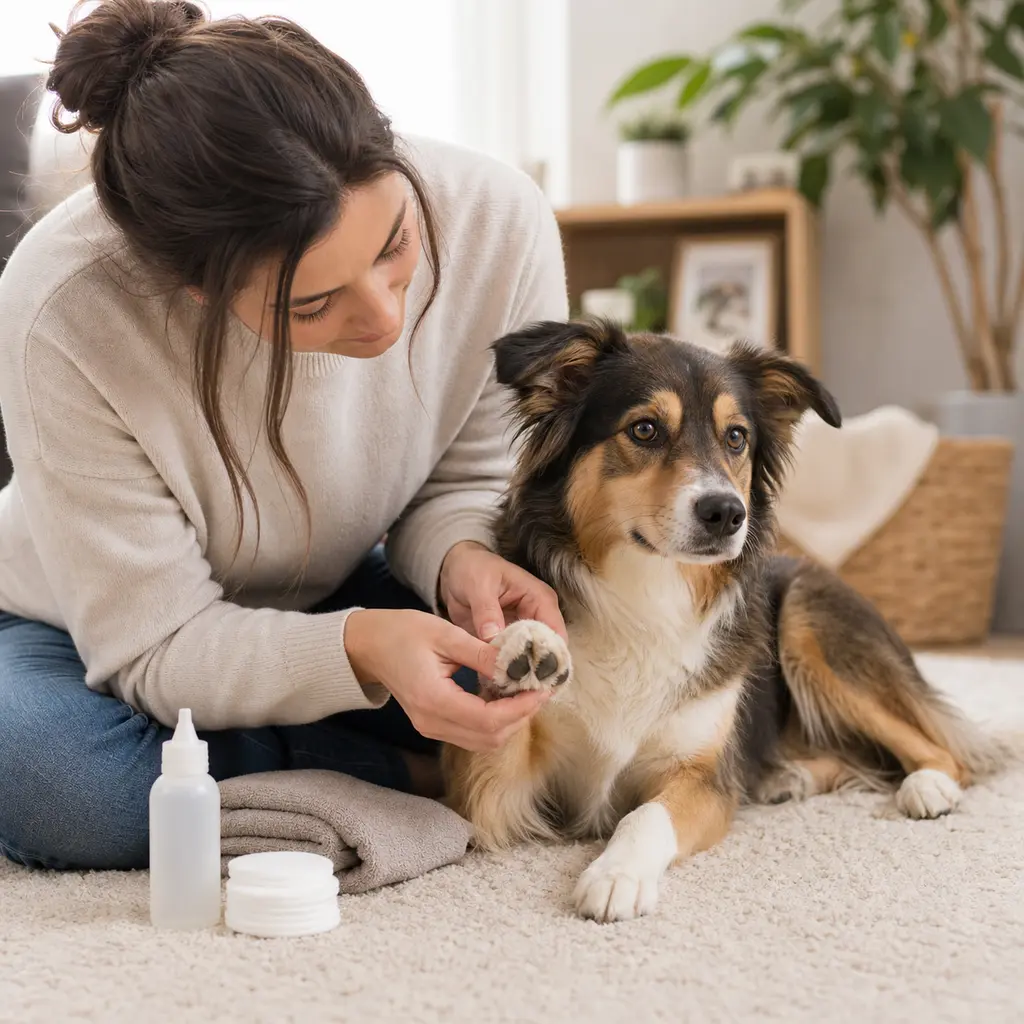
A dedicated towel near the door catches rain, mud, and wet paws before your dog decorates the house. Wipes can be useful for feet or folds, but avoid eyes and painful skin unless your vet gives guidance. Dry damp areas so moisture does not sit against the skin.
06
Handle ears and teeth with care
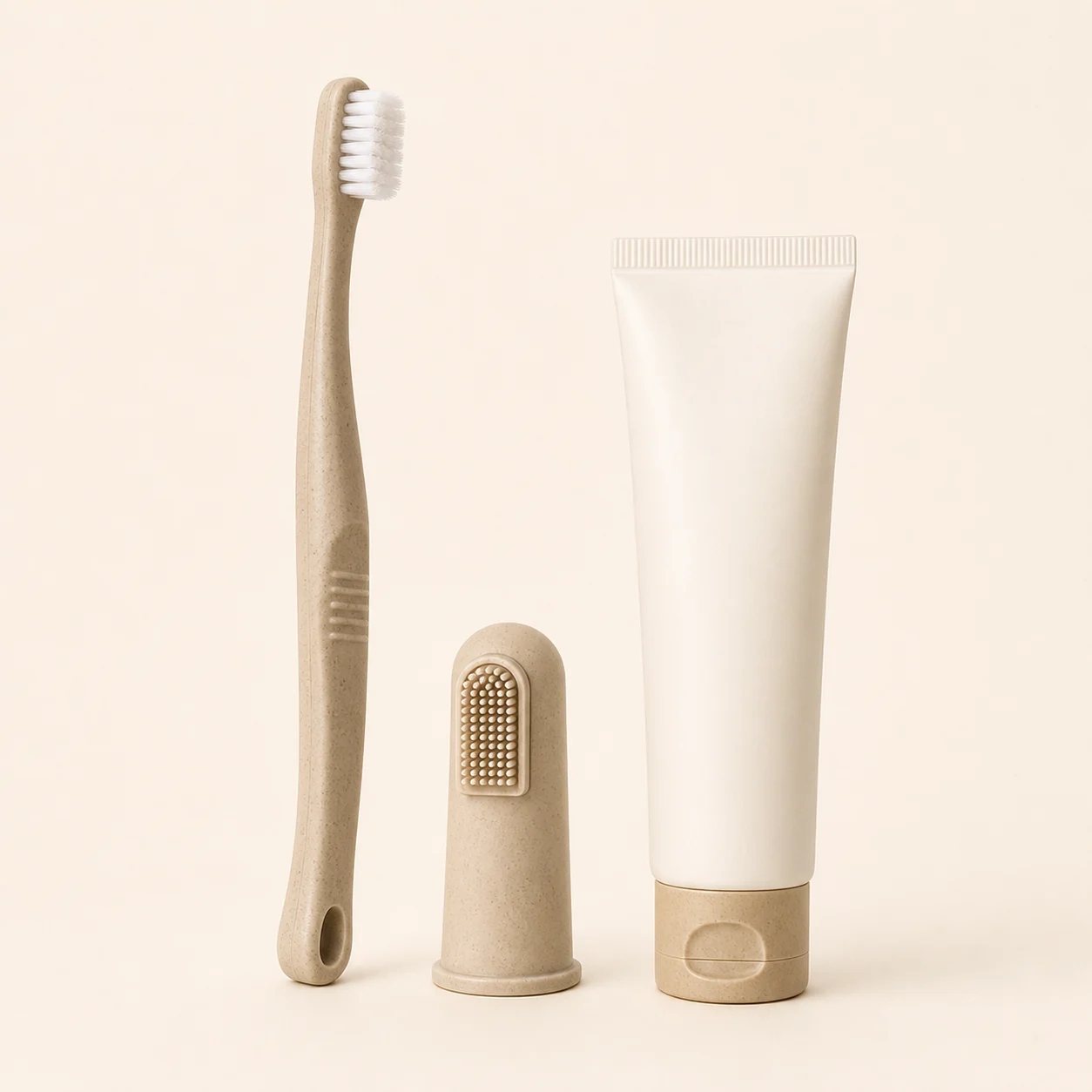
Ear cleaner and toothbrush kits are useful only when your dog can tolerate gentle handling and the product is appropriate. Do not dig into ears or force mouth handling. Bad odor, swelling, discharge, pain, loose teeth, or bleeding needs a vet, not a harder scrub.
Quick checks
The brush matches the coat type and does not scrape or frustrate your dog.
A comb can pass through common mat zones after brushing.
Nail, ear, tooth, and bath products are dog-safe and introduced slowly.
Next steps
Book a groomer before mats become tight, painful, or too close to the skin.
Use short handling sessions with rewards instead of trying to finish everything at once.
Call your vet for sore skin, ear pain, bleeding, swelling, hair loss, limping, or mouth pain.
Useful grooming tools
Choose a small, coat-matched kit you can use calmly and often.
Affiliate links: Furball Cove may earn from qualifying purchases at no extra cost to you.