Use home supplies to prevent repeat problems: block unsafe rooms, secure trash and cords, clean accidents fully, give safe chews, and set up one calm place for your dog.
Most home problems are easier to prevent than to argue about afterward. A gate in the right doorway, cleaner near the accident spot, and chews stored safely can change the whole evening.
01
Block access before habits form
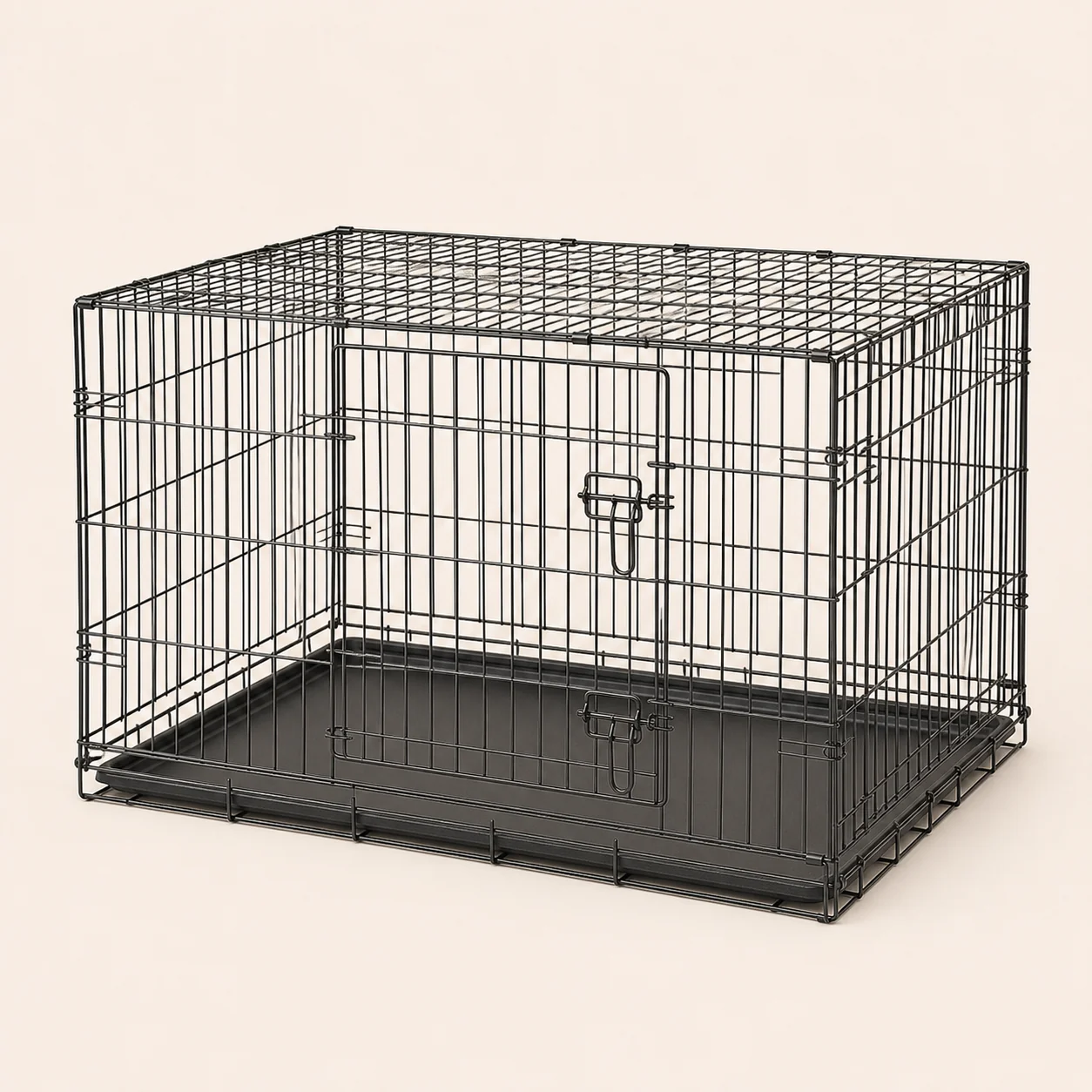
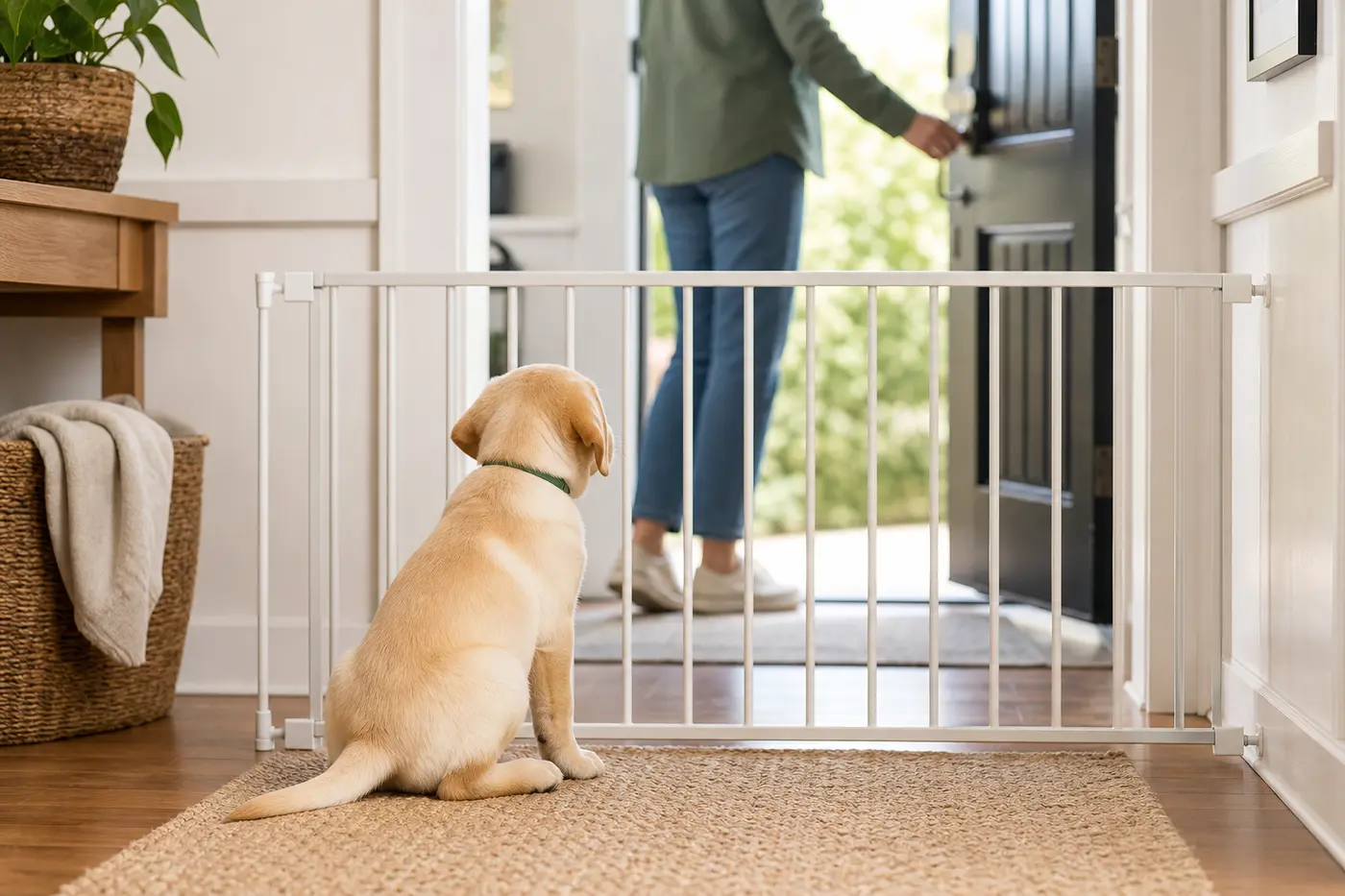
Use gates, pens, closed doors, or a crate to prevent trash raids, cord chewing, counter surfing, and unsupervised stair sprints. Management is not a failure. It gives your dog fewer chances to practice mistakes while you teach the house rules.
02
Clean accidents like the nose matters
Regular cleaners may make a spot smell fine to people while still leaving a message for a dog. Use an enzyme cleaner for urine and stool accidents, follow the label, and give it time to work. If accidents are sudden or frequent, call your vet to rule out health issues.
03
Control trash, food, and small hazards
Dogs do not need much time to find bones, wrappers, medication, socks, or kids' toys. Use lidded bins, closed pantry doors, and a landing zone for shoes and bags. Call your vet or poison control right away if your dog may have eaten something dangerous.
04
Make muddy entry easier
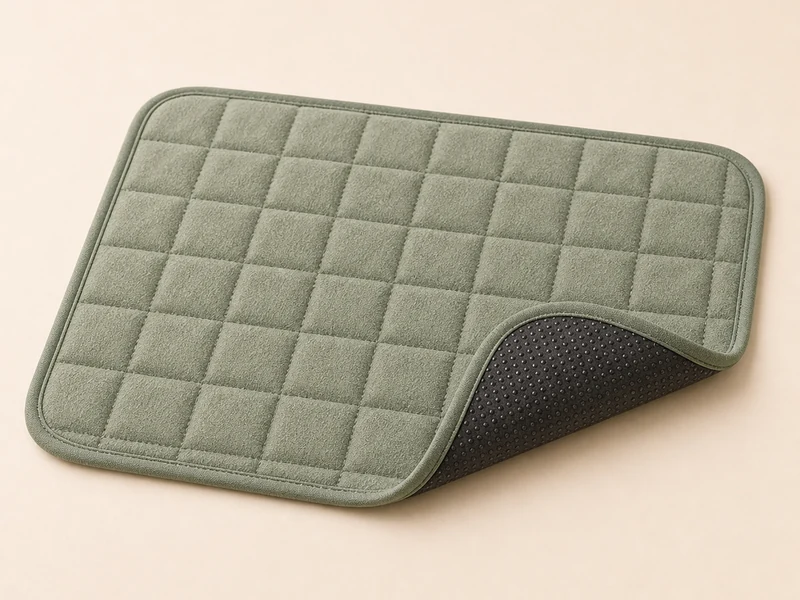
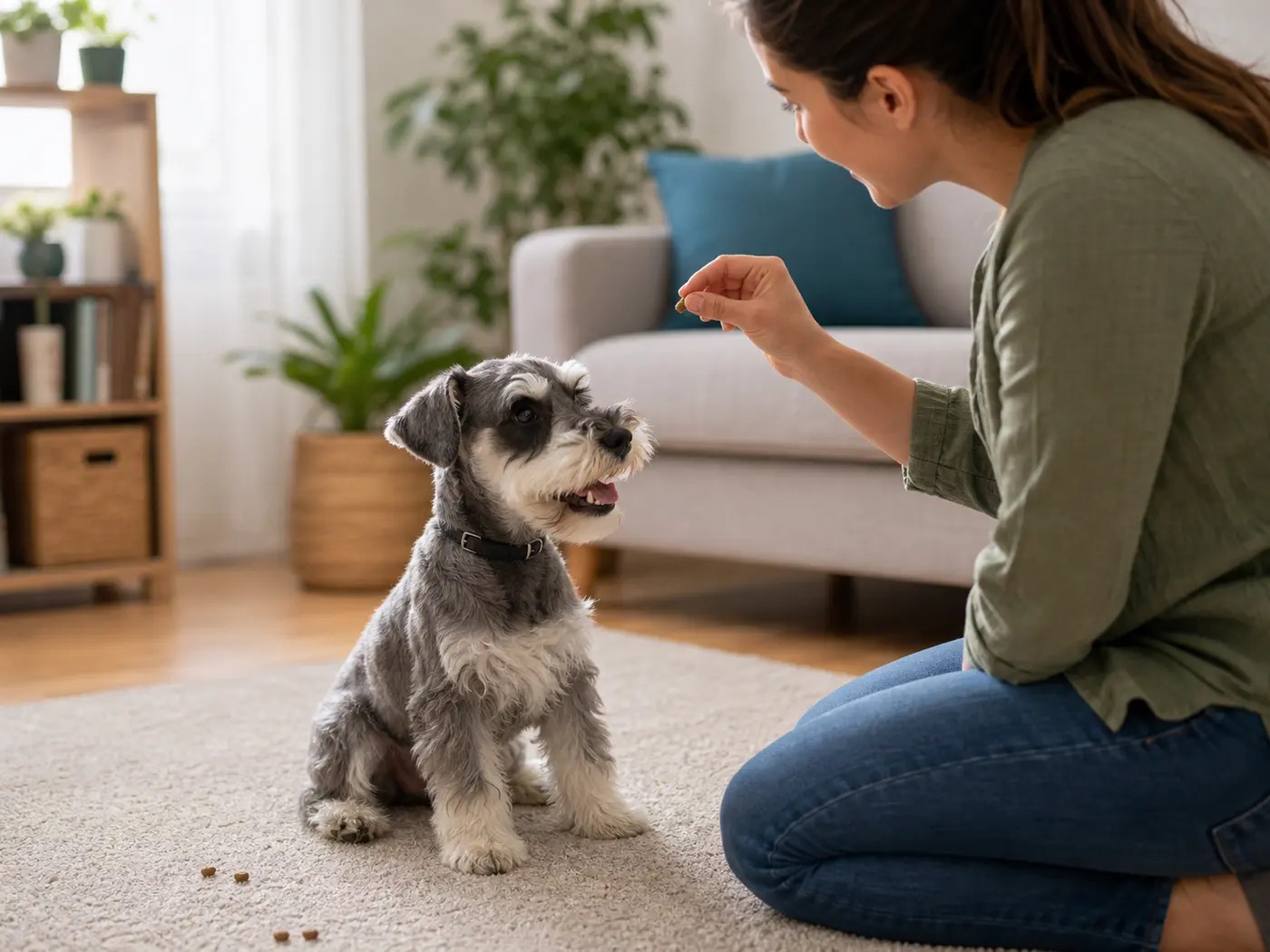
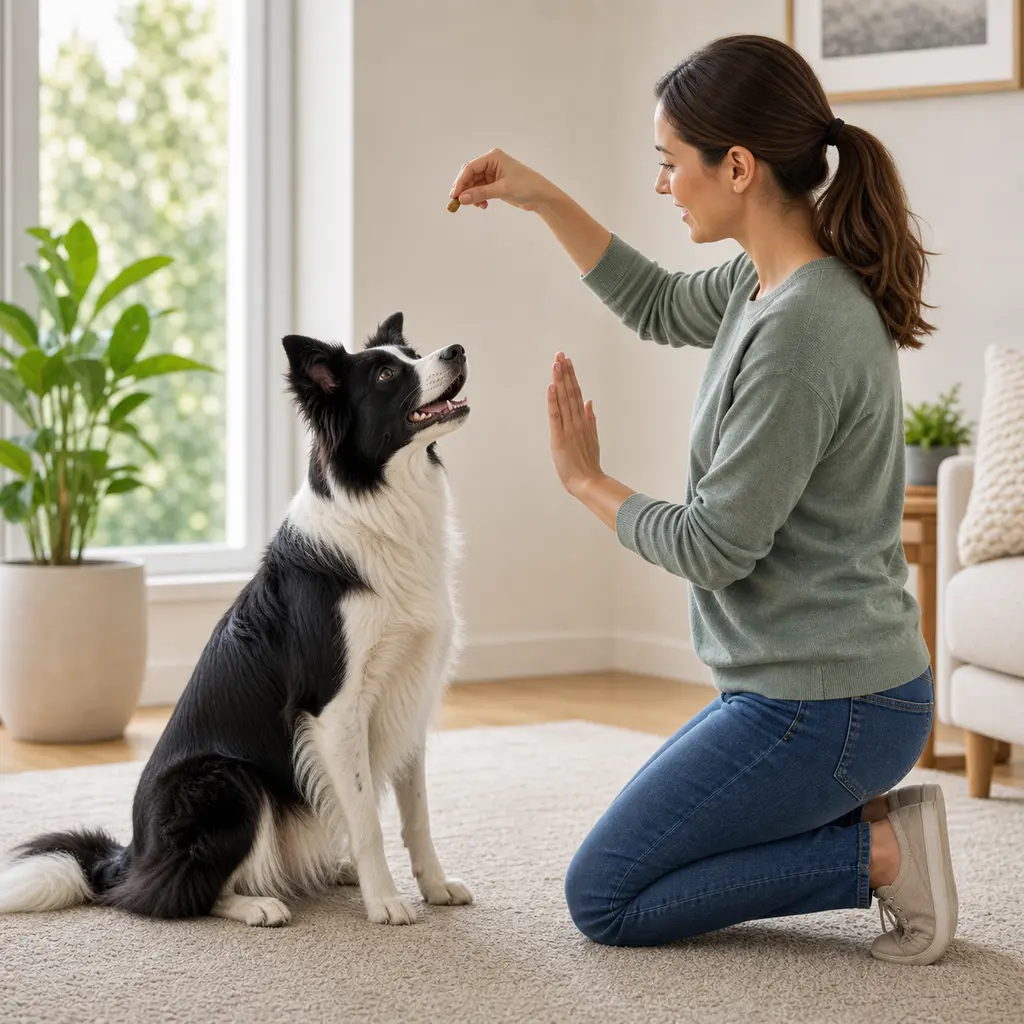
A towel, paw mat, wipes, and a small treat routine by the door can turn chaos into a habit. Ask for a pause, wipe one paw, reward, and repeat. Dogs with sore paws, cracked pads, limping, or intense licking need a closer look and possibly a vet call.
05
Use enrichment to prevent boredom problems
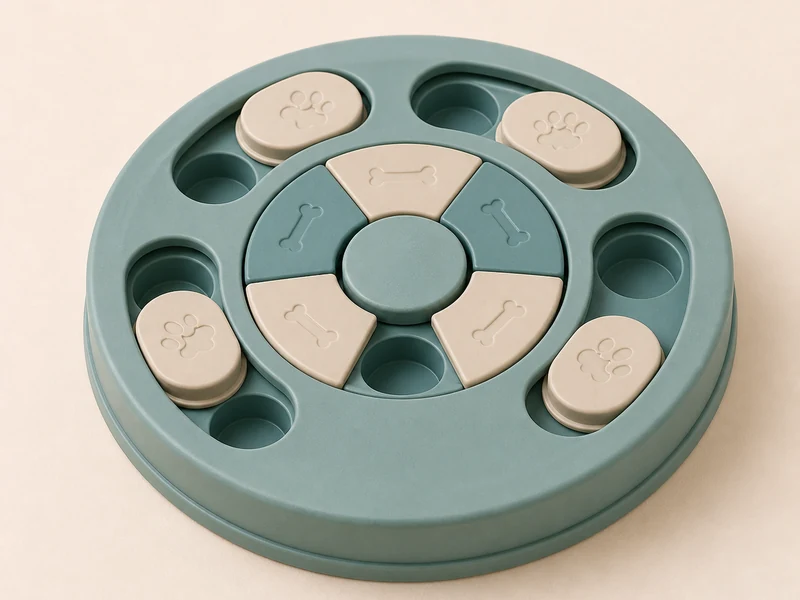
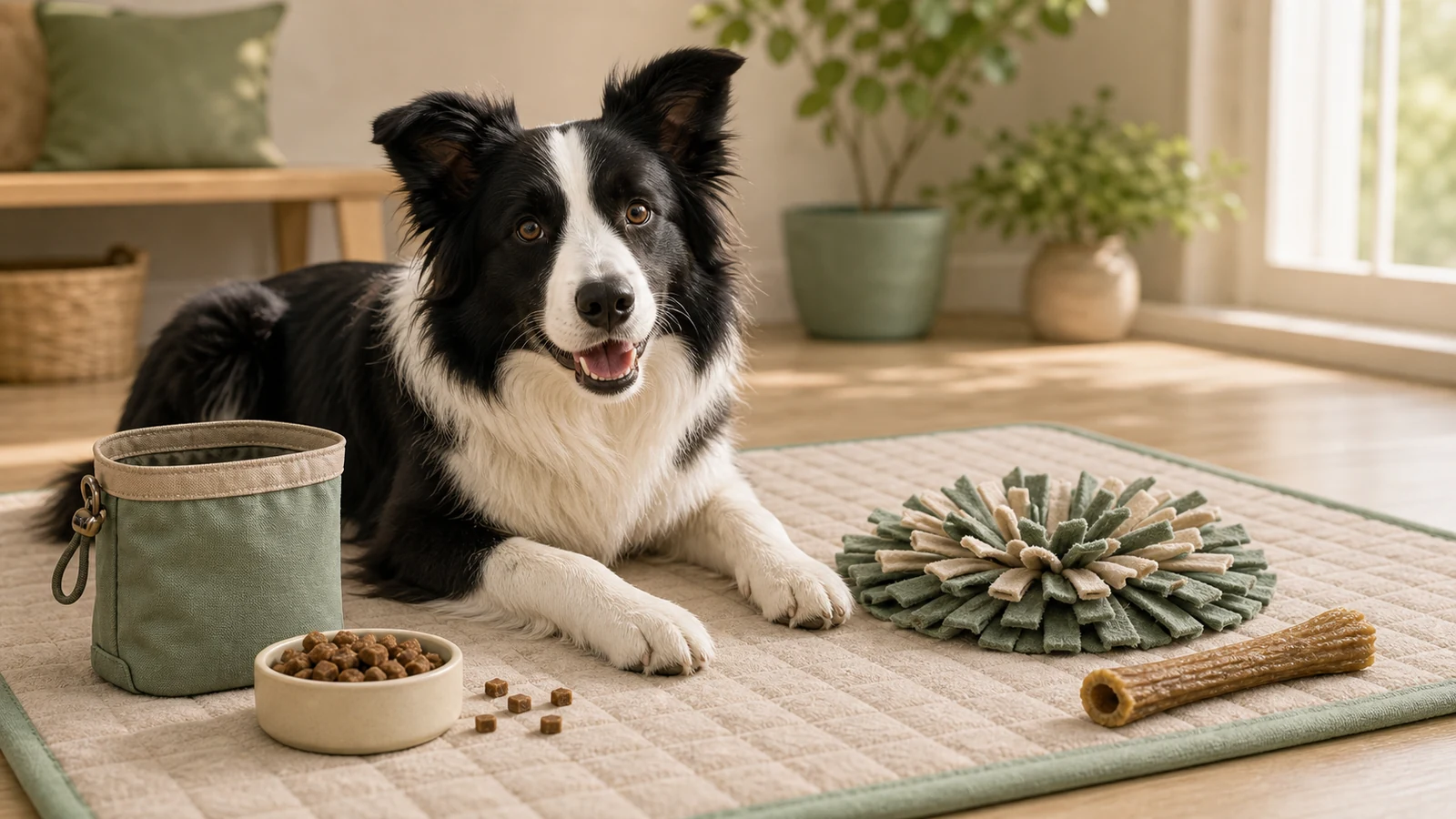
Safe chews, puzzle toys, and sniffing games can make quiet time easier, especially during work calls or dinner prep. Match the item to your dog and supervise new choices. If chewing, barking, or pacing looks anxious rather than bored, ask a qualified trainer for help.
06
Check the house from your dog's height
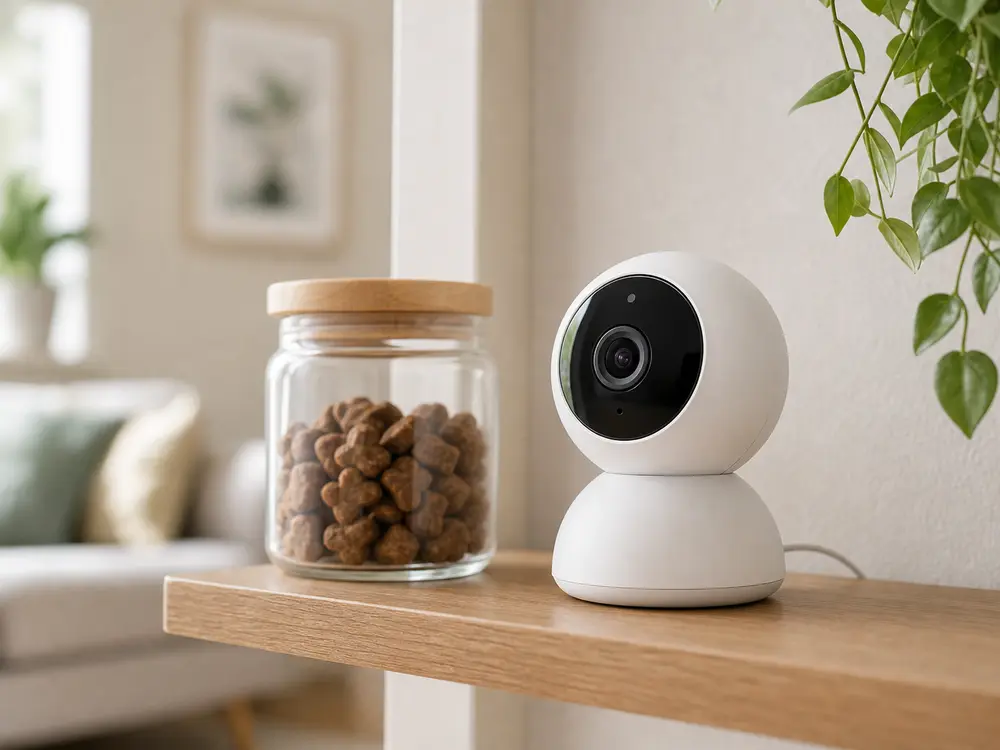
Kneel down and look for cords, dropped pills, plants, small toys, open bags, reachable counters, and loose blankets near heaters. A pet camera can show what happens when you leave, but it should not replace training, exercise, vet care, or a safe setup.
Quick checks
Trash, medications, toxic foods, cords, small toys, and laundry are out of reach.
Gates, crates, and pens are used before the dog can rehearse the same mistake again.
Cleaner, towels, bags, and paw supplies are stored where accidents or mud actually happen.
Next steps
Use management first, then train the behavior you want when the dog can succeed.
Keep enrichment supervised until you know how your dog chews, solves, and swallows.
Call your vet for swallowed objects, suspected toxins, sudden accidents, vomiting, diarrhea, limping, or pain.
Home safety and cleanup supplies
These supplies prevent repeat problems and make normal messes easier to handle calmly.
Affiliate links: Furball Cove may earn from qualifying purchases at no extra cost to you.