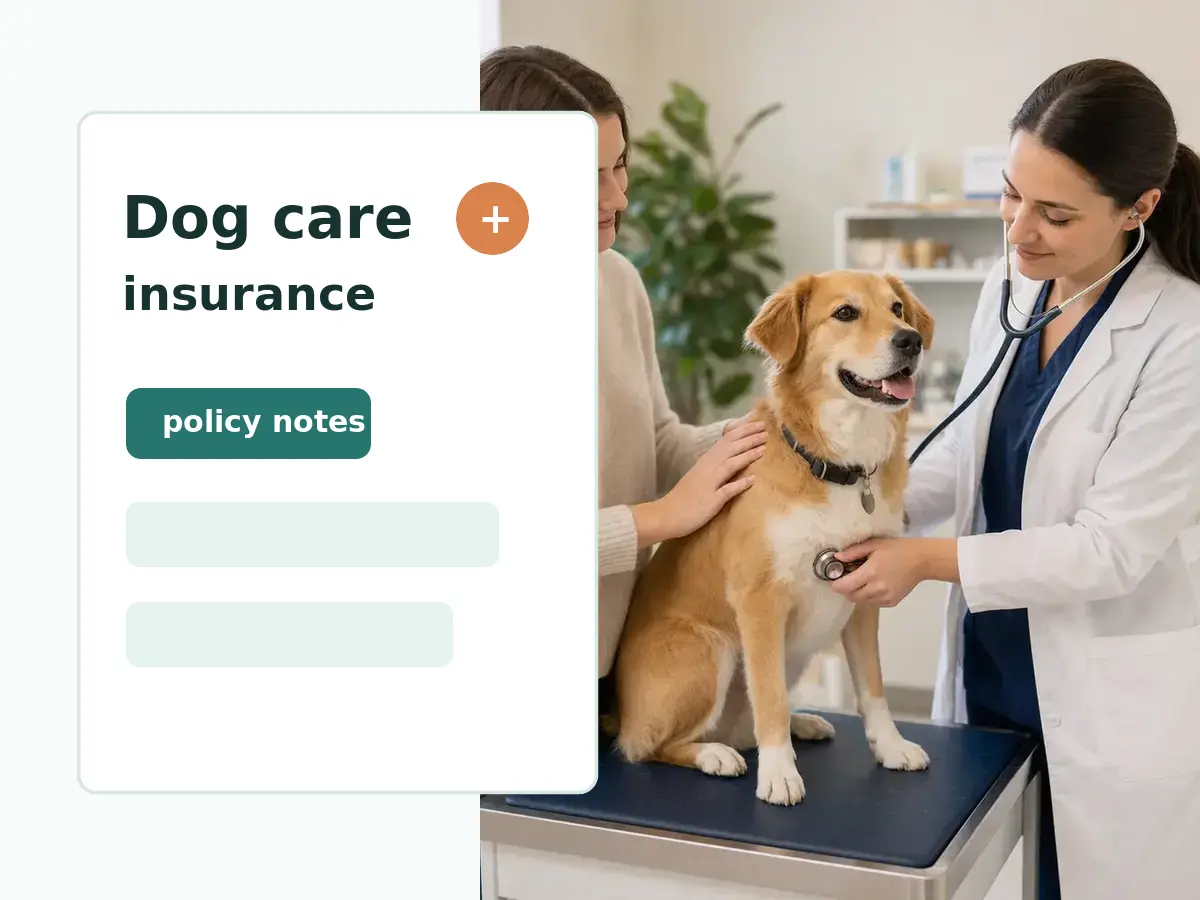
Pet insurance is mainly a way to soften unexpected vet bills, not a replacement for routine care planning.
The useful question is not whether insurance is automatically worth it. It is whether the policy, exclusions, waiting periods, reimbursement, and your emergency plan fit the dog in front of you.
01
Start with the bill you are trying to protect against
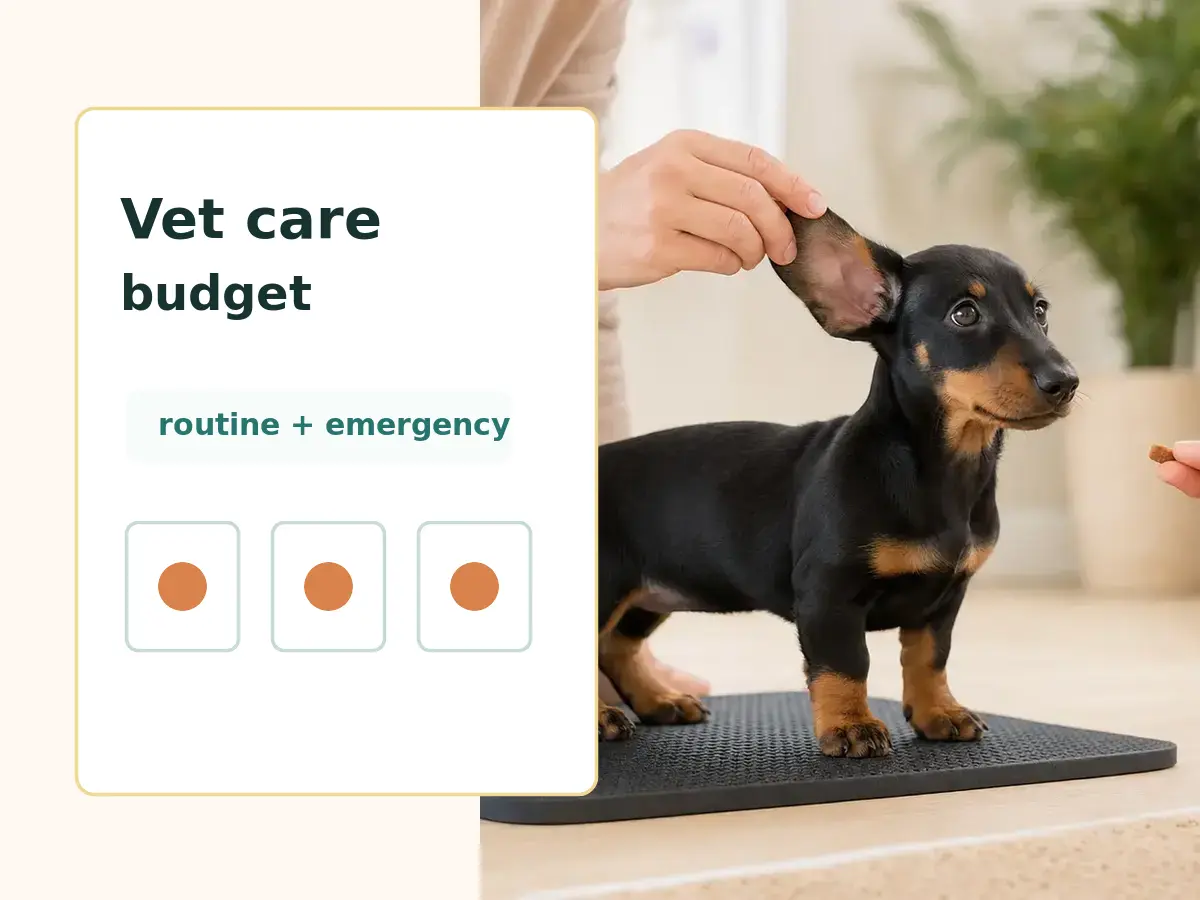
Insurance is usually most useful for the bill that would make you hesitate: injury, swallowed objects, sudden illness, emergency surgery, imaging, hospitalization, or a specialist referral. Routine exam fees, parasite prevention, food, grooming, training, and dental maintenance still need a normal household budget unless a separate wellness add-on clearly covers them.
02
Know the basic policy types
Most dog insurance conversations separate accident-only coverage, accident-and-illness coverage, and optional wellness plans. Accident-and-illness plans may help with unexpected medical care, while wellness add-ons are usually about predictable routine services. Read the sample policy, not just the marketing tiles, because the useful details live in the definitions.
03
Read exclusions before the cute puppy photo makes the decision
Look for pre-existing condition language, waiting periods, breed or hereditary-condition rules, dental limits, exam-fee coverage, prescription coverage, rehabilitation, behavioral care, alternative therapies, bilateral-condition language, and annual or lifetime limits. If a term is vague, ask the insurer to explain it in writing before you buy.
04
Understand how reimbursement actually works
Many policies expect you to pay the clinic first and then file a claim. Compare the deductible, reimbursement percentage, annual limit, claim process, records required, and how long reimbursement usually takes. A high reimbursement percentage can still feel stressful if the annual limit is low or the deductible resets in a way you did not expect.
05
Buy before you need it, or be honest about self-funding
Insurance generally works best when it is in place before a problem starts. Waiting until a limp, cough, lump, or stomach issue appears can leave that problem excluded. If you decide not to insure, make a real emergency plan instead: savings, a dedicated credit option, local clinic estimates, and a clear decision about how much you can handle.
06
Match the plan to your actual dog
A giant-breed puppy, an active hiking dog, a toy breed with dental concerns, and an older rescue do not create the same risk picture. Ask your veterinarian what routine care and common health concerns are worth planning around, then compare policies against those needs without expecting any plan to cover everything.
Quick checks
Is this accident-only, accident-and-illness, wellness, or a bundle?
What are the deductible, reimbursement percentage, annual limit, waiting periods, and exclusions?
Do you pay the vet first and wait for reimbursement?
Are exam fees, dental disease, prescriptions, hereditary conditions, and behavioral care handled clearly?
Next steps
Read the sample policy before choosing a plan.
Save medical records, invoices, diagnosis notes, and claim emails in one place.
Ask your vet about realistic routine and emergency planning for your dog's age, size, and health history.
Useful record tools
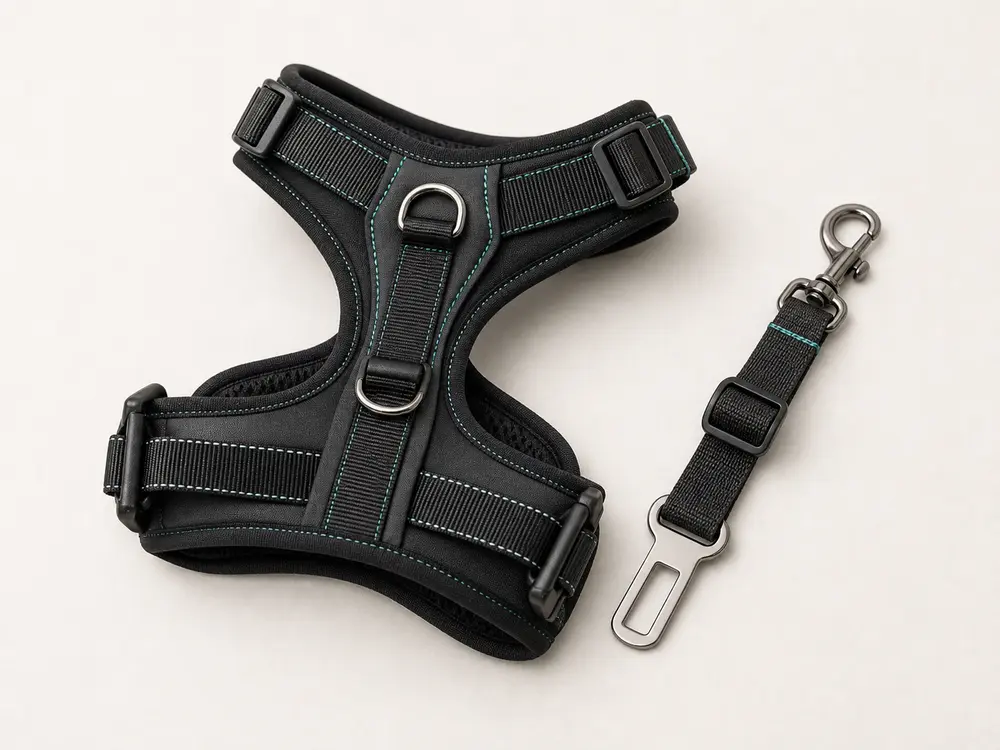
The best insurance setup is boring: records, invoices, policy details, and clinic contacts you can find quickly.
Affiliate links: Furball Cove may earn from qualifying purchases at no extra cost to you.
Not automatically. It depends on the policy, your savings, your dog's age and health history, and how you would handle a large unexpected bill.
Does pet insurance cover pre-existing conditions?
Often not, or not in the way people hope. Read the policy's definition and ask the insurer how previous symptoms, diagnoses, and vet notes are treated.
Does insurance replace an emergency fund?
No. Many plans reimburse after you pay the clinic, so you still need a way to handle the bill while the claim is processed.