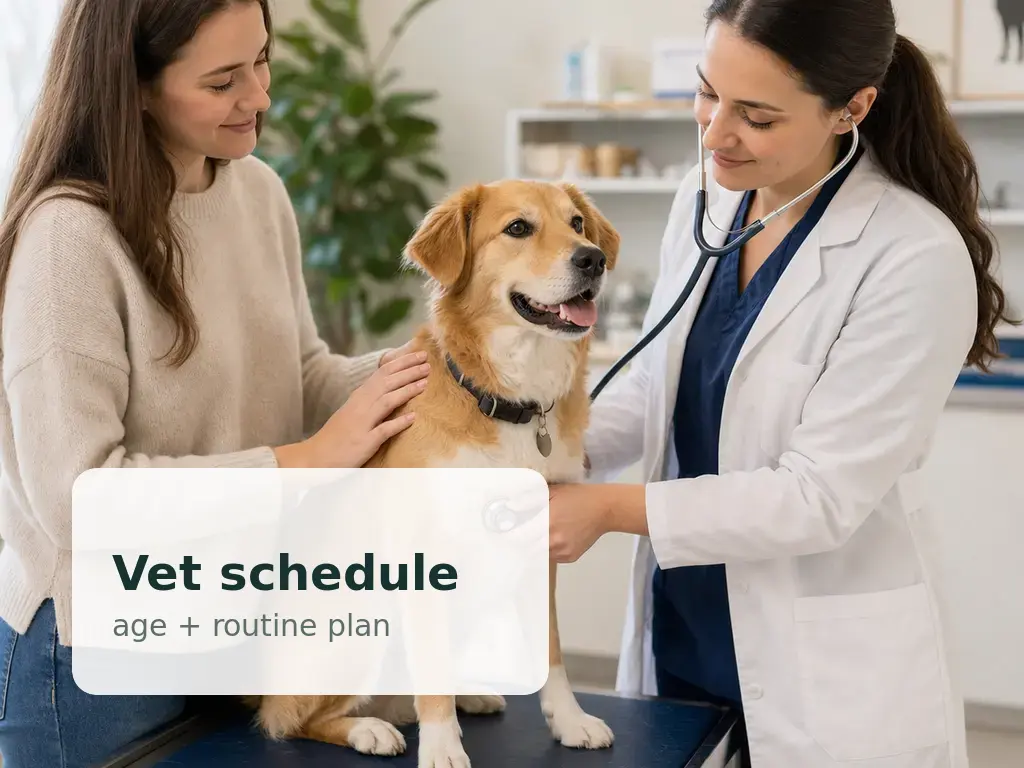
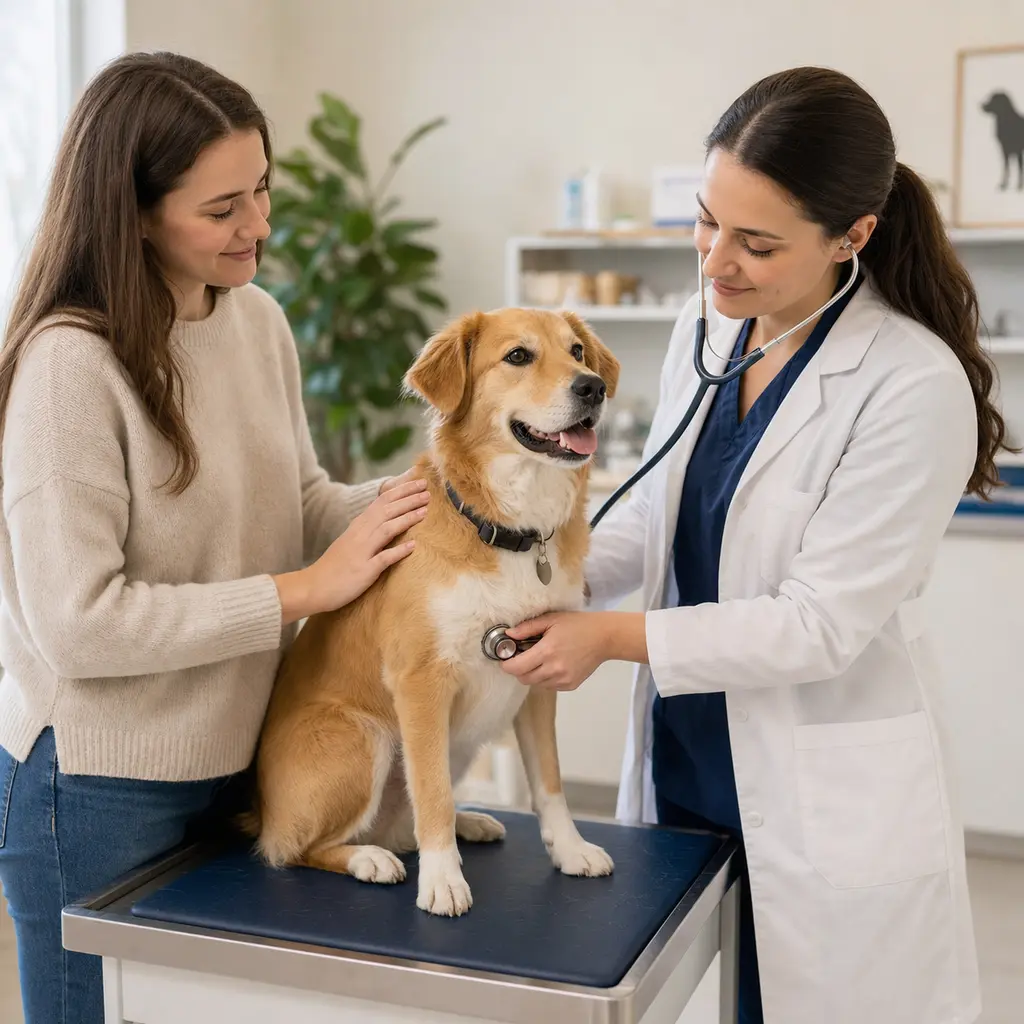
Most dogs need routine veterinary care at least yearly, while puppies, seniors, and dogs with health concerns may need a closer plan.
A useful vet schedule is not a calendar you copy from a chart. It is a plan you build around your dog's age, history, daily routine, and the small changes you notice at home.
01
Start with the dog in front of you
A growing puppy, a steady adult dog, a newly adopted rescue, and a gray-muzzled senior do not need the same visit rhythm. Ask your clinic what timing fits your dog's age, size, medical history, medications, lifestyle, and local parasite risks.
02
Use the first month to organize the baseline
For a new dog, book a first exam early enough to bring records, food details, medication notes, parasite prevention history, microchip information, stool questions, behavior concerns, and anything the shelter, breeder, rescue, or previous owner flagged.
03
Puppies need closer check-ins
Puppies change quickly. Your clinic may want several early visits to follow growth, stool, appetite, teething, parasite prevention, spay or neuter planning, handling comfort, and any coughing, limping, vomiting, diarrhea, or poor weight gain.
04
Adults still need routine care
A healthy-looking adult dog can still benefit from regular exams. Bring questions about weight, teeth, ears, skin, lumps, mobility, food, exercise tolerance, stool, behavior, and prevention products instead of saving everything for a crisis.
05
Seniors may need a tighter rhythm
Older dogs can hide slow changes until the stairs, walks, sleep, appetite, or house-training routine shifts. Ask your vet how often to check weight, pain, dental comfort, lumps, thirst, mobility, medications, and lab work based on your dog's actual health.
06
Do not wait for the scheduled visit when signs are urgent
Call sooner for trouble breathing, collapse, seizures, toxin exposure, repeated vomiting, blood in stool, a swollen painful belly, pale gums, severe pain, inability to urinate, sudden weakness, or any change that feels frighteningly unlike your dog.
Quick checks
Is your dog a puppy, adult, senior, newly adopted, or managing a health issue?
Are parasite prevention, medications, microchip, food, weight, and previous records organized?
Have appetite, water, stool, urine, teeth, skin, movement, or behavior changed?
Would any sign make this a call-now problem instead of a routine visit?
Next steps
Ask your clinic what schedule fits your dog's age, health history, and daily life.
Keep records, medication names, prevention dates, and questions in one easy-to-find place.
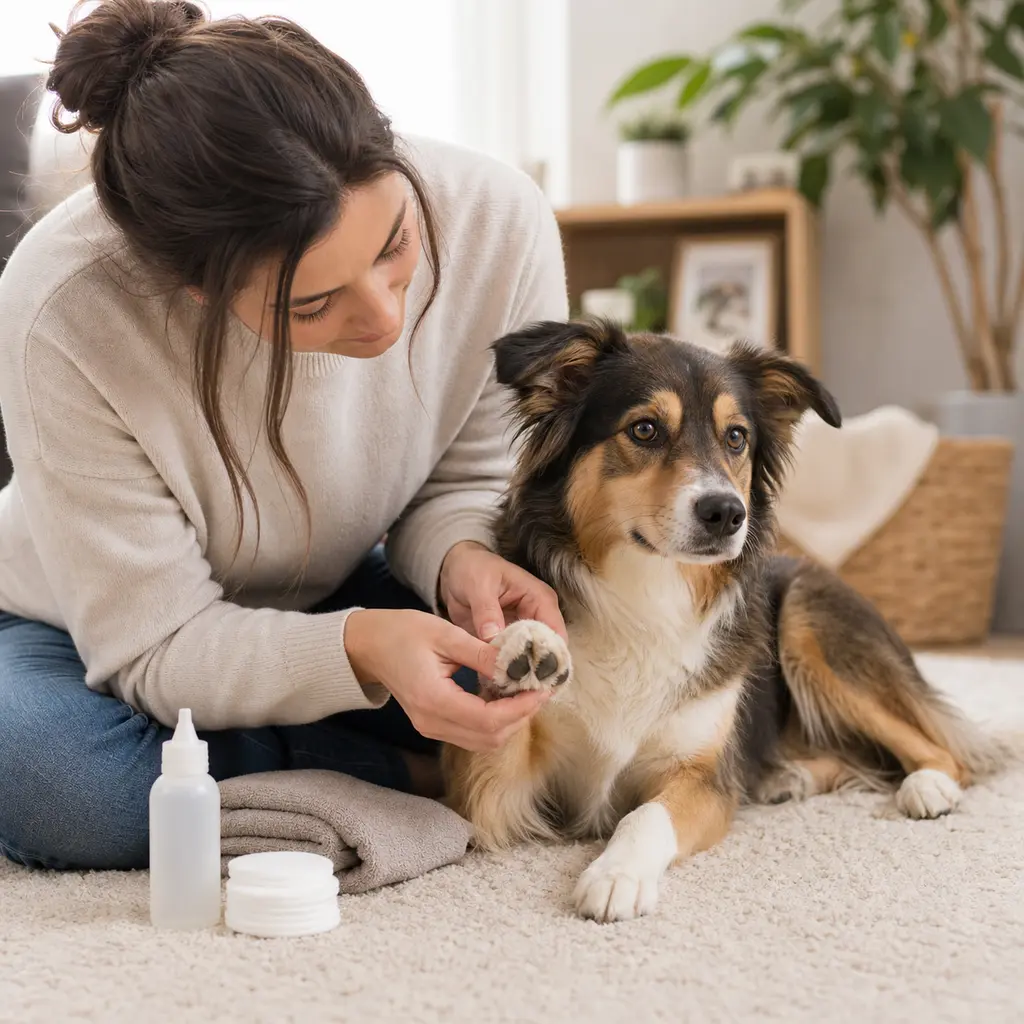
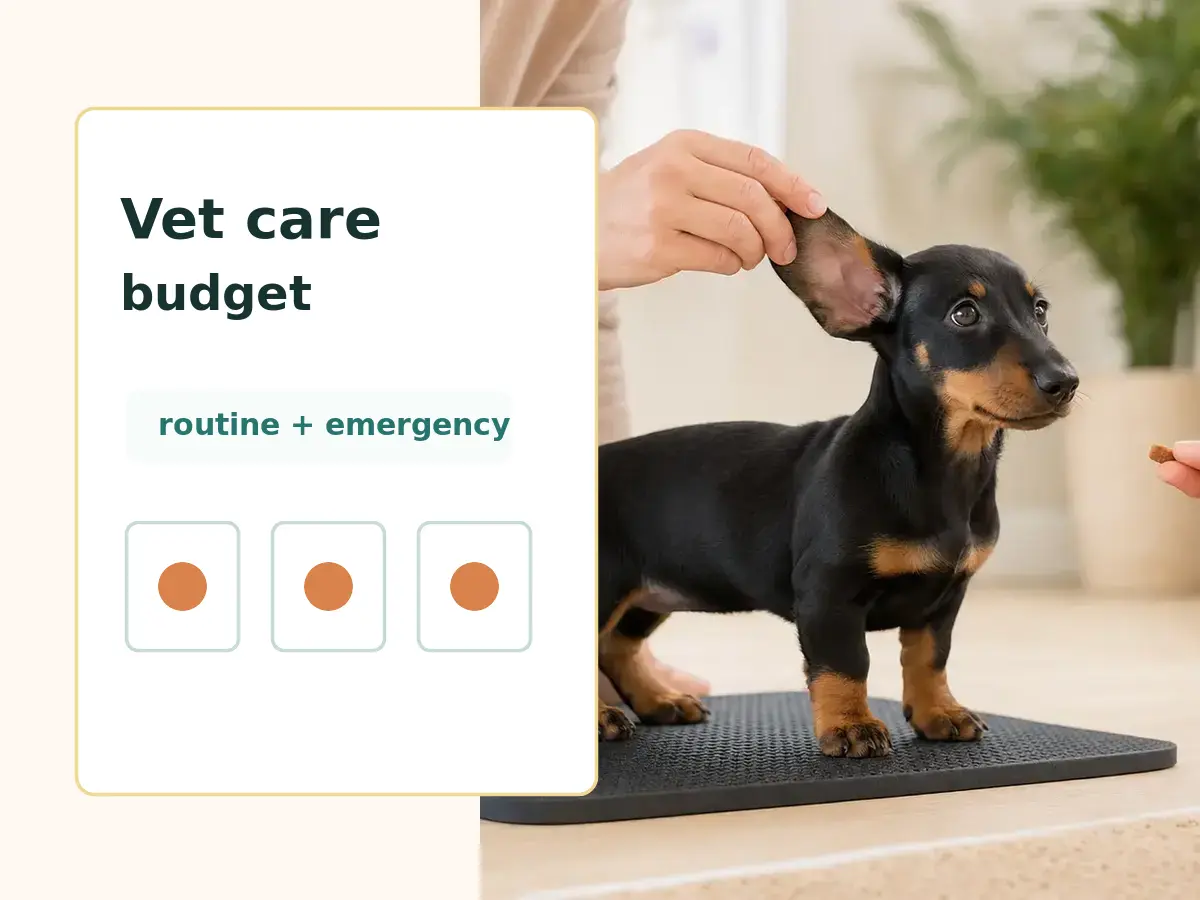
Practice one calm handling or mat step before the next appointment.
Helpful visit setup picks
A schedule is easier to keep when records, travel, and handling practice are simple enough to repeat.
Affiliate links: Furball Cove may earn from qualifying purchases at no extra cost to you.
Many adult dogs have routine veterinary care at least yearly, but puppies, seniors, dogs with health issues, and dogs on medication may need a closer schedule. Ask your own clinic what fits your dog.
Call sooner for breathing trouble, collapse, seizures, toxin exposure, repeated vomiting, severe pain, a swollen belly, pale gums, inability to urinate, sudden weakness, or anything that feels urgent.