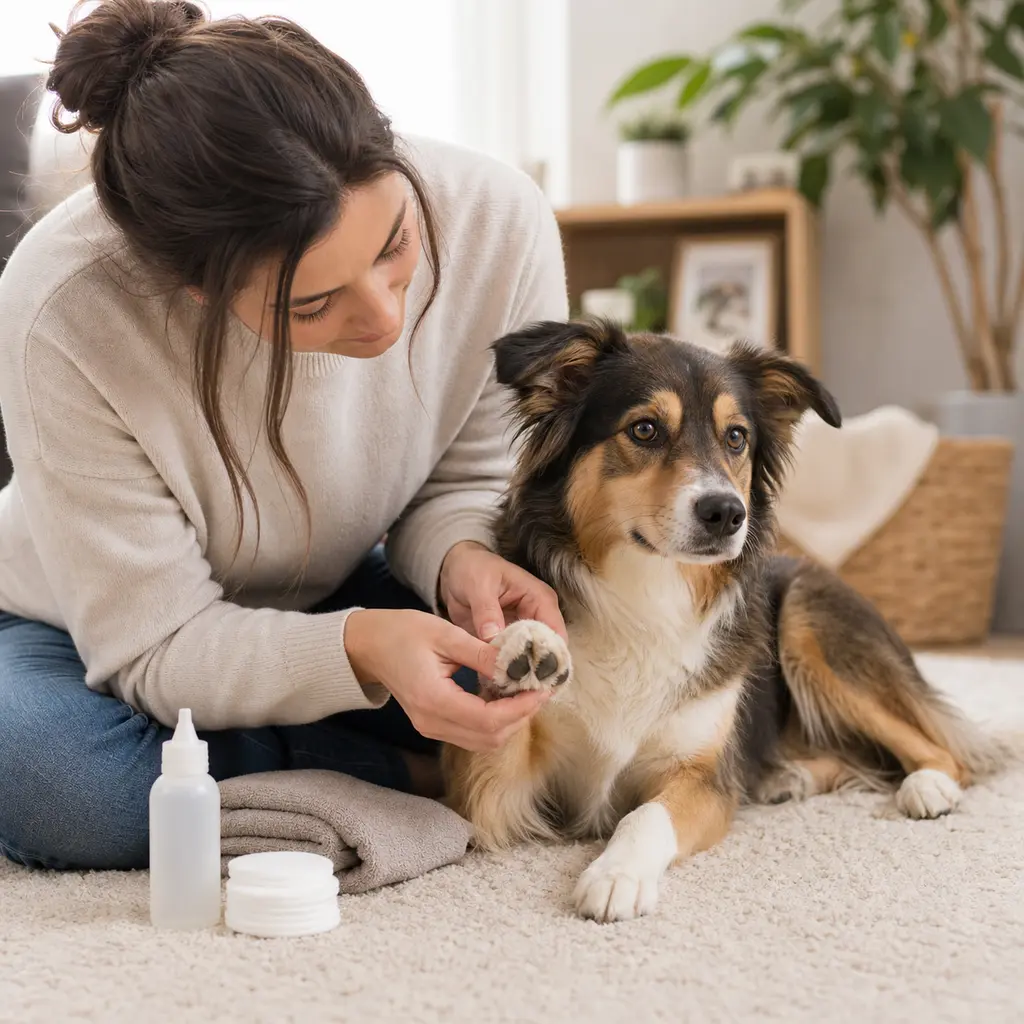
A good vet budget separates routine care you can predict from emergencies you hope never happen.
New dog owners do better when checkups, preventives, dental questions, insurance choices, and emergency backup all live in the same plan.
01
Put routine care on the calendar first
Routine care is the part you can usually plan: wellness exams, parasite prevention, heartworm testing where recommended, fecal checks, nail and dental conversations, medication refills, and follow-up visits. Ask your clinic what your dog is likely to need over the next year instead of guessing from a generic list.
02
Budget for the first month home
A newly adopted dog or puppy may need an exam, parasite prevention review, microchip check, spay or neuter discussion, stool test, medication refills, food transition help, and records transferred from a shelter, breeder, or previous clinic. Put those questions in one note before the first appointment.
03
Do not let preventives become surprise spending
Flea, tick, heartworm, and parasite prevention can feel optional until the bill or diagnosis arrives. The right products depend on your dog's age, weight, health, lifestyle, and local disease risk, so use your vet's plan rather than stacking random products from the shelf.
04
Plan for dental care before breath gets bad
Dental care is easy to forget because many dogs keep eating even when their mouths hurt. Ask your vet what home care, dental chews, exams, and possible professional cleanings may look like for your dog's mouth, especially for small dogs, seniors, and dogs with crowded teeth.
05
Build an emergency backup
Emergency planning is not pessimistic; it is kind. Decide whether your backup is insurance, savings, a dedicated credit option, or some combination. Save the nearest emergency clinic information and know how you would handle the first payment if your dog needed help at night or on a weekend.
06
Ask for estimates without embarrassment
You can ask a clinic what is urgent, what can be staged, and what each option is trying to solve. A good conversation sounds practical: what does my dog need today, what can wait safely, what signs would change the plan, and what should I budget for next?
Quick checks
Upcoming exams, parasite prevention, tests, medication refills, and dental questions.
Start with a wellness exam, parasite-prevention review, records, microchip check, food questions, and any known follow-up care from the shelter, breeder, or previous clinic.
Should I choose insurance or savings?
Some owners use one, some use both. Insurance may help with unexpected covered bills, while savings helps with deductibles, exclusions, routine care, and bills you must pay before reimbursement.
How do I ask about cost at the vet?
Be direct and respectful. Ask what is urgent, what each option is for, what can be staged safely, and what signs would mean you need to return sooner.