Updated
Puppy training
Puppy Chew Station
A chew station gives your puppy a legal job before they invent one with your shoes.
Put safe chews in one calm place, make that spot easy to choose, and redirect early. The goal is not stopping chewing. The goal is teaching where chewing belongs.
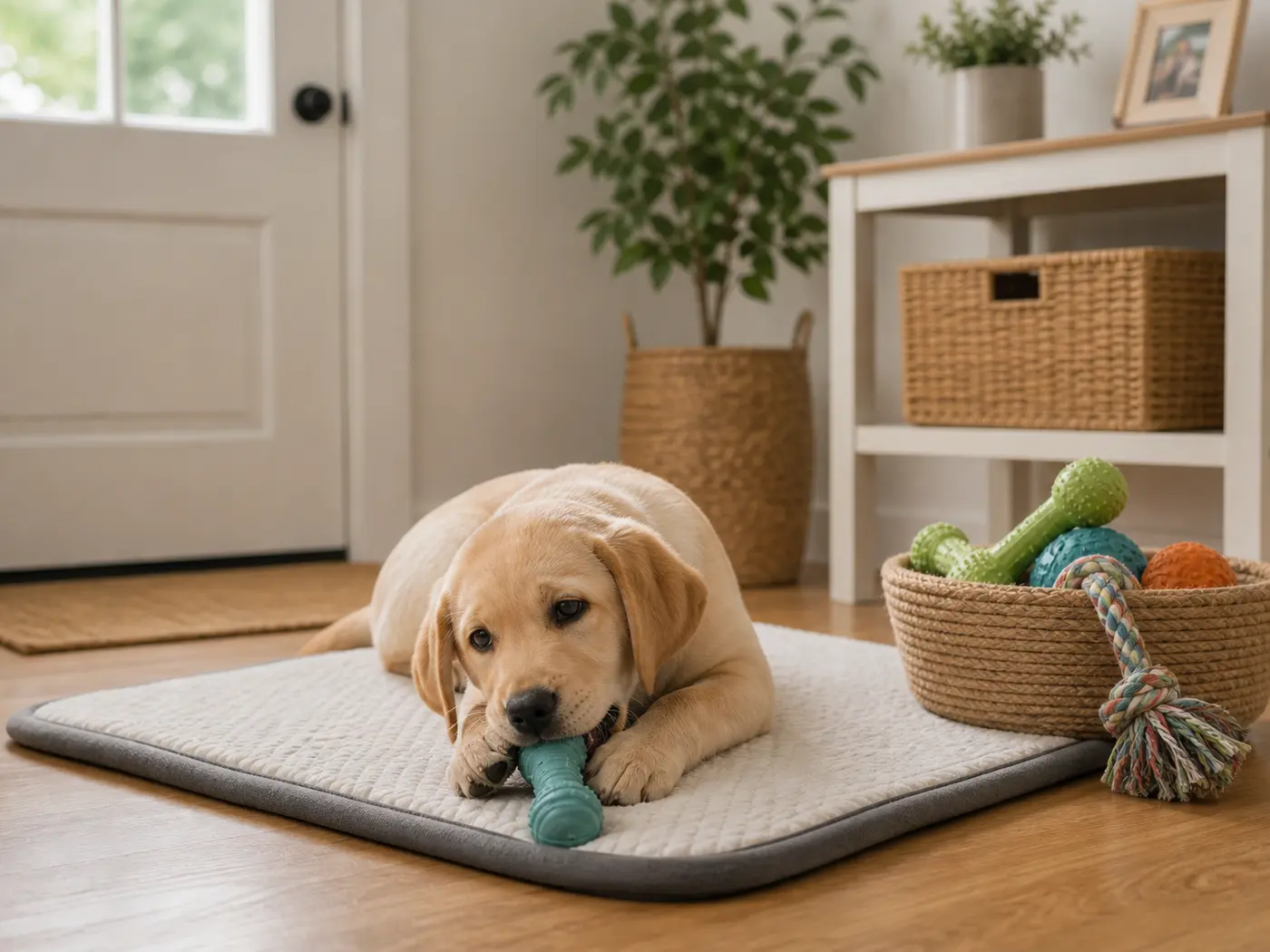
A chew station gives your puppy a legal job before they invent one with shoes, chair legs, rugs, or sleeves. It works because the right option is already easy to find.
Think location first. Put safe chews where your puppy naturally settles, then supervise closely enough to remove anything that becomes unsafe or too small.
Great for
- Puppies who mouth furniture, shoes, rugs, or hands.
- Homes building calmer evenings and better supervised downtime.
- Dogs who need a predictable outlet after play, meals, or training.
Wait a bit if
- Unsupervised chewing with items that can splinter, break teeth, or become choking hazards.
- Puppies who guard chews, stiffen, growl, or snap without trainer guidance.
- Leaving tempting shoes, cords, laundry, or kids toys within reach while expecting willpower.
Practice the swap
Choose one calm location
Start with a mat, crate, pen, or quiet corner near family life. Your puppy should feel included enough to relax, but not so stimulated that every chew turns into a chase game.
Stock safe options
Offer a few textures: rubber, soft fabric, food-stuffed enrichment, and a vet-appropriate longer chew. Rotate choices instead of leaving every toy out all day.
Start before the biting starts
Chew stations work best before your puppy is wild. Use the station after potty, play, meals, training, visitors, or any moment when your puppy needs a quiet mouth job.
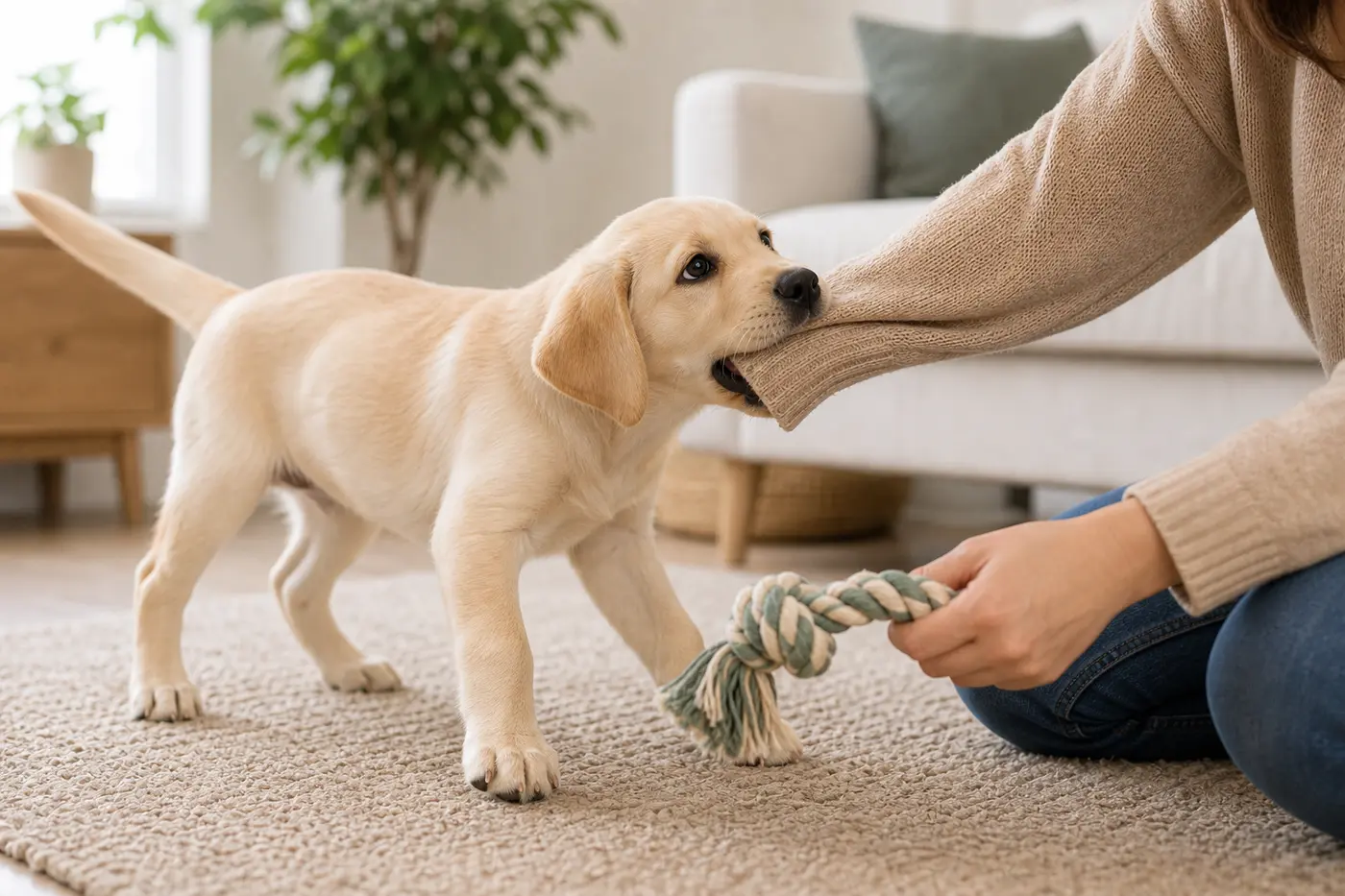
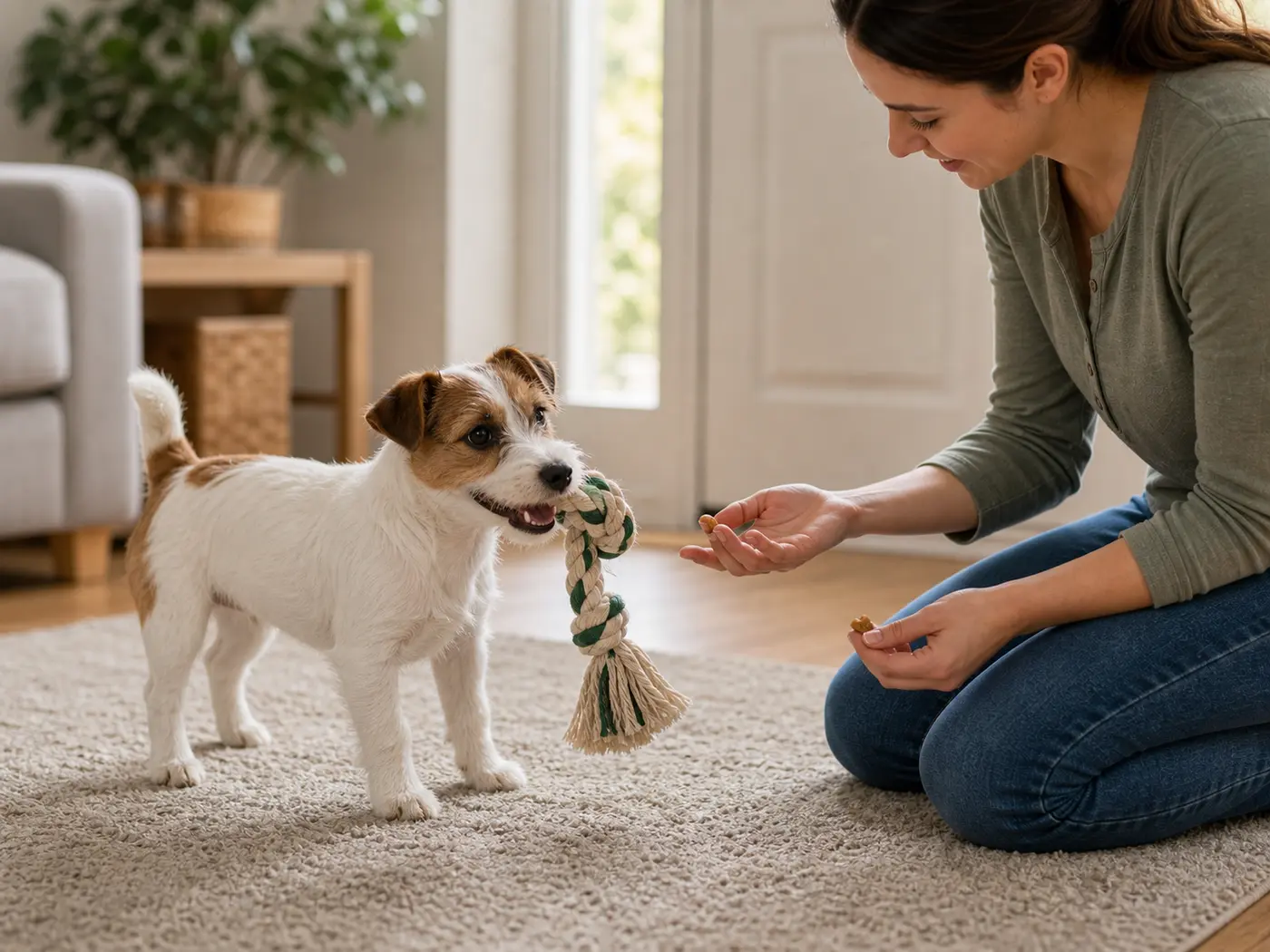
Trade, do not grab
If your puppy has the wrong thing, offer a better chew or treat first. Grabbing teaches puppies to run, clamp down, or guard. Trading teaches that your hands make things better.
Make boring items unavailable
Shoes, cords, laundry, kids' toys, and remote controls should disappear while the habit is forming. Training is much easier when the wrong choices are not rehearsed all day.
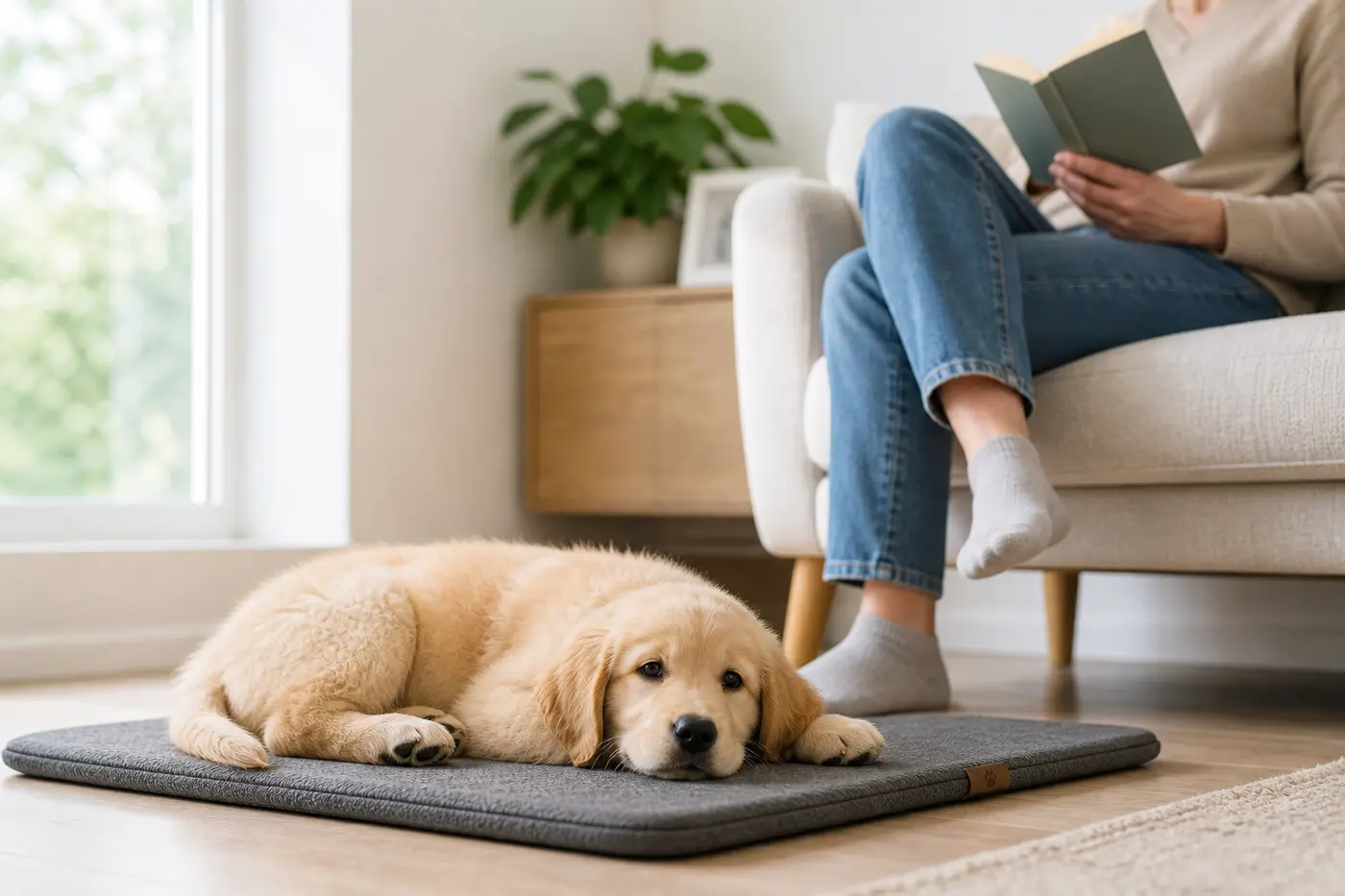
Reward settling with the chew
When your puppy lies down and works on the chew, let that quiet moment count. Soft praise, calm presence, and no extra excitement help the station become a real reset.
Remove unsafe chews early
Take away chews that splinter, break into swallowable chunks, or become too small. Supervise new chews and ask your vet if you are unsure about hardness or ingredients.
Use the station after busy moments
A good chew station is part of the daily rhythm: play, potty, chew, nap. Many bitey puppies are not being naughty. They are overtired and need help coming down.
Little things that help
Rotate safely
A few good options beat a pile of forgotten toys. Rotate chews and inspect them often.
Trade, then manage
If your puppy gets the wrong item, trade for food or a better chew, then make that item unavailable next time.
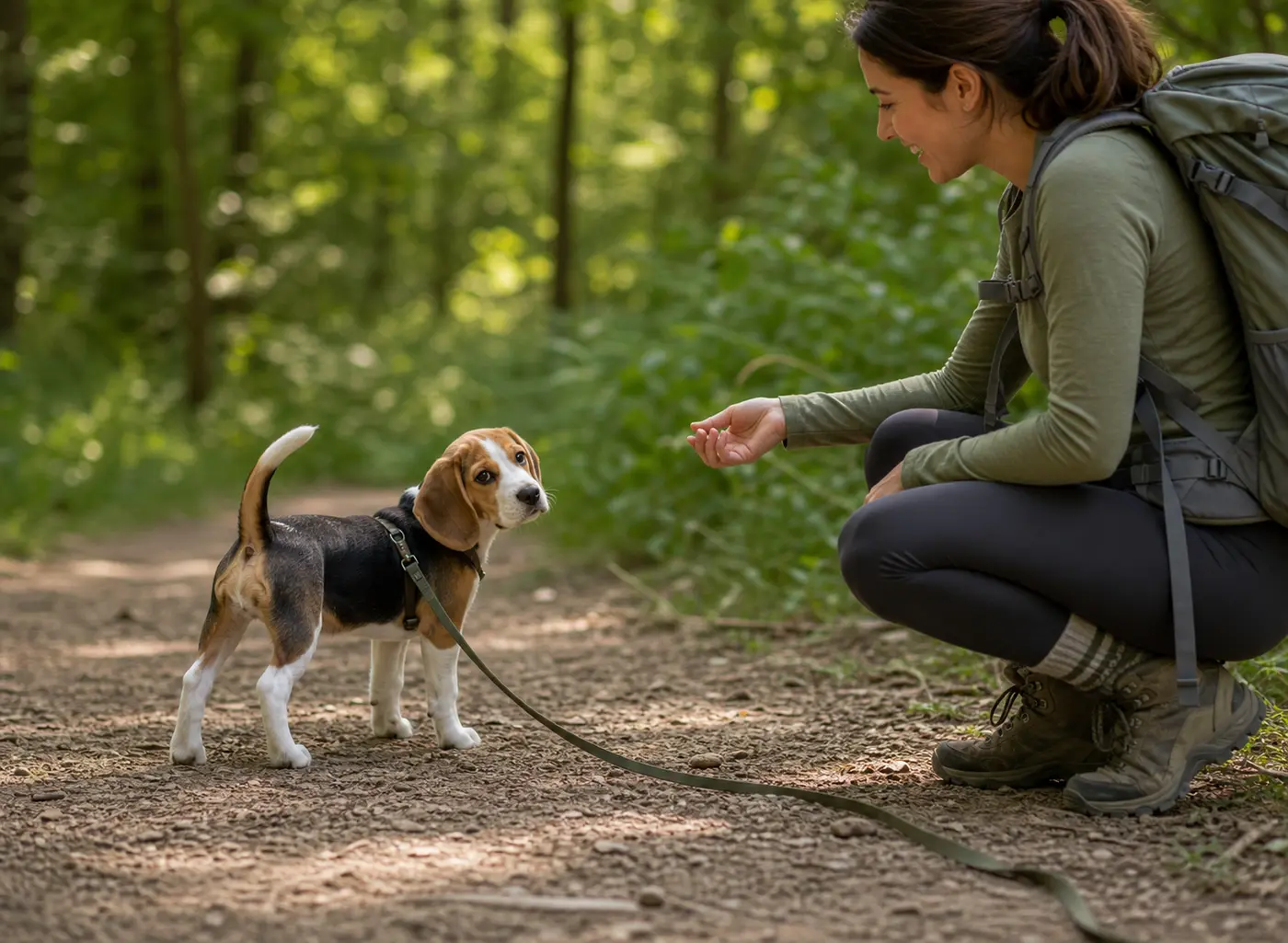
Use after busy moments
Chewing can help a puppy downshift after visitors, play, or a short training session.
Helpful little extras
Affiliate links: Furball Cove may earn from qualifying purchases at no extra cost to you.

Long-lasting puppy chews
Gives busy mouths a legal job during quiet blocks, supervised crate time, and post-play resets.
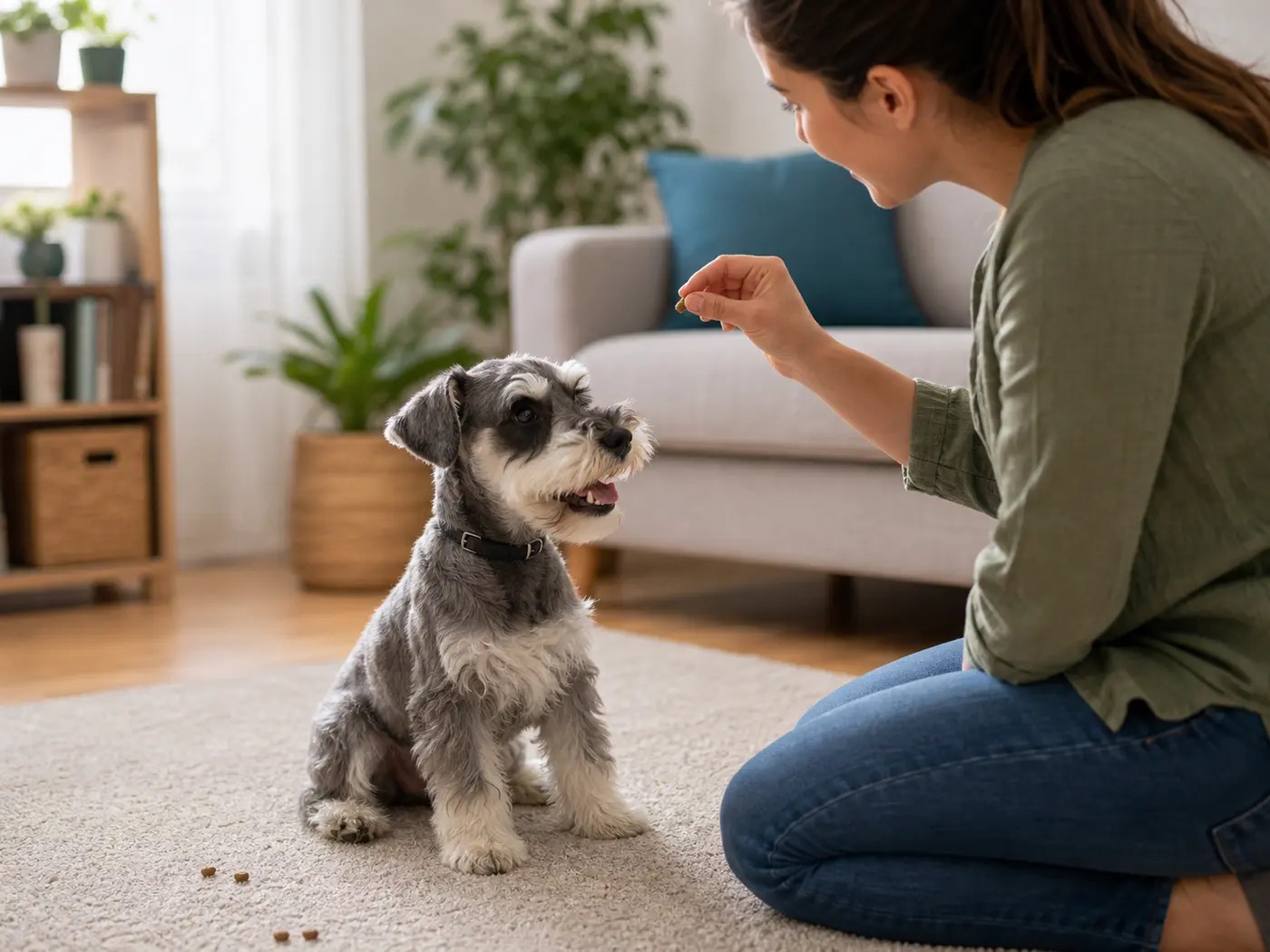
Rubber chew toys
Durable rubber toys are useful for teething puppies who need a safe texture to work on.
Washable dog mat
Creates a clear landing spot so your puppy knows where quiet chewing should happen.
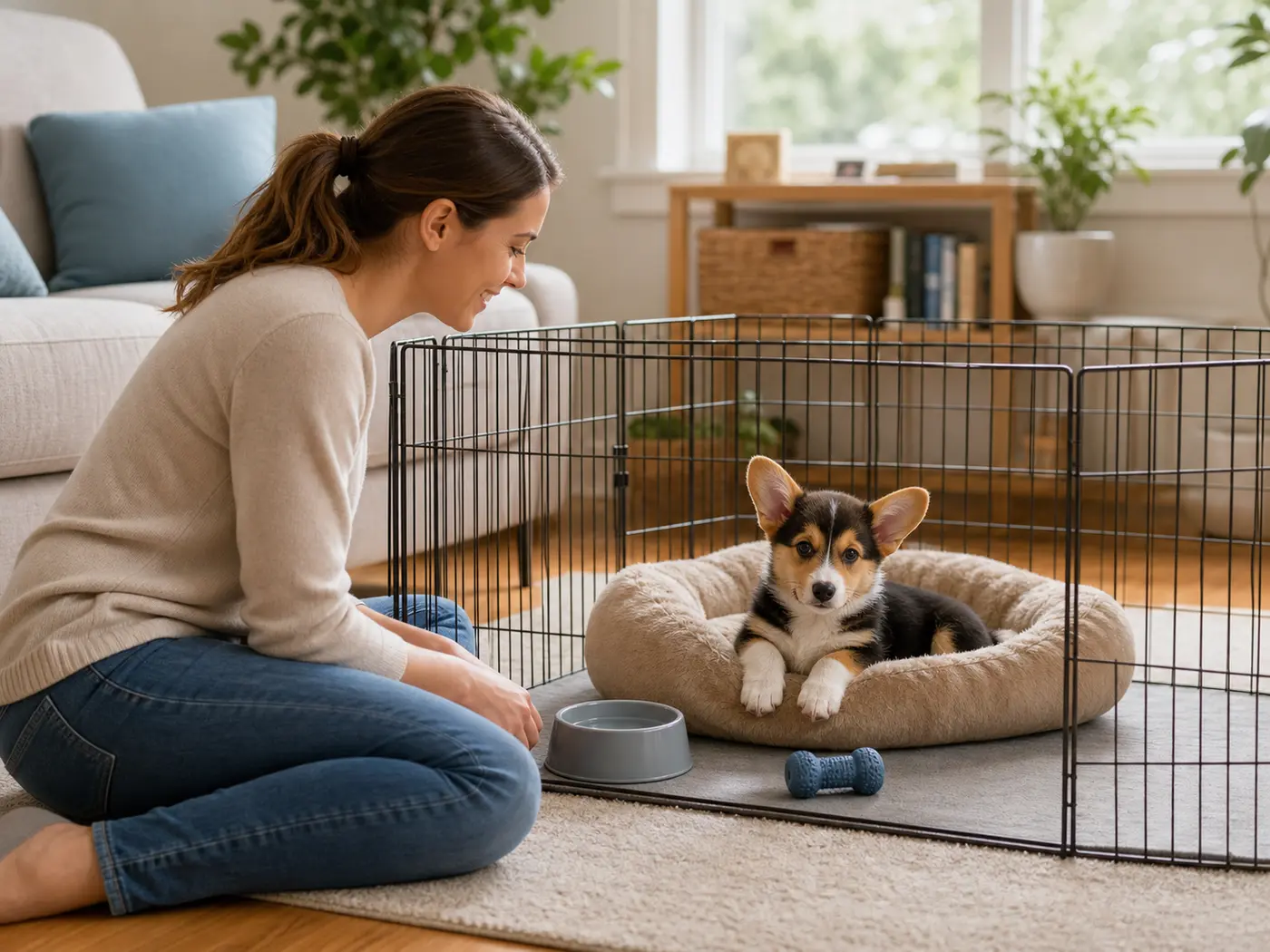
Pet gate
Keeps tempting rooms closed while your puppy learns the legal chew routine.
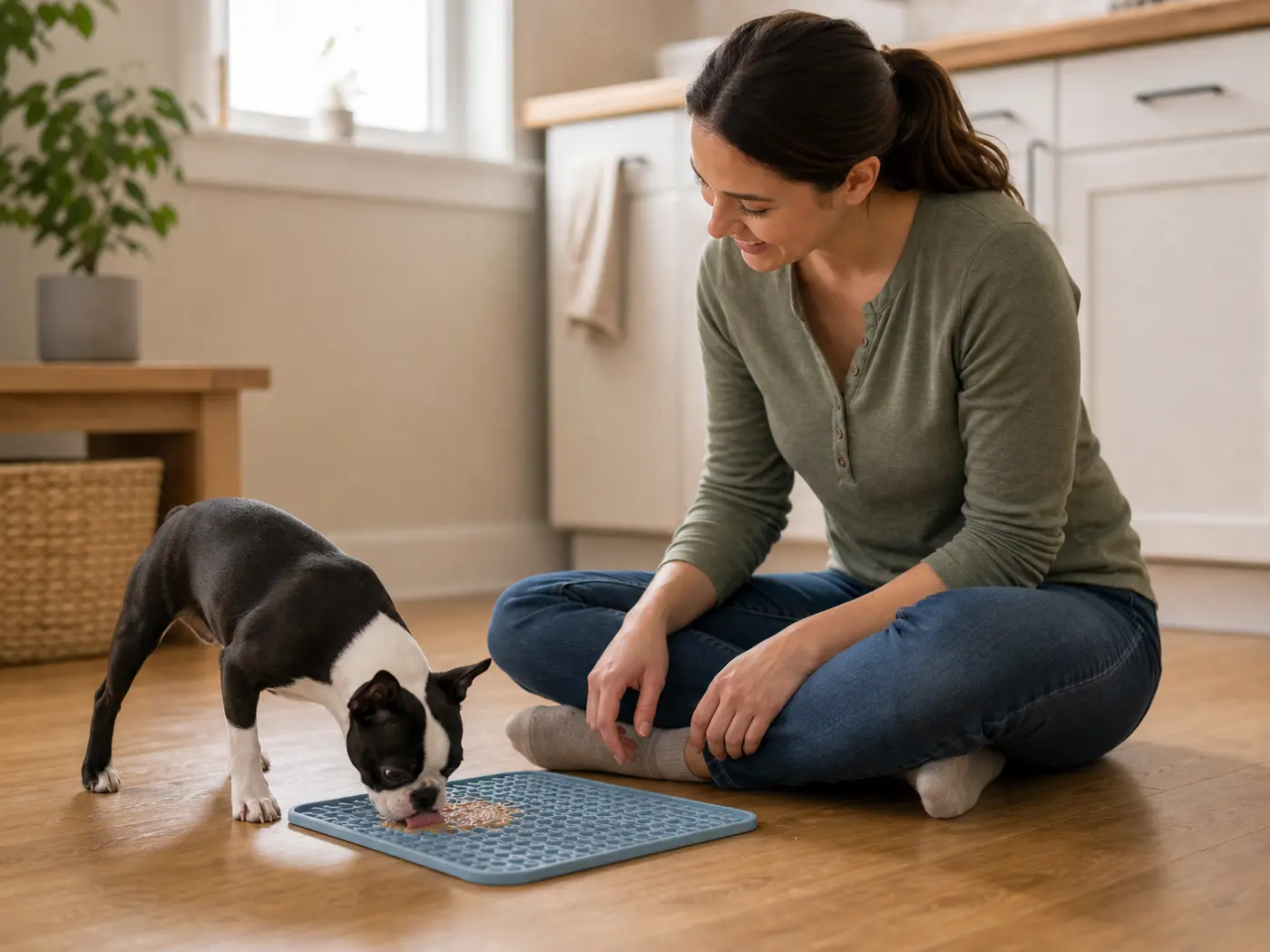
Lick mat
A softer calming option for puppies who need help settling after play or visitors.
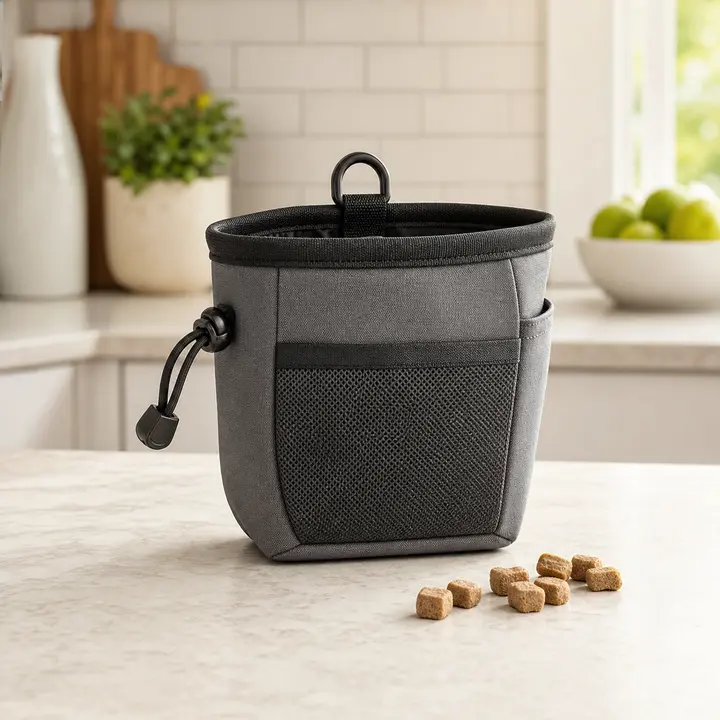
Training treat pouch
Keeps trades quick and calm when your puppy picks up the wrong object.
Questions people ask
How do I stop my puppy from chewing everything?
Do not try to stop all chewing. Puppy-proof the space, provide safe legal chews, redirect early, and use a chew station after busy moments.
Should I take things out of my puppy's mouth?
Only remove dangerous items when you must. For normal training, trade with food or a better toy so your puppy learns that your approach is good news.
What chews are safe for puppies?
Choose size-appropriate chews that do not splinter or break into swallowable chunks. Supervise new chews and ask your vet about hard chews, edible chews, and stomach-sensitive puppies.
Why does my puppy chew more at night?
Evening chewing often means overtired, overstimulated, or needing a calmer routine. Try potty, a legal chew, dimmer activity, and an earlier nap rhythm.