Updated
Puppy training cue
Teach Your Puppy Drop It
Drop it works when releasing the item predicts something better, not the end of all fun.
Teach this before you need it. Start with easy toys, pay generously, and avoid turning the cue into a wrestling match.
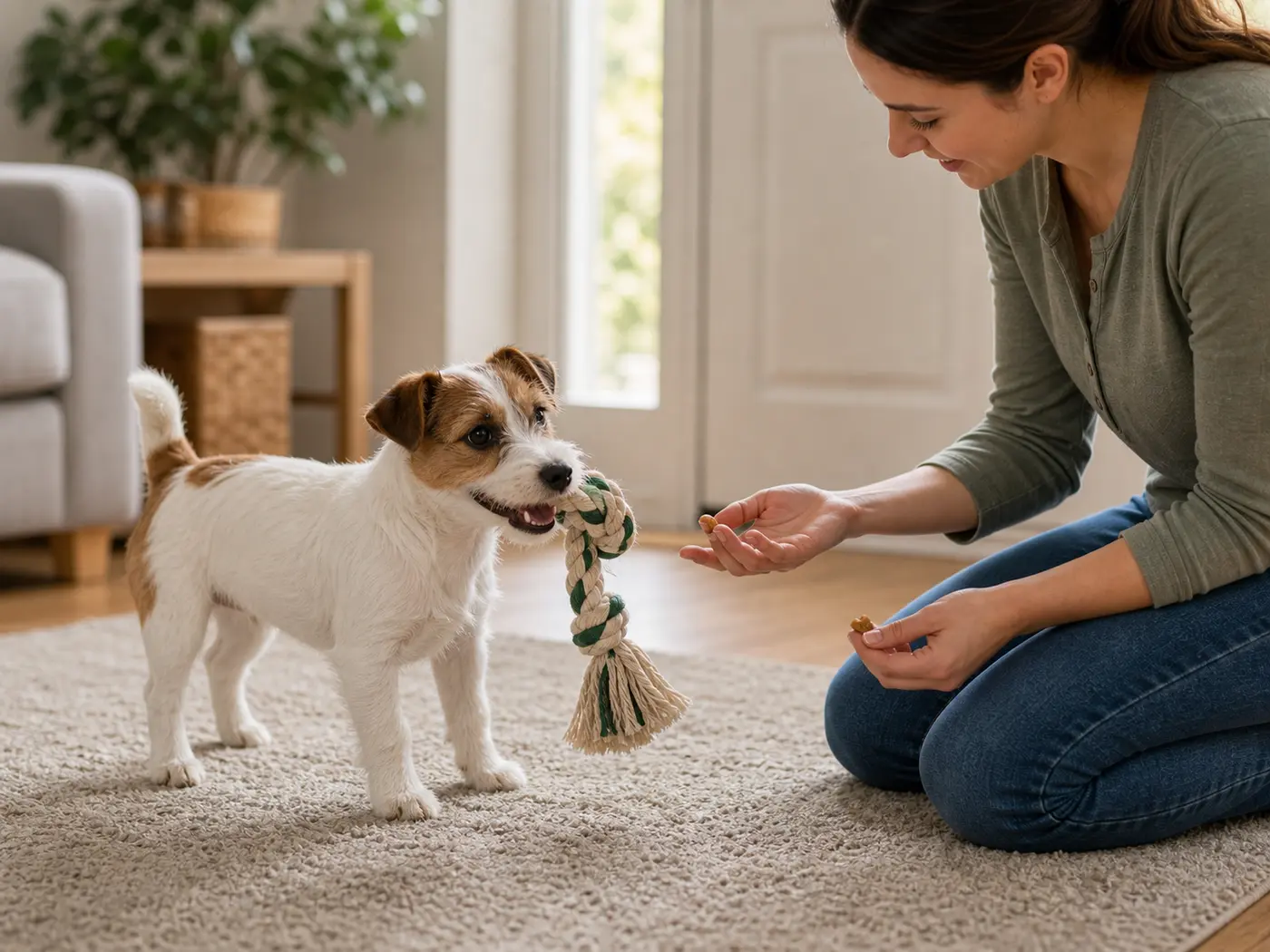
Drop it is one of those cues that feels small until your puppy has a sock, a toy piece, or something questionable from the sidewalk. The cue should feel calm and familiar long before that moment.
You are teaching trust as much as mechanics: when your puppy opens their mouth, good things happen and the world stays safe.
Great for
- Puppies who grab toys, socks, leaves, or household items.
- Safer tug, fetch, toy rotation, and family play.
- Building a kinder alternative to chasing, prying, or scolding.
Wait a bit if
- A dog who guards, freezes, growls, or snaps over items.
- Emergency items that must be removed immediately for safety.
- Long sessions where the puppy gets frustrated or overexcited.
Make the choice easy
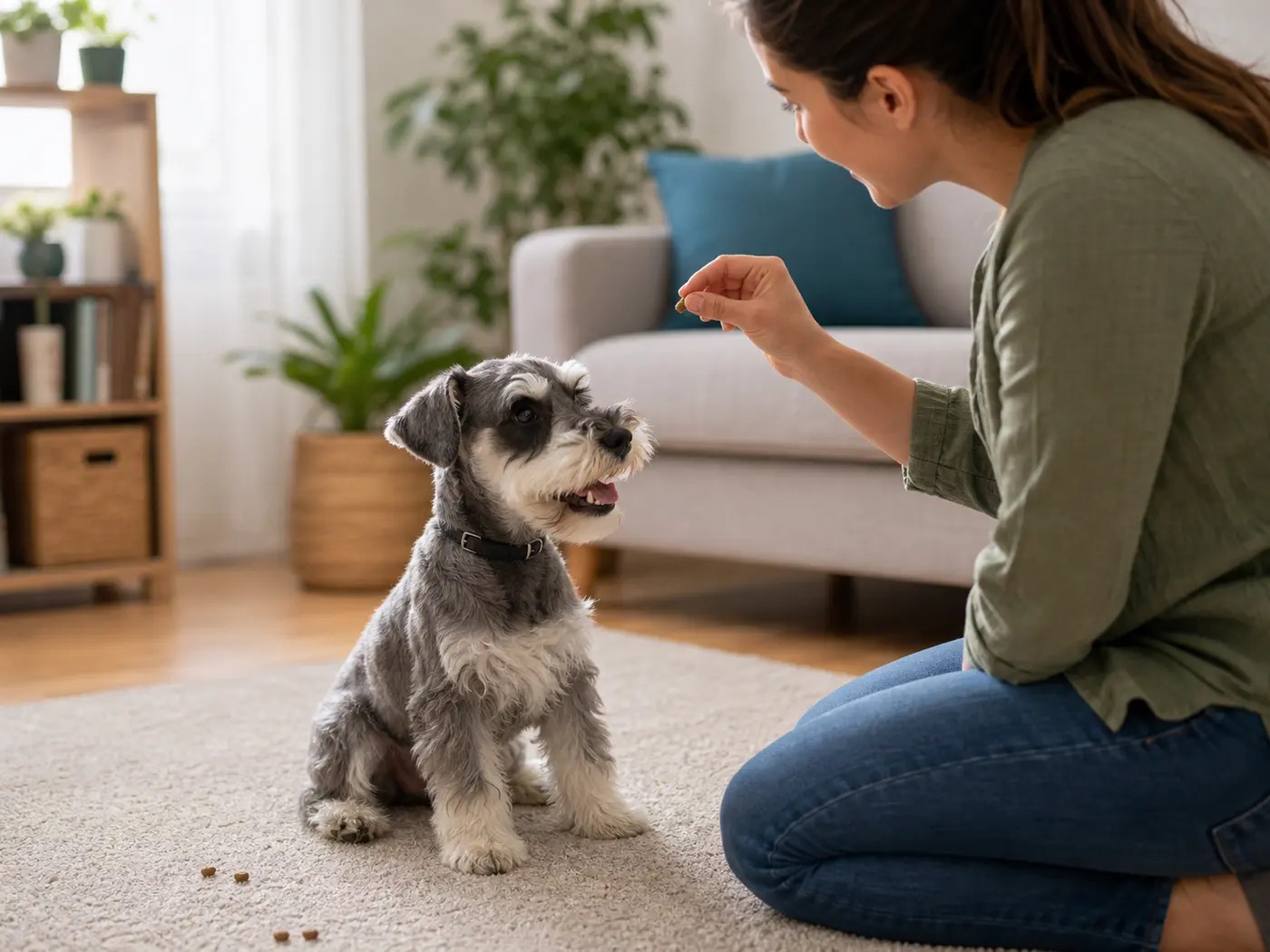
Pick a low-value toy
Start with a toy your puppy likes but does not guard. Save stolen socks, food wrappers, and favorite chews for later training with professional help if needed.
Offer food at the nose
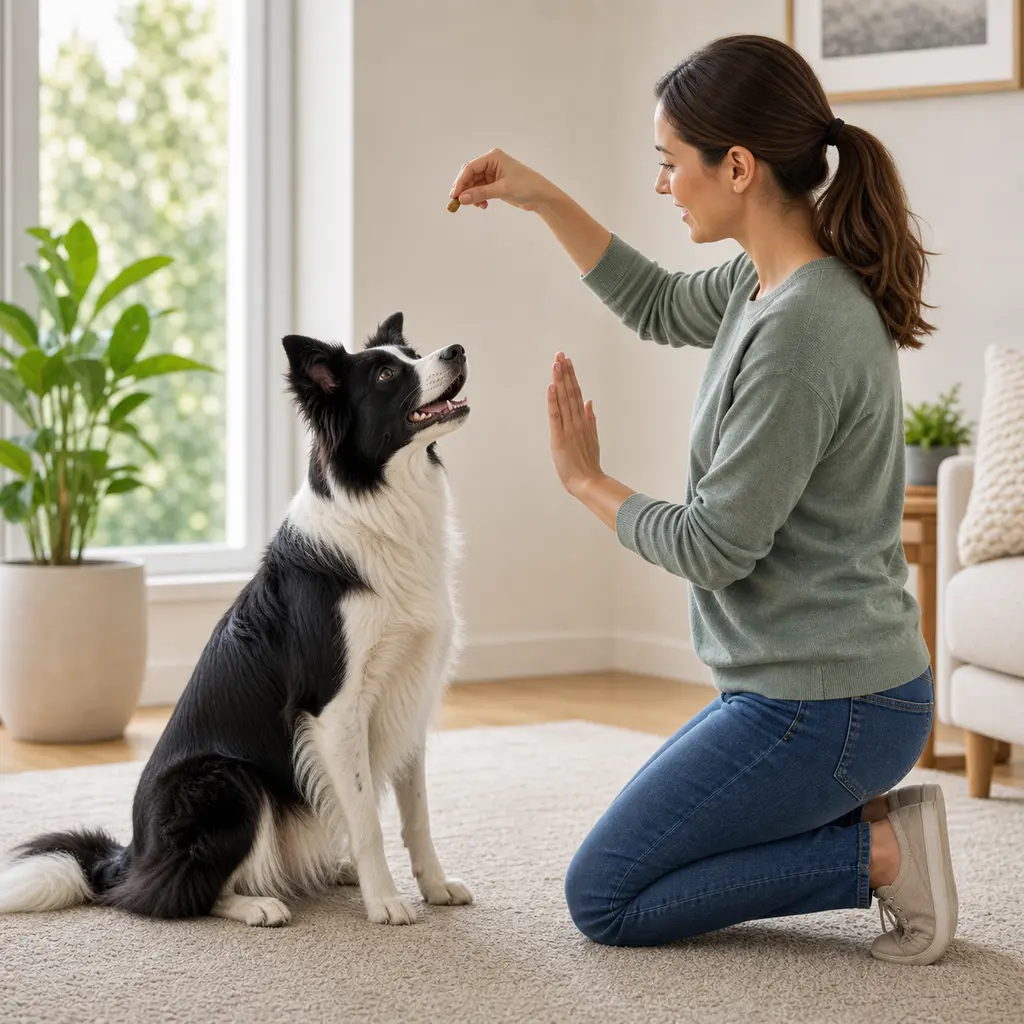
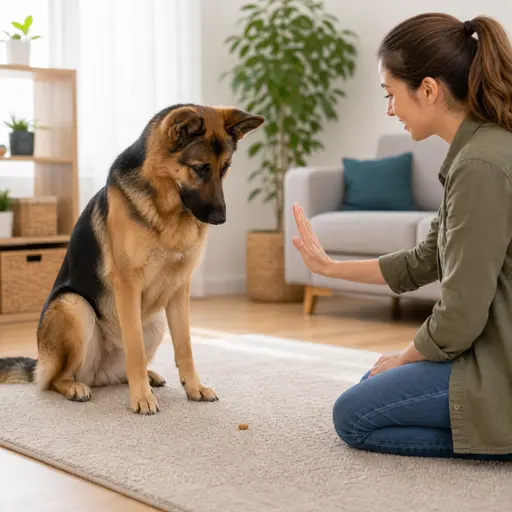
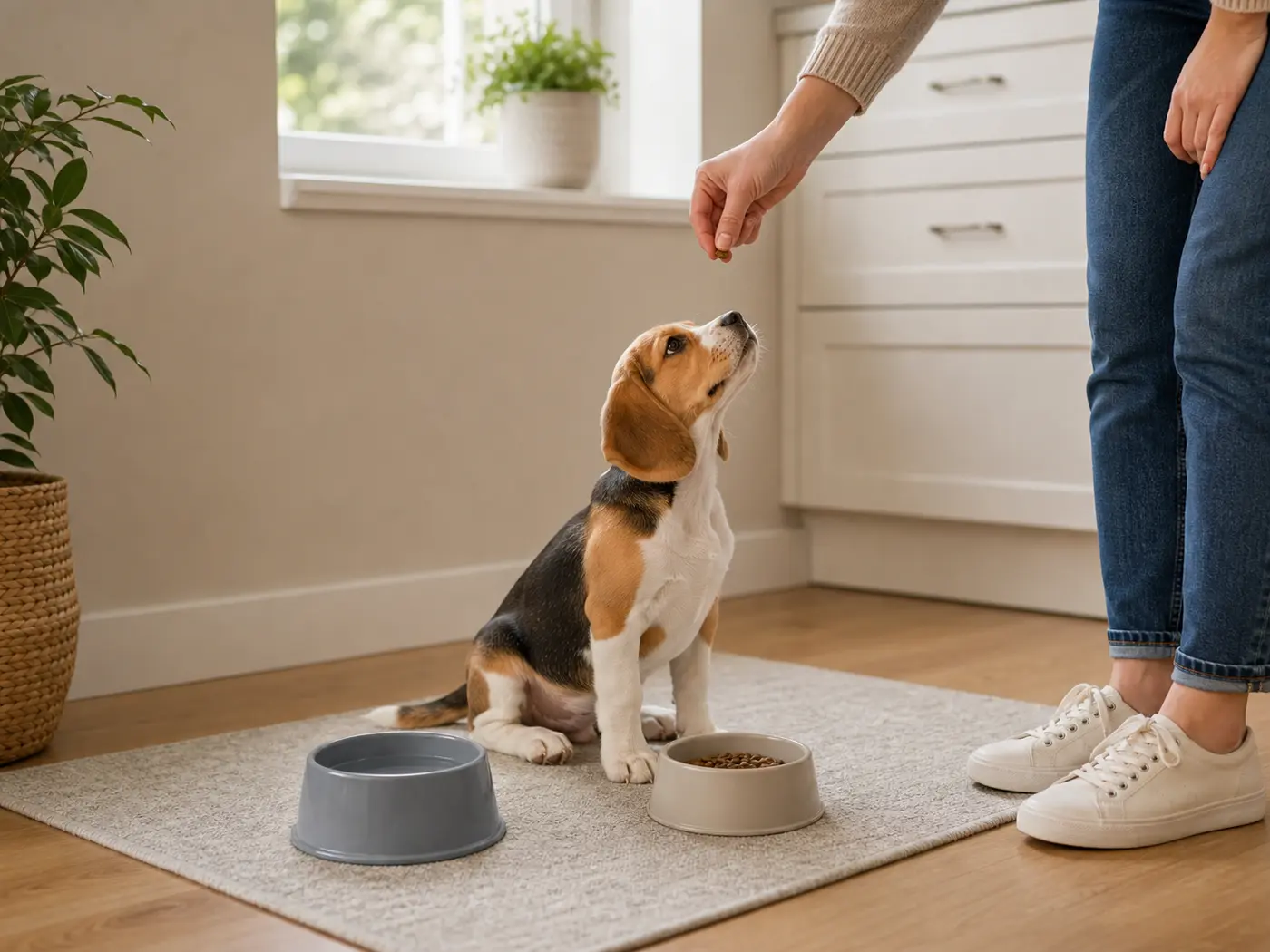
Hold a tiny treat near your puppy's nose. When the mouth opens and the toy drops, mark the moment and give the treat. Do not pull the toy out.
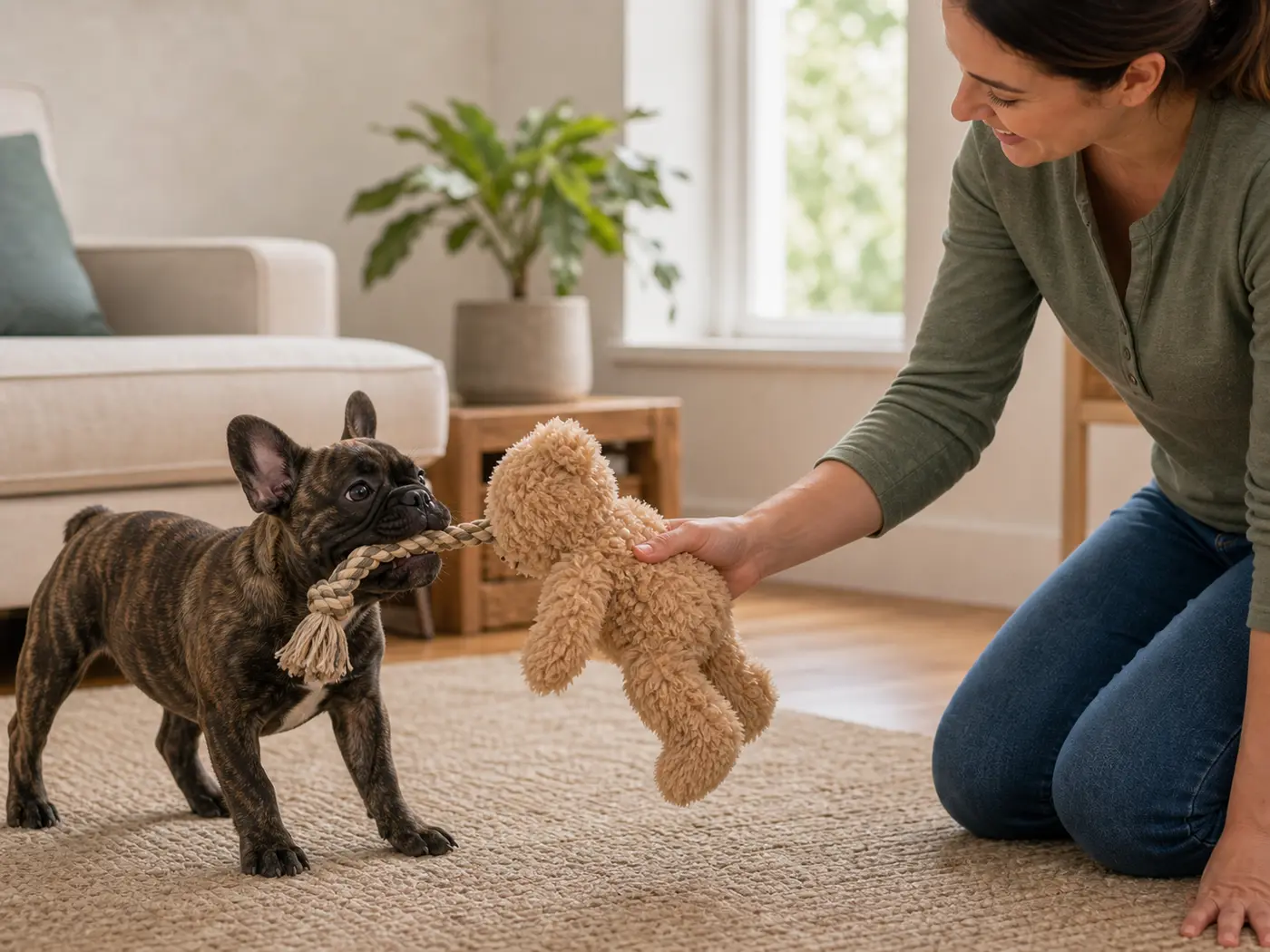
Give the toy back
After the reward, return the toy and play again. This is the part many people skip. Giving it back teaches your puppy that dropping does not always mean losing.
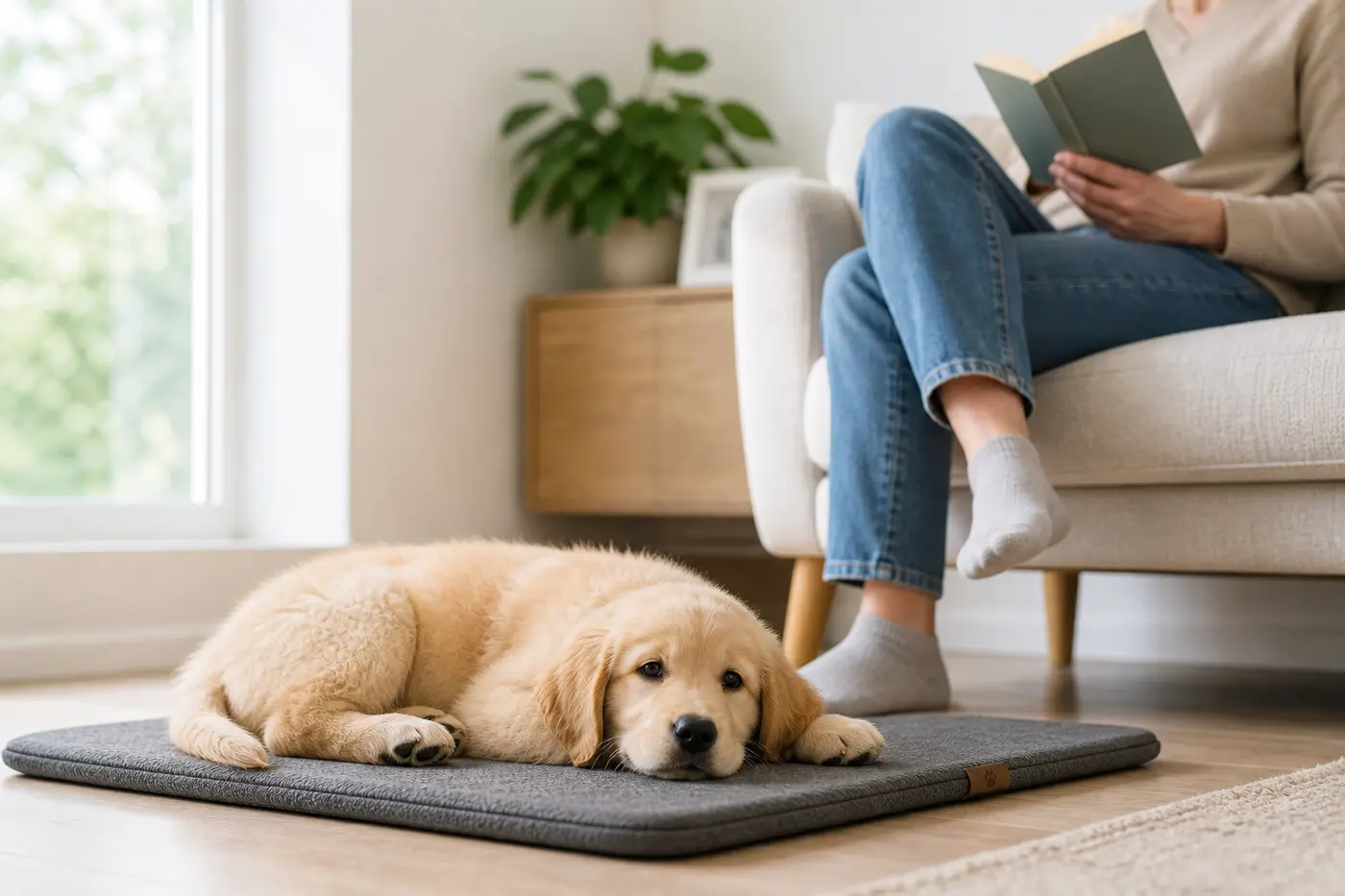
Add the cue before the treat
When the release is predictable, say drop it once, then present the treat. The cue should come before the food appears, not after your puppy already let go.
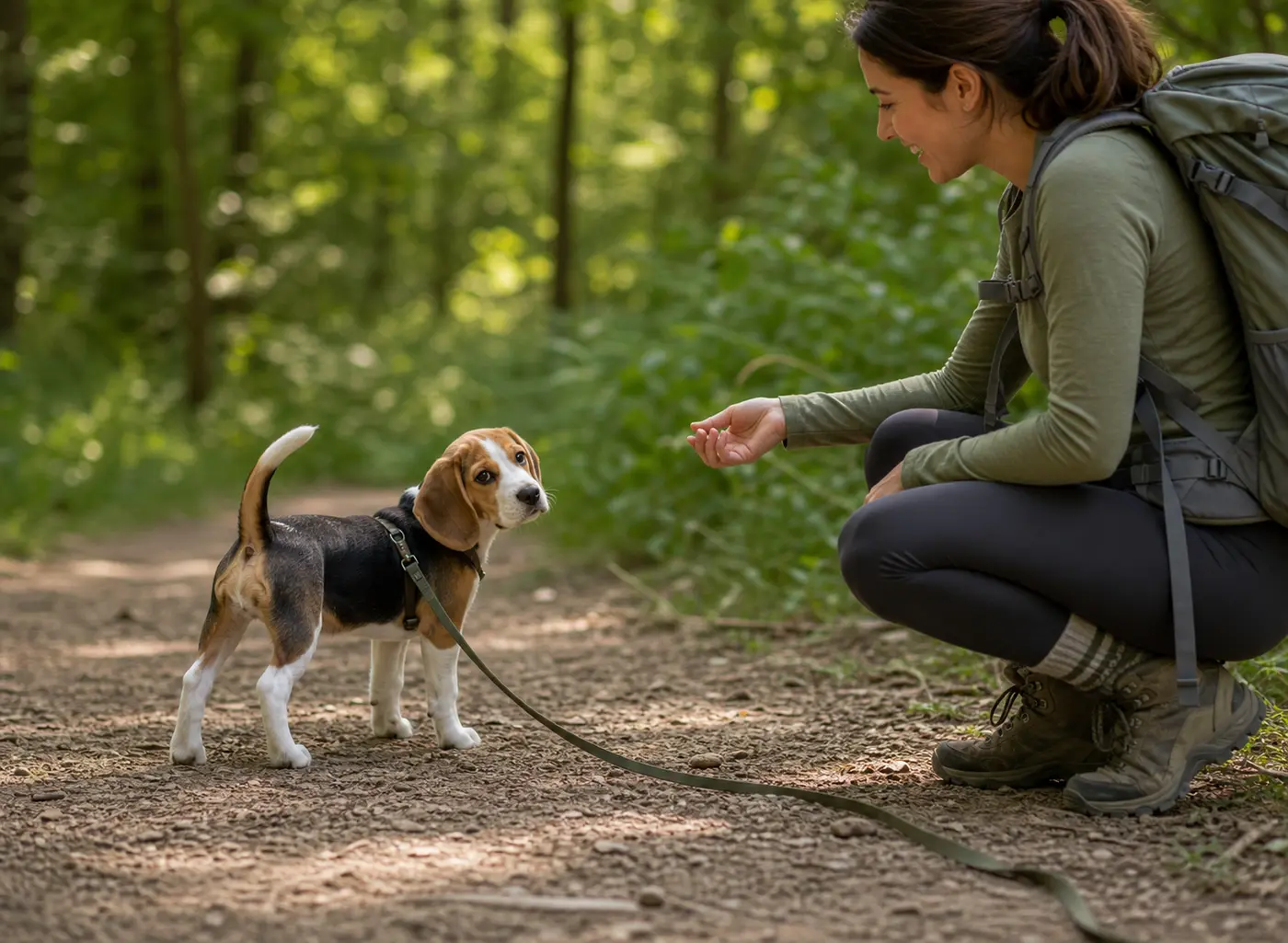
Practice during gentle tug
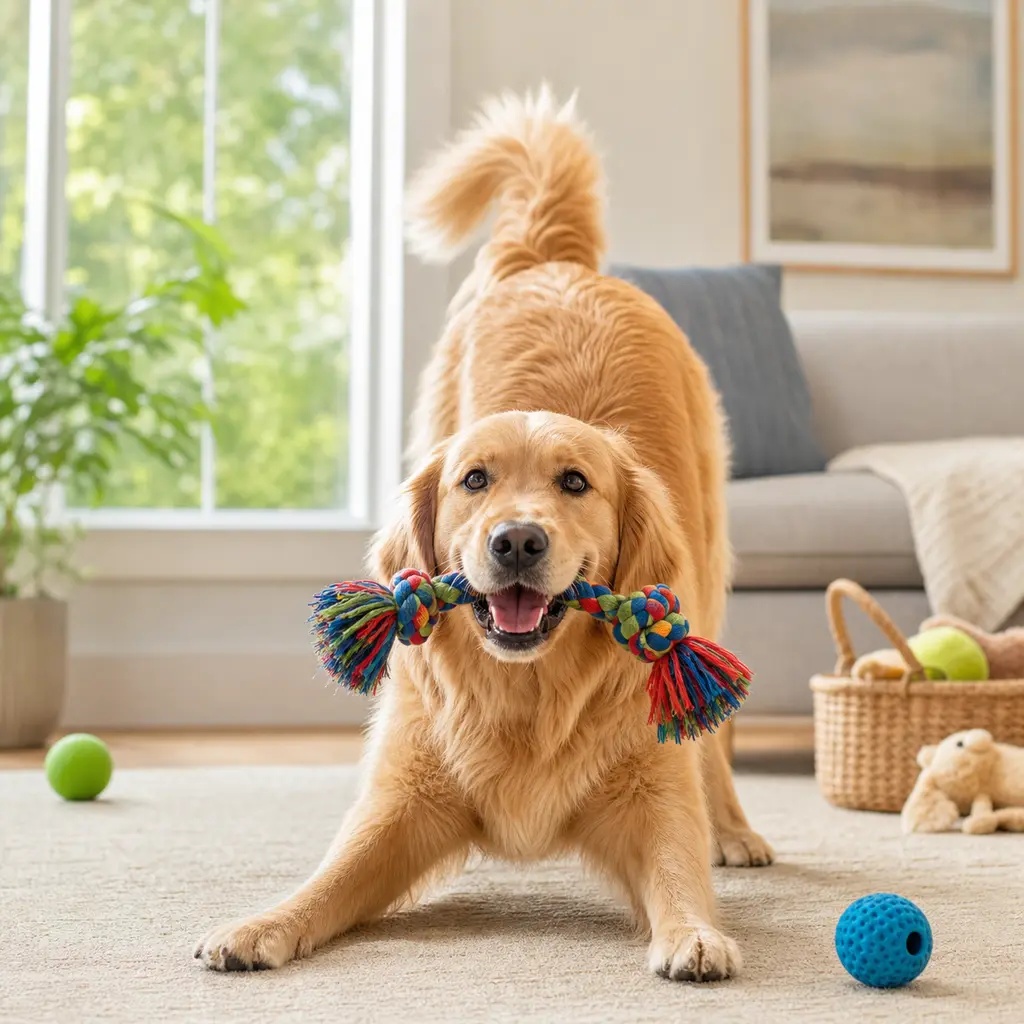
Play softly, freeze the toy, say drop it, reward the release, then restart play. Restarting the game is a powerful reward for puppies who love tug.
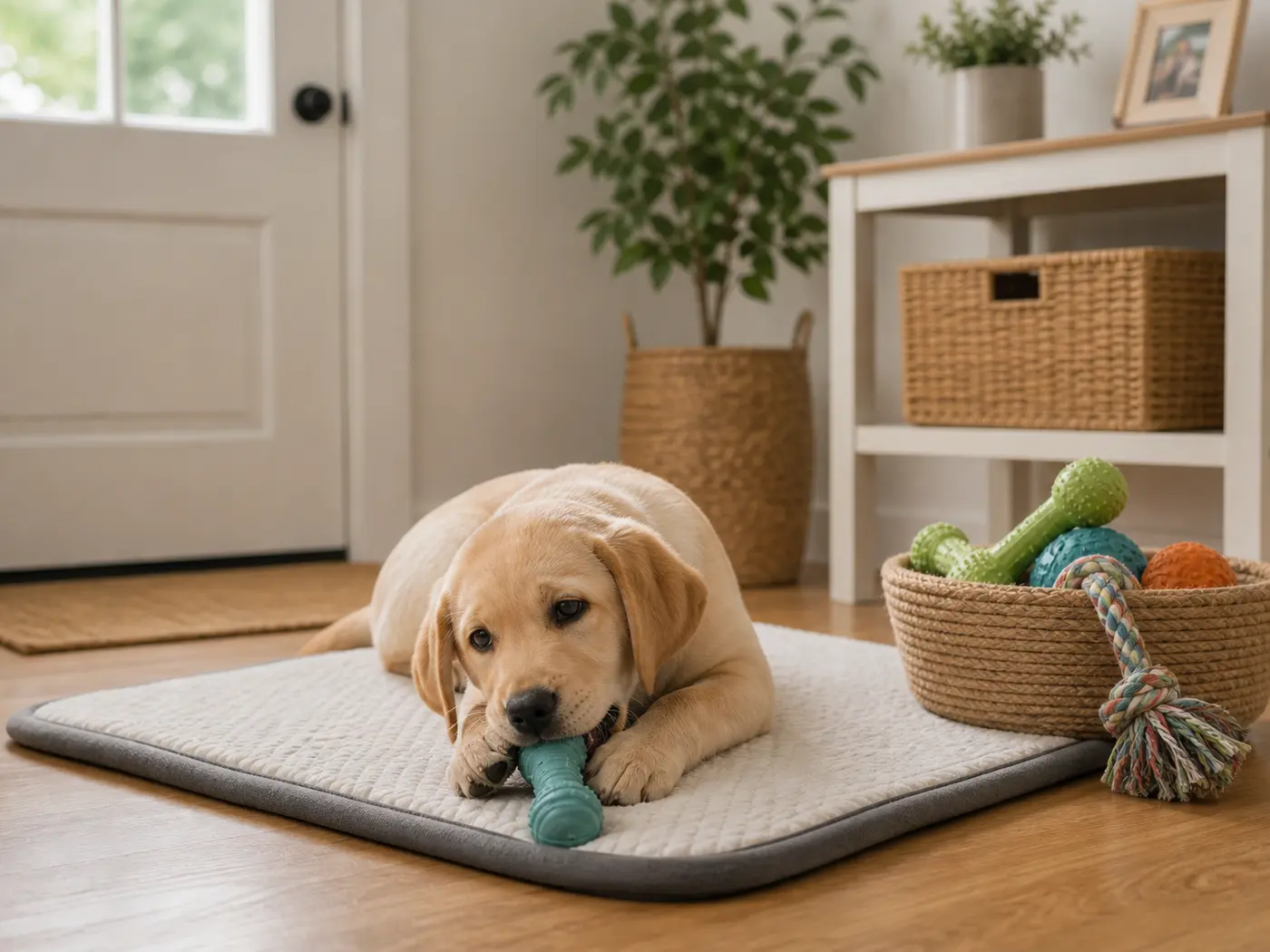
Use trades for real-life mistakes
If your puppy grabs the wrong object, stay calm and trade. Running toward them or shouting often makes the object more exciting.
Little things that help
Do not pry
Prying teaches puppies to clamp down. If you must remove a dangerous item, do it safely, then rebuild drop-it practice with easier items.
Pay better for harder items
A boring toy may need one treat. A stolen sock may need chicken, a second toy, or careful management until the cue is stronger.
Watch body language
Stiffness, freezing, hard staring, growling, or hovering over an item are not obedience problems. They are safety signals.
Helpful little extras
Affiliate links: Furball Cove may earn from qualifying purchases at no extra cost to you.
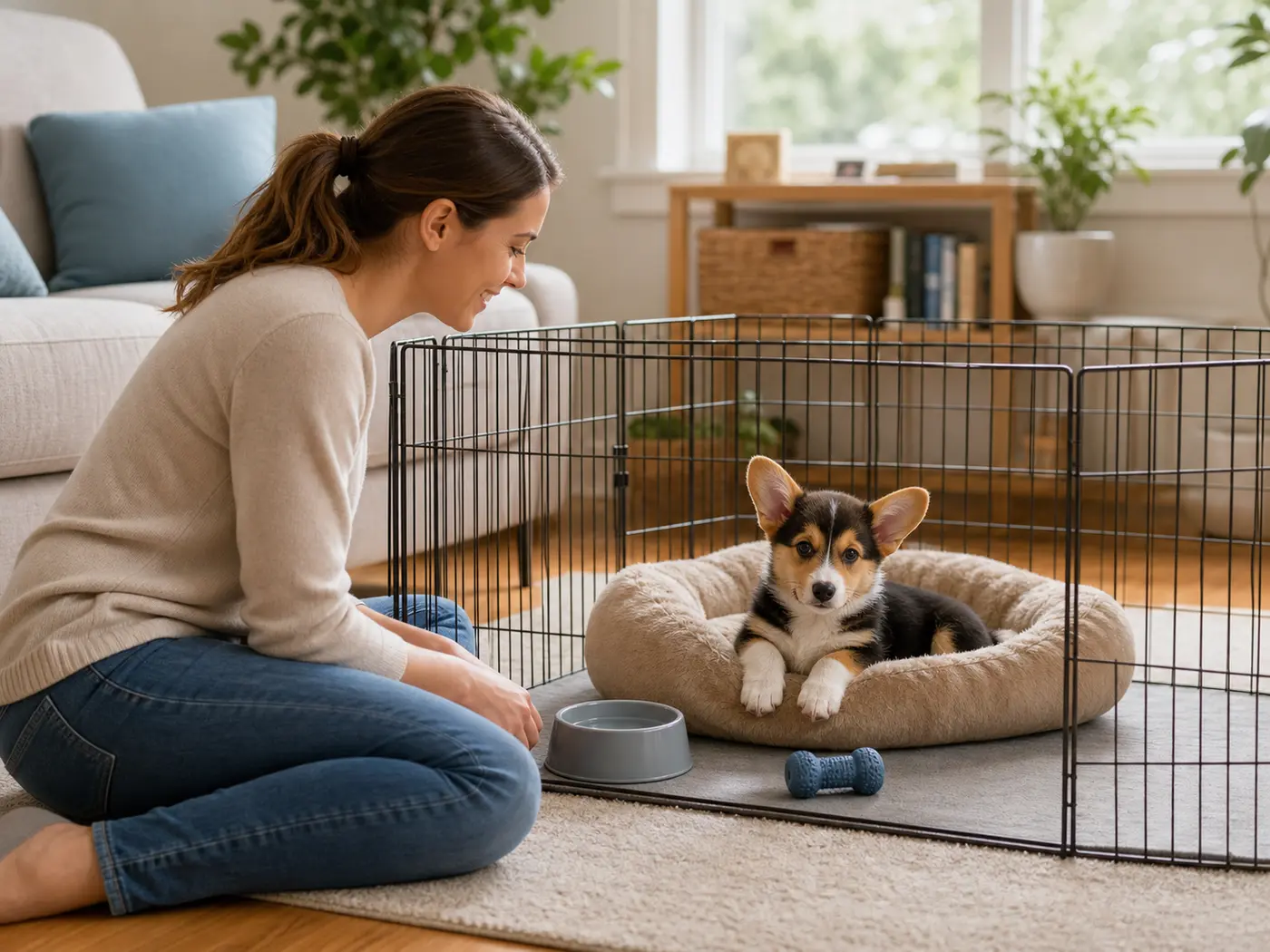
Soft training treats
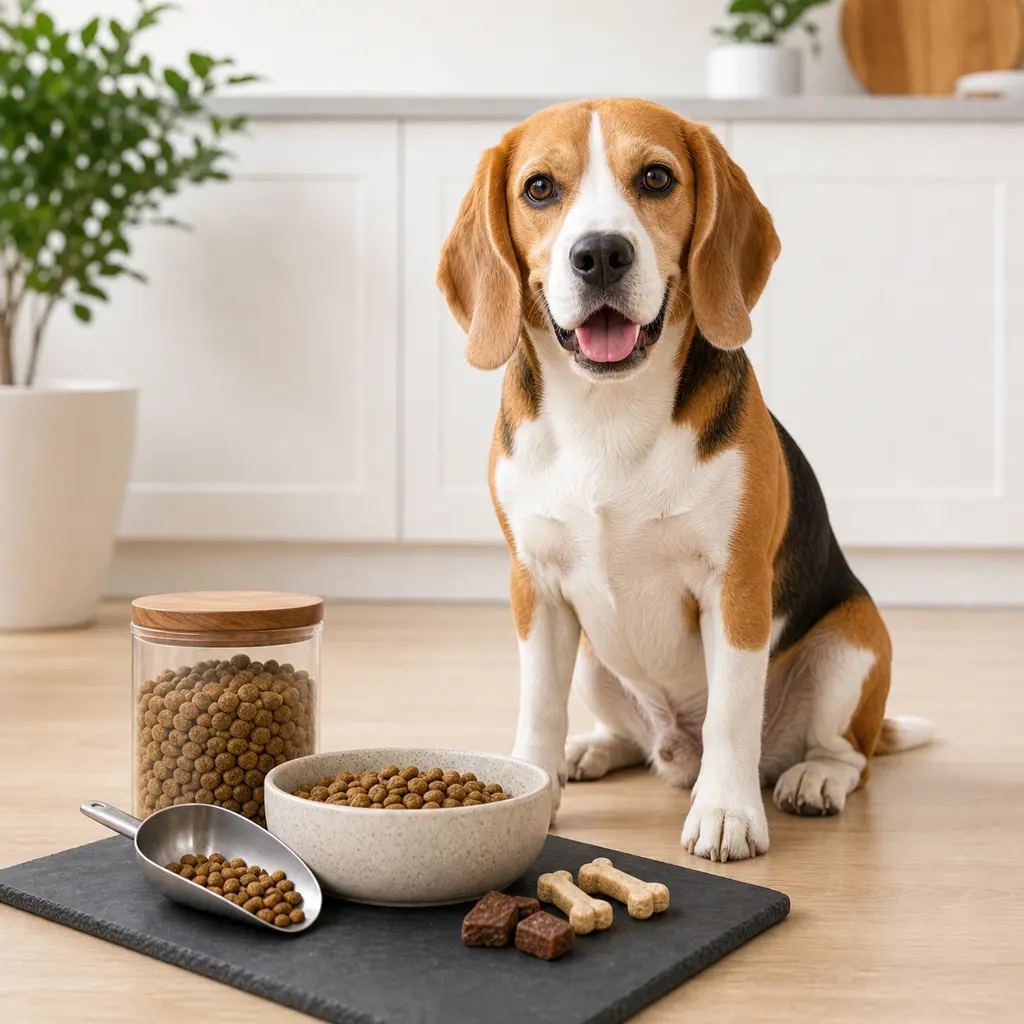
Fast, tiny rewards help your puppy understand the exact mouth-open moment that earned the treat.
Tug toys
Soft tug toys make drop-it practice safer and more fun than practicing with household items.
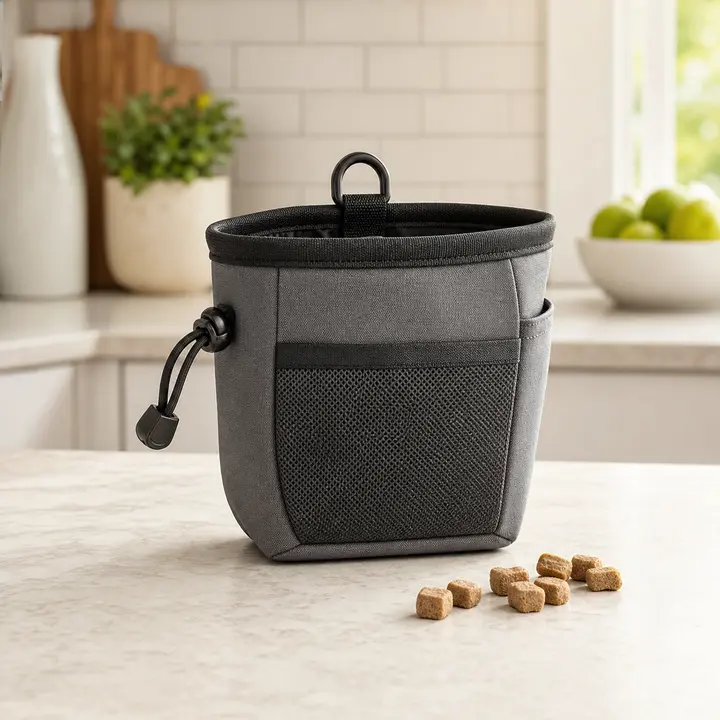
Training treat pouch
Keeps trades ready for real-life moments when your puppy grabs something they should not have.
Toy basket
Makes legal toy choices easy to find so your puppy has better options before mistakes happen.
Questions people ask
What should I do if my puppy has something dangerous?
Stay calm, trade with the best reward you have, and remove the item safely if needed. After the moment is over, puppy-proof the space and practice drop it with easier items.
Why does my puppy run away when I say drop it?
They may have learned that people take prizes away. Practice with low-value toys, reward the release, and give the toy back often.
Can drop it stop resource guarding?
Do not use this page as a guarding plan. If your dog stiffens, growls, snaps, or guards items, work with a qualified trainer or veterinary behavior professional.