

Updated
Dog training
Use Short Routes for Better Walks
Short routes help your dog learn one predictable walking pattern before you add harder streets.
A shorter walk with better practice often teaches more than a long walk full of pulling, barking, and frustration.
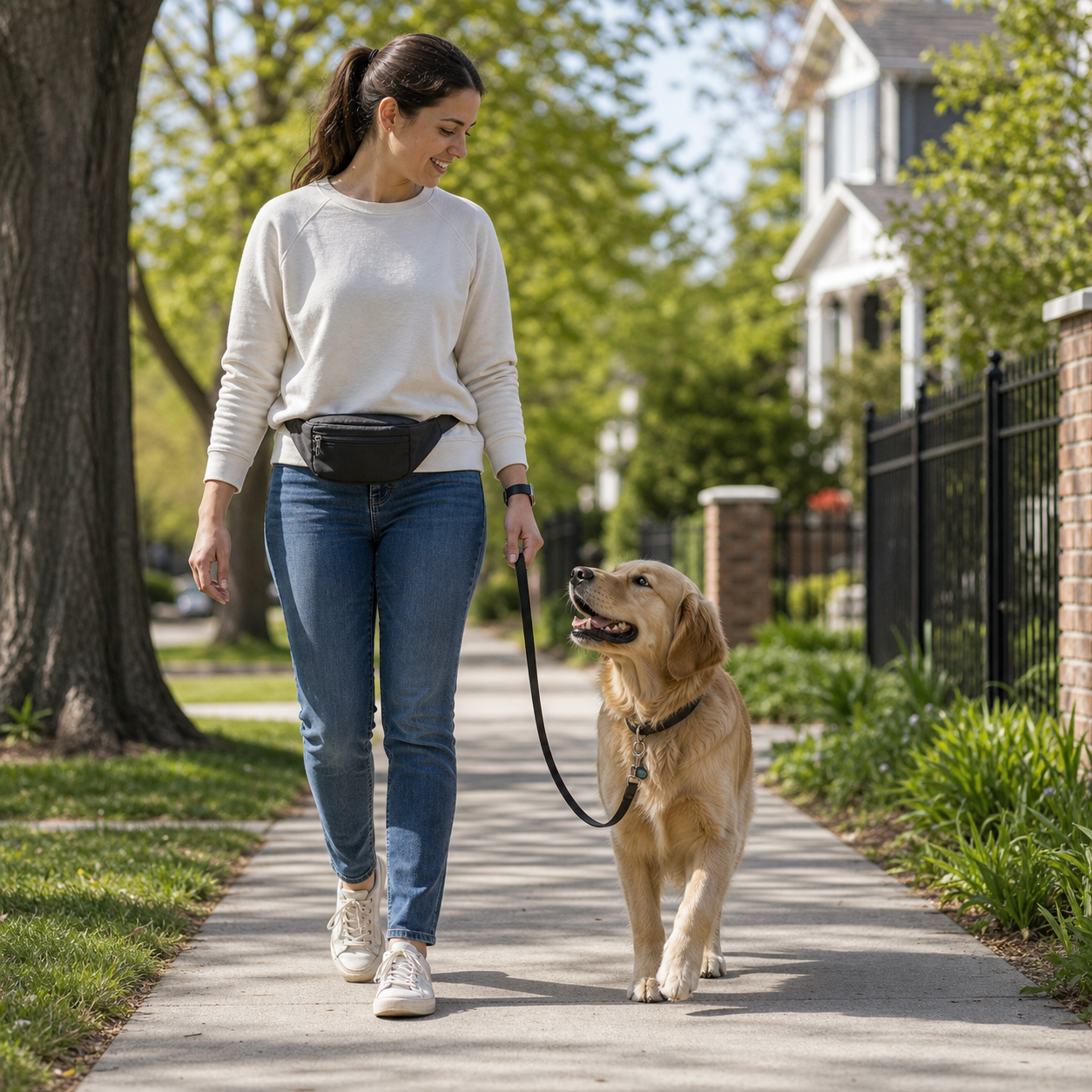
Dogs learn patterns. If the first ten minutes of every walk are frantic, a shorter route lets you reset the picture and practice before the wheels come off.
Short does not mean boring. You can include sniff breaks, check-ins, direction changes, and quiet rewards in a loop your dog can handle.
Great for
- Dogs who start walks too excited.
- Neighborhoods with a few predictable quiet blocks.
- Handlers rebuilding leash manners after pulling has become a habit.
Wait a bit if
- Your dog needs more bathroom access than the route allows.
- The only available route is full of unavoidable triggers.
- You are using short routes without adding enrichment or practice.
Shape the walking pattern
Choose the easiest loop
Pick a route with fewer dogs, driveways, kids, and blind corners. Repeatability matters more than distance.
Warm up before leaving
Do a few check-ins, touch cues, or follow-me steps before you hit the sidewalk.
Practice one skill per walk
Choose stop-and-go, check-ins, or sniff breaks. Do not try to fix everything at once.
End before the walk falls apart
Turn home while your dog is still succeeding. Ending early is better than rehearsing the old pattern.
Add one new section
When the loop is easy, add one driveway, one corner, or one extra block. Keep the rest familiar.
Use enrichment after
If the short route leaves your dog with energy, add a snuffle mat, food puzzle, training game, or calm chew at home.
Little things that help
Repeat the easy block
Choose a loop where your dog can stay under threshold. Familiar smells and fewer surprises make it easier to practice instead of just surviving the walk.
Track the clean minutes
Notice how long your dog can walk before pulling takes over. Add one driveway, one corner, or one minute at a time.
Keep bathroom needs separate
If your dog really needs to potty, handle that first. Training goes better after the urgent business is done.
Helpful little extras
Affiliate links: Furball Cove may earn from qualifying purchases at no extra cost to you.
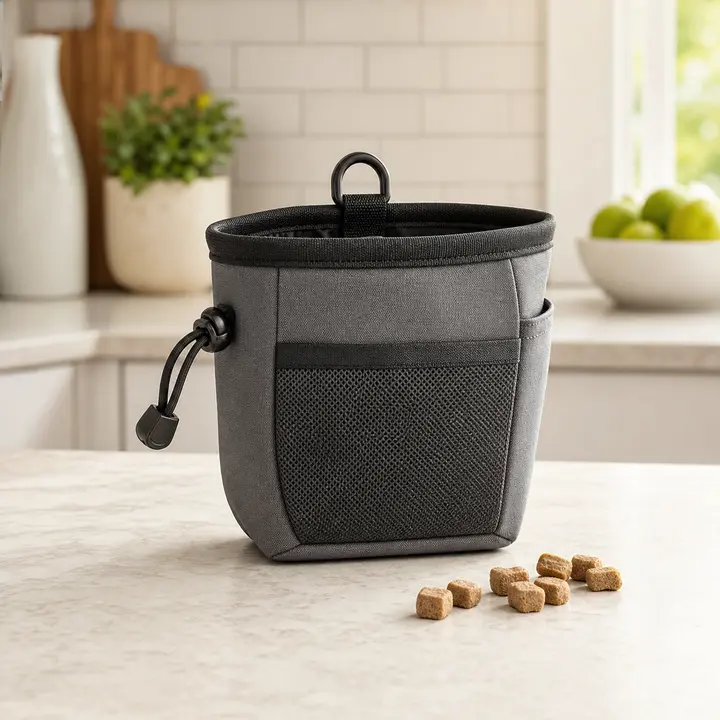
Training treat pouch
Keep rewards ready for the predictable corners and doorways on your practice loop.
High-value training treats
Short routes still need good pay, especially if your dog is learning to pass the same tempting smells calmly.
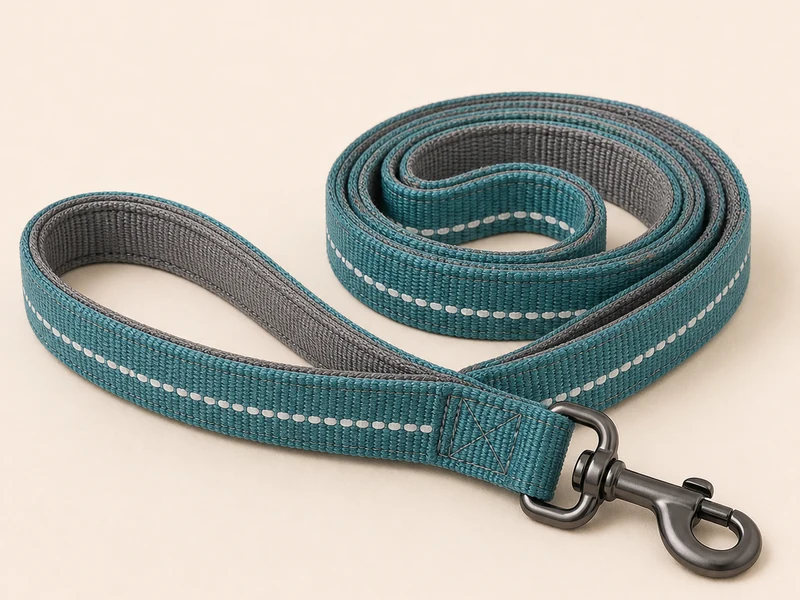
Reflective leash
A visible leash helps early or late practice walks when quiet streets are easier than peak dog-walking time.
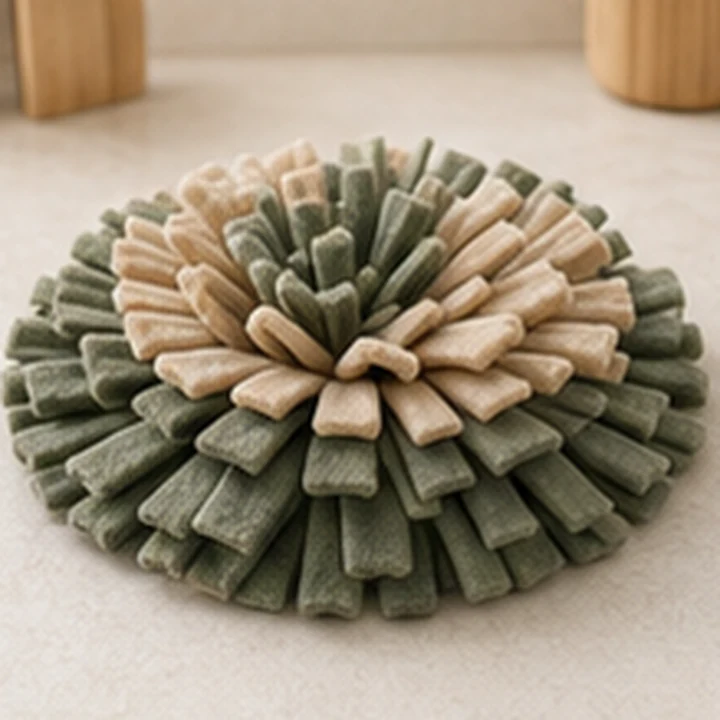
Snuffle mat
After a short training walk, a snuffle mat can give your dog extra sniffing without adding a harder route.
Questions people ask
Are short walks enough exercise?
Sometimes they are not. Pair short training routes with safe play, sniffing, enrichment, or a calmer walk in an easier place.
How long should the route be?
Long enough for bathroom needs and a few good reps, short enough that your dog can still think.
When do I add distance?
When your dog can repeat the easy loop with softer leash pressure and faster check-ins.
Try these next
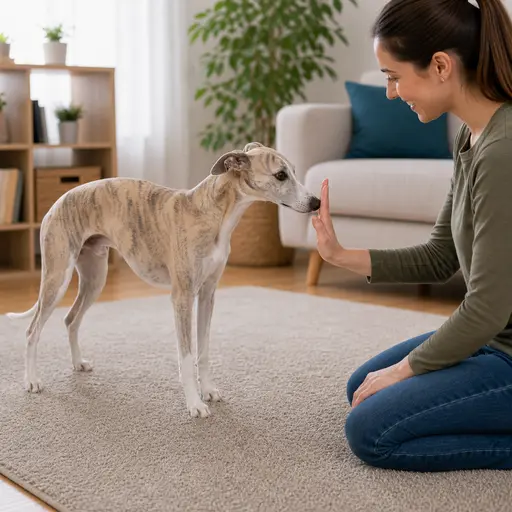
Walk Warmup
Spend two minutes connecting before the real walk starts.
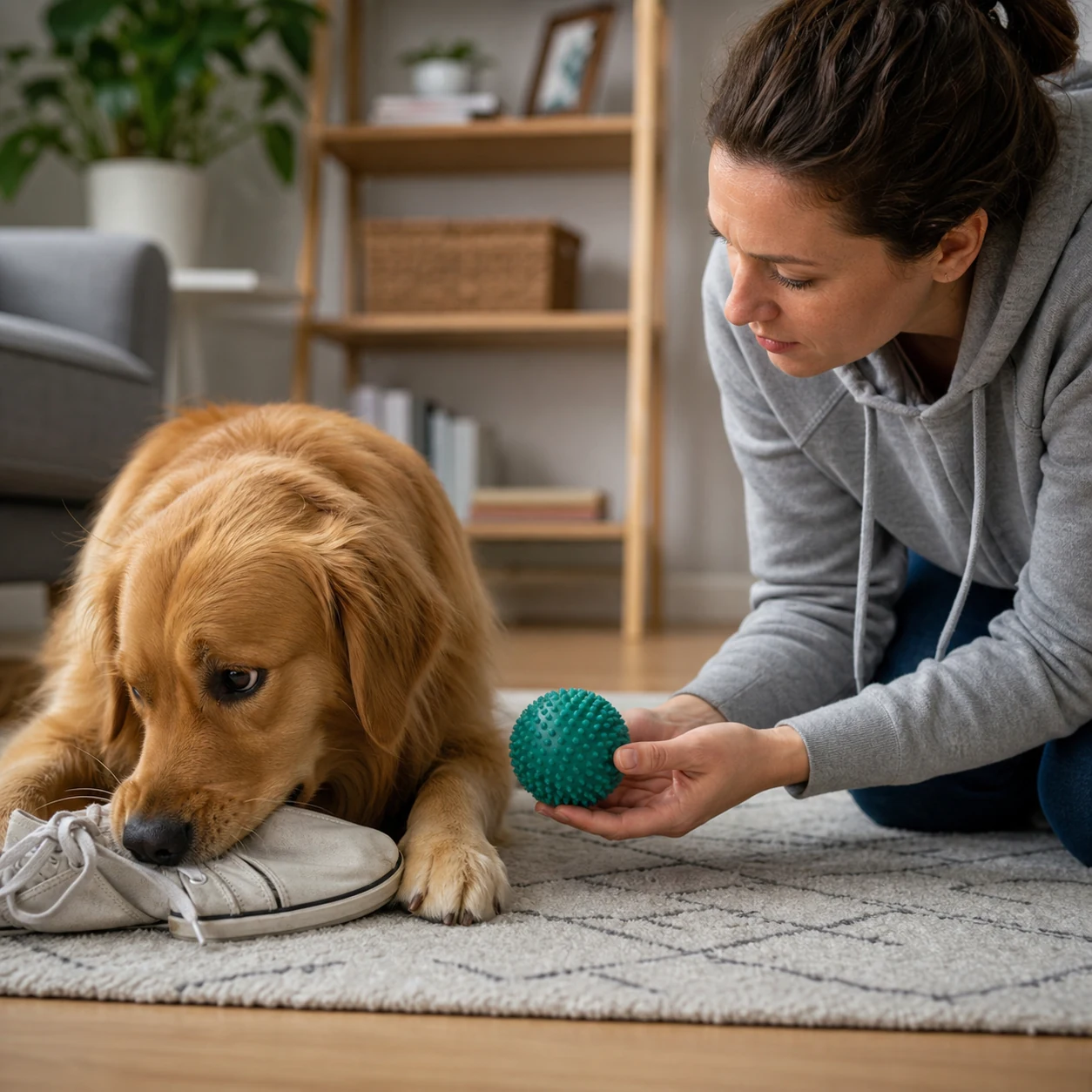
Stop-and-Go
Use this when pulling is the first walk problem you need to reduce.
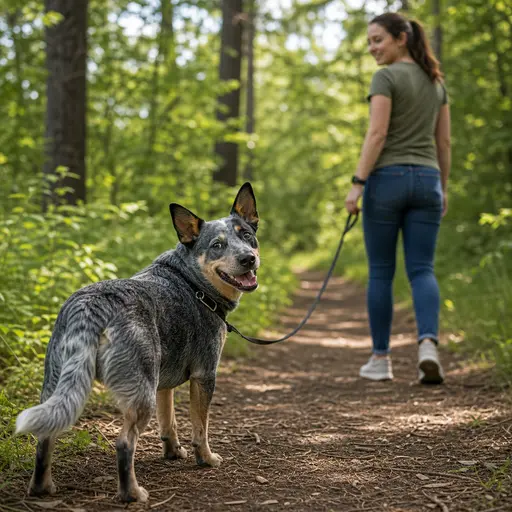
Check-In Walk
Reward voluntary glances before you need to ask for attention.
Decompression Walk
Use quiet sniff time when the neighborhood walk is too much.