Teach a predictable approach
Work during the species' normal waking period. Use the same calm cue, offer an open hand or stable transfer object, and reward cooperation with space, return to cover, or a normal food opportunity when appropriate.
Behavior
Make handling predictable and fully supported. Let the reptile opt out whenever possible.
The goal is safe cooperation for routine care and transport, not making every reptile enjoy being held.
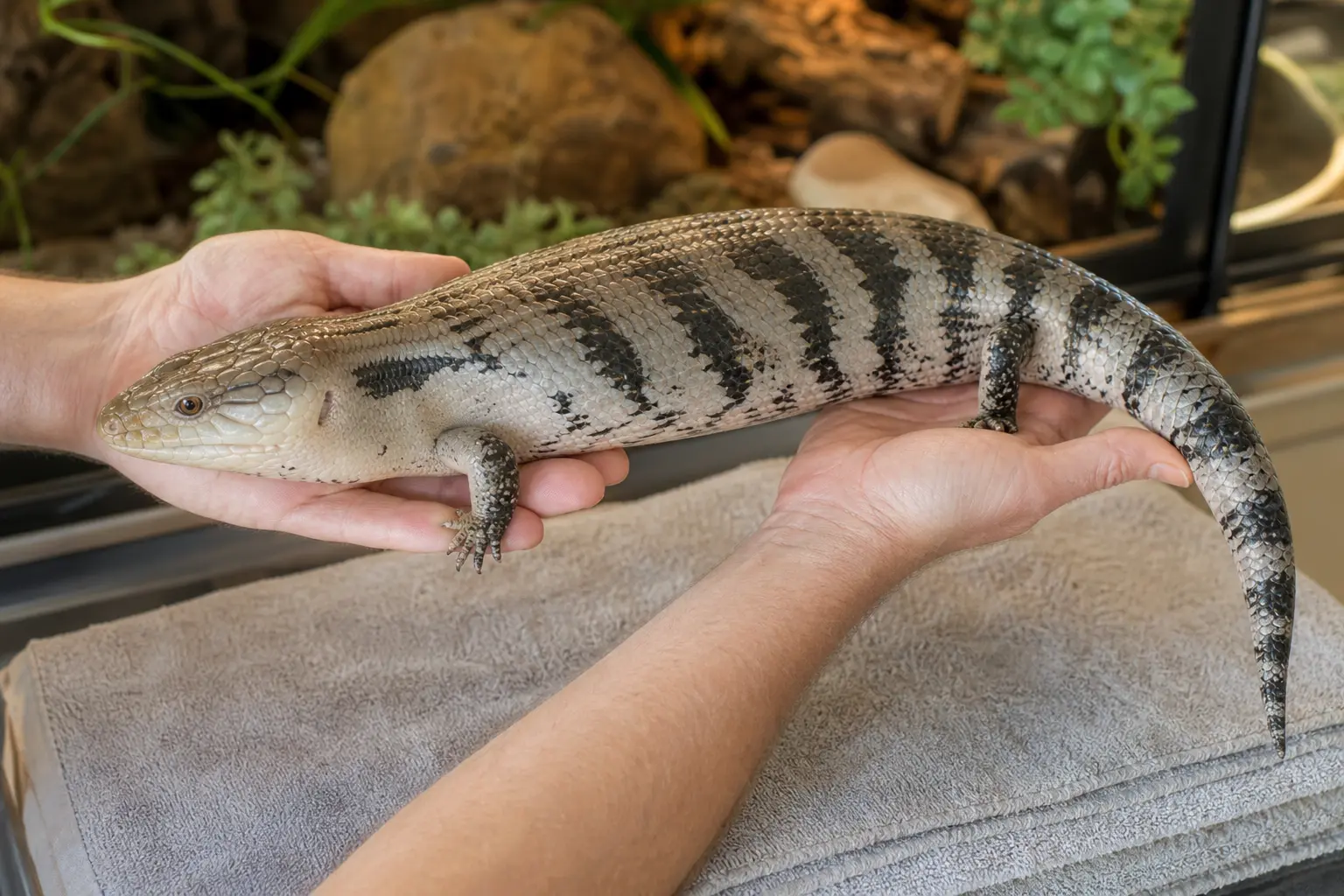
Work during the species' normal waking period. Use the same calm cue, offer an open hand or stable transfer object, and reward cooperation with space, return to cover, or a normal food opportunity when appropriate.
Keep the whole body and tail supported over a low, secure surface. Never lift by the tail, limbs, shell edge, or neck, and do not continue through frantic escape or defensive behavior.
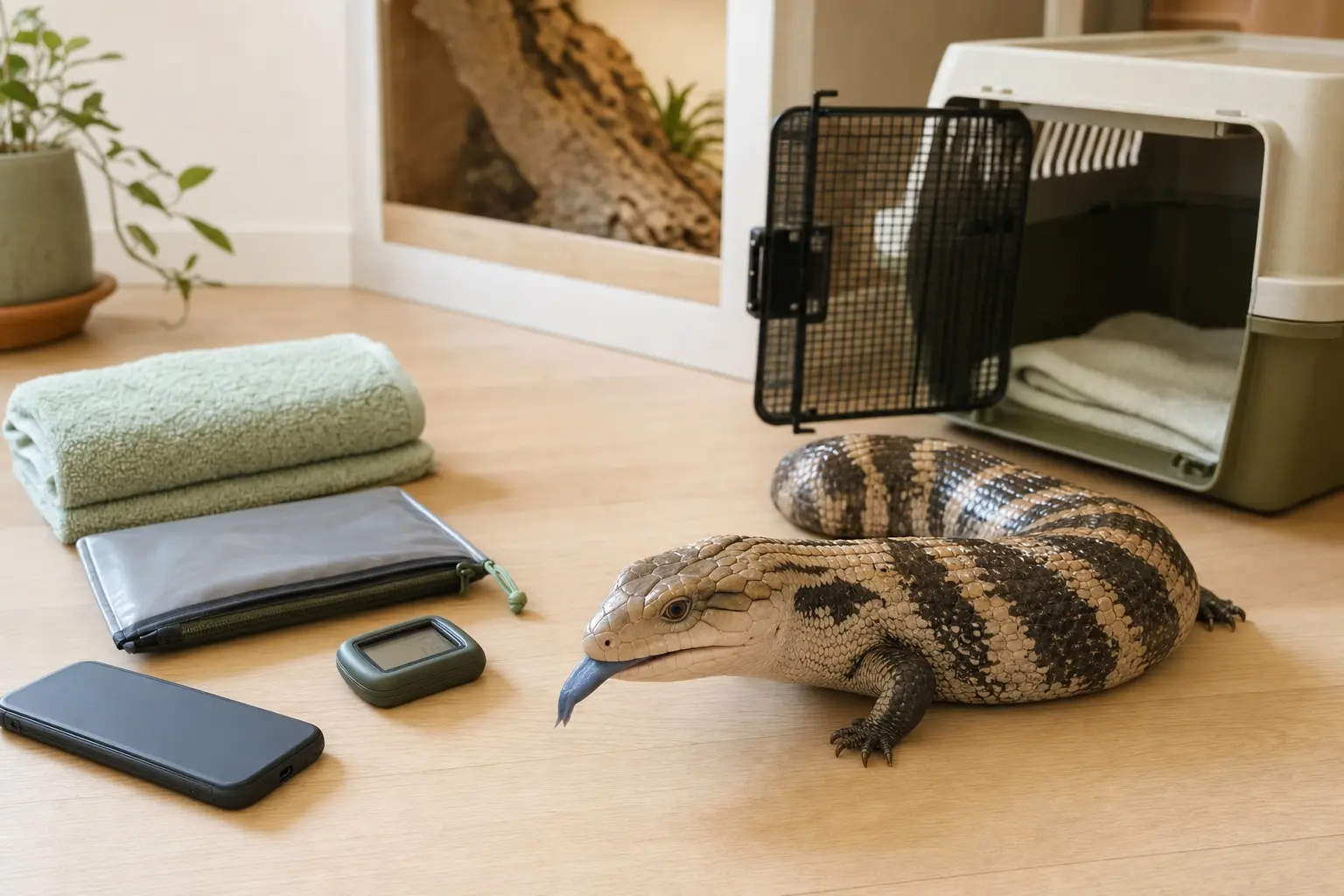
Leave the clean carrier near the habitat, add familiar safe material, and practice brief voluntary entries before a veterinary trip. Transport training should never expose the reptile to uncontrolled temperature or prolonged confinement.
Choose the next focused guide for voluntary handling & carrier training.
Three optional picks matched to this page. Check adult size, species-specific care targets, and product compatibility before buying.
Affiliate links: Furball Cove may earn from qualifying purchases at no extra cost to you.
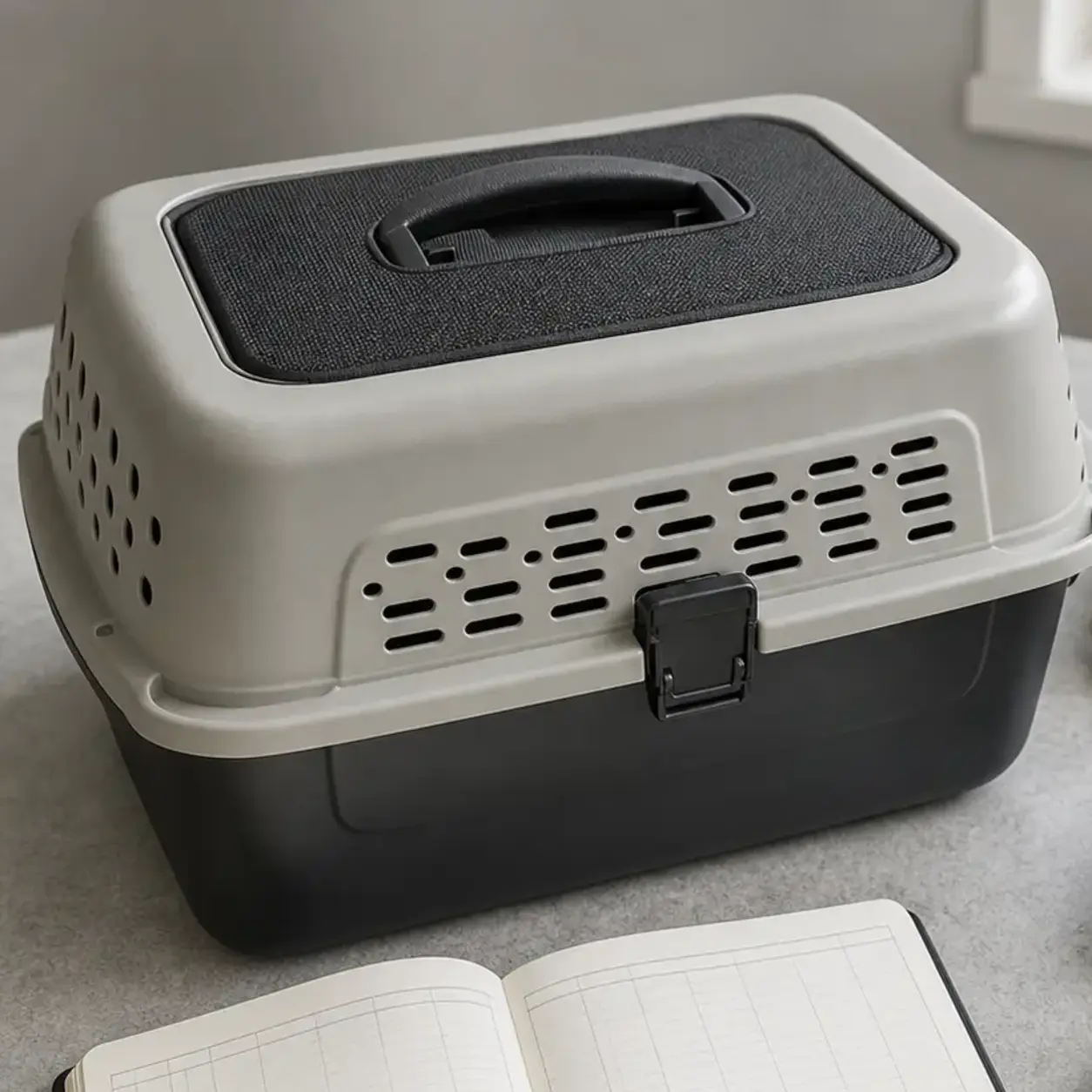
A ventilated, latchable carrier for planned transport to a reptile veterinarian; pad and temperature-manage it for the species.
Secure ventilation · For planned transportCompare Secure travel carrier options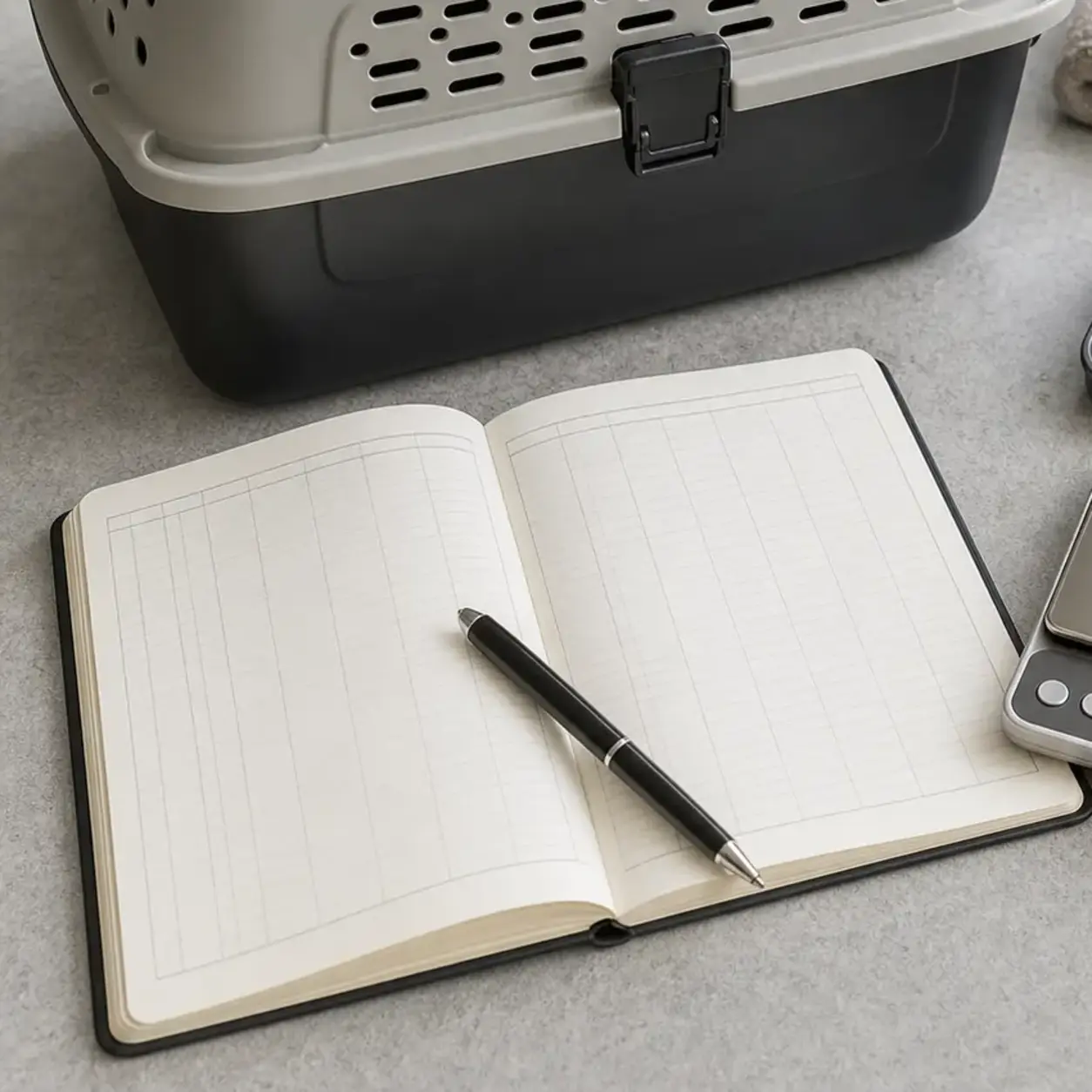
Keeps dates, readings, weight, appetite, shedding, waste, and questions together for clearer veterinary conversations.
Observation record · Not a diagnosisCompare Reptile care log options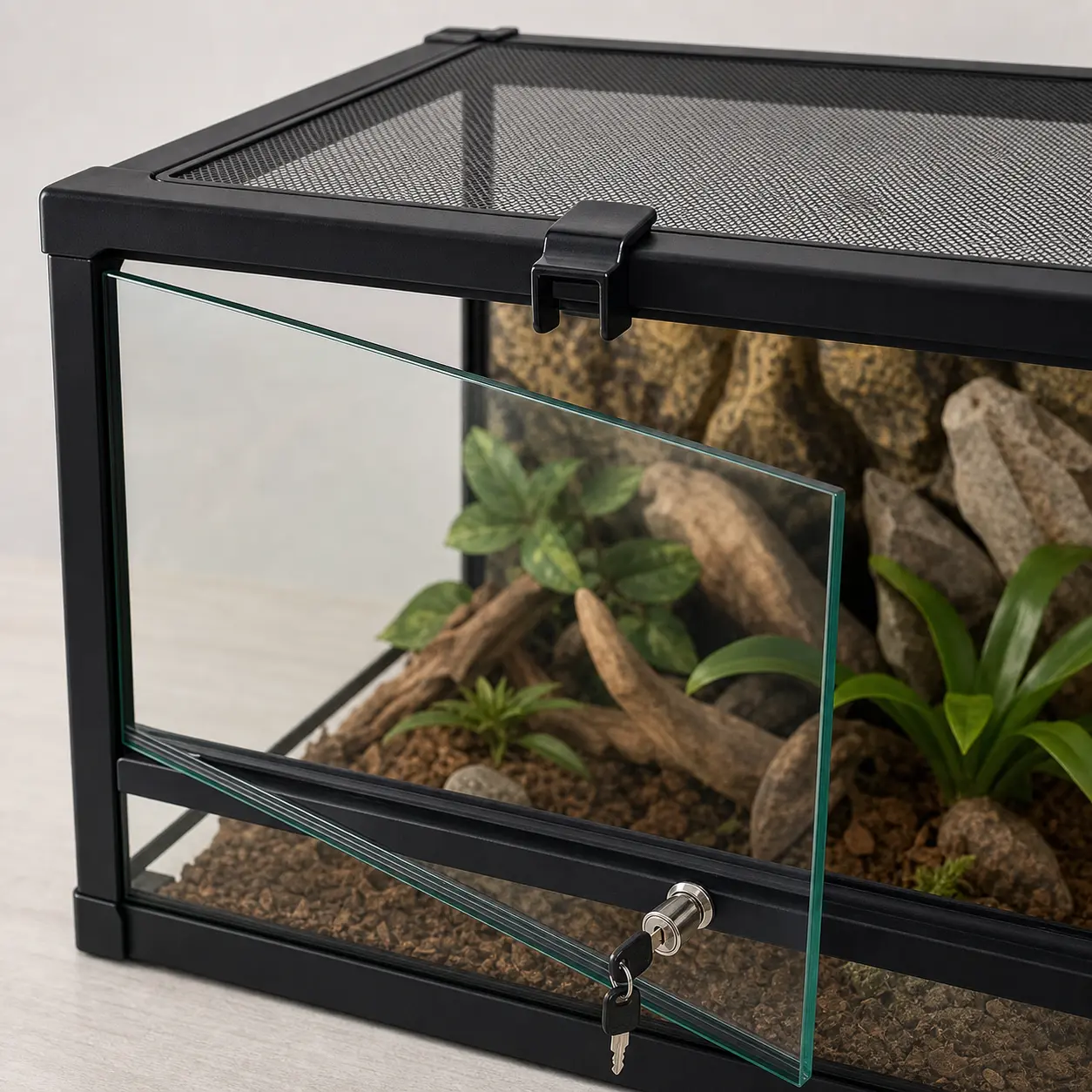
Secures compatible sliding glass doors and makes the daily lock check easy to see.
Visible lock point · Fit the door typeCompare Terrarium door lock options