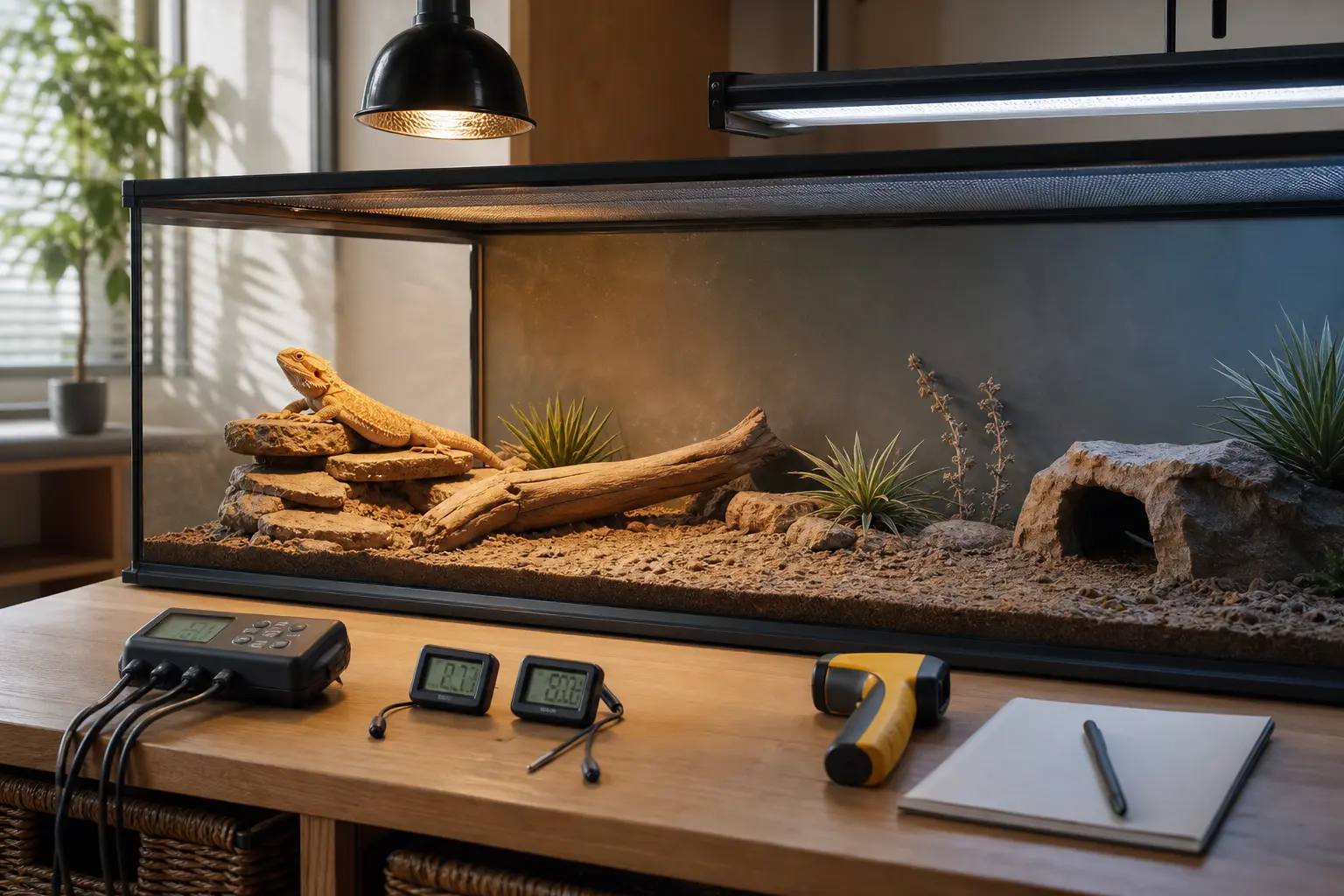

 Ground Dwellers
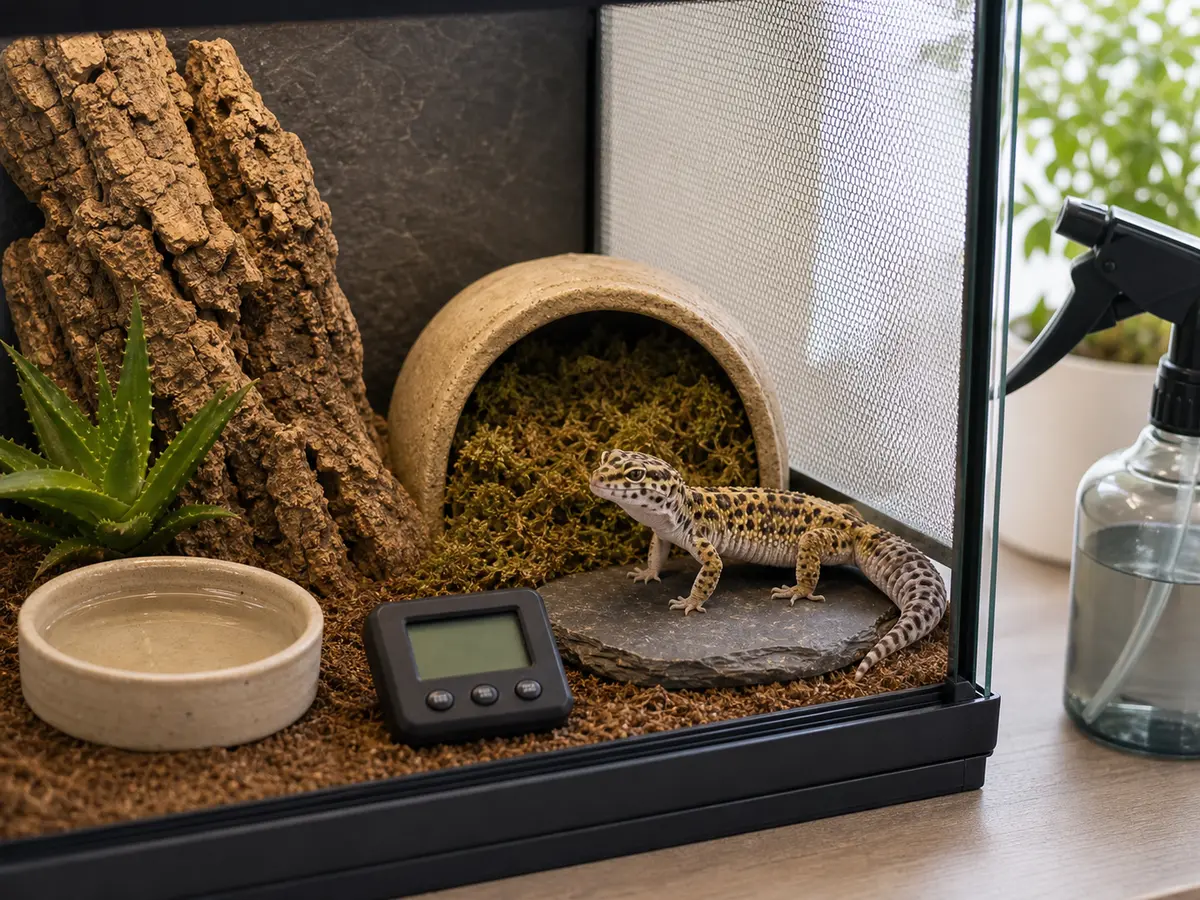
Provide usable floor space, stable footing, secure hides, water, warmth, and shade.
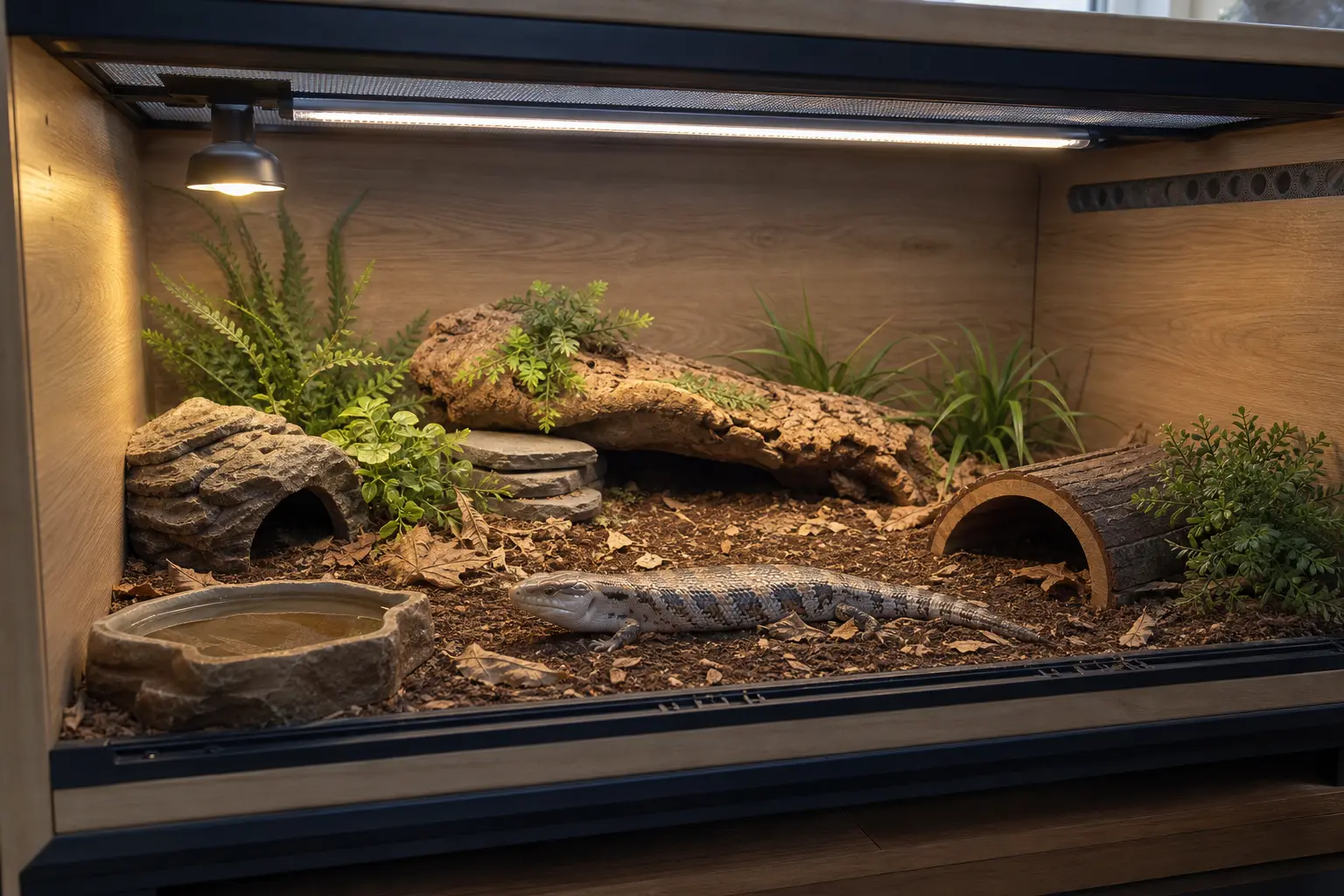
Ground Dwellers
Provide usable floor space, stable footing, secure hides, water, warmth, and shade.
Reptile guides
Habitat Layout, Hides and Furnishings
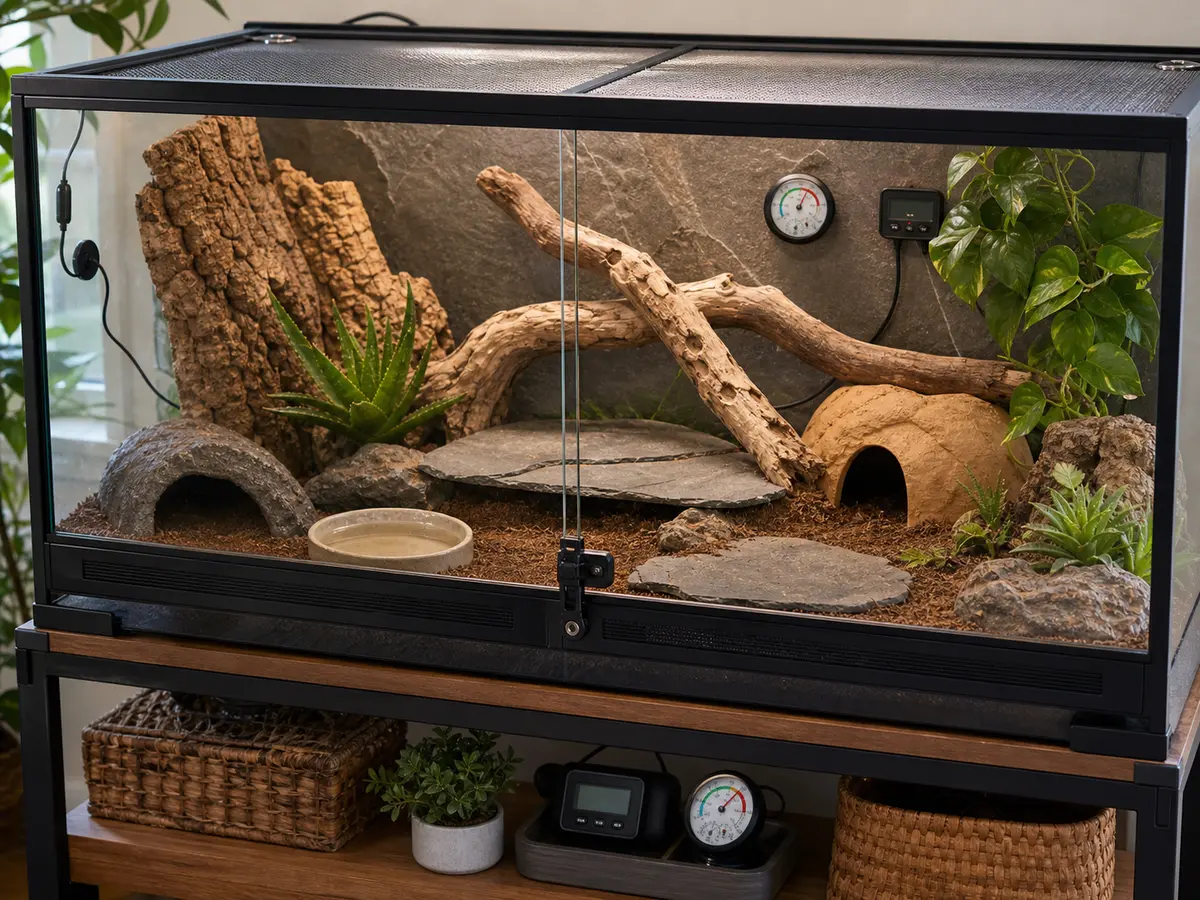
Arrange stable cover and movement routes for the exact species.
Let natural movement shape the inside of the enclosure.
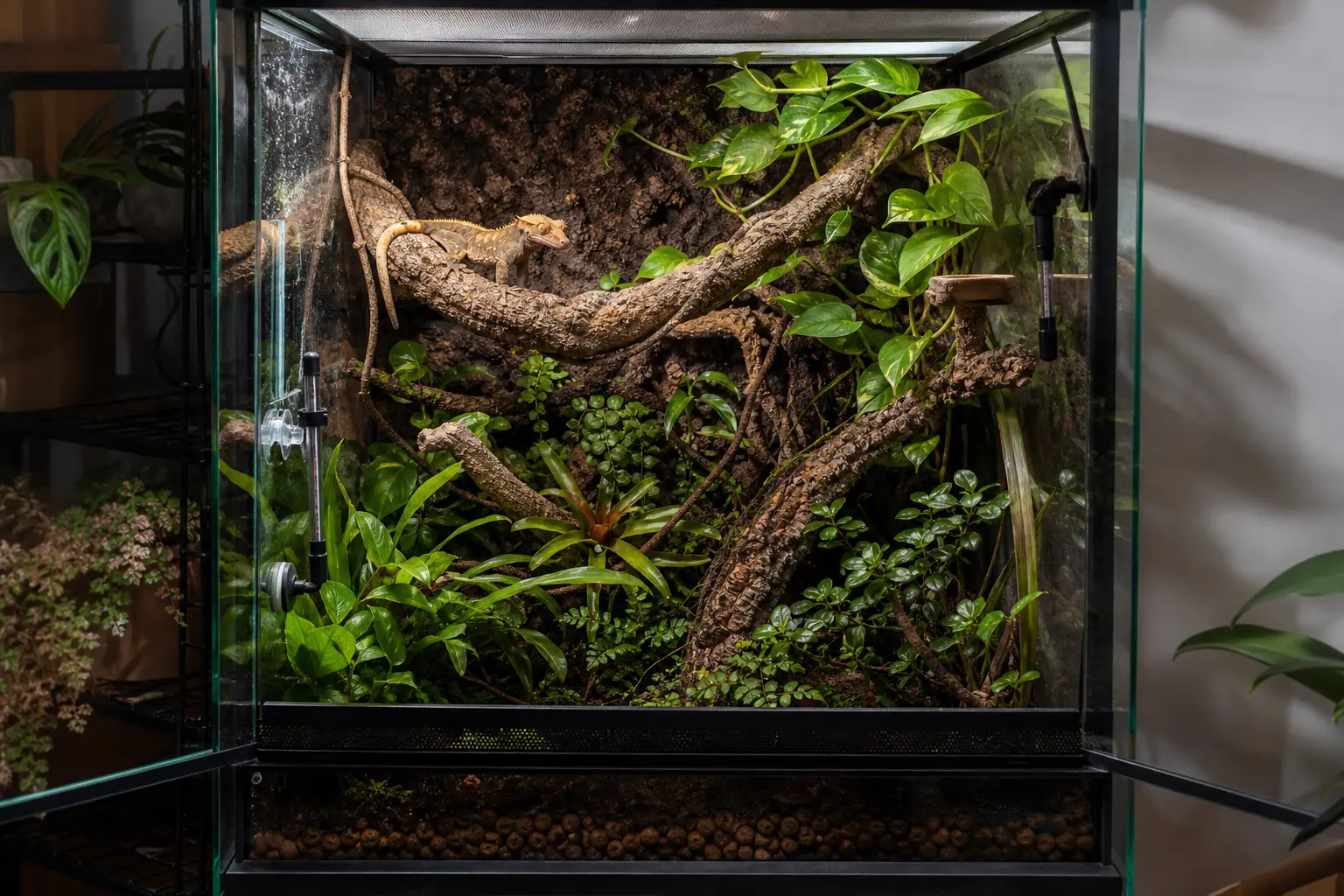
Build around natural movement
Every route, hide, and furnishing should be stable and usable.
Ground Dwellers
Provide usable floor space, stable footing, secure hides, water, warmth, and shade.
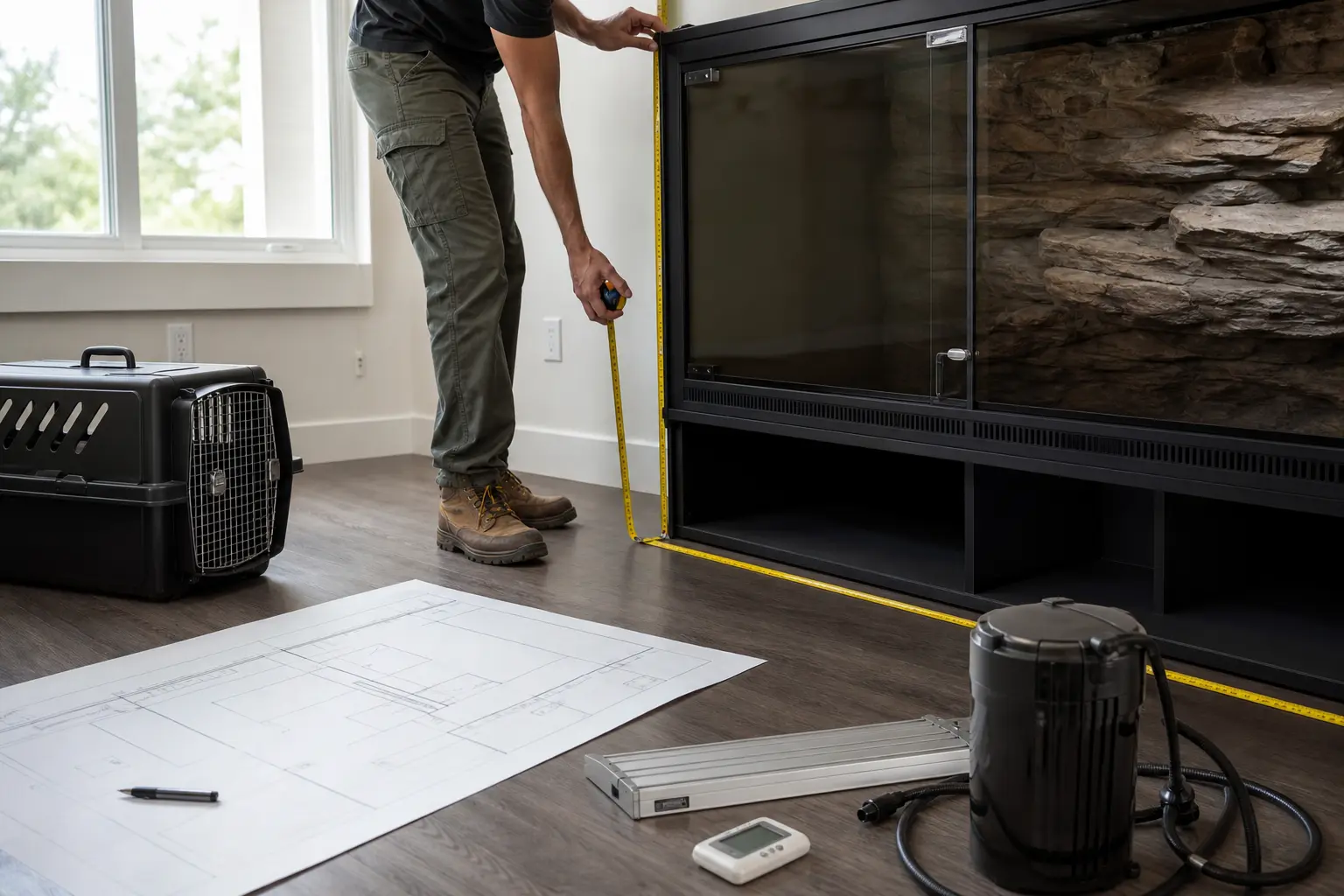
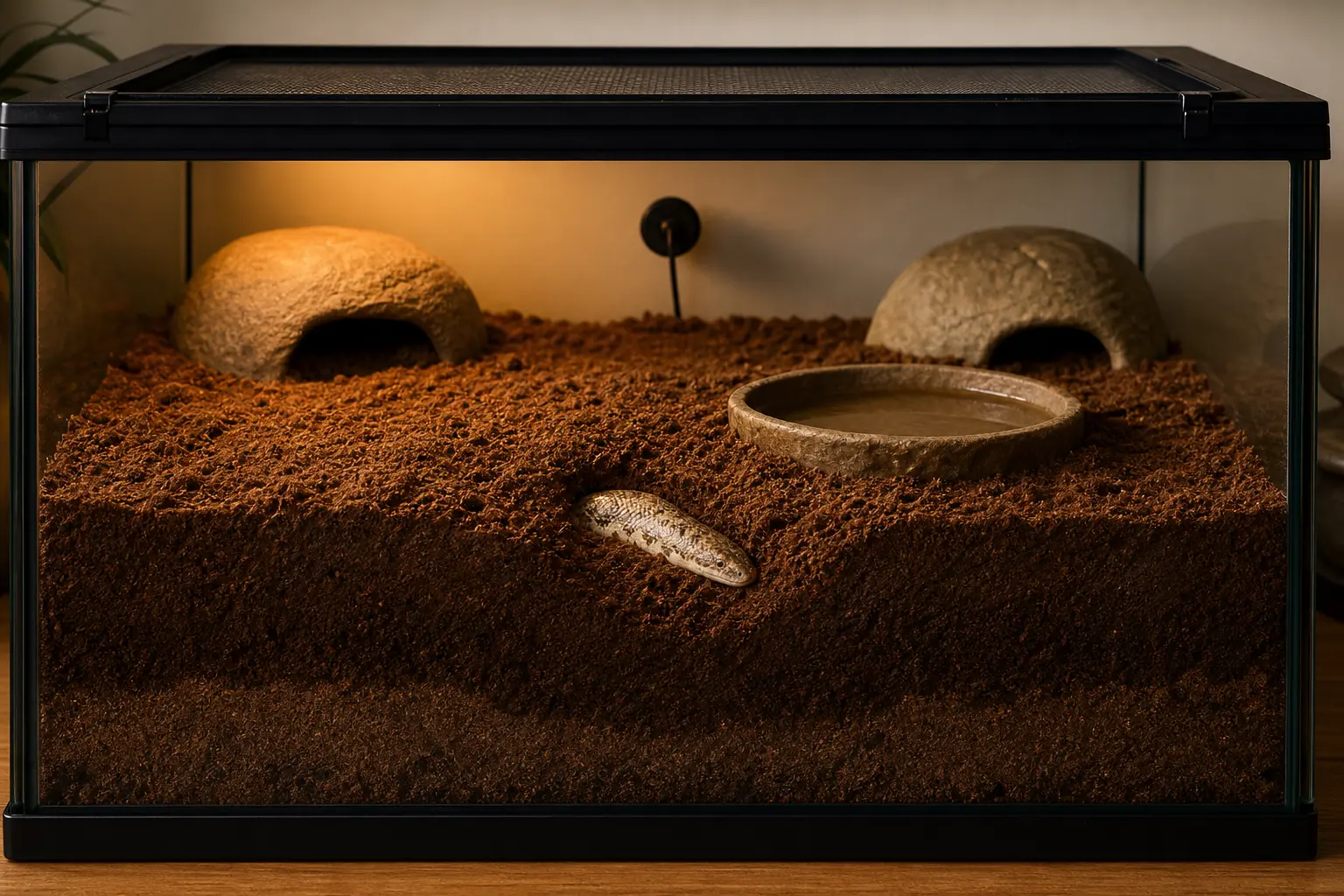 Burrowers
Provide safe digging depth while keeping heat, water, hides, and security manageable.
Burrowers
Provide safe digging depth while keeping heat, water, hides, and security manageable.
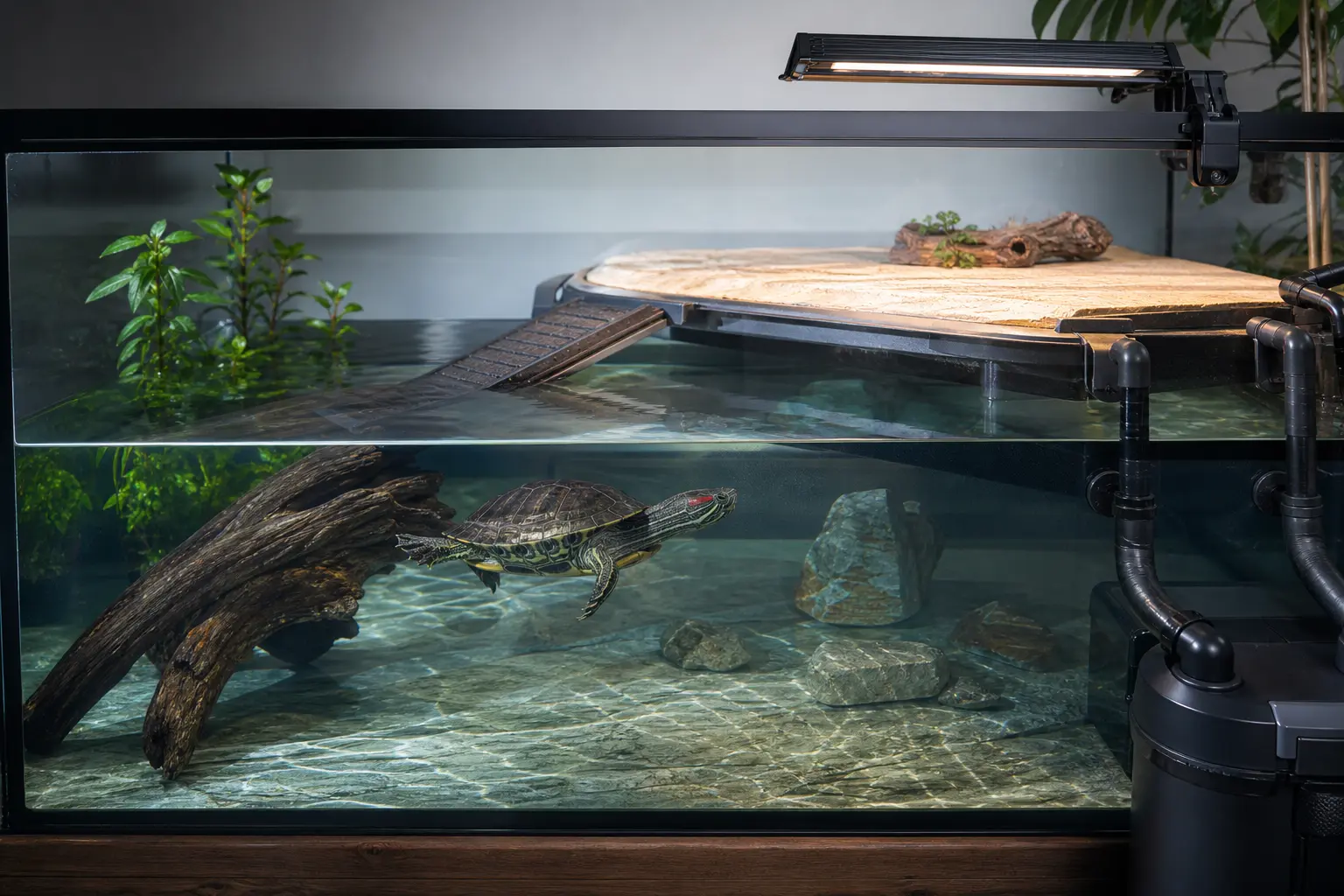 Swimmers
Provide clean water, filtration, safe access, and a completely dry basking area.
Swimmers
Provide clean water, filtration, safe access, and a completely dry basking area.
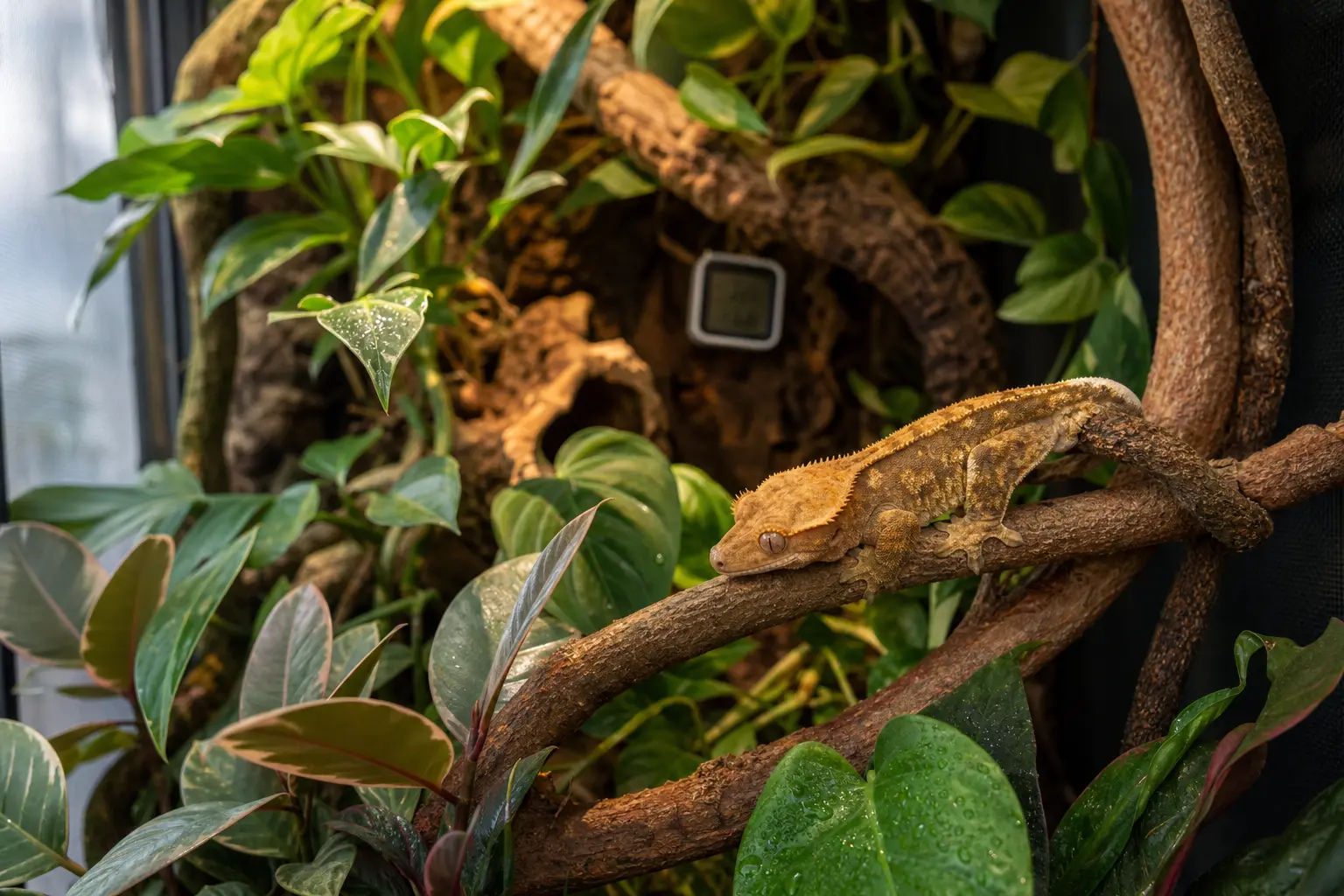
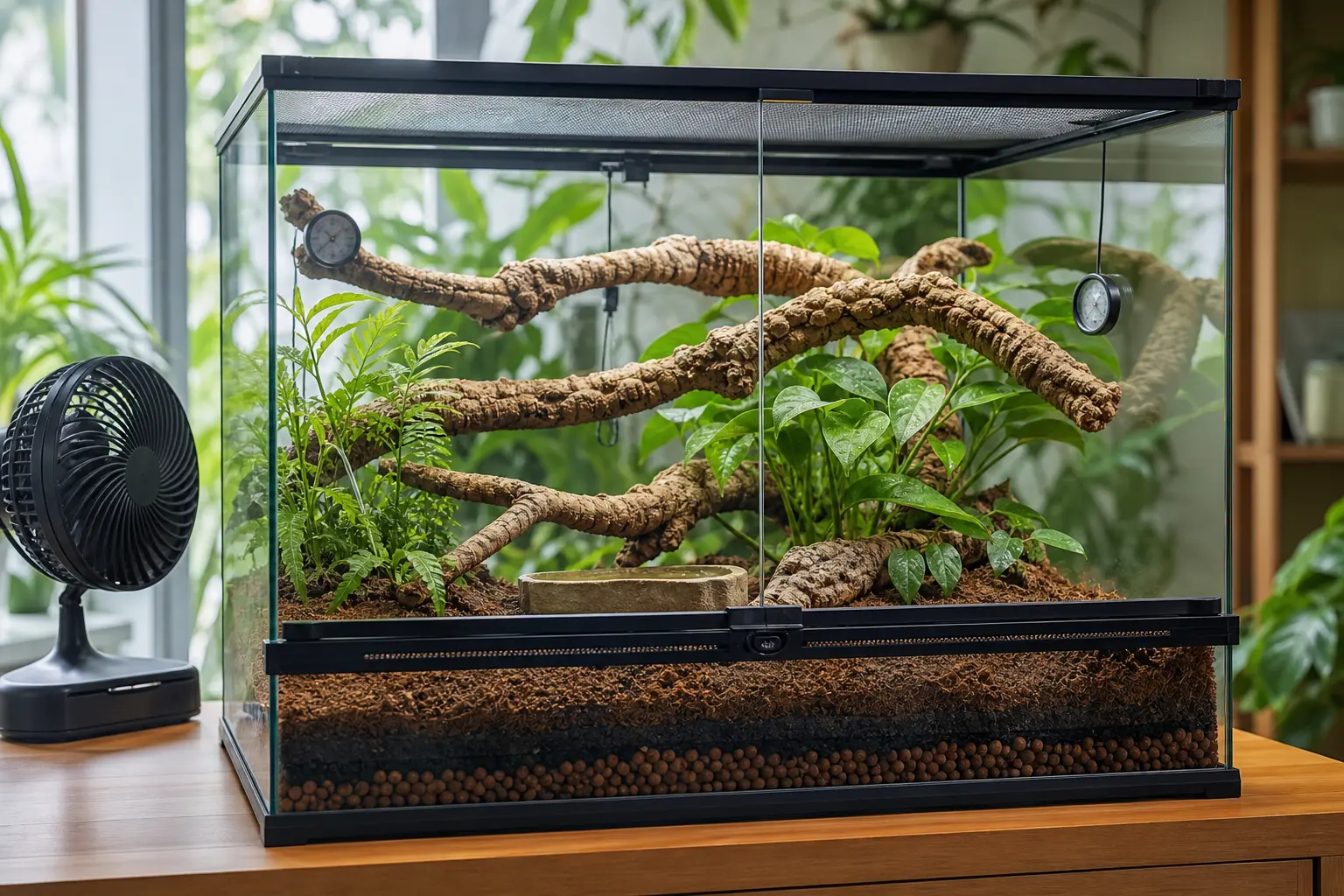 Humid Habitats
Balance moisture-holding areas, dry choices, drainage, cover, and airflow.
Humid Habitats
Balance moisture-holding areas, dry choices, drainage, cover, and airflow.
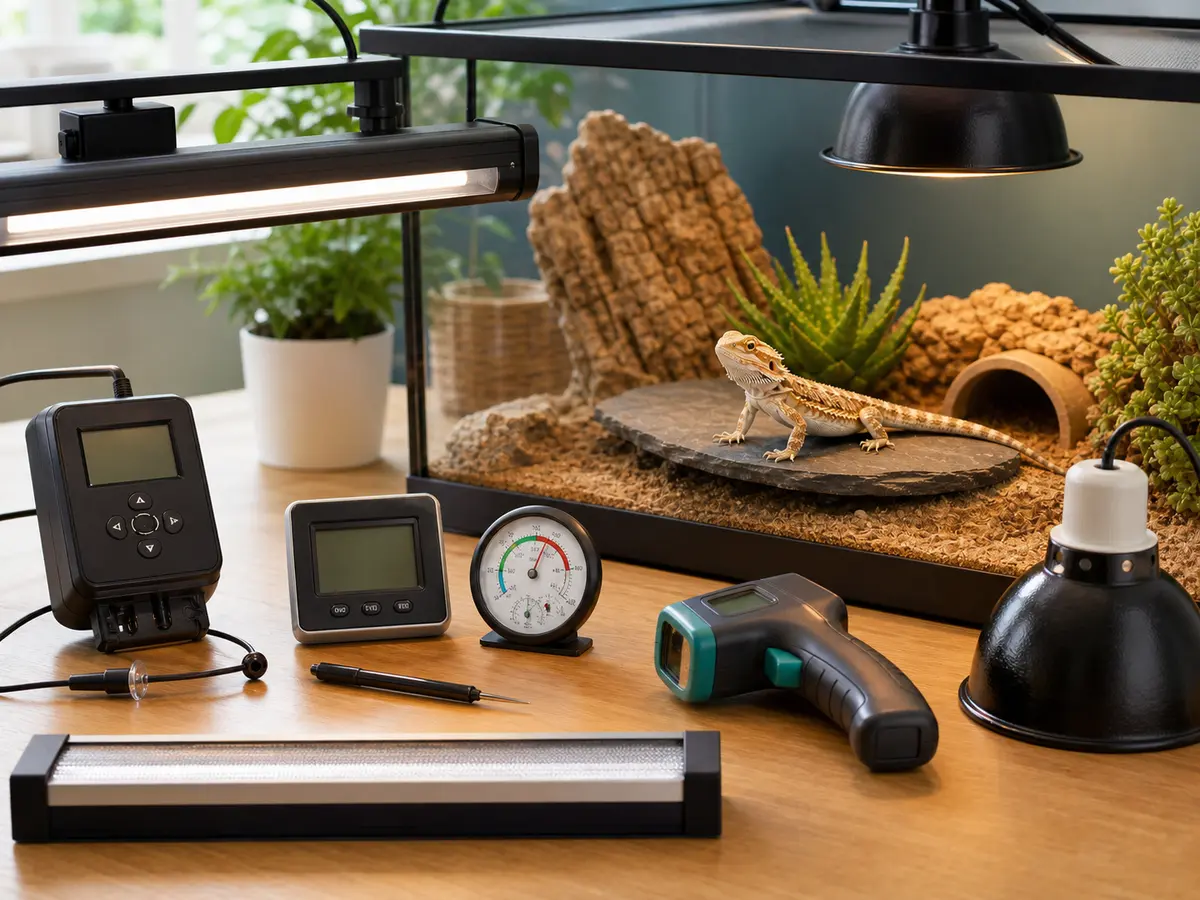
Add the climate system
References
Useful tools for a secure, measurable habitat
Optional equipment matched to this enclosure topic. Start with adult dimensions and species-specific heat, UVB, humidity, and security requirements.
Affiliate links: Furball Cove may earn from qualifying purchases at no extra cost to you.