Comfortable skin and sound shells

Skin, Shedding & Shell Health

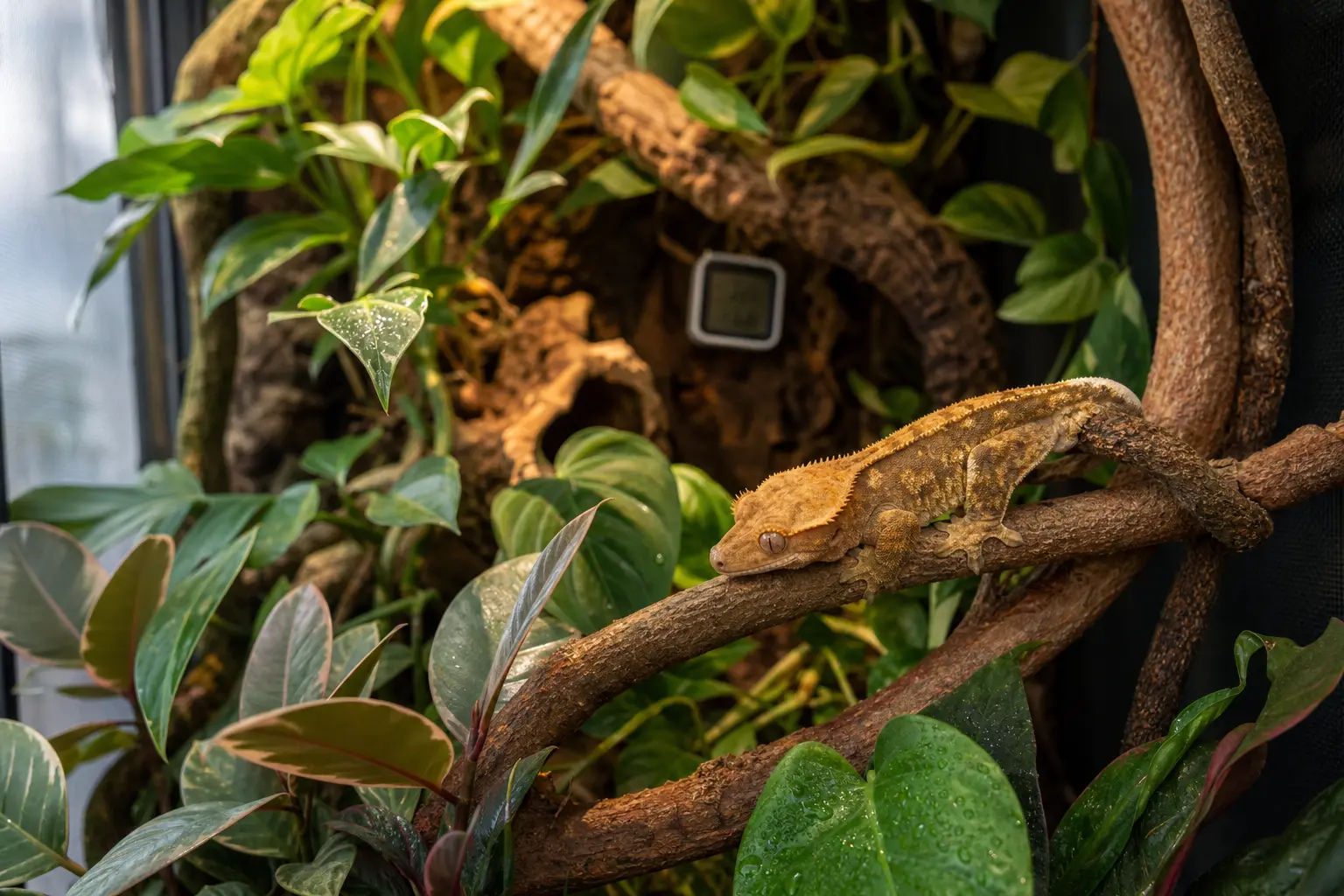
A comfortable home supports clean sheds, healthy scales, and sound shell growth.

Learn what an ordinary shed looks like for your reptile and which changes deserve veterinary care.
Healthy skin begins in the habitat

The right humidity pattern, airflow, surfaces, light, diet, and cleanliness work together.

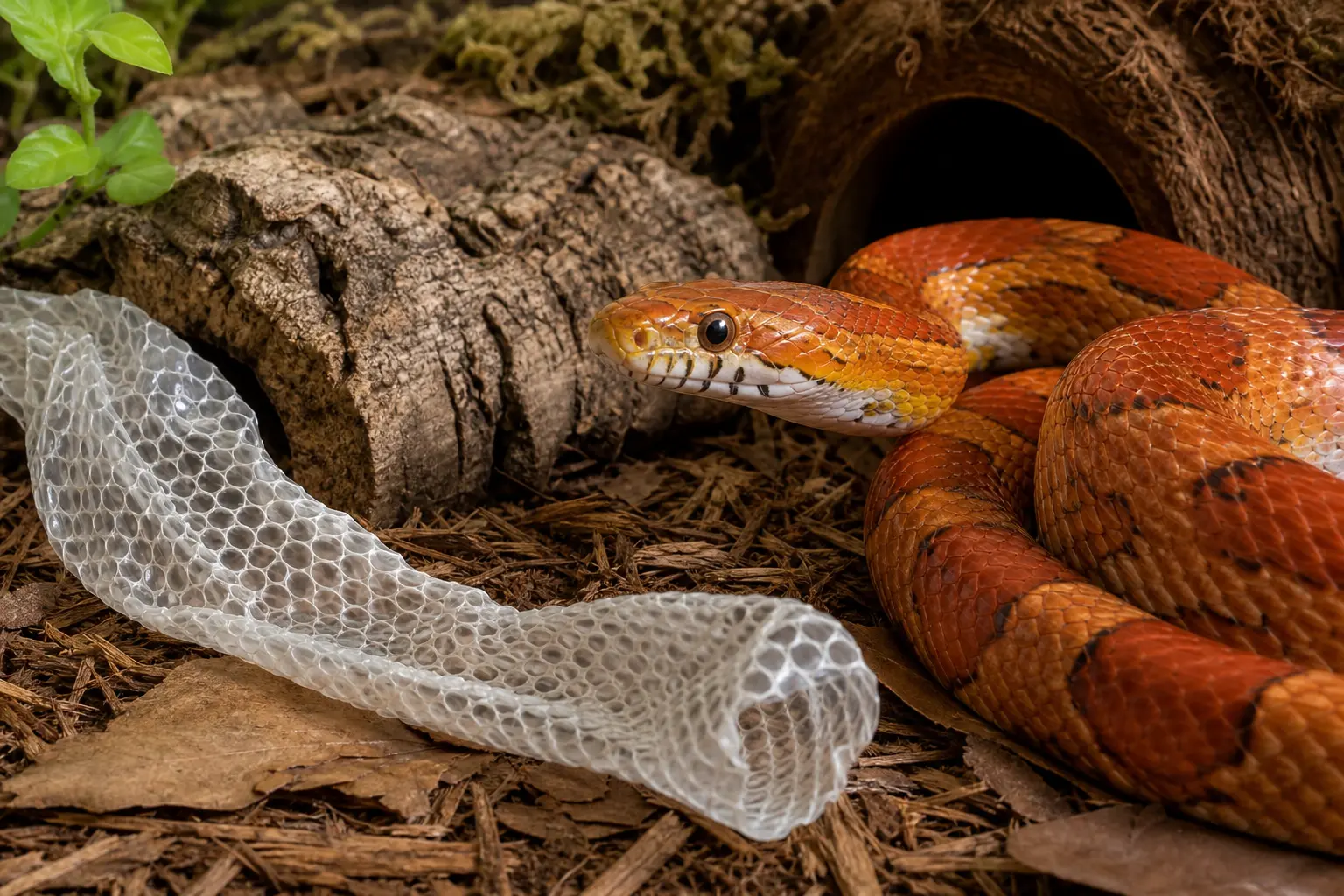
An ordinary shed has a rhythm Snakes may become dull and develop cloudy eyes before shedding. Lizards often shed in patches, while turtles and tortoises shed skin and scutes differently.
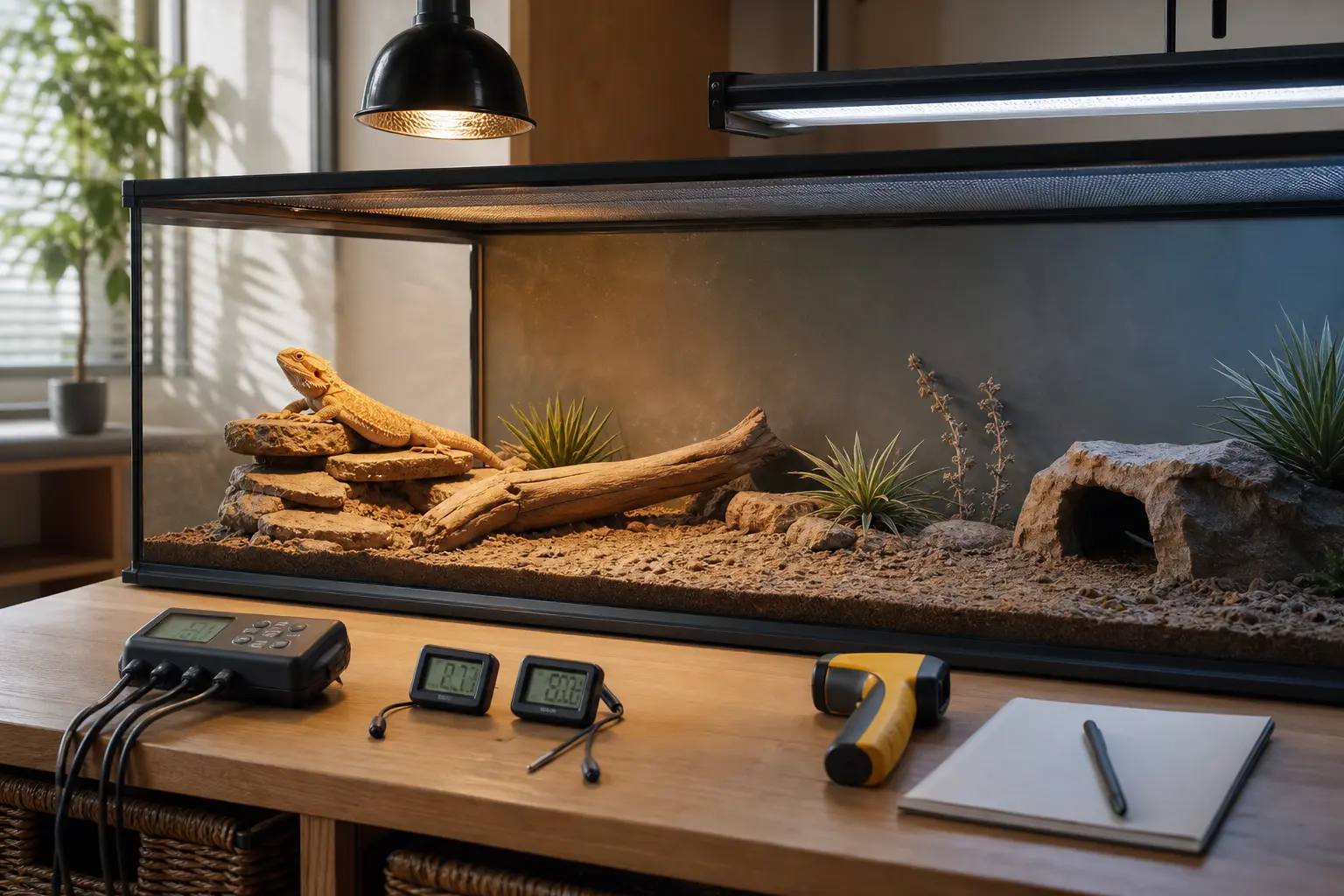
The habitat supports the skin Keep humidity, airflow, hydration, furnishings, and a damp hide where appropriate matched to the exact species. Check the readings rather than relying on how the enclosure feels.
Shell health is more than appearance A turtle or tortoise needs species-appropriate nutrition, UVB or outdoor light where suitable, clean conditions, and a habitat that supports normal movement and growth.

When the skin or shell no longer looks ordinary

Notice the exact location, how quickly it changed, and whether your reptile is behaving differently too.

Shed stays tight around toes, tail, or eyes Retained bands can restrict tissue. Do not pull at them. Review the habitat and ask a reptile veterinarian for safe help.
Skin becomes raw, blistered, wounded, or discolored Burns, open sores, spreading discoloration, odor, discharge, or bleeding deserves veterinary attention.
The shell changes Softness, deep cracks, pitting, lifting with damaged tissue beneath, odor, discharge, or bleeding is not routine scute shedding.

Avoid pulling, peeling, or treating by guesswork

Skin and shell problems can have several causes, including habitat trouble, injury, parasites, infection, or nutrition. A reptile veterinarian should guide treatment.

References

Practical tools for observation and veterinary visits

These optional tools support transport, consistent weighing, and clear records. They do not diagnose or treat illness; contact a reptile veterinarian about health concerns.

Affiliate links: Furball Cove may earn from qualifying purchases at no extra cost to you.

Secure unbranded hard-sided ventilated reptile carrier with a latched lid

Secure travel carrier

A ventilated, latchable carrier for planned transport to a reptile veterinarian; pad and temperature-manage it for the species.

Secure ventilation · For planned transportCompare Secure travel carrier options
Compact unbranded digital gram scale with a removable weighing tray

Digital gram scale

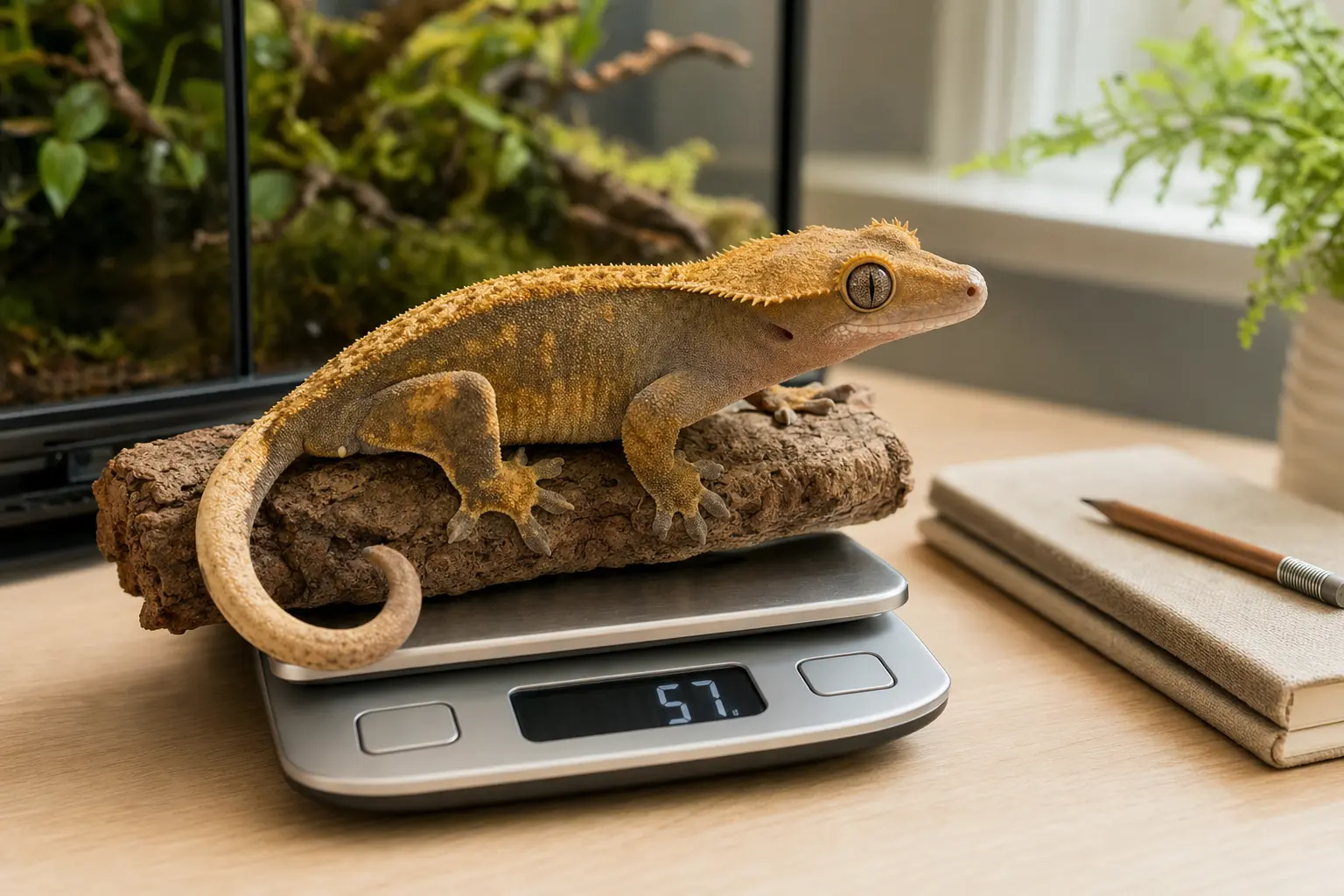
Makes consistent weight checks possible between veterinary visits; use the same safe container and schedule each time.

Trend tool only · Use a safe containerCompare Digital gram scale options
Open unbranded care logbook with a pen for recording reptile observations

Reptile care log

Keeps dates, readings, weight, appetite, shedding, waste, and questions together for clearer veterinary conversations.

Observation record · Not a diagnosisCompare Reptile care log options