Day one is about security
Confirm the reptile can reach appropriate cover, water, warm and cool areas, and any species-specific humid or aquatic zone. Observe from outside rather than repeatedly lifting hides.
The first 30 days
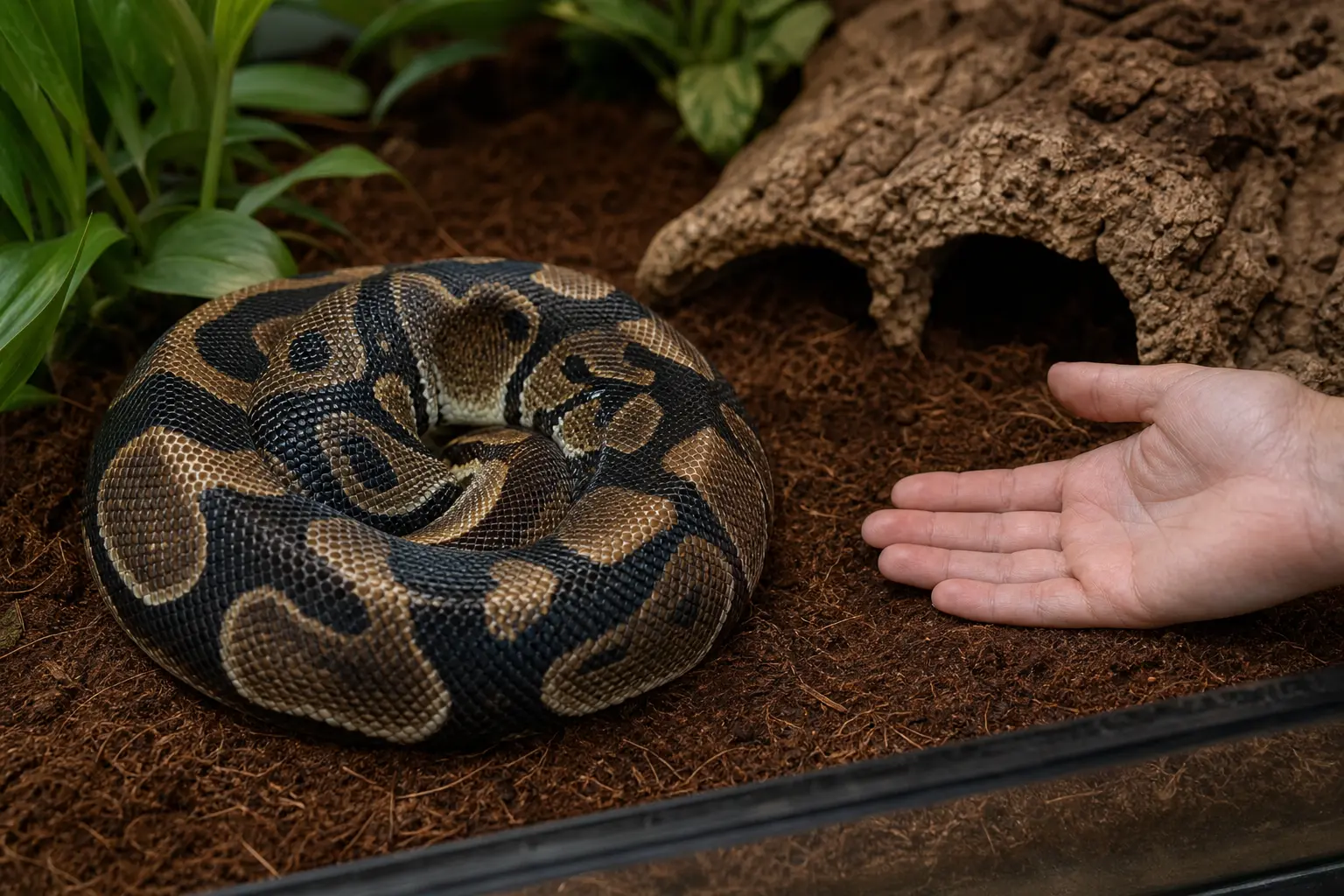
Keep the first week quiet and measured so the reptile can settle into a normal rhythm.
Follow the seller.
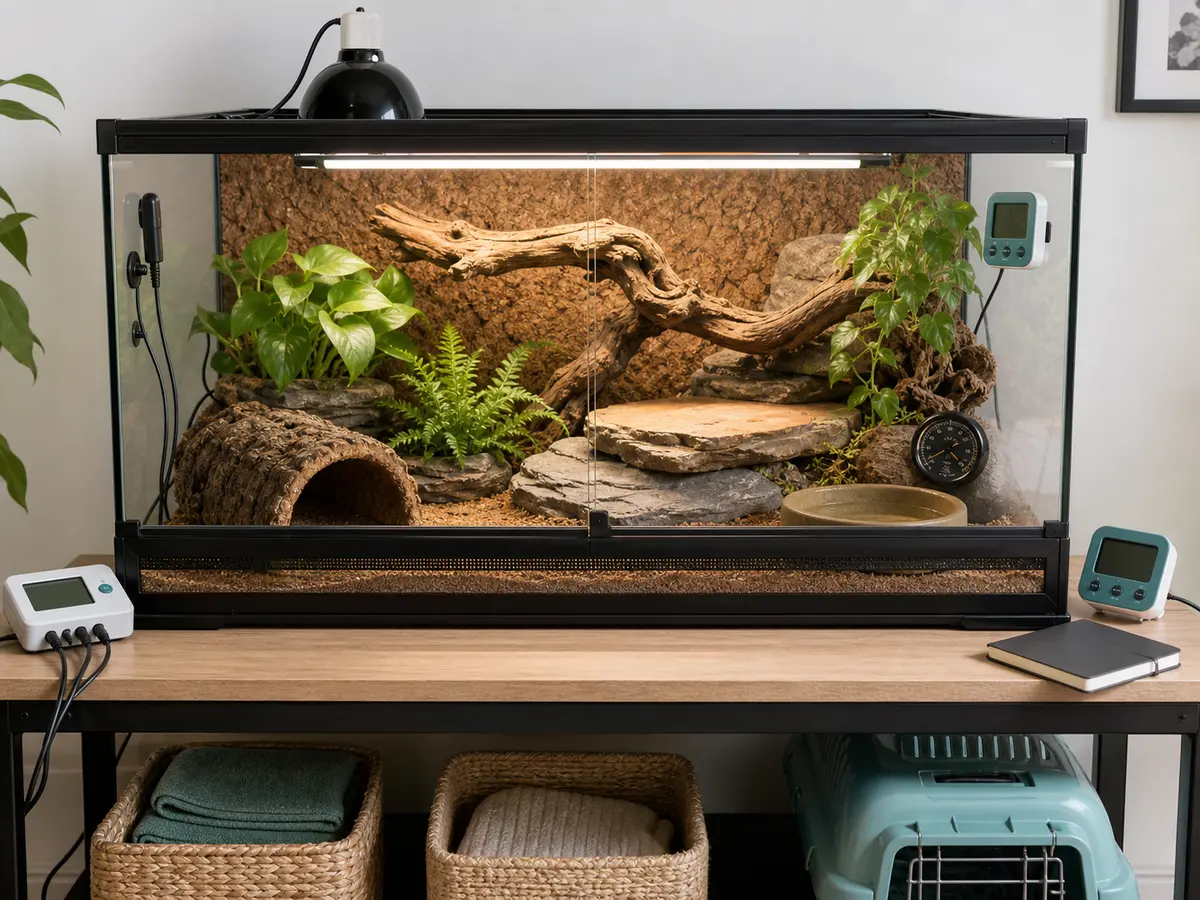
Confirm the reptile can reach appropriate cover, water, warm and cool areas, and any species-specific humid or aquatic zone. Observe from outside rather than repeatedly lifting hides.
Read the instruments, refresh water, remove waste, and note where the animal rests. Offer food on the species-appropriate schedule and record refusal without immediately cycling through new foods.
Contact the reptile veterinarian for breathing effort, injury, burns, collapse, poor coordination, prolapse, marked swelling, or rapid decline. Ask about persistent refusal, abnormal waste, regurgitation, or other changes instead of waiting for a crisis.
Choose the next focused guide for your reptile's first week home.
Three optional picks matched to this page. Check adult size, species-specific care targets, and product compatibility before buying.
Affiliate links: Furball Cove may earn from qualifying purchases at no extra cost to you.
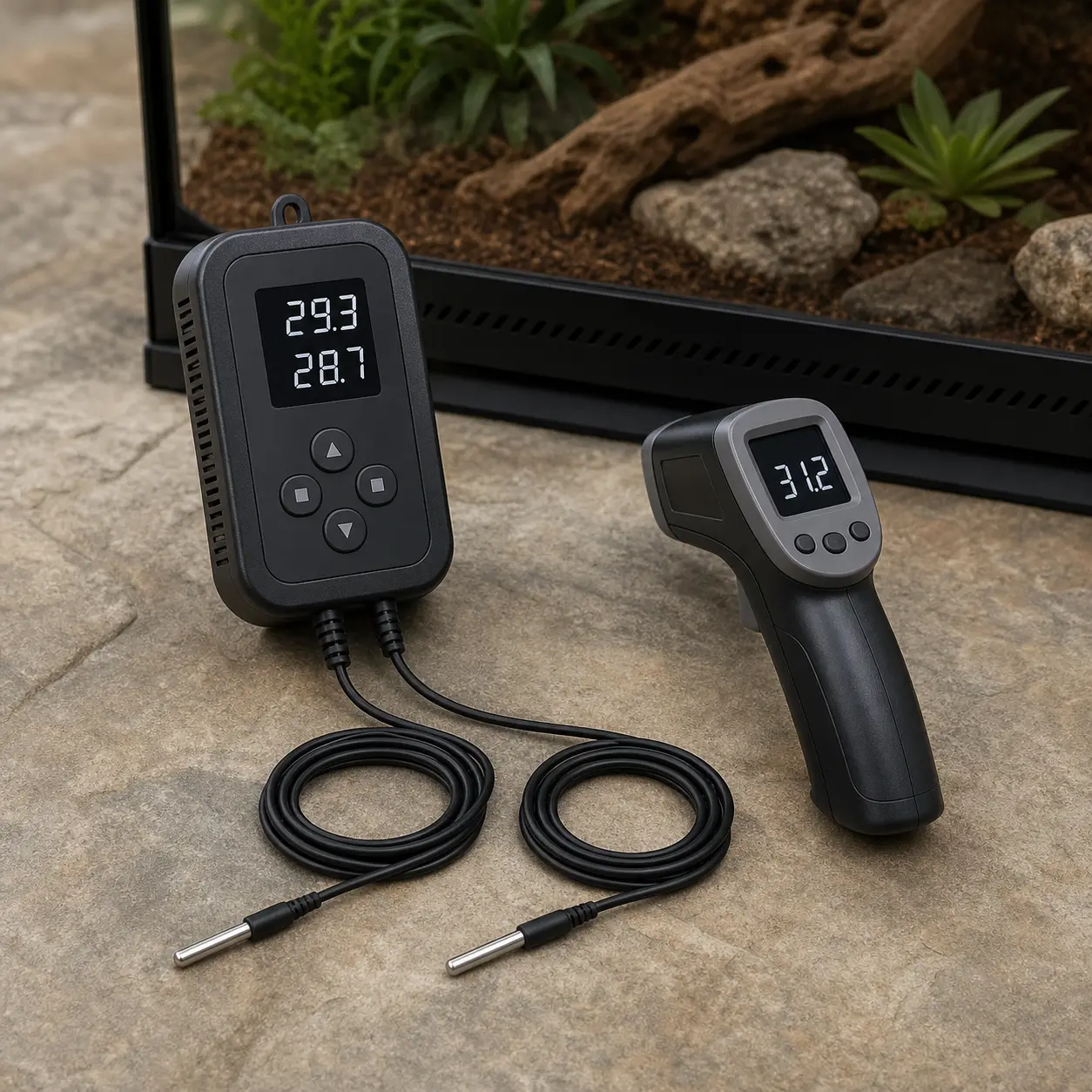
Tracks the warm and cool ends at the same time so the enclosure gradient is easier to verify.
Two-zone readings · Measure before adjustingCompare Dual-probe thermometer options
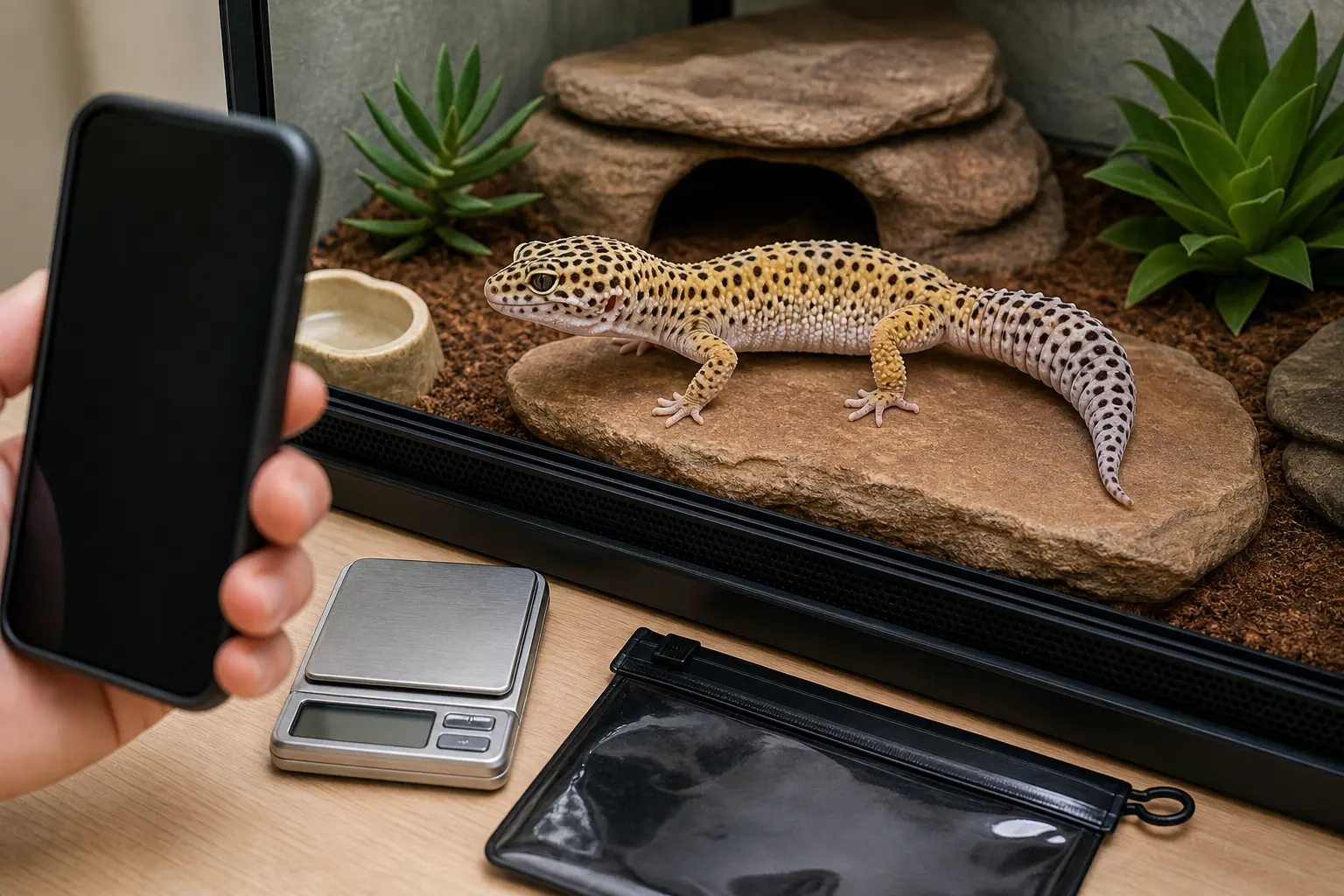
Makes consistent weight checks possible between veterinary visits; use the same safe container and schedule each time.
Trend tool only · Use a safe containerCompare Digital gram scale options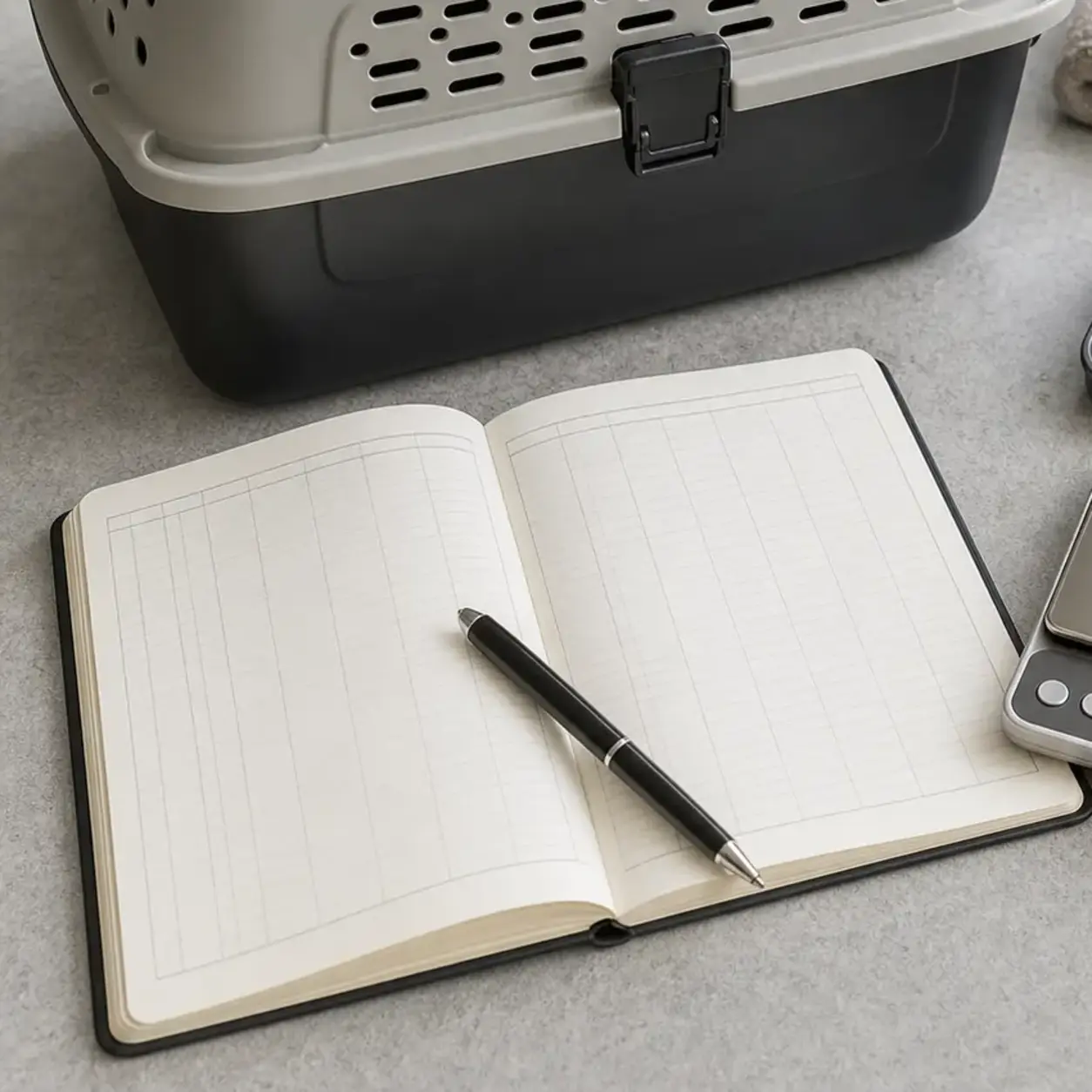
Keeps dates, readings, weight, appetite, shedding, waste, and questions together for clearer veterinary conversations.
Observation record · Not a diagnosisCompare Reptile care log options