Use a separate care zone
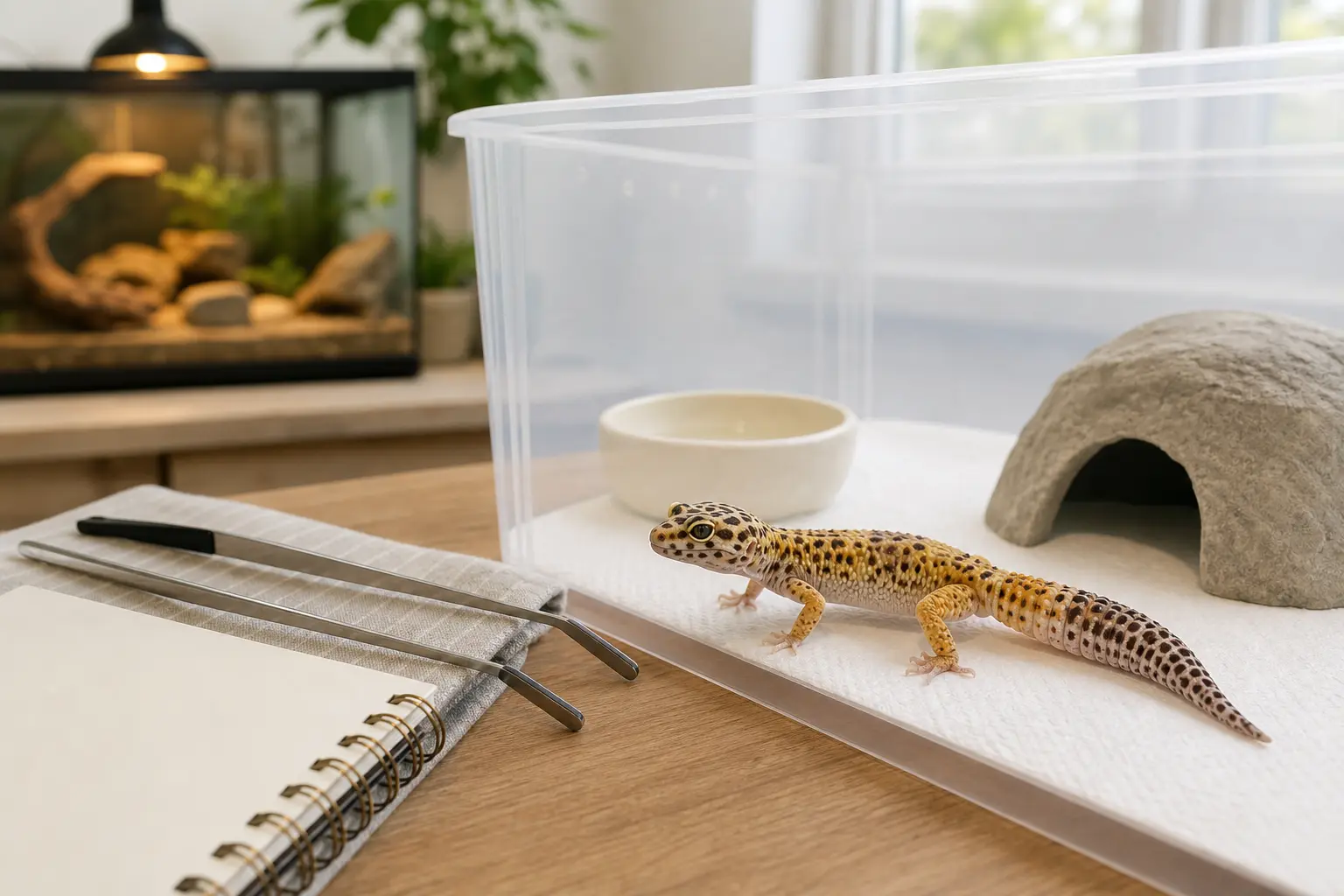
House the new reptile away from established animals and shared air, splash, drains, feeding tools, and cleaning supplies where practical. Care for established reptiles first and the new arrival last.
The first 30 days
Keep a new reptile physically separate with dedicated tools until its veterinary and observation plan is complete.
Quarantine separates the new arrival from shared waste and equipment. A reptile veterinarian should guide testing and health decisions.
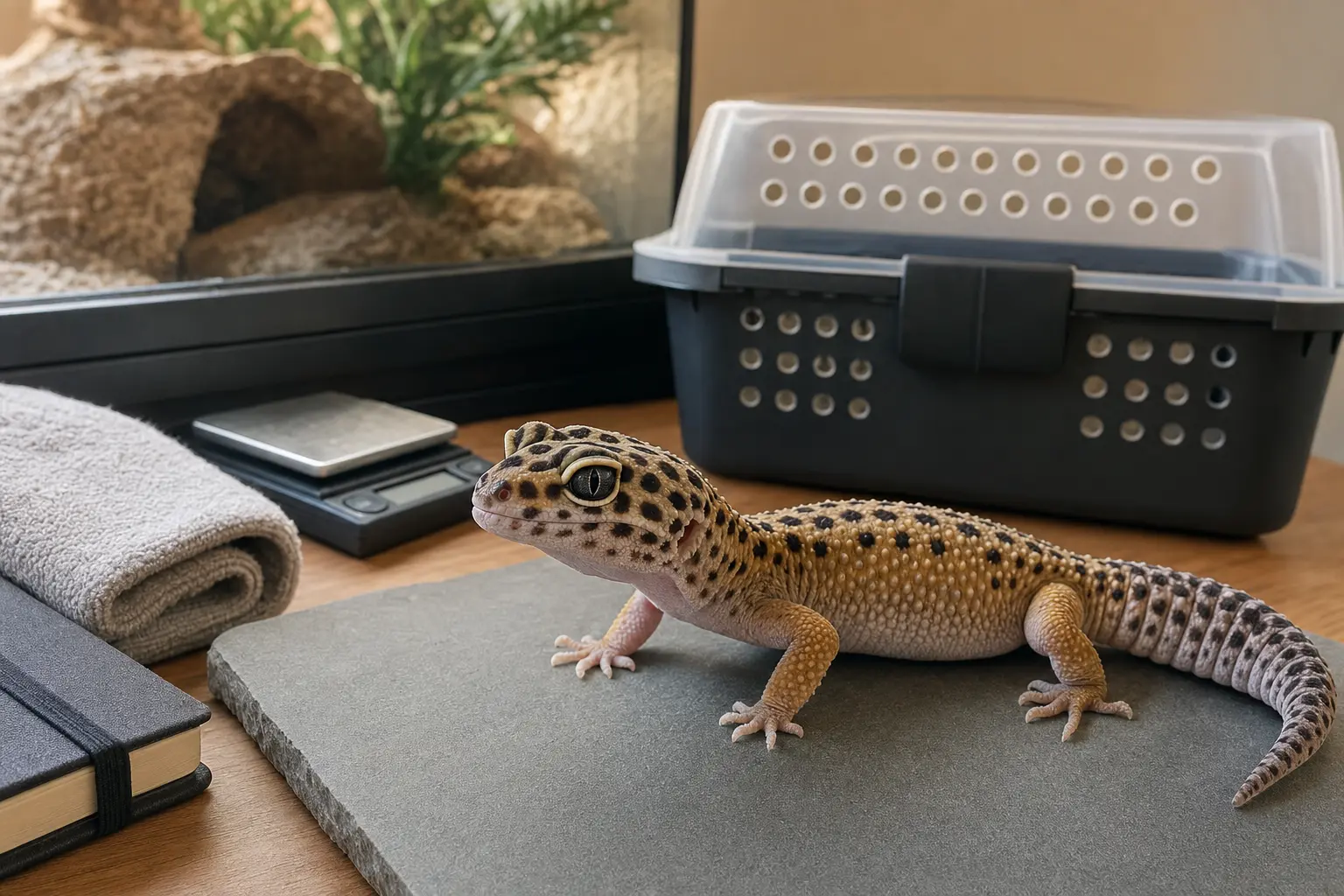
House the new reptile away from established animals and shared air, splash, drains, feeding tools, and cleaning supplies where practical. Care for established reptiles first and the new arrival last.
Provide every species requirement while keeping surfaces, waste, appetite, and shed easy to inspect. Simple does not mean cold, exposed, undersized, or without enrichment and secure cover.
Arrange a reptile-experienced examination and ask what fecal, infectious-disease, or follow-up testing fits this animal and household. Do not use preventive medication or copy a fixed quarantine duration without veterinary direction.
Choose the next focused guide for reptile quarantine & biosecurity.
Three optional picks matched to this page. Check adult size, species-specific care targets, and product compatibility before buying.
Affiliate links: Furball Cove may earn from qualifying purchases at no extra cost to you.
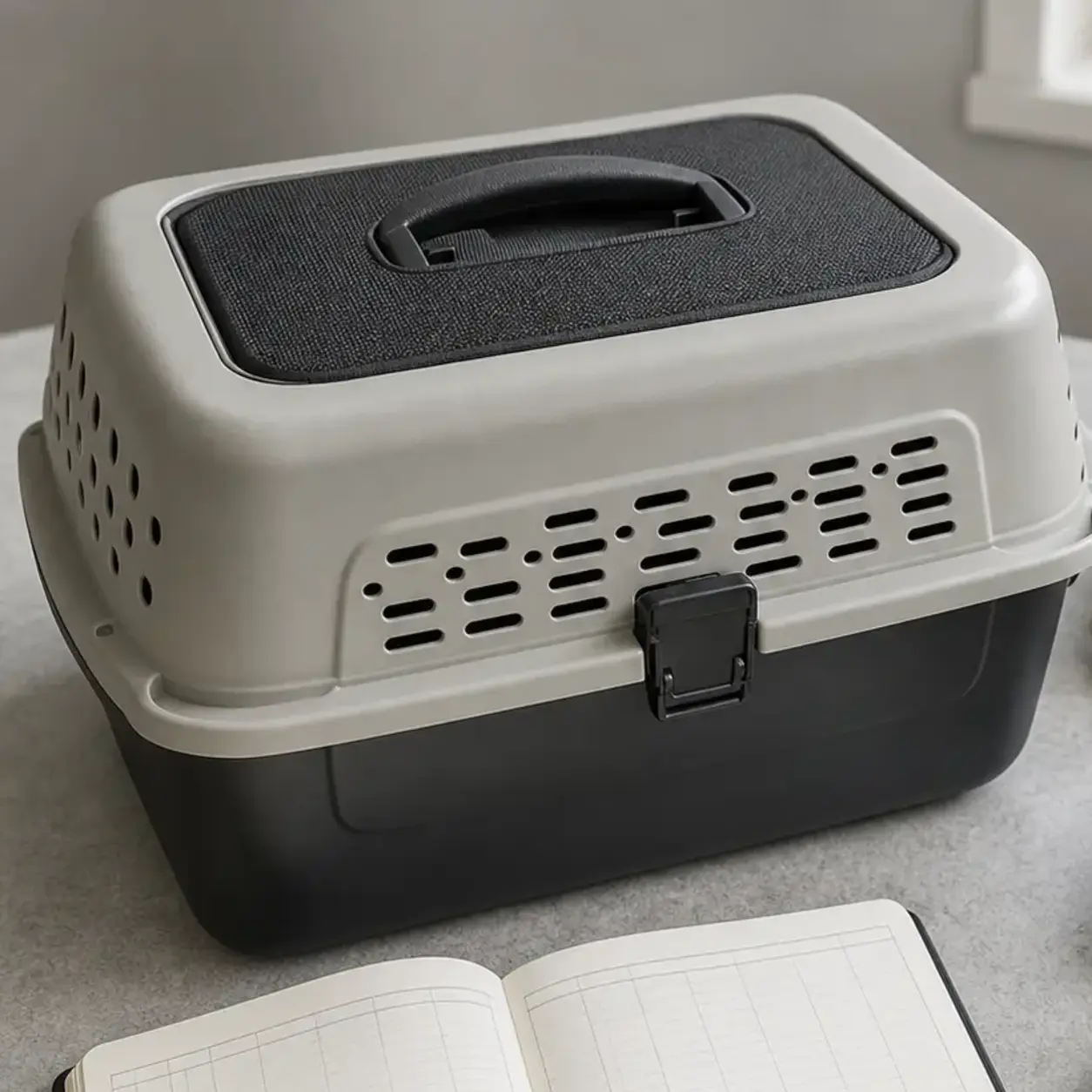
A ventilated, latchable carrier for planned transport to a reptile veterinarian; pad and temperature-manage it for the species.
Secure ventilation · For planned transportCompare Secure travel carrier options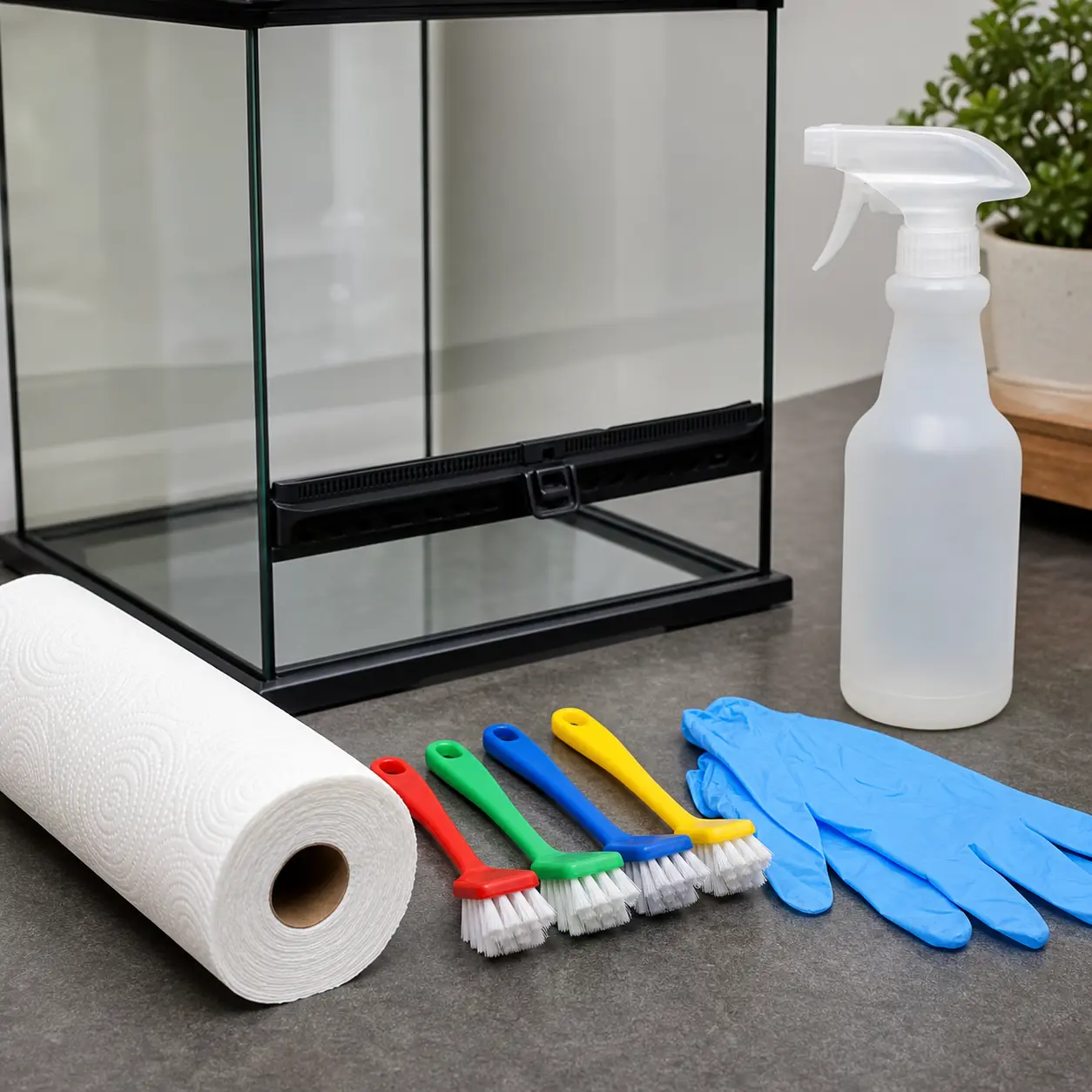
Compare products labeled for reptile habitats and follow dilution, contact-time, rinsing, drying, and animal-removal directions exactly.
Follow the label · Remove animal firstCompare Enclosure disinfectant options
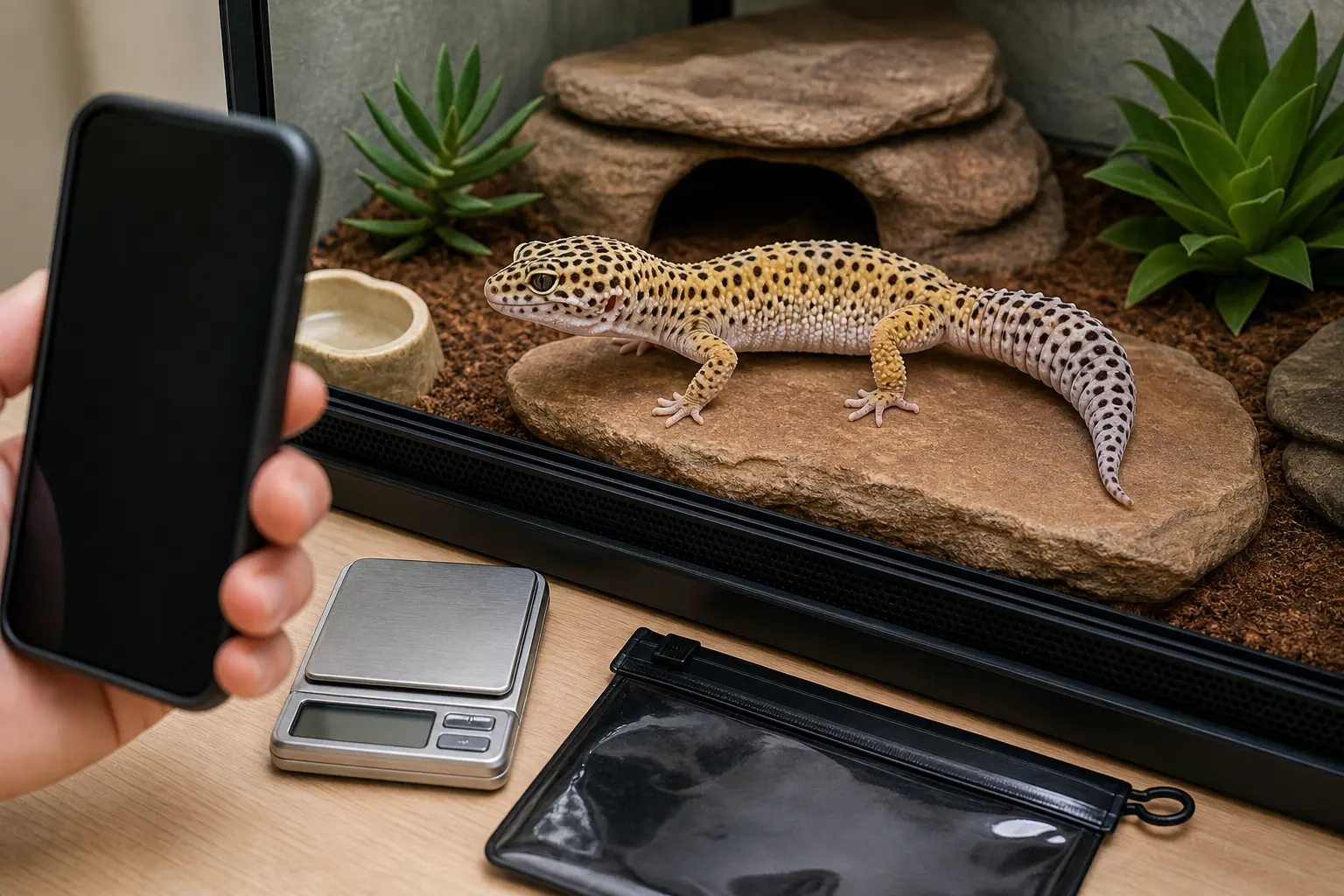
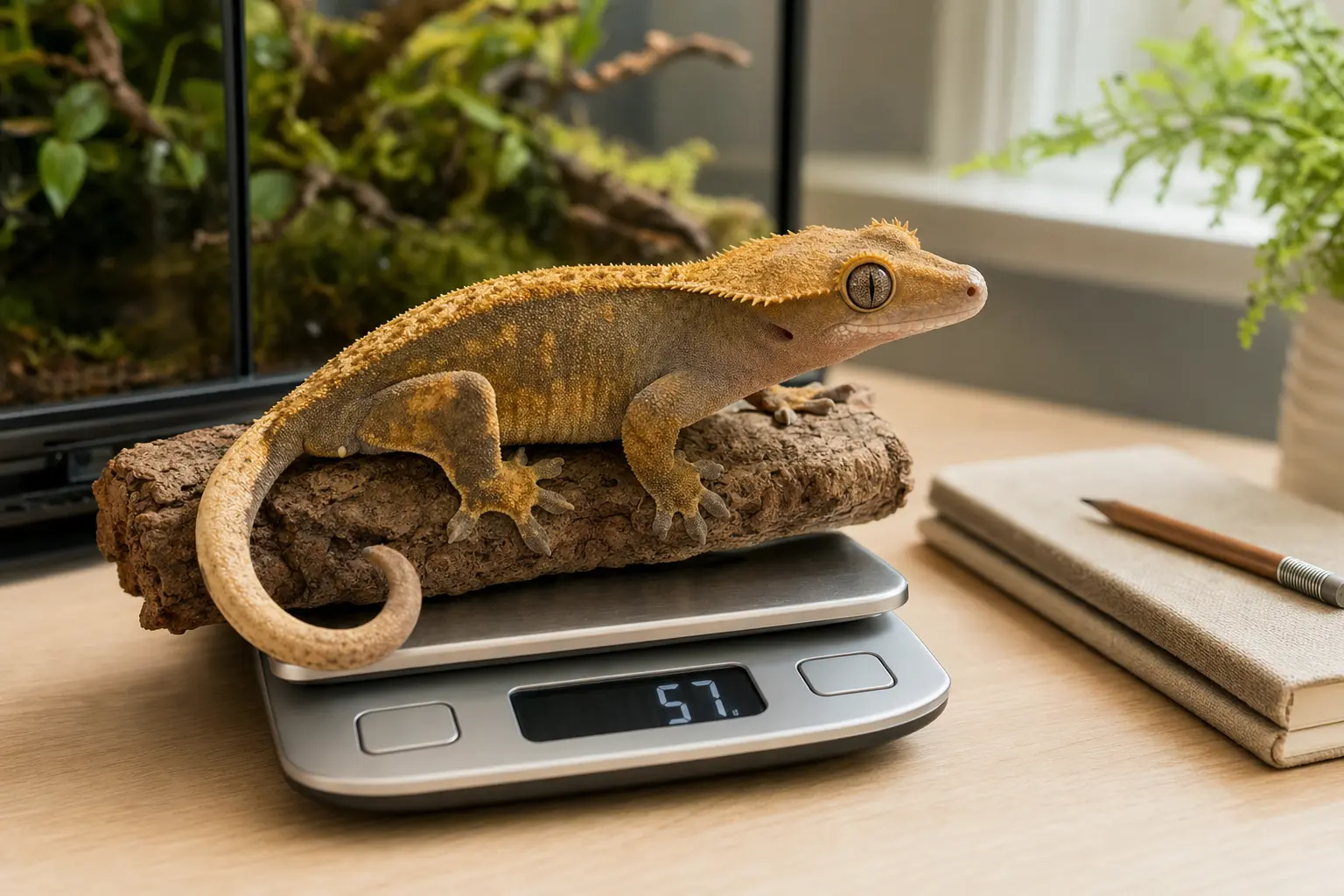
Makes consistent weight checks possible between veterinary visits; use the same safe container and schedule each time.
Trend tool only · Use a safe containerCompare Digital gram scale options