Structure and access
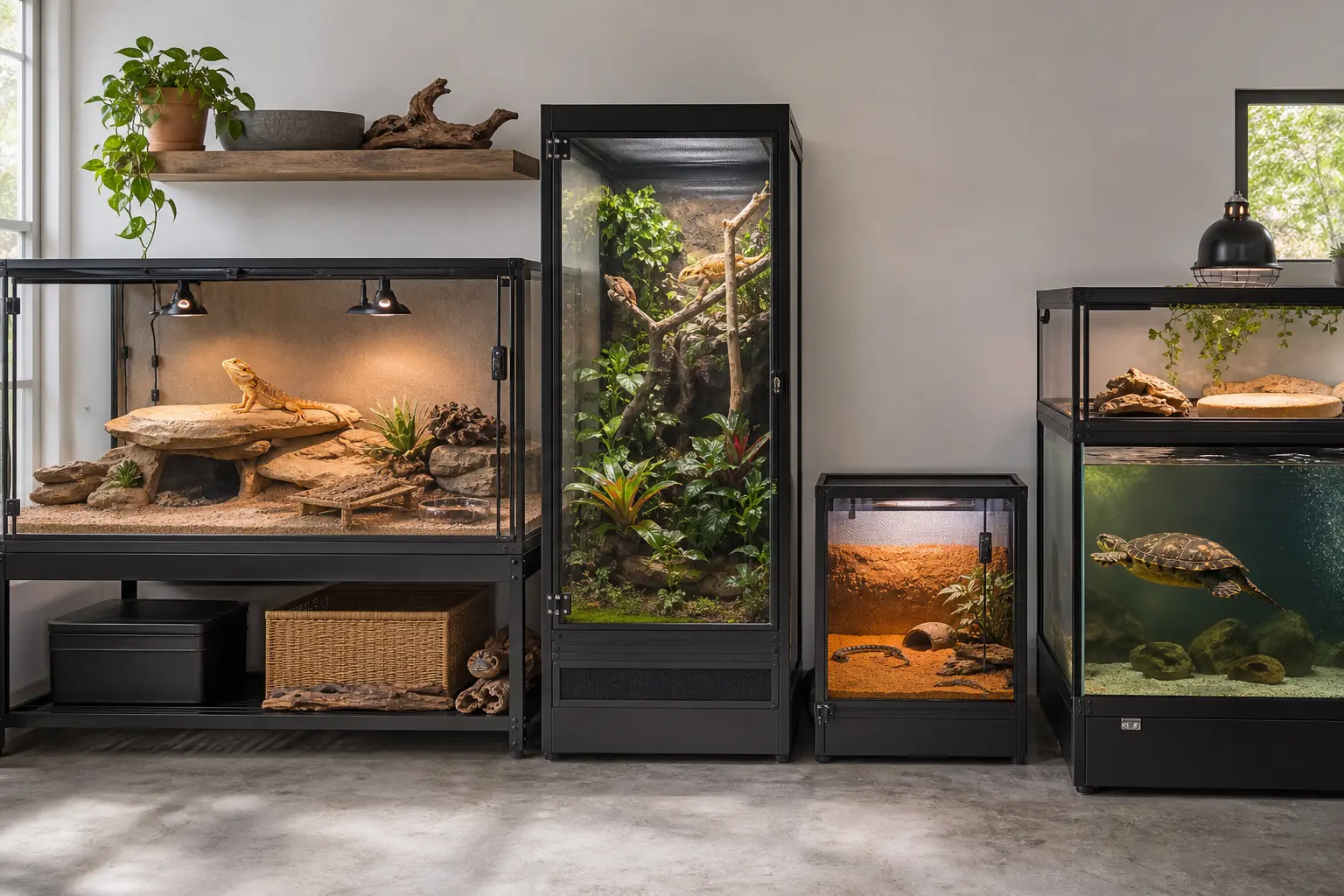
Confirm adult dimensions, locks, cable openings, ventilation, stable furniture, safe water access, protected heat, service access, and a secure temporary carrier. Photograph the finished layout for later comparison.
Practical tool
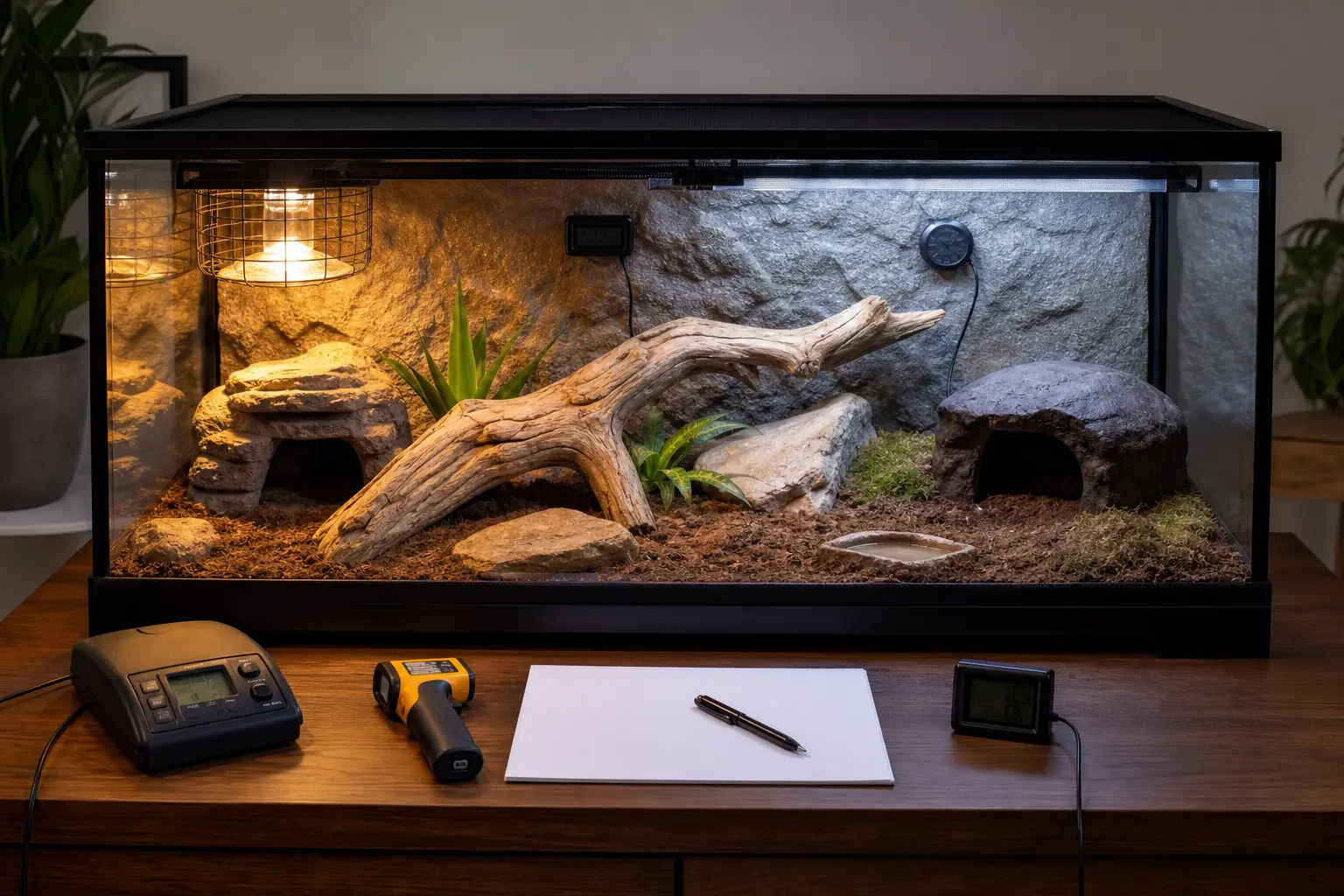
Run the empty habitat long enough to prove that its climate and safety systems work.
Write the exact species targets beside the readings rather than using one generic reptile checklist.
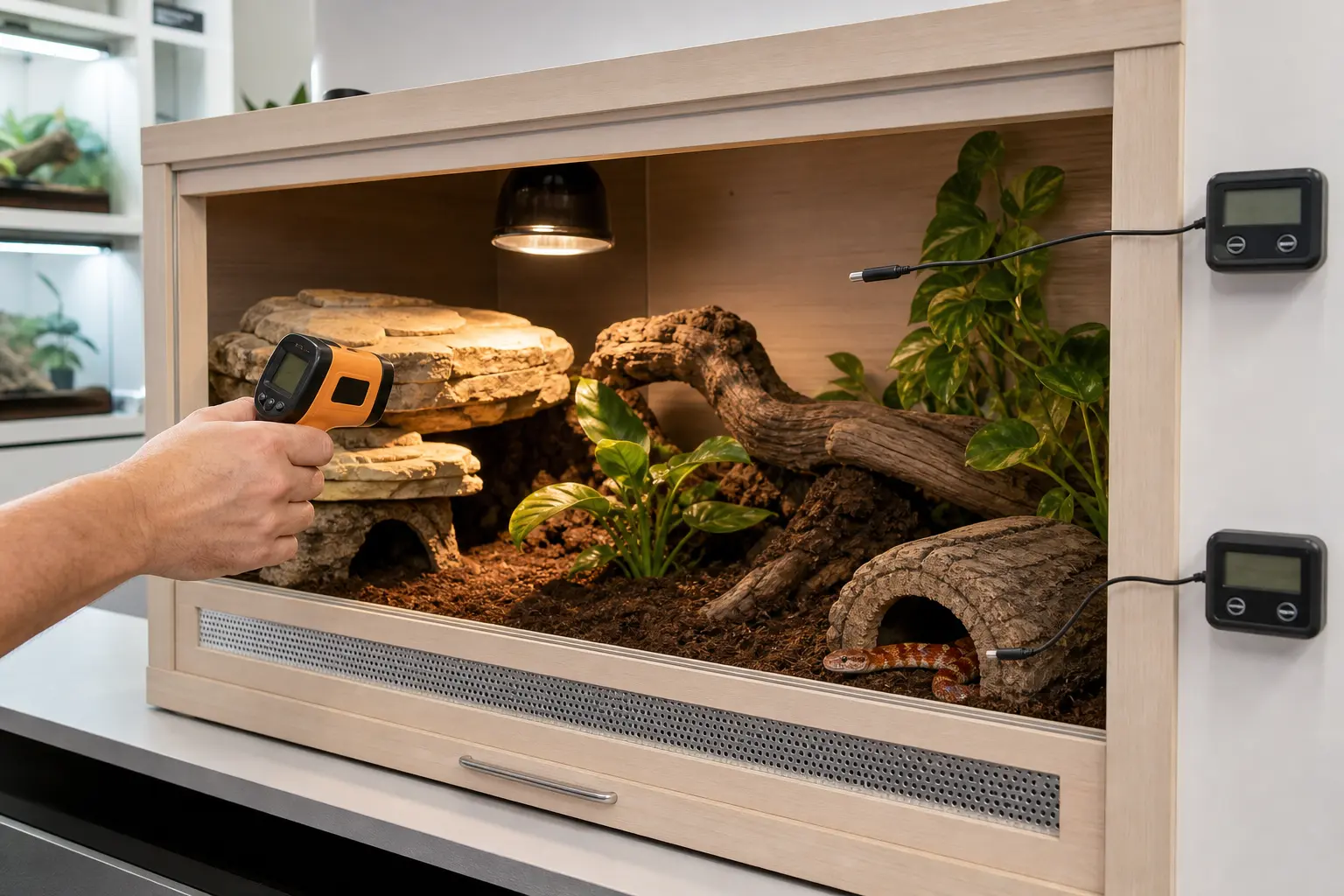
Confirm adult dimensions, locks, cable openings, ventilation, stable furniture, safe water access, protected heat, service access, and a secure temporary carrier. Photograph the finished layout for later comparison.
Record warm, cool, basking, shaded, humid, aquatic, and overnight readings where relevant. Verify thermostat probe placement, UVB distance and mesh effect, light timing, filter flow, and power-failure alarms.
Run the system through the warmest and coolest parts of the room's day. Correct drift, condensation, inaccessible hides, unstable branches, leaks, vibration, or escape gaps before an animal depends on it.
Choose the next focused guide for reptile habitat commissioning checklist.
Three optional picks matched to this enclosure topic. Start with adult dimensions and species-specific heat, UVB, humidity, and security requirements.
Affiliate links: Furball Cove may earn from qualifying purchases at no extra cost to you.
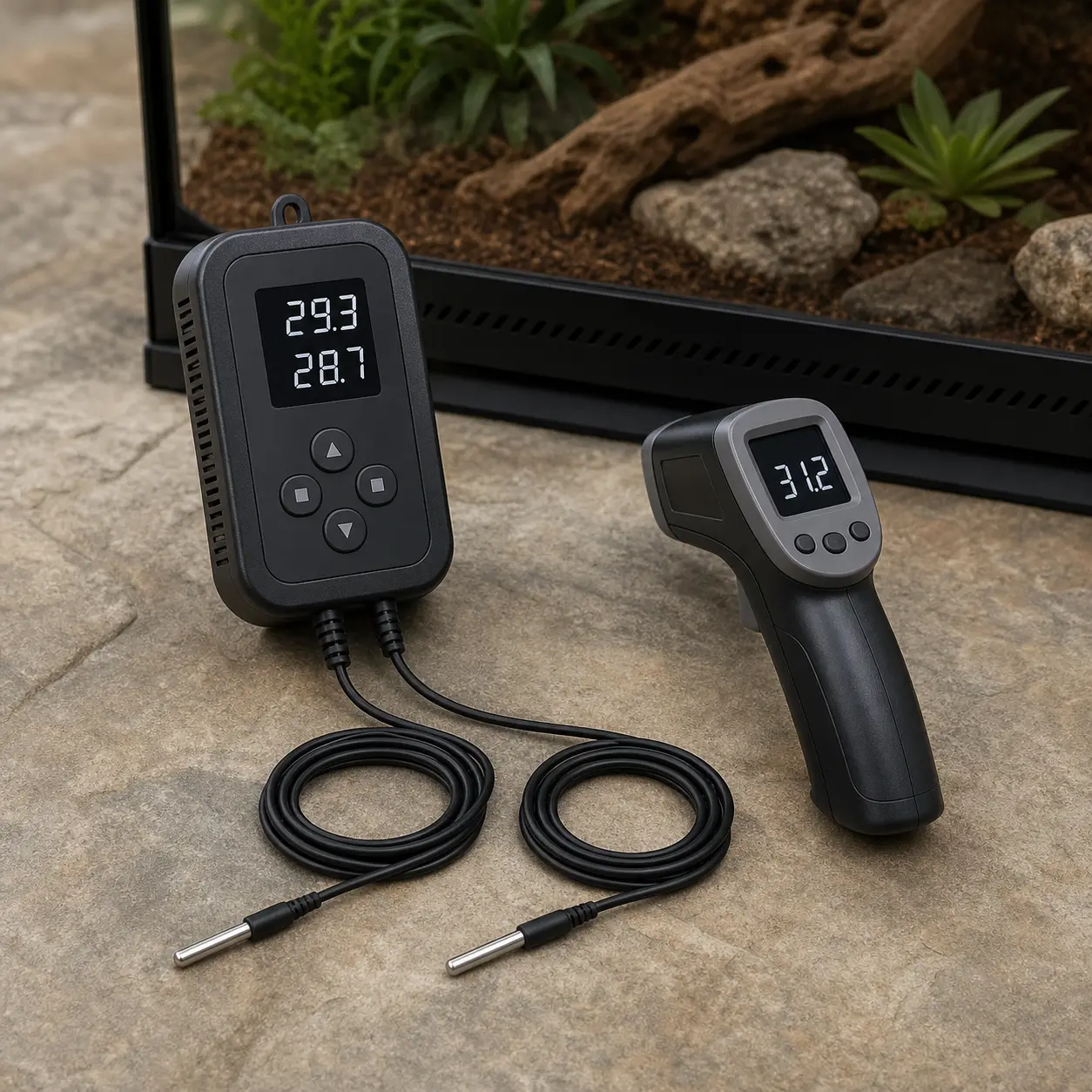
Spot-checks basking surfaces and hides; pair it with fixed probes because it does not measure air temperature.
Surface readings only · Keep fixed probes tooView Infrared surface thermometer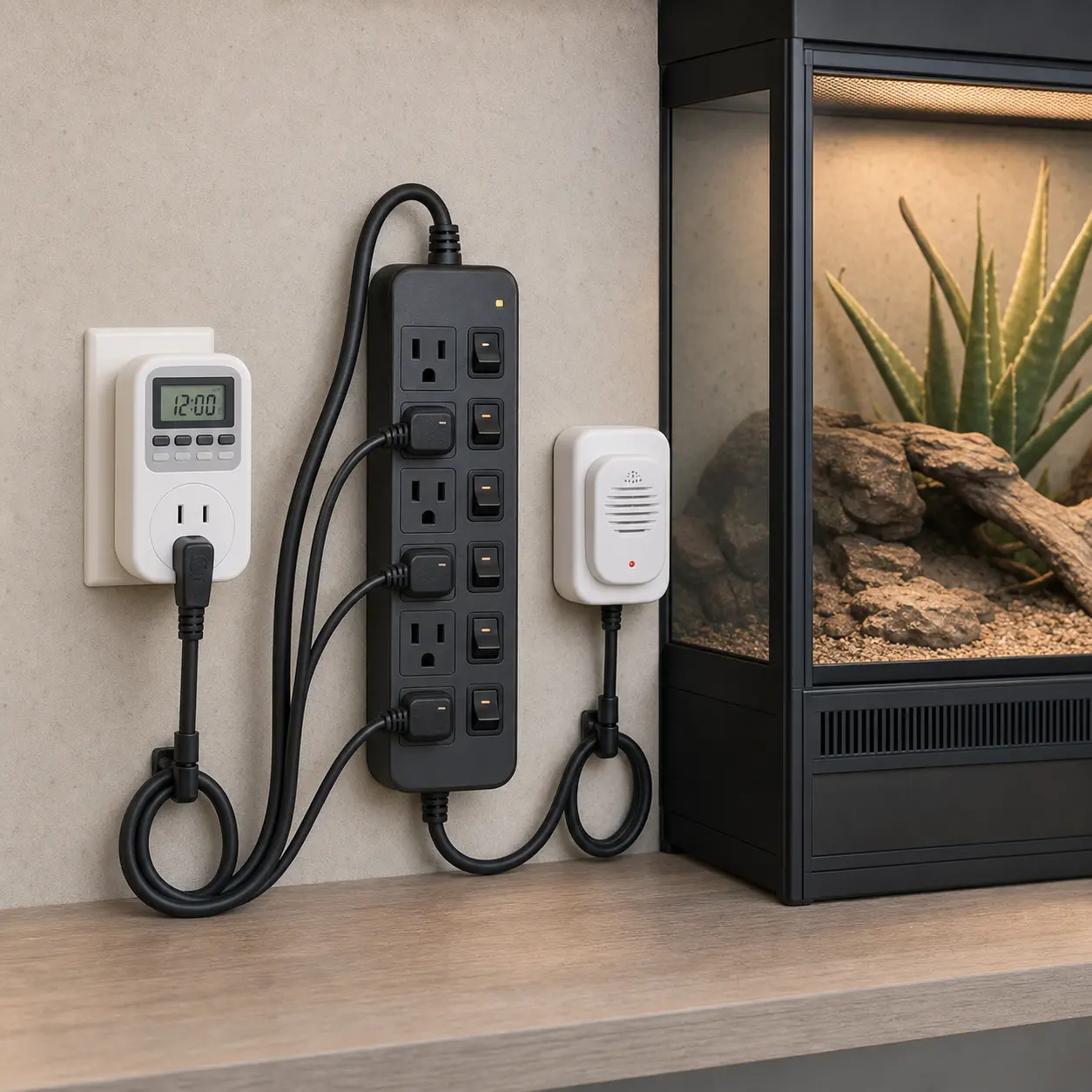
Automates a consistent light schedule for compatible equipment; it does not replace a thermostat for heat control.
Consistent schedule · Not a thermostatCompare Digital outlet timer options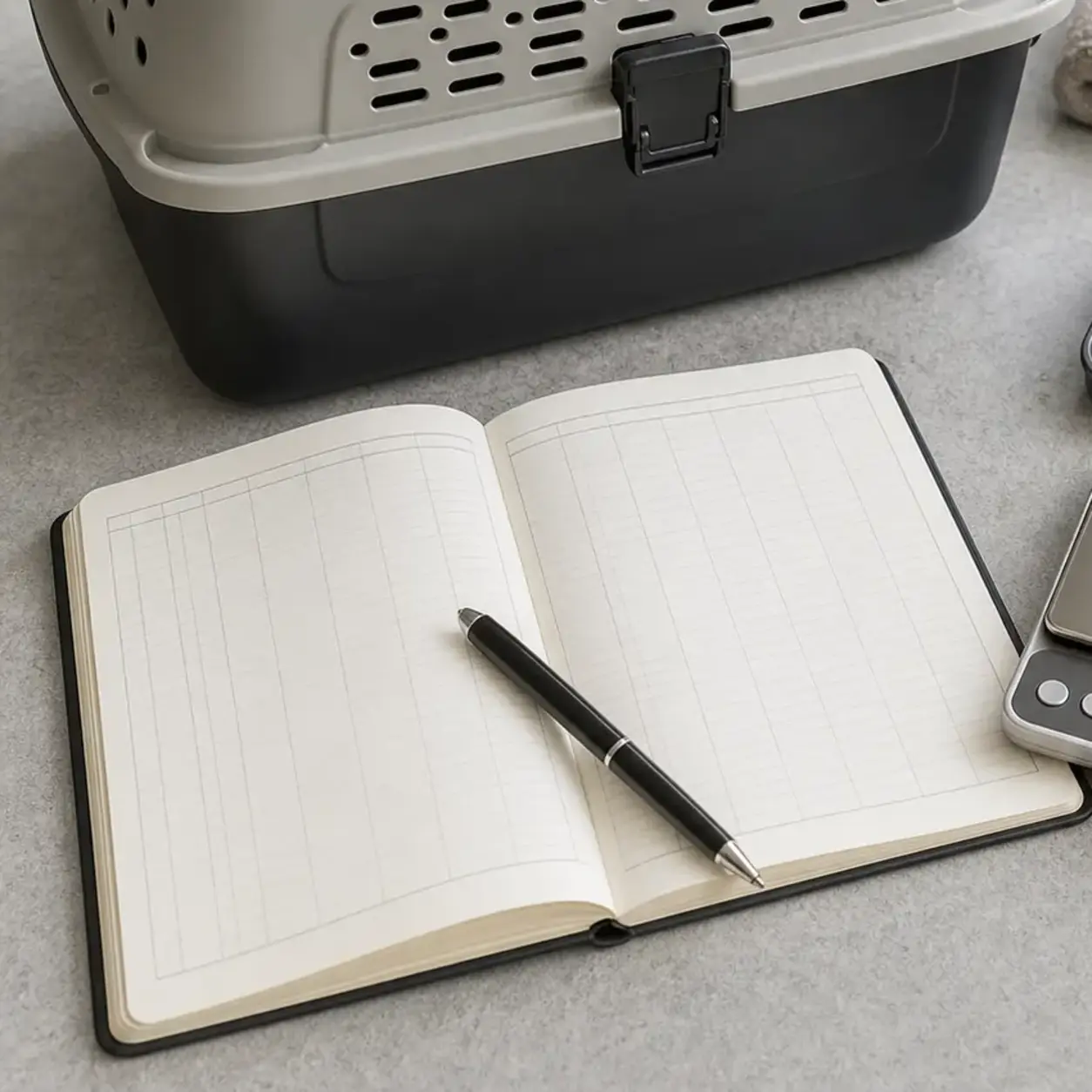
Keeps dates, readings, weight, appetite, shedding, waste, and questions together for clearer veterinary conversations.
Observation record · Not a diagnosisCompare Reptile care log options