How do I set up litter boxes for a senior cat with arthritis?
For a senior cat with arthritis, the litter box should be easy to enter, roomy enough to turn in, close to normal resting areas, and placed on a route with steady footing.
The right box setup is not only about the box. Think about the first step in, the turn inside, the exit, and how far your cat has to walk when they are stiff or sleepy.
Make the entrance painless
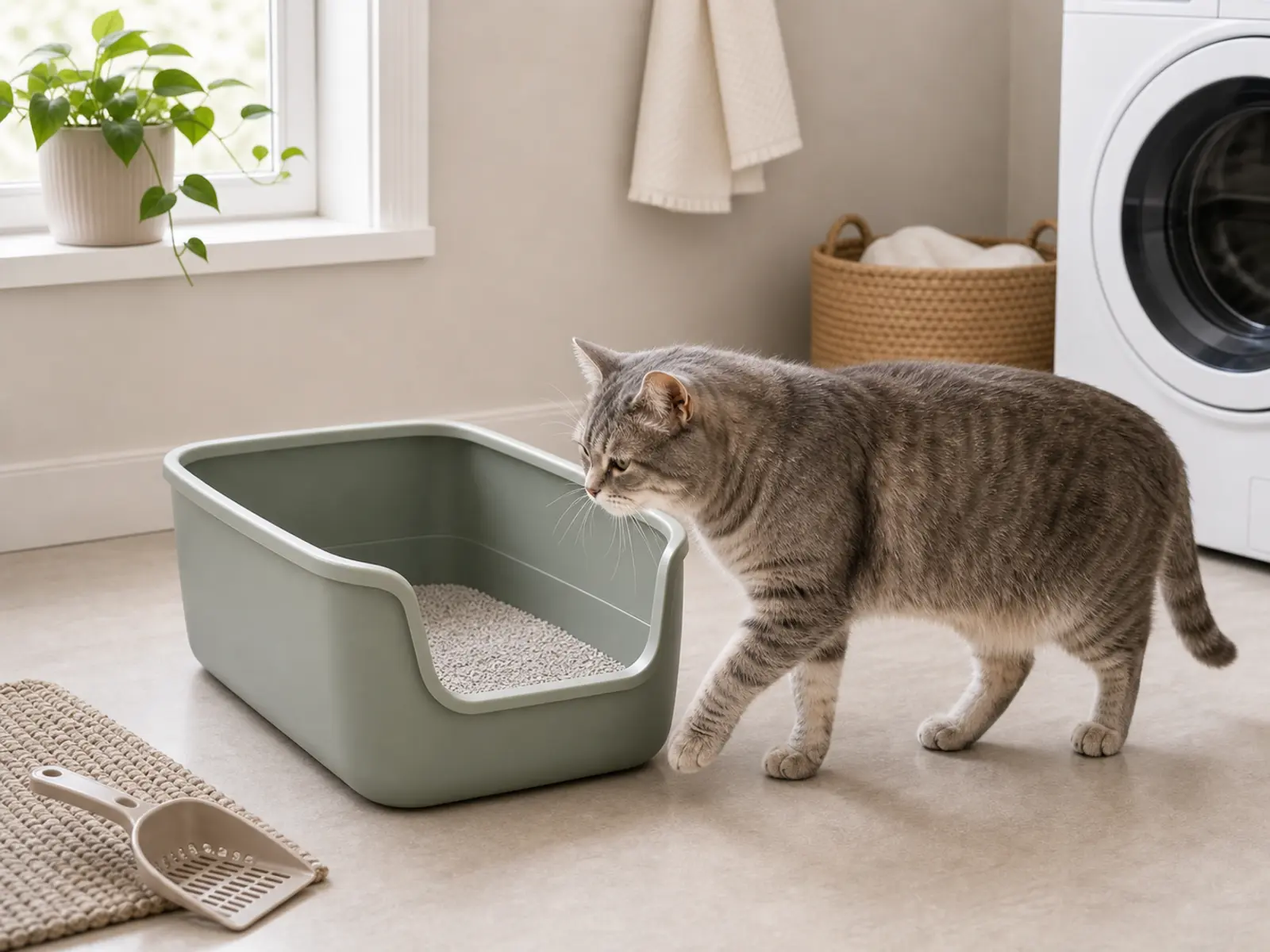
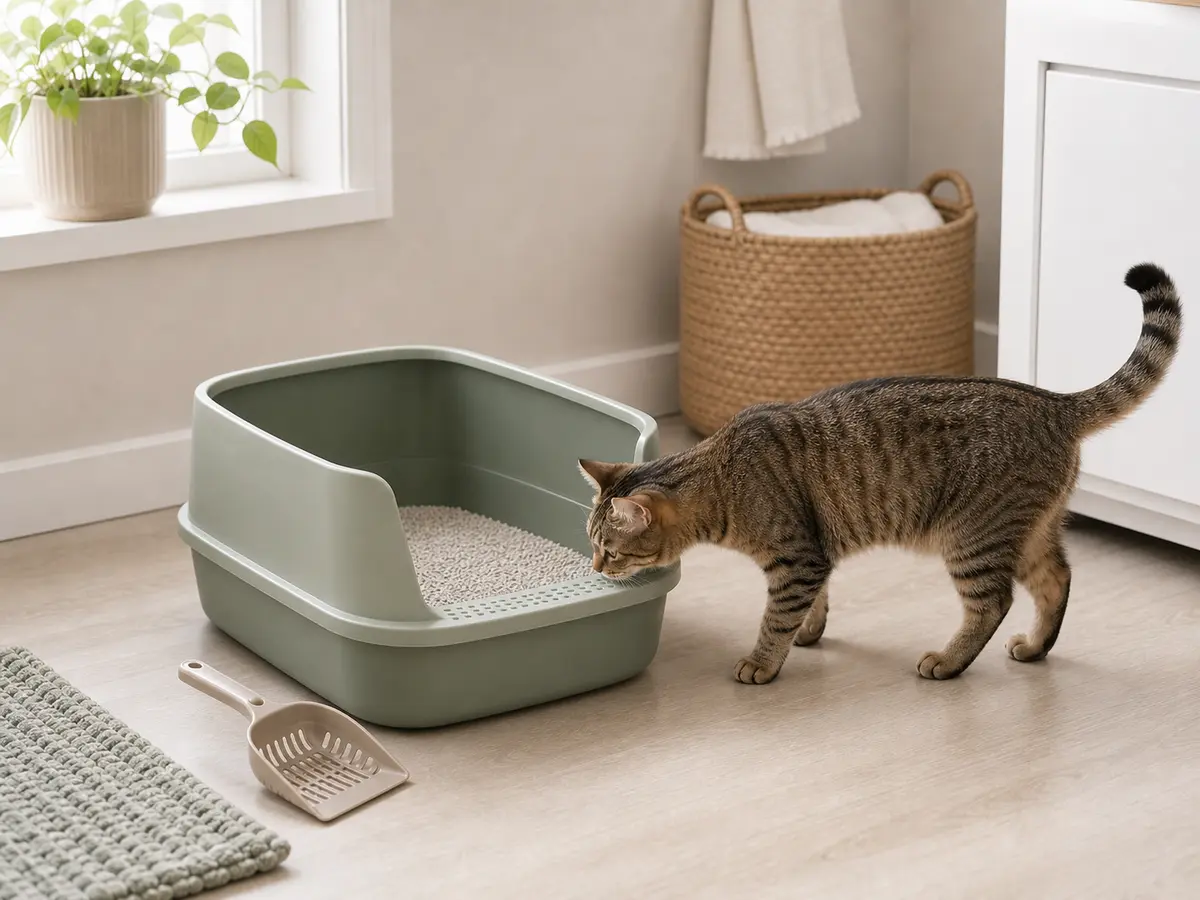
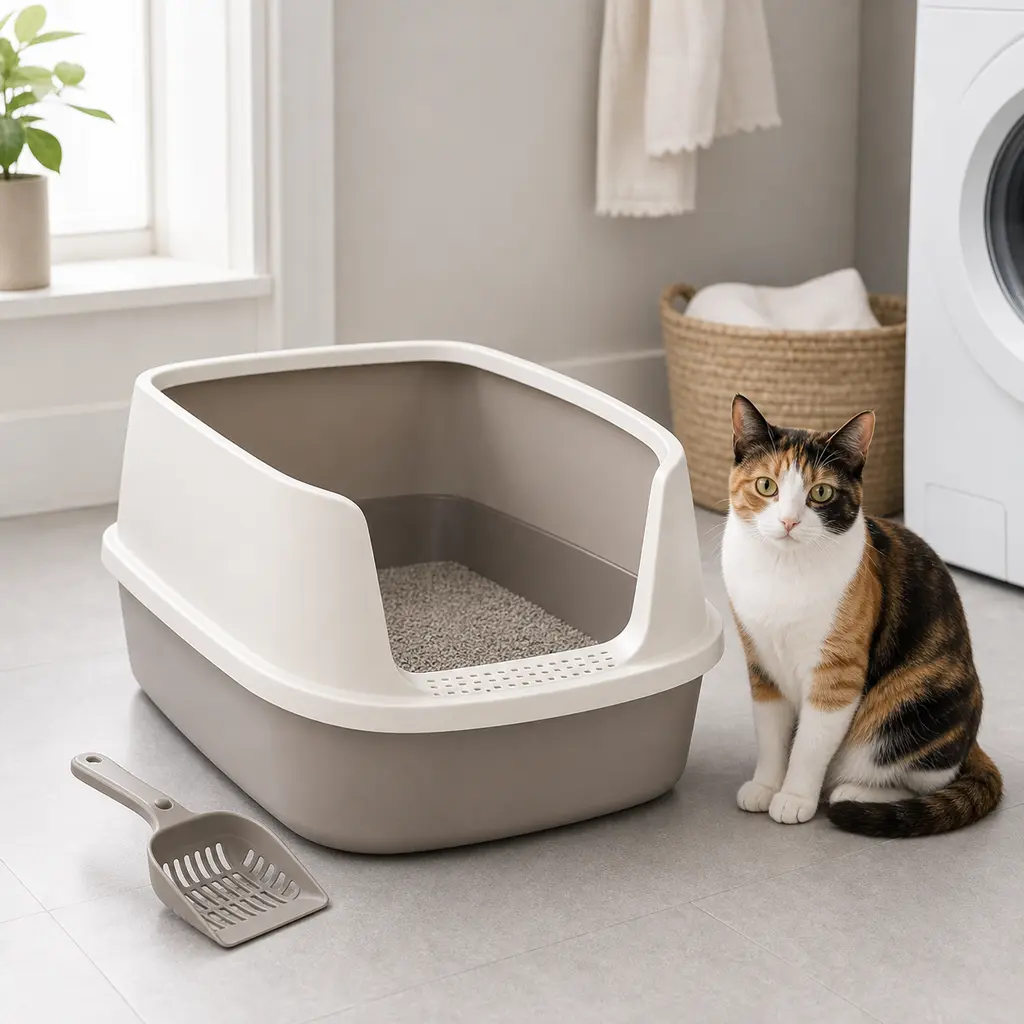
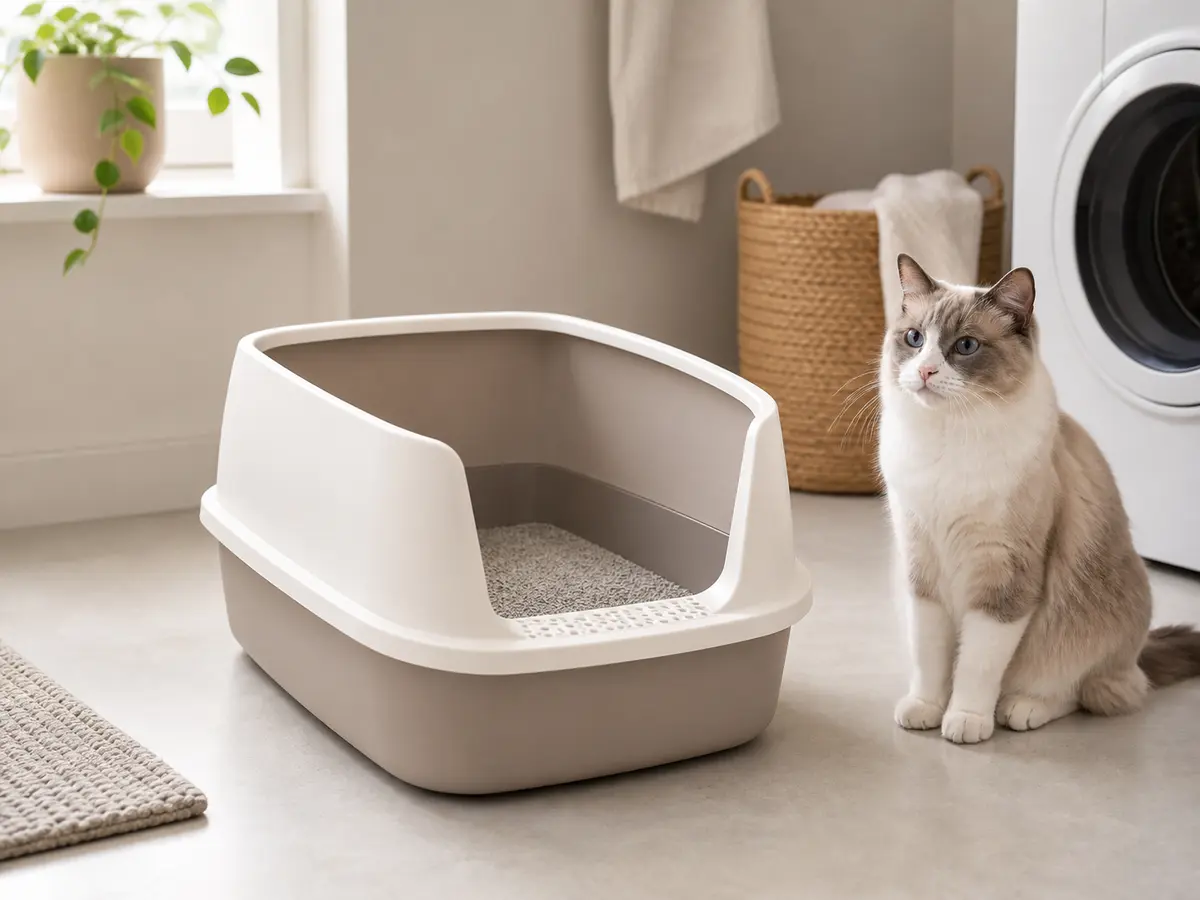
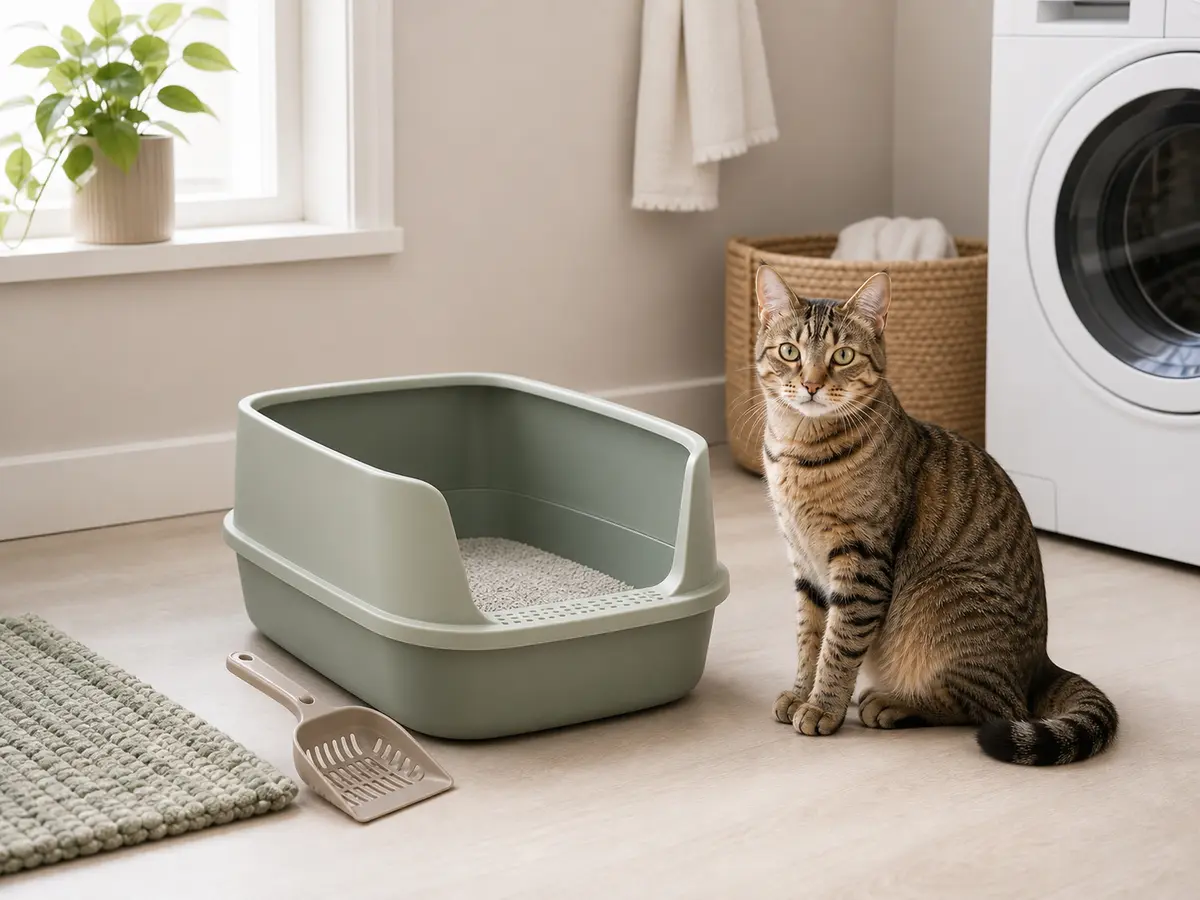
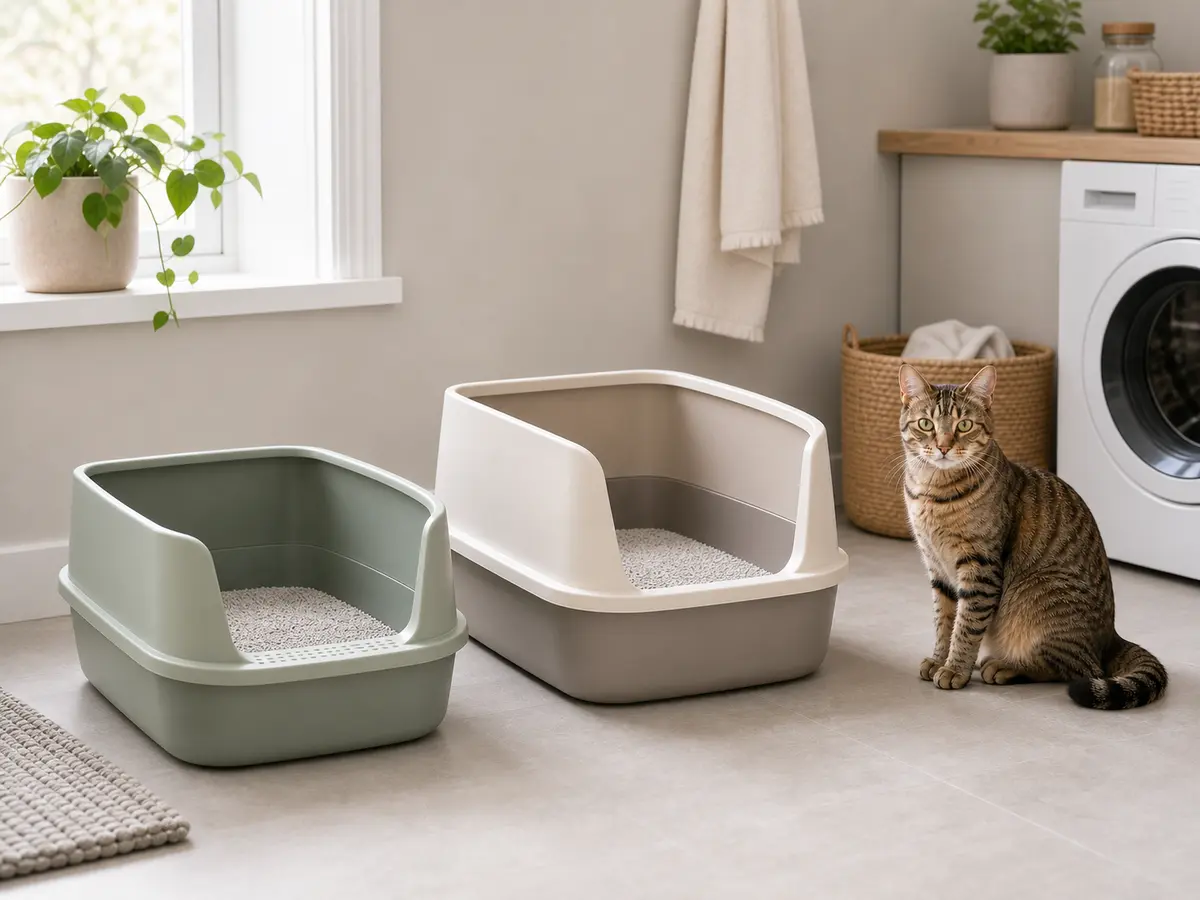
Choose a low-entry box or cut one side lower if your veterinarian agrees the setup is safe. The goal is a step-in motion, not a climb, especially after naps or overnight stiffness.
Senior-cat changes deserve a slower read. Compare the new pattern with appetite, weight, litter habits, jumping, grooming, sleep, and whether the room has become harder to use.
Give room to turn and aim
A senior cat may miss the edge when the box is too small or the sides force an awkward turn. Use a roomy box and keep the important side low enough for easy entry.
Start by comparing today with your cat's normal. A senior cat who changes appetite, litter habits, jumping, grooming, sleep, or social behavior is giving useful information.
Shorten the route
Put boxes near the rooms your cat actually uses. A basement box or long hallway may be fine for a young cat and too much for a stiff senior in the middle of the night.
Make the next step easy on joints and predictable for the routine. Lower the entry, shorten the jump, add traction, warm the bed, or schedule the checkup before guessing.
Watch urine and stool, not just location
If clumps are tiny, absent, bloody, much larger, or your cat strains or cries, treat it as a health clue and call your veterinarian quickly.
Do not write off sudden senior changes as age. Appetite loss, weight loss, new hiding, pain, falls, litter changes, or confusion deserve a veterinary conversation.
Before you decide
Can your cat step into the box without a high climb?
Can they turn around and squat without their rear hanging over the edge?
Is there a box on the same level as normal sleeping and eating areas?
Are urine clumps, stool, comfort, and appetite normal?
Next best moves
Add one low-entry, roomy box before removing the old one.
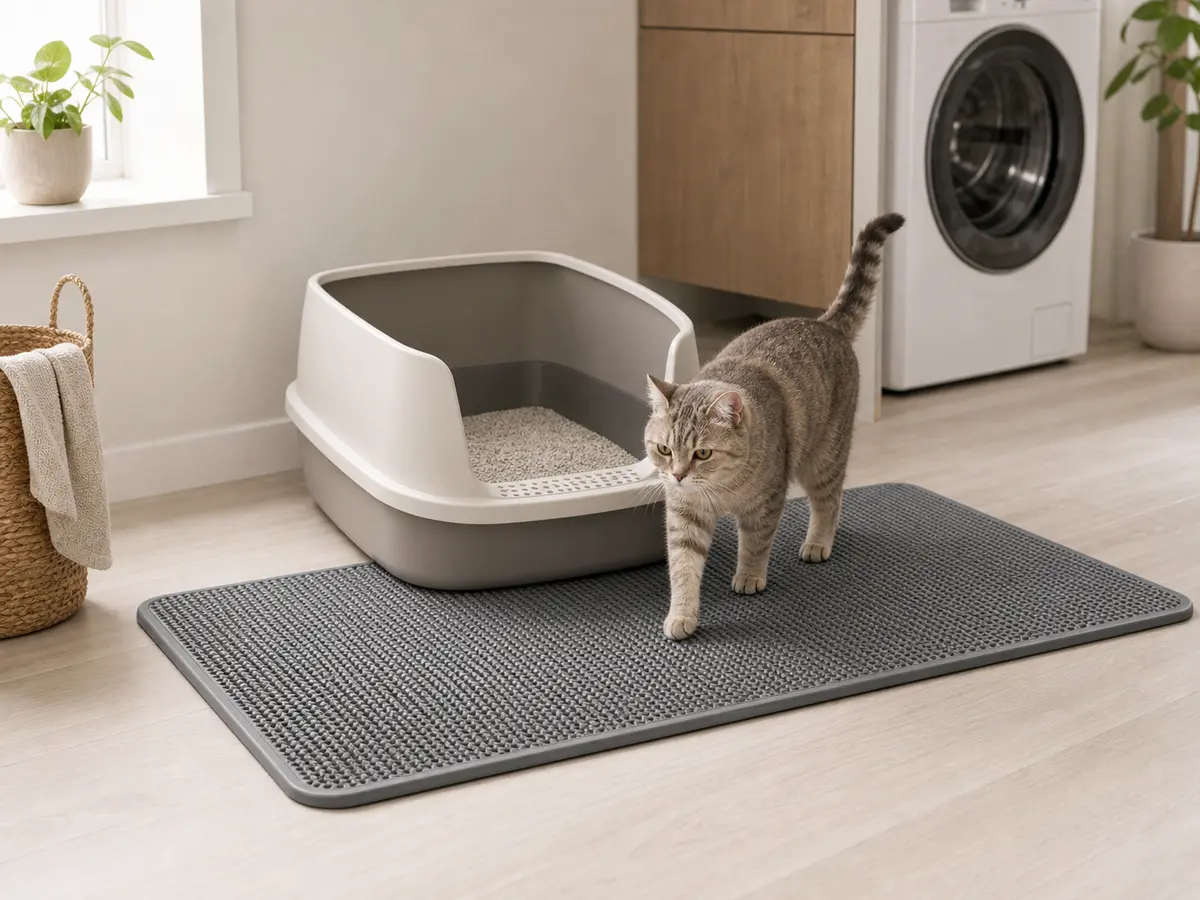
Place it on a short, non-slip route your cat already uses.
Call your veterinarian for pain, straining, blood, sudden misses, or major clump changes.
Helpful supplies
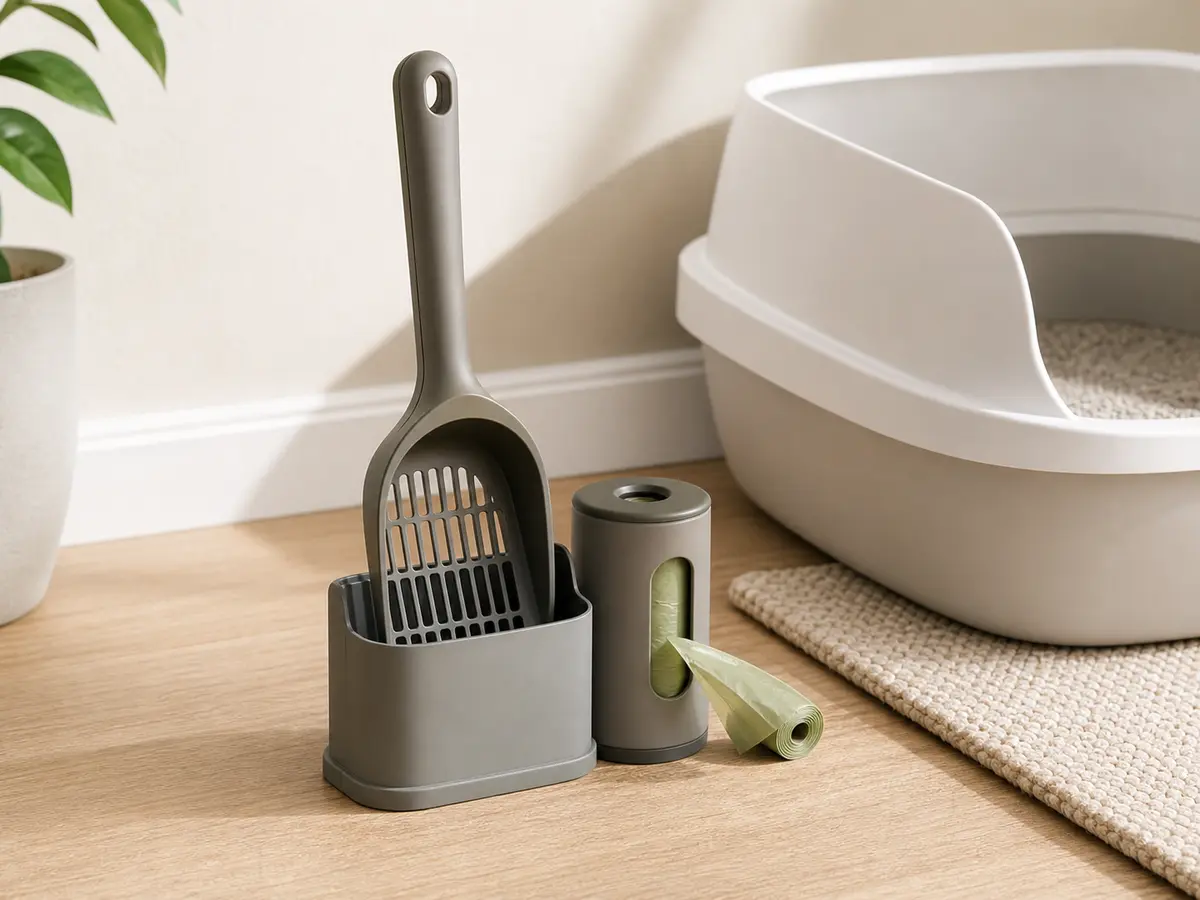
Use litter tools to make the easiest bathroom choice obvious: reachable box, enough room, manageable scatter, and daily scooping.
Affiliate links: Furball Cove may earn from qualifying purchases at no extra cost to you.
How do I set up litter boxes for a senior cat with arthritis?
For a senior cat with arthritis, the litter box should be easy to enter, roomy enough to turn in, close to normal resting areas, and placed on a route with steady footing.
When should I get help?
Call your veterinarian for new box misses, straining, blood, crying, tiny clumps, constipation, sudden pain, or a senior cat who cannot reach the box comfortably.