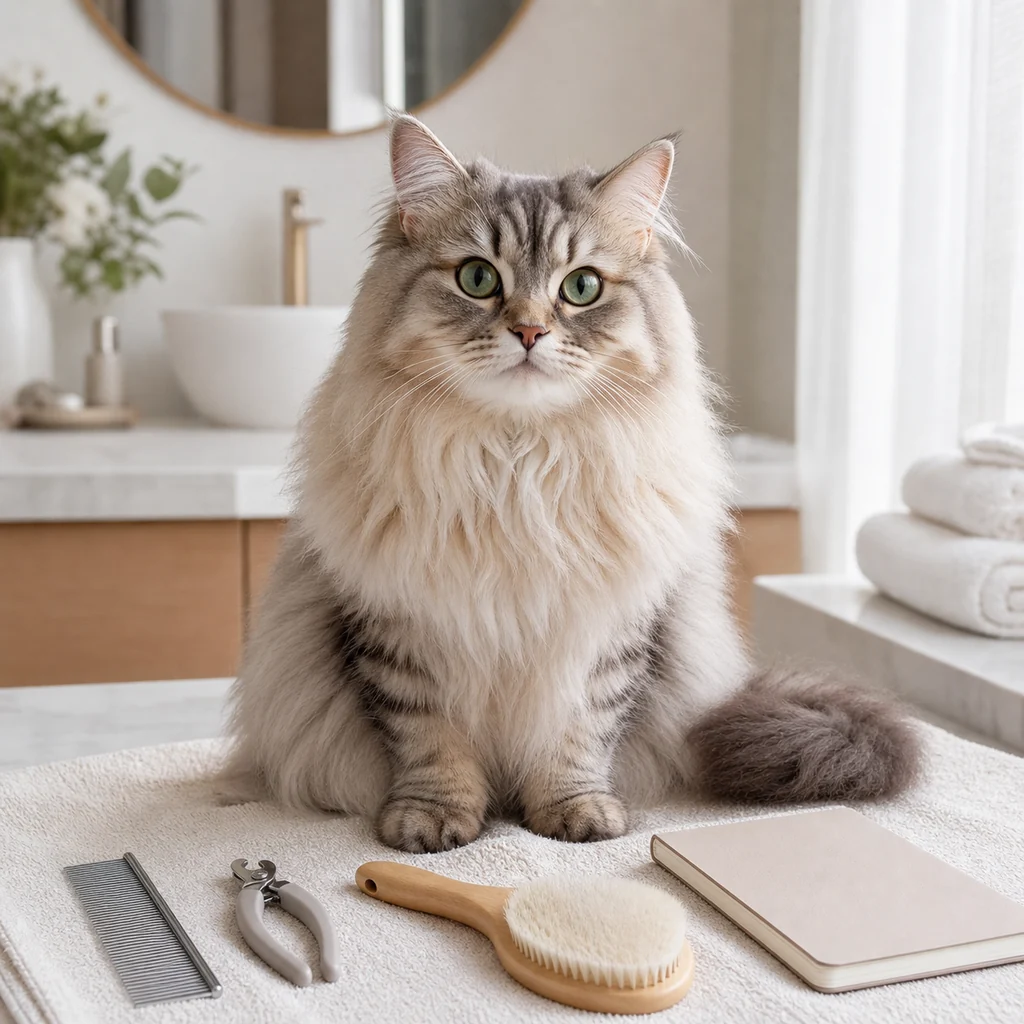
My senior cat is getting mats suddenly: what changed?
Sudden mats on a senior cat can mean stiff joints, pain, weight loss or gain, skin trouble, dental discomfort, or a cat who cannot comfortably reach parts of their coat anymore.
Mats are not just a cosmetic problem for older cats. Look at where they appear, how fast they form, and whether grooming, movement, appetite, or weight changed at the same time.
Map where the mats appeared
Mats on the hips, lower back, belly, armpits, or collar area can point to places your cat cannot reach or tolerate being brushed. Take a photo so you can compare the coat next week.
Senior-cat changes deserve a slower read. Compare the new pattern with appetite, weight, litter habits, jumping, grooming, sleep, and whether the room has become harder to use.
Check stiffness before brushing harder
A senior cat who stops twisting to groom may be sore. Watch how they stand, jump, turn in the litter box, and react when your hand reaches the matted area.
Start by comparing today with your cat's normal. A senior cat who changes appetite, litter habits, jumping, grooming, sleep, or social behavior is giving useful information.
Use the gentlest useful tool
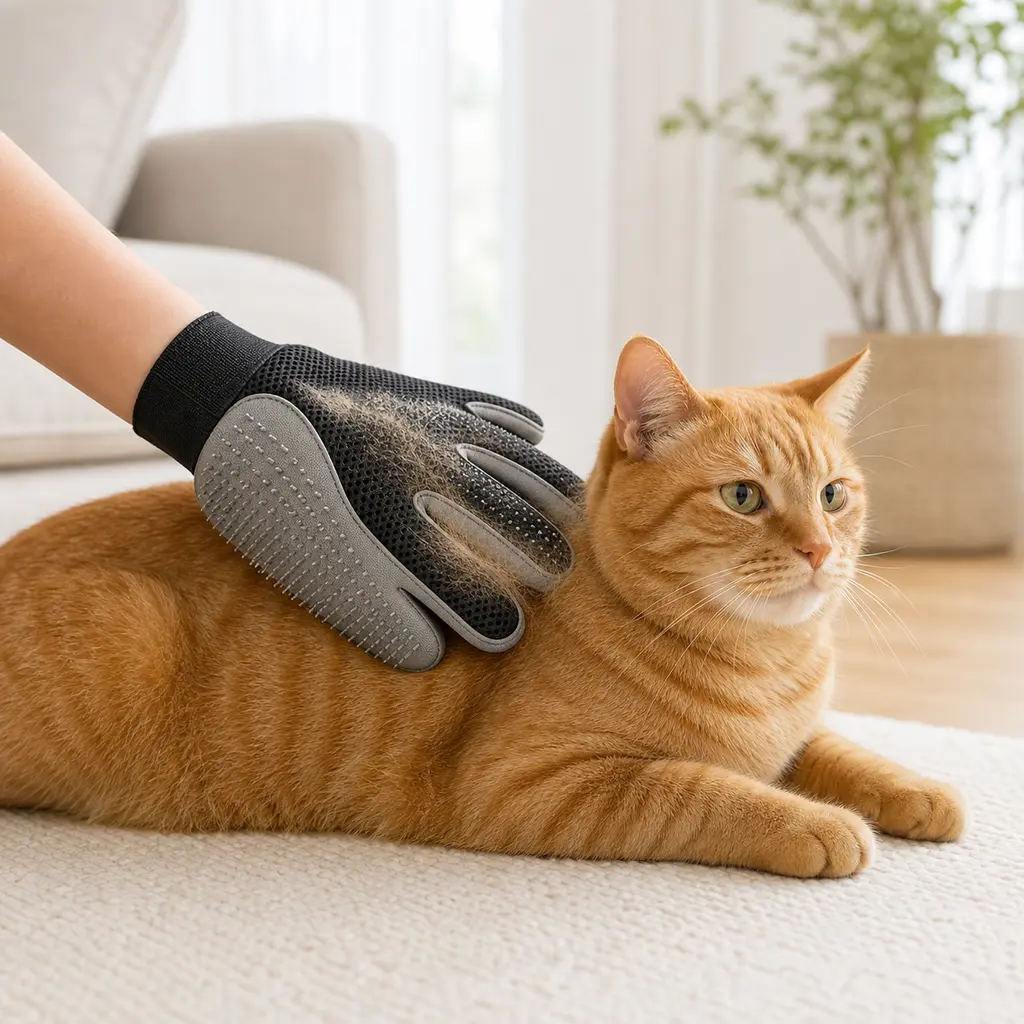
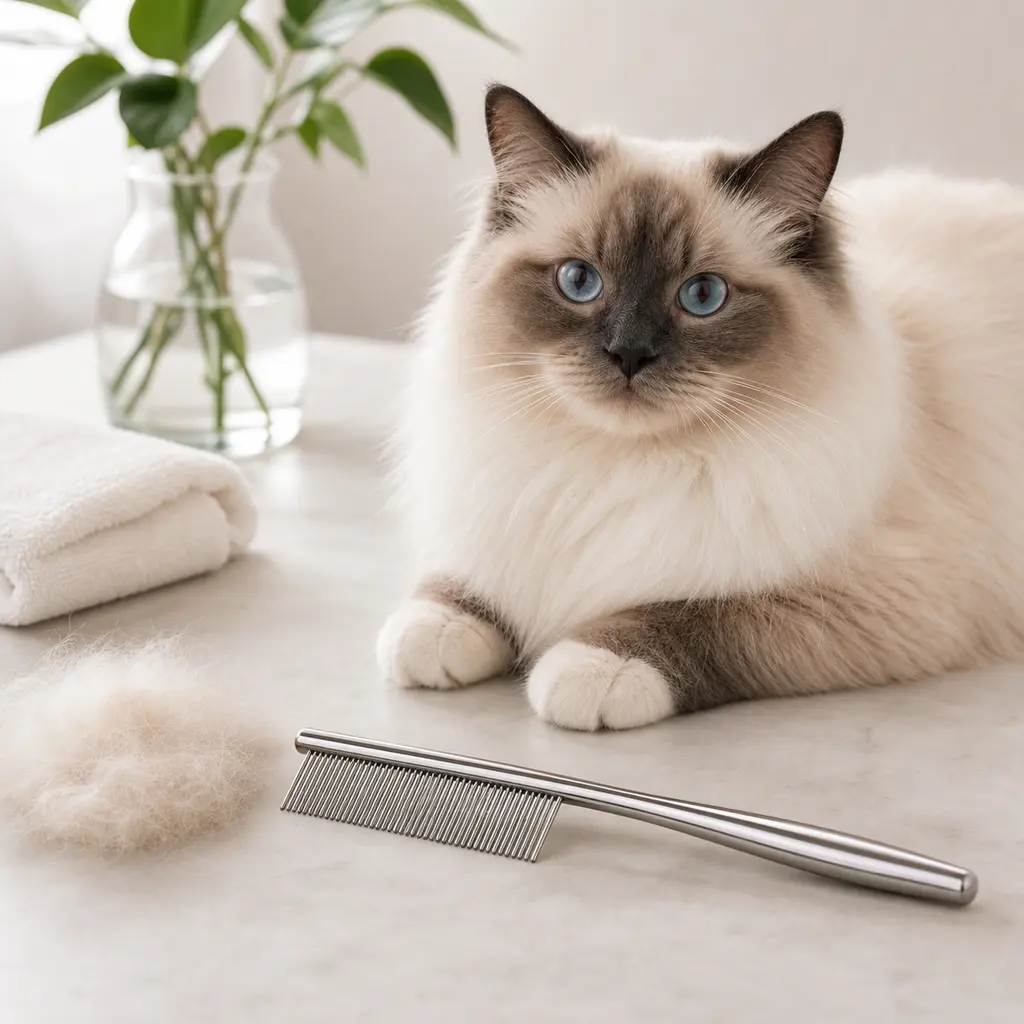
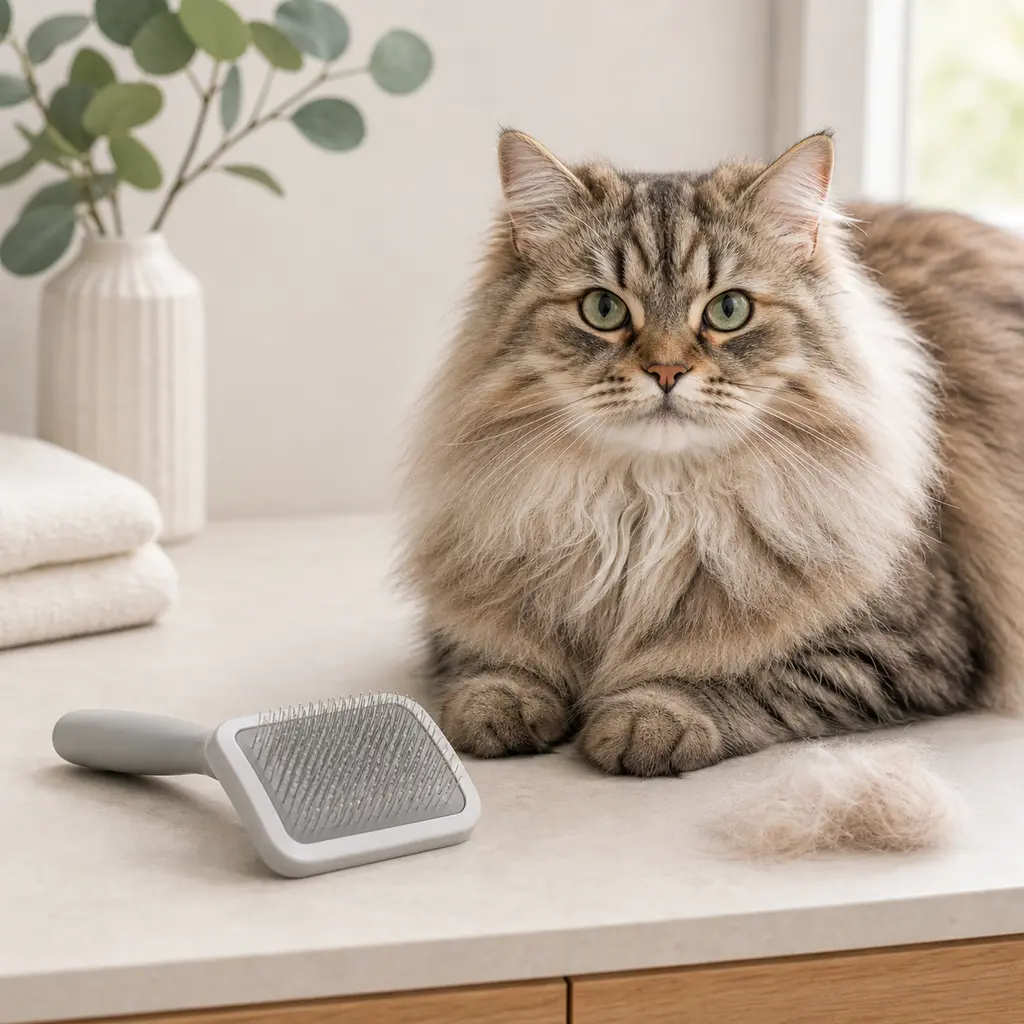
Work around loose edges in tiny sessions with a comb or soft brush, and stop before the skin pulls. Do not cut tight mats with scissors; cat skin can tent up into the mat and be easy to nick.
Make the next step easy on joints and predictable for the routine. Lower the entry, shorten the jump, add traction, warm the bed, or schedule the checkup before guessing.
Bring in help before the mat hurts
A groomer or veterinarian can handle painful mats more safely, especially if your cat is thin, cranky, arthritic, or has skin that looks red, oily, scabby, or sore.
Do not write off sudden senior changes as age. Appetite loss, weight loss, new hiding, pain, falls, litter changes, or confusion deserve a veterinary conversation.
Before you decide
Where are the new mats: back, hips, belly, armpits, collar, or tail base?
Did grooming, jumping, weight, appetite, or litter habits change too?
Does the skin look red, scabby, oily, painful, or thin?
Is the mat loose enough to comb gently, or tight enough for professional help?
Next best moves
Photograph and map the mats before brushing.
Use tiny sessions and stop if the skin pulls or your cat gets upset.
Ask a groomer or veterinarian for tight mats, pain, skin changes, or sudden coat decline.
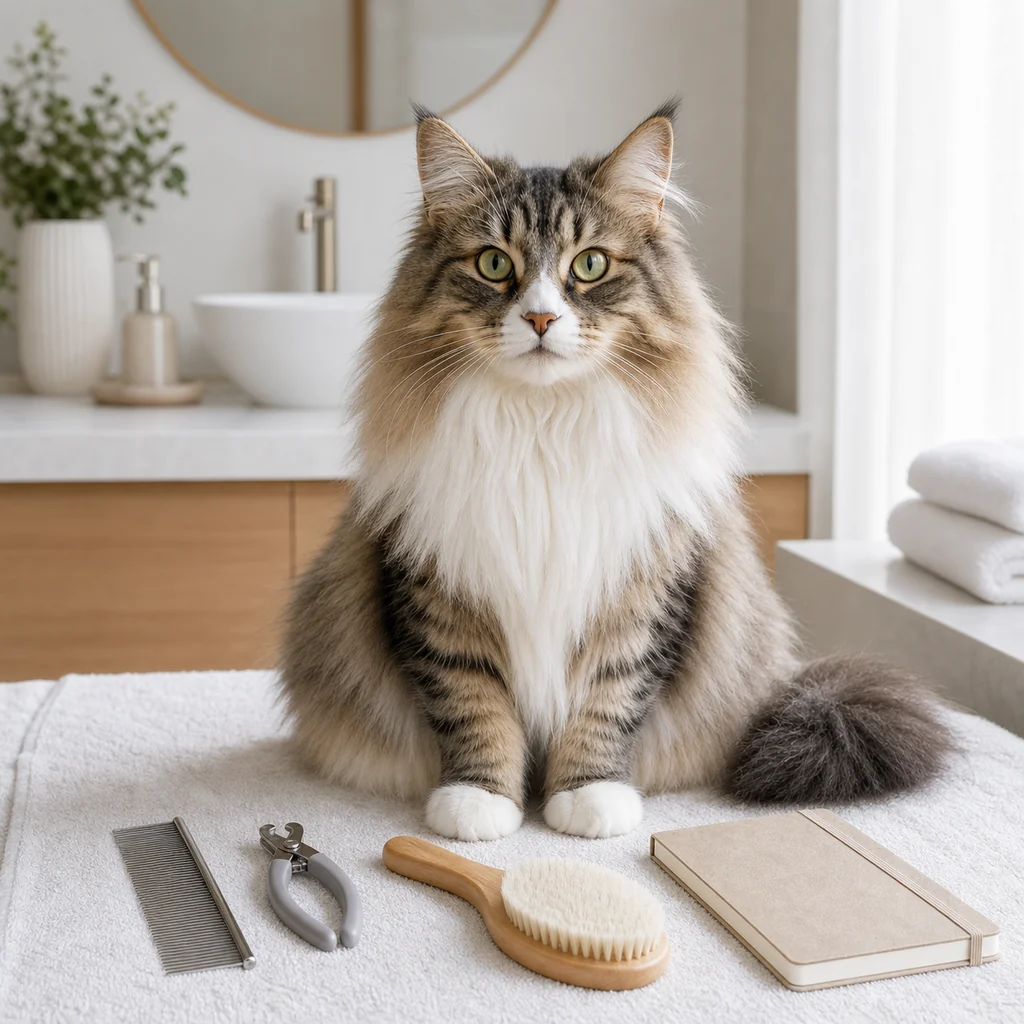
Helpful supplies
These tools help with short, gentle sessions. Painful mats, eye issues, skin wounds, or paw-pad nail problems still belong with a groomer or veterinarian.
Affiliate links: Furball Cove may earn from qualifying purchases at no extra cost to you.
My senior cat is getting mats suddenly: what changed?
Sudden mats on a senior cat can mean stiff joints, pain, weight loss or gain, skin trouble, dental discomfort, or a cat who cannot comfortably reach parts of their coat anymore.
When should I get help?
Ask a groomer or veterinarian for tight mats, skin pain, sudden widespread mats, weight loss, appetite change, stiffness, wounds, odor, or a cat who panics when touched.