Degus are social daytime rodents who need compatible companions, a large ventilated habitat, hay, chew work, dust baths, strict sugar caution, and an exotic-pet vet.
They are engaging pets for prepared homes, not a casual cage choice.
Plan for social degu life
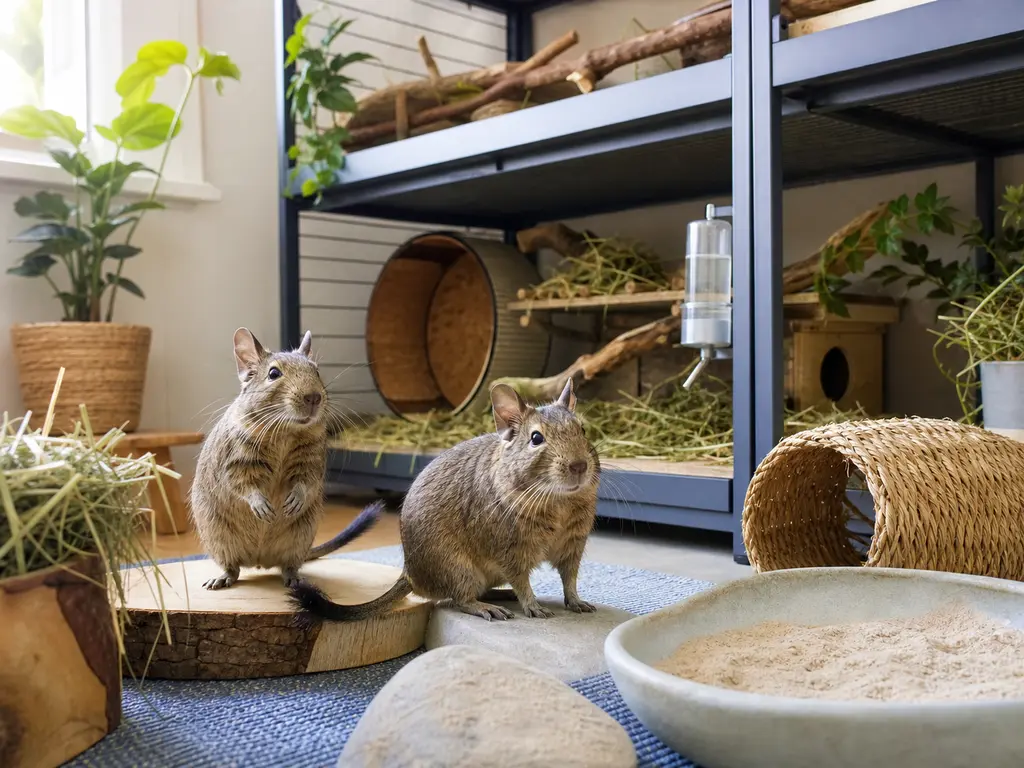
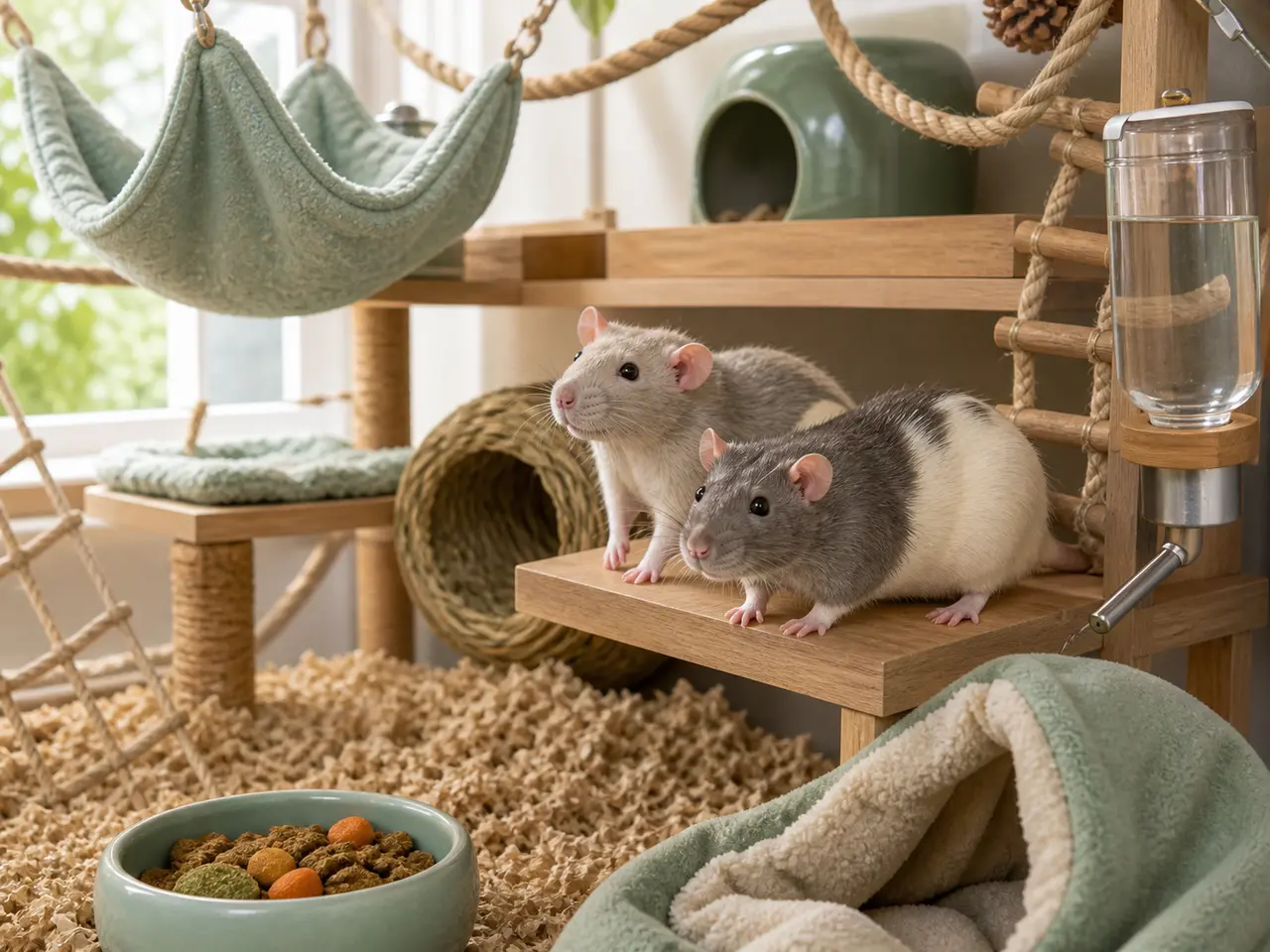
Degus are social animals, so a lone degu is usually a poor plan unless a qualified rescue or veterinarian gives a specific reason. Start with compatible same-species company, sexing confidence, and enough space for more than one animal to move, eat, and rest without being cornered.
Do not casually mix unfamiliar adults. Fighting, wounds, resource guarding, or one degu being pushed away from food or shelves needs experienced help quickly.
Build for chewing and climbing
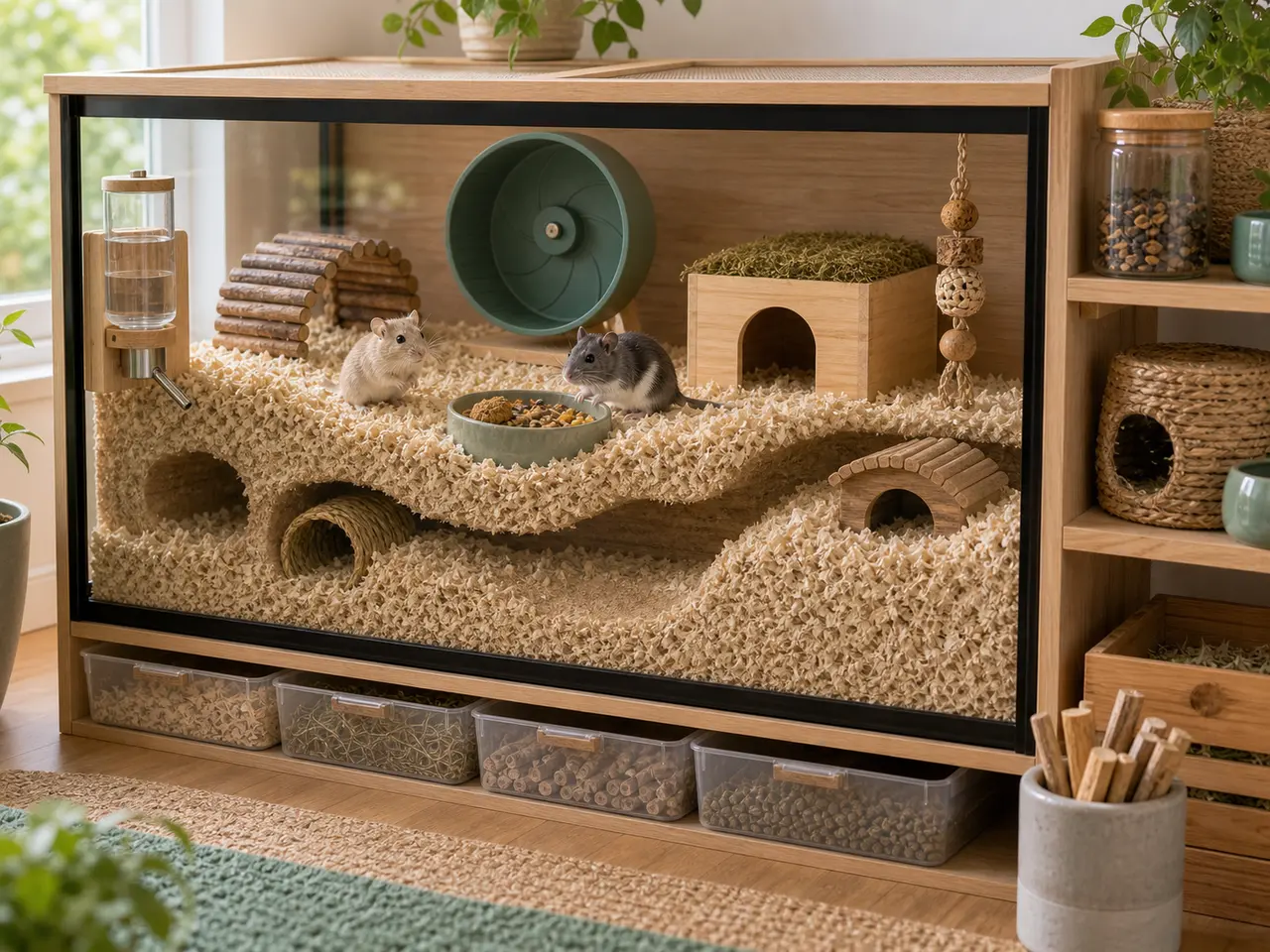
A degu habitat should be large, well ventilated, and built around solid shelves, chew-safe wood, hay, tunnels, and safe climbing routes. Wire floors, tiny cages, weak plastic, and narrow ledges are poor tradeoffs for active rodents.
Chewing is normal degu behavior. Give safe work for teeth and boredom before the enclosure, furniture, or unsafe plastics become the project.
Feed with sugar caution
Degus need a species-appropriate diet built around hay and careful staple feeding. Sugary fruit, sweet treats, and rich random extras are a bad fit because degus are known for sugar-sensitive diet concerns.
Watch hay interest, appetite, water, droppings, weight, and teeth. A degu eating less, drooling, losing weight, or changing chewing behavior needs an exotic-pet veterinarian.
Use dust baths and safe handling
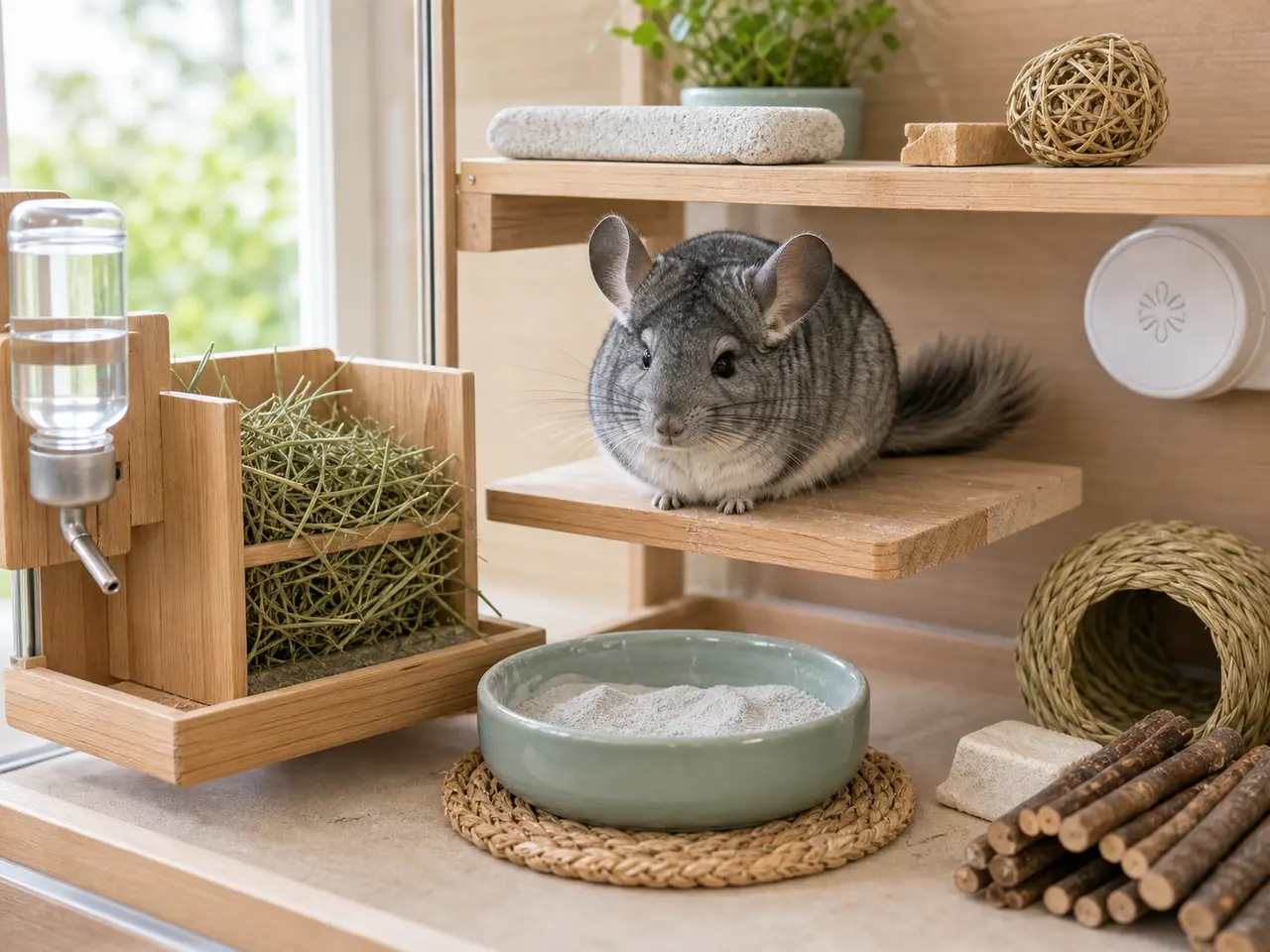
Degus use dust baths for coat care, but the bath should be kept clean and managed as part of the routine. Avoid water bathing unless a veterinarian gives a specific medical plan.
Handle low, patiently, and never by the tail. Tail injuries can be serious, and a fast degu who is chased by hands will learn to avoid handling instead of trusting it.
Choose only if the adult routine fits
Degus can be rewarding because they are busy, social, and often easier to observe during daylight than many small pets. That does not make them beginner-proof.
Choose a degu only if your home can support companions, chewing mess, hay, diet discipline, a large habitat, and a veterinarian who is comfortable with degus.
Before you decide
Can you keep compatible degu companions instead of one lonely pet?
Is there space for a large ventilated habitat with solid shelves and chewing work?
Can the household avoid sugary treats and random fruit feeding?
Can an exotic-pet vet near you see degus?
Next best moves
Choose degus for social daytime behavior, not because they look like easy rodents.
Build the enclosure around chewing, hay, solid surfaces, and safe climbing.
Use strict diet routines; do not feed like a hamster or guinea pig by guesswork.