Updated
Small mammal food safety
Can Small Mammals Eat Cardboard?
Avoid
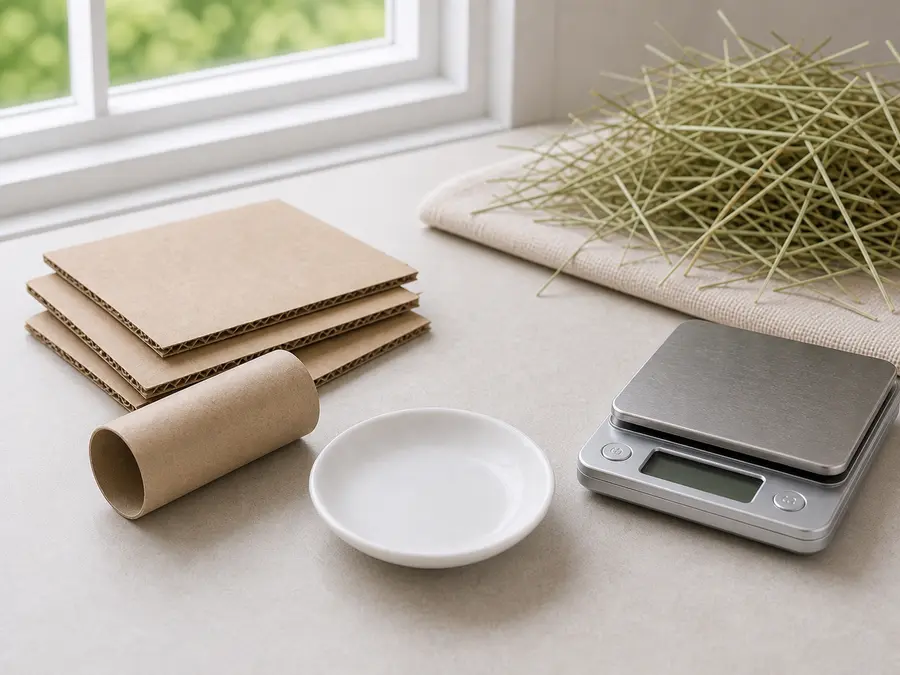
Plain cardboard is not food. Clean unprinted cardboard can be enrichment for some small mammals that shred or chew it, but remove it if pieces are being eaten. Ferrets should not have cardboard to chew.
 Cardboard
Guinea pigs
Chew only
A guinea pig may chew clean plain cardboard for enrichment, but it should not be eaten as food or replace hay.
Syrian and dwarf hamsters
Enrichment only
A hamster may shred clean plain cardboard. Remove it if it becomes damp, dirty, or swallowed in chunks.
Rats
Enrichment only
Rats may shred clean plain cardboard for enrichment. Avoid tape, glue, ink, and food residue.
Mice
Enrichment only
Mice may shred clean plain cardboard, but remove damp, dirty, or swallowed pieces.
Gerbils
Chew only
Gerbils often shred plain cardboard, but it is enrichment, not food. Remove unsafe coatings or residue.
Chinchillas
Use better chews
Plain cardboard may be chewed, but chinchillas are better served with chinchilla-safe chew items and constant grass hay.
Ferrets
Do not give
Do not give cardboard to ferrets to chew. Swallowed pieces can become a blockage risk.
Chewing is not feeding
The question is not whether cardboard has nutrients. It is whether the animal can safely shred it without swallowing chunks.
Remove problem pieces
Take cardboard away if it is damp, dirty, moldy, taped, glued, coated, scented, or being swallowed.
Check the cardboard
- Use clean plain unprinted cardboard only.
- Remove tape, glue, staples, labels, glossy coating, colored ink, fragrance, food residue, and dusty or damp pieces.
- Watch the animal. Shredding is different from swallowing pieces.
Avoid
- Glossy cardboard, printed boxes, tape, glue, staples, labels, scented rolls, food-stained cardboard, damp cardboard, moldy cardboard, or large swallowed pieces.
- Cardboard for ferrets or any animal that tries to eat chunks.
- Using cardboard to replace hay, safe chew items, bedding, or a needed vet call.
Helpful food-safety supplies
Optional tools for measuring, storing, serving, and cleaning up small portions safely.
Affiliate links: Furball Cove may earn from qualifying purchases at no extra cost to you.