Updated
Small mammal food safety
Can Small Mammals Eat Wood Shavings?
Avoid
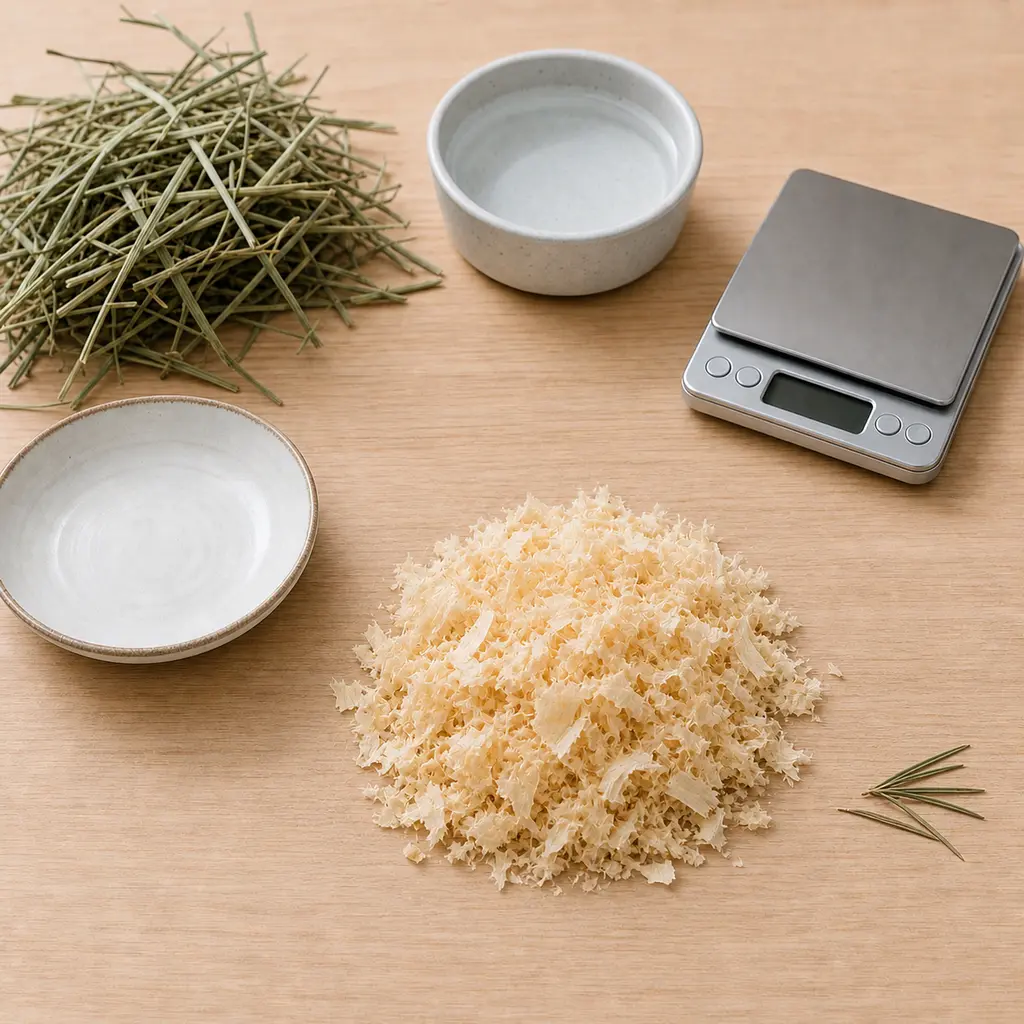
No. Wood shavings are not small-mammal food. A species-safe, low-dust bedding product can be habitat material, but unknown, aromatic, treated, dusty, damp, or swallowed shavings should be removed.
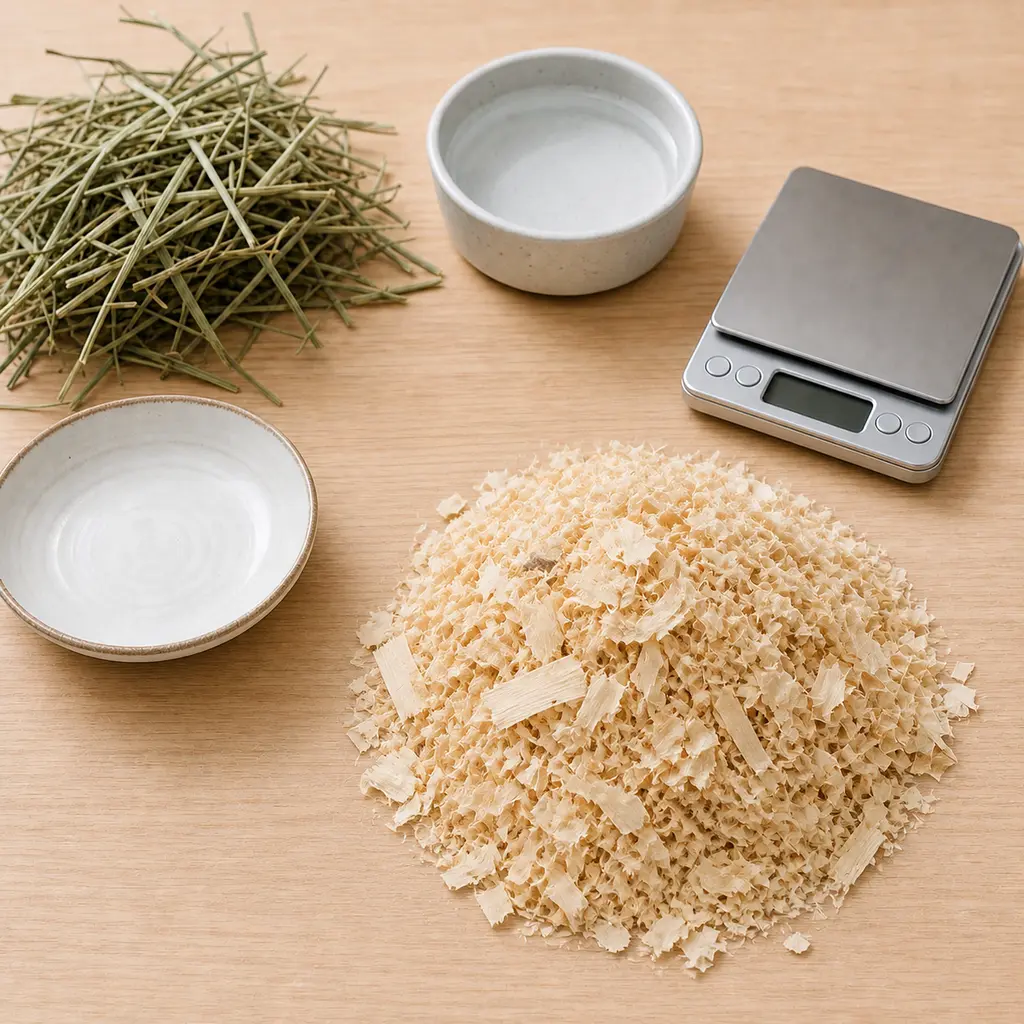 Wood shavings
Guinea pigs
Bedding only
Wood shavings are not guinea-pig food. Use only guinea-pig-safe bedding and keep hay clean, dry, and central.
Syrian and dwarf hamsters
Bedding only
Hamsters may use a safe low-dust substrate, but wood shavings are not food and should be removed if eaten.
Rats
Bedding only
Rats need low-dust bedding. Avoid aromatic, dusty, or unknown wood, and remove shavings from food areas.
Mice
Bedding only
Mice need safe, low-dust bedding. Tiny animals have little margin for dust or swallowed pieces.
Gerbils
Bedding only
Gerbils need burrow-safe substrate and chew-safe items, not loose unknown shavings to eat.
Chinchillas
Use safe bedding
Chinchillas need a dry, low-dust setup with constant hay. Wood shavings are not food or a hay substitute.
Ferrets
Do not chew
Do not let ferrets chew or swallow wood shavings. Use ferret-safe litter and bedding choices.
Bedding is not a snack
The useful question is whether the product is safe bedding, not whether it can be eaten. If shavings are being swallowed, remove them.
Wood type matters
Species-safe, low-dust bedding is different from cedar, treated wood, sawdust, scent-heavy shavings, damp bedding, or unknown shop scraps.
Check the bedding
- Keep shavings out of food bowls, treat dishes, and water.
- Use only low-dust, unscented bedding made for the species you keep.
- Remove dusty, damp, moldy, sharp, treated, aromatic, unknown, or swallowed shavings.
Avoid
- Cedar, aromatic wood, treated wood, painted wood, sawdust, scented shavings, dusty shavings, damp bedding, mold, sharp splinters, and unknown sawmill scraps.
- Using wood shavings as food, chew enrichment, odor control, or a substitute for hay and species-safe bedding.
- Waiting at home if breathing, appetite, droppings, stool, posture, or energy changes after exposure.
Watch
- Sneezing, noisy breathing, eye or nose discharge, coughing, itching, drooling, reduced appetite, fewer droppings, bloating, or signs of swallowed pieces.
- Call an exotic-pet veterinarian promptly for respiratory signs, swallowed shavings, or abnormal behavior after exposure.
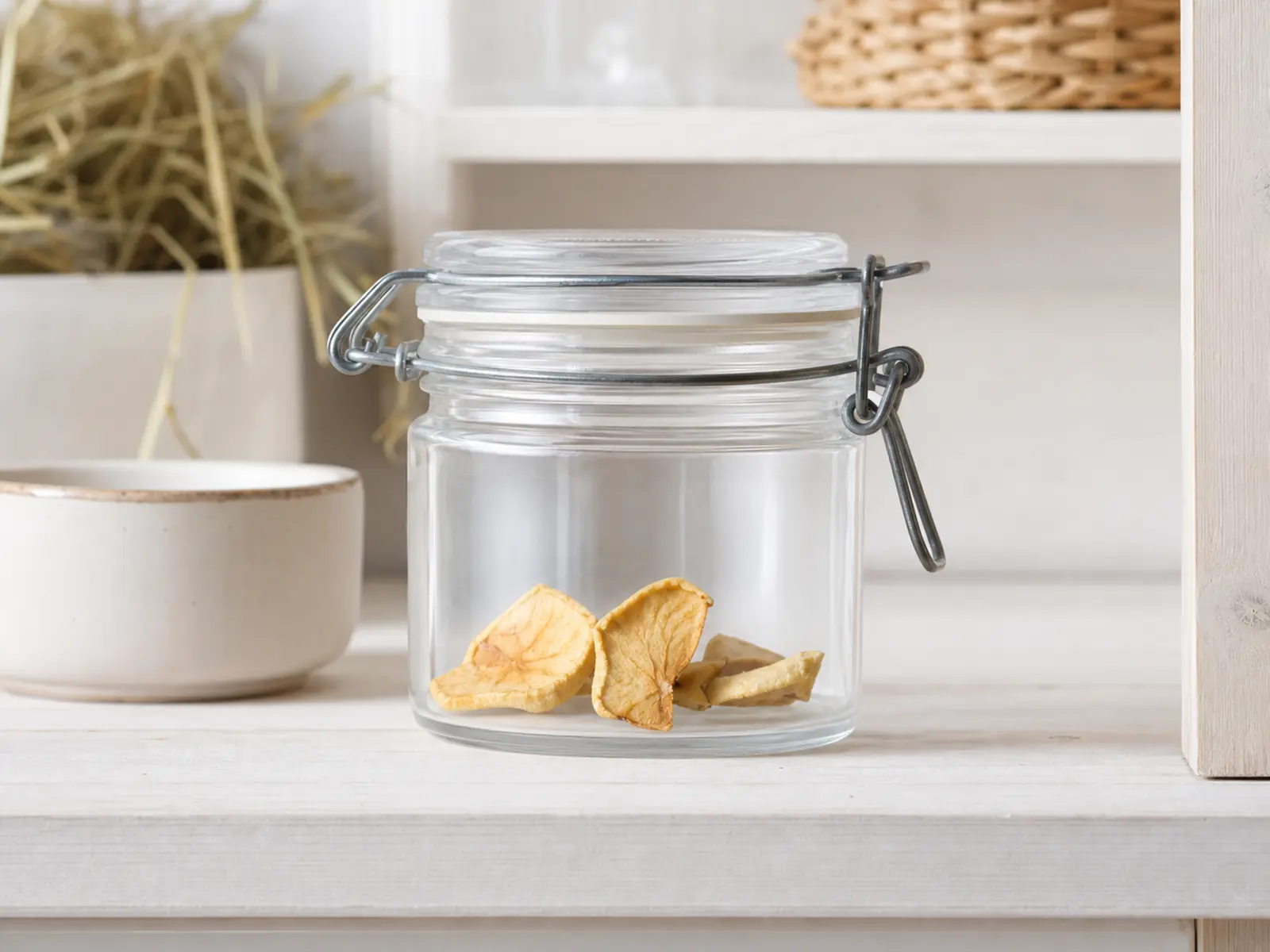
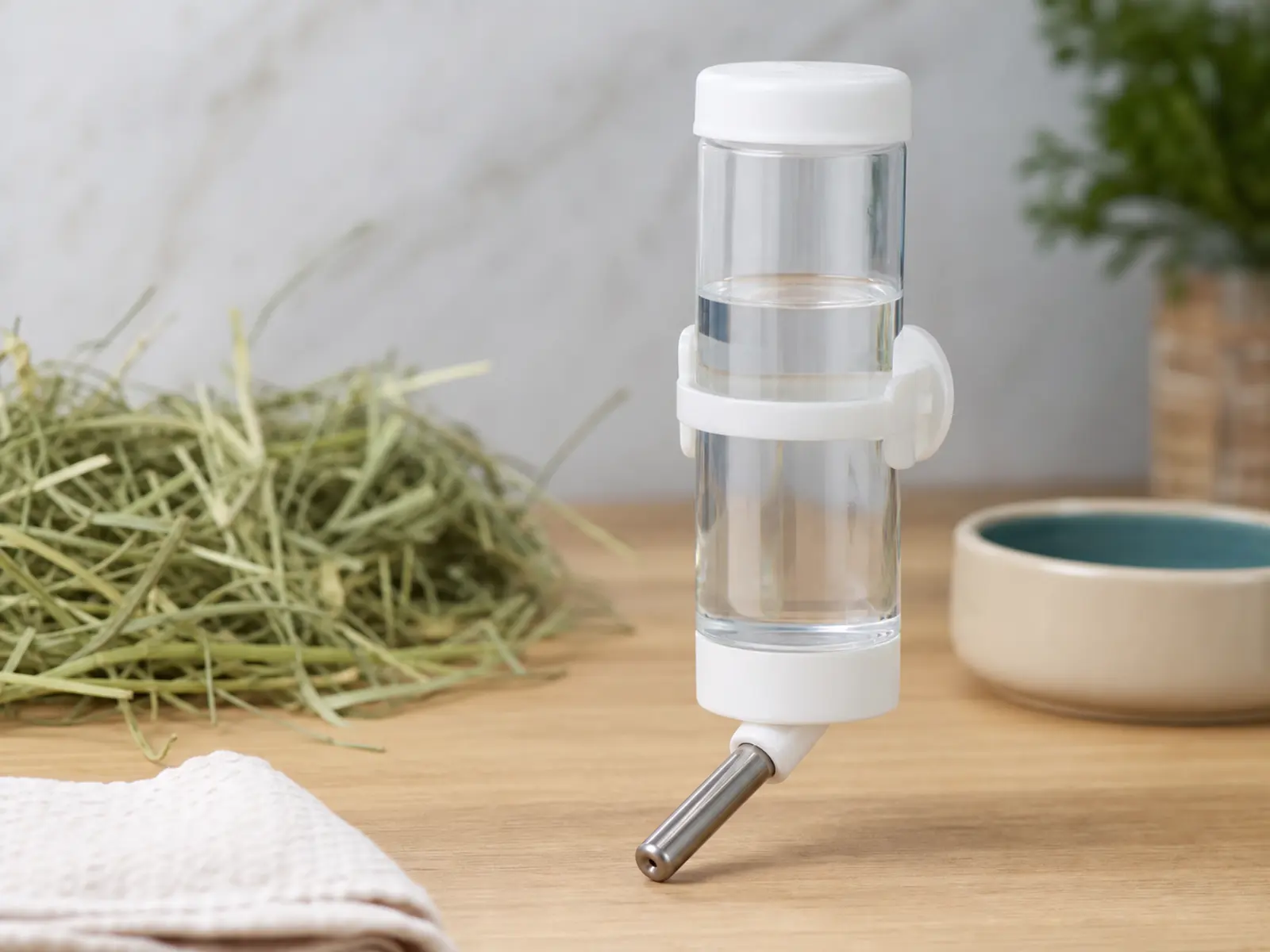
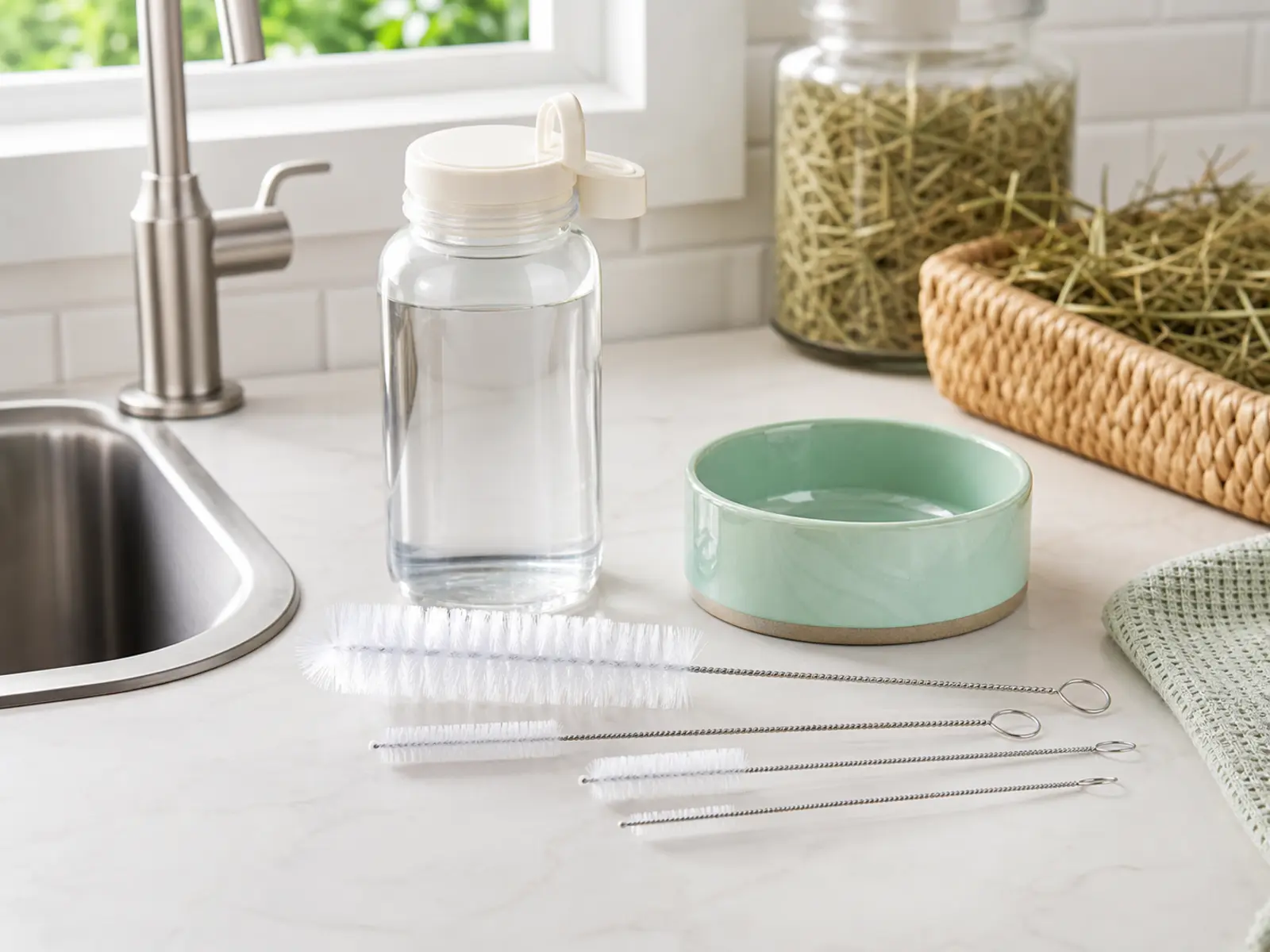
Helpful food-safety supplies
Optional tools for measuring, storing, serving, and cleaning up small portions safely.
Affiliate links: Furball Cove may earn from qualifying purchases at no extra cost to you.